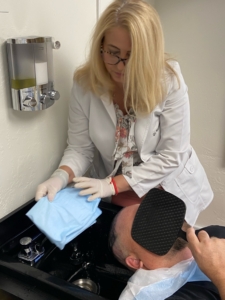
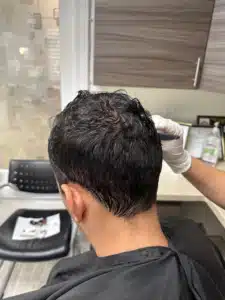
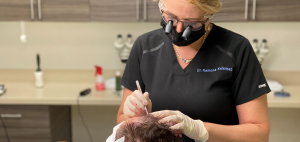
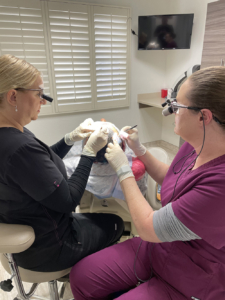
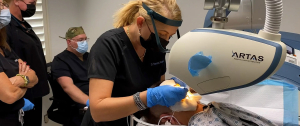
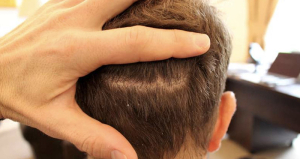
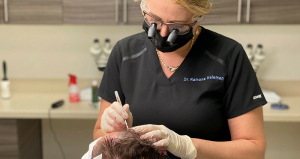
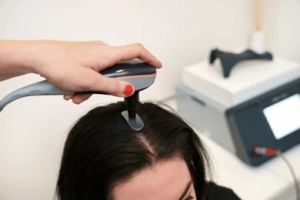
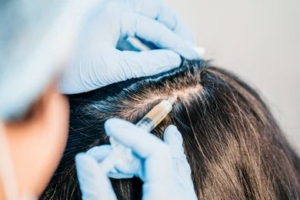
Dr Kelemen teaches the patient to take care of their newly transplanted hair
Received a phone call recently from a person that had a hair transplant with the top surgeon in the valley but could not get hold of him for post op care clarification. Sadly, I could not help him, because he was not my patient, and I would have to see him to provide him with info. My advice is that you must always follow up with your provider, calling another physician will mean that you will have to pay for a consultation which will make you their patient and they can provide care for you.
This was a hard lesson learned by the patient that after he paid 5 figures, he could not find anybody to answer his questions the day after the surgery. The lesson to be learned from this event is that he should have asked more questions during his consultation, and it shows just how important the complete package is i.e. it is not just the hair transplant but the post op and pre op.
At Hair 4 Life, I see the patient personally for the next 3 days, I, the doctor, do the shampoo and teach them how to care for their hair. I feel that post op is just as important as the surgery itself. If you do not take care properly of the new implants, then you waisted your money.
So, for those that did not get post-op instructions from their provider here are Dr. Kelemen’s:
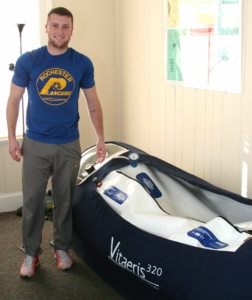
Hyperbaric chamber, same one used by elite athletes, for quicker healing.
Do’s
DO take care of the implanted area
Your hair transplant recovery heavily depends on how well you care for the implanted area within the first seven days after hair transplant. Post-surgery, your doctor will give you a saline solution with copper peptides that you must spray on the transplanted area. On your own, or with the help of someone, spray the solution every 2-3 hours or as directed by your surgeon to avoid swelling.
You may be allowed to wash your hair 24 hours after the surgery, but water pressure must be kept to a minimum, and its temperature must be lukewarm. To manage it easier, you can use a small jar to wash the location of the transplanted roots. Refrain from putting anything on your scalp or using any products that your doctor hasn’t cleared as it may irritate the area.
Once you’ve finished, lightly dab the area with a soft cloth to dry.
You should expect itchiness, especially as the scabs begin to form, but it should be trivial if the technician trimmed the graft properly. But it’s imperative to avoid directly touching the area with your fingers as this may cause bleeding or inflammation. You can also consult your doctor on properly removing scabs after a hair transplant without affecting the newly-placed grafts.
DO use pain medication as recommended
It’s normal to experience swelling, headaches, or discoloration of the transplanted area within the first week. It is essential to take your antibiotics as prescribed to help prevent infection. Painkillers and even sleeping pills when you can’t sleep will help relax your body and give you relief.
DO keep an eye out for infection
Surgical incisions are at risk for infection, which is why unless there’s an absolute need to, avoid touching the donor area with your hands. You’ll also be responsible for keeping your wound dry and changing its dressing.
Always be on the lookout for discharge, pus, excessive bleeding, fever, persistent pain, or increased redness of your scalp. These are signs of a developing infection that needs immediate attention from your doctor.
Don’t
DON’T smoke, drink or take aspirin
Alcohol in the body interferes with its metabolism, which is crucial for the growth of new hair. Taking aspirin in lieu of what you’ve been prescribed may thin the blood and cause excessive bleeding. It’s better to stick with the pain medication you’ve been given.
Nicotine from cigarettes restricts blood flow. We advise our patients to avoid cigarettes at least four weeks before surgery.
DON’T engage in strenuous exercise or activities
Workouts that require too much exertion, lifting, or straining may disrupt the healing of your wound. You need to manage your blood pressure and heart rate to lessen the risk of swelling, so avoid excessive movements, especially during the first two weeks post-op. Too much movement may also cause excessive sweating, and perspiration increases the risks of infection.
DON’T expose your scalp to sunlight
Direct exposure to sunlight can be dangerous to the areas where grafts have been implanted. It is advisable to avoid exposure for at least four months following the FUE hair transplant procedure. But if sun exposure is entirely unavoidable, you must carefully apply sunscreen to the area before heading out. Some patients prefer to use hats to protect themselves from the sun, but there is still a risk of rubbing against the implanted hairs, which is why we don’t recommend it.
More Aftercare Tips
Two important aftercare activities that you will be doing every day are washing your hair and sleeping in a manner that doesn’t affect your surgery. Sleeping with your head elevated will alleviate swelling! Dr. Kelemen recommends you roll a large towel and used it as a neck brace to keep you from rolling left or right the first 3 nights.
The first 3 days after the surgery, I recommend you find hyperbaric center and do 3 sessions to help speed up healing. At my clinic, Hair 4 Life, I offer onsite hyperbaric treatment to my hair transplant patients and the results have been incredible: quicker healing and less scaring!
Here is how you can wash your hair and sleep in the optimal position post-FUE/FUT hair transplant.
Hair Transplant Clinic in Scottsdale
Dr. Kelemen integrates conventional and naturopathic medicine to provide the best of what both worlds have to offer. She creates a unique, compassionate, accepting environment for her patients. You only have to read the reviews to find out how she empowers her clients to look and feel their best. They leave the clinic with their heads held high!
To find out which procedure is best suited to your needs, you are invited to come into Hair4Life for a consultation. Treatments are kept as affordable and accessible as possible so come in and talk to us.
https://hairforlifeaz.com/wp-content/uploads/2023/04/adult-male-brushing-his-hair.jpg10001500Ioan A Kelemenhttps://hairforlifeaz.com/wp-content/uploads/2024/02/Hair-for-Life-Medical-Logo-web.pngIoan A Kelemen2024-10-02 11:36:362026-05-17 19:06:25Importance of Post Operation Care
Hair loss is a common concern for many people, particularly when it affects the crown of the head. This region is often one of the first to show signs of thinning, which can significantly impact one’s overall appearance and self-confidence. Fortunately, modern medical advancements provide effective solutions to address this issue. One such solution is the FUE (Follicular Unit Extraction) crown hair transplant, a procedure that has revolutionized hair restoration by offering natural-looking results with minimal discomfort.
AtHair for Life AZ, we specialize in FUE crown hair transplants, helping our clients restore their hair and regain their confidence. In this blog, we will explore what a FUE crown hair transplant entails, its benefits, the procedure, candidacy, and everything you need to know to make an informed decision about your hair restoration journey. If you’re dealing with hair loss in the crown area and are seeking a transformative solution, this comprehensive guide will provide you with all the essential details.
What is an FUE Crown Hair Transplant?
FUE, or Follicular Unit Extraction, is a state-of-the-art hair transplant method designed to treat hair loss in various parts of the scalp, including the crown. Unlike traditional hair transplant techniques that require a large strip of skin from the donor area, FUE involves extracting individual hair follicles directly from the donor site—typically the back or sides of the head—and implanting them into the thinning or balding areas. This meticulous process ensures a more natural hair growth pattern and minimizes visible scarring.
When focusing specifically on the crown area, an FUE crown hair transplant aims to restore density and volume in one of the most challenging parts of the scalp to treat due to its unique circular pattern. The crown is also known as the vertex, where hair loss often begins to spread in a distinctive spiral or whorl, requiring a skilled and experienced hand to replicate the natural growth direction.
AtHair for Life AZ, our expert team uses advanced FUE techniques to ensure that each transplanted follicle is placed accurately and grows in a manner consistent with your existing hair. This attention to detail is crucial in achieving seamless results that blend naturally with the surrounding hair. If you are experiencing thinning in the crown area, an FUE transplant can help you achieve a fuller and more youthful appearance.
Why Choose FUE for Crown Hair Loss?
FUE is rapidly becoming the preferred method for crown hair transplants due to its numerous advantages over other techniques. One of the primary benefits of FUE is that it is minimally invasive, resulting in less pain, fewer complications, and a quicker recovery time compared to older methods. This means you can return to your daily routine much sooner after the procedure. Additionally, FUE does not require any stitches, which reduces the risk of scarring and infection, ensuring a smooth healing process.
Another significant advantage of FUE is the natural-looking results it provides. Because hair follicles are extracted and implanted individually, the direction, angle, and density of hair growth can be carefully controlled to match the natural pattern of your hair. This level of precision is especially important in the crown area, where hair growth patterns are more complex. AtHair for Life AZ, our team is dedicated to using the latest FUE technology to ensure the most aesthetically pleasing results for our clients.
Choosing FUE for crown hair loss also offers the flexibility to treat even small areas of hair loss effectively. Whether you are experiencing early stages of thinning or more advanced hair loss in the crown, FUE allows for a customized approach tailored to your specific needs. Moreover, because FUE uses your natural hair, the results are long-lasting, blending seamlessly with your existing hair over time.
The Procedure: Step-by-Step Guide to FUE Crown Hair Transplants
Understanding what to expect from an FUE crown hair transplant can help alleviate any concerns you may have about the process. Here’s a step-by-step guide to what happens during the procedure:
Consultation and Planning: Your journey begins with a thorough consultation with one of our hair restoration specialists atHair for Life AZ. During this session, we assess the extent of your hair loss, discuss your expectations, and develop a personalized treatment plan tailored to your needs. This plan includes determining the number of grafts required and the ideal placement for optimal results.
Donor Area Preparation: Once the treatment plan is finalized, we prepare the donor area, usually the back or sides of your head, where hair is genetically resistant to thinning. This area is trimmed to facilitate the extraction process, and local anesthesia is administered to ensure your comfort.
Follicle Extraction: Using a micro-punch tool, our skilled technicians carefully extract individual hair follicles from the donor area. This process is done with precision to minimize damage to the surrounding tissue and to preserve the integrity of each follicle.
Implantation: After extraction, the hair follicles are meticulously implanted into the crown area following the natural growth pattern. Each follicle is placed at the correct angle and depth to ensure a natural look and even hair distribution.
Post-Procedure Care: After the procedure, you will receive detailed aftercare instructions to promote healing and maximize the success of your transplant. Follow-up appointments are scheduled to monitor your progress and address any questions or concerns you may have.
Who is an Ideal Candidate for FUE Crown Hair Transplant?
While FUE crown hair transplants are a versatile solution for many people experiencing hair loss, certain factors determine whether you are an ideal candidate for the procedure. Generally, the best candidates are those with good overall health, realistic expectations, and sufficient donor hair in the back or sides of the scalp.
During your consultation atHair for Life AZ, our specialists will conduct a thorough evaluation to determine your eligibility. Factors such as the degree of hair loss, hair density in the donor area, and overall scalp health are carefully assessed to provide a realistic projection of the potential outcomes. We are committed to transparency, and our team will provide an honest recommendation tailored to your needs.
Dr Kelemen and Jessica doing what they love to do!
Results and Expectations: What to Expect After Your FUE Crown Hair Transplant
One of the most exciting aspects of undergoing an FUE crown hair transplant is the anticipation of results. However, it is essential to understand that achieving the desired outcome takes time. Initially, you may experience some shedding of the transplanted hair follicles. This is a normal part of the process, as the follicles enter a resting phase before new growth begins.
Visible results typically start to emerge around three to four months after the procedure. By the six-month mark, you will notice a significant improvement, with continued growth and density over the next several months. The final results are usually evident 12 to 18 months after the transplant.
AtHair for Life AZ, we prioritize realistic expectations and work closely with our clients to ensure satisfaction throughout the hair restoration journey. Regular follow-ups and guidance are provided to help you navigate the recovery period and understand what to expect at each stage.
Common Myths and Misconceptions About FUE Crown Hair Transplants
Despite the growing popularity of FUE crown hair transplants, several myths and misconceptions persist. One common myth is that the procedure is extremely painful. In reality, FUE is minimally invasive, and any discomfort experienced during or after the procedure is typically mild and manageable with over-the-counter pain relief.
Another misconception is that hair transplants look unnatural or “pluggy.” AtHair for Life AZ, we use advanced techniques to ensure each follicle is placed to mimic your natural hair growth pattern. This results in a seamless blend that is virtually indistinguishable from your original hair.
Cost is another area where misconceptions abound. While FUE transplants are an investment, they are often more affordable than people think, especially considering the long-term benefits of a permanent solution to hair loss. Our team can provide a detailed breakdown of costs and financing options to make the procedure accessible to a broader range of clients.
Cost and Considerations: Is FUE Crown Hair Transplant Worth It?
The cost of an FUE crown hair transplant can vary based on several factors, including the extent of hair loss, the number of grafts required, and the clinic’s location and expertise. AtHair for Life AZ, we offer competitive pricing and transparent packages to ensure our clients fully understand the investment they are making.
When considering the cost, it is essential to weigh the long-term benefits against the initial expense. Unlike temporary solutions such as wigs or medications, an FUE crown hair transplant provides a permanent solution to hair loss. The confidence and satisfaction that come with restored hair can significantly impact your quality of life, making the investment well worth it.
Additionally, the procedure’s minimally invasive nature means fewer complications, less downtime, and faster recovery, further adding to its value. Our team will work with you to develop a personalized treatment plan that aligns with your budget and goals.
Dr Kelemen at the 32nd ISHRS meeting in Denver, CO.
Why Choose Hair for Life AZ for Your FUE Crown Hair Transplant?
AtHair for Life AZ, we are dedicated to providing exceptional hair restoration services tailored to meet the unique needs of each client. Our team of highly skilled professionals has extensive experience in performing FUE crown hair transplants with precision and care. We use the latest technology and techniques to ensure optimal results, and our commitment to client satisfaction is unmatched.
Our clinic offers a comfortable, welcoming environment where you can feel at ease throughout your hair restoration journey. From your initial consultation to post-procedure care, we provide comprehensive support to help you achieve your desired outcome. With a track record of success and numerous satisfied clients, Hair for Life AZ is your trusted partner for hair restoration.
If you’re considering a hair transplant, schedule a consultation with us today to learn more about how an FUE crown hair transplant can change your life. We are here to guide you every step of the way toward a fuller, more youthful appearance.
https://hairforlifeaz.com/wp-content/uploads/2024/09/Downpic.cc-2472164679.jpg260390Ioan A Kelemenhttps://hairforlifeaz.com/wp-content/uploads/2024/02/Hair-for-Life-Medical-Logo-web.pngIoan A Kelemen2024-09-17 03:06:062026-01-21 19:09:51Understanding FUE Crown Hair Transplants: How This Procedure Can Transform Your Appearance
Everything You Need to Know About Hairline Lowering Surgery (Forehead Reduction)
Hairline lowering surgery, also known as forehead reduction, is a specialized cosmetic procedure designed to reduce the height of the forehead and create a more balanced facial appearance. This surgery has gained popularity for its ability to enhance facial proportions and boost self-confidence. If you’re considering this procedure, here’s everything you need to know, including the benefits, the process, recovery, and why you might want to choose Hair for Life AZ for your hair transplant needs.
What is Hairline Lowering Surgery?
Hairline-lowering surgery is a surgical technique aimed at reducing the size of the forehead by moving the hairline closer to the eyebrows. This procedure is particularly beneficial for individuals with a high or receding hairline, those experiencing hair loss, or those simply seeking a more aesthetically pleasing facial balance.
Reduce Forehead Size: Shortens the distance between the hairline and the eyebrows.
Enhance Facial Proportions: Creates a more balanced and harmonious facial appearance.
Boost Confidence: This helps individuals feel more comfortable and confident with their appearance.
Hairline sites.
Why Consider Hairline Lowering Surgery?
Hairline-lowering surgery can be a transformative option for various reasons. Here’s why many people choose this procedure:
High Forehead: A high hairline often results in an unusually large forehead, which can disrupt facial harmony and create an imbalance in one’s appearance. By lowering the hairline, you can achieve a more proportional and aesthetically pleasing look.
Receding Hairline: Genetics, aging, or other factors can cause a hairline to recede, making the forehead appear larger. This condition can be distressing, impacting self-esteem and confidence. Hairline-lowering surgery helps address this issue by repositioning the hairline closer to the eyebrows.
Aesthetic Preferences: Some individuals have a personal or cultural preference for a lower hairline. For these individuals, the procedure can enhance their facial features and align with their aesthetic goals, contributing to increased satisfaction with their overall appearance.
Benefits of Hairline Lowering Surgery:
Immediate Results: The procedure offers a noticeable reduction in forehead size right after the surgery, giving you an instant improvement in facial balance.
Long-lasting Effects: Unlike temporary solutions, hairline lowering surgery provides a permanent fix, delivering long-term results that significantly enhance your appearance.
Minimally Invasive: Compared to other cosmetic surgeries, this procedure is less invasive, generally involving fewer risks and a shorter recovery time, allowing you to return to your daily activities more quickly.
How is Hairline Lowering Surgery Performed?
The procedure involves several steps, each of which is crucial for achieving the desired outcome.
Consultation:
Assessment: A thorough evaluation of your hairline, facial proportions, and overall health.
High Patient Satisfaction: Proven track record of successful procedures and satisfied clients.
Cost and Financing Options
The cost of hairline lowering surgery can vary based on several factors, including the complexity of the procedure, the surgeon’s experience, and the location of the clinic. Hair for Life Medical offers various financing options to help make the procedure more affordable.
Factors Affecting Cost:
Surgical Complexity: The extent of forehead reduction required.
Surgeon’s Expertise: Higher expertise may come with a higher cost.
Location: Costs can vary based on the clinic’s location.
Financing Options:
Payment Plans: Flexible payment plans to spread out the cost.
Insurance: Check if your insurance covers any part of the procedure.
For more information about hairline lowering surgery and to schedule a consultation, visitHair for Life Medical today. Your journey to a more balanced and confident appearance starts here!
https://hairforlifeaz.com/wp-content/uploads/2024/05/Mask-Group-177@2x-1.jpg11641264Ioan A Kelemenhttps://hairforlifeaz.com/wp-content/uploads/2024/02/Hair-for-Life-Medical-Logo-web.pngIoan A Kelemen2024-08-20 20:53:332026-05-21 12:54:19Everything You Need to Know About Hairline Lowering Surgery (Forehead Reduction)
Everything You Need to Know About Female Hair Restoration
Are Hair Transplants an Option for Women?
Hair loss is often associated with men, but it is also a significant concern for many women. Female hair loss can be caused by various factors, including genetics, hormonal changes, and medical conditions. For women who have struggled with thinning hair or bald spots, hair transplants have emerged as a viable solution. In this comprehensive guide, we will explore whether hair transplants are an option for women, how they work, and what you need to know about female hair restoration.
Thinning Hair: Gradual thinning of hair, especially at the crown or part line.
Bald Spots: Small patches of baldness on the scalp.
Excessive Hair Shedding: Increased hair fall when brushing or washing hair.
What Is a Hair Transplant?
A hair transplant is a surgical procedure that involves moving hair follicles from one part of the body (typically the back of the head) to a thinning or bald area. The two main techniques used are:
Follicular Unit Transplantation (FUT): This involves removing a strip of scalp from the donor area, dissecting it into individual follicles, and implanting them into the recipient area.
Hair transplants can be a suitable option for women, but several factors determine their eligibility and effectiveness. Here’s an expanded look at these factors:
Localized Hair Loss: Women experiencing hair loss in specific areas due to trauma, scarring, or other localized issues can benefit from hair transplants. The procedure can effectively cover these bald patches and restore a natural appearance.
Diffuse Thinning: Women with widespread hair thinning, where the hair loss is more generalized and less localized, might not see the same level of success with hair transplants. The results can be less predictable in such cases, and other treatments may be recommended in conjunction with or instead of a transplant.
Hair Density
Donor Area Quality: A critical factor in the success of a hair transplant is having a donor area with sufficient density and health. This area, typically at the back or sides of the head, should have a good number of healthy, robust hair follicles.
Extent of Hair Loss: For women with extensive hair loss, the donor area might not provide enough follicles to cover the desired area. In such cases, the available donor hair may be used sparingly, and results may vary.
Alternative Treatments: If the donor’s hair is insufficient, other treatments such as medication, PRP therapy, or hair restoration products might be recommended either alone or in combination with a transplant to achieve better results.
Overall Health
General Health: Candidates for hair transplants should be in good overall health. Conditions that affect the scalp or hair growth, such as autoimmune disorders or chronic illnesses, can impact the success of the transplant.
Medical Conditions: Women with certain medical conditions or those on specific medications that affect hair growth might need to address these issues before considering a transplant. A thorough evaluation by a specialist is necessary to ensure that the procedure will be safe and effective.
Healing and Recovery: Good health supports better healing and recovery post-surgery. Candidates need to follow pre-and post-operative care instructions to ensure the best possible outcome.
Each individual’s situation is unique, and a detailed consultation with a hair restoration specialist can provide personalized advice on whether a hair transplant is the right choice.
The Hair Transplant Procedure
Initial Consultation
The process begins with a consultation with a specialist atHair For Life AZ. During this consultation, the surgeon will:
Anesthesia: The scalp is numbed with local anesthesia to ensure comfort during the procedure.
Harvesting: Hair follicles are extracted from the donor area using FUT or FUE techniques.
Implantation: The follicles are carefully implanted into the thinning or bald areas of the scalp.
Post-Procedure Care: You will receive instructions on how to care for your scalp, including avoiding strenuous activities and following a prescribed regimen.
Recovery and Results
Immediate Post-Surgery: Some swelling, redness, and discomfort are normal but should subside within a few days.
First Few Weeks: Shedding of transplanted hair is common, but new growth will begin within a few months.
Final Results: Full results can be seen within 6-12 months as new hair grows and matures.
Alternatives to Hair Transplants
If a hair transplant is not suitable, consider these alternatives:
Hair transplants offer a promising solution for women dealing with hair loss, providing a natural and permanent way to restore their hair. Understanding the procedure, evaluating your options, and choosing a reputable clinic are essential steps in achieving the best results. For personalized advice and top-quality hair restoration services, visitHair For Life AZ to begin your journey towards a fuller head of hair.
https://hairforlifeaz.com/wp-content/uploads/2024/01/Hair-Loss-and-Hair-Straighteners.jpg10011500Ioan A Kelemenhttps://hairforlifeaz.com/wp-content/uploads/2024/02/Hair-for-Life-Medical-Logo-web.pngIoan A Kelemen2024-08-20 20:42:102026-01-21 19:09:49Everything You Need to Know About Female Hair Restoration
https://hairforlifeaz.com/wp-content/uploads/2024/05/Mask-Group-188@2x.jpg9721264Ioan A Kelemenhttps://hairforlifeaz.com/wp-content/uploads/2024/02/Hair-for-Life-Medical-Logo-web.pngIoan A Kelemen2024-08-01 09:43:082025-05-25 19:10:48What sets Hair 4 Life Medical apart from the rest of the hair transplant clinics in Scottsdale, Arizona
Are you tired of feeling self-conscious about dealing with your hair loss and ready to take control of your appearance? Discover the best hair restoration clinic in Scottsdale! In this comprehensive guide, we’ll walk you through the process of finding the right hair transplant center, the various treatments available, and how to finance your hair restoration journey. With the right team by your side, you can achieve the natural-looking, confidence-boosting results you’ve always wanted.
Short Summary
Hair 4 Life is a state-of-the-art hair restoration clinic in Scottsdale, offering the latest techniques and personalized care for undetectable results.
Dr. Kelemen is the only physician to offer and perform Celebrity FUE, No-shave FUE, Incognito FUE in Arizona.
Dr. Ramona Kelemen specializes in the newest hair transplant technologies and uses both surgical and non-surgical methods to replace lost hair and rejuvenate existing hair follicles.
Hair 4 Life offers expertise, experience, financing options & real-life results of their services through before & after galleries & patient testimonials.
Choosing the Right Hair Transplant Clinic
Selecting the appropriate hair restoration clinic is crucial for achieving successful results and regaining your confidence. Your hair restoration journey depends on the expertise and care provided by the clinic you choose. That’s where Hair 4 Life in Scottsdale comes in. Offering a combination of expertise, advanced techniques, and personalized care, Hair 4 Life is the premier choice for hair transplantation. Hair 4 Life is the only clinic in AZ to offer all forms of hair transplantation: FUT and FUE via ARTAS robotic, WAW system and Zeus Ugraft. We are known as the hair transplant repair clinic, where patients come to have their botched hair transplants fixed. We, now, can say that we have covered every spectrum of hair transplant patient: from royal family member to movie stars, to CEOs that have traveled because they felt Dr Kelemen was the best choice for their procedure.
hair 4 Life is a renowned hair transplant clinic in Scottsdale, providing exceptional hair restoration services that promote new hair growth. Led by Dr. Kelemen, one of Scottsdale’s leading hair transplant physicians, the clinic is known for providing a natural appearance to its patients. With cutting-edge technology at their fingertips, the team at Hair 4 Life is equipped to handle all your hair restoration needs.
Hair 4 Life Hair restoration clinic
Dr. Ramona Kelemen
Dr. Ramona Kelemen, the clinical director and founder of Hair 4 Life, is a board-certified general practice doctor with expertise in hair restoration and transplant procedures. With two doctorate degrees, M.D. (EU) and N.D., Dr. Kelemen with over 22 years, has extensive experience in the field of hair transplant, and a comprehensive knowledge of the most current techniques and technologies.
Dr. Kelemen is highly proficient in the newest hair transplant techniques, including FUE (Follicular Unit Extraction) and FUT (Follicular Unit Transplantation). She has a passion for treating hair loss in men and women with the latest surgical and non-surgical hair restoration techniques, Dr. Kelemen integrates the best of what conventional and naturopathic medicine have to offer to create a unique and personal experience for patients with optimal results.
Experience is essential for attaining a natural hairline design. The team at Hair 4 Life understands the importance of expertise and experience in providing the most effective hair restoration treatments. They offer a range of services, like ARTSA Robotic, WAW FUE, No Shave FUE, FUT Strip, Manual FUE, Beard and Eyebrow Transplants, BHT-body to scalp hair transplant and also non-surgical methods, which have been highly proven effective at stimulating natural hair for growth.
Non-surgical treatments, at Hair 4 Life, are designed to be minimally invasive and provide natural-looking results for natural hair. Hair 4 Life is the only clinic in Arizona to offer Regenera Activa treatment for hair loss.
Advanced Techniques
Hair 4 Life employs advanced techniques such as FUE (Follicular Unit Extraction) and potentially other variations of FUE like Sapphire FUE and DHI (Direct Hair Implantation) to provide natural-looking results. FUE is a technique for harvesting hair for a hair restoration procedure wherein individual hair follicles are extracted one by one from the donor area.
Follicular Unit Transplant (FUT), another advanced technique used at Hair 4 Life, involves extracting a strip of scalp from the back of the head or body and transplanting individual hair follicles to areas requiring restoration. By utilizing these cutting-edge methods, Hair 4 Life ensures minimal scarring and optimal results for their patients.
Personalized Approach
Hair 4 Life’s personalized approach to hair restoration takes into account each patient’s specific hair loss pattern, hair type, and lifestyle to create a tailored treatment plan. This customized approach ensures that each patient receives the most effective outcome, leading to a more natural and long-lasting result.
By taking into account the individual needs of each patient, Hair 4 Life is able to provide hair for life.
Hair Restoration in Scottsdale, Arizona
Hair restoration in Scottsdale includes both surgical and non-surgical treatments to meet the diverse needs of patients experiencing hair loss. Dr. Kelemen, at Hair 4 Life, offers exceptional care and full service with a wide range of services, ensuring that every individual embarks on a successful hair restoration journey.
Hair transplant surgery, also known as hair replacement surgery, is a popular and effective solution for hair loss, providing a permanent solution to male pattern baldness and female pattern baldness in women. Various techniques are available, such as Follicular Unit Extraction (FUE) and Follicular Unit Transplant (FUT), to suit the needs of each patient and ensure natural, long-lasting results.
At Hair 4 Life, the team’s expertise in hair transplant surgery ensures the highest quality outcomes for patients. By carefully selecting the appropriate technique for each individual, they can create or restore a natural-looking hairline and restore confidence in their appearance.
Dr. Kelemen at Hair 4 Life
Dr. Kelemen is a trusted hair transplant surgeon, known for her skill and attention to detail. At Hair 4 Life, she offers a range of services such as Scalp Micropigmentation (SMP), Alopecia Areata Treatments, Scalp Treatments, and Hair Transplant services.
Her expertise and experience in the field, along with her commitment to delivering exceptional results, make her a sought-after choice for hair restoration in Scottsdale.
Non-Surgical Treatments
For those seeking alternative hair loss solutions, Hair 4 Life also offers non-surgical treatments like Hormone Therapy, Regenera Activa, Injectables, PDO threads for hair loss, Medication, and Laser Hair Therapy.
A hair transplant procedure involves several steps, including an initial consultation, preparation for surgery, and post-operative care, all provided by Hair 4 Life’s by the doctor. Dr. Kelemen believes firmly in providing the care herself. This approach makes her unique in this field. She is among a small group doctor that not only know BUT can and do every step of the procedure. Understanding the entire process not only helps patients make informed decisions but also ensures they are fully prepared for their hair restoration journey, which may include various hair restoration procedures.
At Hair 4 Life, Dr. Kelemen will guide you through the entire process, from the beginning to the end. She is involved in every step of the process with minimal use of surgical techs.
Initial Consultation
The initial consultation at Hair 4 Life is a crucial step in determining the best course of action for each patient’s own hair loss restoration journey. During the consultation, Dr. Kelemen will discuss the patient’s hair loss objectives and the most suitable treatment options for their individual requirements.
Dr. Kelemen will also evaluate the patient’s scalp and hair quality to identify the optimal course of action. When you leave her consultation, you will feel like you just left a college course because you will know everything about hair transplantation and what options best fits your particular case.
When the patient decides to book a surgery a down payment will be made do hold that day. That whole day is dedicated to the surgery and the doctor will not see other patients. She is 100% focused on the surgery as she is does every step of the surgery from anesthesia to extraction, site making, sometimes helping trim the grafts if the surgery is large, and finally placing the grafts with the aid of her trusted technician Jessica Cincotta.
Preparing for Surgery
Preparing for hair transplant surgery involves following specific guidelines provided by Hair 4 Life to ensure optimal results. Patients are advised to cease smoking at least 24 hours prior to the surgery and abstain from consuming alcohol for a few days before the procedure is performed.
Post-operative care is crucial for a successful hair transplant, as it helps ensure proper healing and growth of the transplanted hair grafts. Hair 4 Life offers guidance and support throughout the healing process, including the administration of pain medications and instructions on how to care for the transplanted area.
Patients may also have pain and require antibiotics or anti-inflammatory medicines following the procedure performed.
At Hair 4 Life, Dr. Kelemen uses HBOT/hyperbaric oxygen treatment to speed up the healing process. The results speak for themselves! Patients are in aw on how fast they heal.
Hair 4 Life’s before and after gallery showcases real-life results of their hair restoration services, providing a visual representation of the natural-looking, long-lasting outcomes patients can expect. By viewing these transformations, potential patients can gain confidence in Hair 4 Life’s proven ability to deliver exceptional results and make an educated decision regarding their hair restoration journey.
Hair 4 Life’s before and after gallery is a powerful tool for potential patients to gauge results.
Patient testimonials provide valuable insight into the positive experiences and successful outcomes of Hair 4 Life’s hair restoration treatments. Patients have praised the clinic’s professional staff, expertise, and the natural-looking results they’ve achieved.
These testimonials serve as further evidence of Hair 4 Life’s commitment to excellence and the satisfaction of their patients.
The Role of Plastic Surgery in Hair Restoration
The role of plastic surgery in hair restoration is significant, as it involves hair restoration surgery, which includes hair replacement surgery and the surgical transfer of hair from one region of the scalp to another to fill in the bald areas or with thinning or baldness. Hair 4 Life’s team of experts, led by Dr. Kelemen, provides comprehensive care and expertise in hair transplantation, ensuring that each patient receives the highest quality outcomes and a natural-looking hairline.
The team is dedicated to providing the best possible care and results for each patient, and they are committed to providing the best possible care and results for each patient.
Financing Your Hair Restoration Journey
Hair 4 Life understands that a hair restoration surgery can be a significant investment, which is why they offer a variety of financing options to make the process more accessible for all patients. With options such as Cherry patients can find a financing solution that suits their budget and allows them to embark on their hair restoration journey with confidence.
No matter the financial situation, Hair 4 Life is committed to helping patients achieve their hair restoration.
Contact Hair 4 Life
To learn more about Hair 4 Life’s hair restoration services and to schedule a consultation, contact them at (480) 525-4547 or visit their website at h4l-az.com. Their team of experts is ready to help you relax, regain your full body confidence and achieve the natural-looking hair growth you’ve always desired.
Summary
In conclusion, finding the best hair transplant clinic in Scottsdale is crucial for achieving successful, natural-looking results. Hair 4 Life offers a combination of expertise, advanced techniques, and personalized care, ensuring each patient embarks on a successful hair restoration journey. Explore their range of services, view real-life results, and read patient testimonials to make an informed decision about your hair restoration journey. Contact Hair 4 Life to schedule a consultation and take the first step toward a more confident, youthful appearance.
Frequently Asked Questions
What is the average cost of a hair transplant?
On average, a hair transplant costs between $7,000 and $10,000, though some cases may range from $8,000 to $25,000 depending on the number of hair grafts needed and the type of surgery.
How much does a 2000 hair follicle transplant cost?
The average cost of a 2000 graft hair transplant in the US is around $10,000, depending on various factors such as the clinic location, surgeon experience and type of method used.
These factors can affect the cost significantly, so it is important to do your research and find the best option for you.
It is also important to consider the long-term costs associated with hair transplants, such as the cost of follow-up treatments.
How much does 1000 grafts hair transplant cost?
On average, 1000 grafts for a hair transplant will cost between $2500-$5500. However, this amount can go up exponentially depending on the number of follicles being transplanted and method used; prices could range from $5500 to over $50000.
What factors should I consider when choosing a hair transplant clinic?
When choosing a hair transplant clinic, make sure to consider the clinic’s reputation and the experience of the surgeons, as well as any advanced techniques they offer and their personalized approach.
Look for a clinic that has a good track record and a team of experienced surgeons who are abreast on the latest techniques. Ask about their approach to hair transplantation and how they customize the procedure to meet your individual needs.
What advanced techniques are employed at Hair 4 Life?
Hair 4 Life offers advanced techniques such as FUE (Follicular Unit Extraction), FUT (Follicular Unit Transplantation) and potentially other variations like Sapphire FUE and DHI (Direct Hair Implantation) to provide its customers with the best results.
These techniques are designed to give women the most natural looking results with minimal scarring, discomfort and downtime. They are also designed to be minimally invasive and provide the best possible outcome for the patient.
Contact Hair 4 Life in Scottsdale
Dr. Kelemen integrates allopathic and naturopathic medicine to provide the best of what both worlds have to offer. She creates a unique, compassionate, accepting environment for her patients. You only have to read the reviews to find out how she empowers her clients to look and feel their best. They leave the clinic with their heads held high!
To find out which procedure is best suited to your needs, you are invited to come into Hair4Life Medical for a free consultation. Treatments are kept as affordable and accessible as possible so come in and talk to us.
https://hairforlifeaz.com/wp-content/uploads/2024/02/Hair-for-Life-Medical-Logo-web.png620800Armour Cloud Adminhttps://hairforlifeaz.com/wp-content/uploads/2024/02/Hair-for-Life-Medical-Logo-web.pngArmour Cloud Admin2024-07-31 07:58:592025-06-26 09:39:11Find the Best Hair Transplant Clinic in Scottsdale
Finasteride Use After Hair Transplant vs. Hair Transplant Without Finasteride
When facing the challenge of hair loss, many individuals turn to surgical options like hair transplants to restore their hairline. However, the journey doesn’t stop at the transplant. Post-operative care is crucial, and this includes the decision of whether to use medications like finasteride to maintain and enhance the results.
In this blog, we’ll dive deep into the pros and cons of finasteride after a hair transplant versus opting for a hair transplant without finasteride. For those considering these treatments, understanding the full scope of each option is essential for making an informed decision. We’ll also introduce you to Hair For Life, a premier destination for those seeking expert guidance and treatment options in hair restoration.
Understanding Hair Transplant and Finasteride
Hair loss is a common issue affecting millions worldwide, prompting many to seek effective treatment options. Among these, hair transplants and finasteride stand out as two of the most prevalent and researched solutions. Understanding each treatment thoroughly can help those considering these options to make informed decisions.
Follicular Unit Transplantation (FUT): This method involves removing a strip of skin with hair follicles from the donor area. The strip is then dissected into individual follicular units, which are transplanted to the balding areas.
Finasteride is a pharmaceutical drug primarily used to treat male pattern baldness, which is caused by genetic and hormonal factors. It works by inhibiting the action of an enzyme called 5-alpha reductase. This enzyme converts testosterone into dihydrotestosterone (DHT), a hormone that causes hair follicles to shrink and eventually cease producing hair.
By reducing DHT levels, finasteride helps slow hair loss and, in some cases, stimulates regrowth of hair that otherwise would have been lost. The medication is typically taken orally, once a day, and may require several months to show results. It is crucial to continue the medication to maintain its benefits. Another benefit is that you keep your existing hairs from falling out. Remember hair transplant is only one variable of the equation when you want to restore your hair.
Historical Context and Evolution of Both Treatments
The history of hair transplants dates back to the 19th century, but modern techniques like FUT and FUE have been refined significantly since the mid-20th century. These advancements have improved the success rate and aesthetic outcomes of transplants, making them a popular choice for those dealing with severe hair loss.
Finasteride, on the other hand, was originally developed in the 1980s to treat prostate enlargement but was later approved for treating baldness in the 1990s when its hair growth-promoting properties were discovered. Its introduction marked a significant advancement in non-surgical hair loss treatments, providing an effective option for managing androgenetic alopecia.
Hair Transplant Followed by Finasteride Use
Opting for finasteride use after a hair transplant can significantly enhance the outcomes of the surgical procedure. This pharmaceutical approach is particularly beneficial in not just preserving the transplanted hairs but also in maintaining the hair in non-transplanted areas of the scalp.
Benefits of Using Finasteride After a Hair Transplant:
Enhanced Survival of Transplanted Hairs: Finasteride can help improve the integration and longevity of transplanted follicles. By mitigating the action of DHT, a hormone linked to hair loss, finasteride can reduce follicle shrinkage in the new area, ensuring that the transplanted hair continues to thrive.
Prevention of Further Hair Loss in Non-Transplanted Areas: One of the primary advantages of finasteride is its ability to maintain hair density across the entire scalp. It prevents the miniaturization of hair follicles that leads to thinning hair, thereby preserving the natural hair surrounding the transplant site.
Potential Side Effects and Considerations:
While finasteride is widely used and recommended, it’s not without potential side effects, which could include:
Sexual Side Effects: Some men experience reduced libido, erectile dysfunction, or other sexual side effects.
Mood Changes: Reports of depression or anxiety have been noted, which requires careful monitoring.
Effects on Prostate Health: Although finasteride is also used to treat prostate enlargement, it can alter PSA (prostate-specific antigen) levels, which may complicate screenings for prostate cancer.
Patients considering finasteride should discuss these potential side effects with their healthcare provider to make an informed decision based on a comprehensive understanding of their personal health profile and medical history.
Clinical Evidence Supporting the Combined Approach:
Studies Show Improved Hair Retention: Research indicates that patients who take finasteride after a hair transplant tend to retain a higher percentage of transplanted hair and display more significant filling of hair in treated areas.
Long-term Effectiveness: Longitudinal studies suggest that using finasteride can reduce the need for subsequent hair transplant procedures by slowing down the progression of hair loss in untreated areas.
Hair Transplant Without Finasteride
Choosing a hair transplant without finasteride can be an attractive option for individuals who wish to avoid daily medication or are wary of potential side effects. This approach focuses on the surgical improvement of hair density without the pharmacological support to prevent further natural hair loss. It’s important to consider the implications and available alternatives:
Progressive hair Loss: After a transplant, the non-treated areas of your scalp may still lose hair due to natural thinning or male pattern baldness. This can result in a contrast between the dense, transplanted hair and thinner surrounding areas, potentially leading to:
Managing Expectations: Without the protective effect of finasteride, the overall aesthetic results may differ:
Initial results may be satisfactory, but long-term outcomes could vary as natural hair loss progresses. This means that as you age you will lose your natural hair and be left with the hair that was transplanted.
Alternative Treatments: For those opting not to use finasteride, several non-pharmaceutical methods can help manage hair health and mitigate hair loss:
Topical Treatments: Minoxidil (Rogaine) can be applied directly to the scalp to stimulate hair growth in both transplanted and existing hair.
Laser Therapy: Low-level laser therapy devices for home use can promote hair density without side effects.
Scalp Massages: Regular massages can increase blood flow to the scalp, potentially improving the health of hair follicles.
Nutritional Supplements: Biotin, zinc, and iron supplements may support hair strength and durability.
Herbal Remedies: Saw palmetto and pumpkin seed oil are natural DHT blockers that some individuals use as an alternative to finasteride.
Comparing Outcomes
Evaluating the outcomes of finasteride after hair transplant versus hair transplant without finasteride is essential for understanding which approach might be more effective for different individuals. By reviewing both clinical data and personal testimonials, we can gather a clearer picture of each option’s impact on hair restoration success.
Clinical Research:
A myriad of studies have underscored the beneficial effects of combining hair transplant procedures with finasteride. Research indicates that patients who incorporate finasteride into their post-transplant care generally experience enhanced hair density and a slower rate of native hair loss.
For instance, a significant study published in a leading dermatology journal reported that over 80% of patients using finasteride post-transplant noted improved overall satisfaction with the density and appearance of their hair, compared to those who did not use the medication.
These findings suggest that finasteride can effectively support and sustain the results of a hair transplant, potentially reducing the need for additional procedures in the future.
Personal Stories:
Personal anecdotes and stories from individuals who have undergone hair transplants provide valuable insights into the real-world application of these treatments. While clinical studies offer quantitative data, personal stories add a qualitative dimension that can help potential patients gauge what to expect.
Experiences with side effects or the lack thereof.
Personal opinions on whether the addition of finasteride made a noticeable difference in their hair recovery and maintenance.
These testimonials frequently emphasize the importance of personal choice and individual circumstances in deciding whether to use finasteride after a hair transplant.
Patient Considerations and Personalization of Treatment
Family history of baldness: A strong genetic predisposition may necessitate the use of finasteride.
Personal health concerns: Such as pre-existing medical conditions that might interact with the drug.
Patient preferences play a crucial role:
Medication use: Some patients prefer not to take daily medication.
Tolerance for side effects: Potential side effects might deter some from finasteride.
Expert Opinions
Gathering insights from professionals is invaluable. We’ve spoken with dermatologists and hair transplant surgeons to provide a balanced view on the use of finasteride post-transplant.
Interview highlights with experts reveal:
Benefits of combined treatment: Most experts agree that finasteride can significantly enhance transplant results.
Risks and alternatives: Discuss other options for those hesitant about finasteride.
Common recommendations include:
Regular monitoring: To observe the effectiveness and any side effects of the treatment.
Holistic approach: Combining treatments for optimal outcomes.
Differing views reflect the diversity within the field:
In conclusion, both “finasteride after hair transplant” and “hair transplant without finasteride” offer viable pathways to combating hair loss, each with its own set of considerations and potential outcomes. At Hair for Life, specialists are ready to help you navigate these options, ensuring that you make the best decision based on your personal health profile and hair restoration goals.
https://hairforlifeaz.com/wp-content/uploads/2024/07/shutterstock_2340507093-scaled.jpg17072560Ioan A Kelemenhttps://hairforlifeaz.com/wp-content/uploads/2024/02/Hair-for-Life-Medical-Logo-web.pngIoan A Kelemen2024-07-18 11:54:052026-01-21 19:09:48Hair transplant and Finasteride
Hair restoration and transplant services offer effective solutions for individuals experiencing hair loss. Two main methods are commonly used: Robotic Hair Transplant and Manual FUE (Follicular Unit Extraction). Understanding the differences between these methods is crucial for making an informed decision about your hair loss treatment.
Our commitment is to ensure minimal discomfort and optimal results under the supervision of Dr. Kelemen. We also offerHyperbaric Chamber Treatment for post-operative care, which allows us to track the healing process of our patients effectively.
Robotic Hair Transplant is an innovative method for hair restoration that leverages advanced technology to perform precise and minimally invasive procedures. This technique is particularly known for its efficiency and accuracy, making it a preferred choice for many patients.
Key Features and Advantages
Precision and Accuracy: The use of robotics ensures that each hair follicle is harvested with exceptional precision, minimizing damage to the surrounding tissue.
Minimized Scarring: Due to the meticulous nature of robotic extraction, patients experience less scarring compared to traditional methods.
Consistency: Advanced robotics provide consistent results, reducing the variability often seen in manual procedures.
Benefits of Advanced Robotics in Harvesting
Advanced robotics play a crucial role in enhancing the quality of hair transplants:
Greater Precision: The robotic arm can extract follicles at a consistent depth and angle, ensuring uniformity.
Minimal Invasiveness: The use of small punch sizes reduces tissue damage, leading to less postoperative discomfort and quicker healing.
Lower Transaction Rates: The precision of robotic systems minimizes follicle damage, improving overall transplant success rates.
Surgery Details and Patient Considerations
When considering this method, several factors should be taken into account:
Anesthesia Requirements: Similar to other transplant methods, local anesthesia is used to ensure patient comfort during the procedure.
Surgery Time: Typically shorter than manual FUE due to automation.
Recovery Period: Generally involves less downtime thanks to reduced invasiveness.
While highly effective, it’s important to note that not all patients are ideal candidates for robotic hair transplants. Factors such as hair type, density, and scalp condition can influence asuitability. A comprehensive consultation with a specialist atHair 4 Life Medical can help determine if this method aligns with your specific needs.
Manual FUE
Manual Follicular Unit Extraction (FUE) is a popular hair transplant method known for its precision and adaptability. Unlike the FUT Strip surgery, which involves removing a strip of scalp, Manual FUE focuses on extracting individual hair follicles directly from the donor area. This technique offers several advantages:
Manual FUE is particularly advantageous due to its adaptability. The surgeon can select the best follicles for extraction based on the patient’s unique hair characteristics, ensuring a more natural look. This method is highly beneficial for those with varying hair loss patterns or specific aesthetic goals.
Surgeon’s Expertise
The success of Manual FUE largely depends on the surgeon’s experience and skill. A qualified specialist can perform precise extractions, minimizing damage to hair follicles and enhancing the overall outcome. Choosing an experienced surgeon is crucial for achieving the best results.
Manual FUE relies on the surgeon’s skill for extraction, providing greater adaptability but requiring significant expertise.
Both methods use different punch sizes. While robots often use standardized sizes, manual extraction allows for customization based on individual needs.
Anesthesia Considerations
Anesthesia administration during Manual FUE varies depending on individual pain tolerance:
Local Anesthesia: Commonly used to numb the donor area.
Sedation Options: Available for patients with lower pain tolerance or anxiety about the procedure.
Understanding these factors can help in making an informed decision about which method suits you best.
For more detailed insights into what to expect during recovery, you may refer to our comprehensiveHair Transplant Timeline guide.
Choosing the Right Method for You
When deciding between a Robotic Hair Transplant and Manual FUE style=”font-weight: 400;”>, several factors come into play. Each method has its unique advantages, and understanding which one aligns with your needs is crucial for achieving optimal results.
Factors to Consider
1. Donor Hair Supply
The availability and quality of donor hair significantly influence the choice of method. Robotic systems like ARTAS® may be more efficient in precisely extracting healthy follicles from a limited donor area.
Your aesthetic goals will also guide the decision. Discussing these with your surgeon helps ensure that the chosen method aligns with your expectations.
Assessment of Suitability: The surgeon will evaluate factors such as your donor hair supply, hair loss stage, and desired outcome to recommend the best approach.
Personalized Care:Clinics like Hair 4 Life emphasize individualized treatment plans tailored to each patient’s unique needs. They even offerTrichoLab, which is a leading brand in the field of hair and scalp analysis using trichoscopy.
To ensure you have all the necessary information available, you may explore the Scottsdale Hair Restoration Archives for detailed insights on available treatments.
To better understand your options and make an informed decision, consider scheduling a consultation with Dr. Kelemen for more insights into common questions about hair transplants. By carefully weighing these factors and seeking professional advice, you can confidently choose between a Robotic Hair Transplant vs. Manual FUE, ensuring that your hair restoration journey is both effective and satisfying.
https://hairforlifeaz.com/wp-content/uploads/2024/07/shutterstock_711433687-scaled.jpg14402560Ioan A Kelemenhttps://hairforlifeaz.com/wp-content/uploads/2024/02/Hair-for-Life-Medical-Logo-web.pngIoan A Kelemen2024-07-17 04:02:542026-02-18 12:13:34Robotic Hair Transplant vs. Manual FUE: Which Method Is Right for You?
Welcome to Hair 4 Life, your go-to destination for advanced hair restoration techniques, including the innovative shave-less FUE hair transplant. Our website offers a comprehensive range of services tailored to meet your hair restoration needs.
Opting for a shave-less FUE procedure comes with distinct advantages:
Discretion: Maintain privacy as there are no visible signs of surgery.
Comfort and Convenience: Experience less discomfort during and after the procedure.
Streamlined Recovery: Enjoy faster healing times without dealing with a shaved scalp.
At Hair 4 Life, we understand that every individual’s hair loss journey is unique. That’s why our renowned expert, Dr. Kelemen, oversees all hair transplant surgeries at our clinic. With years of experience and a patient-centric approach, Dr. Kelemen ensures each treatment plan is customized to meet individual needs and goals.
We offer an array of specialized services to cater to different requirements. If you’re interested in exploring other hair restoration options apart from surgical procedures like FUE, we also provideSMP-scalp micro pigmentation. This technique involves a non-surgical approach that can be particularly beneficial for certain individuals.
Understanding Shave-Less FUE Hair Transplant: A Game-Changer in Hair Restoration
Definition and How It Works
The shave-less FUE hair transplant is an advanced version of the traditional Follicular Unit Extraction (FUE) procedure. Unlike the conventional FUE, where the donor area is usually shaved to facilitate the extraction of hair follicles, the shave-less method involves extracting individual follicular units without the need for shaving. This technique allows patients to maintain their existing hairstyle throughout the process.
Unique Features
Minimal or No Shaving: The most distinctive feature of shave-less FUE is that it requires minimal or no shaving of the donor area. This sets it apart from traditional FUE methods, which often necessitate a complete shave of the donor region.
Discreet Process: Because there is no need to shave large portions of the scalp, patients can undergo the procedure discreetly, without any visible signs that they are undergoing hair restoration treatment.
Benefits Over Conventional Approaches
Opting for a shave-less technique offers several advantages:
Preservation of Donor Area: The integrity of the donor site is preserved, allowing for potential future transplant sessions or touch-ups if needed.
Enhanced Comfort: The absence of shaving results in a more comfortable experience during and after the procedure.
Streamlined Recovery: Faster healing and reduced post-operative discomfort are significant benefits due to minimal disruption to the scalp.
For those interested in maintaining discretion and achieving optimal results with minimal downtime, the shave-less FUE hair transplant is a game-changing option. Dr. Kelemen’s expertise ensures that each patient receives personalized care tailored to their unique needs and goals.
Additionally, at Hair 4 Life in Scottsdale, Dr. Kelemen offers other treatments that complement the shave-less FUE hair transplant. These include scar revision procedures, which help reduce the appearance of scars, and the innovative Regenera Activa treatment.
Advantages You Can Enjoy with Shave-Less FUE
1. Natural Appearance and Discretion
Opting for a shave-less FUE hair transplant offers significant benefits, particularly in achieving a natural appearance and maintaining discretion throughout the process.
Natural-Looking Results: The shave-less technique allows for more seamless integration of transplanted hair into your existing hair. As the donor area remains largely untouched in terms of shaving, the new hair blends effortlessly with the surrounding follicles. This approach minimizes any visible signs of the procedure, ensuring that the outcome looks as natural as possible.
Enhanced Privacy: One of the main concerns for individuals considering hair transplantation is discretion. Traditional methods often involve shaving large sections of the scalp, making it apparent that a procedure has been performed. In contrast, shave-less FUE eliminates these visible signs:
This aspect is particularly valuable for professionals and public figures who prefer to keep their cosmetic procedures private.
For more extensive hair restoration needs, includingARTAS® Robotic Hair Restoration and other advanced techniques, our hair transplant clinic in Scottsdale offers a comprehensive range of services.
By choosing shave-less FUE, patients can confidently undergo treatment without worrying about noticeable changes to their appearance during the recovery phase. This method ensures that your privacy is respected while delivering exceptional results.
2. Preservation of Donor Site for Future Treatments
Preserving the integrity of the donor area is crucial in hair transplant procedures. In a shave-less FUE hair transplant, there is minimal or no shaving of the donor site, which helps maintain its natural appearance. This technique offers significant advantages:
Reduced Trauma to Donor Area: Traditional methods often involve substantial shaving, which can cause trauma and reduce the number of usable follicles in future sessions. Shave-less FUE minimizes this risk, allowing for better long-term outcomes.
Enhanced Aesthetic Outcomes: Maintaining a natural look in the donor area contributes to overall patient satisfaction. When the donor site appears untouched, it aligns seamlessly with the rest of the scalp, offering a discreet solution.
Dr. Kelemen’s expertise ensures that each patient’s unique hair loss situation is carefully evaluated to determine suitability for shave-less FUE. This personalized approach maximizes the benefits while preserving options for future treatments.
3. Enhanced Comfort and Convenience
Opting for a shave-less FUE hair transplant brings substantial comfort and convenience. Traditional hair transplants often require shaving or partially shaving the donor area, which can be uncomfortable for many patients.
Key Advantages:
No Shaving Required: The shave-less approach eliminates the need for shaving the scalp, allowing patients to maintain their natural appearance throughout the process.
Minimal Disruption: Patients can go about their daily routines without worrying about visible signs of the procedure, enhancing discretion.
Comfortable Experience: Without the shaved areas, there’s less irritation and discomfort during both the procedure and recovery phase.
Patients benefit significantly from these aspects as they ensure a smoother, less intrusive experience. This method is particularly beneficial for those who prefer not to reveal they have undergone a hair transplant.
Dr. Kelemen’s expertise ensures that each patient receives personalized care tailored to their needs, making shave-less FUE a preferred choice for many seeking natural-looking results with enhanced comfort.
4. Streamlined Recovery Process
Opting for a shave-less FUE hair transplant not only enhances appearance but also significantly improves the recovery experience, making it a preferred choice for many seeking advanced hair restoration solutions. One of the most notable advantages is the speed at which healing occurs. Since there is no extensive shaving involved, the scalp endures less trauma. This results in:
Quicker Recovery Time: Patients can expect a faster return to their daily activities.
Minimal Pain and Discomfort: Reduced irritation and less noticeable post-operative symptoms.
Personalized Aftercare Plans: Tailored to each individual’s needs to promote healing.
Expert Supervision: Continuous monitoring by Dr. Kelemen and his team ensures any complications are promptly addressed.
For those seeking detailed information on hair restoration methods learn more aboutwhat an FUE Hair Transplant entails, which includes ARTAS® Robotic Hair Restoration offered by Dr. Kelemen at Hair 4 Life in Scottsdale, Arizona.
This technique offers numerous benefits, especially in terms of recovery, providing individuals with a faster healing process and reduced discomfort after surgery.
5. Boosting Confidence with Hair Transplant Results You Won’t Notice
A natural-looking hair transplant result can significantly enhance an individual’s self-esteem and confidence. The shave-less FUE technique ensures that newly transplanted hair blends seamlessly with existing hair, making it difficult to detect any signs of the procedure. This natural appearance is a key benefit for anyone seeking to maintain their discretion.
When patients do not have to worry about visible scars or shaved areas, they can resume their daily activities without drawing unwanted attention. This level of privacy helps many individuals feel more comfortable and confident in social and professional settings.
Opting for a shave-less FUE hair transplant allows patients to maintain long hair throughout the transplant process. This is especially beneficial for those who prefer discretion and do not wish to reveal that they have undergone a procedure.
7. Personalized Recommendations for Your Unique Hair Loss Situation
Dr. Ramona Kelemen’s expertise shines through in her ability to provide personalized treatment plans tailored specifically to each patient’s unique hair loss situation. Her approach ensures that the benefits of a shave-less FUE hair transplant are fully realized by those who are most likely to benefit from this advanced technique.
Personalized Goals: By understanding the specific needs and goals of each patient, Dr. Kelemen can recommend the most suitable approach, ensuring natural appearance and discretion.
Expert Guidance: Leveraging years of experience in hair restoration, Dr. Kelemen offers expert insights and recommendations, guiding patients toward the best possible outcomes.
Patients can rest assured knowing that their treatment plan is crafted with meticulous attention to detail and a deep understanding of their personal hair restoration journey.
Is a Shave-Less FUE Hair Transplant Right for You?
Determining if a shave-less FUE hair transplant is suitable involves several key factors. A comprehensive evaluation by an experienced hair transplant surgeon likeDr. Kelemen at Hair 4 Life is crucial.
Personalized Evaluation
Dr. Kelemen, a renowned hair transplant doctor at Hair 4 Life in Scottsdale, performs personalized assessments to determine the best approach tailored to each individual’s needs and goals. His expertise ensures that every candidate receives a treatment plan designed specifically for their unique situation.
Cutting-Edge Technology: The clinic utilizes the latest advancements to ensure optimal results.
Comfort and Privacy: The shave-less FUE technique offers a discreet and comfortable experience.
For comprehensive care, we also offer additional services likescalp injections and alopecia treatments. These services, provided by Dr. Kelemen at Hair 4 Life, further enhance our commitment to helping you achieve a natural-looking head of hair.
Taking the first step towards this goal is as simple as booking your consultation today.
Opting for a shave-less FUE hair transplant offers numerous advantages, making it a preferred choice for many individuals considering hair restoration. The procedure ensures:
https://hairforlifeaz.com/wp-content/uploads/2024/07/shutterstock_1706781007-scaled.jpg13672050Ioan A Kelemenhttps://hairforlifeaz.com/wp-content/uploads/2024/02/Hair-for-Life-Medical-Logo-web.pngIoan A Kelemen2024-07-17 03:21:502026-07-09 20:36:32Advantages of Opting for a Shave-Less FUE Hair Transplant
Exploring the Best Non-Surgical Solutions for Hair Loss
Understanding Hair Loss: Common Causes and Symptoms
Hair loss is a prevalent issue affecting millions of people worldwide. While it’s commonly associated with aging, hair loss can result from various factors, including genetics, hormonal imbalances, medical conditions, and lifestyle choices. Understanding the causes and symptoms of hair loss is crucial in finding the most effective non-surgical hair loss treatment.
Common Causes of Hair Loss
Genetics: Hereditary hair loss, known as androgenetic alopecia, is the most common cause of hair thinning and baldness in both men and women.
Hormonal Changes: Conditions like pregnancy, menopause, and thyroid disorders can trigger hair loss due to hormonal fluctuations.
Medical Conditions: Diseases such as alopecia areata, scalp infections, and lupus can lead to significant hair loss.
Medications: Certain drugs used to treat cancer, arthritis, depression, heart problems, and high blood pressure may cause hair loss as a side effect.
Stress and Lifestyle: Physical or emotional stress, poor diet, and inadequate hair care practices can contribute to hair thinning and loss.
Understanding these causes and symptoms helps in identifying the appropriate non-surgical hair replacement near me to manage and reverse hair loss. AtHair For Life, we specialize in personalized hair restoration solutions tailored to meet individual needs.
The Importance of Early Intervention in Hair Loss Treatment
Early intervention is key to effectively managing hair loss and ensuring the best possible outcomes. Addressing hair loss in its initial stages can prevent further progression and increase the likelihood of successful non-surgical hair restoration.
Benefits of Early Intervention
Prevents Further Hair Loss: Treating hair loss early can halt or slow down the progression, maintaining the existing hair.
Enhances Treatment Effectiveness: Early treatment can improve the effectiveness of hair restoration therapies, leading to better results.
Noticeable thinning of hair, especially around the temples and crown
Increased hair shedding, more than the usual 50-100 strands per day
Visible scalp or widening part lines
Gradual recession of the hairline
AtHair For Life, we emphasize the importance of early detection and treatment. Our team of experts is dedicated to providing comprehensive evaluations and personalized treatment plans to help clients achieve optimal results with non-surgical hair regrowth treatment.
Topical Treatments: Minoxidil and Other Effective Solutions
Topical treatments are popular non-surgical options for managing hair loss. These treatments are applied directly to the scalp and work by stimulating hair growth and slowing down hair loss. Among the various topical treatments available, Minoxidil is the most widely used and researched non-surgical hair transplant solution.
Minoxidil: The Gold Standard
How It Works: Minoxidil is a vasodilator that widens blood vessels, improving blood flow to hair follicles. This increased blood flow stimulates hair follicles, promoting hair growth.
Application: Minoxidil is available over-the-counter in two concentrations: 2% and 5%. It is applied to the scalp twice daily.
Effectiveness: Clinical studies have shown that Minoxidil can slow hair loss and stimulate new hair growth in both men and women.
Herbal Remedies: Natural oils and extracts like rosemary oil, peppermint oil, and aloe vera have shown promise in improving scalp health and hair growth.
How It Works: Finasteride inhibits the enzyme 5-alpha reductase, which converts testosterone into dihydrotestosterone (DHT). DHT is a hormone linked to hair loss, and reducing its levels can slow down hair loss and stimulate regrowth.
Dosage and Administration: Finasteride is taken once daily in pill form. It requires a prescription from a healthcare provider.
Dutasteride: Similar to Finasteride but more potent, inhibiting both types of 5-alpha reductase enzymes. It is often prescribed off-label for hair loss.
Spironolactone: Primarily used for hormonal acne, it can also help with hair loss in women by reducing androgen levels.
Biotin Supplements: While not a medication, biotin (vitamin B7) supplements can support hair health and strength.
Benefits of Oral Medications
Convenient and easy to take
Effective in reducing hair loss and promoting regrowth
Suitable for long-term use with medical supervision
AtHair For Life, our experts provide thorough consultations to determine the most suitable oral medications for each client, ensuring safe and effective non-surgical hair restoration plans.
Low-Level Laser Therapy: How It Works and Its Benefits
Low-Level Laser Therapy (LLLT) is a non-invasive hair restoration treatment that uses red light lasers to stimulate hair follicles and promote hair growth. This therapy is gaining popularity due to its effectiveness and ease of use.
How Low-Level Laser Therapy Works
Mechanism: LLLT uses red light lasers to penetrate the scalp and stimulate hair follicles. The light energy is absorbed by the cells, increasing cellular activity and promoting hair growth.
Procedure: LLLT can be administered through in-office treatments or at-home devices such as laser combs, caps, or helmets. Treatments are typically performed several times a week.
Minimal Side Effects: The therapy has minimal side effects, primarily limited to mild scalp irritation.
Convenient: At-home devices allow for convenient and consistent treatments, enhancing effectiveness.
Effectiveness of LLLT
Studies have shown that LLLT can increase hair density and thickness, particularly in individuals with androgenetic alopecia.
It is often used in combination with other treatments like Minoxidil and Finasteride for enhanced results.
AtHair For Life, we offer advanced LLLT devices and in-office treatments to help clients achieve fuller, healthier hair. Our team will guide you through the process and ensure you receive the best care possible.
Platelet-Rich Plasma (PRP) Therapy: A Natural Approach to Hair Regrowth
Process: PRP therapy involves drawing a small amount of the patient’s blood, processing it to concentrate the platelets, and injecting the platelet-rich plasma into the scalp.
Minimal Downtime: The procedure is quick and involves minimal downtime, allowing patients to resume normal activities shortly after treatment.
PRP Therapy at Hair For Life
Our experienced team atHair For Life is skilled in administering PRP therapy, ensuring a comfortable and effective treatment experience.
We use state-of-the-art equipment to process and inject PRP, maximizing the benefits for our clients.
If you’re looking for a natural and effective solution for hair loss, PRP therapy atHair For Life might be the perfect option for you.
Lifestyle and Dietary Changes: Supporting Hair Health from Within
Healthy hair starts from within. Lifestyle and dietary changes can play a crucial role in preventing hair loss and promoting hair growth. Incorporating the right nutrients and practices into your daily routine can significantly impact your hair health, supporting non-surgical hair loss treatments.
Key Nutrients for Hair Health
Protein: Hair is primarily made of keratin, a protein. Including adequate protein in your diet supports hair growth and strength.
Sources: Fruits, vegetables, dairy products, and fortified cereals
Biotin: This B-vitamin is crucial for hair growth and strength.
Sources: Eggs, nuts, seeds, and leafy greens
Iron: Iron deficiency can lead to hair loss. Ensure you have enough iron in your diet.
Sources: Red meat, spinach, lentils, and fortified cereals
Lifestyle Practices for Hair Health
Stress Management: High stress levels can contribute to hair loss. Practicing stress-relief techniques like yoga, meditation, and deep breathing can help.
Proper Hair Care: Gentle handling of your hair, avoiding harsh chemicals, and regular scalp massages can promote hair health.
Hydration: Staying hydrated is essential for overall health, including hair health. Aim to drink at least 8 glasses of water a day.
Tips for Healthy Hair
Eat a balanced diet rich in vitamins and minerals.
Avoid excessive heat styling and chemical treatments.
Get regular exercise to improve blood circulation to the scalp.
Maintain a healthy scalp by keeping it clean and moisturized.
AtHair For Life, we provide guidance on lifestyle and dietary changes to support your non-invasive hair restoration journey. Our holistic approach ensures that you achieve the best results possible.
Conclusion: Choosing the Right Non-Surgical Hair Loss Treatment for You
Choosing the right non-surgical hair loss treatment can be overwhelming, given the multitude of options available. However, understanding the different treatments and their benefits can help you make an informed decision.
Topical and Oral Treatments: Options like Minoxidil and Finasteride are effective and widely used.
Advanced Therapies: LLLT and PRP therapy offer innovative solutions with proven results.
Holistic Approach: Lifestyle and dietary changes can support and enhance treatment efficacy.
AtHair For Life, we are committed to providing personalized non-surgical hair replacement solutions tailored to your unique needs. Our team of experts is here to guide you through every step of your hair restoration journey, ensuring you achieve the best possible results with non-surgical hair restoration procedures.
For more information or to schedule a consultation, visitHair For Life today and take the first step towards restoring your hair and confidence with non-surgical hair regrowth treatment.
https://hairforlifeaz.com/wp-content/uploads/2024/06/Downpic.cc-1394253059.jpg260390Ioan A Kelemenhttps://hairforlifeaz.com/wp-content/uploads/2024/02/Hair-for-Life-Medical-Logo-web.pngIoan A Kelemen2024-06-14 11:03:442026-05-15 22:05:12Effective Treatments for Thinning Hair
ID used to identify users for 24 hours after last activity
24 hours
_gat
Used to monitor number of Google Analytics server requests when using Google Tag Manager
1 minute
_gac_
Contains information related to marketing campaigns of the user. These are shared with Google AdWords / Google Ads when the Google Ads and Google Analytics accounts are linked together.
90 days
__utma
ID used to identify users and sessions
2 years after last activity
__utmt
Used to monitor number of Google Analytics server requests
10 minutes
__utmb
Used to distinguish new sessions and visits. This cookie is set when the GA.js javascript library is loaded and there is no existing __utmb cookie. The cookie is updated every time data is sent to the Google Analytics server.
30 minutes after last activity
__utmc
Used only with old Urchin versions of Google Analytics and not with GA.js. Was used to distinguish between new sessions and visits at the end of a session.
End of session (browser)
__utmz
Contains information about the traffic source or campaign that directed user to the website. The cookie is set when the GA.js javascript is loaded and updated when data is sent to the Google Anaytics server
6 months after last activity
__utmv
Contains custom information set by the web developer via the _setCustomVar method in Google Analytics. This cookie is updated every time new data is sent to the Google Analytics server.
2 years after last activity
__utmx
Used to determine whether a user is included in an A / B or Multivariate test.
18 months
_ga
ID used to identify users
2 years
_gali
Used by Google Analytics to determine which links on a page are being clicked
30 seconds
_ga_
ID used to identify users
2 years
Clarity is a web analytics service that tracks and reports website traffic.
Registers a unique ID on mobile devices to enable tracking based on geographical GPS location.
1 day
VISITOR_INFO1_LIVE
Tries to estimate the users' bandwidth on pages with integrated YouTube videos. Also used for marketing
179 days
PREF
This cookie stores your preferences and other information, in particular preferred language, how many search results you wish to be shown on your page, and whether or not you wish to have Google’s SafeSearch filter turned on.
10 years from set/ update
YSC
Registers a unique ID to keep statistics of what videos from YouTube the user has seen.
Session
DEVICE_INFO
Used to detect if the visitor has accepted the marketing category in the cookie banner. This cookie is necessary for GDPR-compliance of the website.
179 days
LOGIN_INFO
This cookie is used to play YouTube videos embedded on the website.