BHT – Body Hair Transplant: A Clear and Practical Guide
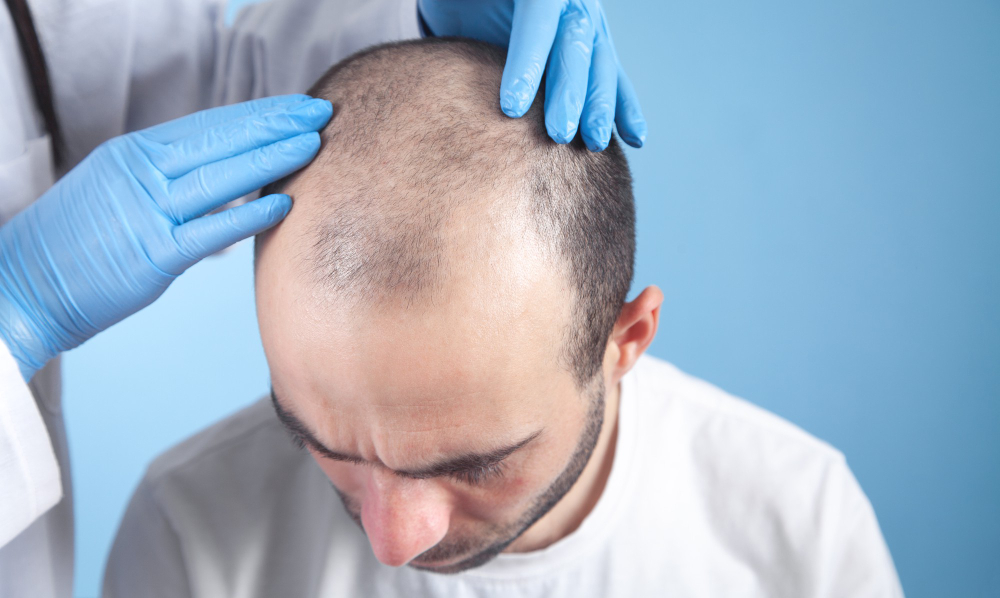
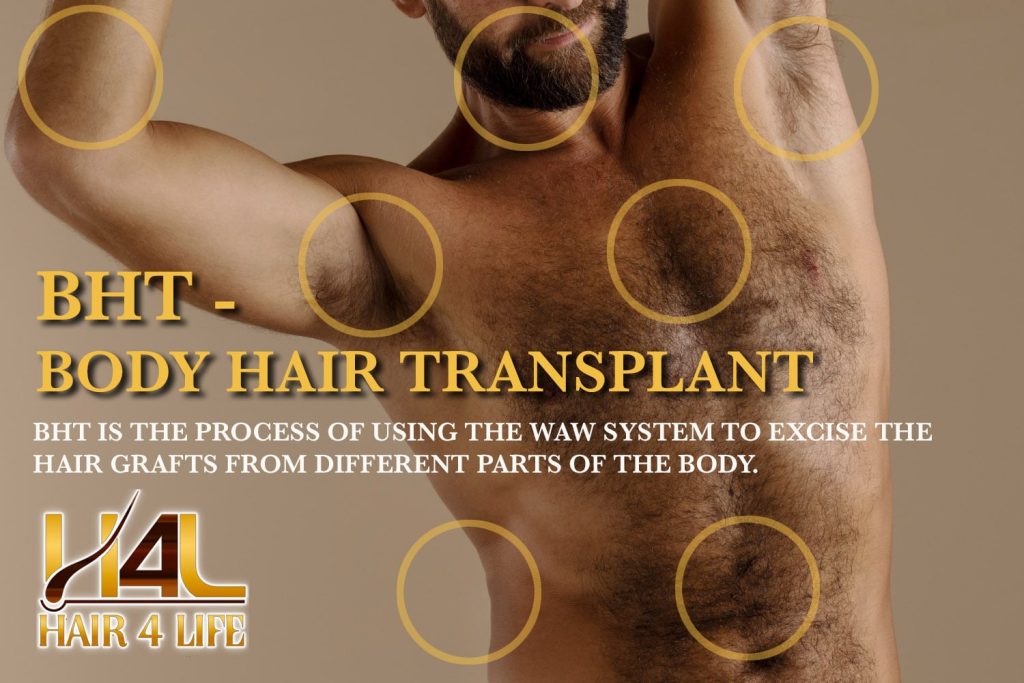
If you have advanced hair loss and limited scalp donor hair, a Body Hair Transplant (BHT) may be an option worth considering. BHT uses hair from other parts of the body — most commonly the beard, chest, back, arms, or legs — and transplants it to the scalp to improve coverage and density.
For the right patient, BHT can make a major difference when traditional scalp donor hair alone is not enough.
What Is a Body Hair Transplant?
A Body Hair Transplant is a specialized form of FUE (Follicular Unit Extraction). Hair follicles are removed individually from body donor areas and implanted into thinning or bald areas of the scalp.
BHT is most often used for:
-
Advanced hair loss
-
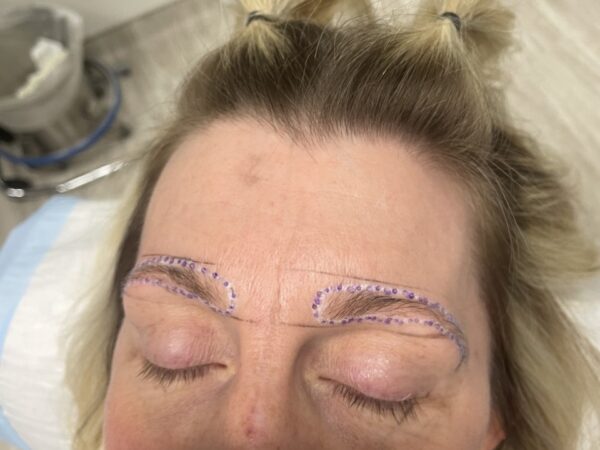
Repair procedures
-
Scar camouflage
-
Increasing density
-
Patients with depleted scalp donor supply
This technique requires careful planning, experience, and artistic placement to create natural-looking results.
Common Donor Areas for BHT
The most commonly used donor areas include:
-
Beard
-
Chest
-
Back
-
Arms
-
Legs
Beard Hair
Beard hair is considered the strongest and most reliable body donor source. It is thicker, has strong survival rates, and adds visual density.
Chest Hair
Chest hair can work well for mid-scalp or crown coverage, especially when blended with scalp hair.
Arm and Leg Hair
These finer hairs are sometimes used to soften hairlines or improve blending in delicate areas.
Each donor area behaves differently, which is why surgeon experience matters significantly in BHT procedures.
How the Procedure Works
The procedure is performed using FUE technology. Hair follicles are extracted one by one and then implanted into the scalp.
The process generally includes:
-
Donor area evaluation
-
Hair extraction
-
Graft preparation
-
Site creation
-
Implantation
Proper angulation, direction, and graft placement are critical. Body hair does not behave exactly like scalp hair, so strategic placement is essential for natural results.
Who Is a Good Candidate for BHT?
BHT is usually best for patients who:
-
Have severe hair loss
-
Have limited scalp donor supply
-
Need additional grafts for coverage
-
Want repair work from older procedures
-
Have healthy, usable body hair
Most ideal candidates are over age 25 and in good general health.
A consultation is necessary to determine:
-
Donor quality
-
Hair characteristics
-
Coverage goals
-
Expected density
-
Realistic outcomes
Benefits of Body Hair Transplants
Increased Donor Supply
The biggest advantage of BHT is access to more grafts when scalp donor hair is limited.
Better Coverage
BHT can help improve appearance in larger bald areas where scalp grafts alone may not be enough.
Repair Procedures
BHT is often valuable in corrective hair transplant work and scar repair.
Natural Blending
When used correctly and mixed strategically with scalp hair, body hair can improve overall density and appearance.
Limitations of BHT
BHT is not perfect and is not suitable for every patient.
Important limitations include:
-
Body hair texture differs from scalp hair
-
Growth cycles are different
-
Curl and thickness may vary
-
Density may not match native scalp hair
-
Some body hairs have lower survival rates
This is why proper patient selection and surgical planning are critical.
Beard Hair vs Chest Hair
Beard hair generally has the highest success rate in BHT because it is:
-
Stronger
-
Thicker
-
More resilient
Chest hair can still be useful, but it is usually finer and less predictable than beard hair.
Most experienced BHT surgeons use a combination approach to create the most natural appearance possible.
Hair Growth After BHT
Hair growth after BHT takes patience.
Typical timeline:
-
2–6 weeks: transplanted hairs shed
-
3–4 months: early regrowth begins
-
6–9 months: visible improvement
-
12–18 months: final maturation
Body hair may initially appear curly or wiry before softening over time.
Results vary depending on:
-
Donor source
-
Graft quality
-
Surgical technique
-
Healing
-
Patient characteristics
Success Rates
Success rates in BHT vary depending on donor source and surgeon experience.
Approximate survival rates:
-
Beard hair: 80–90%
-
Chest hair: moderate
-
Other body hair: variable
Beard hair remains the gold standard for body donor extraction because of its strength and reliability.
Cost of a Body Hair Transplant
BHT is more technically demanding than standard FUE and often takes longer to perform.
Typical cost range:
-
$7,500 to $20,000+
Pricing depends on:
-
Number of grafts
-
Donor areas used
-
Procedure complexity
-
Surgeon experience
Why Experience Matters in BHT
Body Hair Transplantation is one of the most advanced forms of hair restoration. It requires:
-
Careful donor selection
-
Advanced extraction skill
-
Proper graft handling
-
Strategic implantation
Not all hair transplant clinics perform BHT regularly, and many avoid it entirely because of the technical difficulty involved.
Choosing an experienced physician who understands how different body hairs behave is essential for achieving natural-looking results.
BHT at Hair 4 Life Medical in Scottsdale
Hair 4 Life Medical in Scottsdale offers advanced Body Hair Transplant procedures performed by Dr. Ramona Kelemen.
Hair 4 Life Medical offers:
-
ARTAS robotic FUE
-
Manual FUE
-
WAW FUE
-
Ugraft systems
-
FUT
-
Regenera Activa
-
PRP therapy
-
Hair loss testing
Dr. Kelemen is known for performing the critical surgical portions of the procedure herself, including harvesting, site creation, and implantation planning.
Final Thoughts
Body Hair Transplantation can be a powerful option for patients who do not have enough traditional scalp donor hair. When performed correctly, BHT can improve density, restore coverage, and help repair previous procedures.
However, BHT is highly technique-dependent. Success comes down to:
-
Proper patient selection
-
Realistic expectations
-
Strategic planning
-
Surgical experience
For patients with advanced hair loss, BHT may provide possibilities that standard hair transplantation alone cannot achieve.
References
International Society of Hair Restoration Surgery – ISHRS
American Board of Hair Restoration Surgery | ABHRS
Can Hair Be Transplanted From Body to Scalp? – Wimpole Clinic