Hair loss affects millions of individuals worldwide, and hair transplantation offers a transformative solution. However, with the growing demand for hair restoration, many doctors and clinics market themselves as “world-class” providers. But can a physician truly claim world-class status without the ability to perform a solo hair transplant?
In this article, we’ll explore the qualities that define a world-class hair transplant physician, the significance of solo capabilities, and how Dr. Kelemen’s expertise sets him apart as a leader in the field.
What Does “World-Class” Mean in Hair Transplantation?
The term “world-class” implies unparalleled skill, consistent results, and global recognition. When applied to hair transplantation, it refers to physicians who:
- Master Advanced Techniques:
Expertise in FUE (Follicular Unit Extraction) and FUT (Follicular Unit Transplantation) is essential for success. - Deliver Superior Results:
Their work should yield natural-looking, aesthetically pleasing outcomes. - Maintain Global Credibility:
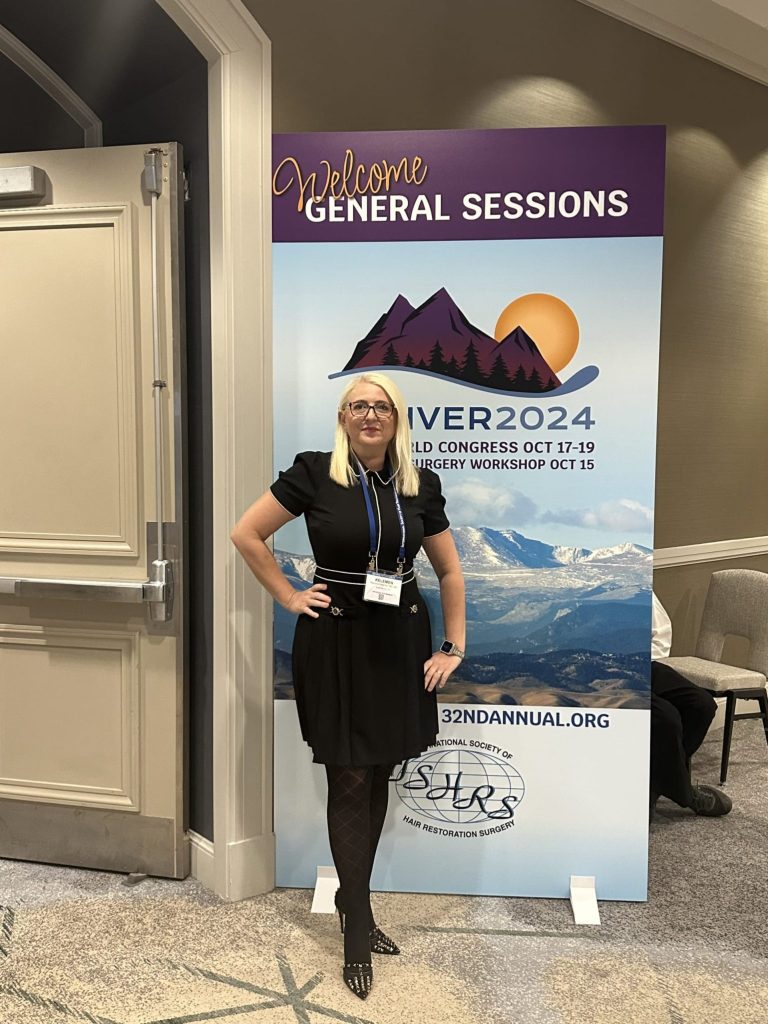
Many world-class doctors, like Dr. Kelemen, are recognized by professional organizations such as the International Society of Hair Restoration Surgery (ISHRS). - Demonstrate Solo Expertise:
A true expert should have the ability to independently perform all stages of the procedure, from donor area extraction to graft implantation.
Without these qualifications, particularly the ability to perform a solo hair transplant, a doctor’s claim to world-class status may lack credibility.
What Is a Hair Transplant Procedure?
Hair transplantation is a precise and intricate medical procedure designed to restore hair to areas affected by thinning or baldness. The process typically involves these critical steps:
- Consultation and Planning:
The doctor examines the patient’s hair loss, assesses the donor area, and designs a natural-looking hairline. - Donor Hair Extraction:
Follicles are harvested using FUE (individual follicular units) or FUT (a strip of donor skin). - Graft Preparation:
The extracted follicles are meticulously prepared for implantation, ensuring their viability and placement accuracy. - Implantation:
The doctor implants each graft into the recipient area, carefully considering angle, density, and alignment for a seamless result.
A physician like Dr. Kelemen, who excels in each stage and can perform them solo, exemplifies the gold standard in hair transplantation.
Why Solo Hair Transplant Capability Matters
While many clinics rely on team-based approaches, the ability to perform a solo transplant is often seen as a hallmark of expertise. Here’s why:
1. Mastery of the Procedure
A solo-capable doctor has comprehensive knowledge of every aspect of the procedure. This skillset reflects years of training, experience, and a deep understanding of hair restoration techniques.
2. Building Patient Confidence
Patients often choose a physician based on their personal reputation. When a doctor like Dr. Kelemen can perform the entire transplant independently, it reassures patients about the level of care they’ll receive.
3. Problem-Solving Ability
Surgery can present unexpected challenges, such as bleeding or graft-related complications. A solo-capable physician can adapt and resolve these issues without reliance on technicians.
4. Ethical Transparency
Doctors who claim “world-class” status but lack solo skills may inadvertently mislead patients. Transparency about their role in the procedure is essential for maintaining trust.
Dr. Kelemen: Setting the Standard in Hair Transplantation
Dr. Kelemen is a recognized expert in hair restoration, renowned for his ability to perform all stages of hair transplantation with precision. His commitment to excellence and ethical transparency has earned him a reputation as a leader in the field.
Dr. Kelemen’s Solo Expertise
- Mastery of FUE and FUT:
Dr. Kelemen’s extensive training allows her to handle both extraction techniques with equal skill, tailoring his approach to each patient’s needs. - Independent Surgical Capabilities:
Unlike many physicians who rely heavily on teams, Dr. Kelemen can perform solo transplants, ensuring full control over the procedure. - Attention to Detail:
From designing hairlines to implanting grafts, Dr. Kelemen’s meticulous approach ensures natural-looking results every time. - Patient-Centered Care:
Each patient benefits from his hands-on involvement, which includes pre-surgery consultations and post-surgery follow-ups.
Team-Based Clinics vs. Solo Expertise
Strengths of Team-Based Clinics
- Efficiency:
Delegating tasks to technicians reduces surgery time, making the process more efficient. - Cost-Effectiveness:
Clinics can offer lower prices by using a team-based approach. - Consistency Across Procedures:
A well-trained team can maintain uniform standards under the doctor’s supervision.
Limitations of Team-Based Clinics
- Dependence on Technicians:
If the lead physician lacks solo skills, the success of the procedure heavily relies on the team’s abilities. - Reduced Doctor Involvement:
Patients may feel disconnected if the doctor is not hands-on during critical steps of the surgery. - Ethical Concerns:
Misleading patients about the doctor’s involvement can lead to dissatisfaction or mistrust.
Dr. Kelemen bridges these gaps by leveraging her team’s strengths while retaining the ability to perform procedures solo. This approach combines efficiency with excellence, ensuring the best outcomes for his patients.
How to Identify a World-Class Hair Transplant Doctor
If you’re considering hair restoration, use these criteria to evaluate your physician:
1. Certifications and Memberships
Look for credentials like ISHRS membership, which indicate a commitment to industry standards. Dr. Kelemen’s affiliation with top organizations underscores her expertise.
2. Solo Surgical Capability
Ask whether the doctor can independently perform all aspects of the procedure. A solo-capable physician like Dr. Kelemen demonstrates unparalleled mastery.
3. Track Record and Results
Review before-and-after photos to assess the quality of the doctor’s work. Consistent, natural-looking outcomes are a hallmark of expertise.
4. Patient Testimonials
Look for reviews that highlight the doctor’s professionalism, skill, and patient-centered approach.
5. Transparency About Roles
Ensure the doctor clearly communicates their role in the surgery. Ethical practices build trust and set the foundation for a positive experience.
Conclusion: What Does It Take to Be a World-Class Hair Transplant Doctor?
To truly claim world-class status, a hair transplant physician must combine technical expertise, ethical transparency, and solo surgical capabilities. Dr. Kelemen exemplifies these qualities, making her a trusted name in hair restoration.
For patients, choosing the right doctor involves thorough research. By evaluating their certifications, experience, and direct involvement in the procedure, you can ensure you’re receiving the highest standard of care.
Would you trust a solo-capable doctor like Dr. Kelemen for your hair transplant procedure? Share your thoughts below!
Interested in learning more hair transplant? Contact Us or call Hair 4 Life at (480) 525-4547 to schedule an appointment.
References:
International Society of Hair Restoration Surgery – ISHRS
American Board of Hair Restoration Surgery | ABHRS
Fue Europe – HAIR TRANSPLANT SOCIETY
References:
International Society of Hair Restoration Surgery – ISHRS
American Board of Hair Restoration Surgery | ABHRS
Fue Europe – HAIR TRANSPLANT SOCIETY
[/av_textblock]