In the rapidly evolving world of
hair restoration, technological and medical advances are shaping the way physicians’ approach both the procedure itself and the post-operative care that follows. One such advancement that is making waves in the industry is the integration of
mild Hyperbaric Oxygen Therapy (HBOT) as part of post-operative treatment protocols.
At the forefront of this innovation is
Dr. Kelemen, who has developed a reputation for utilizing state-of-the-art techniques in hair transplantation, ensuring not only superior results but also faster and smoother recovery for her patients. In her post-operative care regimen, she incorporates mild Hyperbaric Oxygen Therapy to promote rapid healing, reduce inflammation, and improve overall patient outcomes.
In this 2000-word blog post, we’ll explore the science behind
Hyperbaric Oxygen Therapy, its unique benefits in the context of
hair transplant recovery, and why
Dr. Kelemen believes this therapy is a game-changer for her patients.
What is Hyperbaric Oxygen Therapy (HBOT)?
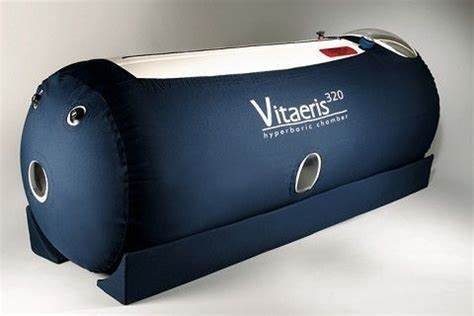
Hyperbaric Oxygen Therapy (HBOT) is a treatment method that involves breathing pure oxygen in a pressurized environment, typically within a chamber. Under these conditions, oxygen levels in the body’s blood plasma increase significantly, allowing oxygen to be delivered to tissues more efficiently and in greater quantities than under normal atmospheric pressure.
The treatment is well-known for its ability to promote healing in a variety of medical conditions, ranging from
wound care to
neurological recovery. In the context of
hair transplantation, it has emerged as an effective post-operative treatment because it speeds up the body’s natural healing processes and provides essential oxygen to damaged tissues.
Mild HBOT typically involves lower pressure (between 1.3 and 1.5 atmospheres) than traditional hyperbaric therapy, making it both safe and comfortable for patients to undergo.
The Hair Transplant Process and Post-Operative Needs
To understand why HBOT is so beneficial in the context of
hair transplantation, it’s important to first explore what the
hair transplant process entails.
Follicular Unit Extraction (FUE),
Sapphire FUE, and
Direct Hair Implantation (DHI) are some of the most common
hair transplant methods used today. These
techniques involve extracting individual hair follicles from the donor area and implanting them into thinning or balding areas of the scalp.
While modern
hair transplantation is a minimally invasive procedure, it still involves creating micro-incisions in both the donor and recipient areas. These tiny wounds need time to heal, and during the recovery process, the newly
transplanted hair follicles must establish themselves in their new location. This phase is critical because ensuring the survival of these delicate follicles is essential for achieving long-lasting, natural-looking results.
Post-operative care, therefore, focuses on minimizing complications such as infection, inflammation, swelling, and poor
graft survival. This is where
Hyperbaric Oxygen Therapy comes in.
Why Does Dr. Kelemen Use Mild Hyperbaric Oxygen Therapy (HBOT) for Post-Operative Care?
Dr. Kelemen incorporates
mild Hyperbaric Oxygen Therapy as part of her post-operative protocol because it addresses several
key factors that affect recovery and hair transplant success. Here are the top reasons why she chooses to use HBOT after
hair transplant procedures:
1. Accelerated Wound Healing
One of the primary benefits of mild HBOT is its ability to
accelerate wound healing. After a
hair transplant, the scalp—both in the donor and recipient areas—needs time to heal from the incisions and trauma caused by the procedure. HBOT provides a boost to the body’s natural healing mechanisms by increasing the amount of oxygen available to the healing tissues.
The pressurized environment in the HBOT chamber allows oxygen to dissolve more easily into the blood plasma. This oxygen-rich blood is then delivered to areas of the scalp where it aids in the
regeneration of cells and speeds up the formation of new blood vessels (angiogenesis). This means
faster recovery for patients, allowing them to see results sooner and with fewer post-surgical issues.
2. Reduction of Inflammation and Swelling
Inflammation and
swelling are common side effects after any surgical procedure, including
hair transplantation. These responses are part of the body’s healing process, but when they become excessive, they can delay recovery and negatively impact the patient’s comfort.
Dr. Kelemen uses mild HBOT to help reduce inflammation and swelling in the scalp following surgery. The increased oxygen flow helps to clear out inflammatory molecules from the tissue, decreasing fluid build-up and reducing swelling. As a result, patients experience less discomfort and can return to their normal routines more quickly.
3. Improved Graft Survival
One of the most crucial factors in
hair transplant success is the survival of the transplanted hair grafts. These hair follicles are delicate and can be vulnerable to environmental stress, lack of oxygen, and nutrient deficiencies during the
critical initial period after transplantation.
By increasing oxygen delivery to the scalp,
HBOT improves the survival rate of hair grafts. Oxygen helps nourish the newly transplanted follicles, allowing them to integrate into the
scalp tissue more effectively and start producing new hair. This leads to better overall results for patients, with higher follicle survival
rates and improved hair density.
4. Minimized Risk of Infection
A common concern in any post-surgical procedure is the risk of infection, particularly when dealing with small incisions and open wounds. HBOT enhances the body’s natural defense mechanisms by increasing oxygenation, which boosts immune function.
Oxygen is essential for
white blood cell activity, which helps fight off potential infections in the surgical area. By improving the immune response, HBOT reduces the likelihood of complications such as infections, further supporting a smooth recovery process.
5. Enhanced Collagen Production and Tissue Repair
Oxygen is a key factor in the production of
collagen, which plays a significant role in tissue repair and wound healing. Collagen is a protein that forms the structural framework for the skin and other tissues. After a
hair transplant, collagen helps the skin regenerate and close the micro-incisions created during the procedure.
HBOT promotes collagen production by delivering a higher concentration of oxygen to the scalp, allowing the body to repair tissues more efficiently and with less scarring. This can also improve the cosmetic outcome of the procedure, ensuring that the scalp heals cleanly and without visible marks.
6. Overall Improved Recovery Time
Patients undergoing mild
HBOT as part of their post-operative care often experience
faster recovery times compared to those who do not receive this treatment. By addressing the core factors that impact recovery—wound healing, inflammation, graft survival, and infection risk—HBOT accelerates the entire recovery process, allowing patients to resume their normal activities sooner and with less discomfort.
Dr. Kelemen’s commitment to providing her patients with the best possible post-operative care ensures that they achieve optimal results from their
hair transplants.
Mild Hyperbaric Oxygen Therapy is one of the many tools she uses to make this possible.
The Science Behind Hyperbaric Oxygen Therapy
The benefits of
Hyperbaric Oxygen Therapy are well-documented across a variety of medical fields. The mechanism of action behind HBOT is relatively straightforward: under normal atmospheric conditions, the amount of oxygen that can be dissolved into the bloodstream is limited by the body’s natural saturation point.
However, under increased pressure, oxygen is able to dissolve not only into red blood cells but also into the plasma, which significantly increases the overall oxygen-carrying capacity of the blood. This oxygen-rich plasma is then able to reach tissues that may be oxygen-deprived due to injury, poor circulation, or surgical trauma.
When applied in a post-surgical context, as in the case of a
hair transplant, this increased oxygen delivery allows the body to heal faster, reduce inflammation more effectively, and improve overall tissue regeneration.
Conclusion: A Game-Changing Approach to Hair Transplant Recovery
At
Hair 4 Life Medical,
Dr. Kelemen has earned a reputation for combining cutting-edge surgical techniques with innovative post-operative care solutions, such as
mild Hyperbaric Oxygen Therapy. This advanced therapy has transformed the way
patients recover from hair transplant procedures, offering faster healing, improved graft survival, reduced risk of complications, and a more comfortable recovery process.
By incorporating
HBOT into her post-operative treatment plans,
Dr. Kelemen ensures that her patients experience the best possible outcomes, both in terms of aesthetics and long-term hair growth. Her commitment to patient care, combined with her use of advanced technology, sets her practice apart as a leader in the field of
hair restoration.
If you’re considering a hair transplant and want to ensure the smoothest recovery with optimal results,
Dr. Kelemen’s use of
Hyperbaric Oxygen Therapy may be the key to achieving the best possible outcome for your
hair restoration journey.
If you’re ready to take the next step in your hair restoration journey, schedule a consultation with
Dr. Kelemen and the team at Hair 4 Life Medical. Your confidence and a full
head of hair are just a procedure away.
Ready to transform your look?
Schedule a paid consultation with
Dr. Kelemen today and discover why
Hair 4 Life Medical is Arizona’s trusted leader in hair restoration.
Interested in learning more? Contact Us or call Hair 4 Life at
(480) 525-4547 to
schedule an appointment.
References
9 Hyperbaric Oxygen Therapy Benefits
Hyperbaric Oxygen Therapy | Johns Hopkins Medicine
What Is Hyperbaric Oxygen Therapy (HBOT)? – Forbes Health