Hair Restoration in 2024: Exploring the Latest Innovations at Hair 4 Life Medical
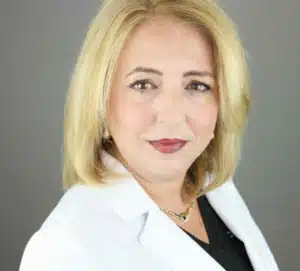
Dr Kelemen the founder of Hair 4 Life Medical
Dr Kelemen the founder of Hair 4 Life Medical
Dr Kelemen the founder of Hair 4 Life Medical
Dr Kelemen the founder of Hair 4 Life Medical
| Feature | ARTAS Robotic System | Motorized Handheld Devices |
|---|---|---|
| Precision | High – AI-driven, consistent results | Moderate – Dependent on surgeon’s skill |
| Speed of Procedure | Fast (due to automation) Slow if the patient moves | Slower (depends on surgeon’s pace) |
| Cost | High (robotic system investment) | Lower (cost-effective option) |
| Training Requirement | Requires certification 2 day course | Extensive FUE training |
| Surgeon Control | Limited – system-guided | High – full control by the surgeon |
| Patient Discomfort | Minimal (minimally invasive) | Minimal (may vary with technique) |
| Risk of Human Error | Low (due to automation) | Low (depends on surgeon’s experience) |
| Recovery Time | Fast (due to minimal scalp trauma) | Faster (due to smaller punch) |
| Customization | Limited – follows programmed patterns Punch 18 and 19g ~1mm | High – surgeon can adjust as needed (0.75mm-1mm) |
| Consistency of Results | High – same approach every time | Very High– vary based on technique |
Dr Kelemen the founder of Hair 4 Life Medical
Dr Kelemen the founder of Hair 4 Life Medical
After a hair transplant procedure, one of the most important aspects of ensuring successful results is proper post-operative care. This phase of recovery can often determine the long-term success of the procedure. As patients seek ways to enhance the healing process, one emerging solution gaining traction is the use of a mild hyperbaric chamber for post-hair transplant recovery.
A mild hyperbaric chamber is a device that provides patients with an environment of increased atmospheric pressure, typically ranging from 1.3 to 1.5 ATA (atmospheres absolute), compared to the standard pressure at sea level. This controlled environment increases oxygen levels in the body, promoting healing, reducing inflammation, and improving overall recovery outcomes.
At Hair 4 Life Medical, Dr. Kelemen and his team recognize the significance of using innovative therapies to improve patient results. The integration of mild hyperbaric oxygen therapy (HBOT) into post-hair transplant care is one such advancement that can provide remarkable benefits. In this blog post, we will explore how mild hyperbaric oxygen therapy can contribute to faster recovery, enhanced hair growth, and an overall better post-surgical experience.
Hyperbaric oxygen therapy (HBOT) has been used for decades in medical settings to treat a variety of conditions, including wounds, infections, and decompression sickness. In this therapy, a patient breathes pure oxygen inside a pressurized chamber, which allows the body to absorb significantly more oxygen than it would at normal atmospheric pressure. This increased oxygen supply accelerates the healing process by promoting cell repair, reducing inflammation, and improving circulation.
In a mild hyperbaric chamber, the pressure is lower than that used in traditional HBOT (typically 1.3 to 1.5 ATA versus 2.0 ATA in standard chambers), but still provides therapeutic benefits. This lower pressure makes the therapy more accessible, safer, and comfortable for patients, while still offering significant healing advantages. For individuals recovering from a hair transplant, mild HBOT is particularly beneficial in the following ways:
Dr. Kelemen at Hair 4 Life Medical has incorporated various advanced recovery techniques into his clinic’s protocol, and mild hyperbaric oxygen therapy has become a valuable tool for ensuring optimal recovery and enhancing transplant results. This therapy works synergistically with other post-operative care methods, helping patients heal faster and achieve the best possible outcomes.
Following a hair transplant, the newly transplanted follicles are fragile and need proper nourishment to grow. Oxygen plays a crucial role in the healing process, as it supports cell regeneration and tissue repair. The increased oxygen supply provided by a mild hyperbaric chamber allows transplanted follicles to receive better nourishment, aiding in their survival and growth.
During a hair transplant procedure, the follicles are carefully extracted from one area of the scalp (usually the back or sides) and then transplanted to thinning or balding areas. This delicate process can put stress on the follicles, and they require adequate oxygenation to adapt to their new location. Mild hyperbaric therapy enhances the oxygen levels in the scalp, optimizing conditions for the follicles to thrive and minimizing the risk of follicle loss due to inadequate oxygen levels.
Swelling and bruising are common after hair transplant surgery, especially in the first few days following the procedure. This is a result of the inflammation caused by the incision and the manipulation of hair follicles. Mild hyperbaric oxygen therapy helps to alleviate these symptoms by improving blood circulation and promoting lymphatic drainage, which reduces swelling and accelerates the removal of waste products from the body.
The ability to manage inflammation efficiently is essential for a smooth recovery process. By reducing swelling and bruising around the scalp, patients can enjoy a more comfortable healing experience, as well as a quicker return to normal activities.
Mild HBOT has been shown to strengthen the immune system, which is critical for preventing infection after a surgical procedure. Post-hair transplant patients are at risk of infections due to the small incisions made in the scalp, which create open wounds that can become infected if not cared for properly.
Increased oxygen levels improve the body’s ability to fight off infection by stimulating white blood cell activity. It also enhances the production of antimicrobial proteins and accelerates the repair of damaged tissues. By supporting the body’s natural defense mechanisms, mild hyperbaric oxygen therapy significantly reduces the risk of post-operative infections, which could otherwise hinder the success of a hair transplant.
In traditional hair transplant procedures, the donor area (where the hair follicles are harvested) and the transplant sites on the recipient area (where the follicles are implanted) are both subject to healing. The healing of these areas is essential for a successful transplant outcome. Mild hyperbaric oxygen therapy promotes faster healing of both donor and recipient sites by stimulating collagen production, which is essential for tissue repair.
Mild HBOT enhances the skin’s ability to heal and regenerate after hair transplant surgery. The increased oxygen levels facilitate the formation of new capillaries, which helps restore blood flow to the area. This improved blood circulation ensures that the donor and transplant sites receive the nutrients they need to heal quickly and effectively.
After a hair transplant, patients can experience a shedding phase, where the transplanted hairs fall out before regrowing in their new location. This is a normal part of the process, but the goal is to ensure that the transplanted follicles remain healthy and eventually produce new hair.
Mild HBOT enhances the survival rate of transplanted hair follicles by improving oxygenation and supporting the natural healing processes. By reducing the likelihood of follicular shock, mild hyperbaric therapy ensures that more hair follicles will survive the transplant and thrive in their new environment. This leads to better long-term results and a higher density of new hair growth.
After a hair transplant, many patients experience mild discomfort, soreness, or tightness in the scalp. Mild hyperbaric oxygen therapy has natural pain-relieving properties, which can help reduce the sensation of pain. By improving circulation and reducing inflammation, HBOT can promote a more comfortable healing experience.
This non-invasive therapy offers a drug-free alternative for pain management, which can be particularly beneficial for patients who prefer to avoid the use of medications during their recovery. The soothing effects of the mild hyperbaric chamber can be a welcome addition to a post-transplant care routine, helping patients feel more relaxed and at ease.
Beyond the direct effects on hair transplant recovery, mild hyperbaric oxygen therapy can also have broader benefits for patients. The therapy encourages relaxation, improves sleep, and promotes overall healing in the body. By reducing stress and supporting immune function, mild HBOT can contribute to a quicker and more successful recovery from surgery.
Dr. Kelemen at Hair 4 Life Medical recognizes the value of incorporating comprehensive recovery strategies to ensure the best possible outcomes. By combining the benefits of mild hyperbaric oxygen therapy with other post-operative care methods, patients can achieve optimal results in terms of both hair growth and overall well-being.
At Hair 4 Life Medical, Dr. Kelemen recommends incorporating mild hyperbaric oxygen therapy into the post-hair transplant recovery process for patients who want to maximize their healing potential. Typically, patients begin mild HBOT within the first 24 to 48 hours after their procedure. However, the exact timing and frequency of treatment may vary based on individual needs and the specifics of the transplant procedure.
Most protocols involve multiple sessions of mild hyperbaric therapy over the course of the first few weeks following surgery. Depending on your healing process, your doctor may recommend anywhere from 10 to 20 sessions. Each session typically lasts between 60 to 90 minutes, during which patients relax comfortably in the chamber while breathing in oxygen.
Dr. Kelemen and his team work with patients to create a personalized recovery plan that integrates the use of the mild hyperbaric chamber with other post-operative care methods such as gentle scalp massage, medication for pain management, and proper nutrition.
By combining this innovative therapy with expert care, Hair 4 Life Medical ensures that patients enjoy a faster, smoother recovery process, leading to the best possible hair transplant results.
Mild hyperbaric oxygen therapy is a valuable tool in post-hair transplant recovery, providing a range of benefits that promote faster healing, improved hair follicle survival, and enhanced results. By increasing oxygen levels in the body, this therapy accelerates recovery, reduces inflammation, and supports overall healing.
At Hair 4 Life Medical, Dr. Kelemen utilizes cutting-edge techniques and therapies like mild HBOT to ensure that every patient receives the highest standard of care during their recovery. By incorporating this therapy into your post-transplant regimen, you can enjoy quicker recovery times, enhanced hair growth, and more satisfying results.
Interested in learning more about mHBOT? Contact Us or call Hair 4 Life at (480) 525-4547 to schedule an appointment.
References:
https://www.oxyhealth.com/
https://www.healthline.com/health/hyperbaric-oxygen-therapy-benefits
Hair transplant Clinic in Scottsdale, AZ lead by Dr Kelemen offering every hair transplant method: FUT and FUE: ARTAS, WAW, Ugraft.

Dr Kelemen showcasing a long hair transplant

Dr Kelemen showing the staff how a long hair graft is prepared/trimmed.
Why Long Hair FUE is the Future of Hair Transplants
Long Hair Follicular Unit Extraction (FUE) is revolutionizing the hair transplant field by addressing common challenges faced by traditional methods and offering a modern solution for those seeking immediate, natural-looking results. Here’s why Long Hair FUE is quickly becoming the future of hair restoration:
One of the most significant benefits of Long Hair FUE is that it allows patients to skip the head shaving typically required in traditional FUE procedures. In Long Hair FUE, full-length hair follicles are extracted and transplanted without cutting them short. This means patients can walk out of their appointment with their natural hair length intact, allowing them to see the potential outcome immediately. For many, this provides an instant confidence boost and avoids the often uncomfortable “growing in” phase.
Long Hair FUE achieves a seamless, natural-looking outcome by blending the new grafts with the patient’s existing hair. Because the donor area remains unshaved, there is minimal evidence of the procedure, making it nearly undetectable. This is ideal for individuals in professional settings or those who want to avoid the visibility of having undergone a procedure.
The process of Long Hair FUE is precise and involves smaller incisions, leading to less trauma to the scalp and quicker healing times. Patients often experience minimal discomfort and are able to resume regular activities faster than with traditional methods, a significant advantage for those with busy lifestyles. Dr. Ramona Kelemen, a proponent of Long Hair FUE, notes that recovery time can be reduced by up to one-third compared to shaved procedures.
Long Hair FUE is particularly suited for those who are in the public eye or have demanding professional lives. Since it eliminates the need for a temporary “buzzed” look, patients can maintain their regular appearances without interruption. This has made Long Hair FUE an appealing option for celebrities, executives, and anyone concerned with privacy.
Long Hair FUE requires advanced skill and precision, as surgeons must carefully extract and implant long hair follicles to create a natural growth pattern. This requires specialized training and meticulous technique, making it a highly individualized treatment. Experienced hair restoration specialists like Dr. Kelemen are skilled in ensuring that each graft is placed to match the existing hair’s density and angle, resulting in a seamless integration with natural hair.
– Technique Precision: Requires careful handling to ensure the thin hair follicles are not damaged during extraction. Dr Kelemen has developed her own techniques and proprietary punches that allow her to extract with minimal scaring.
– Aesthetic Planning: Special planning to ensure optimal density and natural appearance.
– Donor Area: Often provides ample donor hair for extraction. Dr Kelemen has developed process to remove beard and body hair that can be transplanted to the scalp.
– Transplantation Ease: Easier to achieve desired density and volume. Dr Kelemen designed and developed her unique site making tools that allow her to mimic the patient’s unique hair pattern thus achieving a natural hair transplant.
– Curvature: Some ethnic hair types, such as African hair, have follicles with a tighter curl, requiring specialized expertise.
– Special Techniques: Dr Kelemen has developed her own specific techniques tailored for the unique curl patterns to ensure success.
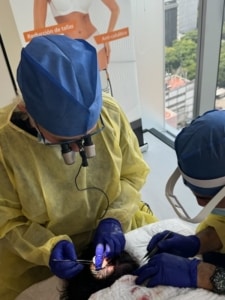
Dr Kelemen showcasing her technical skills during long hair Fue
General Suitability Factors
– Scalp Health: A healthy scalp is crucial for optimal outcomes, regardless of hair type.
– Hair Loss Pattern: Suitable for various hair loss patterns, but personalized assessment is necessary.
– Donor Area Quality: The availability and quality of the donor hair play a critical role in the procedure’s success.
Key Points
– Personalized Assessment: A thorough evaluation by a qualified surgeon to determine suitability based on individual hair type and characteristics.
– Specialized Expertise: Surgeons with experience in handling specific hair types can better address unique challenges.
Dr Kelemen prefers these two devices for long hair FUE. Selection is based on skin thickness, tightness, elasticity.
WAW FUE is handheld device that provide the doctor the option to tailor the device movements based on the grafts of the patient. The latest iteration of the device provides a lightweight wireless hand-held device that alleviates any possible doctor fatigue. Combine the lightweight with the revolutionary Hybrid Tornado punch it allows the doctor to penetrate the skin deeper with minimal trauma to grafts. (Punches 0.85mm – 1.05mm)
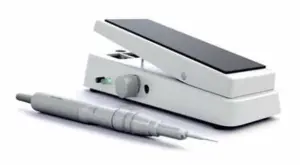
WAW system FUE handheld device
The system features a set of uniquely designed devices that have completely changed the game when it comes to FUE hair transplant procedures. it provides patients with higher quality grafts with greater survival rates. Innovative features work together to make this possible in a way that’s never been done before.
These features include a flared punch tip, an expanded inner volume, an upward pulling action, a unique graft control mechanism, and fluid irrigation with hands-free ejection provided by the Dr.UGraft™ Zues System. (Punches are 18,19,20 gauge)
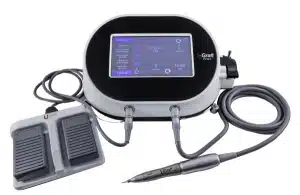
Zeus Ugraft FUE handheld device
Long Hair FUE offers a future-forward approach to hair transplantation that prioritizes discretion, immediate aesthetic satisfaction, and minimal disruption to patients’ lives. By reducing recovery time and maintaining a natural look, it has set a new standard in hair restoration, appealing to individuals seeking a high-quality, innovative solution to hair loss.
For more details on Long Hair FUE and the latest hair transplant techniques, you can explore Dr. Kelemen’s blog and other resources on her clinic’s website.
Long Hair FUE can be performed on many hair types, including straight, wavy, and curly, as well as thin and thick hair. However, the suitability and success of the procedure heavily depend on personalized planning and the expertise of the surgeon handling different hair characteristics.
I love to educate the patient on what options they have so give us a call at 480-525-4547 and start your journey of hair restorations with me.
References:
Long Hair FUE for Hair Transplant Surgery – YouTube
Can You Get A Hair Transplant With Long Hair? (longevitahairtransplant.com)
Long hair follicular unit excision: personal experience – PubMed
Preview long hair follicular unit excision: An up-and-coming technique – PubMed
Hair loss is a common concern affecting millions worldwide, regardless of age or gender. Recent statistics reveal that about 40% of men and 25% of women experience some degree of hair loss by the age of 50. The emotional toll of hair loss can be significant, leading to decreased self-esteem and confidence. Traditional hair restoration techniques have helped many, but advancements in technology have paved the way for more effective and minimally invasive procedures.
Enter the ARTAS System—an innovative hair transplant technology that employs robotic precision to extract and implant hair follicles. With a focus on minimally invasive techniques, the ARTAS System is changing the landscape of hair restoration, offering patients a promising solution to their hair loss concerns.
The ARTAS was designed to aid the doctor, NOT replace the doctor! The success of the surgery is directly proportional to the involvement of the doctor. The less he is involved the less chances are that the surgery will be successful! The robot is NOT smarter than the doctor!!! ARTAS has a basic program that needs to be continuously adjusted during the procedure like depth and angle. Dr Kelemen’s transaction rates are less than 5%.
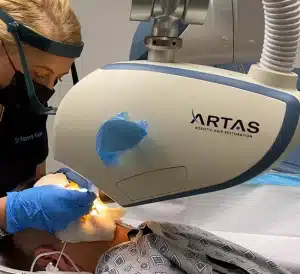
Dr Kelemen harvesting and giving directions to the robot operator. There is no replacement for the doctor being in the surgical room.
The ARTAS System is a groundbreaking advancement in hair transplant technology that utilizes robotic assistance to enhance the precision and effectiveness of hair restoration procedures. This state-of-the-art system merges advanced imaging with artificial intelligence, significantly improving the way hair follicles are extracted and implanted. Unlike traditional hair transplant methods that often depend on manual techniques—such as Follicular Unit Transplantation (FUT) and Follicular Unit Extraction (FUE)—the ARTAS System leverages robotics to perform these tasks with remarkable accuracy, thereby minimizing human error and enhancing overall results.
The ARTAS procedure is designed to be straightforward yet meticulously planned, ensuring that patients achieve optimal results in their hair restoration journey. Below is a detailed breakdown of each step involved in the ARTAS procedure:
During the initial consultation, the physician conducts a comprehensive evaluation of the patient’s hair loss condition. This assessment includes:
Planning is a vital component of the ARTAS process. This step involves:
On the day of the procedure, patients can expect the following steps:
Step 1: Local Anesthesia Administration
Before starting the procedure, patients receive local anesthesia to minimize discomfort during the process. This is crucial for ensuring that the patient remains comfortable and relaxed throughout the procedure.
Step 2: The Robotic Extraction Process
The ARTAS robot takes center stage during this phase.
Step 3: Preparation of Grafts
Once the follicles are extracted, they undergo a preparation process:
Step 4: Follicle Implantation
With the prepared grafts ready, the physician moves on to the implantation phase:
After the procedure, patients receive comprehensive instructions on post-operative care, which may include:

The ARTAS System represents a significant advancement in hair transplant technology, offering numerous benefits compared to traditional hair restoration methods. Below are the key advantages that set the ARTAS System apart:
One of the most notable features of the ARTAS System is its precision and accuracy. The robotic technology enhances the hair transplant process in several ways:
The ARTAS System is characterized by its minimally invasive approach:
Achieving a natural look is often the primary goal of hair restoration:
Patients often experience a faster recovery time with the ARTAS System compared to traditional hair transplant techniques:
Safety is a paramount concern in any medical procedure, and the ARTAS System offers several features that contribute to a lower risk of complications:
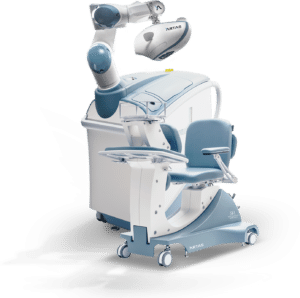
ARTAS 9x Robotic hair restoration
The ARTAS System is a revolutionary approach to hair restoration, but it is essential to recognize that not everyone experiencing hair loss is a suitable candidate for this advanced procedure. Here’s a closer look at the ideal candidates for ARTAS and the factors that determine candidacy.
The ARTAS procedure is most effective for individuals who exhibit stable hair loss patterns. This typically means that the hair loss has reached a plateau and is not expected to progress rapidly. Those in the early stages of hair loss may benefit from medical treatments rather than surgical interventions.
Both men and women can be excellent candidates for the ARTAS System. The procedure is designed to create natural-looking results that blend seamlessly with the patient’s existing hair. Ideal candidates are individuals who desire a fuller head of hair while maintaining a realistic and aesthetically pleasing appearance.
Understanding the type and severity of hair loss is crucial in determining candidacy for the ARTAS procedure. Two widely used classification systems are:
Before proceeding with the ARTAS procedure, a thorough evaluation of the patient’s medical history, age, and hair characteristics is essential. Health considerations that may affect candidacy include:
The consultation process is critical for setting realistic expectations and ensuring the best possible outcomes. During this phase, healthcare professionals will conduct:
While the ARTAS System presents a significant advancement in hair restoration with many benefits, it’s essential to acknowledge that, like any medical procedure, it carries potential risks and considerations. Here’s a closer look at these factors.
When exploring hair restoration options, understanding the differences between the ARTAS System and traditional hair transplant methods is crucial for making an informed decision. Each approach has its strengths and weaknesses, impacting both the patient experience and the overall results.
As advancements in technology continue to reshape various medical fields, the future of hair restoration is particularly promising. Innovations in techniques and methodologies are paving the way for more effective, efficient, and patient-friendly options. Here’s a detailed look at what lies ahead in the realm of hair restoration.
The field of hair restoration is witnessing the introduction of cutting-edge technologies that enhance the precision and effectiveness of procedures. Innovations such as 3D imaging, augmented reality (AR), and virtual reality (VR) are being explored to improve pre-surgical planning and patient education.
The future of hair restoration will likely involve the integration of artificial intelligence (AI) and robotics to improve the precision of hair transplants. AI algorithms can analyze vast amounts of data, recognizing patterns and predicting successful outcomes based on individual characteristics.
The future will see a shift toward more patient-centric approaches in hair restoration. This means that procedures will be increasingly customized to meet the specific needs, preferences, and conditions of individual patients.
Novel Techniques: As research progresses, new techniques may emerge, such as advanced graft preservation methods, improved surgical tools, and novel biological treatments that enhance follicle survival and growth.
The ARTAS System represents a significant advancement in hair restoration technology, offering a solution that is not only effective but also minimally invasive compared to FUT. For those grappling with hair loss, ARTAS provides a chance to reclaim confidence and improve self-image. As this technology continues to evolve, patients can look forward to even more refined techniques and results. If you’re considering a hair transplant, discussing the ARTAS system with a qualified specialist may be your first step toward a fuller head of hair.
ARTAS does have a place in a hair transplant practice as long it is used as it was intended, as a tool to aid the doctor and NOT replace the doctor, as it happens too often today. The robot is no replacement for a well-versed physician, who can maximize its strengths and minimize its weaknesses. ARTAS should be part of the doctor’s repertoire but not the sole FUE method.
At Hair 4 Life Medical, ARTAS is part of our FUE repertoire along with WAW and Ugraft. Why the selection? Because there is no tool that fits all!
I love to educate the patient on what options they have so give us a call at 480-525-4547 and start your journey of hair restorations with me.
Reference:
Hair transplantation has evolved significantly over the years, with new techniques and technologies enhancing the outcomes for those seeking to restore their hair. One such innovative method is Long Hair Follicular Unit Excision (FUE), a technique that stands out for its minimally invasive approach and natural-looking results. We will delve into the intricacies of Long Hair FUE and explore why Dr. Kelemen is among a handful of elite hair transplant physicians who leave no stone unturned in their quest to find the best approach to the most natural and virtually undetectable hair transplant.
Dr Kelemen showcasing a long hair transplant
Long Hair FUE is a specialized method of hair transplantation where hair grafts are extracted and implanted without the need for shaving the recipient area or donor area. This technique allows for immediate previewing of results, as the transplanted hair remains long. Patients can return to their daily routines without the noticeable signs of surgery, making it an ideal choice for those who value discretion.
Dr Kelemen showing the staff how a long hair graft is prepared/trimmed.

Dr Kelemen is among a select few that can perform a hair transplant SOLO.
During a Long Hair FUE procedure with Dr. Kelemen, hair follicles are gently extracted from the donor area using specialized tools. The extracted follicles are then strategically implanted into the thinning or balding areas, matching the natural hair growth pattern. This ensures a seamless blend with existing hair, resulting in a natural and aesthetically pleasing outcome. Dr Kelemen performs every step with the aid of her trusted technician, Jessica. They have been together for 20 years and they ying and yang. She does not delegate anything and steps in, to trim grafts. Why? Because it gives her a more in-depth look at the grafts. (Her loops are 3.5x while the microscope is 10x)
One of the most significant advantages of Long Hair FUE is the reduced downtime. Most patients experience minimal discomfort and can resume normal activities within a few days. The transplanted hair initially sheds but begins to regrow within a few months, unveiling fuller, natural hair that enhances the patient’s appearance and confidence. Her post op includes hyperbaric chamber sessions that help reduce the recovery time drastically.
If you’re considering hair restoration, especially Long Hair FUE, Dr. Kelemen is the only one offering this procedure in Arizona. You may see others advertise them to be seen, but none perform this procedure. Ideal candidates are those who desire immediate aesthetic results and are keen to avoid the shaved look typically associated with traditional FUE procedures.
Long Hair FUE procedures typically cost more than traditional FUE due to the complexity and time involved. Generally, the price might range from $9,000 to $15,000 or more. However, costs can vary based on factors like the number of grafts needed, the clinic’s location, and the surgeon’s expertise. Dr Kelemen’s consultation concludes with the patient getting a folder and an estimate for the procedure, various financing options available and no pressure. Dr Kelemen believes that important decisions like this need to be thought out. This is an aesthetic procedure after all and the patient should be allowed ample time to think about it, to shop around, to research before making such an important decision.
Long Hair FUE is a groundbreaking advancement in the world of hair transplantation and the GOLD standard in hair transplantation, offering patients a discreet and effective solution to hair loss. With Dr. Kelemen’s expertise, patients can expect top-notch care and impressive results that restore not just hair but self-confidence. If you’re interested in exploring this option, consulting with Dr. Kelemen could be the first step towards achieving the hair of your dreams.
.
Dr Kelemen showcasing her technical skills during long hair Fue
First consultations are always FREE!
I love to educate the patient on what options they have so give us a call at 480-525-4547 and start your journey of hair restorations with me.
References:
Long Hair FUE for Hair Transplant Surgery – YouTube
Can You Get A Hair Transplant With Long Hair? (longevitahairtransplant.com)
Hair loss can be a challenging experience, affecting not only your appearance but also your confidence. Over the years, hair restoration techniques have evolved significantly, offering a variety of solutions to combat this issue. One of the latest innovations in this field is No Shave Follicular Unit Extraction (No Shave FUE). This cutting-edge procedure allows individuals to undergo hair restoration without the need to shave their heads, making it a game-changer for many. Let’s delve into the ins and outs of No Shave FUE and why it might be the perfect solution for you. Not to be confused with Long Hair FUE which is the natural progression from No Shave FUE.
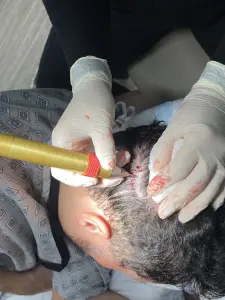
Follicular Unit Extraction (FUE) is a well-known method for hair transplantation where individual hair follicles are extracted from the donor area (typically the back or sides of the scalp) and then transplanted into the balding or thinning areas. Traditionally, this method required the patient to shave the donor area to facilitate the extraction process.
However, No Shave FUE eliminates the need for complete shaving. Instead, the Dr Kelemen selectively trims small sections of hair in the donor area, which can be easily hidden within the surrounding longer hair. This results in minimal disruption to your overall appearance during and after the procedure.
One of the most significant advantages of No Shave FUE is that it allows you to maintain your current hairstyle without noticeable changes. This can be particularly beneficial for those who prefer not to disclose their hair restoration journey to others.
Since there’s no need to shave the entire head, the post-procedure recovery is quicker and less conspicuous. You can return to your regular activities sooner, without the awkward phase of growing your hair back.
No Shave FUE ensures that the transplanted hair blends seamlessly with your existing hair, providing a natural look. The selective trimming of donor hair regions means that any signs of the procedure are well-hidden.
For many, the idea of shaving their head can be daunting and may even deter them from seeking hair restoration treatments. No Shave FUE offers a less intimidating option, making it more accessible to those who are hesitant about the traditional methods.
No Shave FUE is ideal for individuals who:
– Have mild to moderate hair loss.
– Prefer to maintain their current hairstyle.
– Seek a discreet hair restoration solution.
– Are not comfortable with the idea of shaving their head for the procedure.
It’s important to note that a thorough consultation with a hair restoration specialist is essential to determine if this method suits your specific needs and goals. During the consultation Dr Kelemen will assess the condition of the donor area and provide options to the patient.
Consultation:
The process begins with a detailed consultation where Dr Kelemen assesses your hair loss and discusses your expectations. She will also explain the procedure, recovery time, and anticipated results. The consultation last about 45 minutes to 1 hour, during which Dr Kelemen educates the patient on their condition, solutions available for their particular case.
Selective Trimming:
During the procedure, Dr Kelemen trims small areas of hair in the donor region. These trimmed spots are strategically chosen to ensure they are camouflaged by the surrounding, longer hair.
Extraction and Transplantation:
Using specialized handheld devices (WAW or Ugraft) Dr Kelemen extracts individual hair follicles from the trimmed areas and carefully transplants them into the thinning or balding regions. The precision of this technique ensures optimal placement and natural growth patterns.
Post-Procedure Care:
After the procedure, you will receive detailed instructions directly from Dr. Kelemen on how to care for your scalp and transplanted hair. Compliance with these guidelines is crucial for the success of the transplant.
The devices were carefully selected by Dr Kelemen. These devices provide the doctor with great dexterity and maneuverability to harvest healthy grafts with nearly zero transaction rate!
WAW system/WAW DUO – FUE handheld device wired and wireless
WAW FUE is handheld device that provide the doctor the option to tailor the device movements based on the grafts of the patient. The latest iteration of the device provides a lightweight wireless hand-held device that alleviates any possible doctor fatigue. Combine the lightweight with the revolutionary Hybrid Tornado punch it allows the doctor to penetrate the skin deeper with minimal trauma to grafts. (Punches 0.85mm – 1.05mm)
WAW system FUE handheld device
Zeus Ugraft – FUE handheld device wired and wireless
The system features a set of uniquely designed devices that have completely changed the game when it comes to FUE hair transplant procedures. it provides patients with higher quality grafts with greater survival rates. Innovative features work together to make this possible in a way that’s never been done before.
These features include a flared punch tip, an expanded inner volume, an upward pulling action, a unique graft control mechanism, and fluid irrigation with hands-free ejection provided by the Dr.UGraft™ Zues System. (Punches are 18,19,20 gauge)
Zeus Ugraft FUE handheld device
No Shave FUE represents a significant advancement in the field of hair restoration, offering a minimally invasive, discreet, and effective solution for those struggling with hair loss. By preserving your existing hairstyle and providing natural-looking results, this innovative technique is redefining the hair restoration experience. If you’re considering a hair transplant but are hesitant about the traditional methods, No Shave FUE might be the perfect option for you. Consult with a qualified hair restoration specialist to explore your possibilities and take the first step towards reclaiming your confidence.
I love to educate the patient on what options they have so give us a call at 480-525-4547 and start your journey of hair restorations with me.
References:
FUE Hair Transplant: Doctors Explain Follicular Unit Extraction – RealSelf
Top hair transplant clinic in Scottsdale




 Hair 4 Life Medical