Hair transplantation has undergone rapid advancements over the past decade, with cutting-edge techniques offering higher graft survival rates, more natural-looking results, and improved patient experiences. While Neograft and SmartGraft were once considered revolutionary, their popularity has declined in favor of more precise and customizable methods like advanced handheld devices such as WAW, Ugraft, and Trivellini.
This article explores the reasons behind the decline of Neograft and SmartGraft, comparing them with newer, more effective alternatives.
Understanding Neograft and SmartGraft: The Initial Appeal
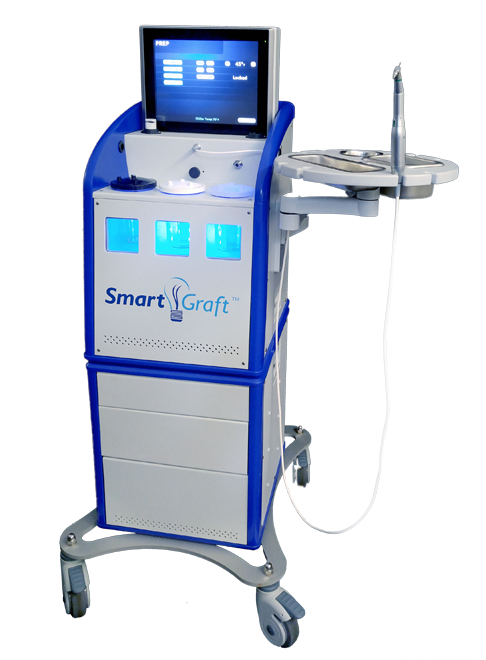
Both Neograft and SmartGraft are automated Follicular Unit Extraction (FUE) systems designed to simplify the hair transplant process. Their main selling points include:
Automated suction extraction, reducing the manual labor involved in harvesting grafts.
Faster procedure times, allowing for more grafts to be extracted quickly.
Less invasive techniques compared to traditional strip surgery.
However, despite these advantages, these systems have fallen out of favor as more advanced techniques have emerged.
1. Higher Follicle Trauma and Lower Survival Rates
One of the primary reasons for the decline of Neograft and SmartGraft is their suction-based extraction mechanism. While automated extraction speeds up the process, it also increases the risk of follicle damage, leading to lower graft survival rates.
Suction extraction applies mechanical stress on hair follicles, potentially damaging the root structure.
Higher transection rates mean that fewer grafts survive, leading to thinner, less dense results.
Compared to modern handheld FUE techniques, where each graft is carefully extracted and preserved, Neograft and SmartGraft fall short in maintaining graft integrity.
Better Alternatives:
WAW, Ugraft, and Trivellini devices use precision extraction methods, ensuring that grafts are harvested with minimal trauma.
Neograft and SmartGraft are often marketed to clinics without specialized hair transplant surgeons. The automated nature of these systems allows technicians, rather than doctors, to perform a significant portion of the procedure.
Lower level of surgical expertise can lead to inconsistent results.
Less control over angulation and placement affects the final appearance of the transplant.
In contrast, modern handheld FUE procedures require direct surgeon involvement, ensuring more precise and customized results.
Curly or coarse hair types, such as those in African American patients, do not respond well to suction-based extraction.
Patients with fine or weak donor hair need a more delicate approach to avoid damaging the follicles.
WAW, Ugraft, and Trivellini devices allow for greater customization in hair direction, angulation, and placement, providing more natural and long-lasting results.
4. Inferior Natural-Looking Results
A successful hair transplant depends on proper follicle placement, angulation, and density control. Automated systems like Neograft and SmartGraft struggle with:
Creating a natural hairline, as they lack precise control over implantation.
Achieving high-density results, especially in larger bald areas.
Matching the existing hair’s natural growth pattern, leading to an artificial appearance.
Custom-cut blades allow for precise incisions, ensuring seamless blending with existing hair.
5. Longer Recovery Times and Higher Risk of Complications
Although marketed as minimally invasive, Neograft and SmartGraft can lead to:
Longer healing times due to increased trauma from suction extraction.
Higher rates of scarring, especially for patients with sensitive scalps.
Increased risk of folliculitis (inflammation of hair follicles) due to imprecise implantation.
Why Newer Techniques Are Better:
WAW, Ugraft, and Trivellini create finer incisions, leading to faster healing and less inflammation.
Custom-cut blades allow for clean, precise recipient site creation, reducing trauma and improving recovery time.
6. Patients Are Becoming More Informed
With the rise of online reviews and educational resources, patients are now better informed about the pros and cons of different hair transplant methods. Many are moving away from Neograft and SmartGraft in favor of clinics that offer more advanced, surgeon-led procedures.
Social media and patient testimonials highlight better results with WAW, Ugraft, and Trivellini devices.
More transparency in the industry means patients can distinguish between technician-led and surgeon-led procedures.
7. Cost vs. Value: The Investment in Better Techniques
Conclusion: The Shift Towards Superior Hair Restoration Methods
While Neograft and SmartGraft paved the way for automation in hair transplants, their limitations have made them less desirable as newer, more refined techniques emerge.
Key Takeaways:
WAW, Ugraft, and Trivellini offer superior results due to precise follicle handling and implantation.
Custom-cut blades allow for better density, natural angles, and a seamless hairline.
Patients now prioritize quality and surgeon-led procedures, reducing demand for automated hair transplant systems.
Higher graft survival rates and lower trauma make newer techniques a better long-term investment.
Considering a Hair Transplant? Choose the Right Technique
If you’re looking for a natural, long-lasting hair transplant, consult with an experienced hair restoration specialist to explore WAW, Ugraft, or Trivellini techniques. Investing in the right technique ensures you achieve fuller, more natural results with minimal risk.
For expert guidance, schedule a consultation with a top-rated hair transplant surgeon today and take the first step toward restoring your hair with confidence!
If you’re ready to take the next step in your hair restoration journey, schedule a consultation with Dr. Kelemen and the team at Hair 4 Life Medical. Your confidence and a full head of hair are just a procedure away.
Ready to transform your look? Schedule a paid consultation with Dr. Kelemen today and discover why Hair 4 Life Medical is Arizona’s trusted leader in hair restoration.
Interested in learning more?Contact Us or call Hair 4 Life at (480) 525-4547 to schedule an appointment.