Are FUE Hair Transplants Permanent? Everything You Need to Know
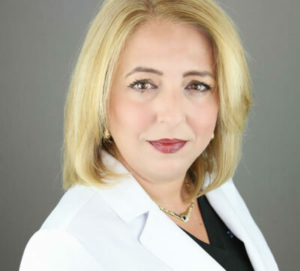
Dr Kelemen the founder of Hair 4 Life Medical
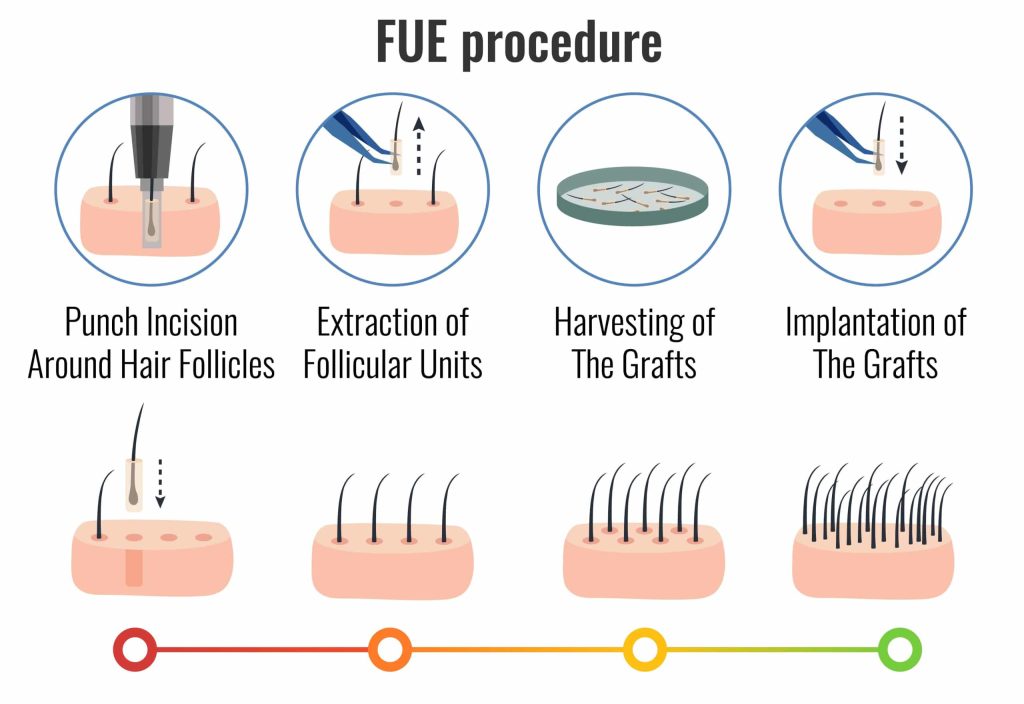
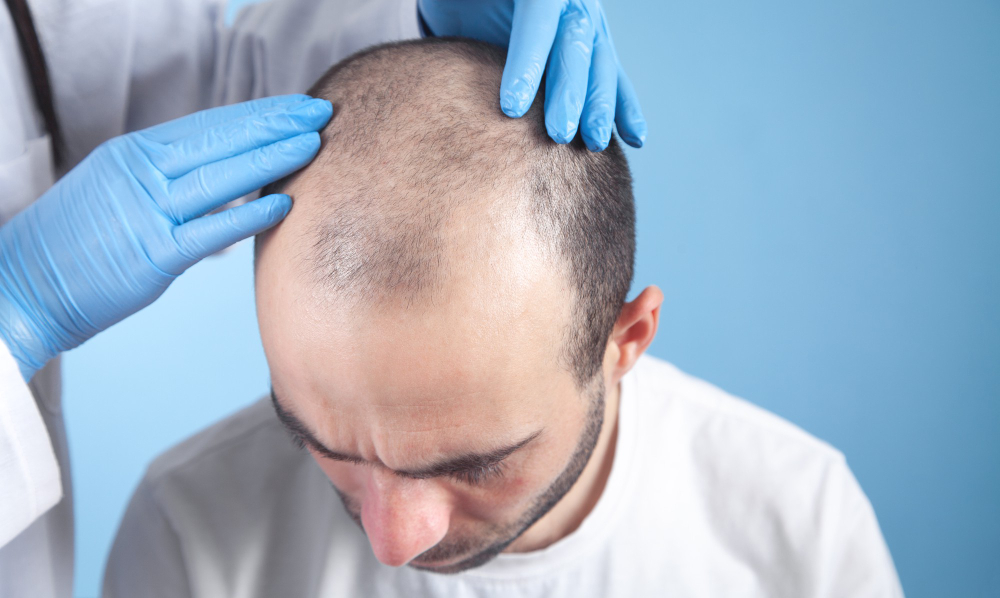
Follicular Unit Extraction (FUE) hair transplants have gained widespread popularity as a highly effective solution for hair loss. One of the most common questions individuals have before undergoing this procedure is whether FUE transplants are permanent. In this comprehensive guide, we will explore the longevity of FUE transplants, the factors that affect their success, post-transplant care, and expert insights from Dr. Kelemen, a leading authority in hair restoration.
Yes, FUE hair transplants are generally considered a permanent solution to hair loss. The transplanted hair follicles are taken from areas that are resistant to dihydrotestosterone (DHT), the hormone responsible for hair loss in conditions such as androgenetic alopecia (male and female pattern baldness). Because these follicles retain their genetic resistance to hair loss, they continue to grow in their new location for a lifetime.
However, while FUE transplants are permanent, the overall success and longevity of the results depend on several key factors, which we will explore below.
Factors That Influence the Success and Longevity of FUE Hair Transplants
1. Quality of the Donor Hair
Since the success of an FUE transplant relies on donor hair, individuals with a strong, healthy donor area tend to experience the best long-term results. Dr. Kelemen emphasizes the importance of proper donor area selection to ensure optimal regrowth and density.
2. Surgeon Expertise
The skill and experience of the surgeon play a crucial role in the success of an FUE transplant. A highly trained specialist, such as Dr. Kelemen, ensures that grafts are extracted and implanted with precision, maximizing their survival rate. Dr. Kelemen is among a very select few surgeons who perform SOLO hair transplants, personally handling every step of the procedure to ensure the highest level of quality and precision. Additionally, many other hair transplant physicians have chosen Dr. Kelemen for their own hair transplants, further solidifying her reputation as a trusted expert in the field.
While transplanted follicles are permanent, existing native hair may continue to thin over time. To maintain a consistent and natural look, Dr. Kelemen often recommends complementary treatments such as platelet-rich plasma (PRP) therapy, low-level laser therapy (LLLT), or FDA-approved medications like finasteride and minoxidil.
5. Lifestyle and Health Factors
General health, nutrition, and lifestyle choices impact hair health. A diet rich in vitamins, proper hydration, and avoiding smoking or excessive alcohol consumption can help support long-term hair retention and growth.
FUE is effective for all hair types, including curly, wavy, and straight hair, as long as the patient has a suitable donor area.
How Much Does an FUE Hair Transplant Cost?
The cost of an FUE transplant varies depending on factors such as location, clinic reputation, surgeon expertise, and the number of grafts required. On average, the price ranges from $4,000 to $15,000. Dr. Kelemen’s clinic offers personalized consultations to create a treatment plan tailored to individual needs.
Common Myths About FUE Hair Transplants
1. “FUE Transplants Don’t Last Forever”
While natural hair loss can still occur in non-transplanted areas, transplanted follicles remain resistant to DHT and continue growing permanently.
2. “FUE Is Painful and Requires a Long Recovery”
Thanks to local anesthesia and advanced techniques, the procedure is virtually painless, and most patients resume normal activities within a few days.
3. “Transplanted Hair Won’t Look Natural”
When performed by an expert like Dr. Kelemen, FUE results look completely natural, with careful attention to hairline design and follicle placement.
Are FUE Hair Transplants Worth It?
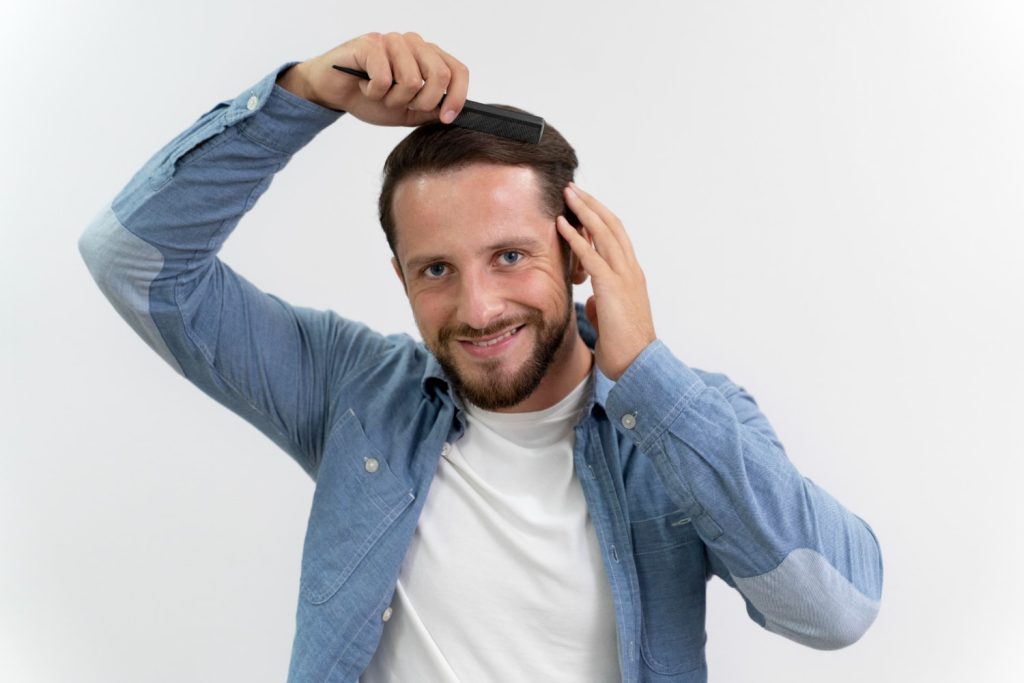
For individuals seeking a permanent solution to hair loss, an FUE transplant is one of the best options available. With advancements in technology and expert care from specialists like Dr. Kelemen, patients can achieve natural, long-lasting results that restore confidence and self-esteem.