The Complete Guide to Beard Hair Transplants: What You Need to Know
Introduction
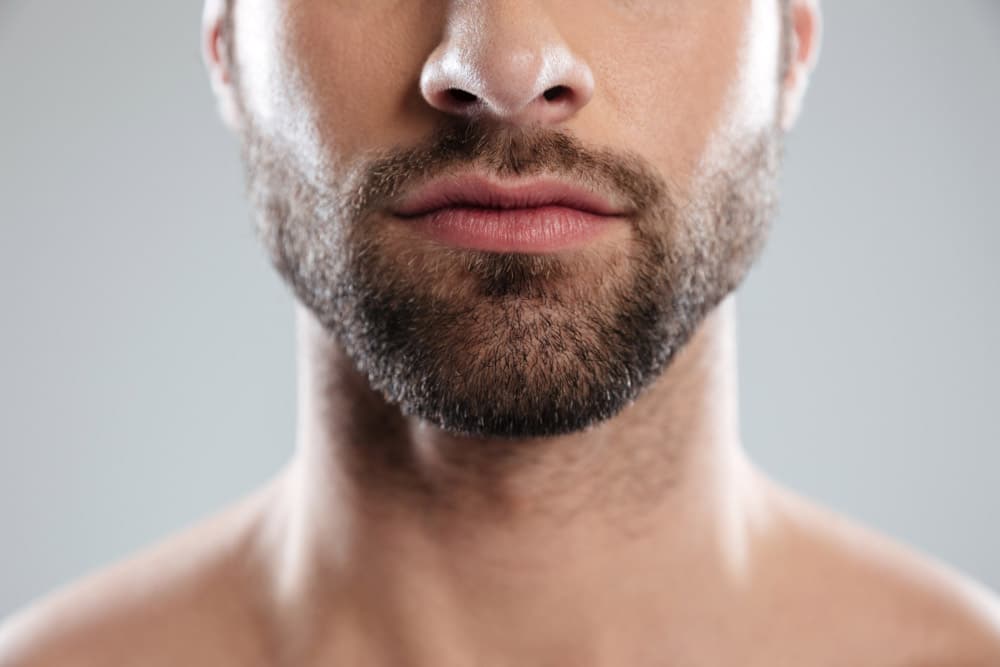
Facial hair has always been a powerful symbol of masculinity, style, and personal identity. Beards can enhance jawline definition, boost confidence, and complement a person’s overall appearance. However, not everyone is naturally able to grow the beard they desire. Sparse patches, uneven growth, scarring, or genetic limitations can leave men feeling self-conscious.
Beard hair transplants offer a solution for those who struggle to achieve full, natural-looking facial hair. Unlike traditional hair transplants for the scalp, beard transplants involve unique techniques and considerations to restore hair precisely where it’s needed.
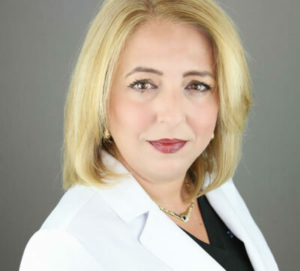
At Hair 4 Life Medical in Scottsdale, Dr. Ramona Kelemen performs every hair transplant procedure herself, ensuring the highest level of precision and care for every patient. This guide will explore everything you need to know about beard hair transplants — from candidate selection and procedure details to recovery, costs, and results.
What Is a Beard Hair Transplant?
A beard hair transplant is a surgical procedure that relocates hair from a donor area (typically the back of the scalp) to the face to create or restore a beard, mustache, or goatee. The goal is to provide natural, permanent facial hair in areas that are sparse, patchy, or scarred.
Unlike scalp hair, facial hair grows in different directions and densities. This means that the transplantation process requires careful planning and artistry to ensure the hair blends seamlessly with existing growth patterns.
Who Is a Candidate for a Beard Hair Transplant?
Not everyone is suitable for a beard transplant. Ideal candidates are typically:
-
Men with patchy or uneven beard growth due to genetics
-
Individuals with scars on the face (from acne, burns, or surgery) that inhibit hair growth
-
Those who have lost facial hair due to trauma or medical conditions
-
Men seeking a denser, more defined beard shape
Important considerations:
-
Candidates should have sufficient donor hair, usually taken from the back of the scalp.
-
Patients should be in good overall health, without conditions that affect healing.
-
Those with unrealistic expectations should receive counseling to understand the potential results.
Dr. Kelemen evaluates each patient individually to ensure they are suitable candidates and sets realistic expectations for density, growth direction, and appearance.
Understanding the Procedure
Donor Area Selection
The donor area is typically the back or sides of the scalp, where hair is naturally dense and resistant to shedding. Using a method called Follicular Unit Extraction (FUE), individual hair follicles are removed one by one. This minimizes scarring and ensures the harvested follicles remain healthy.
Graft Preparation
Once extracted, each follicular unit is carefully prepared under a microscope. This step is critical because the follicles must remain intact to survive transplantation. The technician or physician must handle grafts delicately to maintain viability.
Recipient Site Design
The recipient area — where the beard will be restored — is carefully mapped. This includes:
-
Defining the shape of the beard, mustache, or goatee
-
Planning hair direction so growth looks natural
-
Determining density to match the patient’s desired outcome
At Hair 4 Life Medical, Dr. Kelemen meticulously designs each recipient site to ensure a seamless, natural appearance.
Implantation
The prepared grafts are implanted into the recipient area. Each follicle is inserted with precise angling and spacing to mimic natural hair growth. Depending on the size of the area, the procedure may take 4–8 hours.
Beard Hair Transplant Techniques
Follicular Unit Extraction (FUE)
FUE is the most common method used for beard transplants. It involves:
-
Extracting individual follicular units from the donor area
-
Minimizing scarring and downtime
-
Allowing precise placement for natural growth patterns
Direct Hair Implantation (DHI)
DHI is a variation of FUE that uses a specialized implanter to place hair follicles directly into the recipient area. Benefits include:
-
Greater control over angle and depth
-
Potentially faster recovery
-
Higher survival rates for delicate facial follicles
Beard-to-Beard Transplants
In rare cases, if a patient has sufficient facial hair in other areas (e.g., sideburns), existing beard hair can be harvested to restore patchy regions. This preserves scalp hair and can provide a more uniform texture.
Recovery After a Beard Hair Transplant
Immediate Post-Op Care
-
Mild swelling and redness are normal for the first few days
-
Tiny scabs may form around implanted follicles
-
Avoid touching, scratching, or picking at grafts
Timeline for Growth
-
Week 1–2: Scabs heal, transplanted hairs may shed (normal “shock loss”)
-
Month 1–3: Dormant follicles prepare for new growth
-
Month 4–6: Initial hair growth appears
-
Month 8–12: Full results emerge, with natural density and texture
Long-Term Maintenance
-
Avoid harsh facial treatments for several months
-
Gentle cleansing and moisturizing can support healthy growth
-
Follow-up consultations with your physician ensure optimal outcomes
Risks and Considerations
Beard hair transplants are generally safe, but potential risks include:
-
Mild swelling, redness, or irritation
-
Temporary numbness or tingling in the recipient area
-
Minor scarring at donor or recipient sites
-
Unnatural hair direction if placement is not carefully executed
Choosing an experienced physician like Dr. Kelemen reduces risks and ensures natural, long-lasting results.
Cost of a Beard Hair Transplant
The cost varies depending on:
-
Size of the recipient area
-
Number of grafts required
-
Technique used (FUE vs DHI)
-
Geographic location and physician expertise
In Arizona, beard transplants typically range from $4,000 to $15,000. While price is important, patients should prioritize experience and results over cost, especially when selecting a physician who performs every step personally.
Beard Hair Transplant vs. Other Methods
Minoxidil and Topicals
Topical solutions may stimulate some hair growth but cannot replace lost follicles or correct scarring.
Microneedling and PRP
Microneedling with platelet-rich plasma can enhance density and follicle health but is best used as a complement, not a standalone solution for sparse beards.
Cosmetic Solutions
Makeup or hair fibers provide a temporary appearance but don’t offer permanent growth.
A beard transplant is the only permanent solution for men who want real, natural facial hair.
Choosing the Right Physician
-
Ensure your physician performs the procedure personally, not delegating to technicians
-
Review before-and-after photos of previous beard transplants
-
Confirm experience with facial hair direction, density, and natural aesthetics
-
Discuss realistic expectations and limitations
At Hair 4 Life Medical, Dr. Ramona Kelemen is the only solo hair transplant physician in Arizona performing every step herself. This ensures the highest precision, attention to detail, and patient satisfaction.
Common Questions About Beard Hair Transplants
Q: Will the transplanted beard hair fall out?
A: Once fully grown, transplanted follicles are permanent, though natural shedding cycles continue.
Q: Can I shave or style my beard normally?
A: Yes. Transplanted hair behaves like normal facial hair and can be shaved, trimmed, or styled.
Q: How many grafts do I need?
A: It depends on the area and desired density. Small patches may require a few hundred grafts, while a full beard can need 2,000–3,000 grafts or more.
Q: How painful is the procedure?
A: Local anesthesia ensures minimal discomfort during the transplant. Post-op soreness is mild and manageable with medication.
Q: Can scars be corrected with a beard transplant?
A: Yes. Scarred areas can be camouflaged with carefully placed grafts, restoring a natural appearance.
Tips for Optimal Results
-
Follow all post-op instructions from your physician
-
Maintain a healthy lifestyle to support hair growth
-
Protect your face from sun exposure during the healing period
-
Be patient — growth is gradual and requires time to see full results
Conclusion
Beard hair transplants are a transformative solution for men seeking natural, full facial hair. With the right physician, proper technique, and realistic expectations, you can achieve a beard that enhances your appearance, boosts confidence, and lasts a lifetime.
At Hair 4 Life Medical, Dr. Ramona Kelemen’s expertise in FUE, DHI, and precision facial hair restoration ensures that every patient receives the highest-quality results, performed personally by a physician — not a technician.
Whether you’re addressing patchy growth, scars, or simply want a thicker beard, a beard hair transplant can provide permanent, natural-looking results that change not just your appearance but your confidence.
👉 Ready to restore your hair? Schedule a consultation with Dr. Kelemen today!
Interested in learning more? Contact Us or call Hair 4 Life at (480) 525-4547 to schedule an appointment.
References
Large-Scale Beard Extraction Enhances the Cosmetic Results of Scalp Hair Restoration in Advanced Androgenetic Alopecia in East Asian Men: A Retrospective Study – PMC
Beard and Moustache Reconstruction – PMC
American Board of Hair Restoration Surgery | ABHRS
Everything You Need to Know About a Beard Transplant