Short Summary
-
Hair 4 Life is a renowned hair restoration clinic in Scottsdale, offering advanced techniques and personalized care for successful results.
-
Dr. Ramona Kelemen specializes in the newest hair transplant technologies and uses both surgical and non-surgical methods to replace lost hair and rejuvenate existing hair follicles.
-
Hair 4 Life offers expertise, experience, financing options & real-life results of their services through before & after galleries & patient testimonials.
Choosing the Right Hair Transplant Clinic
Selecting the appropriate hair restoration clinic is crucial for achieving successful results and regaining your confidence. Your hair restoration journey depends on the expertise and care provided by the clinic you choose. That’s where Hair 4 Life in Scottsdale comes in. Offering a combination of expertise, advanced techniques, and personalized care, Hair 4 Life is the premier choice for hair transplantation.
hair 4 Life is a renowned hair transplant clinic in Scottsdale, providing exceptional hair restoration services that promote new hair growth. Led by Dr. Kelemen, one of Scottsdale’s leading hair transplant surgeons, the clinic is known for providing a natural appearance to its patients. With cutting-edge technology at their fingertips, the team at Hair 4 Life is equipped to handle all your hair restoration needs.
Hair 4 Life Hair restoration clinic
Dr. Ramona Kelemen
Dr. Ramona Kelemen, the clinical director and founder of Hair 4 Life, is a board-certified general practice doctor with expertise in hair restoration and transplant procedures. With two doctorate degrees, M.D. (EU) and N.D., Dr. Kelemen has extensive experience in the field of skin, and a comprehensive knowledge of the most current techniques and technologies.
Dr. Kelemen is highly proficient in the newest hair transplant techniques, including FUE (Follicular Unit Extraction) and FUT (Follicular Unit Transplantation). She has a passion for treating hair loss in men and women with the latest surgical and non-surgical hair restoration techniques, Dr. Kelemen integrates the best of what conventional and naturopathic medicine have to offer to create a unique and personal experience for patients with optimal results.
Her personalized approach to each patient’s hair restoration journey ensures an optimized treatment plan tailored to their individual needs and goals.
Expertise and Experience
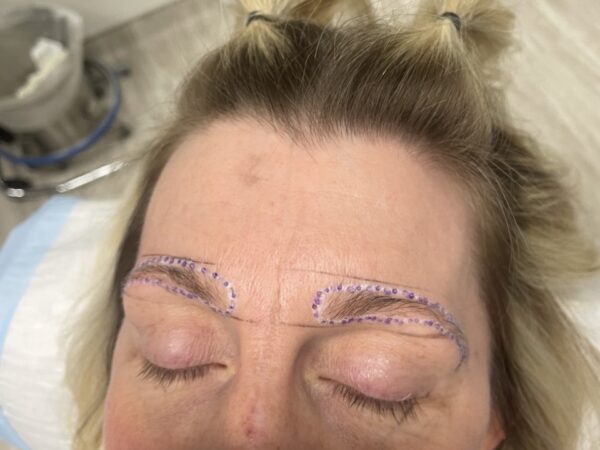
Experience is essential for attaining a natural hairline design. The team at Hair 4 Life understands the importance of expertise and experience in providing the most effective hair restoration treatments. They offer a range of services, like ARTSA Robotic, WAW FUE, No Shave FUE, FUT Strip, Manual FUE, Beard and Eyebrow Transplants, and also non-surgical methods, which have been highly proven effective at stimulating natural hair for growth.
These treatments, at Hair 4 Life, are designed to be minimally invasive and provide natural-looking results for natural hair.
Advanced Techniques
Hair 4 Life employs advanced techniques such as FUE (Follicular Unit Extraction) and potentially other variations of FUE like Sapphire FUE and DHI (Direct Hair Implantation) to provide natural-looking results. FUE is a technique for harvesting hair for a hair restoration procedure wherein individual hair follicles are extracted one by one from the donor area.
Follicular Unit Transplant (FUT), another advanced technique used at Hair 4 Life, involves extracting a strip of scalp from the back of the head or body and transplanting individual hair follicles to areas requiring restoration. By utilizing these cutting-edge methods, Hair 4 Life ensures minimal scarring and optimal results for their patients.
Personalized Approach
Hair 4 Life’s personalized approach to hair restoration takes into account each patient’s specific hair loss pattern, hair type, and lifestyle to create a tailored treatment plan. This customized approach ensures that each patient receives the most effective outcome, leading to a more natural and long-lasting result.
By taking into account the individual needs of each patient, Hair 4 Life is able to provide hair for life.
Hair Restoration in Scottsdale, Arizona
Hair restoration in Scottsdale includes both surgical and non-surgical treatments to meet the diverse needs of patients experiencing hair loss. Dr. Kelemen, at Hair 4 Life, offers exceptional care and full service with a wide range of services, ensuring that every individual embarks on a successful hair restoration journey.
From hair, eyebrow, and beard transplants to non-surgical methods, Dr. Kelemen is committed to providing quality care.
Hair Transplant Surgery
Hair transplant surgery, also known as hair replacement surgery, is a popular and effective solution for hair loss, providing a permanent solution to male pattern baldness and female pattern baldness in women. Various techniques are available, such as Follicular Unit Extraction (FUE) and Follicular Unit Transplant (FUT), to suit the needs of each patient and ensure natural, long-lasting results.
At Hair 4 Life, the team’s expertise in hair transplant surgery ensures the highest quality outcomes for patients. By carefully selecting the appropriate technique for each individual, they can create or restore a natural-looking hairline and restore confidence in their appearance.
Dr. Kelemen at Hair 4 Life
Dr. Kelemen is a trusted hair transplant surgeon, known for her skill and attention to detail. At Hair 4 Life, she offers a range of services such as Scalp Micropigmentation (SMP), Alopecia Areata Treatments, Scalp Treatments, and Hair Transplant services.
Her expertise and experience in the field, along with her commitment to delivering exceptional results, make her a sought-after choice for hair restoration in Scottsdale.
Non-Surgical Treatments
For those seeking alternative hair loss solutions, Hair 4 Life also offers non-surgical treatments like Hormone Therapy, Regenera Activa, Injectables, Medication, and Laser Hair Therapy.
This secure and successful treatment procedure provides patients with additional options to address their hair loss concerns and achieve the desired results.
Understanding the Hair Transplant Process
A hair transplant procedure involves several steps, including an initial consultation, preparation for surgery, and post-operative care, all provided by Hair 4 Life’s team of experts. Understanding the entire process not only helps patients make informed decisions but also ensures they are fully prepared for their hair restoration journey, which may include various hair restoration procedures.
At Hair 4 Life, our team of experts will guide you through the entire process, from the beginning to the end.
Initial Consultation
The initial consultation at Hair 4 Life is a crucial step in determining the best course of action for each patient’s own hair loss restoration journey. During the consultation, a hair restoration specialist will discuss the patient’s hair loss objectives and the most suitable treatment options for their individual requirements.
The specialist will also evaluate the patient’s scalp and hair quality to identify the optimal course of action.
Preparing for Surgery
Preparing for hair transplant surgery involves following specific guidelines provided by Hair 4 Life to ensure optimal results. Patients are advised to cease smoking at least 24 hours prior to the surgery and abstain from consuming alcohol for a few days before the procedure is performed.
Proper hair washing and adherence to any additional pre-operative instructions given by the surgeon are also necessary for a successful hair transplant.
Post-Operative Care
Post-operative care is crucial for a successful hair transplant, as it helps ensure proper healing and growth of the transplanted hair grafts. Hair 4 Life offers guidance and support throughout the healing process, including the administration of pain medications and instructions on how to care for the transplanted area.
Patients may also have pain and require antibiotics or anti-inflammatory medicines following the procedure performed.
Real-Life Results: Before and After Gallery
Hair 4 Life’s before and after gallery showcases real-life results of their hair restoration services, providing a visual representation of the natural-looking, long-lasting outcomes patients can expect. By viewing these transformations, potential patients can gain confidence in Hair 4 Life’s proven ability to deliver exceptional results and make an educated decision regarding their hair restoration journey.
Hair 4 Life’s before and after gallery is a powerful tool for potential patients.
Patient Testimonials
Patient testimonials provide valuable insight into the positive experiences and successful outcomes of Hair 4 Life’s hair restoration treatments. Patients have praised the clinic’s professional staff, expertise, and the natural-looking results they’ve achieved.
These testimonials serve as further evidence of Hair 4 Life’s commitment to excellence and the satisfaction of their patients.
The Role of Plastic Surgery in Hair Restoration
The role of plastic surgery in hair restoration is significant, as it involves hair restoration surgery, which includes hair replacement surgery and the surgical transfer of hair from one region of the scalp to another to fill in the bald areas or with thinning or baldness. Hair 4 Life’s team of experts, led by Dr. Kelemen, provides comprehensive care and expertise in hair transplantation, ensuring that each patient receives the highest quality outcomes and a natural-looking hairline.
The team is dedicated to providing the best possible care and results for each patient, and they are committed to providing the best possible care and results for each patient.
Financing Your Hair Restoration Journey
Hair 4 Life understands that a hair restoration surgery can be a significant investment, which is why they offer a variety of financing options to make the process more accessible for all patients. With options such as CareCredit, Prosper Healthcare Lending, and United Medical Credit, patients can find a financing solution that suits their budget and allows them to embark on their hair restoration journey with confidence.
No matter the financial situation, Hair 4 Life is committed to helping patients achieve their hair restoration.
Contact Hair 4 Life
To learn more about Hair 4 Life’s hair restoration services and to schedule a consultation, contact them at (480) 525-4547 or visit their website at h4l-az.com.
Their team of experts is ready to help you relax, regain your full body confidence and achieve the natural-looking hair growth you’ve always desired.
Summary
In conclusion, finding the best hair transplant clinic in Scottsdale is crucial for achieving successful, natural-looking results. Hair 4 Life offers a combination of expertise, advanced techniques, and personalized care, ensuring each patient embarks on a successful hair restoration journey. Explore their range of services, view real-life results, and read patient testimonials to make an informed decision about your hair restoration journey. Contact Hair 4 Life to schedule a consultation and take the first step toward a more confident, youthful appearance.
Frequently Asked Questions
What is the average cost of a hair transplant?
On average, a hair transplant costs between $7,000 and $10,000, though some cases may range from $8,000 to $25,000 depending on the number of hair grafts are needed.
The exact cost of a hair transplant will be provided during a patient consultation.
How much does a 2000 hair follicle transplant cost?
The average cost of a 2000 graft hair transplant in the US is around $10,000, depending on various factors such as the clinic location, surgeon experience and type of method used.
These factors can affect the cost significantly, so it is important to do your research and find the best option for you.
It is also important to consider the long-term costs associated with hair transplants, such as the cost of follow-up treatments.
How much does 1000 grafts hair transplant cost?
On average, 1000 grafts for a hair transplant will cost between $1500-$2500. However, this amount can go up exponentially depending on the amount of follicles being transplanted; prices could range from $1500 to over $50000.
What factors should I consider when choosing a hair transplant clinic?
When choosing a hair transplant clinic, make sure to consider the clinic’s reputation and the experience of the surgeons, as well as any advanced techniques they offer and their personalized approach.
Look for a clinic that has a good track record and a team of experienced surgeons who are up-to-date on the latest techniques. Ask about their approach to hair transplantation and how they customize the procedure to meet your individual needs.
What advanced techniques are employed at Hair 4 Life?
Hair 4 Life offers advanced techniques such as FUE (Follicular Unit Extraction), FUT (Follicular Unit Transplantation) and potentially other variations like Sapphire FUE and DHI (Direct Hair Implantation) to provide its customers with the best results.
These techniques are designed to give women the most natural looking results with minimal scarring, discomfort and downtime. They are also designed to be minimally invasive and provide the best possible outcome for the patient.
Contact Hair 4 Life in Scottsdale
Dr. Kelemen integrates conventional and naturopathic medicine to provide the best of what both worlds have to offer. She creates a unique, compassionate, accepting environment for her patients. You only have to read the reviews to find out how she empowers her clients to look and feel their best. They leave the clinic with their heads held high!
To find out which procedure is best suited to your needs, you are invited to come into Hair4Life for a free consultation. Treatments are kept as affordable and accessible as possible so come in and talk to us.
Contact Us or call Hair 4 Life at (480) 525-4547 to schedule an appointment and get your free consultation.
References: