
Hair transplant Clinic in Scottsdale, AZ lead by Dr Kelemen offering every hair transplant method: FUT and FUE: ARTAS, WAW, Ugraft.
Tag Archive for: body hair fue
Hair transplant Clinic in Scottsdale, AZ lead by Dr Kelemen offering every hair transplant method: FUT and FUE: ARTAS, WAW, Ugraft.
Hair transplant Clinic in Scottsdale, AZ lead by Dr Kelemen offering every hair transplant method: FUT and FUE: ARTAS, WAW, Ugraft.
Hair transplant Clinic in Scottsdale, AZ lead by Dr Kelemen offering every hair transplant method: FUT and FUE: ARTAS, WAW, Ugraft.
Hair transplant Clinic in Scottsdale, AZ lead by Dr Kelemen offering every hair transplant method: FUT and FUE: ARTAS, WAW, Ugraft.
The Ultimate Guide to Long Hair Follicular Unit Excision (FUE) with Dr. Kelemen
Hair transplantation has evolved significantly over the years, with new techniques and technologies enhancing the outcomes for those seeking to restore their hair. One such innovative method is Long Hair Follicular Unit Excision (FUE), a technique that stands out for its minimally invasive approach and natural-looking results. We will delve into the intricacies of Long Hair FUE and explore why Dr. Kelemen is among a handful of elite hair transplant physicians who leave no stone unturned in their quest to find the best approach to the most natural and virtually undetectable hair transplant.
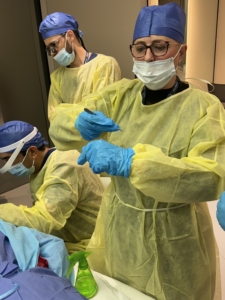
Dr Kelemen showcasing a long hair transplant
Understanding Long Hair FUE
Long Hair FUE is a specialized method of hair transplantation where hair grafts are extracted and implanted without the need for shaving the recipient area or donor area. This technique allows for immediate previewing of results, as the transplanted hair remains long. Patients can return to their daily routines without the noticeable signs of surgery, making it an ideal choice for those who value discretion.
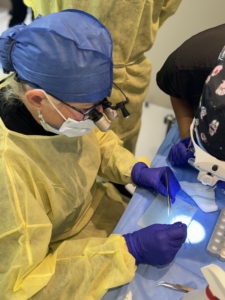
Dr Kelemen showing the staff how a long hair graft is prepared/trimmed.
Why Choose Dr. Kelemen?
- Expertise and Experience: First, Dr Kelemen has been in the hair loss field for 23 years. Her practice is focused on hair transplant and hair loss treatment only. Dr. Kelemen’s extensive experience in performing Long Hair FUE is backed by years of successful procedures and satisfied patients. She is known for her meticulous attention to detail and her ability to customize treatments based on each patient’s unique needs and facial structure. She is also among a handful that perform on a regular basis SOLO hair transplant.
Challenge? Find another hair transplant physician, in the Unites States, that does SOLO eyebrow, beard or hairline corrective surgeries on a regular basis. This is a testament to her unmatched skills in this unique field.
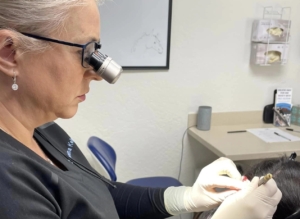
Dr Kelemen is among a select few that can perform a hair transplant SOLO.
-
Innovative Techniques: Dr. Kelemen remains at the forefront of hair restoration technologies and techniques. Her continuous pursuit of excellence ensures that patients receive the most advanced and effective treatments available.
-
Personalized Patient Care: Beyond her technical skill, Dr. Kelemen is renowned for her compassionate approach. She takes the time to understand each patient’s goals, ensuring that they feel comfortable and informed throughout the process.
The Procedure
During a Long Hair FUE procedure with Dr. Kelemen, hair follicles are gently extracted from the donor area using specialized tools. The extracted follicles are then strategically implanted into the thinning or balding areas, matching the natural hair growth pattern. This ensures a seamless blend with existing hair, resulting in a natural and aesthetically pleasing outcome. Dr Kelemen performs every step with the aid of her trusted technician, Jessica. They have been together for 20 years and they ying and yang. She does not delegate anything and steps in, to trim grafts. Why? Because it gives her a more in-depth look at the grafts. (Her loops are 3.5x while the microscope is 10x)
Recovery and Results
One of the most significant advantages of Long Hair FUE is the reduced downtime. Most patients experience minimal discomfort and can resume normal activities within a few days. The transplanted hair initially sheds but begins to regrow within a few months, unveiling fuller, natural hair that enhances the patient’s appearance and confidence. Her post op includes hyperbaric chamber sessions that help reduce the recovery time drastically.
Is Long Hair FUE Right for You?
If you’re considering hair restoration, especially Long Hair FUE, Dr. Kelemen is the only one offering this procedure in Arizona. You may see others advertise them to be seen, but none perform this procedure. Ideal candidates are those who desire immediate aesthetic results and are keen to avoid the shaved look typically associated with traditional FUE procedures.
Cost for Long Hair FUE
Long Hair FUE procedures typically cost more than traditional FUE due to the complexity and time involved. Generally, the price might range from $9,000 to $15,000 or more. However, costs can vary based on factors like the number of grafts needed, the clinic’s location, and the surgeon’s expertise. Dr Kelemen’s consultation concludes with the patient getting a folder and an estimate for the procedure, various financing options available and no pressure. Dr Kelemen believes that important decisions like this need to be thought out. This is an aesthetic procedure after all and the patient should be allowed ample time to think about it, to shop around, to research before making such an important decision.
Conclusion
Long Hair FUE is a groundbreaking advancement in the world of hair transplantation and the GOLD standard in hair transplantation, offering patients a discreet and effective solution to hair loss. With Dr. Kelemen’s expertise, patients can expect top-notch care and impressive results that restore not just hair but self-confidence. If you’re interested in exploring this option, consulting with Dr. Kelemen could be the first step towards achieving the hair of your dreams.
.
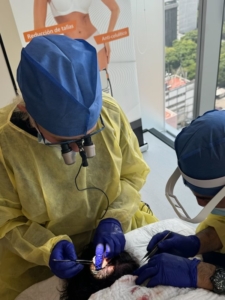
Dr Kelemen showcasing her technical skills during long hair Fue
Dr Kelemen is the ONLY physician to perform this procedure in Arizona.
First consultations are always FREE!
I love to educate the patient on what options they have so give us a call at 480-525-4547 and start your journey of hair restorations with me.
References:
Long Hair FUE for Hair Transplant Surgery – YouTube
Can You Get A Hair Transplant With Long Hair? (longevitahairtransplant.com)
Hair transplant Clinic in Scottsdale, AZ lead by Dr Kelemen offering every hair transplant method: FUT and FUE: ARTAS, WAW, Ugraft.
LONG HAIR FUE – HAIR TRANSPLANT
Dr Kelemen showcasing a long hair transplant
Facts and general knowledge
Long Hair FUE is versatile and can be performed on various hair types, but there are some considerations based on individual hair characteristics that must be considered by the doctor. The journey starts with a free initial consultation with Dr Kelemen. Dr Kelemen will initially assess your need and expectations. Then she will do a thorough scalp examination using various tools (thricholab, thrichotest) to assess your donor area and give you a close estimate of the patient has available for transplantation.
Suitable Hair Types
- Straight Hair
– Ease of Extraction: The consensus is that straight hair follicles are generally easier to extract and transplant. However, with the advances in handheld devices there are now punches developed to cater to all hair types.
– Natural Appearance: Provides a natural look as the transplanted hair blends well with straight existing hair. Dr Kelemen’s goal is a natural looking hair transplant by following your hair particular hairline.
- Wavy Hair
– Good Coverage: Wavy hair can cover the scalp more effectively, providing fuller results.
– Aesthetically Pleasing: The natural waves can enhance the overall aesthetic of the transplant.
- Curly Hair
– Volume: Curly hair offers excellent volume, often requiring fewer grafts for noticeable coverage.
– Camouflage: The curls can effectively camouflage donor area imperfections.
Dr Kelemen showing the staff how a long hair graft is prepared/trimmed.
Considerations for Different Hair Types
– Technique Precision: Requires careful handling to ensure the thin hair follicles are not damaged during extraction. Dr Kelemen has developed her own techniques and proprietary punches that allow her to extract with minimal scaring.
– Aesthetic Planning: Special planning to ensure optimal density and natural appearance.
- Thick Hair
– Donor Area: Often provides ample donor hair for extraction. Dr Kelemen has developed process to remove beard and body hair that can be transplanted to the scalp.
– Transplantation Ease: Easier to achieve desired density and volume. Dr Kelemen designed and developed her unique site making tools that allow her to mimic the patient’s unique hair pattern thus achieving a natural hair transplant.
- Ethnic Hair
– Curvature: Some ethnic hair types, such as African hair, have follicles with a tighter curl, requiring specialized expertise.
– Special Techniques: Dr Kelemen has developed her own specific techniques tailored for the unique curl patterns to ensure success.
Dr Kelemen showcasing her technical skills during long hair Fue
General Suitability Factors
– Scalp Health: A healthy scalp is crucial for optimal outcomes, regardless of hair type.
– Hair Loss Pattern: Suitable for various hair loss patterns, but personalized assessment is necessary.
– Donor Area Quality: The availability and quality of the donor hair play a critical role in the procedure’s success.
Key Points
– Personalized Assessment: A thorough evaluation by a qualified surgeon to determine suitability based on individual hair type and characteristics.
– Specialized Expertise: Surgeons with experience in handling specific hair types can better address unique challenges.
Dr Kelemen prefers these two devices for long hair FUE. Selection is based on skin thickness, tightness, elasticity.
WAW system/WAW DUO – FUE handheld device wired and wireless
WAW FUE is handheld device that provide the doctor the option to tailor the device movements based on the grafts of the patient. The latest iteration of the device provides a lightweight wireless hand-held device that alleviates any possible doctor fatigue. Combine the lightweight with the revolutionary Hybrid Tornado punch it allows the doctor to penetrate the skin deeper with minimal trauma to grafts. (Punches 0.85mm – 1.05mm)

WAW system FUE handheld device
Zeus Ugraft – FUE handheld device wired and wireless
The system features a set of uniquely designed devices that have completely changed the game when it comes to FUE hair transplant procedures. it provides patients with higher quality grafts with greater survival rates. Innovative features work together to make this possible in a way that’s never been done before.
These features include a flared punch tip, an expanded inner volume, an upward pulling action, a unique graft control mechanism, and fluid irrigation with hands-free ejection provided by the Dr.UGraft™ Zues System. (Punches are 18,19,20 gauge)
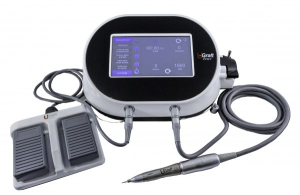
Zeus Ugraft FUE handheld device
Conclusion
Long Hair Follicular Unit Extraction (FUE) is a hair transplantation procedure where hair follicles are extracted from the donor area and transplanted to the recipient area without the need to shave the donor site. What is the main benefit of this type of hair transplant? Immediate Aesthetic Results. This was the GOLD standard that Hollywood actors sought out. Thanks to advances in handheld devices, smart punches Dr Kelemen has made this procedure accessible to everyone.
-No Waiting Period: You see the transplanted hair immediately, eliminating the need to wait for hair to grow (1-2 months)
– Natural Look: The transplanted long hair blends seamlessly with existing hair, providing a natural and more uniform appearance.
Summary
Long Hair FUE can be performed on many hair types, including straight, wavy, and curly, as well as thin and thick hair. However, the suitability and success of the procedure heavily depend on personalized planning and the expertise of the surgeon handling different hair characteristics.
Dr Kelemen is the ONLY physician to perform this procedure in Arizona.
I love to educate the patient on what options they have so give us a call at 480-525-4547 and start your journey of hair restorations with me.
References:
Long Hair FUE for Hair Transplant Surgery – YouTube
Can You Get A Hair Transplant With Long Hair? (longevitahairtransplant.com)
Everything You Need to Know About Hairline Lowering Surgery (Forehead Reduction)
Hairline lowering surgery, also known as forehead reduction, is a specialized cosmetic procedure designed to reduce the height of the forehead and create a more balanced facial appearance. This surgery has gained popularity for its ability to enhance facial proportions and boost self-confidence. If you’re considering this procedure, here’s everything you need to know, including the benefits, the process, recovery, and why you might want to choose Hair for Life AZ for your hair transplant needs.
What is Hairline Lowering Surgery?
Hairline-lowering surgery is a surgical technique aimed at reducing the size of the forehead by moving the hairline closer to the eyebrows. This procedure is particularly beneficial for individuals with a high or receding hairline, those experiencing hair loss, or those simply seeking a more aesthetically pleasing facial balance.
Key Objectives of Hairline Lowering Surgery:
- Reduce Forehead Size: Shortens the distance between the hairline and the eyebrows.
- Enhance Facial Proportions: Creates a more balanced and harmonious facial appearance.
- Boost Confidence: This helps individuals feel more comfortable and confident with their appearance.

Hairline sites.
Why Consider Hairline Lowering Surgery?
Hairline-lowering surgery can be a transformative option for various reasons. Here’s why many people choose this procedure:
- High Forehead: A high hairline often results in an unusually large forehead, which can disrupt facial harmony and create an imbalance in one’s appearance. By lowering the hairline, you can achieve a more proportional and aesthetically pleasing look.
- Receding Hairline: Genetics, aging, or other factors can cause a hairline to recede, making the forehead appear larger. This condition can be distressing, impacting self-esteem and confidence. Hairline-lowering surgery helps address this issue by repositioning the hairline closer to the eyebrows.
- Aesthetic Preferences: Some individuals have a personal or cultural preference for a lower hairline. For these individuals, the procedure can enhance their facial features and align with their aesthetic goals, contributing to increased satisfaction with their overall appearance.
Benefits of Hairline Lowering Surgery:
- Immediate Results: The procedure offers a noticeable reduction in forehead size right after the surgery, giving you an instant improvement in facial balance.
- Long-lasting Effects: Unlike temporary solutions, hairline lowering surgery provides a permanent fix, delivering long-term results that significantly enhance your appearance.
- Minimally Invasive: Compared to other cosmetic surgeries, this procedure is less invasive, generally involving fewer risks and a shorter recovery time, allowing you to return to your daily activities more quickly.
How is Hairline Lowering Surgery Performed?
The procedure involves several steps, each of which is crucial for achieving the desired outcome.
- Consultation:
- Assessment: A thorough evaluation of your hairline, facial proportions, and overall health.
- Discussion: Discuss your goals and expectations with the surgeon.
- Preparation:
- Anesthesia: Local or general anesthesia is administered to ensure comfort during the procedure.
- Marking: The surgeon marks the new hairline position on your forehead.
- Surgical Procedure:
- Incision: An incision is made along the hairline.
- Tissue Removal: Excess forehead skin and tissue are removed.
- Hairline Adjustment: The hairline is repositioned and secured in place.
- Closure:
- Stitches: The incision is closed with stitches or staples.
- Bandaging: A bandage is applied to protect the area.
- Post-Operative Care:
- Instructions: You’ll receive specific instructions on how to care for your surgical site and manage any discomfort.

Hairline with grafts inserted.
Recovery and Aftercare
Recovery from hairline lowering surgery is generally straightforward, but following proper aftercare is essential for optimal results.
- Immediate post-op:
- Rest: Rest for the first 24-48 hours.
- Swelling and Bruising: Expect some swelling and bruising, which should subside within a few days.
- Pain Management: Over-the-counter pain relievers may be recommended.
- First Week:
- Avoid Strenuous Activity: Refrain from physical exercise and heavy lifting.
- Follow-Up Visits: Attend follow-up appointments to monitor healing.
- Long-Term Care:
- Hair Growth: New hair growth may take a few months to become noticeable.
- Scarring: Scarring is minimal and typically hidden within the hairline.
- Hair Maintenance: Regular hair care and maintenance are essential for long-term results.
Risks and Considerations
As with any surgical procedure, there are potential risks and considerations to keep in mind:
- Infection: Proper aftercare helps minimize this risk.
- Scarring: While scarring is usually minimal, it may be visible in some cases.
- Uneven Results: There’s a chance of uneven hairline placement, which can be corrected with additional procedures if necessary.
Why Choose Hair for Life AZ?
Hair for Life AZ is a leading provider of hair transplant services, including hairline-lowering surgery. Here’s why you might consider choosing them:
- Expertise:
- Experienced Surgeons: Highly skilled surgeons with extensive experience in hairline lowering and other hair transplant procedures.
- Advanced Techniques: Utilization of the latest surgical techniques and technologies for optimal results.
- Personalized Care:
- Consultation: Comprehensive consultations to understand your goals and tailor the procedure to your needs.
- Support: Dedicated support throughout the entire process, from pre-operative preparation to post-operative care.
- Quality Results:
- Natural Appearance: Focus on achieving a natural-looking hairline that enhances your facial aesthetics.
- High Patient Satisfaction: Proven track record of successful procedures and satisfied clients.
Cost and Financing Options
The cost of hairline lowering surgery can vary based on several factors, including the complexity of the procedure, the surgeon’s experience, and the location of the clinic. Hair for Life Medical offers various financing options to help make the procedure more affordable.
Factors Affecting Cost:
- Surgical Complexity: The extent of forehead reduction required.
- Surgeon’s Expertise: Higher expertise may come with a higher cost.
- Location: Costs can vary based on the clinic’s location.
Financing Options:
- Payment Plans: Flexible payment plans to spread out the cost.
- Insurance: Check if your insurance covers any part of the procedure.
Conclusion
Hairline-lowering surgery is a transformative procedure that can significantly enhance your facial appearance and boost your self-confidence. If you’re considering this surgery, Hair for Life Medical offers exceptional expertise and personalized care to ensure the best possible outcome.
For more information about hairline lowering surgery and to schedule a consultation, visit Hair for Life Medical today. Your journey to a more balanced and confident appearance starts here!
References:
International Society of Hair Restoration Surgery (ishrs.org)
American Board of Hair Restoration Surgery | ABHRS
Fue Europe – HAIR TRANSPLANT SOCIETY (fue-europe.org)
Everything You Need to Know About Female Hair Restoration
Are Hair Transplants an Option for Women?
Hair loss is often associated with men, but it is also a significant concern for many women. Female hair loss can be caused by various factors, including genetics, hormonal changes, and medical conditions. For women who have struggled with thinning hair or bald spots, hair transplants have emerged as a viable solution. In this comprehensive guide, we will explore whether hair transplants are an option for women, how they work, and what you need to know about female hair restoration.
Understanding Female Hair Loss
Causes of Female Hair Loss
Hair loss in women can be attributed to several factors:
- Genetics: Like men, women can inherit hair loss patterns from their families. This is known as female pattern baldness.
- Hormonal Changes: Conditions such as pregnancy, menopause, and thyroid disorders can cause temporary or permanent hair loss.
- Medical Conditions: Autoimmune diseases, such as alopecia areata, and scalp infections can lead to hair loss.
- Medications: Certain drugs, including chemotherapy and antidepressants, may cause hair thinning as a side effect.
- Stress: Emotional or physical stress can trigger hair loss, known as telogen effluvium.
- Nutritional Deficiencies: Lack of essential nutrients, such as iron and vitamins, can affect hair health.
Symptoms of Hair Loss
Women experiencing hair loss may notice:
- Thinning Hair: Gradual thinning of hair, especially at the crown or part line.
- Bald Spots: Small patches of baldness on the scalp.
- Excessive Hair Shedding: Increased hair fall when brushing or washing hair.
What Is a Hair Transplant?
A hair transplant is a surgical procedure that involves moving hair follicles from one part of the body (typically the back of the head) to a thinning or bald area. The two main techniques used are:
- Follicular Unit Transplantation (FUT): This involves removing a strip of scalp from the donor area, dissecting it into individual follicles, and implanting them into the recipient area.
- Follicular Unit Extraction (FUE): This technique extracts individual hair follicles directly from the donor area and transplants them into the recipient area.
Benefits of Hair Transplants
- Natural Appearance: Transplanted hair blends seamlessly with existing hair, providing a natural look.
- Permanent Solution: Once the transplanted hair grows, it is permanent and does not require ongoing treatments.
- Minimal Downtime: Modern techniques result in minimal downtime and quicker recovery.
Are Hair Transplants a Good Option for Women?
Hair transplants can be a suitable option for women, but several factors determine their eligibility and effectiveness. Here’s an expanded look at these factors:
- Cause of Hair Loss
- Androgenetic Alopecia (Female Pattern Baldness): Hair transplants are highly effective for women with this condition. This type of hair loss typically presents as thinning around the crown or top of the scalp, with the hairline generally remaining intact.
- Localized Hair Loss: Women experiencing hair loss in specific areas due to trauma, scarring, or other localized issues can benefit from hair transplants. The procedure can effectively cover these bald patches and restore a natural appearance.
- Diffuse Thinning: Women with widespread hair thinning, where the hair loss is more generalized and less localized, might not see the same level of success with hair transplants. The results can be less predictable in such cases, and other treatments may be recommended in conjunction with or instead of a transplant.
- Hair Density
- Donor Area Quality: A critical factor in the success of a hair transplant is having a donor area with sufficient density and health. This area, typically at the back or sides of the head, should have a good number of healthy, robust hair follicles.
- Extent of Hair Loss: For women with extensive hair loss, the donor area might not provide enough follicles to cover the desired area. In such cases, the available donor hair may be used sparingly, and results may vary.
- Alternative Treatments: If the donor’s hair is insufficient, other treatments such as medication, PRP therapy, or hair restoration products might be recommended either alone or in combination with a transplant to achieve better results.
- Overall Health
- General Health: Candidates for hair transplants should be in good overall health. Conditions that affect the scalp or hair growth, such as autoimmune disorders or chronic illnesses, can impact the success of the transplant.
- Medical Conditions: Women with certain medical conditions or those on specific medications that affect hair growth might need to address these issues before considering a transplant. A thorough evaluation by a specialist is necessary to ensure that the procedure will be safe and effective.
- Healing and Recovery: Good health supports better healing and recovery post-surgery. Candidates need to follow pre-and post-operative care instructions to ensure the best possible outcome.
Each individual’s situation is unique, and a detailed consultation with a hair restoration specialist can provide personalized advice on whether a hair transplant is the right choice.
The Hair Transplant Procedure
Initial Consultation
The process begins with a consultation with a specialist at Hair For Life AZ. During this consultation, the surgeon will:
- Evaluate your hair loss pattern.
- Discuss your medical history and goals.
- Recommend the most suitable transplant technique.
Pre-Surgery Preparation
Before the surgery, you may need to:
- Avoid blood thinners and certain medications.
- Follow specific instructions for hair washing and scalp care.
The Procedure
- Anesthesia: The scalp is numbed with local anesthesia to ensure comfort during the procedure.
- Harvesting: Hair follicles are extracted from the donor area using FUT or FUE techniques.
- Implantation: The follicles are carefully implanted into the thinning or bald areas of the scalp.
- Post-Procedure Care: You will receive instructions on how to care for your scalp, including avoiding strenuous activities and following a prescribed regimen.
Recovery and Results
- Immediate Post-Surgery: Some swelling, redness, and discomfort are normal but should subside within a few days.
- First Few Weeks: Shedding of transplanted hair is common, but new growth will begin within a few months.
- Final Results: Full results can be seen within 6-12 months as new hair grows and matures.
Alternatives to Hair Transplants
If a hair transplant is not suitable, consider these alternatives:
- Medications: Minoxidil and finasteride can help stimulate hair growth.
- Platelet-rich plasma (PRP) Therapy: Involves injecting platelet-rich plasma into the scalp to promote hair growth.
- Laser Therapy: Uses low-level laser light to stimulate hair follicles.
- Hairpieces and Wigs: Non-surgical solutions can provide immediate coverage.
Conclusion
Hair transplants offer a promising solution for women dealing with hair loss, providing a natural and permanent way to restore their hair. Understanding the procedure, evaluating your options, and choosing a reputable clinic are essential steps in achieving the best results. For personalized advice and top-quality hair restoration services, visit Hair For Life AZ to begin your journey towards a fuller head of hair.
References:
HAIR TRANSPLANTATION IN WOMEN – ISHRS
American Board of Hair Restoration Surgery | ABHRS
Hair Transplant Procedures: Average Cost, What to Expect, and More

Top hair transplant clinic in Scottsdale
Recent Articles