In recent years, hair transplants have become increasingly popular as more people seek effective solutions for hair loss. Finding the right doctor can significantly impact the success of the procedure. Dr Kelemen has positioned herself as one of the best hair transplant doctors by staying true to the core values which imply that a doctor must perform all the surgery and technicians should aid them instead of replacing them. Dr Kelemen developed her skills and approach under the guidance of the founder of the American Board of Hair Restoration, Dr Shelly Friedman. Dr Kelemen spent 19 years with Dr. Friedman, at which point she decided that it was time to make her own impact on the hair transplant scene. Today, armed with 23 years of experience in the field of hair transplant, she has happy patients from royalty to athletes and movie stars.
From the beginning of your hair transplant journey to the end you will only see Dr Kelemen which means from consultation, surgery and post op care it is all done by her. What does that mean? It means that you will be greeted by Dr Kelemen in the morning, and she will not leave your sight till she says goodbye to you at the conclusion of the surgery! During Mega Sessions Dr Kelemen will work a 14h shift! That is why she only performs 2 maybe 3 surgeries a week with the 3rd being an eyebrow. On the day of the surgery, you are the focus and there is nothing else going on besides your surgery. There are no consultations conducted or other procedures, nothing!
Qualifications and Credentials
The first and foremost criterion for identifying a top hair transplant doctor is their qualifications. Look for a doctor who has additional specialized training in hair restoration. Internship and prior work experience. Membership in professional organizations FUE Europe, ABHRS, ISHRS. Do they attend meetings regularly? Do they stay abreast of new developments in the hair loss/transplant field? How many years of experience do they have? Is hair transplant their only focus OR hair transplant is part of the offering like in many plastic surgeon offices and spas! When hair transplant is a padding to the bottom line, it is wise to looks somewhere else. Focus on those that perform only hair transplant i.e. this is their bread and butter!
Experience and Expertise
Experience plays a crucial role in the success of hair transplant procedures. A top doctor will have several years of experience and a portfolio of successful surgeries. You’ll want to find a specialist who has performed numerous hair transplants and can provide before-and-after photos of previous patients. This not only showcases their skill but also helps you set realistic expectations. Dr Kelemen has 23 years of experience in the hair transplant with over 6500 hair transplants performed and her ONLY scope of practice is hair transplant and hair loss, nothing else!
Dr Kelemen teaching the next generation of hair transplant technician
Techniques Used
Hair transplant technology and techniques have evolved dramatically. A top hair transplant doctor will be well-versed in the latest procedures such as Follicular Unit Extraction (FUE) and Follicular Unit Transplantation (FUT). They should be able to explain the pros and cons of each method and recommend the best option based on your specific needs and hair type. A select few top hair transplant physicians, like Dr Kelemen, can perform SOLO hair transplant and eyebrow hair transplant. They are a rare find. I challenge you to find a physician that can and has performed hair transplants up to 2000 grafts or eyebrow hair transplant SOLO, i.e. without the aid of technicians.
Personalized Consultation
A reputable hair transplant doctor will offer a thorough consultation process. The consultation should be with the doctor and NOT a salesman! They should take the time to understand your medical history, assess the extent of hair loss, and discuss your goals. Personalized treatment plans tailored to individual needs indicate a doctor’s dedication to achieving the best possible outcome for their patients. At Hair 4 Life Medical, the consultations are done by Dr Kelemen herself. She believes that the consultation phase is where the patient and doctor interview each other reciprocally and begin to build a relationship based on trust that the doctor has the patients’ best interest at heart.
Patient reviews and testimonials can provide valuable insights into a doctor’s reputation and patient satisfaction. Look for reviews on independent platforms, as well as testimonials on the doctor’s website. Consistently positive feedback and high ratings are good indicators of a top-tier hair transplant doctor.
The quality of the facility where the procedure takes place is another important factor. The top hair transplant doctors will perform surgeries in state-of-the-art clinics equipped with the latest technology. A well-maintained, hygienic environment can significantly reduce the risk of complications and enhance the overall experience. Hair 4 Life Medical has all the latest technological marvels: ARTAS robot, WAW DUO and Zeus Ugraft handheld devices. Post op with hyperbaric chambers on site, same chambers used by our top athletes for recovery.
Aftercare and Support
Successful hair transplant procedures require proper aftercare. The best doctors will provide comprehensive post-operative care instructions and monitor your progress during the recovery phase. They should be available to address any concerns or issues that may arise after the procedure.
Dr Kelemen always sees the patient post op to answer any further questions they may have and take the opportunity to teach them to take care of their newly transplanted hair.
Transparent Pricing
While cost should not be the sole factor in your decision, it is important to understand the pricing structure. A top hair transplant doctor will provide a clear and transparent breakdown of the costs involved, including consultation fees, procedural fees, and any additional expenses. Beware of providers who offer significantly lower prices as they may cut corners on quality. At the conclusion of the consultation Dr Kelemen will give you a folder with the pricing discussed, and encourage to go home and think about it, this is an elective surgery after all, and no pressure should be put on the patient to go ahead and book a surgery. The patient should be afforded proper time to mull over the pro and cons of the surgery as well as the fact that the battle against hair loss is a lifetime commitment.
Dr Kelemen performing a SOLO hair transplant.
Conclusion
Choosing the right hair transplant doctor is a critical step towards reclaiming your confidence and achieving natural-looking results. By considering factors such as qualifications, experience, patient reviews, and aftercare support, you can find a top hair transplant doctor who will provide the highest standard of care. Remember, investing time in researching and selecting the best doctor can make all the difference in your hair restoration journey. Look at all the botched hair transplants from doctors that have slick marketing but do not have the experience, expertise and actual knowledge of what a hair transplant is supposed to look like, they just wing it! The results end up at Hair 4 Life for repair. In the past 3 years we have seen a 40% increase in repair consultations. Dr Kelemen strongly suggests you do your due diligence to ensure that you select a qualified doctor.
I love to educate the patient on what options they have so give us a call at 480-525-4547 and start your journey of hair restorations with me.
https://hairforlifeaz.com/wp-content/uploads/2024/01/ARTAS-Robotic-Hair-Restoration.jpg10181919Ioan A Kelemenhttps://hairforlifeaz.com/wp-content/uploads/2024/02/Hair-for-Life-Medical-Logo-web.pngIoan A Kelemen2024-09-30 20:15:192026-03-19 17:39:31Top Hair Transplant Doctor
Long Hair FUE is versatile and can be performed on various hair types, but there are some considerations based on individual hair characteristics that must be considered by the doctor. The journey starts with a free initial consultation with Dr Kelemen. Dr Kelemen will initially assess your need and expectations. Then she will do a thorough scalp examination using various tools (thricholab, thrichotest) to assess your donor area and give you a close estimate of the patient has available for transplantation.
– Natural Appearance: Provides a natural look as the transplanted hair blends well with straight existing hair. Dr Kelemen’s goal is a natural looking hair transplant by following your hair particular hairline.
– Aesthetically Pleasing: The natural waves can enhance the overall aesthetic of the transplant.
Curly Hair
– Volume: Curly hair offers excellent volume, often requiring fewer grafts for noticeable coverage.
– Camouflage: The curls can effectively camouflage donor area imperfections.
Dr Kelemen showing the staff how a long hair graft is prepared/trimmed.
Considerations for Different Hair Types
Thin Hair
– Technique Precision: Requires careful handling to ensure the thin hair follicles are not damaged during extraction. Dr Kelemen has developed her own techniques and proprietary punches that allow her to extract with minimal scaring.
– Aesthetic Planning: Special planning to ensure optimal density and natural appearance.
Thick Hair
– Donor Area: Often provides ample donor hair for extraction. Dr Kelemen has developed process to remove beard and body hair that can be transplanted to the scalp.
– Transplantation Ease: Easier to achieve desired density and volume. Dr Kelemen designed and developed her unique site making tools that allow her to mimic the patient’s unique hair pattern thus achieving a natural hair transplant.
Ethnic Hair
– Curvature: Some ethnic hair types, such as African hair, have follicles with a tighter curl, requiring specialized expertise.
– Special Techniques: Dr Kelemen has developed her own specific techniques tailored for the unique curl patterns to ensure success.
Dr Kelemen showcasing her technical skills during long hair Fue
General Suitability Factors
– Scalp Health: A healthy scalp is crucial for optimal outcomes, regardless of hair type.
– Hair Loss Pattern: Suitable for various hair loss patterns, but personalized assessment is necessary.
WAW FUE is handheld device that provide the doctor the option to tailor the device movements based on the grafts of the patient. The latest iteration of the device provides a lightweight wireless hand-held device that alleviates any possible doctor fatigue. Combine the lightweight with the revolutionary Hybrid Tornado punch it allows the doctor to penetrate the skin deeper with minimal trauma to grafts. (Punches 0.85mm – 1.05mm)
WAW system FUE handheld device
Zeus Ugraft – FUE handheld device wired and wireless
The system features a set of uniquely designed devices that have completely changed the game when it comes to FUE hair transplant procedures. it provides patients with higher quality grafts with greater survival rates. Innovative features work together to make this possible in a way that’s never been done before.
These features include a flared punch tip, an expanded inner volume, an upward pulling action, a unique graft control mechanism, and fluid irrigation with hands-free ejection provided by the Dr.UGraft™ Zues System. (Punches are 18,19,20 gauge)
Zeus Ugraft FUE handheld device
Conclusion
Long Hair Follicular Unit Extraction (FUE) is a hair transplantation procedure where hair follicles are extracted from the donor area and transplanted to the recipient area without the need to shave the donor site. What is the main benefit of this type of hair transplant? Immediate Aesthetic Results. This was the GOLD standard that Hollywood actors sought out. Thanks to advances in handheld devices, smart punches Dr Kelemen has made this procedure accessible to everyone.
-No Waiting Period: You see the transplanted hair immediately, eliminating the need to wait for hair to grow (1-2 months)
– Natural Look: The transplanted long hair blends seamlessly with existing hair, providing a natural and more uniform appearance.
Summary
Long Hair FUE can be performed on many hair types, including straight, wavy, and curly, as well as thin and thick hair. However, the suitability and success of the procedure heavily depend on personalized planning and the expertise of the surgeon handling different hair characteristics.
https://hairforlifeaz.com/wp-content/uploads/2024/09/IMG_2597-scaled.jpg20501538Ioan A Kelemenhttps://hairforlifeaz.com/wp-content/uploads/2024/02/Hair-for-Life-Medical-Logo-web.pngIoan A Kelemen2024-09-29 18:32:322025-07-18 08:23:57Long Hair FUE
Meet Dr. Ramona Kelemen: Your Expert in Hair Restoration at Hair 4 Life Medical
At Hair 4 Life Medical, we pride ourselves on offering exceptional hair restoration services led by industry experts. One key figure in our team is none other than Dr. Ramona Kelemen. Her dedication, expertise, and compassion make her one of the top hair transplant physicians in the world and your most trusted partner in your hair restoration journey.
About Dr. Ramona Kelemen
Dr. Ramona Kelemen’s journey into the world of hair restoration began with a deep desire to make a tangible difference in people’s lives. With 23 years of medical training and hands-on experience, she has become a leading figure in hair transplant procedures. Dr Kelemen holds a double doctorate: MD and ND. This puts her in a unique position, couple that with her ability to perform hair transplant SOLO further pushes her in an ability category where only a very select few can claim!
Dr Kelemen at the 32nd ISHRS meeting in Denver, CO.
Dr. Kelemen’s educational journey is as impressive as her professional one. She holds a double doctorate and dedicated her career to hair restoration:
1. Advanced Degrees:Dr. Kelemen earned her medical degree from a prestigious institution, where she focused her studies on dermatology and hair science.
2. Specialized Training: Her post-graduate training involved intensive courses and hands-on training in the latest hair transplant techniques, including FUE and FUT. Dr. Kelemen spent 19 years by the side of the founding member of American Board of Hair Restoration (ABHRS). Under his tutelage she has learned, grown and perfected her own skills.
3. Continuous Education:Dr. Kelemen regularly attends international conferences and workshops to stay abreast of the latest advancements in hair restoration.
When it comes to restoring confidence and reversing the effects of hair loss, finding the right expert is essential. At Hair 4 Life Medical, you’re in excellent hands with Dr. Ramona Kelemen, a seasoned professional known for her compassionate care, innovative techniques, and patient-centric approach. Whether you’re looking into hair restoration for the first time or seeking a solution to a long-standing concern, Dr. Kelemen’s vast experience and dedication to personalized care will guide you through a transformative experience.
In this blog post, we’ll introduce you to Dr. Ramona Kelemen, her background, her expertise in various hair restoration techniques, and why patients from all over the world trust her with their hair restoration journeys.
Background and Expertise
Dr. Ramona Kelemen is a board-certified physician with over two decades of experience in cosmetic and hair restoration medicine. With a strong academic foundation, she completed her medical training at prestigious institutions and went on to specialize in dermatology and hair restoration. Her passion for restoring natural-looking hairlines and solving complex cases of hair loss led her to establish herself as a leading hair restoration expert.
Dr. Kelemen’s dedication to advancing her knowledge in the field has driven her to master the most innovative hair transplant techniques, including Follicular Unit Extraction (FUE), Long Hair FUE, No-Shave FUE, and Body Hair Transplantation (BHT). Her reputation as a meticulous and compassionate physician has earned her recognition in the field of hair restoration, and she is known for her ability to address the unique needs of each patient.
Patient-Centered Care: Dr. Kelemen’s Approach
At the core of Dr. Kelemen’s practice is her unwavering commitment to providing personalized care. She understands that hair loss affects each individual differently—physically, emotionally, and psychologically. That’s why her approach to hair restoration is not a one-size-fits-all solution but is tailored to meet the specific needs and goals of each patient.
During the initial consultation, Dr. Kelemen takes the time to understand your unique concerns, medical history, and lifestyle. This careful assessment allows her to design a customized treatment plan that is suited to your hair type, the extent of hair loss, and your desired results. Whether it’s FUE, Long Hair FUE, or another form of hair restoration, Dr. Kelemen ensures that her patients are fully informed and comfortable with their treatment options.
The Latest Techniques in Hair Restoration
Dr. Kelemen is at the forefront of the latest advancements in hair restoration technology, consistently offering cutting-edge treatments that deliver natural, lasting results. Below are some of the most popular hair restoration procedures offered by Dr. Kelemen at Hair 4 Life Medical:
For patients looking for a solution that doesn’t leave a visible scar, FUE is an excellent option. Dr. Kelemen’s mastery of this technique ensures that the results are as natural as possible, blending seamlessly with the patient’s existing hair.
2. No-Shave FUE
A specialized variation of the FUE method, No-Shave FUE is ideal for individuals who want to maintain their current hairstyle during the hair transplant process. Unlike traditional FUE, which typically requires shaving the donor and recipient areas, No-Shave FUE allows patients to undergo the procedure without having to cut their hair short.
This method is particularly appealing for those who prefer discretion during their hair restoration journey. Dr. Kelemen’s expertise in this technique ensures that patients can achieve their desired results without compromising their appearance during the recovery phase.
3. Long Hair FUE
Dr. Kelemen is also known for offering Long Hair FUE, a technique that allows patients to undergo a hair transplant without shaving their donor or recipient areas. This method is unique because it enables the transplant of longer hair strands, giving patients an immediate preview of their results post-surgery.
With Long Hair FUE, patients can maintain their hairstyle throughout the procedure and avoid the wait for hair to grow back to see the final outcome. As the only clinic in Arizona offering both Body Hair Transplantation (BHT) and Long Hair FUE, Hair 4 Life Medical is a destination for patients who want advanced hair restoration options tailored to their specific needs.
4. Body Hair Transplantation (BHT)
For patients with limited scalp donor hair, Body Hair Transplantation (BHT) is a game-changer. This procedure involves harvesting hair follicles from other areas of the body, such as the chest or beard, and transplanting them to the scalp. Dr. Kelemen is highly skilled in BHT, making her one of the few physicians able to offer this specialized service to her patients.
BHT can be particularly useful for individuals who have undergone previous hair transplants or who have insufficient scalp donor hair for traditional transplants. Dr. Kelemen carefully selects donor areas with hair that closely matches the scalp’s characteristics, ensuring a natural and cohesive look.
5. Tricopat Hair Loss Treatment
In addition to surgical hair restoration, Dr. Kelemen also offers Tricopat, a non-invasive treatment that targets hair thinning and promotes regrowth. Tricopat uses growth factors and other bioactive components to stimulate the scalp and hair follicles, improving hair density and thickness. This treatment can be used as a standalone option for early-stage hair loss or in combination with transplant procedures to enhance overall results.
The Benefits of Mild Hyperbaric Oxygen Therapy (mHBOT) in Post-Operative Care
Dr. Kelemen is one of the few hair restoration specialists who incorporates mild Hyperbaric Oxygen Therapy (mHBOT) as part of her post-operative care regimen. This innovative therapy involves the patient breathing in pure oxygen while in a pressurized environment, which increases oxygen levels in the blood and promotes faster healing.
After hair transplant surgery, mHBOT helps reduce inflammation, enhances tissue repair, and accelerates the healing process. Patients who receive mHBOT as part of their post-operative care report less swelling, quicker recovery times, and an overall smoother healing experience. Dr. Kelemen’s use of this therapy underscores her commitment to patient comfort and successful outcomes.
Why Choose Dr. Kelemen?
When selecting a hair restoration expert, it’s crucial to choose a physician with the right combination of experience, skill, and compassion. Here’s why patients from all over Arizona, and even internationally, choose Dr. Kelemen:
Extensive Experience: With over 20 years of experience in hair restoration, Dr. Kelemen has helped thousands of patients achieve their desired results. Her deep understanding of hair biology and surgical techniques allows her to provide exceptional outcomes for each patient.
Innovative Techniques: Dr. Kelemen stays at the forefront of the latest developments in hair restoration, offering advanced techniques such as FUE, Long Hair FUE, BHT, and more. She’s always adopting new technologies that improve patient experiences and results.
Personalized Care: Dr. Kelemen believes in a patient-first approach. Each patient receives a customized treatment plan based on their unique needs, hair type, and aesthetic goals. This level of personalization ensures that patients feel heard, respected, and confident throughout the process.
Comprehensive Services: From hair restoration surgeries to non-surgical treatments like Tricopat, Dr. Kelemen offers a comprehensive range of solutions to address every stage of hair loss. Whether you’re looking for a preventive treatment or a full hair transplant, you’ll find the right option at Hair 4 Life Medical.
Compassionate Care: Hair loss can be an emotionally challenging experience, and Dr. Kelemen takes the time to understand each patient’s concerns. Her compassionate approach puts patients at ease, allowing them to feel comfortable and supported every step of the way.
Dr. Kelemen: The Hair Restoration Expert Trusted by Her Peers
What truly sets Dr. Ramona Kelemen apart is the trust and respect she’s earned from her peers in the medical community. Many hair transplant physicians—those who understand the intricacies of hair restoration—have chosen Dr. Kelemen for their own hair transplant procedures. This is the highest compliment a surgeon can receive, as it speaks to her precision, expertise, and unmatched skill in the field.
This endorsement from fellow physicians is a testament to the excellence and dedication that Dr. Kelemen brings to every procedure. When you choose Dr. Kelemen, you’re choosing a physician whose expertise is recognized and trusted by even the most discerning professionals.
Dr. Kelemen: The Only Physician with the Complete Skill Set for SOLO Hair Transplant Procedures
Another remarkable aspect of Dr. Ramona Kelemen’s expertise is her ability to perform SOLO hair transplant procedures of up to 1,500 grafts—something few, if any, other physicians can achieve. This means that Dr. Kelemen has the complete skill set to personally handle every aspect of the procedure from start to finish, without the need for additional support or technicians.
By performing these SOLO hair transplants, Dr. Kelemen ensures the highest level of attention to detail and precision, guaranteeing that every step of the process is meticulously handled by her expert hands. Whether it’s harvesting, grafting, or implantation, her ability to perform these delicate procedures solo demonstrates her exceptional surgical skill and dedication to providing the best possible outcomes.
Total control and precision: Every graft is handled with care and placed exactly where it’s needed for optimal results.
Consistency throughout the procedure: With no hand-offs between staff, the entire process is conducted with the same level of expertise and attention to detail.
This ability makes Dr. Kelemen truly unique in the hair restoration world, and her SOLO hair transplant procedures are yet another reason why patients, including other physicians, trust her with their hair restoration journeys.
Real Patient Testimonials
Dr. Kelemen’s dedication to her patients shines through in the countless positive testimonials she’s received over the years. Many patients speak to her professionalism, expertise, and the life-changing results she’s helped them achieve.
Here’s what some of her patients have to say:
“Dr. Kelemen truly listens to her patients and takes the time to craft a treatment plan that works for your specific situation. I felt comfortable from day one and couldn’t be happier with my results!”
“The whole process, from consultation to post-op care, was seamless. Dr. Kelemen’s attention to detail and use of the latest techniques set her apart. My hair looks natural, and I couldn’t be more pleased.”
“What I love about Dr. Kelemen is how much she genuinely cares about her patients. She made sure I understood every step of the procedure, and her team was incredibly supportive.”
Conclusion: Trust Your Hair Restoration Journey to Dr. Kelemen
When it comes to hair restoration, you deserve to work with a physician who combines expertise, compassion, and cutting-edge technology. Dr. Ramona Kelemen at Hair 4 Life Medical is your trusted partner in achieving natural,
https://hairforlifeaz.com/wp-content/uploads/2024/09/drkelemen.jpg361400Ioan A Kelemenhttps://hairforlifeaz.com/wp-content/uploads/2024/02/Hair-for-Life-Medical-Logo-web.pngIoan A Kelemen2024-09-29 10:05:502026-01-21 19:09:50Meet Dr. Ramona Kelemen
Choosing the Best FUE Device for Your Hair Transplant: What You Need to Know
The decision to undergo a hair transplant is significant, and choosing the right Follicular Unit Extraction (FUE) device can directly impact your results. With advancements in hair transplant technology, several FUE devices have become available, each with unique features and benefits. However, it’s not just about the technology—your physician’s expertise plays a crucial role.
Popular FUE Devices: An Overview
Each FUE device offers a different approach to follicle extraction, designed to minimize scarring, improve graft quality, or assist in achieving a natural look.
SAFE System: Developed in 2003, the SAFE system was one of the first to combine sharp and blunt punches, reducing follicle damage and making FUE more mainstream.
ARTAS Robotic System: This advanced robotic system uses AI to assist physicians in identifying and extracting healthy follicles. ARTAS offers precision, but it still requires a skilled surgeon for optimal results.
Neograft: This manual device uses air pressure to help extract and implant follicles, requiring a steady hand and skilled surgeon.
SmartGraft: With a touchscreen interface and temperature-controlled graft storage, SmartGraft is designed to enhance graft health and survival rates.
Atera FUE-100: This device offers depth control and a unique saline injection system to increase the quality and viability of the extracted follicles.
Trivellini System: This lightweight system reduces doctor fatigue with customizable settings, providing flexibility during the extraction process.
WAW System: Known for its “Hybrid Tornado” punch, this device minimizes scarring and trauma to the grafts, leading to better recovery and aesthetics.
Zeus UGraft System: Designed for graft health with features like a flared punch and hands-free ejection, it offers advanced control and better graft survival rates.
Key Factors to Consider
While device features are essential, they’re only one part of a successful hair transplant. Here are critical factors to consider when choosing both a device and a physician:
In-Person Consultations: Avoid relying solely on online photos, as these can be edited. Meeting with your doctor in person provides a more accurate assessment of their skills and device availability.
Graft Health and Trauma: Devices that minimize graft trauma typically yield better results. Ask your doctor about their chosen device’s impact on graft health and survival rates.
Patient Testimonials: Research reviews from patients who have undergone procedures with the device you’re considering. Real-life experiences often give you the most candid insights.
A more in-depth look at each device:
SAFE system – FUE device
S.A.F.E. stands for Surgically Advanced Follicular Excision. Dr. James Harris developed the device in 2003. For its time, it was excellent technology: a first in-kind FUE device used to isolate and excise single follicular units. S.A.F.E. introduced a two-step system which combined a hybrid sharp punch with a blunt dual punch to ensure proper penetration. The method lowered the risk of transection (damage to surrounding hair follicles).
S.A.F.E. played a large role in ensuring the eventual mainstream adoption of the FUE technique. It’s simply been made obsolete through technological evolution.
Notable features of this system were:
It was an industry-defining device.
It allowed for minimal scarring, setting the standard for all future systems.
It improved dermal penetration and reduced risks.
It was the first device to lower transection rates to less than 10%.
A single motorized punch accomplishes the first two steps described above. Rotating quickly, the punch initially cuts through the skin and then, as it passes more deeply, the tissue resistance slows the rotation of the instrument (essentially converting it into a dull punch). Read about the SAFE System. This device was one of the first hand held devices to come to the market.
The ARTAS® Robotic System is the most advanced technology for surgical hair restoration was introduced in 2011. It aids the physician in performing Follicular Unit Extraction (FUE) hair transplant procedures with accuracy and consistency that allows for maximum preservation of follicles. Punches are 18 and 19 gauge.
Dr Kelemen directing the surgery
Neograft – FUE machine
A hand-held surgical device that extracts follicular units from the donor area and implants them in the recipient area via an air-pressure/suction-based system. The Neograft machine relies on manual control provided by a human operator in order to select and extract follicular unit grafts.
The device is applied to the scalp where it first separates the grafts from the surrounding donor tissue with a rotating sharp punch that is connected to a suction unit. Once the upper part of the graft is dissected by the punch, the suction pulls the graft out, separating it from the remaining tissue.
SmartGraft – FUE
A suction-based system comprised of a handpiece, touchscreen monitor, and follicular unit graft storage chamber. The main component of the system is a unit comprised of the touchscreen monitor and temperature-controlled storage chamber. The unit also provides suction for the handpiece, which connects via a tube. The touchscreen allows the surgeon to control and monitor the rotation speed of the punch, strength of suction, illumination of the scalp, and irrigation of the graft storage canisters.
Atera-FUE 100
The FUE-100 system utilizes a handpiece with depth control and a unique saline injection system that the company claims maximize the viability of follicular unit grafts. The handpiece provides the surgeon with the option of using one of three different size harvesting punches (0.8mm, 0.95mm, and 1.05mm). Like the Neograft and SmartGraft systems, the Atera FUE-100 system uses a single-punch, suction technique.
Trivelinni – FUE handheld device
Trivellini is a handheld device that assists the doctor with the excision of the hair follicles during the FUE method of hair transplant. It’s extremely light weight and relies on the Smart React system instead of a foot pedal. It offers the doctors many variables for the FUE surgery that can complement or substitute for ARTAS robotic hair transplants.
The device is designed to allow the doctor to adjust the rotation, vibration, and oscillation for better accuracy and ease during the excision process. There’s actually a setting called “Mamba” which like its namesake as a sharp striking viper, has the ability to create a random pattern oscillation/rotation combo that creates perfect accuracy in some cases.
WAW FUE is handheld device that provide the doctor the option to tailor the device movements based on the grafts of the patient. The latest iteration of the device provides a lightweight wireless hand-held device that alleviates any possible doctor fatigue. Combine the lightweight with the revolutionary Hybrid Tornado punch it allows the doctor to penetrate the skin deeper with minimal trauma to grafts. (Punches 0.85mm – 1.05mm)
WAW system FUE handheld device
Zeus Ugraft – FUE handheld device wired and wireless
The system features a set of uniquely designed devices that have completely changed the game when it comes to FUE hair transplant procedures. it provides patients with higher quality grafts with greater survival rates. Innovative features work together to make this possible in a way that’s never been done before.
These features include a flared punch tip, an expanded inner volume, an upward pulling action, a unique graft control mechanism, and fluid irrigation with hands-free ejection provided by the Dr.UGraft™ Zues System. (Punches are 18,19,20 gauge)
Zeus Ugraft FUE handheld device
There are many other rudimentary devices on the market that only rotate aka core. In most cases the scars from the harvesting area will tell the story of how good the device and the talent of the doctor.
So, which one is better?
Any device is as good as the operator and not the other way around. No device will transform a novice into a master overnight. Some are more talented than others, for sure, but hair transplant in general requires patience, artistic flare, understanding the complex nature of the surgery and passion. This is why I always recommend that if you are going to have a hair transplant chose someone that is doing this every day, NOT someone that added it as padding to their business.
Any physician that also offer hair transplant in their portfolio, but it is not their primary specialty
All these devices help alleviate pressure on the doctor both in their hands as well as in their feet. One of the main issues with performing these types of procedures without the assistance of a device like these, is doctor fatigue. ARTAS when it came to market, was offered only to the top doctors that intended to use them as an addition, NOT a replacement of them.
I have chosen carefully my devices, and my results speak to that end. As you can see all the devices look to alleviate doctor fatigue. I started doing needle point and “goblen” when I was a teenager, and it developed into a passion.
My decision making on which device to choose was not made on doctor fatigue criteria. Why? Because I am used to do repetitive motion over long periods instead, I chose to select based on, how healthy the harvested grafts and transection rate percentage, are with these tools.
The foundation of a great hair transplant are health of graft and the less trauma on the graft. My results speak to the potential of the chosen devices.
The holy grail today is to get a device with a variety of punch sizes so you can adjust accordingly harvest healthy grafts, low transection rates and minimally detectable scars.
Conclusion
When comparing these devices, it’s essential to consider several factors:
The technology’s precision
The invasiveness of the procedure
The recovery time
The naturalness of the results
The physician’s expertise with the chosen device also plays a significant role in the outcome. Therefore, a skilled practitioner can achieve excellent results with both manual and other systems. Therefore, it’s not just about the device but also the physician’s proficiency in using it to craft the most natural-looking results.
Patients should engage in thorough discussions with their physicians about why they prefer a particular device and ask to see the device. Understanding the rationale behind the choice can provide insights into the expected results and the overall experience. Additionally, researching and reading reviews from other patients who have undergone procedures with these devices can be helpful.
Ultimately, the best FUE device is the one that aligns with the patient’s specific needs, the physician’s skill set and the desired outcome. It’s a decision that can be made after careful consideration of all these factors and in-depth and diligent research.
https://hairforlifeaz.com/wp-content/uploads/2024/01/ARTAS-Robotic-Hair-Restoration.jpg10181919Brian Bemohttps://hairforlifeaz.com/wp-content/uploads/2024/02/Hair-for-Life-Medical-Logo-web.pngBrian Bemo2024-08-30 12:36:482026-03-09 19:29:22Choosing the Best FUE Device for Your Hair Transplant
Everything You Need to Know About Hairline Lowering Surgery (Forehead Reduction)
Hairline lowering surgery, also known as forehead reduction, is a specialized cosmetic procedure designed to reduce the height of the forehead and create a more balanced facial appearance. This surgery has gained popularity for its ability to enhance facial proportions and boost self-confidence. If you’re considering this procedure, here’s everything you need to know, including the benefits, the process, recovery, and why you might want to choose Hair for Life AZ for your hair transplant needs.
What is Hairline Lowering Surgery?
Hairline-lowering surgery is a surgical technique aimed at reducing the size of the forehead by moving the hairline closer to the eyebrows. This procedure is particularly beneficial for individuals with a high or receding hairline, those experiencing hair loss, or those simply seeking a more aesthetically pleasing facial balance.
Reduce Forehead Size: Shortens the distance between the hairline and the eyebrows.
Enhance Facial Proportions: Creates a more balanced and harmonious facial appearance.
Boost Confidence: This helps individuals feel more comfortable and confident with their appearance.
Hairline sites.
Why Consider Hairline Lowering Surgery?
Hairline-lowering surgery can be a transformative option for various reasons. Here’s why many people choose this procedure:
High Forehead: A high hairline often results in an unusually large forehead, which can disrupt facial harmony and create an imbalance in one’s appearance. By lowering the hairline, you can achieve a more proportional and aesthetically pleasing look.
Receding Hairline: Genetics, aging, or other factors can cause a hairline to recede, making the forehead appear larger. This condition can be distressing, impacting self-esteem and confidence. Hairline-lowering surgery helps address this issue by repositioning the hairline closer to the eyebrows.
Aesthetic Preferences: Some individuals have a personal or cultural preference for a lower hairline. For these individuals, the procedure can enhance their facial features and align with their aesthetic goals, contributing to increased satisfaction with their overall appearance.
Benefits of Hairline Lowering Surgery:
Immediate Results: The procedure offers a noticeable reduction in forehead size right after the surgery, giving you an instant improvement in facial balance.
Long-lasting Effects: Unlike temporary solutions, hairline lowering surgery provides a permanent fix, delivering long-term results that significantly enhance your appearance.
Minimally Invasive: Compared to other cosmetic surgeries, this procedure is less invasive, generally involving fewer risks and a shorter recovery time, allowing you to return to your daily activities more quickly.
How is Hairline Lowering Surgery Performed?
The procedure involves several steps, each of which is crucial for achieving the desired outcome.
Consultation:
Assessment: A thorough evaluation of your hairline, facial proportions, and overall health.
Consultation: Comprehensive consultations to understand your goals and tailor the procedure to your needs.
Support: Dedicated support throughout the entire process, from pre-operative preparation to post-operative care.
Quality Results:
Natural Appearance: Focus on achieving a natural-looking hairline that enhances your facial aesthetics.
High Patient Satisfaction: Proven track record of successful procedures and satisfied clients.
Cost and Financing Options
The cost of hairline lowering surgery can vary based on several factors, including the complexity of the procedure, the surgeon’s experience, and the location of the clinic. Hair for Life Medical offers various financing options to help make the procedure more affordable.
Factors Affecting Cost:
Surgical Complexity: The extent of forehead reduction required.
Surgeon’s Expertise: Higher expertise may come with a higher cost.
Location: Costs can vary based on the clinic’s location.
Financing Options:
Payment Plans: Flexible payment plans to spread out the cost.
Insurance: Check if your insurance covers any part of the procedure.
For more information about hairline lowering surgery and to schedule a consultation, visitHair for Life Medical today. Your journey to a more balanced and confident appearance starts here!
https://hairforlifeaz.com/wp-content/uploads/2024/05/Mask-Group-177@2x-1.jpg11641264Brian Bemohttps://hairforlifeaz.com/wp-content/uploads/2024/02/Hair-for-Life-Medical-Logo-web.pngBrian Bemo2024-08-20 20:53:332026-01-31 15:17:10Everything You Need to Know About Hairline Lowering Surgery (Forehead Reduction)
Everything You Need to Know About Female Hair Restoration
Are Hair Transplants an Option for Women?
Hair loss is often associated with men, but it is also a significant concern for many women. Female hair loss can be caused by various factors, including genetics, hormonal changes, and medical conditions. For women who have struggled with thinning hair or bald spots, hair transplants have emerged as a viable solution. In this comprehensive guide, we will explore whether hair transplants are an option for women, how they work, and what you need to know about female hair restoration.
Thinning Hair: Gradual thinning of hair, especially at the crown or part line.
Bald Spots: Small patches of baldness on the scalp.
Excessive Hair Shedding: Increased hair fall when brushing or washing hair.
What Is a Hair Transplant?
A hair transplant is a surgical procedure that involves moving hair follicles from one part of the body (typically the back of the head) to a thinning or bald area. The two main techniques used are:
Follicular Unit Transplantation (FUT): This involves removing a strip of scalp from the donor area, dissecting it into individual follicles, and implanting them into the recipient area.
Hair transplants can be a suitable option for women, but several factors determine their eligibility and effectiveness. Here’s an expanded look at these factors:
Localized Hair Loss: Women experiencing hair loss in specific areas due to trauma, scarring, or other localized issues can benefit from hair transplants. The procedure can effectively cover these bald patches and restore a natural appearance.
Diffuse Thinning: Women with widespread hair thinning, where the hair loss is more generalized and less localized, might not see the same level of success with hair transplants. The results can be less predictable in such cases, and other treatments may be recommended in conjunction with or instead of a transplant.
Hair Density
Donor Area Quality: A critical factor in the success of a hair transplant is having a donor area with sufficient density and health. This area, typically at the back or sides of the head, should have a good number of healthy, robust hair follicles.
Extent of Hair Loss: For women with extensive hair loss, the donor area might not provide enough follicles to cover the desired area. In such cases, the available donor hair may be used sparingly, and results may vary.
Alternative Treatments: If the donor’s hair is insufficient, other treatments such as medication, PRP therapy, or hair restoration products might be recommended either alone or in combination with a transplant to achieve better results.
Overall Health
General Health: Candidates for hair transplants should be in good overall health. Conditions that affect the scalp or hair growth, such as autoimmune disorders or chronic illnesses, can impact the success of the transplant.
Medical Conditions: Women with certain medical conditions or those on specific medications that affect hair growth might need to address these issues before considering a transplant. A thorough evaluation by a specialist is necessary to ensure that the procedure will be safe and effective.
Healing and Recovery: Good health supports better healing and recovery post-surgery. Candidates need to follow pre-and post-operative care instructions to ensure the best possible outcome.
Each individual’s situation is unique, and a detailed consultation with a hair restoration specialist can provide personalized advice on whether a hair transplant is the right choice.
The Hair Transplant Procedure
Initial Consultation
The process begins with a consultation with a specialist atHair For Life AZ. During this consultation, the surgeon will:
Anesthesia: The scalp is numbed with local anesthesia to ensure comfort during the procedure.
Harvesting: Hair follicles are extracted from the donor area using FUT or FUE techniques.
Implantation: The follicles are carefully implanted into the thinning or bald areas of the scalp.
Post-Procedure Care: You will receive instructions on how to care for your scalp, including avoiding strenuous activities and following a prescribed regimen.
Recovery and Results
Immediate Post-Surgery: Some swelling, redness, and discomfort are normal but should subside within a few days.
First Few Weeks: Shedding of transplanted hair is common, but new growth will begin within a few months.
Final Results: Full results can be seen within 6-12 months as new hair grows and matures.
Alternatives to Hair Transplants
If a hair transplant is not suitable, consider these alternatives:
Hair transplants offer a promising solution for women dealing with hair loss, providing a natural and permanent way to restore their hair. Understanding the procedure, evaluating your options, and choosing a reputable clinic are essential steps in achieving the best results. For personalized advice and top-quality hair restoration services, visitHair For Life AZ to begin your journey towards a fuller head of hair.
https://hairforlifeaz.com/wp-content/uploads/2024/01/Hair-Loss-and-Hair-Straighteners.jpg10011500Brian Bemohttps://hairforlifeaz.com/wp-content/uploads/2024/02/Hair-for-Life-Medical-Logo-web.pngBrian Bemo2024-08-20 20:42:102026-01-21 19:09:49Everything You Need to Know About Female Hair Restoration
https://hairforlifeaz.com/wp-content/uploads/2024/05/Mask-Group-188@2x.jpg9721264Ioan A Kelemenhttps://hairforlifeaz.com/wp-content/uploads/2024/02/Hair-for-Life-Medical-Logo-web.pngIoan A Kelemen2024-08-01 09:43:082025-05-25 19:10:48What sets Hair 4 Life Medical apart from the rest of the hair transplant clinics in Scottsdale, Arizona
Are you tired of feeling self-conscious about dealing with your hair loss and ready to take control of your appearance? Discover the best hair restoration clinic in Scottsdale! In this comprehensive guide, we’ll walk you through the process of finding the right hair transplant center, the various treatments available, and how to finance your hair restoration journey. With the right team by your side, you can achieve the natural-looking, confidence-boosting results you’ve always wanted.
Short Summary
Hair 4 Life is a state-of-the-art hair restoration clinic in Scottsdale, offering the latest techniques and personalized care for undetectable results.
Dr. Kelemen is the only physician to offer and perform Celebrity FUE, No-shave FUE, Incognito FUE in Arizona.
Dr. Ramona Kelemen specializes in the newest hair transplant technologies and uses both surgical and non-surgical methods to replace lost hair and rejuvenate existing hair follicles.
Hair 4 Life offers expertise, experience, financing options & real-life results of their services through before & after galleries & patient testimonials.
Choosing the Right Hair Transplant Clinic
Selecting the appropriate hair restoration clinic is crucial for achieving successful results and regaining your confidence. Your hair restoration journey depends on the expertise and care provided by the clinic you choose. That’s where Hair 4 Life in Scottsdale comes in. Offering a combination of expertise, advanced techniques, and personalized care, Hair 4 Life is the premier choice for hair transplantation. Hair 4 Life is the only clinic in AZ to offer all forms of hair transplantation: FUT and FUE via ARTAS robotic, WAW system and Zeus Ugraft. We are known as the hair transplant repair clinic, where patients come to have their botched hair transplants fixed. We, now, can say that we have covered every spectrum of hair transplant patient: from royal family member to movie stars, to CEOs that have traveled because they felt Dr Kelemen was the best choice for their procedure.
hair 4 Life is a renowned hair transplant clinic in Scottsdale, providing exceptional hair restoration services that promote new hair growth. Led by Dr. Kelemen, one of Scottsdale’s leading hair transplant physicians, the clinic is known for providing a natural appearance to its patients. With cutting-edge technology at their fingertips, the team at Hair 4 Life is equipped to handle all your hair restoration needs.
Hair 4 Life Hair restoration clinic
Dr. Ramona Kelemen
Dr. Ramona Kelemen, the clinical director and founder of Hair 4 Life, is a board-certified general practice doctor with expertise in hair restoration and transplant procedures. With two doctorate degrees, M.D. (EU) and N.D., Dr. Kelemen with over 22 years, has extensive experience in the field of hair transplant, and a comprehensive knowledge of the most current techniques and technologies.
Dr. Kelemen is highly proficient in the newest hair transplant techniques, including FUE (Follicular Unit Extraction) and FUT (Follicular Unit Transplantation). She has a passion for treating hair loss in men and women with the latest surgical and non-surgical hair restoration techniques, Dr. Kelemen integrates the best of what conventional and naturopathic medicine have to offer to create a unique and personal experience for patients with optimal results.
Experience is essential for attaining a natural hairline design. The team at Hair 4 Life understands the importance of expertise and experience in providing the most effective hair restoration treatments. They offer a range of services, like ARTSA Robotic, WAW FUE, No Shave FUE, FUT Strip, Manual FUE, Beard and Eyebrow Transplants, BHT-body to scalp hair transplant and also non-surgical methods, which have been highly proven effective at stimulating natural hair for growth.
Non-surgical treatments, at Hair 4 Life, are designed to be minimally invasive and provide natural-looking results for natural hair. Hair 4 Life is the only clinic in Arizona to offer Regenera Activa treatment for hair loss.
Advanced Techniques
Hair 4 Life employs advanced techniques such as FUE (Follicular Unit Extraction) and potentially other variations of FUE like Sapphire FUE and DHI (Direct Hair Implantation) to provide natural-looking results. FUE is a technique for harvesting hair for a hair restoration procedure wherein individual hair follicles are extracted one by one from the donor area.
Follicular Unit Transplant (FUT), another advanced technique used at Hair 4 Life, involves extracting a strip of scalp from the back of the head or body and transplanting individual hair follicles to areas requiring restoration. By utilizing these cutting-edge methods, Hair 4 Life ensures minimal scarring and optimal results for their patients.
Personalized Approach
Hair 4 Life’s personalized approach to hair restoration takes into account each patient’s specific hair loss pattern, hair type, and lifestyle to create a tailored treatment plan. This customized approach ensures that each patient receives the most effective outcome, leading to a more natural and long-lasting result.
By taking into account the individual needs of each patient, Hair 4 Life is able to provide hair for life.
Hair Restoration in Scottsdale, Arizona
Hair restoration in Scottsdale includes both surgical and non-surgical treatments to meet the diverse needs of patients experiencing hair loss. Dr. Kelemen, at Hair 4 Life, offers exceptional care and full service with a wide range of services, ensuring that every individual embarks on a successful hair restoration journey.
Hair transplant surgery, also known as hair replacement surgery, is a popular and effective solution for hair loss, providing a permanent solution to male pattern baldness and female pattern baldness in women. Various techniques are available, such as Follicular Unit Extraction (FUE) and Follicular Unit Transplant (FUT), to suit the needs of each patient and ensure natural, long-lasting results.
At Hair 4 Life, the team’s expertise in hair transplant surgery ensures the highest quality outcomes for patients. By carefully selecting the appropriate technique for each individual, they can create or restore a natural-looking hairline and restore confidence in their appearance.
Dr. Kelemen at Hair 4 Life
Dr. Kelemen is a trusted hair transplant surgeon, known for her skill and attention to detail. At Hair 4 Life, she offers a range of services such as Scalp Micropigmentation (SMP), Alopecia Areata Treatments, Scalp Treatments, and Hair Transplant services.
Her expertise and experience in the field, along with her commitment to delivering exceptional results, make her a sought-after choice for hair restoration in Scottsdale.
Non-Surgical Treatments
For those seeking alternative hair loss solutions, Hair 4 Life also offers non-surgical treatments like Hormone Therapy, Regenera Activa, Injectables, PDO threads for hair loss, Medication, and Laser Hair Therapy.
A hair transplant procedure involves several steps, including an initial consultation, preparation for surgery, and post-operative care, all provided by Hair 4 Life’s by the doctor. Dr. Kelemen believes firmly in providing the care herself. This approach makes her unique in this field. She is among a small group doctor that not only know BUT can and do every step of the procedure. Understanding the entire process not only helps patients make informed decisions but also ensures they are fully prepared for their hair restoration journey, which may include various hair restoration procedures.
At Hair 4 Life, Dr. Kelemen will guide you through the entire process, from the beginning to the end. She is involved in every step of the process with minimal use of surgical techs.
Initial Consultation
The initial consultation at Hair 4 Life is a crucial step in determining the best course of action for each patient’s own hair loss restoration journey. During the consultation, Dr. Kelemen will discuss the patient’s hair loss objectives and the most suitable treatment options for their individual requirements.
Dr. Kelemen will also evaluate the patient’s scalp and hair quality to identify the optimal course of action. When you leave her consultation, you will feel like you just left a college course because you will know everything about hair transplantation and what options best fits your particular case.
When the patient decides to book a surgery a down payment will be made do hold that day. That whole day is dedicated to the surgery and the doctor will not see other patients. She is 100% focused on the surgery as she is does every step of the surgery from anesthesia to extraction, site making, sometimes helping trim the grafts if the surgery is large, and finally placing the grafts with the aid of her trusted technician Jessica Cincotta.
Preparing for Surgery
Preparing for hair transplant surgery involves following specific guidelines provided by Hair 4 Life to ensure optimal results. Patients are advised to cease smoking at least 24 hours prior to the surgery and abstain from consuming alcohol for a few days before the procedure is performed.
Post-operative care is crucial for a successful hair transplant, as it helps ensure proper healing and growth of the transplanted hair grafts. Hair 4 Life offers guidance and support throughout the healing process, including the administration of pain medications and instructions on how to care for the transplanted area.
Patients may also have pain and require antibiotics or anti-inflammatory medicines following the procedure performed.
At Hair 4 Life, Dr. Kelemen uses HBOT/hyperbaric oxygen treatment to speed up the healing process. The results speak for themselves! Patients are in aw on how fast they heal.
Hair 4 Life’s before and after gallery showcases real-life results of their hair restoration services, providing a visual representation of the natural-looking, long-lasting outcomes patients can expect. By viewing these transformations, potential patients can gain confidence in Hair 4 Life’s proven ability to deliver exceptional results and make an educated decision regarding their hair restoration journey.
Hair 4 Life’s before and after gallery is a powerful tool for potential patients to gauge results.
Patient testimonials provide valuable insight into the positive experiences and successful outcomes of Hair 4 Life’s hair restoration treatments. Patients have praised the clinic’s professional staff, expertise, and the natural-looking results they’ve achieved.
These testimonials serve as further evidence of Hair 4 Life’s commitment to excellence and the satisfaction of their patients.
The Role of Plastic Surgery in Hair Restoration
The role of plastic surgery in hair restoration is significant, as it involves hair restoration surgery, which includes hair replacement surgery and the surgical transfer of hair from one region of the scalp to another to fill in the bald areas or with thinning or baldness. Hair 4 Life’s team of experts, led by Dr. Kelemen, provides comprehensive care and expertise in hair transplantation, ensuring that each patient receives the highest quality outcomes and a natural-looking hairline.
The team is dedicated to providing the best possible care and results for each patient, and they are committed to providing the best possible care and results for each patient.
Financing Your Hair Restoration Journey
Hair 4 Life understands that a hair restoration surgery can be a significant investment, which is why they offer a variety of financing options to make the process more accessible for all patients. With options such as Cherry patients can find a financing solution that suits their budget and allows them to embark on their hair restoration journey with confidence.
No matter the financial situation, Hair 4 Life is committed to helping patients achieve their hair restoration.
Contact Hair 4 Life
To learn more about Hair 4 Life’s hair restoration services and to schedule a consultation, contact them at (480) 525-4547 or visit their website at h4l-az.com. Their team of experts is ready to help you relax, regain your full body confidence and achieve the natural-looking hair growth you’ve always desired.
Summary
In conclusion, finding the best hair transplant clinic in Scottsdale is crucial for achieving successful, natural-looking results. Hair 4 Life offers a combination of expertise, advanced techniques, and personalized care, ensuring each patient embarks on a successful hair restoration journey. Explore their range of services, view real-life results, and read patient testimonials to make an informed decision about your hair restoration journey. Contact Hair 4 Life to schedule a consultation and take the first step toward a more confident, youthful appearance.
Frequently Asked Questions
What is the average cost of a hair transplant?
On average, a hair transplant costs between $7,000 and $10,000, though some cases may range from $8,000 to $25,000 depending on the number of hair grafts needed and the type of surgery.
How much does a 2000 hair follicle transplant cost?
The average cost of a 2000 graft hair transplant in the US is around $10,000, depending on various factors such as the clinic location, surgeon experience and type of method used.
These factors can affect the cost significantly, so it is important to do your research and find the best option for you.
It is also important to consider the long-term costs associated with hair transplants, such as the cost of follow-up treatments.
How much does 1000 grafts hair transplant cost?
On average, 1000 grafts for a hair transplant will cost between $2500-$5500. However, this amount can go up exponentially depending on the number of follicles being transplanted and method used; prices could range from $5500 to over $50000.
What factors should I consider when choosing a hair transplant clinic?
When choosing a hair transplant clinic, make sure to consider the clinic’s reputation and the experience of the surgeons, as well as any advanced techniques they offer and their personalized approach.
Look for a clinic that has a good track record and a team of experienced surgeons who are abreast on the latest techniques. Ask about their approach to hair transplantation and how they customize the procedure to meet your individual needs.
What advanced techniques are employed at Hair 4 Life?
Hair 4 Life offers advanced techniques such as FUE (Follicular Unit Extraction), FUT (Follicular Unit Transplantation) and potentially other variations like Sapphire FUE and DHI (Direct Hair Implantation) to provide its customers with the best results.
These techniques are designed to give women the most natural looking results with minimal scarring, discomfort and downtime. They are also designed to be minimally invasive and provide the best possible outcome for the patient.
Contact Hair 4 Life in Scottsdale
Dr. Kelemen integrates allopathic and naturopathic medicine to provide the best of what both worlds have to offer. She creates a unique, compassionate, accepting environment for her patients. You only have to read the reviews to find out how she empowers her clients to look and feel their best. They leave the clinic with their heads held high!
To find out which procedure is best suited to your needs, you are invited to come into Hair4Life Medical for a free consultation. Treatments are kept as affordable and accessible as possible so come in and talk to us.
https://hairforlifeaz.com/wp-content/uploads/2024/02/Hair-for-Life-Medical-Logo-web.png620800Armour Cloud Adminhttps://hairforlifeaz.com/wp-content/uploads/2024/02/Hair-for-Life-Medical-Logo-web.pngArmour Cloud Admin2024-07-31 07:58:592025-06-26 09:39:11Find the Best Hair Transplant Clinic in Scottsdale
Finasteride Use After Hair Transplant vs. Hair Transplant Without Finasteride
When facing the challenge of hair loss, many individuals turn to surgical options like hair transplants to restore their hairline. However, the journey doesn’t stop at the transplant. Post-operative care is crucial, and this includes the decision of whether to use medications like finasteride to maintain and enhance the results.
In this blog, we’ll dive deep into the pros and cons of finasteride after a hair transplant versus opting for a hair transplant without finasteride. For those considering these treatments, understanding the full scope of each option is essential for making an informed decision. We’ll also introduce you to Hair For Life, a premier destination for those seeking expert guidance and treatment options in hair restoration.
Understanding Hair Transplant and Finasteride
Hair loss is a common issue affecting millions worldwide, prompting many to seek effective treatment options. Among these, hair transplants and finasteride stand out as two of the most prevalent and researched solutions. Understanding each treatment thoroughly can help those considering these options to make informed decisions.
Follicular Unit Transplantation (FUT): This method involves removing a strip of skin with hair follicles from the donor area. The strip is then dissected into individual follicular units, which are transplanted to the balding areas.
Finasteride is a pharmaceutical drug primarily used to treat male pattern baldness, which is caused by genetic and hormonal factors. It works by inhibiting the action of an enzyme called 5-alpha reductase. This enzyme converts testosterone into dihydrotestosterone (DHT), a hormone that causes hair follicles to shrink and eventually cease producing hair.
By reducing DHT levels, finasteride helps slow hair loss and, in some cases, stimulates regrowth of hair that otherwise would have been lost. The medication is typically taken orally, once a day, and may require several months to show results. It is crucial to continue the medication to maintain its benefits. Another benefit is that you keep your existing hairs from falling out. Remember hair transplant is only one variable of the equation when you want to restore your hair.
Historical Context and Evolution of Both Treatments
The history of hair transplants dates back to the 19th century, but modern techniques like FUT and FUE have been refined significantly since the mid-20th century. These advancements have improved the success rate and aesthetic outcomes of transplants, making them a popular choice for those dealing with severe hair loss.
Finasteride, on the other hand, was originally developed in the 1980s to treat prostate enlargement but was later approved for treating baldness in the 1990s when its hair growth-promoting properties were discovered. Its introduction marked a significant advancement in non-surgical hair loss treatments, providing an effective option for managing androgenetic alopecia.
Hair Transplant Followed by Finasteride Use
Opting for finasteride use after a hair transplant can significantly enhance the outcomes of the surgical procedure. This pharmaceutical approach is particularly beneficial in not just preserving the transplanted hairs but also in maintaining the hair in non-transplanted areas of the scalp.
Benefits of Using Finasteride After a Hair Transplant:
Enhanced Survival of Transplanted Hairs: Finasteride can help improve the integration and longevity of transplanted follicles. By mitigating the action of DHT, a hormone linked to hair loss, finasteride can reduce follicle shrinkage in the new area, ensuring that the transplanted hair continues to thrive.
Prevention of Further Hair Loss in Non-Transplanted Areas: One of the primary advantages of finasteride is its ability to maintain hair density across the entire scalp. It prevents the miniaturization of hair follicles that leads to thinning hair, thereby preserving the natural hair surrounding the transplant site.
Potential Side Effects and Considerations:
While finasteride is widely used and recommended, it’s not without potential side effects, which could include:
Sexual Side Effects: Some men experience reduced libido, erectile dysfunction, or other sexual side effects.
Mood Changes: Reports of depression or anxiety have been noted, which requires careful monitoring.
Effects on Prostate Health: Although finasteride is also used to treat prostate enlargement, it can alter PSA (prostate-specific antigen) levels, which may complicate screenings for prostate cancer.
Patients considering finasteride should discuss these potential side effects with their healthcare provider to make an informed decision based on a comprehensive understanding of their personal health profile and medical history.
Clinical Evidence Supporting the Combined Approach:
Studies Show Improved Hair Retention: Research indicates that patients who take finasteride after a hair transplant tend to retain a higher percentage of transplanted hair and display more significant filling of hair in treated areas.
Long-term Effectiveness: Longitudinal studies suggest that using finasteride can reduce the need for subsequent hair transplant procedures by slowing down the progression of hair loss in untreated areas.
Hair Transplant Without Finasteride
Choosing a hair transplant without finasteride can be an attractive option for individuals who wish to avoid daily medication or are wary of potential side effects. This approach focuses on the surgical improvement of hair density without the pharmacological support to prevent further natural hair loss. It’s important to consider the implications and available alternatives:
Progressive hair Loss: After a transplant, the non-treated areas of your scalp may still lose hair due to natural thinning or male pattern baldness. This can result in a contrast between the dense, transplanted hair and thinner surrounding areas, potentially leading to:
Managing Expectations: Without the protective effect of finasteride, the overall aesthetic results may differ:
Initial results may be satisfactory, but long-term outcomes could vary as natural hair loss progresses. This means that as you age you will lose your natural hair and be left with the hair that was transplanted.
Alternative Treatments: For those opting not to use finasteride, several non-pharmaceutical methods can help manage hair health and mitigate hair loss:
Topical Treatments: Minoxidil (Rogaine) can be applied directly to the scalp to stimulate hair growth in both transplanted and existing hair.
Laser Therapy: Low-level laser therapy devices for home use can promote hair density without side effects.
Scalp Massages: Regular massages can increase blood flow to the scalp, potentially improving the health of hair follicles.
Nutritional Supplements: Biotin, zinc, and iron supplements may support hair strength and durability.
Herbal Remedies: Saw palmetto and pumpkin seed oil are natural DHT blockers that some individuals use as an alternative to finasteride.
Comparing Outcomes
Evaluating the outcomes of finasteride after hair transplant versus hair transplant without finasteride is essential for understanding which approach might be more effective for different individuals. By reviewing both clinical data and personal testimonials, we can gather a clearer picture of each option’s impact on hair restoration success.
Clinical Research:
A myriad of studies have underscored the beneficial effects of combining hair transplant procedures with finasteride. Research indicates that patients who incorporate finasteride into their post-transplant care generally experience enhanced hair density and a slower rate of native hair loss.
For instance, a significant study published in a leading dermatology journal reported that over 80% of patients using finasteride post-transplant noted improved overall satisfaction with the density and appearance of their hair, compared to those who did not use the medication.
These findings suggest that finasteride can effectively support and sustain the results of a hair transplant, potentially reducing the need for additional procedures in the future.
Personal Stories:
Personal anecdotes and stories from individuals who have undergone hair transplants provide valuable insights into the real-world application of these treatments. While clinical studies offer quantitative data, personal stories add a qualitative dimension that can help potential patients gauge what to expect.
Experiences with side effects or the lack thereof.
Personal opinions on whether the addition of finasteride made a noticeable difference in their hair recovery and maintenance.
These testimonials frequently emphasize the importance of personal choice and individual circumstances in deciding whether to use finasteride after a hair transplant.
Patient Considerations and Personalization of Treatment
Family history of baldness: A strong genetic predisposition may necessitate the use of finasteride.
Personal health concerns: Such as pre-existing medical conditions that might interact with the drug.
Patient preferences play a crucial role:
Medication use: Some patients prefer not to take daily medication.
Tolerance for side effects: Potential side effects might deter some from finasteride.
Expert Opinions
Gathering insights from professionals is invaluable. We’ve spoken with dermatologists and hair transplant surgeons to provide a balanced view on the use of finasteride post-transplant.
Interview highlights with experts reveal:
Benefits of combined treatment: Most experts agree that finasteride can significantly enhance transplant results.
Risks and alternatives: Discuss other options for those hesitant about finasteride.
Common recommendations include:
Regular monitoring: To observe the effectiveness and any side effects of the treatment.
Holistic approach: Combining treatments for optimal outcomes.
Differing views reflect the diversity within the field:
Some specialists advocate for immediate post-operative finasteride to protect existing hair.
In conclusion, both “finasteride after hair transplant” and “hair transplant without finasteride” offer viable pathways to combating hair loss, each with its own set of considerations and potential outcomes. At Hair for Life, specialists are ready to help you navigate these options, ensuring that you make the best decision based on your personal health profile and hair restoration goals.
https://hairforlifeaz.com/wp-content/uploads/2024/07/shutterstock_2340507093-scaled.jpg17072560Brian Bemohttps://hairforlifeaz.com/wp-content/uploads/2024/02/Hair-for-Life-Medical-Logo-web.pngBrian Bemo2024-07-18 11:54:052026-01-21 19:09:48Hair transplant and Finasteride
Hair restoration and transplant services offer effective solutions for individuals experiencing hair loss. Two main methods are commonly used: Robotic Hair Transplant and Manual FUE (Follicular Unit Extraction). Understanding the differences between these methods is crucial for making an informed decision about your hair loss treatment.
Our commitment is to ensure minimal discomfort and optimal results under the supervision of Dr. Kelemen. We also offerHyperbaric Chamber Treatment for post-operative care, which allows us to track the healing process of our patients effectively.
Robotic Hair Transplant is an innovative method for hair restoration that leverages advanced technology to perform precise and minimally invasive procedures. This technique is particularly known for its efficiency and accuracy, making it a preferred choice for many patients.
Key Features and Advantages
Precision and Accuracy: The use of robotics ensures that each hair follicle is harvested with exceptional precision, minimizing damage to the surrounding tissue.
Minimized Scarring: Due to the meticulous nature of robotic extraction, patients experience less scarring compared to traditional methods.
Consistency: Advanced robotics provide consistent results, reducing the variability often seen in manual procedures.
Benefits of Advanced Robotics in Harvesting
Advanced robotics play a crucial role in enhancing the quality of hair transplants:
Greater Precision: The robotic arm can extract follicles at a consistent depth and angle, ensuring uniformity.
Minimal Invasiveness: The use of small punch sizes reduces tissue damage, leading to less postoperative discomfort and quicker healing.
Lower Transaction Rates: The precision of robotic systems minimizes follicle damage, improving overall transplant success rates.
Surgery Details and Patient Considerations
When considering this method, several factors should be taken into account:
Anesthesia Requirements: Similar to other transplant methods, local anesthesia is used to ensure patient comfort during the procedure.
Surgery Time: Typically shorter than manual FUE due to automation.
Recovery Period: Generally involves less downtime thanks to reduced invasiveness.
While highly effective, it’s important to note that not all patients are ideal candidates for robotic hair transplants. Factors such as hair type, density, and scalp condition can influence asuitability. A comprehensive consultation with a specialist atHair 4 Life Medical can help determine if this method aligns with your specific needs.
Manual FUE
Manual Follicular Unit Extraction (FUE) is a popular hair transplant method known for its precision and adaptability. Unlike the FUT Strip surgery, which involves removing a strip of scalp, Manual FUE focuses on extracting individual hair follicles directly from the donor area. This technique offers several advantages:
Manual FUE is particularly advantageous due to its adaptability. The surgeon can select the best follicles for extraction based on the patient’s unique hair characteristics, ensuring a more natural look. This method is highly beneficial for those with varying hair loss patterns or specific aesthetic goals.
Surgeon’s Expertise
The success of Manual FUE largely depends on the surgeon’s experience and skill. A qualified specialist can perform precise extractions, minimizing damage to hair follicles and enhancing the overall outcome. Choosing an experienced surgeon is crucial for achieving the best results.
Manual FUE relies on the surgeon’s skill for extraction, providing greater adaptability but requiring significant expertise.
Both methods use different punch sizes. While robots often use standardized sizes, manual extraction allows for customization based on individual needs.
Anesthesia Considerations
Anesthesia administration during Manual FUE varies depending on individual pain tolerance:
Local Anesthesia: Commonly used to numb the donor area.
Sedation Options: Available for patients with lower pain tolerance or anxiety about the procedure.
Understanding these factors can help in making an informed decision about which method suits you best.
For more detailed insights into what to expect during recovery, you may refer to our comprehensiveHair Transplant Timeline guide.
Choosing the Right Method for You
When deciding between a Robotic Hair Transplant and Manual FUE style=”font-weight: 400;”>, several factors come into play. Each method has its unique advantages, and understanding which one aligns with your needs is crucial for achieving optimal results.
Factors to Consider
1. Donor Hair Supply
The availability and quality of donor hair significantly influence the choice of method. Robotic systems like ARTAS® may be more efficient in precisely extracting healthy follicles from a limited donor area.
Your aesthetic goals will also guide the decision. Discussing these with your surgeon helps ensure that the chosen method aligns with your expectations.
Assessment of Suitability: The surgeon will evaluate factors such as your donor hair supply, hair loss stage, and desired outcome to recommend the best approach.
Personalized Care:Clinics like Hair 4 Life emphasize individualized treatment plans tailored to each patient’s unique needs. They even offerTrichoLab, which is a leading brand in the field of hair and scalp analysis using trichoscopy.
To ensure you have all the necessary information available, you may explore the Scottsdale Hair Restoration Archives for detailed insights on available treatments.
To better understand your options and make an informed decision, consider scheduling a consultation with Dr. Kelemen for more insights into common questions about hair transplants. By carefully weighing these factors and seeking professional advice, you can confidently choose between a Robotic Hair Transplant vs. Manual FUE, ensuring that your hair restoration journey is both effective and satisfying.
https://hairforlifeaz.com/wp-content/uploads/2024/07/shutterstock_711433687-scaled.jpg14402560Brian Bemohttps://hairforlifeaz.com/wp-content/uploads/2024/02/Hair-for-Life-Medical-Logo-web.pngBrian Bemo2024-07-17 04:02:542026-02-18 12:13:34Robotic Hair Transplant vs. Manual FUE: Which Method Is Right for You?

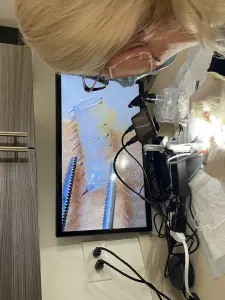
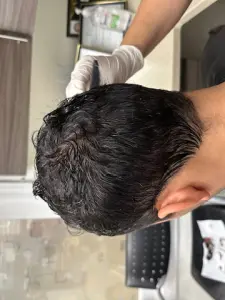
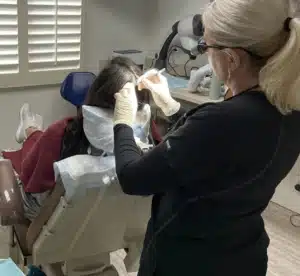


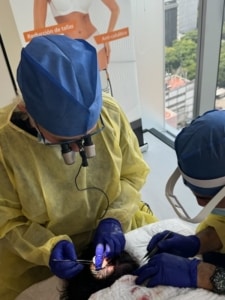


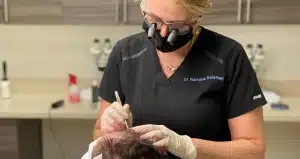


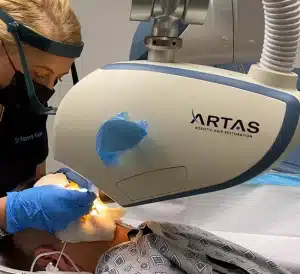
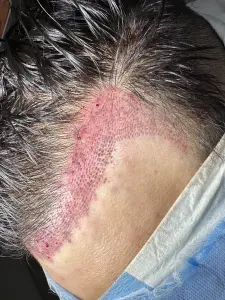
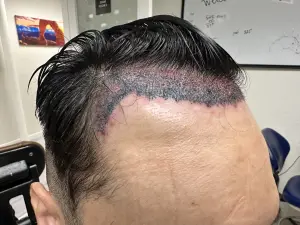
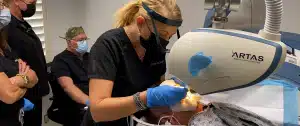
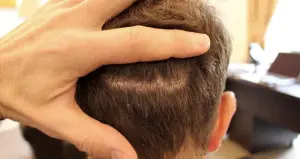

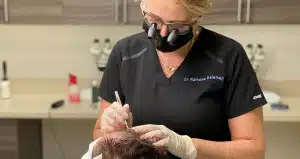


 Hair 4 Life Medical