
Hair transplant Clinic in Scottsdale, AZ lead by Dr Kelemen offering every hair transplant method: FUT and FUE: ARTAS, WAW, Ugraft.
Tag Archive for: hairline lowering
Hair transplant Clinic in Scottsdale, AZ lead by Dr Kelemen offering every hair transplant method: FUT and FUE: ARTAS, WAW, Ugraft.
Hair transplant Clinic in Scottsdale, AZ lead by Dr Kelemen offering every hair transplant method: FUT and FUE: ARTAS, WAW, Ugraft.
Hair transplant Clinic in Scottsdale, AZ lead by Dr Kelemen offering every hair transplant method: FUT and FUE: ARTAS, WAW, Ugraft.
Hair transplant Clinic in Scottsdale, AZ lead by Dr Kelemen offering every hair transplant method: FUT and FUE: ARTAS, WAW, Ugraft.
Everything You Need to Know About Hairline Lowering Surgery (Forehead Reduction)
Hairline lowering surgery, also known as forehead reduction, is a specialized cosmetic procedure designed to reduce the height of the forehead and create a more balanced facial appearance. This surgery has gained popularity for its ability to enhance facial proportions and boost self-confidence. If you’re considering this procedure, here’s everything you need to know, including the benefits, the process, recovery, and why you might want to choose Hair for Life AZ for your hair transplant needs.
What is Hairline Lowering Surgery?
Hairline-lowering surgery is a surgical technique aimed at reducing the size of the forehead by moving the hairline closer to the eyebrows. This procedure is particularly beneficial for individuals with a high or receding hairline, those experiencing hair loss, or those simply seeking a more aesthetically pleasing facial balance.
Key Objectives of Hairline Lowering Surgery:
- Reduce Forehead Size: Shortens the distance between the hairline and the eyebrows.
- Enhance Facial Proportions: Creates a more balanced and harmonious facial appearance.
- Boost Confidence: This helps individuals feel more comfortable and confident with their appearance.
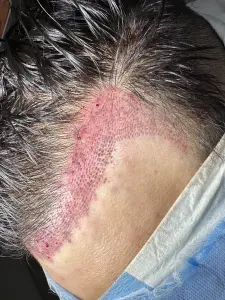
Hairline sites.
Why Consider Hairline Lowering Surgery?
Hairline-lowering surgery can be a transformative option for various reasons. Here’s why many people choose this procedure:
- High Forehead: A high hairline often results in an unusually large forehead, which can disrupt facial harmony and create an imbalance in one’s appearance. By lowering the hairline, you can achieve a more proportional and aesthetically pleasing look.
- Receding Hairline: Genetics, aging, or other factors can cause a hairline to recede, making the forehead appear larger. This condition can be distressing, impacting self-esteem and confidence. Hairline-lowering surgery helps address this issue by repositioning the hairline closer to the eyebrows.
- Aesthetic Preferences: Some individuals have a personal or cultural preference for a lower hairline. For these individuals, the procedure can enhance their facial features and align with their aesthetic goals, contributing to increased satisfaction with their overall appearance.
Benefits of Hairline Lowering Surgery:
- Immediate Results: The procedure offers a noticeable reduction in forehead size right after the surgery, giving you an instant improvement in facial balance.
- Long-lasting Effects: Unlike temporary solutions, hairline lowering surgery provides a permanent fix, delivering long-term results that significantly enhance your appearance.
- Minimally Invasive: Compared to other cosmetic surgeries, this procedure is less invasive, generally involving fewer risks and a shorter recovery time, allowing you to return to your daily activities more quickly.
How is Hairline Lowering Surgery Performed?
The procedure involves several steps, each of which is crucial for achieving the desired outcome.
- Consultation:
- Assessment: A thorough evaluation of your hairline, facial proportions, and overall health.
- Discussion: Discuss your goals and expectations with the surgeon.
- Preparation:
- Anesthesia: Local or general anesthesia is administered to ensure comfort during the procedure.
- Marking: The surgeon marks the new hairline position on your forehead.
- Surgical Procedure:
- Incision: An incision is made along the hairline.
- Tissue Removal: Excess forehead skin and tissue are removed.
- Hairline Adjustment: The hairline is repositioned and secured in place.
- Closure:
- Stitches: The incision is closed with stitches or staples.
- Bandaging: A bandage is applied to protect the area.
- Post-Operative Care:
- Instructions: You’ll receive specific instructions on how to care for your surgical site and manage any discomfort.
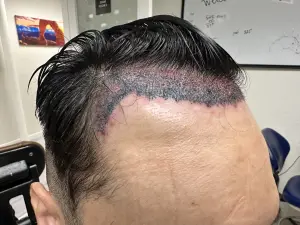
Hairline with grafts inserted.
Recovery and Aftercare
Recovery from hairline lowering surgery is generally straightforward, but following proper aftercare is essential for optimal results.
- Immediate post-op:
- Rest: Rest for the first 24-48 hours.
- Swelling and Bruising: Expect some swelling and bruising, which should subside within a few days.
- Pain Management: Over-the-counter pain relievers may be recommended.
- First Week:
- Avoid Strenuous Activity: Refrain from physical exercise and heavy lifting.
- Follow-Up Visits: Attend follow-up appointments to monitor healing.
- Long-Term Care:
- Hair Growth: New hair growth may take a few months to become noticeable.
- Scarring: Scarring is minimal and typically hidden within the hairline.
- Hair Maintenance: Regular hair care and maintenance are essential for long-term results.
Risks and Considerations
As with any surgical procedure, there are potential risks and considerations to keep in mind:
- Infection: Proper aftercare helps minimize this risk.
- Scarring: While scarring is usually minimal, it may be visible in some cases.
- Uneven Results: There’s a chance of uneven hairline placement, which can be corrected with additional procedures if necessary.
Why Choose Hair for Life AZ?
Hair for Life AZ is a leading provider of hair transplant services, including hairline-lowering surgery. Here’s why you might consider choosing them:
- Expertise:
- Experienced Surgeons: Highly skilled surgeons with extensive experience in hairline lowering and other hair transplant procedures.
- Advanced Techniques: Utilization of the latest surgical techniques and technologies for optimal results.
- Personalized Care:
- Consultation: Comprehensive consultations to understand your goals and tailor the procedure to your needs.
- Support: Dedicated support throughout the entire process, from pre-operative preparation to post-operative care.
- Quality Results:
- Natural Appearance: Focus on achieving a natural-looking hairline that enhances your facial aesthetics.
- High Patient Satisfaction: Proven track record of successful procedures and satisfied clients.
Cost and Financing Options
The cost of hairline lowering surgery can vary based on several factors, including the complexity of the procedure, the surgeon’s experience, and the location of the clinic. Hair for Life Medical offers various financing options to help make the procedure more affordable.
Factors Affecting Cost:
- Surgical Complexity: The extent of forehead reduction required.
- Surgeon’s Expertise: Higher expertise may come with a higher cost.
- Location: Costs can vary based on the clinic’s location.
Financing Options:
- Payment Plans: Flexible payment plans to spread out the cost.
- Insurance: Check if your insurance covers any part of the procedure.
Conclusion
Hairline-lowering surgery is a transformative procedure that can significantly enhance your facial appearance and boost your self-confidence. If you’re considering this surgery, Hair for Life Medical offers exceptional expertise and personalized care to ensure the best possible outcome.
For more information about hairline lowering surgery and to schedule a consultation, visit Hair for Life Medical today. Your journey to a more balanced and confident appearance starts here!
References:
International Society of Hair Restoration Surgery (ishrs.org)
American Board of Hair Restoration Surgery | ABHRS
Fue Europe – HAIR TRANSPLANT SOCIETY (fue-europe.org)
Everything You Need to Know About Female Hair Restoration
Are Hair Transplants an Option for Women?
Hair loss is often associated with men, but it is also a significant concern for many women. Female hair loss can be caused by various factors, including genetics, hormonal changes, and medical conditions. For women who have struggled with thinning hair or bald spots, hair transplants have emerged as a viable solution. In this comprehensive guide, we will explore whether hair transplants are an option for women, how they work, and what you need to know about female hair restoration.
Understanding Female Hair Loss
Causes of Female Hair Loss
Hair loss in women can be attributed to several factors:
- Genetics: Like men, women can inherit hair loss patterns from their families. This is known as female pattern baldness.
- Hormonal Changes: Conditions such as pregnancy, menopause, and thyroid disorders can cause temporary or permanent hair loss.
- Medical Conditions: Autoimmune diseases, such as alopecia areata, and scalp infections can lead to hair loss.
- Medications: Certain drugs, including chemotherapy and antidepressants, may cause hair thinning as a side effect.
- Stress: Emotional or physical stress can trigger hair loss, known as telogen effluvium.
- Nutritional Deficiencies: Lack of essential nutrients, such as iron and vitamins, can affect hair health.
Symptoms of Hair Loss
Women experiencing hair loss may notice:
- Thinning Hair: Gradual thinning of hair, especially at the crown or part line.
- Bald Spots: Small patches of baldness on the scalp.
- Excessive Hair Shedding: Increased hair fall when brushing or washing hair.
What Is a Hair Transplant?
A hair transplant is a surgical procedure that involves moving hair follicles from one part of the body (typically the back of the head) to a thinning or bald area. The two main techniques used are:
- Follicular Unit Transplantation (FUT): This involves removing a strip of scalp from the donor area, dissecting it into individual follicles, and implanting them into the recipient area.
- Follicular Unit Extraction (FUE): This technique extracts individual hair follicles directly from the donor area and transplants them into the recipient area.
Benefits of Hair Transplants
- Natural Appearance: Transplanted hair blends seamlessly with existing hair, providing a natural look.
- Permanent Solution: Once the transplanted hair grows, it is permanent and does not require ongoing treatments.
- Minimal Downtime: Modern techniques result in minimal downtime and quicker recovery.
Are Hair Transplants a Good Option for Women?
Hair transplants can be a suitable option for women, but several factors determine their eligibility and effectiveness. Here’s an expanded look at these factors:
- Cause of Hair Loss
- Androgenetic Alopecia (Female Pattern Baldness): Hair transplants are highly effective for women with this condition. This type of hair loss typically presents as thinning around the crown or top of the scalp, with the hairline generally remaining intact.
- Localized Hair Loss: Women experiencing hair loss in specific areas due to trauma, scarring, or other localized issues can benefit from hair transplants. The procedure can effectively cover these bald patches and restore a natural appearance.
- Diffuse Thinning: Women with widespread hair thinning, where the hair loss is more generalized and less localized, might not see the same level of success with hair transplants. The results can be less predictable in such cases, and other treatments may be recommended in conjunction with or instead of a transplant.
- Hair Density
- Donor Area Quality: A critical factor in the success of a hair transplant is having a donor area with sufficient density and health. This area, typically at the back or sides of the head, should have a good number of healthy, robust hair follicles.
- Extent of Hair Loss: For women with extensive hair loss, the donor area might not provide enough follicles to cover the desired area. In such cases, the available donor hair may be used sparingly, and results may vary.
- Alternative Treatments: If the donor’s hair is insufficient, other treatments such as medication, PRP therapy, or hair restoration products might be recommended either alone or in combination with a transplant to achieve better results.
- Overall Health
- General Health: Candidates for hair transplants should be in good overall health. Conditions that affect the scalp or hair growth, such as autoimmune disorders or chronic illnesses, can impact the success of the transplant.
- Medical Conditions: Women with certain medical conditions or those on specific medications that affect hair growth might need to address these issues before considering a transplant. A thorough evaluation by a specialist is necessary to ensure that the procedure will be safe and effective.
- Healing and Recovery: Good health supports better healing and recovery post-surgery. Candidates need to follow pre-and post-operative care instructions to ensure the best possible outcome.
Each individual’s situation is unique, and a detailed consultation with a hair restoration specialist can provide personalized advice on whether a hair transplant is the right choice.
The Hair Transplant Procedure
Initial Consultation
The process begins with a consultation with a specialist at Hair For Life AZ. During this consultation, the surgeon will:
- Evaluate your hair loss pattern.
- Discuss your medical history and goals.
- Recommend the most suitable transplant technique.
Pre-Surgery Preparation
Before the surgery, you may need to:
- Avoid blood thinners and certain medications.
- Follow specific instructions for hair washing and scalp care.
The Procedure
- Anesthesia: The scalp is numbed with local anesthesia to ensure comfort during the procedure.
- Harvesting: Hair follicles are extracted from the donor area using FUT or FUE techniques.
- Implantation: The follicles are carefully implanted into the thinning or bald areas of the scalp.
- Post-Procedure Care: You will receive instructions on how to care for your scalp, including avoiding strenuous activities and following a prescribed regimen.
Recovery and Results
- Immediate Post-Surgery: Some swelling, redness, and discomfort are normal but should subside within a few days.
- First Few Weeks: Shedding of transplanted hair is common, but new growth will begin within a few months.
- Final Results: Full results can be seen within 6-12 months as new hair grows and matures.
Alternatives to Hair Transplants
If a hair transplant is not suitable, consider these alternatives:
- Medications: Minoxidil and finasteride can help stimulate hair growth.
- Platelet-rich plasma (PRP) Therapy: Involves injecting platelet-rich plasma into the scalp to promote hair growth.
- Laser Therapy: Uses low-level laser light to stimulate hair follicles.
- Hairpieces and Wigs: Non-surgical solutions can provide immediate coverage.
Conclusion
Hair transplants offer a promising solution for women dealing with hair loss, providing a natural and permanent way to restore their hair. Understanding the procedure, evaluating your options, and choosing a reputable clinic are essential steps in achieving the best results. For personalized advice and top-quality hair restoration services, visit Hair For Life AZ to begin your journey towards a fuller head of hair.
References:
HAIR TRANSPLANTATION IN WOMEN – ISHRS
American Board of Hair Restoration Surgery | ABHRS
Hair Transplant Procedures: Average Cost, What to Expect, and More
Hair transplant Clinic in Scottsdale, AZ lead by Dr Kelemen offering every hair transplant method: FUT and FUE: ARTAS, WAW, Ugraft.
Are you tired of feeling self-conscious about dealing with your hair loss and ready to take control of your appearance? Discover the best hair restoration clinic in Scottsdale! In this comprehensive guide, we’ll walk you through the process of finding the right hair transplant center, the various treatments available, and how to finance your hair restoration journey. With the right team by your side, you can achieve the natural-looking, confidence-boosting results you’ve always wanted.
Short Summary
-
Hair 4 Life is a state-of-the-art hair restoration clinic in Scottsdale, offering the latest techniques and personalized care for undetectable results.
-
Dr. Kelemen is the only physician to offer and perform Celebrity FUE, No-shave FUE, Incognito FUE in Arizona.
-
Dr. Ramona Kelemen specializes in the newest hair transplant technologies and uses both surgical and non-surgical methods to replace lost hair and rejuvenate existing hair follicles.
-
Hair 4 Life offers expertise, experience, financing options & real-life results of their services through before & after galleries & patient testimonials.
Choosing the Right Hair Transplant Clinic
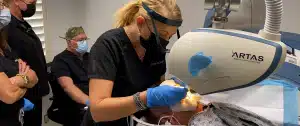
Selecting the appropriate hair restoration clinic is crucial for achieving successful results and regaining your confidence. Your hair restoration journey depends on the expertise and care provided by the clinic you choose. That’s where Hair 4 Life in Scottsdale comes in. Offering a combination of expertise, advanced techniques, and personalized care, Hair 4 Life is the premier choice for hair transplantation. Hair 4 Life is the only clinic in AZ to offer all forms of hair transplantation: FUT and FUE via ARTAS robotic, WAW system and Zeus Ugraft. We are known as the hair transplant repair clinic, where patients come to have their botched hair transplants fixed. We, now, can say that we have covered every spectrum of hair transplant patient: from royal family member to movie stars, to CEOs that have traveled because they felt Dr Kelemen was the best choice for their procedure.
hair 4 Life is a renowned hair transplant clinic in Scottsdale, providing exceptional hair restoration services that promote new hair growth. Led by Dr. Kelemen, one of Scottsdale’s leading hair transplant physicians, the clinic is known for providing a natural appearance to its patients. With cutting-edge technology at their fingertips, the team at Hair 4 Life is equipped to handle all your hair restoration needs.
Hair 4 Life Hair restoration clinic
Dr. Ramona Kelemen
Dr. Ramona Kelemen, the clinical director and founder of Hair 4 Life, is a board-certified general practice doctor with expertise in hair restoration and transplant procedures. With two doctorate degrees, M.D. (EU) and N.D., Dr. Kelemen with over 22 years, has extensive experience in the field of hair transplant, and a comprehensive knowledge of the most current techniques and technologies.
Dr. Kelemen is highly proficient in the newest hair transplant techniques, including FUE (Follicular Unit Extraction) and FUT (Follicular Unit Transplantation). She has a passion for treating hair loss in men and women with the latest surgical and non-surgical hair restoration techniques, Dr. Kelemen integrates the best of what conventional and naturopathic medicine have to offer to create a unique and personal experience for patients with optimal results.
Her personalized approach to each patient’s hair restoration journey ensures an optimized treatment plan tailored to their individual needs and goals.
Expertise and Experience
Experience is essential for attaining a natural hairline design. The team at Hair 4 Life understands the importance of expertise and experience in providing the most effective hair restoration treatments. They offer a range of services, like ARTSA Robotic, WAW FUE, No Shave FUE, FUT Strip, Manual FUE, Beard and Eyebrow Transplants, BHT-body to scalp hair transplant and also non-surgical methods, which have been highly proven effective at stimulating natural hair for growth.
Non-surgical treatments, at Hair 4 Life, are designed to be minimally invasive and provide natural-looking results for natural hair. Hair 4 Life is the only clinic in Arizona to offer Regenera Activa treatment for hair loss.
Advanced Techniques
Hair 4 Life employs advanced techniques such as FUE (Follicular Unit Extraction) and potentially other variations of FUE like Sapphire FUE and DHI (Direct Hair Implantation) to provide natural-looking results. FUE is a technique for harvesting hair for a hair restoration procedure wherein individual hair follicles are extracted one by one from the donor area.

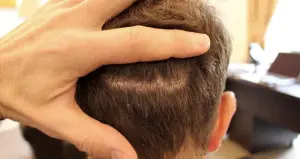
Follicular Unit Transplant (FUT), another advanced technique used at Hair 4 Life, involves extracting a strip of scalp from the back of the head or body and transplanting individual hair follicles to areas requiring restoration. By utilizing these cutting-edge methods, Hair 4 Life ensures minimal scarring and optimal results for their patients.
Personalized Approach
Hair 4 Life’s personalized approach to hair restoration takes into account each patient’s specific hair loss pattern, hair type, and lifestyle to create a tailored treatment plan. This customized approach ensures that each patient receives the most effective outcome, leading to a more natural and long-lasting result.
By taking into account the individual needs of each patient, Hair 4 Life is able to provide hair for life.
Hair Restoration in Scottsdale, Arizona
Hair restoration in Scottsdale includes both surgical and non-surgical treatments to meet the diverse needs of patients experiencing hair loss. Dr. Kelemen, at Hair 4 Life, offers exceptional care and full service with a wide range of services, ensuring that every individual embarks on a successful hair restoration journey.
From hair, eyebrow, and beard transplants to non-surgical methods, Dr. Kelemen is committed to providing the best hair transplant.
Hair Transplant Surgery
Hair transplant surgery, also known as hair replacement surgery, is a popular and effective solution for hair loss, providing a permanent solution to male pattern baldness and female pattern baldness in women. Various techniques are available, such as Follicular Unit Extraction (FUE) and Follicular Unit Transplant (FUT), to suit the needs of each patient and ensure natural, long-lasting results.
FUE or follicular unit extraction via ARTAS Robot, WAW motorized system, Ugraft motorized system and manual punch. Each of these FUE tools are chosen based on hair type and desired method i.e. no shave or celebrity. At Hair 4 Life, Dr. Kelemen offers every type of hair transplant in order to avoid being biased towards any one procedure. The clear winner is the patient who gets to have their hair transplant with the tool best suited for their needs and hair type.
At Hair 4 Life, the team’s expertise in hair transplant surgery ensures the highest quality outcomes for patients. By carefully selecting the appropriate technique for each individual, they can create or restore a natural-looking hairline and restore confidence in their appearance.
Dr. Kelemen at Hair 4 Life
Dr. Kelemen is a trusted hair transplant surgeon, known for her skill and attention to detail. At Hair 4 Life, she offers a range of services such as Scalp Micropigmentation (SMP), Alopecia Areata Treatments, Scalp Treatments, and Hair Transplant services.
Her expertise and experience in the field, along with her commitment to delivering exceptional results, make her a sought-after choice for hair restoration in Scottsdale.
Non-Surgical Treatments
For those seeking alternative hair loss solutions, Hair 4 Life also offers non-surgical treatments like Hormone Therapy, Regenera Activa, Injectables, PDO threads for hair loss, Medication, and Laser Hair Therapy.
These secure and successful treatment procedure provides patients with additional options to address their hair loss concerns and achieve the desired results. All the non-surgical treatments available at Hair 4 Life, Dr. Kelemen tested them on herself to ensure that the manufacturers advertising matches real life results.
Understanding the Hair Transplant Process
A hair transplant procedure involves several steps, including an initial consultation, preparation for surgery, and post-operative care, all provided by Hair 4 Life’s by the doctor. Dr. Kelemen believes firmly in providing the care herself. This approach makes her unique in this field. She is among a small group doctor that not only know BUT can and do every step of the procedure. Understanding the entire process not only helps patients make informed decisions but also ensures they are fully prepared for their hair restoration journey, which may include various hair restoration procedures.
At Hair 4 Life, Dr. Kelemen will guide you through the entire process, from the beginning to the end. She is involved in every step of the process with minimal use of surgical techs.
Initial Consultation
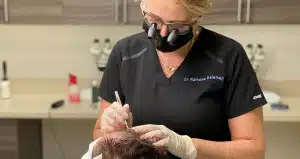
The initial consultation at Hair 4 Life is a crucial step in determining the best course of action for each patient’s own hair loss restoration journey. During the consultation, Dr. Kelemen will discuss the patient’s hair loss objectives and the most suitable treatment options for their individual requirements.
Dr. Kelemen will also evaluate the patient’s scalp and hair quality to identify the optimal course of action. When you leave her consultation, you will feel like you just left a college course because you will know everything about hair transplantation and what options best fits your particular case.
When the patient decides to book a surgery a down payment will be made do hold that day. That whole day is dedicated to the surgery and the doctor will not see other patients. She is 100% focused on the surgery as she is does every step of the surgery from anesthesia to extraction, site making, sometimes helping trim the grafts if the surgery is large, and finally placing the grafts with the aid of her trusted technician Jessica Cincotta.
Preparing for Surgery
Preparing for hair transplant surgery involves following specific guidelines provided by Hair 4 Life to ensure optimal results. Patients are advised to cease smoking at least 24 hours prior to the surgery and abstain from consuming alcohol for a few days before the procedure is performed.
Proper hair washing and adherence to any additional pre-operative instructions given by the doctor are also necessary for a successful hair transplant.
Post-Operative Care
Post-operative care is crucial for a successful hair transplant, as it helps ensure proper healing and growth of the transplanted hair grafts. Hair 4 Life offers guidance and support throughout the healing process, including the administration of pain medications and instructions on how to care for the transplanted area.
Patients may also have pain and require antibiotics or anti-inflammatory medicines following the procedure performed.
At Hair 4 Life, Dr. Kelemen uses HBOT/hyperbaric oxygen treatment to speed up the healing process. The results speak for themselves! Patients are in aw on how fast they heal.
Real-Life Results: Before and After Gallery
Click here to view Before and After Gallery
Hair 4 Life’s before and after gallery showcases real-life results of their hair restoration services, providing a visual representation of the natural-looking, long-lasting outcomes patients can expect. By viewing these transformations, potential patients can gain confidence in Hair 4 Life’s proven ability to deliver exceptional results and make an educated decision regarding their hair restoration journey.
Hair 4 Life’s before and after gallery is a powerful tool for potential patients to gauge results.
Patient Testimonials
Click here to view Reviews
Patient testimonials provide valuable insight into the positive experiences and successful outcomes of Hair 4 Life’s hair restoration treatments. Patients have praised the clinic’s professional staff, expertise, and the natural-looking results they’ve achieved.
These testimonials serve as further evidence of Hair 4 Life’s commitment to excellence and the satisfaction of their patients.
The Role of Plastic Surgery in Hair Restoration
The role of plastic surgery in hair restoration is significant, as it involves hair restoration surgery, which includes hair replacement surgery and the surgical transfer of hair from one region of the scalp to another to fill in the bald areas or with thinning or baldness. Hair 4 Life’s team of experts, led by Dr. Kelemen, provides comprehensive care and expertise in hair transplantation, ensuring that each patient receives the highest quality outcomes and a natural-looking hairline.
The team is dedicated to providing the best possible care and results for each patient, and they are committed to providing the best possible care and results for each patient.
Financing Your Hair Restoration Journey
Hair 4 Life understands that a hair restoration surgery can be a significant investment, which is why they offer a variety of financing options to make the process more accessible for all patients. With options such as Cherry patients can find a financing solution that suits their budget and allows them to embark on their hair restoration journey with confidence.
No matter the financial situation, Hair 4 Life is committed to helping patients achieve their hair restoration.
Contact Hair 4 Life
To learn more about Hair 4 Life’s hair restoration services and to schedule a consultation, contact them at (480) 525-4547 or visit their website at h4l-az.com. Their team of experts is ready to help you relax, regain your full body confidence and achieve the natural-looking hair growth you’ve always desired.
Summary
In conclusion, finding the best hair transplant clinic in Scottsdale is crucial for achieving successful, natural-looking results. Hair 4 Life offers a combination of expertise, advanced techniques, and personalized care, ensuring each patient embarks on a successful hair restoration journey. Explore their range of services, view real-life results, and read patient testimonials to make an informed decision about your hair restoration journey. Contact Hair 4 Life to schedule a consultation and take the first step toward a more confident, youthful appearance.
Frequently Asked Questions
What is the average cost of a hair transplant?
On average, a hair transplant costs between $7,000 and $10,000, though some cases may range from $8,000 to $25,000 depending on the number of hair grafts needed and the type of surgery.
The exact cost of a hair transplant will be provided during a patient consultation. The price you get from Dr. Kelemen is the price you pay, there is no upselling or last-minute charges.
How much does a 2000 hair follicle transplant cost?
The average cost of a 2000 graft hair transplant in the US is around $10,000, depending on various factors such as the clinic location, surgeon experience and type of method used.
These factors can affect the cost significantly, so it is important to do your research and find the best option for you.
It is also important to consider the long-term costs associated with hair transplants, such as the cost of follow-up treatments.
How much does 1000 grafts hair transplant cost?
On average, 1000 grafts for a hair transplant will cost between $2500-$5500. However, this amount can go up exponentially depending on the number of follicles being transplanted and method used; prices could range from $5500 to over $50000.
What factors should I consider when choosing a hair transplant clinic?
When choosing a hair transplant clinic, make sure to consider the clinic’s reputation and the experience of the surgeons, as well as any advanced techniques they offer and their personalized approach.
Look for a clinic that has a good track record and a team of experienced surgeons who are abreast on the latest techniques. Ask about their approach to hair transplantation and how they customize the procedure to meet your individual needs.
What advanced techniques are employed at Hair 4 Life?
Hair 4 Life offers advanced techniques such as FUE (Follicular Unit Extraction), FUT (Follicular Unit Transplantation) and potentially other variations like Sapphire FUE and DHI (Direct Hair Implantation) to provide its customers with the best results.
These techniques are designed to give women the most natural looking results with minimal scarring, discomfort and downtime. They are also designed to be minimally invasive and provide the best possible outcome for the patient.
Contact Hair 4 Life in Scottsdale
Dr. Kelemen integrates allopathic and naturopathic medicine to provide the best of what both worlds have to offer. She creates a unique, compassionate, accepting environment for her patients. You only have to read the reviews to find out how she empowers her clients to look and feel their best. They leave the clinic with their heads held high!
To find out which procedure is best suited to your needs, you are invited to come into Hair4Life Medical for a free consultation. Treatments are kept as affordable and accessible as possible so come in and talk to us.
Contact Us or call Hair 4 Life at (480) 525-4547 to schedule an appointment and get your free consultation.
A Complete Guide to Eyebrow Transplantation: What you need to know

Eyebrow transplants are becoming an increasingly popular cosmetic procedure for those looking to enhance or restore the natural appearance of their brows. This guide will provide you with all the essential information about eyebrow transplants, helping you make an informed decision. Whether you’re considering the procedure for aesthetic reasons or medical conditions, this comprehensive guide covers everything you need to know.
What is an eyebrow transplant?
An eyebrow transplant is a lasting beauty treatment that thickens your eyebrows or fills in missing hair. During this procedure, a surgeon takes small patches of hair, usually from above your ears, and moves them to your eyebrows.
These patches, called hair grafts, can have between two and 15 hairs each. The hair grows from tiny tubes under your skin called follicles.
After the surgery and once your skin heals, your eyebrows will look fuller naturally, which means you won’t have to rely as much on makeup or eyebrow pencils to make them stand out.
History and Evolution
- Origins: The technique for eyebrow transplants comes from methods originally developed for scalp hair transplants. These methods have been adapted to suit the unique needs of eyebrow hair, which is typically finer and requires a different placement angle.
- Advancements: Over the years, technology and methods have improved significantly. Today, eyebrow transplants yield very natural-looking results, thanks to finer tools and enhanced surgical techniques that mimic the natural growth patterns of eyebrow hair.
Who Gets an Eyebrow Transplant?
Eyebrow transplants are becoming a sought-after solution for various individuals, driven by diverse motivations ranging from aesthetic desires to medical necessities. This section delves into who typically opts for this procedure and why they consider it beneficial.
Aesthetic Enhancement
- Fashion Trends: In recent years, fuller and thicker eyebrows have become a significant trend in the beauty industry. Many seek eyebrow transplants as a way to permanently enhance their brow fullness, aligning with modern beauty standards that favor prominent eyebrows.
- Personal Satisfaction: Beyond trends, some individuals feel that more substantial eyebrows better frame their face and enhance their facial features, leading to increased self-confidence and satisfaction with their appearance.
Medical Reasons
- Alopecia: This autoimmune condition can cause partial or complete eyebrow loss. Eyebrow transplants offer a permanent solution for those affected, helping restore not just their eyebrows but also a sense of normalcy and self-esteem.
- Thyroid Diseases: Both hypothyroidism and hyperthyroidism can lead to thinning hair, including the eyebrows. For patients stabilized through medical treatment, eyebrow transplants can restore what was lost.
- Chemotherapy Effects: Cancer treatments often lead to hair loss, including eyebrows. Once treatment concludes and doctors give the go-ahead, many patients turn to eyebrow transplantation to reclaim their pre-treatment appearance.
Cosmetic Correction
- Accidents and Scars: Individuals who have experienced facial injuries or have visible scars that disrupt eyebrow growth often seek eyebrow transplants. This procedure can effectively camouflage scars and restore natural eyebrow lines.
- Over-Plucking: A common beauty practice gone wrong is over-plucking, which can lead to permanently thinned or patchy brows. Those who regret past grooming choices frequently turn to eyebrow transplants for a chance to start anew with natural-looking, healthy brows.
- Tattoo Regret: Some who have undergone eyebrow tattooing or microblading and are unhappy with the results consider eyebrow transplants a way to correct and replace the artificial look with natural hair.
How Common are Eyebrow Transplants?
Eyebrow transplants, while once a relatively rare procedure, have seen a notable increase in popularity over the past few years. The exact numbers regarding how many people opt for eyebrow restoration annually remain unclear due to the variability in reporting practices.
However, industry experts indicate a substantial growth in demand. This surge can be attributed to several factors:
- Increased Awareness: More people are now aware of the availability of eyebrow transplants as a viable solution for enhancing facial aesthetics. Social media and the broader internet have played significant roles in spreading information about this option.
- Celebrity Influence: Public figures and celebrities openly discussing their cosmetic procedures, including eyebrow restoration, have also contributed to the increased interest. Seeing the positive results in well-known personalities encourages others to consider the procedure.
- Technological Advancements: Improvements in the techniques and tools used for eyebrow transplants have made the outcomes more successful and aesthetically pleasing. Modern transplantation methods, such as Follicular Unit Extraction (FUE), offer more natural-looking results and less downtime, which appeals to potential patients.
- Broader Acceptance of Cosmetic Procedures: The general shift in societal attitudes towards cosmetic surgeries and enhancements has made individuals more comfortable seeking such treatments. Eyebrow transplants, as part of the broader trend towards non-invasive cosmetic procedures, benefit from this changing perspective.
What Happens Before, During, and After an Eyebrow Transplant Procedure?
Eyebrow transplants, part of a broader category known as eyebrow hair replacement or eyebrow restoration, involve a detailed and meticulous process to ensure the best outcomes. Here’s what patients can expect before, during, and after this procedure.

Before the Procedure
The journey to fuller eyebrows begins well before the actual procedure. Patients considering an eyebrow transplant will first undergo a thorough consultation phase. This involves several key steps:
- Initial Consultation: This is the first step where potential candidates meet with a specialist to discuss their goals and expectations. During this meeting, patients often bring in pictures to illustrate their desired eyebrow density and shape.
- Medical Assessment: To ensure that the patient is a suitable candidate for eyebrow transplant surgery, a comprehensive medical evaluation is conducted. This assessment checks for any health conditions that might affect the procedure’s success.
- Designing the Brow: Precision in design is crucial for a natural-looking outcome. The surgeon uses a marker to outline where the new eyebrow hairs will be placed. This step involves a collaborative effort between the patient and surgeon to agree on the shape and thickness of the brows.

During the Procedure
The procedure itself is performed under meticulous conditions to ensure precision and patient comfort:
- Anesthesia: Local anesthesia is administered to the area around the eyebrows to minimize discomfort during the procedure.
- Harvesting Hair Follicles: The surgeon selects a donor site, usually at the back of the scalp, where the hair closely matches the eyebrows in terms of thickness and growth pattern. Each follicle is carefully extracted to preserve its integrity.
- Transplantation: The extracted follicles are then meticulously transplanted into the marked areas on the eyebrows. This is a delicate process where the orientation and angle of each hair are crucial for achieving a natural appearance.
After the Procedure
The post-operative phase is as important as the surgery itself in determining the success of the eyebrow transplant:
- Immediate Care: Immediately following the procedure, the eyebrow area may be tender, swollen, and slightly bruised. Patients receive detailed instructions on how to care for their transplanted brows to avoid infection and ensure optimal results.
- Activity Restrictions: Patients are advised to avoid any activities that might increase blood flow to the face, such as bending, heavy lifting, or vigorous exercise for at least a few days post-surgery.
- Careful Washing and Medication: Proper hygiene is crucial. Patients must carefully wash the area according to the surgeon’s instructions and apply any prescribed topical medications to reduce the risk of infection and promote healing.
- Follow-Up Visits: Post-operative follow-up appointments are essential to monitor the healing process and the initial stages of hair growth. These visits also provide an opportunity for the surgeon to address any concerns and ensure the patient is satisfied with their results.
Is an Eyebrow Transplant Painful?
Undergoing an eyebrow transplant can bring up concerns about pain, but the process is generally well-managed and does not cause significant discomfort. Here’s a closer look at what you can expect:
- During the Procedure: The eyebrow transplant surgery itself is usually not painful. Before starting, the surgeon will apply local anesthesia to the area where the hair follicles are to be harvested, typically from the scalp, and to the eyebrow region. This anesthesia numbs the skin, ensuring that you feel no pain during the harvesting and implantation of the hair follicles.
- Post-Procedure Discomfort: After the effects of the anesthesia wear off, you may experience some mild discomfort. Common sensations include:
- Soreness: Just like any minor surgical procedure, there may be some residual soreness around the treated areas.
- Itching: As the healing process begins, it’s normal to feel some itching. This is part of the body’s natural healing process but can be somewhat uncomfortable.
- Managing Discomfort: Your doctor will likely recommend over-the-counter pain relief medications to manage any discomfort you experience after the procedure. It’s important to follow any specific aftercare instructions to help minimize discomfort and facilitate a smooth recovery.
Do Transplants Work and Eyebrows Grow Long After an Eyebrow Transplant?
Yes, eyebrow transplants generally result in the growth of new, healthy eyebrow hairs. However, it’s important to understand the growth cycle associated with this procedure:
- Initial Shedding: After undergoing an eyebrow hair replacement procedure, the initially transplanted hairs typically fall out. This shedding is a normal part of the process and not a cause for concern.
- Growth Phase: Real hair growth begins a few months after the surgery. This delay is due to the time it takes for the new follicles to settle and start producing hair.
- Ongoing Maintenance: Once the new hairs start growing, they will continue to do so indefinitely. Since these hairs are transplanted from the scalp, they often grow longer than natural eyebrow hairs and may require regular trimming to maintain the desired shape and length of your eyebrows.
Risks and Benefits of Eyebrow Transplants
Risks of Eyebrow Transplants
Embarking on the journey of an eyebrow transplant can involve several risks that are important to consider:
- Infection: As with any surgical procedure, there is a risk of infection. The introduction of new follicles into the skin can expose the area to bacteria, potentially leading to infections if not properly managed. Patients are usually prescribed antibiotics to mitigate this risk.
- Poor Aesthetic Outcome: Achieving the desired look isn’t always guaranteed. Factors such as uneven hair growth, unexpected hair texture, or dissatisfaction with the shape and thickness can result in a poor aesthetic outcome. This emphasizes the importance of choosing a skilled and experienced surgeon.
- Scarring: While eyebrow transplant surgery is designed to be minimally invasive, there is always a risk of scarring. Tiny scars where hair follicles are harvested and implanted may occur, though they are typically unnoticeable. For some, these scars might be more visible and affect the overall look.
Benefits of Eyebrow Transplants
Despite the potential risks, many people find eyebrow transplants to be a rewarding decision due to the numerous benefits:
- Enhanced Facial Features: Eyebrows play a significant role in framing the face and expressing emotions. A successful eyebrow transplant can enhance facial symmetry and improve overall facial aesthetics, making the eyes and face more expressive and appealing.
- Permanent Solution: One of the most compelling advantages of an eyebrow transplant is its permanency. Unlike makeup or temporary solutions like tattoos, transplanted eyebrow hairs continue to grow naturally for a lifetime. This can be particularly appealing for those seeking a long-term solution to eyebrow thinning or loss.
- Boost in Self-confidence: The psychological benefits of eyebrow transplants are profound. Many patients report a significant boost in self-esteem and confidence after their transplant. Having fuller, more defined eyebrows can make individuals feel more attractive and confident in their appearance, positively impacting social interactions and personal self-image.

Recovery and Outlook
Recovery from an eyebrow transplant surgery typically spans a few weeks, allowing most patients to return to their normal activities relatively quickly, often within just a few days. The initial phase of the recovery involves some care instructions which are crucial for ensuring the best possible results:
- Initial Healing: For the first few days, it’s important to avoid any strenuous activities that could stress the body or cause sweating, which might affect the healing grafts.
- Care of the Transplant Area: Patients are advised to gently cleanse the eyebrow area and apply any medicated creams as prescribed by their doctor to prevent infection and promote healing.
As the weeks progress, patients will notice that the transplanted hairs will initially shed. This is a normal part of the process and not a cause for concern. The real, lasting growth will start to appear a few months after the procedure.
- Hair Growth: It typically takes about three to four months for the new eyebrow hairs to begin growing. At first, the new brows might appear finer, and the color may slightly differ from the rest of your eyebrow hair.
- Final Results: The complete cosmetic results of the eyebrow implants are generally visible within a year. During this time, the new hairs will thicken and fully integrate with the existing eyebrow hairs.
Overall, the outlook for eyebrow transplants is positive, with many patients experiencing significant satisfaction with their new, fuller brows. This procedure can enhance facial symmetry and boost self-confidence, providing a long-lasting solution to eyebrow thinning.
Conclusion
Eyebrow transplant surgery can significantly enhance one’s appearance and confidence. By understanding what to expect before, during, and after the procedure, individuals can make informed decisions about whether this type of eyebrow restoration is right for them. With proper care and realistic expectations, the results of an eyebrow transplant can be profoundly satisfying.
Reference
Eyebrow Transplant: Procedure, Cost, Pros & Cons, Precautions (healthline.com)
Eyebrow Transplant Before & After Pictures – RealSelf
Top hair transplant clinic in Scottsdale
Recent Articles


 Hair 4 Life Medical