
Tag Archive for: WAW FUE hair transplant

What is the Success Rate of Beard to Head Hair Transplants?
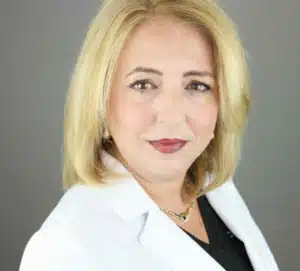
 
Dr Ramona Kelemen

Dr Kelemen the founder of Hair 4 Life Medical

A Comprehensive Guide by Hair 4 Life Medical by Dr Kelemen

📌 Key Takeaways:

✔️ Beard-to-scalp transplants have an 80-95% graft survival rate
✔️ Hair 4 Life Medical is the only clinic in Arizona offering all FUE techniques
✔️ Real patient case studies showcasing successful transplants
✔️ Cost breakdown and what to expect
✔️ Expert recommendations for maximizing transplant success


Introduction: Why Consider a Beard to Head Hair Transplant?

Hair loss affects millions of men worldwide, and for those with limited scalp donor hair, traditional hair transplants might not be an option. Beard hair transplants offer a unique solution by using the thicker, stronger follicles from your beard area to restore hair density on your scalp.

At Hair 4 Life Medical, we specialize in Follicular Unit Excision (FUE) hair transplants, offering beard-to-scalp hair restoration for patients seeking natural-looking results.

✔️ Ideal for men with weak scalp donor supply
✔️ Perfect for Norwood 5-7 baldness cases
✔️ Adds density to mid-scalp and crown regions

In this guide, we’ll cover success rates, real patient results, costs, and everything you need to know about beard hair transplants.


🔹 1. Understanding Beard-to-Scalp Hair Transplants

A beard-to-scalp hair transplant is an advanced FUE procedure where hair follicles from the beard (typically under the chin and jawline) are harvested and transplanted to the scalp. This technique is ideal for men with extensive hair loss and a weak scalp donor area.

How Does It Work?

1️⃣ Consultation & Donor Area Analysis – Our specialists at Hair 4 Life Medical examine your beard density and scalp needs.
2️⃣ Follicular Unit Excision (FUE) Process – Individual beard follicles are extracted using precision micropunch, WAW-UGRAFT-SAFE motorized technology.
3️⃣ Graft Preparation & Sorting – The follicles are cleaned, sorted, and prepared for implantation.
4️⃣ Implantation into Balding Areas – The beard grafts are placed strategically into thinning or bald areas of the scalp.
5️⃣ Recovery & Growth Phase – Hair begins to regrow naturally within 6-12 months.


🔹 2. The Science Behind Beard Hair Transplants

Why Beard Hair Works Well for Transplants:

✔️ Thicker & More ResilientBeard follicles are naturally stronger and denser than scalp hair.
✔️ DHT-Resistant – Beard hair is less prone to genetic hair loss, making it a reliable donor source.
✔️ Faster Healing Time – Beard donor areas heal quickly with minimal scarring.

🔬 Scientific Study: A study published in the Journal of Cutaneous and Aesthetic Surgery found that beard hair transplants have an 85-90% graft survival rate, making them an effective alternative to scalp donor hair.


🔹 3. What is the Success Rate of a Beard Hair Transplant?

Beard-to-scalp transplants have a high success rate, with 80-95% graft survival after 12-18 months. The results are comparable to traditional scalp hair transplants, which typically have a 85-98% survival rate.

Transplanted Area Survival Rate (%)
Hairline 75-85%
Mid-Scalp 85-95%
Crown 80-90%

🔹 4. Real Patient Case Studies – Hair 4 Life Medical

📍 Case Study #1: John’s Crown Restoration (42 Years Old, Norwood 6)

Before: Severe balding on crown and mid-scalp with weak scalp donor area.
Procedure: 2,200 beard grafts + 800 scalp grafts for a dense, natural result.
After 12 Months: Significant coverage in the crown with 80% survival rate.


📍 Case Study #2: Mike’s Density Boost (35 Years Old, Norwood 5)

Before: Hair loss in the mid-scalp and crown but strong beard donor area.
Procedure: 1,800 beard grafts to increase density.
After 12 Months: Fuller scalp coverage with excellent texture blending.

“I never thought my beard could be used for my hair transplant. The team at Hair 4 Life Medical made it happen, and my results are incredible!” – Mike R.


🔹 5. Why Choose Hair 4 Life Medical for Beard Hair Transplants?

✔️ Arizona’s only clinic specializing in ALL FUE techniques
✔️ Surgeon-led procedures (no robotic extractions)
✔️ Personalized donor planning for the most natural results
✔️ Proven track record of high beard graft survival rates


🔹 6. Challenges & Limitations of Beard Hair Transplants

Texture DifferencesBeard hair is thicker than scalp hair, requiring expert blending.
Limited Donor Supply – Typically, 1,500-2,500 beard grafts can be safely extracted.
Not Ideal for Hairlines – Works best for mid-scalp and crown, but not the frontal hairline.


🔹 7. Maximizing the Success Rate of a Beard Hair Transplant

Choose an Experienced SurgeonHair 4 Life Medical specializes in FUE excision techniques.
Follow Post-Op Care Instructions – Proper washing, sleeping position, and medication improve graft survival.
Consider PRP Therapy – Platelet-Rich Plasma (PRP) can enhance graft growth.
Maintain a Healthy LifestyleBiotin, collagen, and a protein-rich diet support hair growth.


🔹 8. Cost Breakdown of a Beard to Scalp Transplant

💰 Arizona vs. Turkey – What’s the Price Difference?
💰 Hair 4 Life Medical’s transparent pricing model
💰 Financing options for FUE transplants

💰Consultation with the doctor who will perform the surgery

💰 Dr Kelemen performs the surgery with the aid of ONE assistant

On average, a beard-to-scalp hair transplant costs between $5,000-$25,000, depending on the number of grafts needed. Hair 4 Life Medical offers customized pricing plans to fit your budget.


Conclusion:  Is a Beard Hair Transplant Right for You?

If you have limited scalp donor hair but a strong beard donor area, a beard-to-scalp transplant could be the best solution for you.

At Hair 4 Life Medical, we specialize in advanced FUE techniques, using WAW or Ugraft, to ensure natural results with high graft survival rates.

🔗 Visit Hair 4 Life Medical for expert guidance and personalized hair restoration solutions.

👉 Ready to restore your hair? Schedule a consultation with Dr. Kelemen today!

Interested in learning more? Contact Us or call Hair 4 Life at (480) 525-4547 to schedule an appointment.
References

FUE Hair Transplant: What to Expect, Cost, Pictures, and More FUE Hair Transplant: Benefits, Process & Recovery Follicular Unit Extraction Hair Transplant – PMC    

Can Body Hair Be Transplanted? Everything You Need to Know


Dr Ramona Kelemen

Dr Kelemen the founder of Hair 4 Life Medical

Introduction 

Hair transplants have become a popular solution for hair loss, but many wonder: Can body hair be used for a transplant? While scalp hair is the preferred donor source, advancements in FUE (Follicular Unit Extraction) have made body-to-scalp hair transplants a viable option. This blog explores the process, success rates, benefits, and limitations of body hair transplants (BHT) for those struggling with severe hair loss or limited scalp donor hair.


Table of Contents

  1. What is Body Hair Transplantation (BHT)?

  2. Why Consider Body Hair for Hair Transplants?

  3. Which Body Areas Can Be Used as Donor Hair?

  4. How Does the Body-to-Scalp Hair Transplant Work?

  5. Advantages of Body Hair Transplants

  6. Challenges and Limitations

  7. Who is a Good Candidate for Body Hair Transplants?

  8. Success Rate and Results: What to Expect

  9. Cost of a Body Hair Transplant

  10. FAQs About Body Hair Transplants

  11. Final Thoughts: Is a Body Hair Transplant Right for You?


1. What is Body Hair Transplantation (BHT)?


2. Why Consider Body Hair for Hair Transplants?

  • Limited Scalp Donor Hair: If the scalp lacks enough donor follicles, body hair can be a lifesaver for hair restoration.

  • Natural Hairline Improvement: Certain body hairs (like beard or chest hair) can enhance hairline density and give a more natural look.

  • Versatile Hair Texture: Some body hairs blend well with scalp hair for a fuller, denser appearance.


3. Which Body Areas Can Be Used as Donor Hair?

Beard Hair – Closest in texture to scalp hair, commonly used for adding density.
Chest Hair – Ideal for filling crown areas due to its thickness.
Arm/Leg Hair – Limited use due to finer texture.
Back Hair – Less common due to slower growth cycles.
Pubic Hair – Rarely used, but possible in extreme cases.

Pro Tip: Beard and chest hair are the best candidates for BHT due to their strong root structure.


4. How Does the Body-to-Scalp Hair Transplant Work?

Step 1: Consultation & Donor Area Selection

  • A specialist evaluates body hair texture, growth cycles, and scalp needs.

Step 2: FUE Extraction of Body Hair

Step 3: Follicle Processing & Preparation

  • Extracted follicles are cleaned, preserved, and prepared for implantation.

Step 4: Implantation onto the Scalp


5. Advantages of Body Hair Transplants

Expands Donor Supply: Great for patients with severe Norwood 6-7 baldness.
Stronger Follicles: Beard hair is thick and resistant to DHT-related hair loss.
Permanent Solution: Once transplanted, body hair follows its natural growth cycle.
Better Coverage for Scalp & Crown Areas: Chest & beard hair blend well.


6. Challenges and Limitations

Growth Cycle Differences – Body hair has different growth phases than scalp hair.
Texture Mismatch – Chest or leg hair may not match natural scalp hair.
Slower Growth Rate – Body hair may take longer to blend naturally.
Limited Harvesting Areas – Not everyone has enough thick body hair for extraction.


7. Who is a Good Candidate for Body Hair Transplants?

✅ Men with extensive baldness & weak scalp donor hair
✅ Patients with failed or over-harvested previous hair transplants
✅ Individuals with strong beard/chest hair follicles


8. Success Rate and Results: What to Expect

  • Survival Rate: Studies show beard hair transplants have up to 80-90% graft survival.

  • Growth Timeline: Full results typically appear in 12-18 months.

  • Long-Term Outlook: Once adapted, body hair follows scalp hair growth patterns.


9. Cost of a Body Hair Transplant

💰 Pricing Factors:

  • Number of grafts needed

  • Type of donor area (beard vs. chest)

  • Clinic reputation & surgeon expertise

  • Location (USA, Turkey, India, etc.)

💰 Estimated Cost in the USA: $5,000 – $25,000+ depending on the number of grafts.


10. FAQs About Body Hair Transplants

Q: Can leg hair be transplanted?
A: Yes, but it’s finer and less effective for dense coverage.

Q: Does body hair behave like scalp hair after transplantation?
A: It adapts over time but may still retain some original characteristics.

Q: Is the procedure painful?
A: Minimal discomfort; local anesthesia is used.


11. Final Thoughts: Is a Body Hair Transplant Right for You?

Body hair transplants using FUE technology have opened new possibilities for hair restoration, especially for those with limited scalp donor hair. While not ideal for everyone, they can be a game-changer for advanced baldness cases.

🔹 Considering a hair transplant? Contact Hair 4 Life Medical for a personalized consultation!

👉 Ready to restore your hair? Schedule a consultation with Dr. Kelemen today!

Interested in learning more? Contact Us or call Hair 4 Life at (480) 525-4547 to schedule an appointment.

References

Large-Scale Beard Extraction Enhances the Cosmetic Results of Scalp Hair Restoration in Advanced Androgenetic Alopecia in East Asian Men: A Retrospective Study – PMC

Beard and Moustache Reconstruction – PMC

American Board of Hair Restoration Surgery | ABHRS

Everything You Need to Know About a Beard Transplant

Body to Scalp: Evolving Trends in Body Hair Transplantation – PMC

Body Hair Transplant by Follicular Unit Extraction: My Experience With 122 Patients – PubMed

Body Hair Transplant by Follicular Unit Extraction: My Experience With 122 Patients – PMC

What Is Exactly Done in a Hair Transplant? A Step-By-Step Guide

 
Dr Ramona Kelemen

Dr Kelemen the founder of Hair 4 Life Medical

Hair loss can be a difficult experience, often affecting self-confidence and emotional well-being. Thankfully, modern medical advancements offer effective solutions, and one of the most reliable treatments is a hair transplant. If you’re considering this procedure, you may be wondering: What exactly is done in a hair transplant?

This comprehensive guide will explain everything you need to know about the hair transplant process, including the different techniques, what to expect, and how to ensure optimal results.


Understanding Hair Transplantation

A hair transplant is a surgical procedure that involves moving hair from one part of the scalp (called the donor area) to another area experiencing hair loss (the recipient area). This technique is primarily used to treat male pattern baldness or other forms of hair loss, including those caused by trauma or certain medical conditions.

The procedure is generally performed under local anesthesia, meaning you’ll be awake but won’t feel any pain. It’s minimally invasive, and advancements in technology have made it more effective with natural-looking results.


Types of Hair Transplant Techniques

There are two primary methods used in hair transplantation:

1. FUT (Follicular Unit Transplantation)

Also known as the strip method, FUT involves removing a strip of skin from the back or sides of the scalp where hair is more resistant to balding. This strip is then dissected into individual follicular units under a microscope. These units are meticulously implanted into the recipient area.

Pros:

  • Suitable for covering larger areas of hair loss

  • Usually less expensive than FUE

  • Faster procedure time for extensive hair loss

Cons:

  • Leaves a linear scar on the donor area

  • Slightly longer recovery time


2. FUE (Follicular Unit Excision)

FUE is a more modern technique where individual follicular units are excised directly from the scalp using a specialized punch tool. These units are then implanted into the recipient area.

Pros:

  • No visible linear scar

  • Faster recovery time

  • Ideal for those who prefer shorter hairstyles

Cons:

  • More time-consuming for large-scale hair transplants

  • Slightly more expensive than FUT


Step-by-Step Process of a Hair Transplant

Let’s break down the entire process from consultation to recovery:

Step 1: Initial Consultation

  • The journey begins with a detailed consultation with a qualified hair transplant surgeon.

  • The surgeon will assess your hair loss pattern, examine the donor area, and discuss your goals.

  • A personalized treatment plan will be created, considering factors like age, hair density, and overall health.

Step 2: Pre-Operative Preparation

  • Before the procedure, you may be advised to avoid certain medications, smoking, and alcohol.

  • Your scalp will be cleaned and shaved in the donor area to facilitate easy extraction of follicles.

  • Local anesthesia will be administered to numb both the donor and recipient areas.


Step 3: Extraction of Hair Follicles

  • For FUT:

    • A strip of skin is surgically removed from the back of the scalp.

    • The strip is divided into individual follicular units under a microscope.

  • For FUE:

    • Individual follicular units are excised using a micro-punch tool.

    • The tool leaves tiny, dot-like scars that are barely noticeable once healed.


Step 4: Creating the Recipient Sites

Once the hair follicles have been extracted, the next crucial step is creating the recipient sites where the grafts will be implanted. This step requires precision, as the angle, depth, and direction of these incisions determine how natural the final result will look.

Surgeons use various specialized tools to create these sites, including:

1. Custom-Made Blades

  • Custom blades made from sapphire or steel are often used for creating tiny, clean incisions.

  • Sapphire blades are particularly popular for their smooth edges, which can reduce tissue trauma and promote faster healing.

  • These blades are designed to match the size of the follicular units, ensuring a snug fit for the grafts.

2. Needles

  • Some surgeons use hypodermic needles to make the incisions.

  • Needles offer flexibility in controlling the angle and depth of the recipient sites, particularly for areas requiring meticulous placement, such as the hairline.

3. Slit-Making Instruments

  • Slit-making tools with ultra-fine tips are used to create precise and consistent incisions.

  • These instruments come in various sizes, allowing surgeons to customize the sites based on the number of hairs in each follicular unit.

4. Implanter Pens

  • Implanter pens, such as the Choi Implanter Pen, are often used in Direct Hair Implantation (DHI) procedures.

  • These pens allow the surgeon to create the site and implant the follicle in a single motion, reducing the time the grafts spend outside the body.

  • They are particularly useful for achieving high-density results in smaller areas.

5. Laser Devices (Rare)

  • In some cases, laser technology may be used to create the recipient sites.

  • While lasers can ensure precision, they can also cause unnecessary thermal damage to the surrounding tissue, which is why this method is less commonly used.

Choosing the Right Tool

The choice of tool depends on factors such as the patient’s hair characteristics, the size of the recipient area, and the surgeon’s expertise. In most cases, a combination of tools may be used to achieve the most natural results. An experienced surgeon will select the appropriate instrument to ensure the transplanted hair grows in a natural pattern, seamlessly blending with the existing hair.


Step 5: Implanting the Grafts

  • The extracted follicles are meticulously implanted into the incisions.

  • Depending on the size of the transplant, this process can take several hours.

  • The surgeon ensures proper alignment for a realistic hairline and overall appearance.


Post-Operative Care and Recovery

After the procedure, you’ll be given detailed post-care instructions, including:

  • Avoid Touching the Scalp: Prevent dislodging the grafts by avoiding contact.

  • Medication: You may be prescribed antibiotics, pain relievers, or anti-inflammatory medications.

  • Sleep Position: Sleep with your head elevated for the first few nights.

  • Shampooing: Gentle washing can typically resume after a few days using a specialized shampoo.

  • Activity Restrictions: Strenuous activity should be avoided for at least a couple of weeks.


Results Timeline

  • First Few Weeks: You may experience shock loss, where the transplanted hairs fall out. This is a normal part of the process.

  • 3-4 Months: New hair growth begins, but it may initially appear thin and fine.

  • 6-9 Months: Significant growth is noticeable, with improved thickness.

  • 12-18 Months: Final results are typically evident, with fuller, natural-looking hair.


Potential Risks and Side Effects

While hair transplantation is generally safe, it’s essential to be aware of potential risks:

  • Infection or Bleeding: Rare but possible.

  • Scarring: FUT leaves a linear scar, while FUE results in small, dot-like scars.

  • Swelling and Redness: Temporary and usually subsides within a week.

  • Shock Loss: Temporary shedding of transplanted or existing hair.

Choosing an experienced, board-certified surgeon significantly reduces these risks.


Who Is a Good Candidate for a Hair Transplant?

A hair transplant is ideal for individuals who:

  • Have pattern baldness or thinning hair.

  • Have a stable supply of donor hair at the back or sides of the scalp.

  • Are in good overall health without serious medical conditions.

  • Have realistic expectations about the results.

It’s also worth noting that hair transplants are not recommended for individuals with widespread baldness or those suffering from active hair loss conditions like alopecia areata.


Final Thoughts

A hair transplant can be life-changing, restoring not only your hair but also your confidence. By understanding what is involved in the procedure and choosing a qualified surgeon, you can achieve natural, long-lasting results. Whether you opt for FUT or FUE, the key is to follow your surgeon’s advice and be patient as your hair grows and thickens over time.

If you’re considering a hair transplant, schedule a consultation with a specialist to discuss your options and determine the best path forward for your hair restoration journey.

👉 Ready to restore your hair? Schedule a consultation with Dr. Kelemen today!

Interested in learning more? Contact Us or call Hair 4 Life at (480) 525-4547 to schedule an appointment.

References

FUE Hair Transplant: What to Expect, Cost, Pictures, and More FUE Hair Transplant: Benefits, Process & Recovery Follicular Unit Extraction Hair Transplant – PMC    

The Truth About FUE Hair Transplants: Why It’s the Gold Standard for Hair Restoration

 
Dr Ramona Kelemen

Dr Kelemen the founder of Hair 4 Life Medical

Introduction

Hair loss can be a challenging experience, affecting confidence and self-image. Fortunately, advancements in hair restoration have made natural, permanent solutions accessible. Among these options, Follicular Unit Excision (FUE) has emerged as the gold standard in hair transplantation. This innovative procedure offers minimal scarring, faster recovery, and incredibly natural results. In this comprehensive guide, we’ll cover everything you need to know about FUE, debunk common myths, and explain why leading specialists like Dr. Kelemen at Hair 4 Life Medical prefer this advanced method.

What is FUE Hair Transplantation?

FUE, or Follicular Unit Excision, is a minimally invasive hair transplant technique. During the procedure:
  • Individual hair follicles are extracted from the donor area, usually the back of the scalp.
  • These follicles are then carefully implanted into thinning or balding areas.
  • The result? A fuller, natural-looking head of hair with no visible linear scar.
Unlike FUT (Follicular Unit Transplantation), which requires removing a strip of scalp, FUE leaves no linear scar, making it ideal for those who prefer shorter hairstyles. With motorized and manual FUE, hair can even be harvested from the beard and body — something that robotic devices like ARTAS cannot achieve. This offers additional donor options for those with limited scalp donor supply.

Why Choose FUE Over Other Methods?

  1. Minimally Invasive
    • No large incisions or sutures are required.
  2. Faster Recovery Time
    • Most patients return to their routine within a few days.
  3. No Linear Scarring
  4. Natural Results
    • Expert implantation ensures seamless blending with your natural hairline.
  5. Versatile Solutions
    • Suitable for various types of hair loss and hair textures.

Common Myths About FUE Hair Transplants

Myth 1: You Have to Shave Your Entire Head

Not true! No-Shave FUE and Long Hair FUE techniques are available for those who prefer to keep their existing hair intact. Dr. Kelemen specializes in these methods, offering discreet options for professionals and individuals who want immediate results without drastic changes.

Myth 2: FUE is Only for Men

Both men and women can benefit from FUE hair transplants. Female patients experiencing hair thinning or pattern baldness often see excellent results with this personalized treatment.

Myth 3: All FUE Procedures Are the Same

Not all FUE procedures are created equal. Dr. Kelemen uses a variety of state-of-the-art tools including:
  • ARTAS Robotic FUE for precise, automated extractions.
  • WAW DUO for dual-punch extractions with minimal trauma.
  • U-Graft for curly or challenging hair types.
  • Safe System and Manual FUE for customized care.

Dr. Kelemen’s Expertise: The Magic Duo Approach

One aspect that sets Dr. Kelemen apart is her use of the Magic Duo Approach. Instead of relying on large teams of technicians, Dr. Kelemen and her highly skilled assistant perform the procedure together. This ensures:
  • Faster surgical times
  • Higher graft survival rates
  • More consistent, natural results
  • Faster recovery
Patients receive personalized, hands-on care every step of the way. Even fellow hair transplant physicians have chosen Dr. Kelemen for their own hair transplants, a testament to her exceptional skill and reputation.

Patient Success Stories

At Hair 4 Life Medical, countless patients have experienced life-changing results. From restoring confidence to achieving a youthful appearance, the transformative power of FUE speaks for itself. Check out some before-and-after photos and testimonials from real patients who have undergone the procedure with Dr. Kelemen.

Who Is a Good Candidate for FUE?

You may be an ideal candidate for an FUE hair transplant if:
  • You have healthy hair growth in the donor area.
  • You experience male or female pattern baldness.
  • You prefer a minimally invasive procedure with minimal downtime.
  • You want natural-looking results without noticeable scarring.
During your consultation, Dr. Kelemen will assess your hair loss pattern, medical history, and goals to determine the best treatment plan for you.

Post-Procedure Care and Recovery

Recovery from FUE is relatively quick compared to other procedures. Here’s what to expect:
  • Minimal discomfort managed with prescribed medications.
  • Mild swelling in the treatment area that subsides within days.
  • Return to normal activities within a week.
  • Visible results within 3-4 months, with full growth at 12 months.

Why Choose Dr. Kelemen and Hair 4 Life Medical?

  • Pioneering Techniques: First in Arizona to offer Incognito FUE and Long Hair FUE.
  • Personalized Care: Every procedure is tailored to the patient’s unique needs.
  • State-of-the-Art Tools: Access to ARTAS Robotic, WAW DUO, Ugraft, and more.
  • Proven Results: High patient satisfaction and natural-looking outcomes.

Schedule Your Consultation

If you’re considering a hair transplant, trust Dr. Kelemen and her expert team at Hair 4 Life Medical. With cutting-edge technology and a personalized two-person approach, you’re in the best hands for a successful hair restoration journey. If royalty from the Middle East have flown to the US for a consultation and hair transplant with Dr. Kelemen, then you owe it to yourself to see why they have chosen her over everyone else. Regain your confidence with the hair you deserve. Schedule your consultation today!

Conclusion

An FUE hair transplant typically takes between 4 to 10+ hours, depending on the number of grafts, patient factors, and the expertise of the surgeon. With Dr. Kelemen at Hair 4 Life Medical, patients can expect a meticulous, personalized, and comfortable experience with long-lasting, natural results. If you’re considering an FUE hair transplant and want a procedure performed with precision, care, and artistry, schedule a consultation with Dr. Kelemen at Hair 4 Life Medical today!

👉 Ready to restore your hair? Schedule a consultation with Dr. Kelemen today!

Interested in learning more? Contact Us or call Hair 4 Life at (480) 525-4547 to schedule an appointment.

References

FUE Hair Transplant: What to Expect, Cost, Pictures, and More FUE Hair Transplant: Benefits, Process & Recovery Follicular Unit Extraction Hair Transplant – PMC FUE INSTRUMENTS AND THEIR USE – ISHRS The ultimate manual versus motorized FUE thread – Hair Transplant Reviews – Hair Restoration Network – Forum For and By Hair Loss Patients FUE History And Evolution | Hair Transplant Network  

Why Handheld Devices Are Becoming the Best Tool for Elite Hair Transplant Doctors

 
Dr Ramona Kelemen

Dr Kelemen the founder of Hair 4 Life Medical

Introduction

Follicular Unit Excision (FUE) has revolutionized the field of hair restoration, offering a minimally invasive solution with natural-looking results. However, despite its growing popularity, there’s a persistent myth circulating — the claim that FUE hair transplants require you to shave your entire head. This misinformation has led many individuals to shy away from this effective procedure. But why do some companies perpetuate this false narrative? At Hair 4 Life Medical in Scottsdale, AZ, Dr. Kelemen—a pioneer of the Incognito FUE hair transplant and an expert in a wide range of advanced hair restoration techniques—believes in empowering patients with accurate information. Let’s dive into why some clinics discourage FUE by promoting this myth and uncover the truth about modern FUE procedures.

1. The Truth About Shaving and FUE Hair Transplants

One of the biggest misconceptions about FUE hair transplants is the idea that you must completely shave your head for the procedure. While shaving the donor area (usually the back and sides of the scalp) is common for certain FUE methods, full head shaving is not always necessary. At Hair 4 Life Medical, Dr. Kelemen offers a variety of FUE techniques that cater to individual needs, including:
  • Long Hair FUE: Extracts donor follicles without shaving, allowing patients to maintain their current hairstyle.
  • Incognito FUE: Developed by Dr. Kelemen, this method focuses on minimal visibility and downtime, perfect for those seeking a discreet procedure.
  • Partial Shave FUE: Only small sections of the donor area are shaved, easily hidden by surrounding hair.
  • No Shave FUE: This technique allows for follicle extraction without any shaving at all, keeping both the donor and recipient areas untouched by clippers.
These options prove that shaving your whole head is not a requirement for a successful FUE transplant.

2. Why Some Companies Discourage FUE: Uncovering the Motives

So why do some clinics continue to spread the myth that you must shave your entire head for FUE? The reasons often boil down to a combination of limited expertise, outdated techniques, and strategic marketing tactics.

a) Limited Skill and Technology

FUE is a highly specialized procedure that requires advanced tools and precise technique. Many clinics lack the expertise or technology—like ARTAS robotic systems, WAW DUO devices, and U-graft tools—to perform unshaven or partially shaven FUE. Because these methods demand more time, precision, and skill, less experienced doctors may steer patients away from FUE altogether, falsely claiming it involves full head shaving to mask their own limitations.

b) Pushing Alternative Procedures

Some clinics prefer to push older methods like Follicular Unit Transplantation (FUT) or unproven treatments like exosome therapy because they:

c) Marketing Strategies Based on Fear

Creating fear or hesitation can be a strategic marketing move. By falsely portraying FUE as an extreme procedure involving full-head shaving, clinics push patients towards what they claim are “easier” or “less invasive” options—even if those alternatives are less effective.

3. Modern FUE Techniques: A Personalized Approach

Dr. Kelemen’s approach at Hair 4 Life Medical reflects the cutting edge of hair transplantation, offering tailored FUE methods designed to suit every patient’s hair type, lifestyle, and goals. Let’s break down the innovative techniques available:
  • Long Hair FUE: Ideal for those who want no visible signs of surgery, this technique extracts follicles without trimming the donor hair.
  • Incognito FUE: Developed by Dr. Kelemen, this method minimizes downtime by strategically harvesting grafts in a way that preserves your current hairstyle.
  • Shaven FUE: For those comfortable with shaving a portion of the donor area, this approach maximizes efficiency and allows for larger graft sessions.
  • No Shave FUE: Perfect for patients who want complete discretion, this technique allows for follicle extraction without shaving any part of the scalp.
  • Manual vs. Robotic FUE: Utilizing tools like ARTAS robotic FUE and Cole Systems, Dr. Kelemen tailors each procedure to match the patient’s unique needs.
With these options, patients can choose the FUE method that best aligns with their lifestyle—without the fear of having to shave their entire head.

4. Why Choose Dr. Kelemen at Hair 4 Life Medical?

When it comes to hair restoration, choosing the right doctor makes all the difference. Dr. Kelemen is not only a leader in hair transplantation but also the only doctor in Arizona offering an extensive range of FUE techniques, including: This unparalleled variety of tools ensures that every patient gets a personalized treatment plan tailored to their hair type and restoration goals. Moreover, Dr. Kelemen’s pioneering of the Incognito FUE technique showcases her commitment to innovation—helping patients achieve natural-looking results with minimal disruption to their daily lives.

5. Conclusion: Don’t Fall for the Myths—Get the Facts

The idea that FUE hair transplants require a full head shave is a myth perpetuated by clinics lacking the skill or technology to offer modern, customized solutions. At Hair 4 Life Medical, Dr. Kelemen provides a range of FUE options—from Long Hair FUE to the revolutionary Incognito FUE—proving that hair restoration can be both discreet and effective. If you’re considering a hair transplant but are concerned about shaving your head, don’t let misinformation hold you back. Schedule a consultation with Dr. Kelemen today and discover how advanced FUE techniques can help you regain your confidence—without compromising your look.

Contact Hair 4 Life Medical: 📍 Scottsdale, AZ 📞 480-525-4547 🌐 Https://www.hairforlifeaz.com Book Your Consultation Now! Interested in learning more? Contact Us or call Hair 4 Life at (480) 525-4547 to schedule an appointment.

References

FUE Hair Transplant: What to Expect, Cost, Pictures, and More FUE Hair Transplant: Benefits, Process & Recovery Follicular Unit Extraction Hair Transplant – PMC Improve FUE: Mechanically and Electronically-Assisted Help Improve transection rates of FUE. Improvements in instrument technology and technique have made FUE a procedure competitive with strip harvesting for obtaining donor hair for hair transplantation: Benefits For Both Patient and Surgeon. FUE INSTRUMENTS AND THEIR USE – ISHRS New Motorized Handpiece to Improve Follicular Unit Excision | Hair Transplant Forum International Why FUE Is So Confusing – ISHRS

Debunking the Myth: Why Some Companies Discourage FUE Hair Transplants by Claiming You Must Shave Your Whole Head


Dr Ramona Kelemen

Dr Kelemen the founder of Hair 4 Life Medical

Introduction

Follicular Unit Extraction (FUE) has revolutionized the field of hair restoration, offering a minimally invasive solution with natural-looking results. However, despite its growing popularity, there’s a persistent myth circulating — the claim that FUE hair transplants require you to shave your entire head. This misinformation has led many individuals to shy away from this effective procedure. But why do some companies perpetuate this false narrative?

At Hair 4 Life Medical in Scottsdale, AZ, Dr. Kelemen—a pioneer of the Incognito FUE hair transplant and an expert in a wide range of advanced hair restoration techniques—believes in empowering patients with accurate information. Let’s dive into why some clinics discourage FUE by promoting this myth and uncover the truth about modern FUE procedures.


1. The Truth About Shaving and FUE Hair Transplants

One of the biggest misconceptions about FUE hair transplants is the idea that you must completely shave your head for the procedure. While shaving the donor area (usually the back and sides of the scalp) is common for certain FUE methods, full head shaving is not always necessary.

At Hair 4 Life Medical, Dr. Kelemen offers a variety of FUE techniques that cater to individual needs, including:

  • Long Hair FUE: Extracts donor follicles without shaving, allowing patients to maintain their current hairstyle.
  • Incognito FUE: Developed by Dr. Kelemen, this method focuses on minimal visibility and downtime, perfect for those seeking a discreet procedure.
  • Partial Shave FUE: Only small sections of the donor area are shaved, easily hidden by surrounding hair.
  • No Shave FUE: This technique allows for follicle extraction without any shaving at all, keeping both the donor and recipient areas untouched by clippers.

These options prove that shaving your whole head is not a requirement for a successful FUE transplant.


2. Why Some Companies Discourage FUE: Uncovering the Motives

So why do some clinics continue to spread the myth that you must shave your entire head for FUE? The reasons often boil down to a combination of limited expertise, outdated techniques, and strategic marketing tactics.

a) Limited Skill and Technology

FUE is a highly specialized procedure that requires advanced tools and precise technique. Many clinics lack the expertise or technology—like WAW DUO devices, and U-graft tools—to perform unshaven or partially shaven FUE. These handheld devices require keen hand eye coordination that is not achievable by everyone. Some prefer the ARTAS Robot to make up for this lack of skill.

Because these methods demand more time, precision, and skill, less experienced doctors may steer patients away from FUE altogether, falsely claiming it involves full head shaving to mask their own limitations.

b) Pushing Alternative Procedures

Some clinics prefer to push older methods like Follicular Unit Transplantation (FUT) or unproven treatments like exosome therapy because they:

c) Marketing Strategies Based on Fear

Creating fear or hesitation can be a strategic marketing move. By falsely portraying FUE as an extreme procedure involving full-head shaving, clinics push patients towards what they claim are “easier” or “less invasive” options—even if those alternatives are less effective.


3. Modern FUE Techniques: A Personalized Approach

Dr. Kelemen’s approach at Hair 4 Life Medical reflects the cutting edge of hair transplantation, offering tailored FUE methods designed to suit every patient’s hair type, lifestyle, and goals.

Let’s break down the innovative techniques available:

  • Long Hair FUE: Ideal for those who want no visible signs of surgery, this technique extracts follicles without trimming the donor hair.
  • Incognito FUE: Developed by Dr. Kelemen, this method minimizes downtime by strategically harvesting grafts in a way that preserves your current hairstyle.
  • Shaven FUE: For those comfortable with shaving a portion of the donor area, this approach maximizes efficiency and allows for larger graft sessions.
  • No Shave FUE: Perfect for patients who want complete discretion, this technique allows for follicle extraction without shaving any part of the scalp.
  • Manual vs. Robotic FUE: Utilizing tools like ARTAS robotic FUE and Cole Systems, Dr. Kelemen tailors each procedure to match the patient’s unique needs.

With these options, patients can choose the FUE method that best aligns with their lifestyle—without the fear of having to shave their entire head.


4. Why Choose Dr. Kelemen at Hair 4 Life Medical?

When it comes to hair restoration, choosing the right doctor makes all the difference. Dr. Kelemen is not only a leader in hair transplantation but also the only doctor in Arizona offering an extensive range of FUE techniques, including:

  • ARTAS Robotic FUE
  • WAW DUO FUE
  • U-graft and Cole System FUE
  • Manual FUE

This unparalleled variety of tools ensures that every patient gets a personalized treatment plan tailored to their hair type and restoration goals.

Moreover, Dr. Kelemen’s pioneering of the Incognito FUE technique showcases her commitment to innovation—helping patients achieve natural-looking results with minimal disruption to their daily lives.


5. Conclusion: Don’t Fall for the Myths—Get the Facts

The idea that FUE hair transplants require a full head shave is a myth perpetuated by clinics lacking the skill or technology to offer modern, customized solutions. At Hair 4 Life Medical, Dr. Kelemen provides a range of FUE options—from Long Hair FUE to the revolutionary Incognito FUE—proving that hair restoration can be both discreet and effective.

If you’re considering a hair transplant but are concerned about shaving your head, don’t let misinformation hold you back. Schedule a consultation with Dr. Kelemen today and discover how advanced FUE techniques can help you regain your confidence—without compromising your look.


Contact Hair 4 Life Medical: 📍 Scottsdale, AZ
📞 480-525-4547
🌐 www.hairforlifeaz.com

👉 Ready to restore your hair? Schedule a consultation with Dr. Kelemen today!

Interested in learning more? Contact Us or call Hair 4 Life at (480) 525-4547 to schedule an appointment.

References

Large-Scale Beard Extraction Enhances the Cosmetic Results of Scalp Hair Restoration in Advanced Androgenetic Alopecia in East Asian Men: A Retrospective Study – PMC

Shaven and Un-Shaven Hair Transplant Terminology

American Board of Hair Restoration Surgery | ABHRS

Top 5 Things to Know About Hair Transplantation – ISHRS

The myth of being able to shave your head after large FUE sessions – Hair Restoration Questions and Answers – Hair Restoration Network – Forum For and By Hair Loss Patients

FUE Hair Transplant: Benefits, Process & Recovery

Do You Have To Shave Your Head For a Hair Transplant? Here’s What To Know | Good Health by Hims


Hair Transplant Gimmicks: Unmasking the Marketing Tricks Clinics Use to Attract Patients

 
Dr Ramona Kelemen

Dr Kelemen the founder of Hair 4 Life Medical

Introduction

Hair transplant procedures have become increasingly popular, offering a permanent solution to hair loss. With the rise in demand, countless clinics have emerged, all competing for patients’ attention. Unfortunately, some clinics rely on clever — and often misleading — marketing gimmicks to lure clients, promising miraculous results that don’t always align with reality. If you’re considering a hair transplant, it’s crucial to see through these tactics and make informed decisions. In this blog post, we’ll expose the most common hair transplant gimmicks, explain the truth behind them, and give you the tools to identify trustworthy clinics. Let’s dive in.

1. “Scarless” Hair Transplants

The Gimmick:

Many clinics advertise “scarless” hair transplants, leading patients to believe they’ll walk away with a full head of hair and zero marks on their scalp.

The Truth:

No hair transplant is completely scarless. The two most common methods — Follicular Unit Excision (FUE) and Follicular Unit Transplantation (FUT) — both result in some level of scarring:
  • FUE: Creates small, dot-like scars where individual hair follicles are extracted. While barely visible with short hair, they still exist.
  • FUT: Leaves a linear scar where a strip of scalp is removed from the donor area. This will vary depending on the stitching skill of the doctor.
A skilled surgeon can minimize scarring, but to claim “scarless” results is misleading. Always ask your surgeon how they handle scarring and what realistic expectations you should have.

2. “No Bulb Touch Technique”

The Gimmick:

The “No Bulb Touch Technique” is presented as an advanced method where the hair bulb — the base of the follicle responsible for hair growth — is never touched during implantation. Clinics suggest this guarantees better graft survival rates and faster healing.

The Truth:

While protecting the hair bulb is crucial, this is standard practice for any qualified hair transplant surgeon. The technique often requires larger recipient site incisions to accommodate the bulb, which can actually cause more trauma to the scalp, not less. Rather than getting caught up in buzzwords, focus on the surgeon’s expertise and the tools they use for precision and minimal trauma.

3. “Stem Cell Hair Transplants”

The Gimmick:

Some clinics claim to offer “stem cell hair transplants,” implying that stem cells will regrow lost hair and provide thicker, fuller results.

The Truth:

Currently, true stem cell hair restoration is still in the experimental stage. While there are treatments like Platelet-Rich Plasma (PRP) therapy that stimulate existing hair follicles, they don’t create new ones. Be wary of clinics using this term without scientific backing. Ask for peer-reviewed studies supporting their methods and understand the difference between PRP and actual stem cell research.

4. “Unlimited Grafts Packages”

The Gimmick:

Clinics may advertise unlimited grafts at a fixed price, promising to give you as many follicles as needed in a single session.

The Truth:

There’s a physical limit to how many grafts can be safely extracted without over-harvesting the donor area. Responsible surgeons prioritize long-term scalp health over the number of grafts. Always ask:
  • “What’s the maximum number of grafts you can safely harvest for my hair type?”
  • “How do you ensure my donor area isn’t depleted?”
A good clinic focuses on quality over quantity. Be wary of slick Turkish marketing.

5. “One-Day Hair Transplants”

The Gimmick:

Promises of full hair restoration in a single day sound convenient, but they oversimplify the process.

The Truth:

While large sessions can be done in a day, optimal hair transplants often require multiple sessions to ensure proper density, angulation, and healing. Rushing the procedure can compromise results. Realistic expectations matter. A reputable surgeon will create a long-term plan, not a quick fix! A good physician will always mitigate expectations. if the physician thinks they cannot meet the patient’s expectations they will refuse to perform the surgery.

6. “Celebrity-Endorsed Clinics”

The Gimmick:

Seeing a celebrity endorse a clinic might make you think you’ll get the same star-quality results.

The Truth:

While some celebrities may have great outcomes, they often receive customized, high-end treatments — sometimes for free or at a discounted rate in exchange for publicity. Your experience might be different. Instead of relying on celebrity endorsements, ask for before-and-after photos of real patients and check independent reviews. Photo’s that have not been doctored or enhanced.

7. “Painless Hair Transplants”

The Gimmick:

“Completely pain-free” procedures sound appealing, but are they realistic?

The Truth:

While local anesthesia makes hair transplants relatively painless during the procedure, some discomfort afterward — including swelling and soreness — is normal. Responsible clinics prepare you for the recovery process instead of promising pain-free miracles. Ask about pain management options rather than expecting zero discomfort.

8. “Robotic or AI-Assisted Hair Transplants”

The Gimmick:

Clinics highlight robotic systems or AI technology, suggesting they offer more precise, accurate transplants.

The Truth:

While systems like ARTAS can assist with follicle extraction, they don’t replace human expertise! The robot is an extension of the doctor NOT a replacement (which is the case in 99.9% of case today). The surgeon still designs the hairline, places the grafts, and ensures natural-looking results. Robot can only what it is told. Technology can enhance accuracy, but the surgeon’s skill remains the most important factor.

How to Identify a Trustworthy Hair Transplant Clinic

Now that you know the most common gimmicks, here’s how to choose a reliable clinic:
  1. Research the Surgeon’s Credentials: Ensure they are board-certified and have specific experience in hair restoration.
  2. Ask for Real Patient Results: Request to see before-and-after photos of patients with similar hair types.
  3. Consultations Over Promises: A trustworthy clinic tailors a plan to your needs instead of making generic guarantees.
  4. Read Independent Reviews: Check platforms like Google Reviews or RealSelf to hear unbiased patient experiences.
  5. Discuss the Risks: A good clinic explains potential risks — scarring, shock loss, and realistic timelines — not just the benefits.

Conclusion: Don’t Fall for the Hype

Hair transplants offer life-changing results — but only when done correctly. Don’t be swayed by buzzwords like “scarless” or “unlimited grafts.” True success lies in choosing a skilled surgeon who values quality over marketing gimmicks. By asking the right questions and focusing on expertise, you’ll be well on your way to a successful, natural-looking hair transplant.

Ready to book a consultation? Make sure you go in informed, confident, and prepared to ask the hard questions. Your hair deserves more than a gimmick — it deserves real expertise And that is exactly what you get with Dr Kelemen! Your consultation will be 45-60 minutes and at the conclusion no question will go answered and the patient will have a plan they can follow. Most importantly there is no pressure to book.

👉 Ready to restore your hair? Schedule a consultation with Dr. Kelemen today!

Interested in learning more? Contact Us or call Hair 4 Life at (480) 525-4547 to schedule an appointment.

References

FUE Hair Transplant: What to Expect, Cost, Pictures, and More FUE Hair Transplant: Benefits, Process & Recovery Follicular Unit Extraction Hair Transplant – PMC    

The Complete Guide to Beard Hair Transplants: What You Need to Know


Dr Ramona Kelemen

Dr Kelemen the founder of Hair 4 Life Medical

Introduction

Facial hair has always been a powerful symbol of masculinity, style, and personal identity. Beards can enhance jawline definition, boost confidence, and complement a person’s overall appearance. However, not everyone is naturally able to grow the beard they desire. Sparse patches, uneven growth, scarring, or genetic limitations can leave men feeling self-conscious.

Beard hair transplants offer a solution for those who struggle to achieve full, natural-looking facial hair. Unlike traditional hair transplants for the scalp, beard transplants involve unique techniques and considerations to restore hair precisely where it’s needed.

At Hair 4 Life Medical in Scottsdale, Dr. Ramona Kelemen performs every hair transplant procedure herself, ensuring the highest level of precision and care for every patient. This guide will explore everything you need to know about beard hair transplants — from candidate selection and procedure details to recovery, costs, and results.


What Is a Beard Hair Transplant?

A beard hair transplant is a surgical procedure that relocates hair from a donor area (typically the back of the scalp) to the face to create or restore a beard, mustache, or goatee. The goal is to provide natural, permanent facial hair in areas that are sparse, patchy, or scarred.

Unlike scalp hair, facial hair grows in different directions and densities. This means that the transplantation process requires careful planning and artistry to ensure the hair blends seamlessly with existing growth patterns.


Who Is a Candidate for a Beard Hair Transplant?

Not everyone is suitable for a beard transplant. Ideal candidates are typically:

  • Men with patchy or uneven beard growth due to genetics

  • Individuals with scars on the face (from acne, burns, or surgery) that inhibit hair growth

  • Those who have lost facial hair due to trauma or medical conditions

  • Men seeking a denser, more defined beard shape

Important considerations:

  • Candidates should have sufficient donor hair, usually taken from the back of the scalp.

  • Patients should be in good overall health, without conditions that affect healing.

  • Those with unrealistic expectations should receive counseling to understand the potential results.

Dr. Kelemen evaluates each patient individually to ensure they are suitable candidates and sets realistic expectations for density, growth direction, and appearance.


Understanding the Procedure

Donor Area Selection

The donor area is typically the back or sides of the scalp, where hair is naturally dense and resistant to shedding. Using a method called Follicular Unit Extraction (FUE), individual hair follicles are removed one by one. This minimizes scarring and ensures the harvested follicles remain healthy.

Graft Preparation

Once extracted, each follicular unit is carefully prepared under a microscope. This step is critical because the follicles must remain intact to survive transplantation. The technician or physician must handle grafts delicately to maintain viability.

Recipient Site Design

The recipient area — where the beard will be restored — is carefully mapped. This includes:

  • Defining the shape of the beard, mustache, or goatee

  • Planning hair direction so growth looks natural

  • Determining density to match the patient’s desired outcome

At Hair 4 Life Medical, Dr. Kelemen meticulously designs each recipient site to ensure a seamless, natural appearance.

Implantation

The prepared grafts are implanted into the recipient area. Each follicle is inserted with precise angling and spacing to mimic natural hair growth. Depending on the size of the area, the procedure may take 4–8 hours.


Beard Hair Transplant Techniques

Follicular Unit Extraction (FUE)

FUE is the most common method used for beard transplants. It involves:

  • Extracting individual follicular units from the donor area

  • Minimizing scarring and downtime

  • Allowing precise placement for natural growth patterns

Direct Hair Implantation (DHI)

DHI is a variation of FUE that uses a specialized implanter to place hair follicles directly into the recipient area. Benefits include:

  • Greater control over angle and depth

  • Potentially faster recovery

  • Higher survival rates for delicate facial follicles

Beard-to-Beard Transplants

In rare cases, if a patient has sufficient facial hair in other areas (e.g., sideburns), existing beard hair can be harvested to restore patchy regions. This preserves scalp hair and can provide a more uniform texture.


Recovery After a Beard Hair Transplant

Immediate Post-Op Care

  • Mild swelling and redness are normal for the first few days

  • Tiny scabs may form around implanted follicles

  • Avoid touching, scratching, or picking at grafts

Timeline for Growth

  • Week 1–2: Scabs heal, transplanted hairs may shed (normal “shock loss”)

  • Month 1–3: Dormant follicles prepare for new growth

  • Month 4–6: Initial hair growth appears

  • Month 8–12: Full results emerge, with natural density and texture

Long-Term Maintenance

  • Avoid harsh facial treatments for several months

  • Gentle cleansing and moisturizing can support healthy growth

  • Follow-up consultations with your physician ensure optimal outcomes


Risks and Considerations

Beard hair transplants are generally safe, but potential risks include:

  • Mild swelling, redness, or irritation

  • Temporary numbness or tingling in the recipient area

  • Minor scarring at donor or recipient sites

  • Unnatural hair direction if placement is not carefully executed

Choosing an experienced physician like Dr. Kelemen reduces risks and ensures natural, long-lasting results.


Cost of a Beard Hair Transplant

The cost varies depending on:

  • Size of the recipient area

  • Number of grafts required

  • Technique used (FUE vs DHI)

  • Geographic location and physician expertise

In Arizona, beard transplants typically range from $4,000 to $15,000. While price is important, patients should prioritize experience and results over cost, especially when selecting a physician who performs every step personally.


Beard Hair Transplant vs. Other Methods

Minoxidil and Topicals

Topical solutions may stimulate some hair growth but cannot replace lost follicles or correct scarring.

Microneedling and PRP

Microneedling with platelet-rich plasma can enhance density and follicle health but is best used as a complement, not a standalone solution for sparse beards.

Cosmetic Solutions

Makeup or hair fibers provide a temporary appearance but don’t offer permanent growth.

A beard transplant is the only permanent solution for men who want real, natural facial hair.


Choosing the Right Physician

  • Ensure your physician performs the procedure personally, not delegating to technicians

  • Review before-and-after photos of previous beard transplants

  • Confirm experience with facial hair direction, density, and natural aesthetics

  • Discuss realistic expectations and limitations

At Hair 4 Life Medical, Dr. Ramona Kelemen is the only solo hair transplant physician in Arizona performing every step herself. This ensures the highest precision, attention to detail, and patient satisfaction.


Common Questions About Beard Hair Transplants

Q: Will the transplanted beard hair fall out?
A: Once fully grown, transplanted follicles are permanent, though natural shedding cycles continue.

Q: Can I shave or style my beard normally?
A: Yes. Transplanted hair behaves like normal facial hair and can be shaved, trimmed, or styled.

Q: How many grafts do I need?
A: It depends on the area and desired density. Small patches may require a few hundred grafts, while a full beard can need 2,000–3,000 grafts or more.

Q: How painful is the procedure?
A: Local anesthesia ensures minimal discomfort during the transplant. Post-op soreness is mild and manageable with medication.

Q: Can scars be corrected with a beard transplant?
A: Yes. Scarred areas can be camouflaged with carefully placed grafts, restoring a natural appearance.


Tips for Optimal Results

  • Follow all post-op instructions from your physician

  • Maintain a healthy lifestyle to support hair growth

  • Protect your face from sun exposure during the healing period

  • Be patient — growth is gradual and requires time to see full results


Conclusion

Beard hair transplants are a transformative solution for men seeking natural, full facial hair. With the right physician, proper technique, and realistic expectations, you can achieve a beard that enhances your appearance, boosts confidence, and lasts a lifetime.

At Hair 4 Life Medical, Dr. Ramona Kelemen’s expertise in FUE, DHI, and precision facial hair restoration ensures that every patient receives the highest-quality results, performed personally by a physician — not a technician.

Whether you’re addressing patchy growth, scars, or simply want a thicker beard, a beard hair transplant can provide permanent, natural-looking results that change not just your appearance but your confidence.

👉 Ready to restore your hair? Schedule a consultation with Dr. Kelemen today!

Interested in learning more? Contact Us or call Hair 4 Life at (480) 525-4547 to schedule an appointment.

References

Large-Scale Beard Extraction Enhances the Cosmetic Results of Scalp Hair Restoration in Advanced Androgenetic Alopecia in East Asian Men: A Retrospective Study – PMC

Beard and Moustache Reconstruction – PMC

American Board of Hair Restoration Surgery | ABHRS

Everything You Need to Know About a Beard Transplant


Why Some Doctors Advertise “Advanced Hair Transplants”

 
Dr Ramona Kelemen

Dr Kelemen the founder of Hair 4 Life Medical

The Growing Popularity of word “Advanced” when it comes to Hair Transplants

Hair loss has long been a concern for both men and women, affecting millions of people worldwide. As a result, the demand for hair restoration treatments, particularly hair transplants, has surged in recent years. Advanced hair transplant techniques, such as Follicular Unit Extraction (FUE) and Follicular Unit Transplantation (FUT), have become some of the most sought-after solutions for individuals struggling with hair thinning and balding. However, this surge in popularity has also led to some concerning trends, particularly when it comes to the marketing and advertising strategies used by certain clinics and doctors.

In this article, we’ll explore why some doctors, or those lacking proper credentials and experience, advertise advanced hair transplant procedures. We’ll also examine the consequences of such practices and provide guidance on how to choose the right doctor for your hair restoration needs.

Understanding Advanced Hair Transplant Techniques

Before delving into why some doctors aggressively advertise these services, it’s important to understand what advanced hair transplants are and why they are so popular.

FUE Hair Transplant
FUE, or Follicular Unit Excision, is a modern technique where individual hair follicles are extracted from the donor area (usually the back of the head) and transplanted to the thinning or balding areas. This procedure is minimally invasive, leaving no large scars and ensuring a faster recovery compared to older methods like FUT.

FUT Hair Transplant
FUT, or Follicular Unit Transplantation, involves removing a strip of skin from the donor area, from which hair follicles are then harvested and transplanted to the recipient site. While FUT typically leaves a linear scar, it can sometimes yield better results when a larger number of grafts are needed.

Both techniques are highly effective, but success largely depends on the skill of the doctor. As these procedures have gained popularity, many doctors have started offering them, often emphasizing their “advanced” nature.

Why Do Some Doctors Advertise Advanced Hair Transplants?

There are a variety of reasons why doctors who lack sufficient expertise or credentials may advertise advanced hair transplant procedures. Below, we outline some of the most common motivations:

1. High Demand for Hair Restoration

Hair loss treatments, especially hair transplants, are in high demand, making them an attractive option for doctors looking to expand their practices. A large number of people are dissatisfied with their hairlines and seek long-lasting solutions, which creates a booming market for hair restoration services.

However, not all doctors entering this market have the necessary training or experience. Some view hair transplants as a way to capitalize on a growing demand, despite lacking the skills required to perform the procedure safely and effectively.

2. Profitability of Hair Transplants

Hair transplant procedures are often highly profitable for clinics, especially when they use low-cost techniques or outsource parts of the process to untrained staff. As the industry grows, some doctors are lured by the potential for large financial gains, which may lead them to overemphasize their qualifications or misrepresent their expertise.

These doctors might aggressively advertise their services as “advanced” or “state-of-the-art,” hoping to attract patients who are unaware of the necessary qualifications and experience required for a successful hair transplant.

3. Marketing Tactics and Online Presence

The rise of digital marketing, social media, and SEO (Search Engine Optimization) has allowed even less-experienced doctors to create compelling online personas. A doctor’s online presence, including website content, reviews, and social media, can make them appear more experienced and skilled than they actually are.

Some doctors may leverage the power of SEO and paid advertisements to promote themselves as experts in advanced hair transplants, but their online presence may not reflect the quality of their actual work. Patients may be swayed by glossy ads and convincing language, leading them to trust the doctor despite a lack of real-world results or experience.

4. Misleading Terminology

In the world of hair restoration, terminology can be misleading. Some doctors use terms like “advanced,” “cutting-edge,” or “state-of-the-art” or “later slit,” or “Advanced DHI,” to describe their procedures, even when they don’t have the expertise or equipment to back up those claims.

For instance, a doctor may advertise that they offer “advanced FUE” or “next-generation FUT,” but in reality, they may be using outdated techniques or subpar equipment. These terms sound appealing to patients who are seeking the best possible care and treatment, but they often serve as marketing ploys rather than indications of actual expertise. That is why it is so important to have your consultation with the doctor who will perform the surgery and ask to actually see the devices. Patients will be surprised to find out that they don’t actually have it.

5. Lack of Regulatory Oversight

The hair transplant industry is not as tightly regulated as other areas of healthcare. Anyone with a medical degree can perform hair restoration procedures, regardless of their specialization. As a result, some doctors without the proper training in dermatology, plastic surgery, or hair restoration may begin advertising hair transplant procedures. Training, passion, artistic eye and keeping up with the latest trends is key to success.

Because there is often little regulatory oversight, patients may not always be aware that their doctor lacks the necessary qualifications for such a delicate and precise procedure.

6. Some Doctors Don’t Even Have the Tools to Perform the Procedure

In some cases, certain doctors may not even have the necessary tools or equipment to perform the advertised advanced hair transplant procedures. These doctors might advertise the latest and most advanced techniques, but when you arrive at their clinic, they will attempt to sway you into a different procedure—one that they are more capable of performing. This can lead to frustration and disappointment when you realize that what you were promised isn’t what you actually receive.

By advertising advanced techniques they cannot perform, these doctors hope to bring you in for a consultation, where they can try to convince you to opt for a less advanced procedure that suits their skill level and equipment availability. This tactic preys on individuals who are looking for the most cutting-edge options and may not know the difference when the doctor tries to convince them otherwise.

The Consequences of Choosing the Wrong Doctor

Choosing a doctor who advertises advanced hair transplants without the proper training and experience can lead to a variety of negative outcomes, including:

1. Poor Results and Disappointment

Hair transplant procedures require a high level of skill to achieve natural-looking, aesthetically pleasing results. A doctor with limited experience may fail to properly design the hairline, cause excessive scarring, or transplant follicles in an unnatural pattern. This can result in uneven hair growth, noticeable scars, and a lack of satisfaction with the outcome.

2. Complications and Health Risks

As with any medical procedure, hair transplants carry certain risks. In inexperienced hands, these risks can be amplified. Poorly executed transplants can lead to infection, bleeding, scarring, or even permanent hair loss. It’s essential to choose a doctor who has experience with hair restoration and is capable of performing the procedure safely and effectively.

3. Increased Costs for Revision Surgery

If you end up with poor results from an inexperienced doctor, you may need revision surgery to correct the mistakes. This can be expensive and time-consuming, especially since hair transplants are often not covered by insurance. Furthermore, revision surgeries may not always be successful, leaving you in a worse position than before.

How to Choose the Right Hair Transplant Doctor

To avoid the pitfalls of choosing an inexperienced or poorly qualified doctor, here are some steps you can take to ensure you are selecting the right professional for your hair transplant:

1. Look for Board-Certified Doctors

Choose a doctor who is board-certified in dermatology, plastic surgery, or a related field. Board certification is an important indicator that the doctor has undergone rigorous training and is qualified to perform complex procedures like hair transplants.

2. Check Experience and Specialization

Ensure that the doctor has extensive experience in hair restoration. A good doctor will have a solid track record of successful transplants and a portfolio of before-and-after photos showcasing their results. They should specialize in hair restoration rather than being a general practitioner with little experience in this field.

3. Read Patient Reviews and Testimonials

Research patient reviews and testimonials to get an idea of the doctor’s reputation. Look for reviews from patients who have undergone similar procedures, and try to find honest feedback regarding the results, experience, and overall satisfaction.

4. Ask About the Techniques Used

A qualified doctor will be transparent about the techniques they use and should be able to explain why they prefer one method over another. They should also be able to discuss the pros and cons of each technique, ensuring that you are fully informed before proceeding.

5. Schedule a Consultation

Before committing to surgery, schedule a consultation with the doctor. This will give you an opportunity to discuss your goals, ask questions, and evaluate the doctor’s approach. A reputable doctor will take the time to assess your hair loss, explain your options, and develop a personalized treatment plan.

Conclusion

While advanced hair transplants have revolutionized the way we approach hair loss, not all doctors who advertise these procedures have the necessary qualifications or experience to perform them safely and effectively. Choosing a doctor who lacks the proper training can result in poor outcomes, complications, and unnecessary costs.

By understanding why some doctors aggressively market advanced hair transplants and learning how to choose the right doctor, you can ensure that your hair restoration journey is successful and rewarding. Always prioritize experience, certification, and patient satisfaction over flashy ads and unsubstantiated claims. Your hair and confidence are worth the investment in quality care.


Need help finding the perfect clinic? Reach out to Dr. Kelemen’s team and discover how modern hair restoration can transform your look and boost your confidence. Dr Kelemen is in fact the only physician to offer Long Hair FUE in Arizona, and she is a handful of physicians that can and do perform SOLO hair transplants. Interested in learning more? Contact Us or call Hair 4 Life at (480) 525-4547 to schedule an appointment.

References

FUE Hair Transplant: Benefits, Process & Recovery Follicular Unit Extraction Hair Transplant – PMC Hair Transplant Procedures: Average Cost, What to Expect, and More Hair transplantation – Wikipedia

The No Bulb Touch Technique in Hair Transplantation: Innovation or Marketing Gimmick?

 
Dr Ramona Kelemen

Dr Kelemen the founder of Hair 4 Life Medical

Introduction

Hair transplantation has evolved significantly over the years, with new techniques constantly emerging to enhance results and minimize trauma. One of the latest buzzwords in the industry is the No Bulb Touch Technique. It sounds cutting-edge, but is it truly revolutionary, or is it just clever marketing? In this comprehensive blog post, we will break down what the No Bulb Touch Technique is, how it works, its pros and cons, and whether it genuinely offers better outcomes compared to traditional methods. If you’re considering a hair transplant or simply want to stay informed about the latest advancements in the field, keep reading to discover the truth behind the No Bulb Touch Technique.

What is the No Bulb Touch Technique?

The No Bulb Touch Technique is a method used in hair transplantation that focuses on preventing direct contact with the hair bulb — the base of the hair follicle responsible for hair growth — during both extraction and implantation. In a typical hair transplant, the surgeon carefully extracts follicular units from the donor area (usually the back of the scalp) and implants them into the recipient site. The goal of the No Bulb Touch Technique is to:
  • Minimize trauma to the hair bulb by handling the follicle only by the upper shaft.
  • Preserve follicle integrity to ensure higher graft survival rates.
  • Reduce the risk of damaging stem cells within the bulb, which are vital for new hair growth.
On the surface, this sounds like a thoughtful, precise approach — but let’s dig deeper into how it actually works.

How Does the No Bulb Touch Technique Work?

The key to this method lies in how the grafts are handled and implanted:
  1. Extraction:
    • Follicles are extracted using a micro-punch (usually part of the Follicular Unit Extraction or FUE process).
    • The hair bulb is not touched directly — surgeons hold the graft by the upper part of the follicle (near the shaft) using ultra-fine forceps.
  2. Incision Size:
    • To avoid touching the bulb during implantation, the recipient site incisions must be large enough to accommodate the bulb without it being compressed.
    • This often means the incision size is at least twice the diameter of the bulb to ensure the follicle slides in smoothly.
  3. Implantation:
    • The surgeon carefully inserts the follicle into the recipient site by holding the upper shaft, not the bulb.
    • Some clinics use implanter pens (like those used in Direct Hair Implantation or DHI) to reduce the need for large incisions.
While this method seems meticulous, it raises a crucial concern: Does increasing incision size actually cause more harm than good?

The Problem with Larger Incisions

One of the most glaring issues with the No Bulb Touch Technique is that avoiding bulb contact often necessitates larger incisions. Let’s break down why this can be problematic:
  • More Trauma: Larger incisions create more damage to the recipient area, potentially leading to increased bleeding and longer healing times.
  • Reduced Graft Density: The size of the incisions may limit how closely grafts can be placed, resulting in a less natural, less dense hairline.
  • Angulation Issues: Precise hair angulation becomes harder to control with larger incisions, raising the risk of an unnatural look.
  • Scarring: Larger cuts may increase the likelihood of visible scarring, especially for patients with a tendency to form keloids or hypertrophic scars.
In essence, while the No Bulb Touch Technique aims to protect the follicle, it can inadvertently create other complications that undermine the transplant’s overall success.

Is the No Bulb Touch Technique a Marketing Gimmick?

The term No Bulb Touch sounds sophisticated and cutting-edge, but many experts argue that it’s more of a marketing ploy than a genuine breakthrough. Here’s why:
  1. Basic Principle Rebranded:
    • Avoiding damage to the hair bulb isn’t new — it’s something all skilled hair transplant surgeons have been doing for years. The concept is repackaged with a catchy name, but the technique itself isn’t fundamentally different.
  2. Contradictory Approach:
    • Larger incisions contradict the core goal of minimally invasive hair transplantation. True innovation focuses on reducing trauma — not increasing it.
  3. Unrealistic Promises:
    • Some clinics use the No Bulb Touch Technique as a selling point, promising faster healing and higher graft survival, but there’s no solid scientific evidence proving it’s superior to other methods like FUE or DHI.
Ultimately, the technique may involve minor refinements, but it’s not the game-changer some claim it to be.

What Actually Improves Hair Transplant Results?

If you want real results, focus on what truly impacts hair transplant success:
  1. Doctor’s Skill:
    • The experience and precision of your surgeon matter far more than any flashy technique. A skilled surgeon knows how to handle grafts delicately and create natural-looking hairlines.
  2. Advanced Tools:
    • Implanter pens, ultra-fine blades, and custom needles help create smaller, precise incisions without compromising graft health.
  3. Graft Handling:
    • Keeping follicles hydrated and minimizing the time they spend outside the scalp boosts survival rates.
  4. Post-Op Care:
    • Following a proper recovery plan — including avoiding sun exposure, not smoking, and using prescribed medications — plays a huge role in final results.

Conclusion: Should You Choose the No Bulb Touch Technique?

While the No Bulb Touch Technique may sound innovative, it’s crucial to recognize it for what it is — a rebranded version of careful graft handling, something good surgeons have always practiced. If you’re considering a hair transplant, don’t be swayed by buzzwords. Instead, focus on the doctor’s expertise, clinic reputation, and proven methods like FUE or DHI. The best approach is to ask detailed questions during consultations — not just about techniques, but about how the doctor customizes the procedure for your unique hair type and goals. That is why it is crucial you have your consultation with the doctor that performs the surgery and get the real story from someone that has been doing hair transplant for 24 years. Dr Kelemen’s non-surgical solutions are tried and true! Why? Because she tried every one of them on herself! So, if she offers a product, you can rest assure the doctor did her homework to include trying on herself! What other doctor does that?

👉 Ready to restore your hair? Schedule a consultation with Dr. Kelemen today!

Interested in learning more? Contact Us or call Hair 4 Life at (480) 525-4547 to schedule an appointment.

References

FUE Hair Transplant: What to Expect, Cost, Pictures, and More FUE Hair Transplant: Benefits, Process & Recovery Follicular Unit Extraction Hair Transplant – PMC