Tag Archive for: The cost of a body hair transplant varies by clinic

Beyond the Robot: Why Dr. Kelemen Is Arizona’s Most Trusted Hair Transplant Doctor
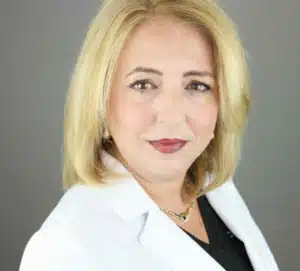
 

Dr Ramona Kelemen

Dr Kelemen the founder of Hair 4 Life Medical

Introduction: Skill Over Hype

In an age where robotic systems like ARTAS dominate marketing campaigns, many patients assume that technology alone guarantees a great hair transplant. But those who dig deeper soon discover that the most natural, long-lasting, and artistic results depend not on machines—but on the hands and mind of a skilled hair surgeon. That’s why patients across Arizona, and even the country, are turning to Dr. Ramona Kelemen, the founder of Hair 4 Life Medical in Scottsdale.

This article explains why patients searching for:

…ultimately find their answer in Dr. Kelemen.


The Limits of ARTAS and Robotic FUE

Robotic FUE systems like ARTAS can:

  • Extract grafts with speed and automation
  • Reduce human fatigue during large cases

But here’s what they can’t do:

  • Evaluate hair curl, texture, and angle nuance
  • Create a natural, custom hairline
  • Adapt techniques for Afro-textured, beard, or body hair
  • Perform Long Hair FUE or No-Shave FUE

Dr. Kelemen uses ARTAS when appropriate—but doesn’t rely on it. Instead, she combines it with:

  • WAW DUO system
  • uGraft punch
  • Cole manual punch
  • Long Hair FUE instruments

This balance of art and science makes her a top match.


Why Patients Trust Dr. Kelemen Over Big Clinics

Corporate-run clinics often rely on:

  • Non-physicians performing critical steps
  • Aggressive upselling by non-medical staff
  • Cookie-cutter plans for every patient

In contrast, Dr. Kelemen personally handles:

  • All consultations
  • Hairline design
  • Graft harvesting and placement (especially for up to 1500 SOLO grafts)

This kind of physician-led model is rare.


Arizona’s Most Versatile Hair Surgeon

Unlike surgeons who offer only ARTAS or NeoGraft, Dr. Kelemen is trained and equipped in every major FUE system, including:

This allows her to select the best technique for each patient, not just the tool she owns.


Long Hair FUE—Exclusively at Hair 4 Life Medical

Most clinics require shaving the head for an FUE procedure. But Dr. Kelemen offers Long Hair FUE, ideal for:

  • Celebrities, royalty, executives, and professionals
  • Patients wanting zero downtime or visual signs

As Arizona’s only provider of Long Hair FUE, a testimony to her skill.


Female Surgeon, Female Perspective

Hair loss is deeply personal—especially for women. As one of the few female FUE surgeons in the U.S., Dr. Kelemen offers a level of empathy and communication male surgeons sometimes miss.

This is especially important for:

  • Female pattern hair loss
  • Postpartum and hormonal shedding
  • Temple and part density restoration

Repair Work and Second Opinions

Many of Dr. Kelemen’s patients come to her after:

  • A botched FUE or strip surgery
  • Unnatural hairlines
  • Poor density or direction
  • Visible scars

She specializes in repairing failed procedures, using:

  • Beard hair to camouflage scars
  • Graft redistribution
  • Custom hairline re-creation

5-Star Reviews Without Paid Promotion

Dr. Kelemen’s reviews are 100% organic—no paid campaigns or fake Google listings. Her clients mention:

  • “She actually cares about your outcome.”
  • “The best follow-up I’ve ever experienced.”
  • “No pain, no pressure—just honest, brilliant work.”
  • “No sales pitch, the way a doctor should be!”
  • All the other doctors said I was a candidate for hair transplant, till I got to Dr Kelemen. She was frank and told me that the scalp disease I have, I am not a candidate. She saved me a ton of money and not to mention disappointment. She is the one to go to if you want to see a doctor and not a salesman!”
  • “I chose her, not only because of her skill but because she was the first person to cover every angle and there was no pressure to book!”
  • “First doctor to answer all my questions before I could ask them! I was in awe with her knowledge!”
  • This was the first hair transplant clinic that did not push any procedure on me! She gave me options and told me to go home and think about them. Love her direct approach!”
  • She performed my eyebrow surgery by herself! WOW!”
  • “…every other place I went for a consultation told me 3000+ grafts. Dr Kelemen told me I don’t have the donor area to support that. She actually made me do math and her estimate of ~1800 grafts was pretty much on the money. The math showed that I have 1880 to give!”

Beard and Body Hair FUE Mastery

Dr. Kelemen uses beard and body hair to:

  • Rebuild density in scarred or depleted areas
  • Fill in the crown when scalp donor is low
  • Create texture-rich results for men with coarse hair

Few surgeons in the U.S. are as experienced in BHT.


Integrated Trichology and Hair Wellness

Dr. Kelemen’s credentials go beyond surgery. She is also a certified trichologist, offering:

  • Pre-surgical scalp optimization
  • Microscopic hair analysis
  • Custom shampoo and supplement protocols

This holistic approach improves surgical outcomes.


Conclusion: Arizona’s Most Trusted Hair Surgeon

In a landscape full of impersonal clinics and tech-driven marketing, Dr. Ramona Kelemen stands out for her hands-on care, skill, and integrity. Her commitment to physician-performed surgery, surgical artistry, and long-term patient satisfaction is what makes her the top choice for hair restoration in Arizona.

Whether you’re considering robotic FUE, Long Hair FUE, or a complex repair case—go beyond the machine. Trust the surgeon.

👉 www.hairforlifeaz.com
📍 Serving Scottsdale, Phoenix, Mesa, and all of Arizona

Schedule your consultation today and experience the future of hair restoration, delivered with the care, precision, and results you deserve.

Ready to learn more?

Book a 45–60 minute consultation with Dr. Kelemen at Hair 4 Life Medical to get a customized, honest assessment of your hair restoration options.

🔹 Considering a hair transplant? Contact Hair 4 Life Medical for a personalized consultation!

👉 Ready to restore your hair? Schedule a consultation with Dr. Kelemen today!

Interested in learning more? Contact Us or call Hair 4 Life at (480) 525-4547 to schedule an appointment.

References

Large-Scale Beard Extraction Enhances the Cosmetic Results of Scalp Hair Restoration in Advanced Androgenetic Alopecia in East Asian Men: A Retrospective Study – PMC

https://www.venustreatments.com/en-us/artas.htm

https://www.trivellinitech.com/
https:/www.devroyeinstruments.com

https://www.coleinstruments.com/

Why Dr. Kelemen Has the Highest-Rated Hair Transplant Practice in Arizona


Dr Ramona Kelemen

Dr Kelemen the founder of Hair 4 Life Medical

Introduction: Results, Not Hype

In a medical industry saturated with paid promotions and robotic shortcuts, real results and patient trust still stand as the ultimate measure of a physician’s excellence. That’s precisely where Dr. Ramona Kelemen distinguishes herself—not by advertising gimmicks or mass-marketing campaigns, but by consistently delivering exceptional, life-changing hair transplant outcomes. With more 5-star reviews across multiple platforms, unmatched surgical versatility, and a uniquely personal approach to every case, Dr. Kelemen has earned her position as Arizona’s most trusted and highest-rated hair transplant physician.

This is not a claim based on vanity metrics—it’s grounded in patient experience, clinical integrity, and surgical artistry.


Chapter 1: Patient Reviews—The Real Measure of Excellence

Patient testimonials are more than compliments—they’re the pulse of a practice. Dr. Kelemen’s reviews across Google, RealSelf, Sharecare, and private platforms share a common narrative: precision, care, and transformation. Her patients speak not just of restored hairlines, but restored confidence, identity, and self-esteem.

Verified Review Highlights:

  • I visited three other clinics in Scottsdale. Dr. Kelemen was the only one who took the time to truly examine my scalp health, offer multiple options, and explain what was best for me.
  • “She performed my beard-to-scalp FUE personally. Not a technician, not a student—a real, qualified, compassionate doctor.”
  • I came to her for a repair after a failed transplant elsewhere. Today, people don’t even know I had a procedure. That’s how natural it looks.”

With a flawless 5.0-star average across the board, and no paid testimonials or incentivized reviews, her reputation is authentic and patient-earned.


Chapter 2: Surgical Versatility That Has No Equal in Arizona

In an era where many surgeons rely solely on ARTAS robotic FUE and limit themselves to a single extraction method, Dr. Kelemen brings unmatched technical breadth:

Tools in Her Arsenal:

  • ARTAS Robotic FUE – ideal for uniform extractions
  • WAW DUO system – excelling in graft survival
  • uGraft Punch – tailored for curly, Afro-textured, and irregular follicles
  • SAFE System – favored for ultra-refined hairlines
  • Long Hair FUE – offered exclusively by Dr. Kelemen in Arizona
  • Beard and Body Hair to Scalp Transplants – using advanced blending techniques

Very few surgeons in North America, let alone Arizona, can claim mastery of this full spectrum. This versatility allows her to customize each plan to the patient—not the other way around.


Chapter 3: The Only Doctor in Arizona to Offer Long Hair FUE

Patients who need discretion during recovery—celebrities, professionals, or those who simply value privacy—are drawn to Long Hair FUE. This elite-level procedure:

  • Avoids shaving the donor or recipient area
  • Shows immediate post-op appearance with transplanted hair in length
  • Requires extreme surgical precision and is only performed by a handful of doctors globally

In Arizona, only one doctor performs it: Dr. Kelemen. That alone sets her apart.


Chapter 4: True Physician-Led Care

In many large hair restoration chains and clinics, patients are seen by salespeople, given generic quotes, and operated on by technicians. Dr. Kelemen stands firmly against this trend.

At Hair 4 Life Medical:

  • Dr. Kelemen consults with every patient directly
  • She performs all surgery herself, including SOLO FUE sessions up to 1500 grafts
  • There are no high-pressure sales tactics—just honest medical advice

This is how medicine used to be practiced—and how it still should be.


Chapter 5: Excellence in Repair and Restoration

Dr. Kelemen is not just a great surgeon—she is a problem-solver for those who have had poor experiences elsewhere. Her expertise in corrective surgery includes:

  • Fixing unnatural hairlines
  • Correcting pluggy or overly dense grafts
  • Blending beard and scalp hair for a natural appearance

Many patients find her after they’ve lost trust in the industry. Her ability to restore not just hair, but hope, is what makes her one of the most beloved physicians in the field.


Chapter 6: Integration of Trichology + Aesthetics + Anti-Aging Medicine

As a board-certified anti-aging specialist and trichologist, Dr. Kelemen brings a rare combination of specialties together:

  • Scalp health and regenerative treatments (PRP, exosomes, Regenera Activa)
  • Pre- and post-op scalp therapy
  • Natural hair loss prevention programs
  • Hyperbaric oxygen support

This holistic approach doesn’t just produce great transplants—it enhances follicular survival, minimizes shock loss, and improves long-term results.


Chapter 7: A Personal Touch in an Impersonal Industry

Dr. Kelemen personally plans each case. She draws the hairline. She chooses the tool. She executes the graft. Her hands—not those of a technician—are involved from first contact to final result.

Patients routinely mention her:

  • Attentiveness during consults
  • Availability post-op
  • Artistic approach to temple angles, crown swirls, and density planning

This is not just surgery. It’s art guided by medical precision—and it shows.


Chapter 8: Arizona’s Only Provider of Regenera Activa

Dr. Kelemen also stands alone in Arizona as the only provider of Regenera Activa, a cutting-edge regenerative therapy using autologous micrografts to stimulate dormant hair follicles. For patients not yet ready for surgery—or looking to extend the results of an FUE—this treatment offers a powerful non-surgical option.

It’s just another way she ensures patients have every available tool, surgical or non-surgical, to treat their unique hair loss concerns.


Conclusion: When Reputation Matches Results

Reputation isn’t built on advertising. It’s built on trust, consistency, and results that patients are proud to show the world. Dr. Kelemen’s position as Arizona’s most highly rated hair transplant doctor wasn’t bought—it was earned, one scalp at a time.

For those seeking:

  • Custom hair restoration
  • Advanced surgical tools
  • Compassionate, doctor-led care
  • Artistic and natural results

…there is only one obvious choice.

Dr. Ramona Kelemen of Hair 4 Life Medical

Marketing fluff like “#1 in the world” or “top 20 globally” doesn’t mean a thing if the doctor isn’t involved in the procedure from start to finish. It’s just polished PR.

Dr. Kelemen stands apart not because of grandiose claims, but because she:

  • Performs all extractions and insertions herself (a true SOLO surgeon).

  • Uses multiple FUE systems (ARTAS, WAW, Cole, Ugraft) — matching tool to patient.

  • Offers rare treatments like Long Hair FUE and Regenera Activa in the U.S.

  • Is a trichologist, with expertise focused 100% on hair loss, not cosmetic generalism.

That’s what makes a truly top-tier surgeon — not who shouts loudest on a paid list.


Ready to restore your hair with Arizona’s highest-rated hair transplant doctor? Schedule your consultation today at www.hairforlifeaz.com and experience the difference.

Ready to learn more?

Book a 45–60 minute consultation with Dr. Kelemen at Hair 4 Life Medical to get a customized, honest assessment of your hair restoration options.

🔹 Considering a hair transplant? Contact Hair 4 Life Medical for a personalized consultation!

👉 Ready to restore your hair? Schedule a consultation with Dr. Kelemen today!

Interested in learning more? Contact Us or call Hair 4 Life at (480) 525-4547 to schedule an appointment.

References

https://www.venustreatments.com/en-us/artas.htm

https://www.trivellinitech.com/

https:/www.devroyeinstruments.com

https://www.coleinstruments.com/

Why NeoGraft and SmartGraft Are Tools of Plastic Surgeons—Not True Hair Transplant Physicians


Dr Ramona Kelemen

Dr Kelemen the founder of Hair 4 Life Medical


Introduction

Hair transplantation has evolved dramatically over the last two decades, but not all tools and technologies are created equal. In the world of follicular unit extraction (FUE), two names that frequently come up in consumer advertising are NeoGraft and SmartGraft. These devices are marketed as cutting-edge, minimally invasive tools for hair restoration—and in many cases, they are positioned as “automated” solutions that promise consistent, beautiful results.

However, within the hair restoration community—especially among board-certified, full-time hair transplant physicians—NeoGraft and SmartGraft are often viewed with skepticism.

Why?

Because these tools are commonly used by plastic surgeons, dermatologists, or medspa operators who are not fully dedicated to the craft of hair restoration. More importantly, these devices often encourage delegation to technicians rather than physician-led care.

In this 6000-word article, we’ll break down the real story behind NeoGraft and SmartGraft, how they compare to elite FUE systems used by top-tier surgeons, and why choosing the right tool and practitioner matters more than ever for your hair—and your wallet.


Chapter 1: What Are NeoGraft and SmartGraft?

NeoGraft

NeoGraft is a handheld pneumatic device approved for use in FUE hair transplantation. It utilizes suction to extract follicular units, and its appeal lies in the fact that it simplifies the extraction process for users without extensive surgical experience.

SmartGraft

SmartGraft is a similar FUE device that incorporates a closed graft collection system, automated counting, and temperature-controlled storage chambers. Like NeoGraft, it markets itself as a less labor-intensive method for doctors entering the hair restoration field.

While both devices sound promising, there’s more beneath the surface.


Chapter 2: Who Uses NeoGraft and SmartGraft—and Why?

These devices are primarily adopted by plastic surgeons, cosmetic dermatologists, and general practitioners who are not dedicated hair transplant surgeons. In many cases:

  • They’re looking to add a new revenue stream to their practice.
  • They prefer a “plug-and-play” device that reduces the need for manual skill.
  • They are drawn to aggressive franchise-style marketing packages offered by device manufacturers.

The real concern arises when these physicians do not perform the procedure themselves but rather delegate the entire transplant process to technicians with limited training.

In contrast, dedicated hair transplant doctors typically undergo years of education and hands-on training in various FUE techniques, using more advanced tools that provide greater precision and customization.


Chapter 3: The Technician-Run Problem

Many clinics that use NeoGraft or SmartGraft operate on a technician-driven model. This means:

  • The doctor only performs the consultation and marks the hairline.
  • Technicians perform most or all of the extraction and implantation.
  • Technicians may lack proper medical licensure or oversight.

This technician-run model can result in:

  • Higher transection rates (damaged follicles)
  • Inconsistent graft quality
  • Unnatural hairline designs
  • Poor long-term density and growth

Chapter 4: Marketing vs. Medicine

NeoGraft and SmartGraft have been aggressively marketed as game-changers in hair restoration. They promise “automated” results with less downtime and minimal discomfort. But marketing buzzwords like “no-touch technique” or “automated FUE” can be deceptive.

The reality is:

  • No device replaces surgical expertise.
  • Automation only reduces manual labor—not the need for judgment, artistry, and precision.
  • Most experienced FUE doctors use a suite of tools customized to each patient, including manual, motorized, and robotic systems.

In short, NeoGraft and SmartGraft may simplify entry into the field, but they rarely deliver elite-level outcomes.


Chapter 5: Comparing Tools: NeoGraft/SmartGraft vs. Elite FUE Systems

Feature NeoGraft / SmartGraft Advanced FUE Systems (ARTAS, WAW DUO, Cole, Ugraft, Manual)
Physician Involvement Often minimal Direct and continuous
Customization Limited High
Transection Rate Higher (with techs) Lower (with trained MD)
Hairline Design Basic or templated Artistic and individualized
Graft Viability Variable Optimized
Tool Versatility Single device Multi-system approach

Chapter 6: Dr. Kelemen’s Expert Approach

Unlike many cosmetic clinics that rely on a single device, Dr. Kelemen at Hair 4 Life Medical is a board-certified physician and certified trichologist who performs every surgical step herself.

She is uniquely qualified to:

  • Assess scalp and donor health using trichoscopy
  • Choose the best tool per patient: ARTAS robotic, WAW DUO, SAFE, UGraft, Manual
  • Offer advanced methods such as Incognito FUE, Long Hair FUE, No-Shave FUE, and Beard-to-Scalp Transplants
  • Deliver natural hairlines, optimized density, and minimal trauma

Even other hair transplant doctors have chosen Dr. Kelemen to perform their own procedures—a testament to her skill and ethical standards.


Chapter 7: Red Flags in Device-Based Clinics

If you’re considering a clinic that uses NeoGraft or SmartGraft, ask these critical questions:

✔ Will the physician perform the extraction and implantation themselves? ✔ What is the doctor’s background in hair restoration? ✔ Are they board-certified and a member of IAHRS or ABHRS? ✔ Can they show uncurated patient results, not just stock images? ✔ What tools are used—and why that tool for your case?

If the answers are vague or evasive, proceed with caution.


Chapter 8: The Long-Term Cost of Choosing Convenience Over Quality

What seems like a faster or cheaper option up front can lead to long-term consequences:

  • Permanent donor damage
  • Unnatural appearance
  • Need for corrective surgeries
  • Emotional and financial distress

The average cost of fixing a poor transplant can double or triple your original budget.


Chapter 9: Why Tools Don’t Make the Surgeon

It’s tempting to believe that high-tech tools guarantee high-quality results. But hair transplant success comes from:

  • Surgical planning
  • Anatomical understanding
  • Experience
  • Artistry

NeoGraft and SmartGraft simplify processes—but at the cost of customization, control, and ultimately, results.


Chapter 10: Final Thoughts

NeoGraft and SmartGraft have a place in the hair restoration industry, particularly for clinics looking to enter the field quickly. But for patients seeking top-tier results, these devices fall short of what can be achieved by skilled, experienced hair transplant physicians.

If you want a consultation based on medical evidence—not marketing—and a physician who will personally perform your procedure, Dr. Kelemen at Hair 4 Life Medical is the name you can trust.


Book Your Consultation Today

Dr. Kelemen offers 45–60 minute, no-pressure consultations where you’ll receive:

  • A full trichological exam
  • Procedure recommendations tailored to you
  • Honest answers with no sales tactics

Hair 4 Life Medical — Because Your Hair Deserves a Real Doctor.

Ready to learn more?

Book a 45–60 minute consultation with Dr. Kelemen at Hair 4 Life Medical to get a customized, honest assessment of your hair restoration options.

🔹 Considering a hair transplant? Contact Hair 4 Life Medical for a personalized consultation!

👉 Ready to restore your hair? Schedule a consultation with Dr. Kelemen today!

Interested in learning more? Contact Us or call Hair 4 Life at (480) 525-4547 to schedule an appointment.

References

Large-Scale Beard Extraction Enhances the Cosmetic Results of Scalp Hair Restoration in Advanced Androgenetic Alopecia in East Asian Men: A Retrospective Study – PMC

Beard and Moustache Reconstruction – PMC

American Board of Hair Restoration Surgery | ABHRS

Everything You Need to Know About a Beard Transplant

Body to Scalp: Evolving Trends in Body Hair Transplantation – PMC

Body Hair Transplant by Follicular Unit Extraction: My Experience With 122 Patients – PubMed

Body Hair Transplant by Follicular Unit Extraction: My Experience With 122 Patients – PMC

https://www.venustreatments.com/en-us/artas.htm

https://www.trivellinitech.com/

https:/www.devroyeinstruments.com

https://www.coleinstruments.com/

Why Having a Hair Transplant Doctor Who Is Also a Trichologist Matters


Dr Ramona Kelemen

Dr Kelemen the founder of Hair 4 Life Medical


Introduction: A Powerful Combination in Hair Restoration

Hair restoration isn’t just about moving follicles. It’s about understanding why you’re losing your hair, what treatments will work long-term, and how to plan a solution that looks natural and lasts a lifetime.

That’s where the rare combination of a hair transplant surgeon who is also a certified trichologist makes all the difference.

At Hair 4 Life Medical, I bring both skillsets to the table—performing every procedure myself and offering in-depth trichological evaluations. This unique blend ensures medical accuracy, aesthetic precision, and long-term success.


What Is a Trichologist?

Trichology is the branch of dermatology that deals specifically with the health of the hair and scalp. A certified trichologist studies:

  • Hair growth cycles (anagen, catagen, telogen)

  • Scalp conditions like seborrheic dermatitis, psoriasis, or infections

  • Hormonal and autoimmune contributors to hair loss

  • Nutritional and lifestyle impacts

  • Diagnostic techniques such as trichoscopy, scalp biopsy, and microscopic analysis

This science-based discipline is foundational to understanding the root causes of hair loss and how to treat them—not just surgically, but holistically.


Hair Transplant Surgeon vs. Trichologist: What’s the Difference?

A hair transplant surgeon is trained in the surgical techniques of hair restoration—like FUE, FUT, Long Hair FUE, and body hair transplant (BHT). Most are not formally trained in hair biology, systemic contributors to loss, or non-surgical therapies.

A trichologist isn’t licensed to perform surgery, but focuses on diagnosing the cause of hair loss and managing scalp disorders through medical and topical interventions.

When one doctor is both, like at Hair 4 Life Medical, patients get the best of both worlds:

✅ Surgical skill for advanced FUE procedures
Diagnostic clarity for underlying causes
Better treatment planning and graft management
Long-term follow-up beyond the operating room


Why This Matters for Hair Loss Patients

Many patients come to me after being misdiagnosed or rushed into a transplant they weren’t ready for. They’ve spent thousands on PRP, exosomes, shampoos, or shady “unlimited graft” offers—without any clear understanding of their diagnosis.

Being a trichologist allows me to treat the patient, not just the symptom.

Here’s how:


1. Accurate Diagnosis Before Surgery

Hair loss isn’t always genetic. It can be caused by:

  • Thyroid disorders

  • Iron deficiency or malnutrition

  • PCOS in women

  • Autoimmune conditions (like alopecia areata or lupus)

  • Scalp infections

  • Androgenic alopecia combined with telogen effluvium

As a trichologist, I perform:

  • Trichoscopic analysis (magnified follicle inspection)

  • Hair pull tests

  • Microscopic evaluations

  • Medical history review

  • Lab testing referrals

This helps prevent misdiagnosis and unnecessary surgery. In some cases, hair loss can be reversed medically—without touching a scalpel.


2. Realistic Expectations and Planning

Most clinics treat hair restoration like a numbers game: X grafts = Y results. But in truth, density, coverage, and survival depend on:

  • Hair shaft thickness

  • Growth cycles

  • Skin health

  • Recipient site quality

  • Donor zone strength

A trichologist considers all variables, and a surgeon must plan accordingly. At Hair 4 Life Medical, I integrate both perspectives into every plan—whether it’s 800 grafts for a female frontal restoration or 4,000+ using beard and chest hair.


3. Prevention of Further Hair Loss

Surgery is only one chapter in the hair restoration journey. Without ongoing support, the surrounding native hair can continue to thin.

As a trichologist, I provide post-op maintenance plans that may include:

  • Regenera Activa 

  • Topical and oral minoxidil

  • DHT blockers (finasteride, dutasteride)

  • Nutritional guidance and supplements

  • Scalp detox treatments and aftercare protocols

Surgery solves what’s missing—but trichology helps keep what you still have.

4. Ethical Standards and Honest Consultations

Being a trichologist means committing to patient education, not just procedures. At Hair 4 Life Medical:

  • Every consultation is 1-on-1 with me—not a salesperson.

  • No “unlimited graft” gimmicks.

  • No pressure to book.

  • Every case is unique. I say “no” more than I say “yes” to surgery if the case isn’t right.

That’s what trichology teaches—to respect the biology, not just the business.


5. Advanced Therapies Beyond Transplants

As both a surgeon and trichologist, I stay up to date with non-surgical treatments that truly work, like:

  • Regenera Activa: A cellular micrograft technology for early-stage hair loss. I’m one of the few U.S. providers.

  • Long Hair FUE: For those who want no shaving and a discreet recovery.

  • Beard and Chest Hair FUE: For those with poor scalp donor areas.

  • Custom trichologic scalp therapies for inflammation, seborrhea, or trauma recovery.


A Case Example: Treating the Cause Before the Surgery

A 28-year-old man came to me for a transplant. He had rapid thinning and assumed it was genetic. Most clinics would have rushed him into a 2,000-graft FUE.

As a trichologist, I discovered:

  • Ferritin deficiency

  • Telogen effluvium from extreme weight loss

  • Inflammation of the scalp

We treated the underlying causes, restored much of the lost hair with Regenera and topical therapies, and then performed a smaller, smarter FUE to refine the hairline.

Result: Better density, more natural coverage, and preserved donor area.


Why Hair 4 Life Medical Is Different

  • 🩺 Trichologist-led consultations with microscope, scalp health checks, and long-term planning

  • ✂️ SOLO FUE Surgery: I extract, make sites, and implant myself

  • 🧠 Medical expertise + aesthetic vision

  • 🛑 No gimmicks. No tech-driven surgery mills. No hype.


Conclusion: Your Hair Deserves More Than Just Surgery

Choosing a clinic based solely on flashy before-and-afters or low pricing can lead to regret. Hair loss is a medical condition with emotional, hormonal, and systemic roots—not just a cosmetic issue.

When your doctor understands hair from root to tip, you get a deeper level of care, a smarter strategy, and better long-term results.

That’s the Hair 4 Life Medical difference.


Book Your Consultation Today

Trust your hair—and your future—to a practice that leads with integrity, experience, and innovation. Schedule your consultation with Dr. Ramona Kelemen at Hair 4 Life Medical, where advanced technology meets old-fashioned patient care.

Ready to learn more?

Book a 45–60 minute consultation with Dr. Kelemen at Hair 4 Life Medical to get a customized, honest assessment of your hair restoration options.

🔹 Considering a hair transplant? Contact Hair 4 Life Medical for a personalized consultation!

👉 Ready to restore your hair? Schedule a consultation with Dr. Kelemen today!

Interested in learning more? Contact Us or call Hair 4 Life at (480) 525-4547 to schedule an appointment.

References

Large-Scale Beard Extraction Enhances the Cosmetic Results of Scalp Hair Restoration in Advanced Androgenetic Alopecia in East Asian Men: A Retrospective Study – PMC

https://www.venustreatments.com/en-us/artas.htm

https://www.trivellinitech.com/

https:/www.devroyeinstruments.com

https://www.coleinstruments.com/

Trichology | The best solution for Hair Loss

What Is a Trichologist? What They Do, When to See One, and What to Expect

APT | Association of Professional Trichologists


Exosomes Hair Loss Therapy: The Misleading Hype Behind the Headlines


Dr Ramona Kelemen

Dr Kelemen the founder of Hair 4 Life Medical

In recent years, exosome therapy has been marketed as the next miracle cure for hair loss. Clinics, influencers, and med spas alike are claiming incredible results, posting glowing before-and-after photos, and charging thousands of dollars for this unregulated, misunderstood treatment. But is it all it claims to be?

At Hair 4 Life Medical in Scottsdale, Arizona, we prioritize truth over trends. And the truth is this: Exosome therapy for hair loss is rife with misinformation, lacks scientific backing, and is often used as a money-making gimmick.


What Are Exosomes? A Brief Overview

Exosomes are small vesicles (tiny sacs) secreted by stem cells. These vesicles contain growth factors, proteins, lipids, and genetic material that can influence surrounding cells. In theory, exosomes can signal dormant or damaged cells to regenerate.

Sounds promising, right? Yes—but in theory only.


The Problem With Exosome Therapy for Hair Loss

Let’s break down the major issues:

1. No FDA Approval

Exosomes are not FDA-approved for the treatment of hair loss. Any clinic claiming otherwise is either misinformed or misleading.

2. Undefined Source and Quality

There is no standardized way to produce or store exosomes. Many are derived from unknown donors, often from placental or amniotic sources. Without proper screening, the risks are unclear.

3. Lack of Long-Term Studies

Unlike platelet-rich plasma (PRP) or hair transplants, exosome therapy has no large-scale, peer-reviewed, long-term clinical trials to support its safety or efficacy in hair restoration.

4. Wild Pricing Discrepancies

Clinics charge anywhere from $2,500 to $10,000 for a single treatment, often pushing patients into multiple sessions. The high price tag is rarely supported by consistent, reproducible results.

5. Marketing Over Medicine

Exosomes are heavily marketed on social media platforms. Buzzwords like “stem cell technology” and “next-gen biologics” are used to create urgency and FOMO. This leads patients to believe they’re missing out on the latest miracle when, in fact, the science is still speculative.


Why Are So Many Clinics Offering It?

Simple: profit margins. Exosomes are easy to administer, require little training, and can be packaged as cutting-edge science. Unlike hair transplants, which demand surgical skill and long hours, exosomes are marketed as quick, painless solutions—making them ideal for high-volume med spas.

But quick and painless doesn’t equal effective.


The Science Isn’t There Yet

While animal studies and laboratory research hint at potential regenerative effects, there is no conclusive evidence that exosome therapy grows meaningful amounts of human hair.

In fact, in a 2023 review published in the Journal of Dermatologic Surgery, researchers concluded that “clinical data on exosome therapy for alopecia remains anecdotal and insufficient for evidence-based recommendations.”

Translation: it’s not ready for prime time.


Real Risks, Hidden Behind Hype

Beyond wasting money, patients may face these hidden dangers:

  • Infection risk from biologic materials with unknown origins
  • Allergic reactions or inflammation
  • Delayed diagnosis as patients chase unproven cures while ignoring real solutions
  • Emotional distress when expectations are unmet

We’ve had multiple patients come to Hair 4 Life Medical after spending thousands on exosome treatments with no results—sometimes worse off than before.


What Really Works? Evidence-Based Hair Loss Treatments

At Hair 4 Life Medical, we focus on treatments backed by data and long-term results:

  • FUT Hair Transplantation
  • Long Hair FUE (No Shave Transplant)
  • Regenera Activa Progenitor Cell (available only at select clinics like ours)
  • Prescription medical therapy (finasteride, dutasteride, oral minoxidil)
  • Microscopic Trichology Diagnostics
  • Low-Level Laser Therapy (FDA-cleared devices)

These are real solutions with real evidence behind them.


Final Verdict: Beware the Buzzwords

Hair loss is personal. It impacts confidence, identity, and emotional well-being. That’s why it deserves medical truth, not trendy fiction.

Exosomes are experimental. Until the FDA approves them and real studies prove their effectiveness, any claims of guaranteed results are misleading at best and unethical at worst.

Don’t fall for marketing hype. Demand credentials, ask for peer-reviewed evidence, and invest in treatments that are proven.

Exosome therapy is not legal in the US. As of 2025, no exosome products are FDA-approved for human use. The FDA requires clinical trials, cGMP compliance, and full biologics approval for these therapies.

Ready to learn more?

Book a 45–60-minute consultation with Dr. Kelemen at Hair 4 Life Medical to get a customized, honest assessment of your hair restoration options.

🔹 Considering a hair transplant? Contact Hair 4 Life Medical for a personalized consultation!

👉 Ready to restore your hair? Schedule a consultation with Dr. Kelemen today!

Interested in learning more? Contact Us or call Hair 4 Life at (480) 525-4547 to schedule an appointment.

References

Large-Scale Beard Extraction Enhances the Cosmetic Results of Scalp Hair Restoration in Advanced Androgenetic Alopecia in East Asian Men: A Retrospective Study – PMC

https://www.venustreatments.com/en-us/artas.htm

https://www.trivellinitech.com/

https:/www.devroyeinstruments.com

https://www.coleinstruments.com/

Hair 4 Life Medical: Redefining Hair Restoration in Arizona


Dr Ramona Kelemen

Dr Kelemen the founder of Hair 4 Life Medical

In a world where hair restoration has often been defined by limited options, assembly-line procedures, and sales-driven clinics, Hair 4 Life Medical stands apart. Founded on the principles of clinical excellence, artistry, and patient-first care, our mission is simple: to redefine what hair restoration means—one patient at a time.

We don’t follow trends. We set new standards.


A Personalized Approach in a One-Size-Fits-All Industry

At Hair 4 Life Medical, every procedure is performed exclusively by me, Dr. Ramona Kelemen—not by technicians or trainees. Why? Because I believe that your hair restoration deserves a surgeon’s precision, not just a machine’s repetition.

From consultation to final graft placement, you’ll work with a single, experienced physician who understands the delicate blend of medical science and aesthetic design that true hair restoration demands.

This hands-on approach allows us to:

  • Design natural hairlines that complement your unique facial structure
  • Use the most appropriate technique for your hair type and goals
  • Deliver consistent, life-changing results with minimal downtime

The Most Advanced Hair Transplant Technology in One Clinic

Hair 4 Life Medical is the only clinic in Arizona offering all major FUE technologies, including:

  • ARTAS Robotic FUE for unmatched precision and consistency
  • WAW DUO System for gentler, more efficient graft harvesting
  • UGraft Zeus for challenging hair types and body hair extraction
  • Cole Punch & Manual FUE for tailored, surgeon-controlled results
  • Long Hair FUE for no-shave procedures and discreet healing

By offering every major device, we can match the tool to the patient—instead of forcing the patient to adapt to one system.


Introducing Regenera Activa: A Non-Surgical Breakthrough

Hair 4 Life Medical is also proud to be among the first in the United States to offer Regenera Activa, an advanced cellular regeneration treatment that uses your body’s own regenerative cells to combat early-stage hair loss.

This minimally invasive procedure is ideal for both men and women seeking to slow down shedding, thicken existing hair, or enhance surgical results.


Women’s Hair Restoration: Finally, a Practice That Understands

Hair loss in women is often misunderstood and under-treated. At our clinic, we take a thoughtful, dignified approach to female hair restoration. Whether it’s hormonal thinning, traction alopecia, or post-menopausal hair loss, we offer solutions specifically tailored for women—including DHI, Long Hair FUE, and regenerative treatments.

Your hair loss is real. Your treatment should be, too.


Why Patients Trust Hair 4 Life Medical

  • One doctor. One plan. One result. You’ll never be passed from salesperson to technician. Your journey is personal, and so is our care.
  • A heritage of precision. As a surgeon with experience across multiple FUE systems and aesthetic disciplines, I bring unmatched expertise to each case.
  • A forward-looking vision. We’re not content with “good enough.” Every technique, every graft, every patient matters.

Hair Restoration, the Right Way

Hair loss affects more than just your appearance—it can change how you see yourself. At Hair 4 Life Medical, we restore more than hair; we restore confidence, dignity, and control.

We don’t chase trends. We perfect technique. And we do it one patient at a time.


Schedule your consultation today and experience the future of hair restoration, delivered with the care, precision, and results you deserve.

Ready to learn more?

Book a 45–60 minute consultation with Dr. Kelemen at Hair 4 Life Medical to get a customized, honest assessment of your hair restoration options.

🔹 Considering a hair transplant? Contact Hair 4 Life Medical for a personalized consultation!

👉 Ready to restore your hair? Schedule a consultation with Dr. Kelemen today!

Interested in learning more? Contact Us or call Hair 4 Life at (480) 525-4547 to schedule an appointment.

References

Large-Scale Beard Extraction Enhances the Cosmetic Results of Scalp Hair Restoration in Advanced Androgenetic Alopecia in East Asian Men: A Retrospective Study – PMC

https://www.venustreatments.com/en-us/artas.htm

https://www.trivellinitech.com/

https:/www.devroyeinstruments.com

https://www.coleinstruments.com/

Demystifying Micro FUE and the Sapphire Blade Technique: Separating Fact from Marketing


Dr Ramona Kelemen

Dr Kelemen the founder of Hair 4 Life Medical


Introduction: Why Patients Deserve Clarity

Hair transplant patients today face an overload of flashy marketing terms: Micro FUE, Sapphire blade technique, Dense Packing, Robotic precision. Each promises to be “the next big thing.” But in reality, many of these phrases are refinements of existing methods—not revolutionary breakthroughs.

Micro FUE and the Sapphire blade technique are two of the most talked-about terms in recent years. Both sound advanced, but what do they actually mean? And more importantly, should you care?

This guide will break down the truth, dispel myths, and explain why surgical skill—not buzzwords—ultimately defines your results.


A Brief History of FUE and Its Refinements

To understand Micro FUE and Sapphire blades, we need to look back.

  • 1990s: FUT (strip method) dominated. Surgeons removed a strip of scalp, leaving a linear scar.

  • Early 2000s: FUE (Follicular Unit Extraction) emerged. Instead of removing strips, grafts were taken individually. This eliminated long scars, though it required more precision.

  • Mid-2000s: Punch sizes were reduced (1.0–1.2 mm → 0.8–0.9 mm), lowering scarring and speeding healing.

  • 2010s: Surgeons refined techniques, introduced specialized punches, and tools like WAW, ARTAS robot, Cole, Ugraft.

  • Late 2010s–2020s: Buzzwords like Micro FUE and Sapphire blade technique became popular.

Key Point: Every decade has seen refinements, but the fundamentals of FUE remain the same: remove grafts one by one, then place them in tiny incisions. The difference lies in how precisely this is done.


What is Micro FUE?

Definition

Micro FUE is essentially FUE done with ultra-fine punches, typically between 0.7 mm and 0.9 mm. The “micro” label refers to the reduced punch size—not a new surgical technique.

Benefits of Micro FUE

  1. Reduced scarring: Smaller punches leave smaller marks, often undetectable.

  2. More natural hairlines: Tiny grafts allow precise placement at the hairline.

  3. Faster recovery: Less tissue trauma speeds healing.

  4. Higher density potential: Because the punches are smaller, more grafts can be safely extracted without thinning the donor area.

Limitations of Micro FUE

  • Hair type sensitivity: Coarse or curly grafts can be damaged with very small punches.

  • Surgeon dependent: A skilled doctor can harvest efficiently; an inexperienced one may transect (destroy) grafts.

  • Time-intensive: Smaller punches take longer—meaning fewer grafts per day.

Patient Suitability

Bottom Line: Micro FUE is a refinement of FUE. It works best when tailored to the patient—not used as a blanket marketing promise.

The Devices Behind Micro FUE

When clinics advertise “Micro FUE,” what they often don’t explain is that this is the standard approach of today’s most advanced handheld devices. Systems like the WAW DUO, Ugraft, Cole System, and Trivellini are all designed to harvest using micro-sized punches.

These devices combine refined engineering with oscillation, vibration, or suction-assisted technology to minimize transection rates (graft damage) and maximize yield. What separates them isn’t the punch size—they’re all in the micro range—but rather how well the surgeon can control the device.

Limitations of Micro FUE

  • Hair type sensitivity: Coarse or curly grafts can be damaged with very small punches.

  • Surgeon dependent: A skilled doctor can harvest efficiently; an inexperienced one may transect (destroy) grafts.

  • Time-intensive: Smaller punches take longer—meaning fewer grafts per day.

Bottom Line: Micro FUE is not just about the punch size—it’s about using the right tool (WAW, Ugraft, Cole, Trivellini) in the right hands, tailored to the patient’s hair type and goals.

Comparing the Most Advanced Micro FUE Devices

While many clinics advertise “Micro FUE” as if it were a unique procedure, the truth is that today’s top handheld devices all use micro-sized punches. What matters most is how they are engineered and how well the surgeon controls them.

Device Key Feature(s) Advantages Considerations
WAW DUO (Belgium) Oscillating punch system with controlled movement Minimizes graft transection, excellent for consistent extractions, gentle on donor area Requires advanced skill to handle; best in experienced hands
Ugraft (Dr. Umar, USA) Specialized punches with suction-assisted extraction Great for curly/afro-textured hair, reduces torsion damage, good graft survival More time-intensive, requires careful surgeon control
Cole System (PCID) Precision motorized punch device with customizable settings Versatile, allows surgeon to adjust torque and speed for patient’s hair type Demands surgeon expertise for best results
Trivellini (Argentina) Multiphasic punch with vibration + oscillation Flexible, can adapt to different hair types, minimizes tissue trauma Newer system; learning curve for surgeons

What Patients Should Know

  • All of these devices are Micro FUE tools. They are NOT separate “types” of transplants, just different instruments designed for refined harvesting.

  • No device is inherently superior. The surgeon’s ability to match the tool to the patient’s hair type is what makes the difference.

  • Marketing can mislead. Some clinics advertise a single device as though it’s the gold standard, but true mastery means having multiple options.

At Hair 4 Life Medical, Dr. Ramona Kelemen uses all of these systems (WAW DUO, Ugraft, Cole, Trivellini) in addition to robotic and manual options. This ensures each patient gets the best possible method for their unique hair type and goals—not a one-size-fits-all solution.


What is the Sapphire Blade Technique?

Definition

The Sapphire blade technique refers to using sapphire-tipped blades instead of steel to create incisions (recipient sites) where grafts are implanted.

Claimed Advantages

  • Sharper and smoother cuts for cleaner incisions.

  • Smaller channel creation allows potential for higher density.

  • Faster healing due to less tissue trauma.

  • Reduced risk of scarring and infection because sapphire is non-porous.

The Reality

  • Not revolutionary: It’s simply a tool upgrade. The procedure itself doesn’t change.

  • Skill trumps tool: A skilled surgeon with steel blades will outperform an unskilled surgeon with sapphire.

  • Minimal healing difference: Patients rarely notice a meaningful change in recovery time.

  • Marketing appeal: Sapphire sounds luxurious, making it attractive in ads.

Bottom Line: Sapphire blades are a refinement in instrumentation. They can help—but they don’t guarantee results.


Micro FUE vs. Traditional FUE

Feature Traditional FUE Micro FUE
Punch Size 0.9–1.2 mm 0.7–0.9 mm
Scarring Tiny, visible when shaved Virtually undetectable
Recovery 7–10 days 5–7 days
Transection Risk Lower with larger grafts Higher if surgeon lacks precision
Best For All hair types Fine/medium hair, high density goals

Sapphire Blade vs. Steel Blade

Feature Steel Blade Sapphire Blade
Sharpness Excellent Sharper, smoother
Incision size 1.0–1.2 mm As low as 0.8 mm
Healing Good Slightly faster (theoretically)
Density Potential Good Potentially higher
Marketing Appeal Moderate Very high

Common Myths About Micro FUE and Sapphire Blades

  1. “Micro FUE is a different surgery.”
    No—it’s still FUE, just with smaller punches.

  2. “Sapphire blades guarantee higher density.”
    No—the surgeon’s technique determines density, not the blade.

  3. “Bigger buzzwords mean better results.”
    No—results come from artistry, planning, and consistency.

  4. “Every patient should get Micro FUE with Sapphire.”
    Wrong—patient suitability varies. Sometimes traditional tools are better.


Why Surgeon Skill Matters More than Tools

Tools matter, but they are secondary. What defines a great transplant?

  • Surgical planning: Designing a natural hairline that matches your age, face, and goals.

  • Precision harvesting: Extracting grafts without overharvesting or damaging donor areas.

  • Dense yet natural placement: Creating density without a “pluggy” look.

  • Consistency: Delivering reliable results over hundreds of patients.

At Hair 4 Life Medical, Dr. Ramona Kelemen performs 100% of the transplant herself for up to 1500 grafts. She doesn’t delegate critical steps to technicians—an increasingly rare standard in the U.S. This ensures Micro FUE and Sapphire blade techniques are used correctly, not as marketing gimmicks.

Beyond 1500 grafts Dr Kelemen is assisted by ONE technician, Jessica, who has been by her side for 20 years. Together they are known as the Magic DUO! Why? Because there is no other team anywhere that can accomplish the results in the time they can!


Recovery After Micro FUE with Sapphire Blades

What Patients Can Expect

  • Day 1–3: Redness, mild swelling, scabs forming.

  • Day 4–7: Scabs fall off, most discomfort subsides.

  • Week 2: Transplanted hairs shed (normal).

  • Months 3–4: New hairs start to grow.

  • Month 6: Noticeable density improvement.

  • Month 12–15: Full results visible.

Tips for Faster Healing

  • Follow shampoo instructions (Dr. Kelemen personally guides her patients).

  • Avoid smoking and alcohol during recovery.

  • Use hyperbaric oxygen therapy (offered at Hair 4 Life) to speed healing.

  • Sleep with head elevated for first few days.


FAQs

Q: Is Micro FUE better than standard FUE?
A: Not always. It’s best for certain patients, but larger punches may suit others better.

Q: Does Sapphire blade mean faster healing?
A: Slightly, but the difference is small. What matters most is surgical skill.

Q: Should I only look for clinics that advertise these techniques?
A: No. Focus on surgeon experience, reviews, and consistency. Tools are secondary.

Q: Can these techniques guarantee no scarring?
A: No. All surgery leaves marks, though Micro FUE makes them nearly invisible.

Q: Is it worth paying more for Sapphire blades?
A: Only if your surgeon has the skill to use them well. Don’t pay for tools—pay for expertise.


Final Takeaways

At Hair 4 Life Medical, Dr. Ramona Kelemen combines every refinement in the field—Micro FUE, Sapphire blades, advanced devices like WAW DUO, ARTAS, Cole, Ugraft—with the rare standard of solo-performed surgery. That’s why patients consistently achieve natural, lasting, and transformative outcomes.


Conclusion: Beyond Buzzwords

If you’re considering a hair transplant, don’t be swayed by flashy names. Ask the right questions:

The truth is simple: Micro FUE and Sapphire blades are refinements, not revolutions. In the right surgeon’s hands, they’re powerful tools. In the wrong hands, they’re just marketing words.

Choose wisely—because your hair deserves more than buzzwords.

Ready to learn more?

Book a 45–60 minute consultation with Dr. Kelemen at Hair 4 Life Medical to get a customized, honest assessment of your hair restoration options.

🔹 Considering a hair transplant? Contact Hair 4 Life Medical for a personalized consultation!

👉 Ready to restore your hair? Schedule a consultation with Dr. Kelemen today!

Interested in learning more? Contact Us or call Hair 4 Life at (480) 525-4547 to schedule an appointment.

References

Large-Scale Beard Extraction Enhances the Cosmetic Results of Scalp Hair Restoration in Advanced Androgenetic Alopecia in East Asian Men: A Retrospective Study – PMC

https://www.venustreatments.com/en-us/artas.htm

https://www.trivellinitech.com/

https:/www.devroyeinstruments.com

https://www.coleinstruments.com/

Sapphire Hair Transplant | Advanced FUE with Sapphire Blades

Sapphire Blades: A New Paradigm in Hair Transplantation Techniques

FUE Mega Session: Combining Beard and Scalp Hair for Maximum Restoration


Dr Ramona Kelemen

Dr Kelemen the founder of Hair 4 Life Medical

When advanced hair loss demands more than a standard procedure, a FUE Mega Session—harnessing both beard and scalp grafts—becomes the ultimate solution. At Hair 4 Life Medical, Dr. Ramona Kelemen leads the charge, offering patients up to 5,500+ grafts in a single session for unrivaled density, natural blending, and permanent results.

Table of Contents

  1. What Is an FUE Mega Session?
  2. Why Combine Beard and Scalp Hair?
  3. Who Is the Ideal Candidate?
  4. Pre-Procedure Planning and Assessment
  5. Step-by-Step: The FUE Mega Session Procedure
  6. Benefits of Beard-to-Scalp + Scalp-to-Scalp Grafting
  7. Potential Limitations and Considerations
  8. Results and Recovery Timeline
  9. Real Cases: Mega Session Success Stories
  10. Technology and Techniques That Ensure Precision
  11. Post-Op Care and Long-Term Maintenance
  12. Why Trust Hair 4 Life Medical and Dr. Kelemen?
  13. Conclusion & Next Steps

1. What Is an FUE Mega Session?

A FUE (Follicular Unit Extraction) Mega Session refers to a single, extended hair transplant procedure that delivers a very high number of grafts—typically 3,000 to 6,000+—in one sitting. Unlike traditional sessions, which may be capped around 2,000 grafts, a mega session maximizes coverage and density for patients with advanced hair loss (Norwood III–VI).

Key Points:

  • Single-Day Procedure: Completed in one extended session (8–12 hours).
  • High Graft Count: Often exceeds 5,000 follicles.
  • Beard & Scalp Sources: Utilizes both beard hair and scalp hair for diversity.

By combining donor sources, patients achieve thicker coverage without overharvesting any one area. At Hair 4 Life Medical, we tailor each mega session to a patient’s unique pattern and donor availability.

2. Why Combine Beard and Scalp Hair?

Beard hair offers several advantages when used alongside traditional scalp grafts:

  • High Follicle Yield: Beard areas (submandibular and chin) can supply hundreds of grafts without noticeable thinning.
  • Complementary Texture: Beard grafts are typically thicker, providing natural density and contrast when blended correctly.
  • Donor Reserve Preservation: By splitting extraction between beard and scalp, neither area is over-harvested, maintaining long-term donor health.

Dr. Kelemen’s expertise ensures a seamless blend, avoiding the patchy results amateur attempts often produce.

3. Who Is the Ideal Candidate?

Not every patient suits a mega session. Ideal candidates:

  • Advanced Hair Loss (Norwood III–VI) seeking dense coverage.
  • Excellent Donor Reserve in scalp and beard areas.
  • Good General Health: No uncontrolled medical conditions or bleeding disorders.
  • Realistic Expectations: Understanding that multiple sessions may still be necessary for ultimate density.

A thorough consultation evaluates donor density, scalp laxity, and graft survival projections to confirm eligibility.

4. Pre-Procedure Planning and Assessment

Preparation is paramount:

  1. Detailed Consultation: Review medical history, hair loss progression, and aesthetic goals.
  2. Donor Mapping: Trichoscopy measures follicle density in scalp and beard zones.
  3. Digital Hairline Design: Using imaging software to plan graft distribution for optimal aesthetics.
  4. Blood Tests and Clearance: Ensuring patient safety during a prolonged procedure.

By planning extensively, Dr. Kelemen minimizes intra-op surprises and maximizes graft survival.

5. Step-by-Step: The FUE Mega Session Procedure

  1. Anesthesia and Tumescent Infiltration
    • Local anesthetic ensures comfort; tumescent fluid stabilizes follicles.
  2. Beard Harvesting
    • Precise extraction from chin and jawline using WAW DUO and manual tools.
  3. Scalp Harvesting
    • ARTAS robotic system or manual punches remove donor follicles with minimal transection.
  4. Graft Sorting and Preparation
    • Under magnification, grafts are classified into singles, doubles, and multiplets for strategic placement.
  5. Recipient Site Creation
  6. Graft Implantation
    • Beard grafts placed in mid-scalp and crown for density; scalp grafts fill the hairline and temples.
  7. Final Inspection
    • Confirm uniform distribution, symmetry, and absence of visible scars.

The session may conclude in 8–12 hours, depending on graft count and patient tolerance.

6. Benefits of Beard-to-Scalp + Scalp-to-Scalp Grafting

  • Maximized Coverage: Higher graft counts in one session reduce total procedures needed.
  • Natural Density: Thick beard grafts augment finer scalp hairs, creating depth.
  • Rapid Transformation: Noticeable fullness within 3–6 months, with final results by 12–18 months.
  • Minimal Scarring: FUE technique leaves tiny dot scars, easily hidden.

These combined benefits make the mega session ideal for revision cases or patients seeking dramatic improvements fast.

7. Potential Limitations and Considerations

  • Long Procedure: Extended hours require patient stamina and breaks.
  • Expense: Mega sessions cost more upfront but may save money versus multiple smaller procedures.
  • Donor Exhaustion Risk: Aggressive extraction must be managed carefully by an experienced surgeon.

Honest pre-op counseling ensures patients know both rewards and responsibilities.

8. Results and Recovery Timeline

Timeline Milestones
Day 1–7 Tiny scabs form; minimal discomfort; gentle wash.
Month 1–3 Shedding of transplanted hairs; early regrowth begins
Month 4–6 Noticeable thickness; up to 50% of final density
Month 7–12 Continued maturation; near-final appearance
12–18 Months Full density, texture refinement, and styling options

Most patients return to work within a week, with light activities encouraged.

9. Real Cases: Mega Session Success Stories

Case Study A: 45-year-old male, Norwood V. 5,200 grafts (3,800 scalp + 1,400 beard). Result: Seamless crown repair and restored hairline at 14 months.

Case Study B: 38-year-old female with diffuse thinning. 4,000 scalp grafts boosted mid-scalp density; beard grafts not used, demonstrating session flexibility.

Case Study C: Revision patient—2 prior surgeries. 3,600 beard + 1,200 scalp grafts corrected pluggy areas, delivered natural flow.

High patient satisfaction and zero major complications underscore the technique’s reliability.

10. Technology and Techniques That Ensure Precision

  • ARTAS Robotic FUE: Automated scalp extraction for consistency.
  • WAW DUO System: Manual and motorized punches for delicate beard harvesting.
  • High-Power Microscopes: Graft sorting under 25× magnification.
  • Digital Design Software: Simulates final density and hairline aesthetics.

Yet, technology only supports—experience drives success.

11. Post-Op Care and Long-Term Maintenance

  • Immediate Aftercare: Saline sprays, anti-inflammatories, and gentle cleansing.
  • Nutrition and Supplements: Biotin, zinc, and a balanced diet promote healing.
  • Hyperbaric Chamber: Faster recovery and healing.
  • Platelet-Rich Plasma (PRP): Optional adjunct to accelerate growth.
  • Follow-Up Visits: At 1 week, 1 month, 3 months, and 1 year to monitor progress.

Long-term, patients maintain results with standard hair care and possible medical therapies (e.g., finasteride).

12. Why Trust Hair 4 Life Medical and Dr. Kelemen?

  • Surgeon-Only Procedures: No outsourced technicians.
  • Variety of Tools: ARTAS, WAW DUO, Ugraft, SAFE System and manual techniques.
  • Ethical, Patient-Centered Care: Transparent pricing and realistic expectations.
  • Long Hair FUE & Regenera Activa: Unique offerings in Arizona.

With over 23 years of experience, Dr. Kelemen has pioneered approaches that prioritize artistry, safety, and patient satisfaction.

13. Conclusion & Next Steps

For those facing advanced hair loss, a FUE Mega Session combining beard and scalp grafts offers dramatic, natural results in a single transformative appointment.

Ready to regain your confidence and hair density?

Book your private consultation with Dr. Ramona Kelemen at Hair 4 Life Medical today.

🔗 www.hairforlifeaz.com | 📞 (480) 525-4547

👉 Ready to restore your hair? Schedule a consultation with Dr. Kelemen today!

Interested in learning more? Contact Us or call Hair 4 Life at (480) 525-4547 to schedule an appointment.

References

Large-Scale Beard Extraction Enhances the Cosmetic Results of Scalp Hair Restoration in Advanced Androgenetic Alopecia in East Asian Men: A Retrospective Study – PMC

Beard and Moustache Reconstruction – PMC

American Board of Hair Restoration Surgery | ABHRS

Everything You Need to Know About a Beard Transplant

Body to Scalp: Evolving Trends in Body Hair Transplantation – PMC

Body Hair Transplant by Follicular Unit Extraction: My Experience With 122 Patients – PubMed

Body Hair Transplant by Follicular Unit Extraction: My Experience With 122 Patients – PMC


Is FUE via Handheld Motorized Device the New Gold Standard? A 2025 Deep Dive


Dr Ramona Kelemen

Dr Kelemen the founder of Hair 4 Life Medical

Introduction

Hair transplantation has evolved dramatically over the past two decades, moving from rudimentary plug procedures to highly sophisticated follicular unit extraction (FUE) techniques. Among the most revolutionary advancements is the use of handheld motorized devices in FUE procedures. As this method becomes increasingly prevalent in clinics around the world, many are asking: Is FUE via handheld motorized device the new gold standard?

In this comprehensive blog, we will explore together:

  • The history and evolution of FUE techniques
  • How handheld motorized devices compare to manual and robotic systems
  • The advantages and limitations of motorized FUE
  • What to look for in a skilled FUE surgeon
  • Why Dr. Kelemen at Hair 4 Life Medical is setting a new standard in hair restoration using this technology

Let’s dive in.


Table of Contents

  1. What Is FUE and How Has It Evolved?
  2. The Emergence of Handheld Motorized Devices
  3. Manual vs. Robotic vs. Motorized FUE: A Comparative Analysis
  4. Benefits of Motorized FUE Devices
  5. Challenges and Limitations
  6. Myths and Marketing Gimmicks to Avoid
  7. Surgeon Skill vs. Technology: What Matters Most?
  8. My Unique Approach to FUE
  9. Real-World Results and Patient Testimonials
  10. Conclusion

1. What Is FUE and How Has It Evolved?

FUE (Follicular Unit Excision) involves the removal of individual follicular units from a donor area, typically the back of the scalp. Unlike FUT (Follicular Unit Transplantation), which requires the removal of a strip of scalp, FUE leaves tiny dot scars that are nearly invisible.

The procedure has evolved significantly:

  • Early FUE involved manual punches with limited accuracy.
  • Robotic systems like ARTAS brought automation.
  • Motorized handheld devices now allow for customized, efficient extractions with surgeon control.

2. The Emergence of Handheld Motorized Devices

Motorized FUE systems use a small, powered punch device to extract follicular units. These devices offer a balance of precision, speed, and control that neither manual nor fully robotic systems can achieve on their own.

Popular systems include:

  • Cole Instruments
  • WAW DUO System
  • UGraft Zeus
  • Devroye Hybrid Punch
  • Mamba by Dr. Trivellini

These tools allow for:

  • Adjustable torque and speed
  • Custom punch depth
  • Reduced transection rates

Dr. Kelemen at Hair 4 Life Medical uses a customized mix of motorized devices to match each patient’s scalp characteristics, curl pattern, and skin type.


3. Manual vs. Robotic vs. Motorized FUE: A Comparative Analysis

Feature Manual FUE Robotic FUE Motorized Handheld FUE
Speed Slow Fast Fast
Precision High (if skilled) Moderate High
Customization High Limited Very High
Surgeon Control Full Minimal Full
Transection Rate Moderate Higher Low
Adaptability to Hair Type Limited Poor with curly hair Excellent

4. Benefits of Motorized FUE Devices

1. Reduced Fatigue

Manual FUE requires repetitive motion that can lead to surgeon fatigue and inconsistent results. Motorized systems reduce physical strain.

2. Improved Accuracy

Advanced punches minimize trauma and enhance follicle viability. The result? Higher survival rates and natural growth.

3. Customization

Torque, angle, and depth can be adjusted in real time for each patient.

4. Versatility

Works well for:


5. Challenges and Limitations

1. Learning Curve

Motorized devices require skill. In the wrong hands, transection rates can be high.

2. Not Foolproof

While more efficient, they are not a substitute for proper technique and experience.

3. Marketing Misuse

Some clinics tout the device more than the surgeon’s skill—a big red flag.


6. Myths and Marketing Gimmicks to Avoid

1. “Robot = Best”

Robotic systems often struggle with textured or curly hair and lack the adaptability of human hands.

2. “No Touch”

Every graft must be handled. There’s no such thing as a truly “no-touch” technique.

3. “Unlimited Grafts”

Some clinics promise unrealistically high graft numbers, risking overharvesting and damage.

Always prioritize surgeon expertise over flashy marketing.


7. Surgeon Skill vs. Technology: What Matters Most?

The best tools are only as good as the person using them. An experienced surgeon with an average tool will outperform an inexperienced one with the best tech.

Look for:

  • Board certification
  • FUE-specific training
  • Proven patient results
  • Transparent consultations

At Hair 4 Life Medical, Dr. Kelemen performs all extractions herself and offers every patient a 45-60 minute one-on-one consultation.


8. Dr. Kelemen’s Unique Approach to FUE

Why She Stands Out:

  • Board-certified physician and trichologist
  • Offers Incognito FUE, Long Hair FUE, No Shave FUE, and Beard-to-Scalp
  • Uses Cole, WAW DUO, UGraft, and other top devices
  • Personalizes every case, never delegating core tasks to technicians

Patients fly from across the country for Dr. Kelemen’s unmatched care and results. Even other hair transplant doctors have chosen Dr. Kelemen to perform their own procedures—a true testament to her expertise.


9. Real-World Results and Patient Testimonials

Dr. Kelemen’s patients include:

Each has found natural-looking, permanent results with minimal scarring and fast recovery.

After a botched transplant elsewhere, Dr. Kelemen restored not just my hair but my confidence.


10. Conclusion

So, is FUE via handheld motorized device the new gold standard?

In the hands of an expert like Dr. Kelemen, absolutely.

It offers:

  • High precision
  • Customization
  • Reduced trauma
  • Faster procedures

But remember it’s not just about the tool—it’s about who’s using it. Experience matters. Hair Transplant should be the sole focus of the physician.

Ready to learn more?

Book a 45–60 minute consultation with Dr. Kelemen at Hair 4 Life Medical to get a customized, honest assessment of your hair restoration options.

🔹 Considering a hair transplant? Contact Hair 4 Life Medical for a personalized consultation!

👉 Ready to restore your hair? Schedule a consultation with Dr. Kelemen today!

Interested in learning more? Contact Us or call Hair 4 Life at (480) 525-4547 to schedule an appointment.

References

Large-Scale Beard Extraction Enhances the Cosmetic Results of Scalp Hair Restoration in Advanced Androgenetic Alopecia in East Asian Men: A Retrospective Study – PMC

Beard and Moustache Reconstruction – PMC

American Board of Hair Restoration Surgery | ABHRS

Everything You Need to Know About a Beard Transplant

Body to Scalp: Evolving Trends in Body Hair Transplantation – PMC

Body Hair Transplant by Follicular Unit Extraction: My Experience With 122 Patients – PubMed

Body Hair Transplant by Follicular Unit Extraction: My Experience With 122 Patients – PMC

https://www.venustreatments.com/en-us/artas.htm

https://www.trivellinitech.com/

https:/www.devroyeinstruments.com

https://www.coleinstruments.com/

What is the Success Rate of Beard to Head Transplants? A Complete Guide


Dr Ramona Kelemen

Dr Kelemen the founder of Hair 4 Life Medical

Introduction

Hair loss affects millions of men and women around the world, and for many, hair restoration procedures like FUE and FUT offer renewed hope and confidence. But for patients with limited donor hair on the scalp, another solution has been gaining momentum: beard to head hair transplants.

Together we will explore the science, technique, and success rate of beard to scalp hair transplantation. I’ll also explain why the success of this method is highly dependent on the surgeon’s expertise and technology used, and why Dr. Kelemen at Hair 4 Life Medical is recognized as a leader in this highly specialized procedure.


What is a Beard to Head Hair Transplant?

A beard to scalp transplant is a form of Follicular Unit Excision (FUE) in which donor hairs are extracted from the beard area (typically the jawline, chin, and neck) and transplanted into areas of scalp hair loss. This method is often considered when the scalp donor area is insufficient, such as in cases of advanced Norwood hair loss or patients who have undergone multiple transplants.


Key Benefits of Beard Hair as Donor Source

1. Increased Donor Supply

Beard hair provides an additional source of robust grafts, increasing the overall graft count available for large or multiple procedures.

2. Stronger, Thicker Hair Grafts

Beard hairs tend to be thicker and coarser, which can add volume and density to the transplant area, especially at the crown or mid-scalp.

3. Ideal for Repair Cases

In cases of previous failed hair transplants or scalp trauma, beard grafts offer a lifeline when scalp hair is no longer an option.


Understanding the Success Rate of Beard to Head Transplants

The success rate of any hair transplant, including beard to scalp, hinges on various factors such as surgical technique, surgeon experience, and post-operative care.

Average Success Rate

Factors That Impact Success Rate

  1. Surgeon Skill & Experience
    • Beard hair extraction is technically more challenging due to depth variability and curvature. Only a handful of surgeons, like Dr. Kelemen, are experienced in this niche procedure.
  2. Punch Tool & Technology
    • Devices like the WAW DUO, U-Graft, and ARTAS robotic system can dramatically improve graft quality and minimize transection rates.
  3. Recipient Area Design
  4. Healing and Aftercare
    • Proper post-operative care ensures optimal healing and graft survival. Patients are usually advised to avoid friction, heavy sweating, and sun exposure during the early recovery period.

Common Myths About Beard to Head Hair Transplants

Myth 1: Beard Hair Looks Unnatural on the Scalp

Truth: When placed strategically and blended with scalp hair, beard grafts can look natural. They are particularly useful for adding volume and density, not for creating soft hairlines.

Myth 2: Beard Hair Doesn’t Grow Well on the Scalp

Truth: With proper technique, beard grafts grow consistently and can permanently restore density in thinning areas.

Myth 3: The Procedure Leaves Heavy Scarring on the Face

Truth: FUE is minimally invasive and leaves only micro-dots that typically heal without visible scarring.


Ideal Candidates for Beard to Scalp Transplants

  • Men with advanced Norwood hair loss (V or VII)
  • Patients with limited or depleted scalp donor supply
  • Individuals needing repair work after previous procedures
  • Those with robust beard growth and thick facial hair

Dr. Kelemen: A Leader in Beard to Scalp Transplants

Dr. Kelemen, founder of Hair 4 Life Medical, is a pioneer in advanced FUE techniques and one of the few physicians skilled in beard to head hair transplants. Her background as a trichologist and her access to multiple extraction systems, including the WAW DUO, U-Graft, Cole, and ARTAS Robotic, ensure the highest level of precision and success.

She understands how to properly harvest, curate, and blend beard hair to complement scalp grafts for seamless, natural-looking results.


Realistic Expectations & Long-Term Results

Patients can expect to see initial growth starting around 3-4 months post-procedure, with significant density achieved by 9-12 months. Beard hair maintains its coarser texture even after transplantation but can be softened with grooming techniques.

A well-performed beard to scalp transplant can:

  • Restore coverage in depleted zones
  • Improve overall scalp density
  • Offer a permanent solution without needing to rely solely on scalp donors

Combined Approaches for Maximum Density

In many cases, Dr. Kelemen combines scalp and beard grafts to achieve higher densities and more natural results. Beard grafts are placed in the crown and mid-scalp, while scalp hair shapes the hairline.

Additionally, adjunctive treatments like Regenera Activa, TrichoPat or PRP (Platelet-Rich Plasma) therapy can improve graft survival and boost native hair health.


Conclusion: Is a Beard to Head Transplant Worth It?

Yes—when performed by an experienced physician like Dr. Kelemen, beard to scalp hair transplants are not only effective but often the best option for patients with limited scalp donor supply. With an average success rate of 85%-95%, the results can be both life-changing and long-lasting.

If you want expert, honest advice during a 45–60-minute consultation, schedule your visit with Dr. Kelemen at Hair 4 Life Medical today. As a physician and trichologist, she will provide an in-depth analysis and personalized treatment plan that ensures the best possible outcome. Dr Kelemen has performed hundreds of successful beard to scalp hair transplants.


👉 Ready to restore your hair? Schedule a consultation with Dr. Kelemen today!

Interested in learning more? Contact Us or call Hair 4 Life at (480) 525-4547 to schedule an appointment.

References

Large-Scale Beard Extraction Enhances the Cosmetic Results of Scalp Hair Restoration in Advanced Androgenetic Alopecia in East Asian Men: A Retrospective Study – PMC

Beard and Moustache Reconstruction – PMC

American Board of Hair Restoration Surgery | ABHRS

Everything You Need to Know About a Beard Transplant

Body to Scalp: Evolving Trends in Body Hair Transplantation – PMC

Body Hair Transplant by Follicular Unit Extraction: My Experience With 122 Patients – PubMed

Body Hair Transplant by Follicular Unit Extraction: My Experience With 122 Patients – PMC