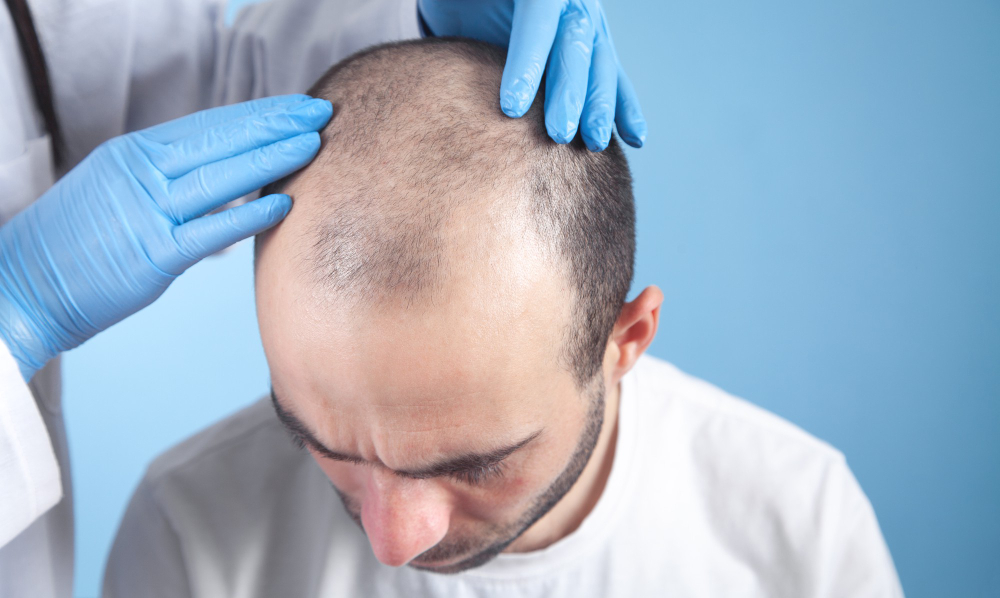

The right consultation can save you from the wrong surgery.
That is why consultation questions for hair transplant matter so much. A hair transplant is not just about moving grafts from one area to another. It is about diagnosing why you are losing hair, deciding whether surgery makes sense now, and planning for how your hair will look years from today, not just a few months after the procedure.
A strong consultation should feel educational, not transactional. You should leave with a clearer understanding of your hair loss pattern, donor supply, surgical options, and what kind of result is realistic for your age, hair characteristics, and long-term goals.
Why the consultation matters more than most patients expect
Many people start by comparing techniques. They ask whether FUE is better than FUT, whether robotic extraction is more advanced, or how many grafts they might need. Those are reasonable questions, but they are not the first questions that matter.
The first issue is whether you are a good candidate for surgery at all. Some patients need medical treatment first. Others are losing hair too rapidly to design a stable hairline. Some already had surgery elsewhere and need corrective planning, scar revision, or a more conservative approach because donor hair is limited.
This is where physician-led evaluation makes a difference. A proper assessment looks at scalp condition, family history, miniaturization, donor density, hair caliber, texture, and the pattern of future loss. For women, hormonal and medical causes can be especially important. For men, the main question is often not just how to restore hair, but how to do it without creating a result that looks unnatural later.
Consultation questions for hair transplant that actually matter
1. Am I a good candidate for a hair transplant right now?
This should be your opening question. Not everyone who wants a transplant should have one immediately. If your hair loss is still evolving quickly, if your donor area is weak, or if there is an untreated scalp or medical issue, surgery may need to wait.
A trustworthy answer should explain why you are or are not a candidate today. It should not assume surgery is the only path forward.
2. What is causing my hair loss?
This sounds basic, but it is often skipped. Male and female pattern hair loss are common, but they are not the only causes. Hormonal shifts, inflammation, traction, scarring conditions, stress-related shedding, nutritional issues, and prior surgical damage can all affect planning.
If the cause is not clear, the consultation should not pretend otherwise. Sometimes the best next step is diagnostic testing or scalp analysis before discussing graft counts.
3. What procedure is best for me, and why?
A real consultation should match the procedure to the patient, not the other way around. FUE, FUT strip, DHI, ARTAS robotic FUE, no-shave FUE, long-hair FUE, body hair transplant, beard transplant, eyebrow transplant, and corrective surgery all have a place. None is automatically right for everyone.
For example, FUE may appeal to patients who want shorter hairstyles or less linear scarring, while FUT can still be the better choice in some cases where maximizing graft yield matters. No-shave or long-hair FUE may fit patients who need discretion for professional reasons. Corrective patients may need a more strategic plan than a first-time patient with stable pattern loss.
If the recommendation is credible, it should include trade-offs, not just benefits.
4. How many grafts do you think I need, and how are you estimating that?
Patients often focus on graft numbers because it feels concrete. But the number alone does not tell you much unless it is tied to a design plan. A consultation should explain how grafts relate to the size of the area being treated, your donor capacity, and the density that is realistically achievable.
A very high graft estimate is not always a sign of better planning. Sometimes it signals overharvesting or poor long-term strategy. The better question is whether the proposed number supports a natural result while preserving donor hair for the future.
5. What will my hairline design look like over time?
Hairline planning is where artistry and restraint matter most. A younger, lower, denser hairline may sound appealing in the room, but it can become difficult to support as hair loss progresses. Your surgeon should be able to explain how your age, facial structure, ethnicity, hair characteristics, and likely future loss affect the design.
This is especially important for transgender hair restoration, female hairline refinement, and repair cases. Natural results come from proportion and foresight, not from placing the line as low as possible.
6. Who will perform the critical parts of the procedure?
This question is more important than many patients realize. In hair restoration, outcomes depend heavily on who designs the case, extracts the grafts, creates recipient sites, and places the grafts. Clinics vary widely in how much of the procedure is physician-performed versus delegated.
You want a direct answer about who does what. If a physician is deeply involved in the surgical steps that shape the final result, that matters.
7. What kind of result is realistic for my hair type and donor supply?
Honest expectations are a sign of quality care. Fine hair behaves differently than coarse hair. Curly hair can create more visual coverage than straight hair. Contrast between hair and scalp color affects how full the result looks. Scar tissue from past procedures can change what is possible.
The right consultation should make you feel informed, not sold to. If someone promises full density in a single session for every patient, caution is warranted.
Questions about recovery, safety, and long-term planning
8. What will recovery actually look like for me?
Ask about downtime in practical terms. When can you return to work, exercise, social events, and travel? Will the transplanted area need to be shaved? How visible will healing be? When should shedding start, and when does growth usually become noticeable?
The answer should reflect the specific method recommended. Recovery after FUT differs from FUE. No-shave and long-hair approaches may reduce immediate detectability, but they still require aftercare and realistic expectations.
9. What are the risks in my case?
Every surgery has risks, even when performed well. In hair restoration, that may include shock loss, poor growth, visible scarring, overharvesting, unnatural angulation, infection, delayed healing, or dissatisfaction with density or design. Some patients have higher risk because of scalp laxity, prior surgery, inflammatory conditions, or limited donor reserves.
A serious consultation should address risk without dramatizing it. If risk is brushed aside, that is not reassuring. It is incomplete.
10. What is the long-term plan if I keep losing hair?
This is one of the smartest consultation questions for hair transplant because surgery should never be planned as if hair loss stops on the day of the procedure. If native hair continues to thin, you may need medical therapy, regenerative treatment, future sessions, or a deliberately conservative design now.
Long-term planning is where comprehensive clinics stand apart. Some patients need only surgery. Others do better with a combination of transplant and non-surgical treatment to stabilize loss and protect the result.
11. If surgery is not my best next step, what are my alternatives?
This may be the most revealing question of all. A clinic that only offers one answer tends to give one answer. But many patients benefit from medication, regenerative therapies, scalp micropigmentation, hormonal evaluation, or a staged plan before moving forward with surgery.
The best consultation is not the one that pushes you toward the most aggressive option. It is the one that helps you choose the right option.
What a good consultation should feel like
You should feel heard. Your concerns might be about a receding hairline, diffuse thinning, beard density, eyebrow restoration, or a prior transplant that never looked right. The consultation should address your specific problem, not force you into a standard script.
You should also feel educated. By the end, you should understand your diagnosis, candidacy, recommended treatment path, expected timeline, and the reasoning behind the plan. That level of clarity builds confidence because it respects your autonomy.
And you should never feel rushed. Hair restoration is highly personal. Patients in Scottsdale and Phoenix often come in after months or years of research, and they are right to be careful. A thoughtful consultation leaves room for questions, second thoughts, and decisions made on your timeline.
A simple way to judge the answers you get
Good answers are specific. They connect recommendations to your scalp, your donor area, your hair loss pattern, and your goals. Weak answers stay generic, avoid trade-offs, or keep circling back to sales language.
If you are meeting with a clinic, listen for nuance. Sometimes the best answer is yes, but not yet. Sometimes it is yes, with limitations. Sometimes it is no, and here is what will serve you better right now. That kind of honesty is what protects both your appearance and your donor supply.
Hair For Life Medical is built around that principle. Hair restoration works best when the consultation is treated as medical planning, not a pitch.
The right surgery starts with the right questions, but the real goal is bigger than that. You want a plan that still makes sense when the swelling is gone, the months have passed, and you are looking at your result in everyday life.