FUE for Beard-to-Scalp Hair Transplants: A Revolutionary Approach
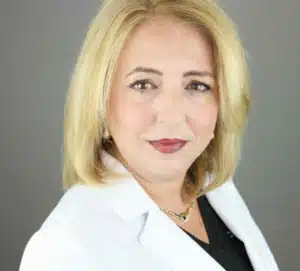
Dr Kelemen the founder of Hair 4 Life Medical
Hair transplantation has evolved significantly over the years, with advancements in Follicular Unit Extraction (FUE) providing more options for individuals experiencing hair loss. One of the fastest-growing techniques in modern hair restoration is beard-to-scalp FUE transplantation. This approach is proving to be an invaluable solution, particularly for patients with limited scalp donor hair.
At Hair 4 Life Medical, Dr. Kelemen specializes in advanced hair restoration techniques, including beard-to-scalp transplants, ensuring natural, high-quality results using state-of-the-art handheld FUE devices such as WAW, Ugraft, and Trivellini.
Why is Beard-to-Scalp FUE Growing in Popularity?
Traditional hair transplants rely on extracting donor follicles from the back and sides of the scalp, but in cases where these areas are depleted or insufficient, beard hair presents an alternative, highly effective donor source. This method is becoming increasingly popular due to its ability to provide stronger, thicker follicles while maintaining a minimally invasive approach.
Key Benefits of Beard-to-Scalp FUE:
1. A Powerful Alternative Donor Source
For patients with extensive hair loss (Norwood 5-7) or those who have undergone multiple transplants and have limited scalp donor hair, the beard serves as a reliable, high-yielding donor area. Hair 4 Life Medical specializes in utilizing beard follicles to restore density without overharvesting the scalp.
2. Thicker Hair for Better Density
Beard hair is naturally thicker and more robust, making it ideal for enhancing volume in the mid-scalp and crown. While it differs from scalp hair in texture, proper placement and blending techniques by an experienced surgeon like Dr. Kelemen ensure a seamless transition.
3. Higher Graft Survival Rate
Due to its deep-rooted structure, beard hair tends to have better survival rates post-transplant, reducing the risk of shock loss. With the use of precision FUE devices like WAW and Trivellini, the extraction process ensures minimal trauma to follicles.
4. Ideal for Scar Coverage and Repair Cases
Patients with visible scarring from previous FUT (strip method) transplants or trauma can benefit from beard-to-scalp transplants. Beard follicles are denser and can effectively camouflage scars while adding natural coverage.
5. Minimal Scarring and Faster Recovery
Since beard hair is extracted using handheld motorized FUE tools, the process leaves tiny, nearly invisible punch marks that heal quickly. Within 3-5 days, patients can resume their daily routines with minimal downtime.
Who is a Good Candidate for Beard-to-Scalp Transplantation?
❌ Patients with very sparse beard hair. ❌ Those with active skin conditions affecting the face or scalp. ❌ Individuals expecting identical texture to scalp hair.
The Beard-to-Scalp FUE Procedure: What to Expect
Step 1: Consultation & Personalized Planning
Dr. Kelemen performs a detailed evaluation, mapping out the recipient area and determining the number of grafts required.
Step 2: Beard Follicle Extraction
Using precision FUE devices (WAW, Ugraft, or Trivellini), individual beard hairs are extracted from under the chin and jawline.
Step 3: Recipient Site Preparation
Small incisions are made on the scalp to ensure a natural hair growth pattern, maintaining proper angles and directions.
Refraining from intense physical activity for a few days.
Addressing Common Concerns
1. Will Beard Hair Look Natural on the Scalp?
Yes! While beard hair is coarser, advanced implantation techniques ensure a gradual transition, making the results appear completely natural.
2. Can You Mix Beard and Scalp Hair in One Procedure?
Absolutely! At Hair 4 Life Medical, we often blend both donor sources to create a more balanced, natural outcome.
3. How Long Does it Take to Heal?
Beard donor sites heal in 3-5 days, while the transplanted area follows the standard hair transplant recovery timeline (initial shedding, followed by regrowth in 3-6 months).
4. Will It Leave Noticeable Scars on My Face?
No! Using micro-FUE techniques, beard extraction leaves tiny, unnoticeable scars that fade over time.
Beard-to-Scalp FUE vs. Traditional Hair Transplants
Feature
Beard-to-Scalp FUE
Scalp-to-Scalp FUE
FUT (Strip Method)
Donor Source
Beard
Scalp
Scalp
Hair Texture
Thicker
Natural scalp match
Natural scalp match
Healing Time
3-5 days
7-10 days
2-3 weeks
Scarring
Minimal, dot-like
Minimal, dot-like
Linear scar
Ideal for
Crown & density
Hairline & general restoration
High graft count needs
Why Choose Dr. Kelemen & Hair 4 Life Medical for Your Beard-to-Scalp FUE?
1. Expertise in Advanced FUE Techniques
Dr. Kelemen utilizes the latest motorized handheld devices (WAW, Ugraft, and Trivellini) to ensure precise extractions and optimal graft survival.
Hair 4 Life Medical incorporates state-of-the-art technology, resulting in minimally invasive, high-yield hair transplants.
Final Thoughts: Is Beard-to-Scalp FUE Right for You?
With the rising popularity of beard-to-scalp hair transplants, more individuals are experiencing natural, life-changing results. If you have limited scalp donor hair and are looking for an effective alternative, this technique could be the perfect solution.
Book a Consultation with Hair 4 Life Medical Today!
https://hairforlifeaz.com/wp-content/uploads/2024/01/beard-transplant-7.jpg427292Ioan A Kelemenhttps://hairforlifeaz.com/wp-content/uploads/2024/02/Hair-for-Life-Medical-Logo-web.pngIoan A Kelemen2025-02-11 20:28:022026-01-21 19:10:30FUE for Beard-to-Scalp Hair Transplants: A Revolutionary Approach
Eyebrow transplants have gained popularity as a permanent solution for sparse or over-plucked brows. Unlike temporary fixes such as microblading, an eyebrow hair transplant offers natural, long-lasting results by using a patient’s own hair. However, achieving the perfect outcome requires precision, artistry, and advanced techniques.
2. Advanced Extraction Methods for Optimal Graft Survival
Using state-of-the-art FUE devices, top surgeons extract fine hairs, typically from the nape of the neck or behind the ears, as these hairs closely resemble eyebrow strands. Proper extraction ensures:
Minimal scarring and faster healing.
High graft survival rates.
A soft, natural appearance.
Why FUE is the Preferred Method
FUE (Follicular Unit Extraction) is the gold standard for eyebrow transplants because:
It is minimally invasive, reducing recovery time.
It avoids linear scarring, unlike strip harvesting.
Since transplanted hairs retain their donor-site characteristics, they may grow longer than natural eyebrow hairs. Patients should:
Trim brows regularly to maintain ideal length.
Use eyebrow grooming tools (scissors, spoolies) to shape brows.
Follow up with their surgeon for any concerns or touch-ups.
6. Who is a Good Candidate for an Eyebrow Transplant?
Ideal candidates include those who have:
Over-plucked or naturally sparse brows.
Hair loss due to genetics, trauma, or medical conditions.
A desire for fuller, more defined eyebrows.
Who May Not Be a Good Candidate?
Those with active skin conditions (eczema, psoriasis) near the brows.
Patients with unrealistic expectations about density and shape.
Individuals prone to poor wound healing due to medical conditions.
7. The Cost and Investment in Eyebrow Transplantation
The cost of an eyebrow transplant varies based on:
The number of grafts needed (typically 200-400 per brow).
The clinic’s reputation and surgeon’s expertise.
Geographic location.
While an eyebrow transplant is an investment, it provides permanent, natural results, making it more cost-effective than repeated microblading sessions.
8. Alternative Eyebrow Enhancement Methods
For those unsure about an eyebrow transplant, alternatives include:
Microblading: Semi-permanent tattooing to create the illusion of fuller brows.
Brow serums: Growth-promoting products with mixed effectiveness.
Eyebrow tattoos: Permanent, but often less natural-looking than transplants.
Conclusion: Why Expertise Makes All the Difference
A great eyebrow transplant is a blend of medical skill and artistic precision. At Hair 4 Life Medical, Dr. Kelemen ensures natural, long-lasting results by using advanced technology and customized treatment plans.
Thinking About an Eyebrow Transplant? Schedule a Consultation Today!
https://hairforlifeaz.com/wp-content/uploads/2024/06/eyebrow1-600x450-1.jpg450600Ioan A Kelemenhttps://hairforlifeaz.com/wp-content/uploads/2024/02/Hair-for-Life-Medical-Logo-web.pngIoan A Kelemen2025-02-07 19:00:282026-01-21 19:10:29The Key to a Great Eyebrow Hair Transplant
Why Ethical Surgeons Refuse Hair Transplants for Patients with Unrealistic Expectations
Dr Kelemen the founder of Hair 4 Life Medical
This is a topic that comes up often. When Dr Kelemen feels that the expectations are unrealistic or the patient is not doing anything about keeping his current hair loss, i.e. LLLLT, medication etc.
Hair transplantation is a transformative procedure that restores not only hair but also confidence. However, not every patient is a suitable candidate. Ethical hair transplant surgeons, including Dr. Kelemen at Hair 4 Life Medical, sometimes refuse to perform procedures when they identify unrealistic expectations that could lead to dissatisfaction or poor results.
Understanding why doctors take this approach can help patients make informed decisions and achieve long-term success with hair restoration.
1. The Science of Hair Transplantation: Understanding the Limitations
Hair transplants do not create new hair; they redistribute existing hair from a donor area to a balding or thinning region. This means the number of available grafts is finite, and expectations must align with reality. Ethical surgeons assess:
Start growing immediately after surgery (it takes 3-4 months for initial growth!).
Never fall out post-transplant (shock loss is normal).
Be maintenance-free (ongoing care is essential to prevent further balding).
Since full results take 12-18 months, ethical doctors ensure patients have realistic timelines and expectations.
5. Psychological Considerations: Body Dysmorphia and Anxiety
Hair loss affects self-esteem, but some individuals suffer from Body Dysmorphic Disorder (BDD), leading to obsession over minor flaws. Warning signs include:
Extreme dissatisfaction even after successful surgeries.
Unrealistic demands for “perfection.”
Frequent consultations with different doctors.
A responsible surgeon will decline surgery and refer patients to a mental health specialist if necessary.
6. Patients Who Reject Maintenance Treatments
Hair transplants move hair follicles but do not stop progressive hair loss. Those unwilling to consider medications or future procedures may be setting themselves up for disappointment. Ethical doctors stress the importance of:
Finasteride (for men) and minoxidil to stabilize hair loss.
Lifestyle changes (nutrition, stress management) to improve hair health.
A good surgeon will prioritize long-term planning over immediate results.
8. Unrealistic Expectations About Cost and Procedure
Hair transplantation is an investment. Patients expecting high-density, full-coverage results at a bargain price often fall victim to subpar clinics with:
Conducting thorough consultations to assess candidacy.
Using advanced handheld FUE devices (WAW, Ugraft, Trivellini) for superior precision.
Educating patients on realistic expectations before proceeding.
Declining procedures when expectations are unachievable.
Prioritizing long-term success over immediate gains.
Conclusion: Ethical Hair Transplants Lead to Better Results
A successful hair transplant isn’t just about performing the surgery—it’s about ensuring realistic, sustainable results. Ethical doctors refuse procedures when expectations are unrealistic, harmful, or medically unfeasible. This protects patients from disappointment, poor outcomes, and unnecessary financial loss.
If you’re considering a hair transplant, consult with an expert like Dr. Kelemen at Hair 4 Life Medical. With a commitment to honest assessments, advanced technology, and patient satisfaction, you’ll receive the best guidance for long-term success.
Are You a Good Candidate? Schedule a Consultation Today!
https://hairforlifeaz.com/wp-content/uploads/2023/03/doctor-hands-patient-head-hair-growth.jpg5981000Ioan A Kelemenhttps://hairforlifeaz.com/wp-content/uploads/2024/02/Hair-for-Life-Medical-Logo-web.pngIoan A Kelemen2025-02-07 07:54:212026-03-19 17:39:33Why Ethical Surgeons Refuse Hair Transplants for Patients with Unrealistic Expectations
Why FUE via Handheld Motorized Devices Trumps All Other Hair Transplant Methods
Dr Kelemen the founder of Hair 4 Life Medical
Introduction
The field of hair transplantation has evolved dramatically over the past two decades, with Follicular Unit Extraction (FUE) emerging as the gold standard for achieving natural, minimally invasive results. While traditional strip surgery (FUT) and early automated systems like Neograft and SmartGraft have played roles in advancing the field, the most superior technique today involves FUE performed with handheld motorized devices.
This article explores why FUE via handheld motorized devices outperforms all other methods in terms of precision, graft survival, customization, and patient outcomes.
Expertise Matters: Dr. Kelemen & Hair 4 Life Medical
When considering a hair transplant, the experience of the surgeon plays a crucial role in the success of the procedure. Dr. Kelemen, a highly respected specialist in hair restoration, has performed numerous successful hair transplants utilizing advanced handheld motorized FUE devices. His expertise, combined with the cutting-edge technology and personalized care at Hair 4 Life Medical, ensures that patients receive the best possible results tailored to their specific needs.
One of the biggest challenges in hair transplantation is ensuring that harvested grafts survive and thrive after implantation. Compared to other techniques, handheld motorized FUE devices significantly improve survival rates by:
Reducing mechanical stress on follicles (no vacuum-based suction, as seen in Neograft and SmartGraft).
Allowing for immediate hydration of extracted grafts to prevent desiccation.
Ensuring minimal trauma to the surrounding tissue, which promotes faster healing and better graft retention.
Patients require fewer secondary procedures to achieve their desired look.
3. Customization for Every Hair Type
Not all patients have the same hair characteristics, and a one-size-fits-all approach does not work in hair restoration. FUE with handheld motorized devices enables surgeons to adapt the technique to:
Different hair textures, including curly, wavy, and straight hair.
Various follicle diameters, adjusting punch size accordingly to avoid unnecessary trauma.
Diverse scalp conditions, from soft to fibrous tissue.
Why This Matters:
Patients with curly or coarse hair (such as African or Middle Eastern hair types) benefit from a tailored approach that minimizes damage.
The ability to customize extraction improves natural-looking results, even in complex cases.
4. More Natural-Looking Hairlines & Density Control
One of the most critical factors in a successful hair transplant is how natural the results look. FUE with handheld motorized devices allows for:
Meticulous placement of follicles to mimic natural hair growth patterns.
Customized angulation and density, ensuring a seamless blend with existing hair.
Finer recipient site incisions, reducing trauma and promoting more precise healing.
Why This Matters:
No “pluggy” or artificial-looking results, as seen in older transplant methods.
Ability to create high-density restorations, even in high-exposure areas like the hairline.
5. Faster Healing and Minimal Scarring
Unlike FUT (strip surgery), which leaves a linear scar, and older FUE methods that cause excessive trauma, handheld motorized FUE devices offer:
Minimal scarring, with tiny extraction sites that heal within days.
Faster post-op recovery, allowing patients to return to their routine quickly.
Less pain and discomfort, since the procedure is minimally invasive.
Why This Matters:
Patients who want to wear short hairstyles won’t have visible scars.
Faster healing times mean minimal downtime, making the procedure more convenient.
6. More Grafts in a Single Session
Unlike early FUE techniques that were time-consuming and labor-intensive, modern handheld motorized devices enable surgeons to extract and implant more grafts in a single session without compromising quality.
Efficient motorized punches allow for faster extraction without overheating or damaging follicles.
Advanced cooling techniques help preserve grafts throughout the procedure.
Highly skilled surgeons can implant thousands of grafts in one session, reducing the need for multiple surgeries.
Why This Matters:
Patients with extensive hair loss can achieve fuller coverage in fewer sessions.
More grafts per session = cost-effective treatment with long-lasting results.
Final Verdict: Why FUE via Handheld Motorized Devices Wins
In the world of hair restoration, not all FUE methods are created equal. While automated systems and older transplant techniques have had their place in history, modern handheld motorized FUE devices have set the new standard for excellence.
Key Takeaways:
✅ Highest precision in graft extraction and placement. ✅ Higher graft survival rates, leading to denser, more natural results. ✅ Customization for all hair types, ensuring the best outcome for every patient. ✅ Minimal scarring and faster recovery, making it ideal for all lifestyles. ✅ Superior surgeon control, eliminating the risks of technician-led procedures.
Looking for the Best Hair Transplant? Choose Dr. Kelemen & Hair 4 Life Medical
https://hairforlifeaz.com/wp-content/uploads/2024/09/Downpic.cc-2498379687.jpg260390Ioan A Kelemenhttps://hairforlifeaz.com/wp-content/uploads/2024/02/Hair-for-Life-Medical-Logo-web.pngIoan A Kelemen2025-02-07 07:42:412026-01-21 19:10:28Why FUE via Handheld Motorized Devices Trumps All Other Hair Transplant Methods
Why FUE is More Popular Than FUT Hair Transplant: Key Reasons and Benefits
Dr Kelemen the founder of Hair 4 Life Medical
When it comes to hair restoration procedures, two of the most common and widely recognized techniques are Follicular Unit Extraction (FUE) and Follicular Unit Transplantation (FUT). Both methods are effective in treating hair loss, but over the years, FUE has become far more popular than FUT, and there are several compelling reasons for this shift in preference.
In this blog post, we’ll dive into the key differences between FUE and FUT and explore why FUE hair transplants have gained more popularity, both among patients and surgeons alike.
What is FUE?
Follicular Unit Extraction (FUE) is a minimally invasive hair transplant technique where individual hair follicles are extracted directly from the donor area (usually the back or sides of the scalp) using a specialized punch tool. These follicles are then transplanted into the balding or thinning areas of the scalp.
Unlike FUT, FUE does not involve removing a strip of scalp tissue. Instead, the process is performed using tiny incisions, leaving minimal scarring and promoting faster recovery times.
One of the most significant advantages of FUE over FUT is the minimal scarring it leaves behind. With FUE, the extraction of individual follicles results in tiny, dot-like scars that are barely noticeable, even when the hair is cut short. This is a major selling point for patients who want the option to wear their hair short after the procedure without worrying about visible scars.
In contrast, FUT leaves a linear scar on the donor area, which can be more noticeable, especially if the patient prefers to keep their hair short. The desire for less visible scarring has driven many patients toward FUE, particularly those who prioritize aesthetics.
2. Faster Recovery Time
FUE generally offers a faster recovery than FUT. Since FUE doesn’t involve removing a strip of skin, the wounds are smaller, and the healing process is quicker. Most patients experience less post-operative discomfort and swelling with FUE, allowing them to return to their normal activities sooner.
FUT, on the other hand, involves a more invasive process where the donor area requires sutures or staples, leading to a longer recovery time and potentially more discomfort during the healing phase.
3. Less Invasive Procedure
Patients and surgeons alike prefer FUE because it’s a less invasive procedure compared to FUT. Since there’s no need to remove a large strip of tissue from the scalp, FUE reduces the chances of complications, such as infection or excessive bleeding. This also makes the procedure less daunting for individuals who may be hesitant to undergo surgery.
With FUT, the larger wound and suturing required for closing the donor area create a more invasive experience, often accompanied by greater post-operative discomfort.
4. More Flexibility in Donor Area
FUE provides more flexibility when it comes to choosing the donor area. Hair follicles can be extracted from various parts of the scalp, and in some cases, even from other parts of the body (known as Body Hair Transplantation or BHT). This flexibility is especially useful for patients with limited donor hair on the scalp or for those undergoing repair procedures.
In contrast, FUT limits the donor area to a strip of scalp, usually at the back of the head. This restricts the number of usable follicles, making it less ideal for individuals who need a large number of grafts or have limited donor availability.
5. Natural-Looking Results
FUE is widely regarded for its ability to deliver natural-looking results. Since individual follicles are transplanted with precision, the hairline and overall hair distribution appear more seamless and natural. Surgeons can carefully select and place follicles to mimic the patient’s natural hair growth patterns.
While FUT can also produce natural results, the presence of a linear scar and the larger grafts involved in the strip method may make the results less refined, especially when working on the hairline or areas of thinner hair.
6. Comfort During and After the Procedure
FUE is generally considered more comfortable for patients, both during and after the procedure. Local anesthesia is used to numb the scalp, and the use of smaller instruments means less trauma to the scalp tissue. The minimally invasive nature of FUE contributes to a smoother and more comfortable recovery period, with fewer reports of pain or tightness in the donor area.
On the other hand, FUT can result in more discomfort, particularly in the donor area where the strip was removed. Patients may feel tightness or discomfort in the area where sutures were used, and the recovery process is typically longer and more uncomfortable compared to FUE.
7. Scalp Tightness After FUT
A common side effect of FUT is scalp tightness, particularly in the area where the strip was removed. The stretching of the skin during suturing can cause patients to feel discomfort or tightness, which may persist for several weeks or even months. In some cases, this tightness can limit the scalp’s flexibility in future hair restoration procedures.
In contrast, FUE does not involve cutting or stretching the scalp tissue, meaning patients are unlikely to experience any tightness in the scalp following the procedure.
8. Advancements in FUE Technology
Over the years, FUE has benefited from significant technological advancements, making the procedure more precise and efficient. Modern handheld devices, such as manual punches and automated extraction tools, have improved the accuracy and speed of follicle extraction. This reduces the risk of damage to the follicles and increases the chances of successful transplantation.
While FUT remains a reliable technique, it has not seen the same level of technological innovation as FUE, making it less appealing to patients and surgeons who prefer cutting-edge methods.
9. Lower Risk of Post-Surgical Complications
Because FUE is less invasive and doesn’t involve large incisions or suturing, it carries a lower risk of post-surgical complications such as infection, swelling, or excessive bleeding. The smaller wounds created by FUE heal faster and are less prone to complications, which contributes to its growing popularity among patients.
FUT, on the other hand, carries a higher risk of complications due to the larger wound in the donor area. The recovery period often requires more careful post-operative care to avoid infection and ensure proper healing of the sutures.
10. Patient Preference for Discretion
In today’s world, many patients value discretion when it comes to cosmetic procedures. FUE allows patients to undergo hair restoration without making it obvious that they’ve had surgery. Since there is no need for a full head shave (as with No Shave FUE), and the scars are virtually invisible, patients can return to their daily lives without raising any suspicion.
FUT, with its linear scar, can be more challenging to conceal, particularly for individuals who prefer shorter hairstyles.
When FUT Might Still Be Preferred
While FUE has become the more popular option, FUT still has its place in certain scenarios. For example:
Larger Sessions: FUT may be preferred for patients who require a large number of grafts in a single session since the strip method allows for a higher yield of hair follicles.
Thicker Donor Hair: In cases where the patient has thick hair in the donor area, FUT may be a better option for achieving the desired density in the recipient area.
Cost Considerations: FUT can be more cost-effective than FUE for larger procedures since it is less time-intensive.
However, in most cases, the advantages of FUE outweigh the benefits of FUT for patients who prioritize minimal scarring, faster recovery, and a more comfortable overall experience.
Conclusion
The popularity of FUE hair transplants continues to grow due to its numerous advantages over the traditional FUT method. From minimal scarring and faster recovery to more natural results and patient comfort, FUE has established itself as the go-to choice for hair restoration.
Whether you’re considering a hair transplant for the first time or exploring your options for a more discreet and comfortable experience, FUE offers a superior solution that aligns with the needs and preferences of modern patients. With technological advancements and continued improvements in technique, FUE is likely to remain the dominant choice for hair transplants for years to come.
If you’re ready to take the next step in your hair restoration journey, schedule a consultation with Dr. Kelemen and the team at Hair 4 Life Medical. Your confidence and a full head of hair are just a procedure away.
Ready to transform your look? Schedule a paid consultation with Dr. Kelemen today and discover why Hair 4 Life Medical is Arizona’s trusted leader in hair restoration.
Interested in learning more?Contact Us or call Hair 4 Life at (480) 525-4547 to schedule an appointment.
https://hairforlifeaz.com/wp-content/uploads/2025/01/Hair-Transplant-FUE-01.png10682560Brian Bemohttps://hairforlifeaz.com/wp-content/uploads/2024/02/Hair-for-Life-Medical-Logo-web.pngBrian Bemo2025-02-04 09:56:352026-02-18 12:13:24Why FUE is More Popular Than FUT Hair Transplant: Key Reasons and Benefits
Why Neograft and SmartGraft Are Losing Popularity: A Deep Dive into the Decline of Automated Hair Transplants
Dr Kelemen the founder of Hair 4 Life Medical
Hair transplantation has undergone rapid advancements over the past decade, with cutting-edge techniques offering higher graft survival rates, more natural-looking results, and improved patient experiences. While Neograft and SmartGraft were once considered revolutionary, their popularity has declined in favor of more precise and customizable methods like advanced handheld devices such as WAW, Ugraft, and Trivellini.
This article explores the reasons behind the decline of Neograft and SmartGraft, comparing them with newer, more effective alternatives.
Understanding Neograft and SmartGraft: The Initial Appeal
Both Neograft and SmartGraft are automated Follicular Unit Extraction (FUE) systems designed to simplify the hair transplant process. Their main selling points include:
Automated suction extraction, reducing the manual labor involved in harvesting grafts.
Faster procedure times, allowing for more grafts to be extracted quickly.
Less invasive techniques compared to traditional strip surgery.
However, despite these advantages, these systems have fallen out of favor as more advanced techniques have emerged.
1. Higher Follicle Trauma and Lower Survival Rates
One of the primary reasons for the decline of Neograft and SmartGraft is their suction-based extraction mechanism. While automated extraction speeds up the process, it also increases the risk of follicle damage, leading to lower graft survival rates.
Suction extraction applies mechanical stress on hair follicles, potentially damaging the root structure.
Higher transection rates mean that fewer grafts survive, leading to thinner, less dense results.
Compared to modern handheld FUE techniques, where each graft is carefully extracted and preserved, Neograft and SmartGraft fall short in maintaining graft integrity.
Better Alternatives:
WAW, Ugraft, and Trivellini devices use precision extraction methods, ensuring that grafts are harvested with minimal trauma.
Neograft and SmartGraft are often marketed to clinics without specialized hair transplant surgeons. The automated nature of these systems allows technicians, rather than doctors, to perform a significant portion of the procedure.
Lower level of surgical expertise can lead to inconsistent results.
Less control over angulation and placement affects the final appearance of the transplant.
In contrast, modern handheld FUE procedures require direct surgeon involvement, ensuring more precise and customized results.
Curly or coarse hair types, such as those in African American patients, do not respond well to suction-based extraction.
Patients with fine or weak donor hair need a more delicate approach to avoid damaging the follicles.
WAW, Ugraft, and Trivellini devices allow for greater customization in hair direction, angulation, and placement, providing more natural and long-lasting results.
4. Inferior Natural-Looking Results
A successful hair transplant depends on proper follicle placement, angulation, and density control. Automated systems like Neograft and SmartGraft struggle with:
Creating a natural hairline, as they lack precise control over implantation.
Achieving high-density results, especially in larger bald areas.
Matching the existing hair’s natural growth pattern, leading to an artificial appearance.
Custom-cut blades allow for precise incisions, ensuring seamless blending with existing hair.
5. Longer Recovery Times and Higher Risk of Complications
Although marketed as minimally invasive, Neograft and SmartGraft can lead to:
Longer healing times due to increased trauma from suction extraction.
Higher rates of scarring, especially for patients with sensitive scalps.
Increased risk of folliculitis (inflammation of hair follicles) due to imprecise implantation.
Why Newer Techniques Are Better:
WAW, Ugraft, and Trivellini create finer incisions, leading to faster healing and less inflammation.
Custom-cut blades allow for clean, precise recipient site creation, reducing trauma and improving recovery time.
6. Patients Are Becoming More Informed
With the rise of online reviews and educational resources, patients are now better informed about the pros and cons of different hair transplant methods. Many are moving away from Neograft and SmartGraft in favor of clinics that offer more advanced, surgeon-led procedures.
Social media and patient testimonials highlight better results with WAW, Ugraft, and Trivellini devices.
More transparency in the industry means patients can distinguish between technician-led and surgeon-led procedures.
7. Cost vs. Value: The Investment in Better Techniques
Conclusion: The Shift Towards Superior Hair Restoration Methods
While Neograft and SmartGraft paved the way for automation in hair transplants, their limitations have made them less desirable as newer, more refined techniques emerge.
Key Takeaways:
WAW, Ugraft, and Trivellini offer superior results due to precise follicle handling and implantation.
Custom-cut blades allow for better density, natural angles, and a seamless hairline.
Patients now prioritize quality and surgeon-led procedures, reducing demand for automated hair transplant systems.
Higher graft survival rates and lower trauma make newer techniques a better long-term investment.
Considering a Hair Transplant? Choose the Right Technique
If you’re looking for a natural, long-lasting hair transplant, consult with an experienced hair restoration specialist to explore WAW, Ugraft, or Trivellini techniques. Investing in the right technique ensures you achieve fuller, more natural results with minimal risk.
For expert guidance, schedule a consultation with a top-rated hair transplant surgeon today and take the first step toward restoring your hair with confidence!
If you’re ready to take the next step in your hair restoration journey, schedule a consultation with Dr. Kelemen and the team at Hair 4 Life Medical. Your confidence and a full head of hair are just a procedure away.
Ready to transform your look? Schedule a paid consultation with Dr. Kelemen today and discover why Hair 4 Life Medical is Arizona’s trusted leader in hair restoration.
Interested in learning more?Contact Us or call Hair 4 Life at (480) 525-4547 to schedule an appointment.
https://hairforlifeaz.com/wp-content/uploads/2024/10/smartgraft.png660486Ioan A Kelemenhttps://hairforlifeaz.com/wp-content/uploads/2024/02/Hair-for-Life-Medical-Logo-web.pngIoan A Kelemen2025-02-03 16:35:342025-12-20 20:05:34Why Neograft and SmartGraft Are Losing Popularity: A Deep Dive into the Decline of Automated Hair Transplants
Why Custom-Cut Blades Trump DHI and Sapphire Blade in Hair Transplantation
Dr Kelemen the founder of Hair 4 Life Medical
Hair transplantation technology has evolved significantly, leading to various advanced methods such as Direct Hair Implantation (DHI) and Sapphire Blade Follicular Unit Extraction (FUE). While these techniques have gained popularity due to their precision and minimal scarring, custom-cut razor blades are emerging as a superior alternative for many patients.
In this article, we will compare the benefits of custom-cut blades against DHI and Sapphire Blade FUE, exploring how they enhance hair transplant results and why many top surgeons are turning to this method.
What is Hair Transplantation?
Hair transplantation is a surgical procedure that involves extracting hair follicles from a donor site—typically the back of the head—and implanting them in areas experiencing hair loss. The choice of tools and techniques significantly impacts the final results, including graft survival, scarring, and natural hair density.
The three main hair transplant methods used today are:
DHI Hair Transplant (Direct Hair Implantation): Uses an implanter pen to insert follicles without pre-made incisions.
Sapphire Blade FUE Hair Transplant: Utilizes ultra-sharp sapphire blades to create precise incisions before implantation.
Custom-Cut Blades for Hair Transplantation: These blades are individually tailored to match the patient’s graft size, ensuring optimal placement, density, and healing.
What Are Custom-Cut Razor Blades in Hair Transplantation?
Custom-cut blades refer to surgical razor blades that are modified to exact specifications based on a patient’s follicle size, scalp type, and transplant goals. Unlike pre-manufactured sapphire blades, these blades can be tailored to create micro-incisions that perfectly fit the harvested grafts, leading to better healing and enhanced natural results.
How Custom-Cut Blades Work in Hair Restoration
Blade Preparation: The surgeon cuts the razor blades to the required size for the patient’s hair grafts.
Incision Making: Custom-cut blades are used to create recipient site incisions with unparalleled precision.
Graft Implantation: Follicles are placed into the incisions at the correct angle, direction, and depth, ensuring natural hair growth.
Healing and Growth: The scalp heals efficiently with reduced trauma, leading to higher graft survival rates.
Why Custom-Cut Blades Trump DHI and Sapphire Blade Methods
1. Higher Precision and Natural Hairline Design
One of the key advantages of custom-cut blades is their ability to create incisions that precisely match the size of the hair grafts. This results in:
Better control over hairline design, ensuring natural aesthetics.
A perfect fit for each graft, reducing unnecessary tissue exposure and minimizing the risk of follicle damage.
2. Less Tissue Trauma and Faster Healing
Compared to sapphire blades and DHI pens, custom-cut blades cause less damage to surrounding tissue. Studies show that reduced trauma leads to:
Faster post-operative healing
Lower risk of inflammation or infection
Less visible scarring, particularly important for patients with shorter hairstyles
3. Superior Graft Survival Rates
Grafts implanted using custom-cut blades have a higher survival rate because:
The incision size is perfectly matched to the follicle size, reducing graft desiccation.
The angle and depth are precisely controlled, ensuring proper blood supply for new hair growth.
Unlike DHI, which keeps follicles outside the body longer, custom-cut blades allow for quicker implantation.
4. Customization for Different Hair Types
Not all patients have the same hair type or scalp conditions. Custom-cut blades offer:
Personalized blade sizes based on hair thickness and density.
Flexibility in technique, accommodating different ethnic hair types, curly or wavy textures, and varying scalp conditions.
5. Greater Density and Natural Growth Patterns
Achieving a natural-looking hair transplant requires precise control over graft placement. Custom-cut blades allow for:
More accurate angulation, mimicking natural hair growth patterns.
Improved blending with existing hair, avoiding an artificial appearance.
6. Cost-Effectiveness and Efficiency
While DHI hair transplant procedures are often more expensive due to the specialized implanter pens used, custom-cut blades are a cost-effective alternative that delivers superior results. Benefits include:
Lower procedural costs
Shorter surgical time, reducing patient discomfort
Higher return on investment, as the results are long-lasting and require fewer touch-ups
Comparing Custom-Cut Blades, DHI, and Sapphire Blade FUE
Use medications such as antibiotics and anti-inflammatory drugs as recommended.
Sleep in an elevated position to minimize swelling.
Refrain from strenuous activities for at least two weeks.
Follow a healthy diet and stay hydrated to support new hair growth.
Final Verdict: Are Custom-Cut Blades the Future of Hair Transplants?
While DHI and Sapphire Blade FUE have proven effective, custom-cut razor blades offer superior precision, reduced trauma, and a more natural-looking outcome. The ability to tailor incisions to each patient’s unique hair characteristics makes this method a game-changer in the field of hair restoration.
If you’re considering a hair transplant and want the best possible results, consult with an expert like Dr. Kelemen at Hair 4 Life Medical to discuss whether custom-cut blades are the right choice for you.
https://hairforlifeaz.com/wp-content/uploads/2025/02/hair-transplant-chisled-blades.jpg225300Ioan A Kelemenhttps://hairforlifeaz.com/wp-content/uploads/2024/02/Hair-for-Life-Medical-Logo-web.pngIoan A Kelemen2025-02-03 09:25:182026-02-18 12:13:53Why Custom-Cut Blades Trump DHI and Sapphire Blade in Hair Transplantation
DHI vs. Sapphire Blade: Which Hair Transplant Method is Right for You?
Dr Kelemen the founder of Hair 4 Life Medical
Hair transplantation has come a long way, and two of the most advanced techniques today are Direct Hair Implantation (DHI) and the Sapphire Blade FUE (Follicular Unit Extraction) method. Both promise natural results with minimal scarring, but they differ in procedure, tools, and effectiveness. If you’re considering a hair transplant, this guide will help you understand the key differences to make an informed choice.
Understanding Hair Transplantation
Hair transplantation is a surgical technique that involves extracting hair follicles from a donor site—typically the back of the head—and implanting them in areas experiencing hair loss. The success of the procedure depends on various factors, including the method used, the expertise of the surgeon, and post-operative care.
Both DHI and Sapphire Blade FUE are advanced procedures that improve upon traditional hair transplant methods. By leveraging modern technology and precision tools, these techniques enhance graft survival, minimize scarring, and promote natural-looking results.
Expertise Matters: Dr. Kelemen & Hair 4 Life Medical
When considering a hair transplant, the experience of the surgeon plays a crucial role in the success of the procedure. Dr. Kelemen, a highly respected specialist in hair restoration, has performed numerous successful hair transplants, utilizing both DHI and Sapphire Blade FUE techniques. His expertise, combined with the advanced technology and personalized care at Hair 4 Life Medical, ensures that patients receive the best possible results tailored to their specific needs.
What is DHI (Direct Hair Implantation)?
DHI is a modern hair transplant technique that uses a specialized implanter pen to directly implant hair follicles into the scalp. This method eliminates the need to create incisions beforehand, making the procedure more precise and efficient.
How DHI Works
Hair follicles are extracted from the donor area using a micro punch tool.
The extracted follicles are placed in a storage solution to maintain viability.
Using a Choi Implanter Pen, the surgeon directly implants the follicles into the recipient area.
Minimal Scarring: Less invasive compared to traditional methods, making it ideal for patients seeking discreet results.
Cons of DHI:
Longer Procedure Time: The meticulous process can take longer than other hair transplant techniques.
Higher Cost: Typically more expensive due to specialized tools and expertise required.
Limited Grafts Per Session: May not be suitable for individuals requiring large-area coverage.
What is Sapphire Blade FUE?
Sapphire Blade FUE is an advanced version of the traditional FUE method that uses ultra-sharp sapphire blades to create micro-channels in the recipient area before implanting the follicles. The use of sapphire blades enhances precision and reduces tissue damage.
How Sapphire Blade FUE Works
Hair follicles are extracted from the donor area using a micro punch tool.
The surgeon uses a sapphire blade to create micro-incisions in the recipient area.
Extracted follicles are manually implanted into these incisions.
The transplanted hair follows natural hair growth patterns, leading to a natural look.
Pros of Sapphire Blade FUE:
Faster Healing Time: Sapphire blades create cleaner incisions, leading to quicker recovery.
Higher Density Potential: More grafts can be implanted in a single session, making it suitable for extensive hair loss.
Less Trauma to Scalp: Sapphire blades minimize tissue damage, reducing post-operative discomfort.
Reduced Risk of Infection: Sapphire’s antimicrobial properties help lower the risk of infections during recovery.
Cons of Sapphire Blade FUE:
Requires Pre-Made Incisions: Unlike DHI, this technique involves an extra step, which may slightly extend healing time.
Less Precision in Placement: While still effective, it lacks the implantation control that the DHI method provides.
If you have limited donor hair, DHI may maximize the survival and effectiveness of available grafts.
A thorough consultation with a qualified hair transplant specialist, such as Dr. Kelemen at Hair 4 Life Medical, is essential to determine the best technique for your specific needs.
Post-Procedure Care & Recovery
Regardless of the method chosen, post-operative care is crucial for achieving optimal results. Here are some general guidelines:
Follow Your Surgeon’s Instructions: Adhering to aftercare guidelines helps prevent complications and promotes healing.
Avoid Touching or Scratching the Scalp: Newly implanted follicles are delicate and need time to settle.
Use Recommended Medications: Antibiotics, pain relievers, and anti-inflammatory medications help reduce discomfort and minimize infection risks.
Avoid Heavy Exercise: Strenuous activities should be avoided for at least two weeks to prevent excessive sweating and strain.
Sleep with Your Head Elevated: This helps reduce swelling and promotes better healing.
For expert guidance and personalized treatment, Dr. Kelemen and the team at Hair 4 Life Medical offer comprehensive consultations to help you make the best decision for your hair restoration journey.
Are you considering a hair transplant? Contact Hair 4 Life Medical today to schedule a consultation with Dr. Kelemen and take the first step toward restoring your hair and confidence!
If you’re ready to take the next step in your hair restoration journey, schedule a consultation with Dr. Kelemen and the team at Hair 4 Life Medical. Your confidence and a full head of hair are just a procedure away.
Ready to transform your look?
Schedule a paid consultation with Dr. Kelemen today and discover why Hair 4 Life Medical is Arizona’s trusted leader in hair restoration.
Interested in learning more?Contact Us or call Hair 4 Life at (480) 525-4547 to schedule an appointment.
https://hairforlifeaz.com/wp-content/uploads/2025/02/dhi.jpeg474474Ioan A Kelemenhttps://hairforlifeaz.com/wp-content/uploads/2024/02/Hair-for-Life-Medical-Logo-web.pngIoan A Kelemen2025-02-03 08:44:362026-03-09 19:29:27DHI vs. Sapphire Blade: Which Hair Transplant Method is Right for You?
No Shave FUE vs. Long Hair FUE: The Major Differences in Hair Transplant Techniques
Dr Kelemen the founder of Hair 4 Life Medical
When it comes to hair transplantation, the techniques and options available today are more varied and advanced than ever before. Patients seeking to restore their hair now have a variety of choices tailored to meet their specific needs and preferences. Among the most popular methods are No Shave FUE (Follicular Unit Extraction) and Long Hair FUE.
These techniques offer discreet solutions for hair restoration, but while they share similarities, there are key differences that patients need to understand to choose the best option for their unique situation. In this blog post, we’ll explore the major differences between No Shave FUE and Long Hair FUE, how they work, and what makes them suitable for different types of patients.
What is No Shave FUE?
No Shave FUE is a type of hair transplant technique where the patient’s existing hair remains unshaved or partially shaved, offering a highly discreet option for those who don’t want their surgery to be obvious. Traditionally, most FUE hair transplants require the donor area (usually the back and sides of the scalp) to be completely shaved so that hair follicles can be extracted easily. However, with No Shave FUE, the surgeon carefully extracts individual follicular units from the donor area without the need for a full shave.
Here’s how No Shave FUE works:
Partial Shave: In some cases, a small portion of the donor area may be shaved, but this area is hidden under the longer surrounding hair, making it unnoticeable.
Minimal Visibility: Since the donor area is either unshaven or only partially shaved, the procedure leaves no obvious signs of surgery, allowing the patient to return to their daily activities without anyone noticing.
What is Long Hair FUE?
Long Hair FUE, also known as Unshaven FUE, takes discretion one step further by allowing the patient to keep their hair long during the procedure. Unlike traditional FUE or No Shave FUE, where at least part of the hair is shaved, Long Hair FUE involves transplanting long hair strands along with their follicles.
Here’s how Long Hair FUE works:
Instant Results: One of the main benefits of Long Hair FUE is that the patient can immediately see the effects of the transplant since the transplanted hair is already long. Unlike traditional transplants, where the patient has to wait for the hair to grow out, Long Hair FUE gives an instant cosmetic result.
Temporary Results: It’s important to note that the transplanted long hair will eventually shed within a few weeks (a normal part of the hair growth cycle), and the permanent growth will begin after the initial shedding phase.
Major Differences Between No Shave FUE and Long Hair FUE
No Shave FUE: In this method, partial shaving of the donor area is required. However, some portions of the scalp may need to be trimmed to access the donor follicles more easily.
No Shave FUE: After the transplant, the cosmetic results are not immediately visible. Patients will need to wait for the transplanted hair to grow, and during this time, the newly implanted follicles will go through a shedding phase, similar to any other FUE procedure.
Long Hair FUE: The cosmetic results are instantly visible because the hair transplanted is already long. Patients can walk out of the clinic with an immediate improvement in their hair density, although the long hair will shed before the permanent growth phase begins.
3. Time-Intensive Process
No Shave FUE: Since no full head shave is required, No Shave FUE takes longer to perform than traditional FUE. The surgeon must carefully select and extract the donor follicles while working around the existing hair.
Long Hair FUE: This method is even more time-intensive because the surgeon is not only extracting the follicles but also ensuring that the long hair strands attached to each follicle are intact during the process. The precision required makes the procedure longer, and often only a limited number of grafts can be transplanted per session.
4. Ideal Candidates
No Shave FUE: This technique is suitable for individuals who want to keep their hair restoration surgery discreet but don’t mind waiting a few months for the final results to show. It’s ideal for people with medium to long hair who want to avoid a full head shave.
Long Hair FUE: This method is best for individuals who are looking for immediate cosmetic improvements and don’t want to alter their hairstyle at all. It’s particularly popular with individuals who have long hair and want to maintain their current look right after surgery.
5. Cost
No Shave FUE: Because of the extra time and precision required to perform No Shave FUE, it generally costs more than traditional FUE. However, it is still more affordable than Long Hair FUE.
Long Hair FUE: This is one of the most expensive hair transplant methods due to the time, skill, and meticulous attention required to transplant long hair. The procedure is more complex, and only a limited number of clinics offer this service.
Advantages of No Shave FUE
Discreet: Patients can undergo the procedure without anyone noticing, as there is no visible shaving in the donor area.
Low Impact: Patients can return to work and daily activities relatively quickly, with minimal signs of having undergone surgery.
Natural Results: The results of No Shave FUE are natural, and once the transplanted hair grows out, it blends seamlessly with the existing hair.
Advantages of Long Hair FUE
Immediate Results: Patients walk out of the clinic with an immediate boost in hair density, making it one of the most satisfying procedures for individuals who want quick results.
No Hairstyle Change: Long Hair FUE allows patients to keep their hairstyle throughout the procedure, with no need to shave any part of the scalp.
Discreet and Elegant: There is no obvious sign of surgery, making it an ideal choice for professionals or individuals in the public eye who want to maintain their appearance.
Disadvantages of No Shave FUE
Time-Intensive: Since no shaving occurs, the surgeon has to take more time to extract the follicles, making the procedure longer than traditional FUE.
Shedding Phase: Like traditional FUE, the transplanted hair will go through a shedding phase, and patients will need to wait several months for new growth to appear.
Disadvantages of Long Hair FUE
Temporary Results: Although the long hair provides an immediate aesthetic improvement, this hair will shed in a few weeks, and patients will still need to wait for the permanent growth phase.
Limited Availability: Few clinics offer this technique, and it requires highly skilled surgeons to perform successfully.
Which One is Right for You?
Both No Shave FUE and Long Hair FUE offer excellent solutions for individuals seeking discreet hair restoration, but the choice depends on your specific needs and preferences. If you’re looking for a procedure that provides immediate cosmetic results without altering your hairstyle, Long Hair FUE might be the best option. However, if you’re okay with waiting for results but want a more affordable option that doesn’t require a full shave, No Shave FUE could be the right choice.
It’s important to consult with a qualified hair restoration surgeon who can assess your hair loss, goals, and lifestyle to help you choose the best technique for your situation.
Conclusion
As hair transplant technology continues to evolve, patients now have more options than ever before. No Shave FUE and Long Hair FUE represent two of the most advanced techniques for discreet hair restoration, offering patients the ability to restore their hair without making drastic changes to their appearance.
By understanding the key differences between these methods, including shaving requirements, cosmetic outcomes, procedure time, and cost, you can make an informed decision about which approach best suits your needs. Whether you choose No Shave FUE for its subtlety or Long Hair FUE for its immediate results, both techniques offer impressive solutions for achieving natural-looking, long-lasting hair restoration.
If you’re ready to take the next step in your hair restoration journey, schedule a consultation with Dr. Kelemen and the team at Hair 4 Life Medical. Your confidence and a full head of hair are just a procedure away.
Ready to transform your look?
Schedule a paid consultation with Dr. Kelemen today and discover why Hair 4 Life Medical is Arizona’s trusted leader in hair restoration.
Interested in learning more?Contact Us or call Hair 4 Life at (480) 525-4547 to schedule an appointment.
https://hairforlifeaz.com/wp-content/uploads/2024/09/IMG_2712-scaled.jpg20501538Brian Bemohttps://hairforlifeaz.com/wp-content/uploads/2024/02/Hair-for-Life-Medical-Logo-web.pngBrian Bemo2025-02-02 09:17:172026-03-25 11:53:49No Shave FUE vs. Long Hair FUE: The Major Differences in Hair Transplant Techniques
The Role of Mild Hyperbaric Oxygen Therapy (HBOT) in Post-Operative Hair Transplant Care: Dr. Kelemen’s Advanced Approach
Dr Kelemen the founder of Hair 4 Life Medical
In the rapidly evolving world of hair restoration, technological and medical advances are shaping the way physicians’ approach both the procedure itself and the post-operative care that follows. One such advancement that is making waves in the industry is the integration of mild Hyperbaric Oxygen Therapy (HBOT) as part of post-operative treatment protocols.
At the forefront of this innovation is Dr. Kelemen, who has developed a reputation for utilizing state-of-the-art techniques in hair transplantation, ensuring not only superior results but also faster and smoother recovery for her patients. In her post-operative care regimen, she incorporates mild Hyperbaric Oxygen Therapy to promote rapid healing, reduce inflammation, and improve overall patient outcomes.
In this 2000-word blog post, we’ll explore the science behind Hyperbaric Oxygen Therapy, its unique benefits in the context of hair transplant recovery, and why Dr. Kelemen believes this therapy is a game-changer for her patients.
What is Hyperbaric Oxygen Therapy (HBOT)?
Hyperbaric Oxygen Therapy (HBOT) is a treatment method that involves breathing pure oxygen in a pressurized environment, typically within a chamber. Under these conditions, oxygen levels in the body’s blood plasma increase significantly, allowing oxygen to be delivered to tissues more efficiently and in greater quantities than under normal atmospheric pressure.
The treatment is well-known for its ability to promote healing in a variety of medical conditions, ranging from wound care to neurological recovery. In the context of hair transplantation, it has emerged as an effective post-operative treatment because it speeds up the body’s natural healing processes and provides essential oxygen to damaged tissues.
Mild HBOT typically involves lower pressure (between 1.3 and 1.5 atmospheres) than traditional hyperbaric therapy, making it both safe and comfortable for patients to undergo.
The Hair Transplant Process and Post-Operative Needs
To understand why HBOT is so beneficial in the context of hair transplantation, it’s important to first explore what the hair transplant process entails.
Follicular Unit Extraction (FUE), Sapphire FUE, and Direct Hair Implantation (DHI) are some of the most common hair transplant methods used today. These techniques involve extracting individual hair follicles from the donor area and implanting them into thinning or balding areas of the scalp.
While modern hair transplantation is a minimally invasive procedure, it still involves creating micro-incisions in both the donor and recipient areas. These tiny wounds need time to heal, and during the recovery process, the newly transplanted hair follicles must establish themselves in their new location. This phase is critical because ensuring the survival of these delicate follicles is essential for achieving long-lasting, natural-looking results.
Post-operative care, therefore, focuses on minimizing complications such as infection, inflammation, swelling, and poor graft survival. This is where Hyperbaric Oxygen Therapy comes in.
Why Does Dr. Kelemen Use Mild Hyperbaric Oxygen Therapy (HBOT) for Post-Operative Care?
Dr. Kelemen incorporates mild Hyperbaric Oxygen Therapy as part of her post-operative protocol because it addresses several key factors that affect recovery and hair transplant success. Here are the top reasons why she chooses to use HBOT after hair transplant procedures:
1. Accelerated Wound Healing
One of the primary benefits of mild HBOT is its ability to accelerate wound healing. After a hair transplant, the scalp—both in the donor and recipient areas—needs time to heal from the incisions and trauma caused by the procedure. HBOT provides a boost to the body’s natural healing mechanisms by increasing the amount of oxygen available to the healing tissues.
The pressurized environment in the HBOT chamber allows oxygen to dissolve more easily into the blood plasma. This oxygen-rich blood is then delivered to areas of the scalp where it aids in the regeneration of cells and speeds up the formation of new blood vessels (angiogenesis). This means faster recovery for patients, allowing them to see results sooner and with fewer post-surgical issues.
2. Reduction of Inflammation and Swelling
Inflammation and swelling are common side effects after any surgical procedure, including hair transplantation. These responses are part of the body’s healing process, but when they become excessive, they can delay recovery and negatively impact the patient’s comfort.
Dr. Kelemen uses mild HBOT to help reduce inflammation and swelling in the scalp following surgery. The increased oxygen flow helps to clear out inflammatory molecules from the tissue, decreasing fluid build-up and reducing swelling. As a result, patients experience less discomfort and can return to their normal routines more quickly.
3. Improved Graft Survival
One of the most crucial factors in hair transplant success is the survival of the transplanted hair grafts. These hair follicles are delicate and can be vulnerable to environmental stress, lack of oxygen, and nutrient deficiencies during the critical initial period after transplantation.
By increasing oxygen delivery to the scalp, HBOT improves the survival rate of hair grafts. Oxygen helps nourish the newly transplanted follicles, allowing them to integrate into the scalp tissue more effectively and start producing new hair. This leads to better overall results for patients, with higher follicle survival rates and improved hair density.
4. Minimized Risk of Infection
A common concern in any post-surgical procedure is the risk of infection, particularly when dealing with small incisions and open wounds. HBOT enhances the body’s natural defense mechanisms by increasing oxygenation, which boosts immune function.
Oxygen is essential for white blood cell activity, which helps fight off potential infections in the surgical area. By improving the immune response, HBOT reduces the likelihood of complications such as infections, further supporting a smooth recovery process.
5. Enhanced Collagen Production and Tissue Repair
Oxygen is a key factor in the production of collagen, which plays a significant role in tissue repair and wound healing. Collagen is a protein that forms the structural framework for the skin and other tissues. After a hair transplant, collagen helps the skin regenerate and close the micro-incisions created during the procedure.
HBOT promotes collagen production by delivering a higher concentration of oxygen to the scalp, allowing the body to repair tissues more efficiently and with less scarring. This can also improve the cosmetic outcome of the procedure, ensuring that the scalp heals cleanly and without visible marks.
6. Overall Improved Recovery Time
Patients undergoing mild HBOT as part of their post-operative care often experience faster recovery times compared to those who do not receive this treatment. By addressing the core factors that impact recovery—wound healing, inflammation, graft survival, and infection risk—HBOT accelerates the entire recovery process, allowing patients to resume their normal activities sooner and with less discomfort.
Dr. Kelemen’s commitment to providing her patients with the best possible post-operative care ensures that they achieve optimal results from their hair transplants. Mild Hyperbaric Oxygen Therapy is one of the many tools she uses to make this possible.
The Science Behind Hyperbaric Oxygen Therapy
The benefits of Hyperbaric Oxygen Therapy are well-documented across a variety of medical fields. The mechanism of action behind HBOT is relatively straightforward: under normal atmospheric conditions, the amount of oxygen that can be dissolved into the bloodstream is limited by the body’s natural saturation point.
However, under increased pressure, oxygen is able to dissolve not only into red blood cells but also into the plasma, which significantly increases the overall oxygen-carrying capacity of the blood. This oxygen-rich plasma is then able to reach tissues that may be oxygen-deprived due to injury, poor circulation, or surgical trauma.
When applied in a post-surgical context, as in the case of a hair transplant, this increased oxygen delivery allows the body to heal faster, reduce inflammation more effectively, and improve overall tissue regeneration.
Conclusion: A Game-Changing Approach to Hair Transplant Recovery
At Hair 4 Life Medical, Dr. Kelemen has earned a reputation for combining cutting-edge surgical techniques with innovative post-operative care solutions, such as mild Hyperbaric Oxygen Therapy. This advanced therapy has transformed the way patients recover from hair transplant procedures, offering faster healing, improved graft survival, reduced risk of complications, and a more comfortable recovery process.
By incorporating HBOT into her post-operative treatment plans, Dr. Kelemen ensures that her patients experience the best possible outcomes, both in terms of aesthetics and long-term hair growth. Her commitment to patient care, combined with her use of advanced technology, sets her practice apart as a leader in the field of hair restoration.
If you’re considering a hair transplant and want to ensure the smoothest recovery with optimal results, Dr. Kelemen’s use of Hyperbaric Oxygen Therapy may be the key to achieving the best possible outcome for your hair restoration journey.
If you’re ready to take the next step in your hair restoration journey, schedule a consultation with Dr. Kelemen and the team at Hair 4 Life Medical. Your confidence and a full head of hair are just a procedure away.
Ready to transform your look?
Schedule a paid consultation with Dr. Kelemen today and discover why Hair 4 Life Medical is Arizona’s trusted leader in hair restoration.
Interested in learning more?Contact Us or call Hair 4 Life at (480) 525-4547 to schedule an appointment.
https://hairforlifeaz.com/wp-content/uploads/2025/01/V320.jpg316474Brian Bemohttps://hairforlifeaz.com/wp-content/uploads/2024/02/Hair-for-Life-Medical-Logo-web.pngBrian Bemo2025-02-01 12:44:332026-01-08 16:21:42The Role of Mild Hyperbaric Oxygen Therapy in Post-Operative Hair Transplant Care


 Hair 4 Life Medical