Hair 4 Life Medical: Redefining Hair Restoration in Arizona
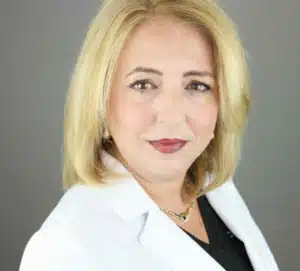
Dr Kelemen the founder of Hair 4 Life Medical
In a world where hair restoration has often been defined by limited options, assembly-line procedures, and sales-driven clinics, Hair 4 Life Medical stands apart. Founded on the principles of clinical excellence, artistry, and patient-first care, our mission is simple: to redefine what hair restoration means—one patient at a time.
We don’t follow trends. We set new standards.
A Personalized Approach in a One-Size-Fits-All Industry
At Hair 4 Life Medical, every procedure is performed exclusively by me, Dr. Ramona Kelemen—not by technicians or trainees. Why? Because I believe that your hair restoration deserves a surgeon’s precision, not just a machine’s repetition.
From consultation to final graft placement, you’ll work with a single, experienced physician who understands the delicate blend of medical science and aesthetic design that true hair restoration demands.
This hands-on approach allows us to:
Design natural hairlines that complement your unique facial structure
ARTAS Robotic FUE for unmatched precision and consistency
WAW DUO System for gentler, more efficient graft harvesting
UGraft Zeus for challenging hair types and body hair extraction
Cole Punch & Manual FUE for tailored, surgeon-controlled results
Long Hair FUE for no-shave procedures and discreet healing
By offering every major device, we can match the tool to the patient—instead of forcing the patient to adapt to one system.
Introducing Regenera Activa: A Non-Surgical Breakthrough
Hair 4 Life Medical is also proud to be among the first in the United States to offer Regenera Activa, an advanced cellular regeneration treatment that uses your body’s own regenerative cells to combat early-stage hair loss.
This minimally invasive procedure is ideal for both men and women seeking to slow down shedding, thicken existing hair, or enhance surgical results.
Women’s Hair Restoration: Finally, a Practice That Understands
Hair loss in women is often misunderstood and under-treated. At our clinic, we take a thoughtful, dignified approach to female hair restoration. Whether it’s hormonal thinning, traction alopecia, or post-menopausal hair loss, we offer solutions specifically tailored for women—including DHI, Long Hair FUE, and regenerative treatments.
Your hair loss is real. Your treatment should be, too.
Why Patients Trust Hair 4 Life Medical
One doctor. One plan. One result. You’ll never be passed from salesperson to technician. Your journey is personal, and so is our care.
A forward-looking vision. We’re not content with “good enough.” Every technique, every graft, every patient matters.
Hair Restoration, the Right Way
Hair loss affects more than just your appearance—it can change how you see yourself. At Hair 4 Life Medical, we restore more than hair; we restore confidence, dignity, and control.
We don’t chase trends. We perfect technique. And we do it one patient at a time.
Schedule your consultation today and experience the future of hair restoration, delivered with the care, precision, and results you deserve.
Ready to learn more?
Book a 45–60 minute consultation with Dr. Kelemen at Hair 4 Life Medical to get a customized, honest assessment of your hair restoration options.
🔹 Considering a hair transplant? Contact Hair 4 Life Medical for a personalized consultation!
Demystifying Micro FUE and the Sapphire Blade Technique: Separating Fact from Marketing
Dr Kelemen the founder of Hair 4 Life Medical
Introduction: Why Patients Deserve Clarity
Hair transplant patients today face an overload of flashy marketing terms: Micro FUE, Sapphire blade technique, Dense Packing, Robotic precision. Each promises to be “the next big thing.” But in reality, many of these phrases are refinements of existing methods—not revolutionary breakthroughs.
Micro FUE and the Sapphire blade technique are two of the most talked-about terms in recent years. Both sound advanced, but what do they actually mean? And more importantly, should you care?
This guide will break down the truth, dispel myths, and explain why surgical skill—not buzzwords—ultimately defines your results.
A Brief History of FUE and Its Refinements
To understand Micro FUE and Sapphire blades, we need to look back.
1990s: FUT (strip method) dominated. Surgeons removed a strip of scalp, leaving a linear scar.
Early 2000s: FUE (Follicular Unit Extraction) emerged. Instead of removing strips, grafts were taken individually. This eliminated long scars, though it required more precision.
Mid-2000s: Punch sizes were reduced (1.0–1.2 mm → 0.8–0.9 mm), lowering scarring and speeding healing.
2010s: Surgeons refined techniques, introduced specialized punches, and tools like WAW, ARTAS robot, Cole, Ugraft.
Key Point: Every decade has seen refinements, but the fundamentals of FUE remain the same: remove grafts one by one, then place them in tiny incisions. The difference lies in how precisely this is done.
What is Micro FUE?
Definition
Micro FUE is essentially FUE done with ultra-fine punches, typically between 0.7 mm and 0.9 mm. The “micro” label refers to the reduced punch size—not a new surgical technique.
Benefits of Micro FUE
Reduced scarring: Smaller punches leave smaller marks, often undetectable.
More natural hairlines: Tiny grafts allow precise placement at the hairline.
Bottom Line: Micro FUE is a refinement of FUE. It works best when tailored to the patient—not used as a blanket marketing promise.
The Devices Behind Micro FUE
When clinics advertise “Micro FUE,” what they often don’t explain is that this is the standard approach of today’s most advanced handheld devices. Systems like the WAW DUO, Ugraft, Cole System, and Trivellini are all designed to harvest using micro-sized punches.
These devices combine refined engineering with oscillation, vibration, or suction-assisted technology to minimize transection rates (graft damage) and maximize yield. What separates them isn’t the punch size—they’re all in the micro range—but rather how well the surgeon can control the device.
Limitations of Micro FUE
Hair type sensitivity: Coarse or curly grafts can be damaged with very small punches.
Surgeon dependent: A skilled doctor can harvest efficiently; an inexperienced one may transect (destroy) grafts.
Time-intensive: Smaller punches take longer—meaning fewer grafts per day.
Bottom Line: Micro FUE is not just about the punch size—it’s about using the right tool (WAW, Ugraft, Cole, Trivellini) in the right hands, tailored to the patient’s hair type and goals.
Comparing the Most Advanced Micro FUE Devices
While many clinics advertise “Micro FUE” as if it were a unique procedure, the truth is that today’s top handheld devices all use micro-sized punches. What matters most is how they are engineered and how well the surgeon controls them.
Device
Key Feature(s)
Advantages
Considerations
WAW DUO (Belgium)
Oscillating punch system with controlled movement
Minimizes graft transection, excellent for consistent extractions, gentle on donor area
Requires advanced skill to handle; best in experienced hands
Ugraft (Dr. Umar, USA)
Specialized punches with suction-assisted extraction
Great for curly/afro-textured hair, reduces torsion damage, good graft survival
More time-intensive, requires careful surgeon control
At Hair 4 Life Medical, Dr. Ramona Kelemen performs 100% of the transplant herself for up to 1500 grafts. She doesn’t delegate critical steps to technicians—an increasingly rare standard in the U.S. This ensures Micro FUE and Sapphire blade techniques are used correctly, not as marketing gimmicks.
Beyond 1500 grafts Dr Kelemen is assisted by ONE technician, Jessica, who has been by her side for 20 years. Together they are known as the Magic DUO! Why? Because there is no other team anywhere that can accomplish the results in the time they can!
Recovery After Micro FUE with Sapphire Blades
What Patients Can Expect
Day 1–3: Redness, mild swelling, scabs forming.
Day 4–7: Scabs fall off, most discomfort subsides.
The surgeon—not the tool—makes or breaks the result.
At Hair 4 Life Medical, Dr. Ramona Kelemen combines every refinement in the field—Micro FUE, Sapphire blades, advanced devices like WAW DUO, ARTAS, Cole, Ugraft—with the rare standard of solo-performed surgery. That’s why patients consistently achieve natural, lasting, and transformative outcomes.
Conclusion: Beyond Buzzwords
If you’re considering a hair transplant, don’t be swayed by flashy names. Ask the right questions:
Does the clinic rely on technicians, or is the surgeon hands-on?
Are they skilled with multiple tools, or only one method?
The truth is simple: Micro FUE and Sapphire blades are refinements, not revolutions. In the right surgeon’s hands, they’re powerful tools. In the wrong hands, they’re just marketing words.
https://hairforlifeaz.com/wp-content/uploads/2025/02/WAWanimationFUE.jpg408612Brian Bemohttps://hairforlifeaz.com/wp-content/uploads/2024/02/Hair-for-Life-Medical-Logo-web.pngBrian Bemo2025-05-08 09:18:032026-03-19 17:39:36Demystifying Micro FUE and the Sapphire Blade Technique: Separating Fact from Marketing
Bogus Marketing Schemes: When a Paid Site Names You the “Best Hair Transplant Doctor in the World”
Dr Kelemen the founder of Hair 4 Life Medical
Introduction
In today’s information-overloaded world, consumers increasingly rely on online rankings and curated lists to make major decisions. From selecting a restaurant to choosing a healthcare provider, the “Top 10” format is everywhere. But when it comes to something as critical and personal as a hair transplant, you deserve more than a paid accolade and a clickbait title.
It’s disturbingly common to see clinics or physicians promoting themselves as the “#1 Hair Transplant Surgeon in the World” based on nothing more than a paid listing or vanity award. These rankings can be misleading, expensive for the patient, and potentially harmful if they push you toward the wrong practitioner or procedure.
In this comprehensive exposé, we dissect the world of bogus hair transplant marketing, expose the mechanics of “Top Doctor” lists, and equip you with the tools to distinguish real medical excellence from cleverly packaged hype.
We’ll also introduce you to a truly ethical and skilled physician, Dr. Kelemen of Hair 4 Life Medical, a board-certified doctor, certified trichologist, and a favorite among even other hair transplant professionals.
The Business of Buying Fame
How Paid Listings Work
The process of becoming a “Top Hair Transplant Doctor” in one of these lists is shockingly simple:
A marketing agency creates a website posing as a credible authority.
They publish a “Top 10” or “Top 50” list with no medical basis or doctors pay for it.
Clinics or physicians are offered top placement for a hefty fee—ranging from a few hundred to tens of thousands of dollars.
Those who pay are labeled “best” while those who decline are left out.
In essence, these lists are advertorials—paid promotions disguised as journalism.
Some websites even sell badges that doctors can embed on their homepage: “Best Hair Surgeon 2025.” These logos look official but often carry no merit. In fact, the same doctor can appear on different “Top 10” lists across multiple websites, each with a different #1 ranked doctor.
Who’s Behind the Lists?
Typically, these rankings are generated by:
Marketing firms
SEO agencies
PR companies
Paid review aggregators
Rarely are these lists compiled by:
Medical boards
Peer-reviewed journals
Patient advocacy organizations
Clinical research institutes
The Psychological Trap of “Best in the World”
Being called “the best” carries undeniable emotional influence. When you’re dealing with the stress of hair loss, it’s tempting to put your trust in someone who appears to be highly endorsed.
However, this can lead to:
Misplaced expectations
Financial regret
Poor surgical outcomes
Ask yourself:
What criteria was used to call them the best?
Is this award from a credible source or a blog with ads?
Do they list real patient results, or stock photos?
If it’s not backed by data, it’s not a fact.
Marketing Gimmicks in the Hair Transplant Industry
Let’s explore some of the most common and misleading marketing ploys in the hair restoration world:
1. The No-Touch Technique
This catchy name is often used to describe tools that reduce handling of grafts—but no transplant can occur without skilled human intervention. The phrase implies a miracle process that doesn’t exist.
2. “Stem Cell” Hair Transplants
Many of these are actually PRP (Platelet-Rich Plasma) or micrograft-based therapies. While PRP can improve follicle health, there is no FDA-approved stem cell therapy for hair restoration as of 2025.
3. Celebrity Endorsements
YouTube influencers and celebrities are often paid for endorsements. These videos might look like testimonials, but they can be scripted or heavily edited.
4. Graft Number Inflation
Some clinics promise to transplant 5000–7000 grafts in one day. While possible in rare cases, this often results in overharvesting, follicle trauma, or misleading definitions of “grafts.”
5. Artificial Scarcity
“We only treat 2 patients per month.” This strategy is designed to increase urgency and create an illusion of exclusivity.
6. Robot-Only Procedures
Robotics like ARTAS are tools—not replacements for surgical expertise. When overused or unmonitored, they can cause unnatural hairlines or poor graft survival.
Real Results Over Titles
Rather than focusing on flashy titles, consider these real metrics:
Emotional distress and distrust in the entire medical field
It’s not just about hair—it’s about your well-being, your appearance, and your self-confidence.
How to Spot a Real Hair Transplant Expert
Use this checklist when evaluating a clinic or physician:
✔ Board-certified medical doctor
✔ Performs surgery themselves
✔ Uses advanced tools and multiple FUE techniques
✔ Offers transparent, realistic consultations
✔ Has real patient before/after photos
✔ Is trusted by other professionals
✔ Has verifiable credentials and affiliations
Final Thoughts: Choose Integrity Over Image
The truth is, there is no single “Best Hair Transplant Surgeon in the World.”Hair restoration is complex, personal, and should be tailored to each patient—not based on who paid for a title.
What matters most is:
The doctor’s ethical standards
Their training and ongoing education
Their hands-on involvement in your care
Their ability to guide you through realistic expectations and best-fit procedures
If you want straight talk and advanced treatment options from a doctor who prioritizes your result—not their reputation—then schedule a consultation with Dr. Kelemen at Hair 4 Life Medical.
Book Your Consultation
Ready to separate hype from honesty? Get the facts from a real physician, not a paid blog post.
Contact Hair 4 Life Medical today and schedule your 45–60-minute consultation with Dr. Kelemen.
Let your hair restoration journey begin with science, integrity, and real results.
https://hairforlifeaz.com/wp-content/uploads/2024/07/shutterstock_711433687-scaled.jpg14402560Ioan A Kelemenhttps://hairforlifeaz.com/wp-content/uploads/2024/02/Hair-for-Life-Medical-Logo-web.pngIoan A Kelemen2025-05-01 22:19:172026-03-19 17:39:35Bogus Marketing Schemes: When a Paid Site Names You the “Best Hair Transplant Doctor in the World”
Introduction: Beard Grafts — A New Frontier, Rooted in Tradition
Dr Kelemen the founder of Hair 4 Life Medical
Hair transplantation has long been anchored in tradition, leaning heavily on the safe and reliable scalp donor area. For decades, surgeons have followed time-tested methods, honoring the natural design laid out by nature herself. Yet the world moves forward, and so too must we, without forgetting the principles that brought us this far.
Today, beard hair has emerged as a valuable, natural extension of donor resources, especially for patients with limited scalp reserves. But, like every advancement, it must be handled with wisdom and reverence. Beard grafts offer remarkable benefits, but they also demand cautious, skilled harvesting. In this article, we’ll take a clear, comprehensive look at how many grafts can be safely taken from the beard, what influences these numbers, and what every patient should know before trusting their face and scalp to the surgeon’s hand.
Beard hair is naturally robust. It’s thicker, stronger, and often more resilient to the effects of DHT (dihydrotestosterone) — the hormone responsible for pattern baldness. Where scalp hair softens and thins, beard hair remains defiant. It grows in single and double follicular units, providing exceptional strength for transplant purposes.
Comparison to Scalp Hair:
Beard hairs tend to be coarser, with a wider diameter.
Growth cycles are slightly different; beard hairs often have a shorter anagen (growth) phase.
Curl pattern varies; some beard hairs are straighter, others curlier.
Historical Perspective: Once seen as an experimental approach, beard hair transplantation has now entered the mainstream, but only when performed by surgeons trained in its intricacies. The old caution still applies: a master craftsman, not a hurried technician, should guide this work.
2. How Many Grafts Are Typically Available from the Beard?
General Numbers:
Most healthy beards yield 2,000–3,000 grafts.
Exceptionally dense beards can provide up to 5,000 grafts.
Breakdown by Region:
Chin and Jawline: Best quality grafts, dense and robust.
Cheeks and Upper Neck: Variable quality; thinner in some individuals.
Lower Neck: Often finer, sometimes unsuitable.
Factors Influencing Graft Numbers:
Genetic beard density.
Ethnic background (Middle Eastern, South Asian, Caucasian men often have denser beards).
Skin health and previous skin trauma.
The Golden Rule: Never harvest to “maximum capacity.” Always harvest to “optimal safety.” Leaving enough beard hair ensures natural, masculine facial aesthetics.
3. Beard Grafts vs. Scalp Grafts: Strengths and Weaknesses
Strengths of Beard Grafts:
Thick hair shafts build dense-looking coverage.
Strong resistance to future miniaturization.
Ideal for thickening crown areas, filling mid-scalp, or camouflaging scars.
Weaknesses:
Texture mismatch if used incorrectly, especially at the front hairline.
Growth pattern adjustment takes time.
Potential color mismatch, particularly in lighter-skinned individuals.
Where Beard Grafts Shine:
Crown restoration.
Mid-scalp density.
Scar repair.
Where They Should Be Used Sparingly:
Front hairlines.
Temple points.
The old wisdom stands: beard grafts are a supplement, not a substitute.
4. How Are Beard Grafts Harvested?
FUE Technique:
Follicular Unit Extraction (FUE) remains the method of choice.
Harvesting Tools:
Manual punch: provides precision and minimizes trauma.
Motorized punch: speeds up harvesting but risks higher transection if rushed.
12–18 Months: Final maturation, softer texture adaptation.
Patience is Paramount: Rome wasn’t built in a day. Neither is a great hair transplant.
Conclusion: The Beard Graft — A Proud New Chapter in Hair Transplant History
The road to restoration is paved with respect for tradition and openness to innovation. Beard grafts, when harvested and placed skillfully, have earned their place alongside scalp grafts as a valuable tool in the hands of a master surgeon.
However, this is not a place for haste or half-measures. Beard graft harvesting requires judgment, artistry, and deep respect for the patient’s natural design. The right surgeon sees not just hair, but harmony.
When done properly, a beard-to-scalp transplant is more than a procedure. It is a testament to resilience, resourcefulness, and timeless craftsmanship.
In a world that races forward, let us move with it — with both feet firmly grounded in the principles that have always guided the best outcomes: patience, skill, and respect for nature’s design.
https://hairforlifeaz.com/wp-content/uploads/2023/10/Ideal-Candidates-for-BHT.jpg6671000Brian Bemohttps://hairforlifeaz.com/wp-content/uploads/2024/02/Hair-for-Life-Medical-Logo-web.pngBrian Bemo2025-04-28 10:19:222026-02-21 13:38:21Introduction: Beard Grafts — A New Frontier, Rooted in Tradition
FUE Mega Session: Combining Beard and Scalp Hair for Maximum Restoration
Dr Kelemen the founder of Hair 4 Life Medical
When advanced hair loss demands more than a standard procedure, a FUE Mega Session—harnessing both beard and scalp grafts—becomes the ultimate solution. At Hair 4 Life Medical, Dr. Ramona Kelemen leads the charge, offering patients up to 5,500+ grafts in a single session for unrivaled density, natural blending, and permanent results.
A FUE (Follicular Unit Extraction) Mega Session refers to a single, extended hair transplant procedure that delivers a very high number of grafts—typically 3,000 to 6,000+—in one sitting. Unlike traditional sessions, which may be capped around 2,000 grafts, a mega session maximizes coverage and density for patients with advanced hair loss (Norwood III–VI).
Key Points:
Single-Day Procedure: Completed in one extended session (8–12 hours).
High Graft Count: Often exceeds 5,000 follicles.
Beard & Scalp Sources: Utilizes both beard hair and scalp hair for diversity.
By combining donor sources, patients achieve thicker coverage without overharvesting any one area. At Hair 4 Life Medical, we tailor each mega session to a patient’s unique pattern and donor availability.
Surgeon-Only Procedures: No outsourced technicians.
Variety of Tools: ARTAS, WAW DUO, Ugraft, SAFE System and manual techniques.
Ethical, Patient-Centered Care: Transparent pricing and realistic expectations.
Long Hair FUE & Regenera Activa: Unique offerings in Arizona.
With over 23 years of experience, Dr. Kelemen has pioneered approaches that prioritize artistry, safety, and patient satisfaction.
13. Conclusion & Next Steps
For those facing advanced hair loss, a FUE Mega Session combining beard and scalp grafts offers dramatic, natural results in a single transformative appointment.
https://hairforlifeaz.com/wp-content/uploads/2024/09/IMG_6655-rotated.jpg640480Brian Bemohttps://hairforlifeaz.com/wp-content/uploads/2024/02/Hair-for-Life-Medical-Logo-web.pngBrian Bemo2025-04-22 08:51:552026-01-31 15:17:08FUE Mega Session: Combining Beard and Scalp Hair for Maximum Restoration
The Art and Science of Hairline Design in Hair Transplant Surgery | Hair 4 Life Medical
Dr Kelemen the founder of Hair 4 Life Medical
Hairline design is one of the most critical aspects of a successful hair transplant. It’s where science, artistry, experience, and patient individuality meet. At Hair 4 Life Medical, we don’t take shortcuts. Led by Dr. Ramona Kelemen—recognized for her meticulous and ethical approach—we see hairline design not as a step in the process, but as the foundation for lifelong, natural-looking results.
Technologies That Support Precision Hairline Design
Final Thoughts: Why Experience is Everything in Hair Restoration
1. Introduction to Hairline Design
Hair restoration isn’t just about putting hair where it used to grow. It’s about recreating nature. The hairline is the first thing people notice—it frames the face, defines symmetry, and sets the tone for natural aesthetics. A poorly designed hairline will always look artificial, no matter how dense the grafts.
2. Why Hairline Design Matters in Hair Transplant Surgery
Without proper hairline design, even the most advanced techniques—like FUE (Follicular Unit Extraction) or robotic hair transplant systems—will fall short.
3. Anatomy of a Natural Hairline
A natural hairline has distinct features:
Transition zone: Soft and irregular, composed of single-hair grafts.
Frontal tuft: Slightly denser area behind the transition, offering strength.
Temporal points: Sharp angles that frame the face, especially in men.
Lateral humps: Side areas that help connect the front to the temples.
Each zone plays a critical role. Understanding their harmony is what separates artistic, surgeon-led transplants from cookie-cutter, technician-driven ones.
4. Factors That Influence Hairline Planning
No two hairlines are the same. That’s why at Hair 4 Life Medical, we assess:
Hairline repair procedures are difficult and costly—it’s best to get it right the first time with an experienced hair transplant surgeon.
8. Case Studies from Hair 4 Life Medical
Case 1: 36-year-old male, Norwood 3, received 2,800 grafts. Result: Natural M-shaped hairline with soft feathering.
Case 2: 42-year-old female with high forehead. Used 1,500 grafts to lower and round the hairline. Result: More youthful, balanced appearance.
Case 3: Repair case from another clinic—removed pluggy grafts, rebuilt hairline using 1,200 single-hair units. Result: Now undetectable under any light.
9. Technologies That Support Precision Hairline Design
We combine expert artistry with modern hair restoration technology:
Trichoscopy to evaluate scalp and follicle health
Digital mapping software for hairline symmetry
High-resolution photography to track pre- and post-op design
ARTAS robotic system and WAW FUE system for high-precision donor extraction
But no machine replaces the experienced eye and hand of a skilled hair transplant surgeon.
10. Final Thoughts: Why Experience is Everything in Hair Restoration
Designing a natural hairline is not a job for technicians. It’s the work of a seasoned artist-surgeon. Dr. Ramona Kelemen has restored thousands of hairlines with ethical precision and unmatched skill.
Hairline design is about more than hair—it’s about your appearance, your identity, and your confidence. When done right, it’s invisible. When done poorly, it’s all anyone sees.
https://hairforlifeaz.com/wp-content/uploads/2023/11/FUE-hair-transplant-Hair-4-Life-Dr.-Kelemen-2.jpg11251500Brian Bemohttps://hairforlifeaz.com/wp-content/uploads/2024/02/Hair-for-Life-Medical-Logo-web.pngBrian Bemo2025-04-19 21:09:512026-02-09 12:17:51The Art and Science of Hairline Design in Hair Transplant Surgery | Hair 4 Life Medical
Is FUE via Handheld Motorized Device the New Gold Standard? A 2025 Deep Dive
Dr Kelemen the founder of Hair 4 Life Medical
Introduction
Hair transplantation has evolved dramatically over the past two decades, moving from rudimentary plug procedures to highly sophisticated follicular unit extraction (FUE) techniques. Among the most revolutionary advancements is the use of handheld motorized devices in FUE procedures. As this method becomes increasingly prevalent in clinics around the world, many are asking: Is FUE via handheld motorized device the new gold standard?
In this comprehensive blog, we will explore together:
FUE (Follicular Unit Excision) involves the removal of individual follicular units from a donor area, typically the back of the scalp. Unlike FUT (Follicular Unit Transplantation), which requires the removal of a strip of scalp, FUE leaves tiny dot scars that are nearly invisible.
The procedure has evolved significantly:
Early FUE involved manual punches with limited accuracy.
Motorized handheld devices now allow for customized, efficient extractions with surgeon control.
2. The Emergence of Handheld Motorized Devices
Motorized FUE systems use a small, powered punch device to extract follicular units. These devices offer a balance of precision, speed, and control that neither manual nor fully robotic systems can achieve on their own.
Popular systems include:
Cole Instruments
WAW DUO System
UGraft Zeus
Devroye Hybrid Punch
Mamba by Dr. Trivellini
These tools allow for:
Adjustable torque and speed
Custom punch depth
Reduced transection rates
Dr. Kelemen at Hair 4 Life Medical uses a customized mix of motorized devices to match each patient’s scalp characteristics, curl pattern, and skin type.
3. Manual vs. Robotic vs. Motorized FUE: A Comparative Analysis
Every graft must be handled. There’s no such thing as a truly “no-touch” technique.
3. “Unlimited Grafts”
Some clinics promise unrealistically high graft numbers, risking overharvesting and damage.
Always prioritize surgeon expertise over flashy marketing.
7. Surgeon Skill vs. Technology: What Matters Most?
The best tools are only as good as the person using them. An experienced surgeon with an average tool will outperform an inexperienced one with the best tech.
Look for:
Board certification
FUE-specific training
Proven patient results
Transparent consultations
At Hair 4 Life Medical, Dr. Kelemen performs all extractions herself and offers every patient a 45-60 minute one-on-one consultation.
8. Dr. Kelemen’s Unique Approach to FUE
Why She Stands Out:
Board-certified physician and trichologist
Offers Incognito FUE, Long Hair FUE, No Shave FUE, and Beard-to-Scalp
Uses Cole, WAW DUO, UGraft, and other top devices
Personalizes every case, never delegating core tasks to technicians
Patients fly from across the country for Dr. Kelemen’s unmatched care and results. Even other hair transplant doctors have chosen Dr. Kelemen to perform their own procedures—a true testament to her expertise.
https://hairforlifeaz.com/wp-content/uploads/2024/10/MANUALFUEPUNCH.jpg270405Ioan A Kelemenhttps://hairforlifeaz.com/wp-content/uploads/2024/02/Hair-for-Life-Medical-Logo-web.pngIoan A Kelemen2025-04-13 10:37:422026-02-09 11:34:39Is FUE via Handheld Motorized Device the New Gold Standard? A 2024 Deep Dive
What is the Success Rate of Beard to Head Transplants? A Complete Guide
Dr Kelemen the founder of Hair 4 Life Medical
Introduction
Hair loss affects millions of men and women around the world, and for many, hair restoration procedures like FUE and FUT offer renewed hope and confidence. But for patients with limited donor hair on the scalp, another solution has been gaining momentum: beard to head hair transplants.
Together we will explore the science, technique, and success rate of beard to scalp hair transplantation. I’ll also explain why the success of this method is highly dependent on the surgeon’s expertise and technology used, and why Dr. Kelemen at Hair 4 Life Medical is recognized as a leader in this highly specialized procedure.
What is a Beard to Head Hair Transplant?
A beard to scalp transplant is a form of Follicular Unit Excision (FUE) in which donor hairs are extracted from the beard area (typically the jawline, chin, and neck) and transplanted into areas of scalp hair loss. This method is often considered when the scalp donor area is insufficient, such as in cases of advanced Norwood hair loss or patients who have undergone multiple transplants.
Beard hairs tend to be thicker and coarser, which can add volume and density to the transplant area, especially at the crown or mid-scalp.
3. Ideal for Repair Cases
In cases of previous failed hair transplants or scalp trauma, beard grafts offer a lifeline when scalp hair is no longer an option.
Understanding the Success Rate of Beard to Head Transplants
The success rate of any hair transplant, including beard to scalp, hinges on various factors such as surgical technique, surgeon experience, and post-operative care.
Average Success Rate
The average survival rate of beard grafts when performed by an experienced surgeon using advanced FUE techniques ranges from 85% to 95%.
Beard hair extraction is technically more challenging due to depth variability and curvature. Only a handful of surgeons, like Dr. Kelemen, are experienced in this niche procedure.
Punch Tool & Technology
Devices like the WAW DUO, U-Graft, and ARTAS robotic system can dramatically improve graft quality and minimize transection rates.
Proper post-operative care ensures optimal healing and graft survival. Patients are usually advised to avoid friction, heavy sweating, and sun exposure during the early recovery period.
Common Myths About Beard to Head Hair Transplants
Myth 1: Beard Hair Looks Unnatural on the Scalp
Truth: When placed strategically and blended with scalp hair, beard grafts can look natural. They are particularly useful for adding volume and density, not for creating soft hairlines.
Myth 2: Beard Hair Doesn’t Grow Well on the Scalp
Truth: With proper technique, beard grafts grow consistently and can permanently restore density in thinning areas.
Myth 3: The Procedure Leaves Heavy Scarring on the Face
Truth:FUE is minimally invasive and leaves only micro-dots that typically heal without visible scarring.
Dr. Kelemen: A Leader in Beard to Scalp Transplants
Dr. Kelemen, founder of Hair 4 Life Medical, is a pioneer in advanced FUE techniques and one of the few physicians skilled in beard to head hair transplants. Her background as a trichologist and her access to multiple extraction systems, including the WAW DUO, U-Graft, Cole, and ARTAS Robotic, ensure the highest level of precision and success.
She understands how to properly harvest, curate, and blend beard hair to complement scalp grafts for seamless, natural-looking results.
Realistic Expectations & Long-Term Results
Patients can expect to see initial growth starting around 3-4 months post-procedure, with significant density achieved by 9-12 months. Beard hair maintains its coarser texture even after transplantation but can be softened with grooming techniques.
Offer a permanent solution without needing to rely solely on scalp donors
Combined Approaches for Maximum Density
In many cases, Dr. Kelemen combines scalp and beard grafts to achieve higher densities and more natural results. Beard grafts are placed in the crown and mid-scalp, while scalp hair shapes the hairline.
Additionally, adjunctive treatments like Regenera Activa, TrichoPat or PRP (Platelet-Rich Plasma) therapy can improve graft survival and boost native hair health.
Conclusion: Is a Beard to Head Transplant Worth It?
Yes—when performed by an experienced physician like Dr. Kelemen, beard to scalp hair transplants are not only effective but often the best option for patients with limited scalp donor supply. With an average success rate of 85%-95%, the results can be both life-changing and long-lasting.
If you want expert, honest advice during a 45–60-minute consultation, schedule your visit with Dr. Kelemen at Hair 4 Life Medical today. As a physician and trichologist, she will provide an in-depth analysis and personalized treatment plan that ensures the best possible outcome. Dr Kelemen has performed hundreds of successful beard to scalp hair transplants.
https://hairforlifeaz.com/wp-content/uploads/2024/05/Mask-Group-170@2x.jpg9801264Ioan A Kelemenhttps://hairforlifeaz.com/wp-content/uploads/2024/02/Hair-for-Life-Medical-Logo-web.pngIoan A Kelemen2025-04-08 08:21:502026-01-21 19:10:47What is the Success Rate of Beard to Head Transplants? A Complete Guide
Hair transplant procedures have become increasingly popular among individuals seeking permanent solutions for hair loss. Whether caused by genetics, aging, or medical conditions, hair loss can significantly impact a person’s confidence and appearance. However, many people remain unclear about what exactly happens during a hair transplant. This comprehensive guide will break down each step of the process, explaining the techniques used, what to expect before and after surgery, and how to achieve the best results.
Understanding Hair Transplantation
Hair transplantation is a surgical procedure that involves moving hair follicles from one part of the scalp (or body) to areas experiencing thinning or baldness. The goal is to restore natural hair growth by transplanting healthy follicles into affected regions. There are two primary techniques used in hair transplantation:
Follicular Unit Transplantation (FUT) – Also known as the strip method, this technique involves removing a strip of scalp from the donor area, dissecting it into individual follicular units, and transplanting them into the recipient area.
Both techniques aim to achieve natural-looking results, but the choice between them depends on various factors, including hair type, scalp condition, and patient preference.
Step-by-Step Process of a Hair Transplant
1. Initial Consultation and Assessment
Before undergoing a hair transplant, patients must have a thorough consultation with a qualified hair transplant surgeon. This step includes:
To ensure a successful hair transplant, patients may need to follow certain preparatory steps, such as:
Avoiding blood-thinning medications like aspirin before the procedure
Refraining from alcohol and smoking to promote better healing
Washing the scalp with a prescribed shampoo on the day of surgery
Eating a light meal before the procedure, as it can last several hours
The medical team will also mark the donor and recipient areas to guide the extraction and implantation process.
3. Administering Local Anesthesia
Hair transplantation is performed under local anesthesia, ensuring that the patient remains comfortable throughout the procedure. The surgeon numbs the donor and recipient areas, eliminating pain while keeping the patient awake.
4. Extraction of Hair Follicles
The method of extraction depends on whether the surgeon is performing FUT or FUE (Follicular Unit Excision):
FUT (Strip Method): A strip of scalp is removed from the donor area and then dissected into individual follicular units under a microscope.
FUE (Follicular Unit Excision): Hair follicles are individually extracted using a specialized punch tool, leaving tiny dot-like scars that heal quickly.
The choice of method depends on factors such as hair density, donor area condition, and patient preference.
5. Preparation of Follicular Units
Once the hair follicles are extracted, they undergo careful processing. Under high magnification, technicians separate and refine the follicles to ensure their viability. Each graft is examined for quality before being implanted.
6. Creating Recipient Sites
The surgeon makes tiny incisions in the balding or thinning areas, determining the angle, depth, and density for a natural-looking hairline. The placement of recipient sites is crucial for achieving aesthetically pleasing results.
7. Implantation of Hair Follicles
Hair follicles are meticulously implanted into the recipient sites, following the natural direction of hair growth. The implantation process requires precision and artistic skill to ensure a dense and natural appearance. This phase can take several hours, depending on the number of grafts being transplanted.
8. Post-Procedure Care and Recovery
Once the implantation is complete, the medical team provides aftercare instructions, including:
How to clean the scalp without dislodging grafts
Medication to reduce swelling and discomfort
Avoiding strenuous activities for a few weeks
Sleeping with the head elevated to minimize swelling
When to resume regular washing and grooming routines
9. Healing and Hair Growth Timeline
The healing process varies from patient to patient, but general milestones include:
First Few Days: Some redness, swelling, and scabbing in the treated areas.
Months 9-12: Significant hair growth and improved density.
Final Results (12-18 months): Full, natural-looking hair restoration.
Factors That Influence Hair Transplant Success
Several factors determine the success of a hair transplant, including:
Surgeon’s experience and skill – Choosing a qualified specialist ensures optimal results.
Quality of donor hair – Healthy follicles from a stable donor area lead to better outcomes.
Post-surgery care – Proper aftercare enhances healing and graft survival.
Patient’s hair characteristics – Hair thickness, curliness, and growth patterns affect the final appearance.
Underlying health conditions – Conditions like diabetes or scalp disorders may impact recovery.
The Role of Hair 4 Life Medical in Hair Transplantation
At Hair 4 Life Medical, Dr. Ramona Kelemen leads the way in offering advanced and customized hair transplant procedures. Unlike many clinics that specialize in only one technique, Hair 4 Life Medical provides a comprehensive range of options, including:
ARTAS Robotic FUE (Follicular Unit Excision) – Precision robotic-assisted transplantation.
Dr. Kelemen performs 100% of the surgery with the aid of one assistant and is among a select few that have the skill to perform SOLO hair transplant, ensuring that every patient receives expert-level precision and care. Her expertise ensures that each patient receives a tailored approach based on their unique needs, maximizing the chances of success.
Why Some Hair Transplant Doctors Do Not Admit That There Are Certain Procedures They Cannot Do
Dr Kelemen the founder of Hair 4 Life Medical
Introduction
Hair transplantation has become a sophisticated field, offering numerous techniques tailored to patients’ specific needs. However, not all doctors are capable of performing every available procedure. Despite this reality, some practitioners are hesitant to admit their limitations. Understanding why this happens can help patients make informed decisions and avoid subpar results. This article explores the various reasons behind this phenomenon and how patients can navigate the industry to ensure they receive the best possible treatment.
The Competitive Nature of the Hair Transplant Industry
The field of hair restoration is highly competitive, with clinics vying for patients in a saturated market. Some doctors may feel pressure to present themselves as all-encompassing experts to attract clientele. Admitting that they lack experience in a particular technique might drive potential patients to competitors, leading to a loss of business.
Marketing and Reputation Concerns
In an age where online presence and patient reviews dictate much of a clinic’s success, maintaining a reputation as a leading expert is crucial. Some doctors fear that acknowledging limitations will damage their credibility, even if their expertise lies in other highly effective techniques.
The Fear of Losing Patients
Patients often come in with preconceived ideas about which hair transplant procedure they want. If a doctor cannot provide that specific service, they risk losing the patient to another clinic rather than having the opportunity to educate them about a better alternative.
Limited Training and Experience
Not all hair transplant doctors are equally trained in every method. Some specialize in a particular technique and may have limited or no experience with others. Here’s why:
Specialization in a Single Technique
Some doctors focus exclusively on Follicular Unit Extraction (FUE), while others specialize in Follicular Unit Transplantation (FUT). While both are effective, they serve different patient needs. A doctor trained primarily in one method might not feel comfortable performing another but may not openly admit it.
The Learning Curve of Advanced Techniques
Newer and more complex techniques, such as Long Hair FUE or robotic-assisted FUE, require extensive training. Some doctors may not have had the opportunity to learn these procedures or may not want to invest the time and resources needed to master them.
Lack of Access to Advanced Technology
Certain procedures require specialized tools, such as the ARTAS robotic system, the WAW DUO system, or other proprietary devices. Clinics that do not invest in these technologies simply cannot offer the corresponding procedures, but some may not disclose this outright.
Financial Motivations
Hair transplantation is a lucrative industry, and financial incentives can sometimes drive decision-making more than patient outcomes.
Prioritizing High-Profit Procedures
Some doctors focus on procedures that offer the highest return on investment rather than those best suited to a patient’s needs. If a clinic primarily offers traditional FUE because it is more profitable than more complex procedures, they may steer patients in that direction instead of referring them elsewhere.
Avoiding Costly Equipment and Training
Certain advanced procedures require significant financial investment. Clinics operating on a tight budget may avoid these costs and instead continue offering only basic procedures, even if newer methods would yield better results for certain patients.
Ethical Concerns and Misinformation
Not all doctors prioritize full transparency when it comes to their capabilities. Some may choose to mislead patients, while others genuinely believe they can offer procedures they are not fully trained in.
Misrepresenting Capabilities
Some clinics market themselves as offering a wide range of hair transplant procedures, but upon closer examination, their experience with certain techniques is minimal. Patients may only realize this after a subpar result.
Overpromising Results
Some doctors overpromise results, claiming they can perform procedures beyond their skill set. This often leads to poor outcomes, which can cause patient dissatisfaction and the need for corrective procedures.
How Patients Can Protect Themselves
To avoid falling victim to a doctor who is unwilling to admit their limitations, patients must take a proactive approach.
Ask for Proof of Experience
Patients should request before-and-after photos of previous patients who have undergone the same hair restoration procedure at the clinic. This can help verify whether the doctor has real experience performing the technique.
Research the Doctor’s Training and Certifications
Looking into a doctor’s background can provide insight into their qualifications. Checking for memberships in reputable hair restoration organizations, such as the International Society of Hair Restoration Surgery (ISHRS), can also be beneficial.
Get Multiple Consultations
Seeking opinions from multiple hair transplant clinics allows patients to compare recommendations. If one doctor insists they can perform a procedure that others have said is not suitable for them, it could be a red flag.
Ask Direct Questions
Patients should not hesitate to ask:
How many times have you performed this specific hair transplant procedure?
What tools and technologies do you use?
Have you undergone specialized training for this technique?
The Hair 4 Life Medical Advantage
At Hair 4 Life Medical, Dr. Ramona Kelemen stands apart from other hair transplant doctors by offering a wide range of cutting-edge procedures that many clinics do not. She is the only doctor to provide Long Hair FUE in Arizona, giving patients the option for a no-shave transplant that allows them to keep their existing hairstyle intact.
Dr. Kelemen also offers Regenera Activa, an innovative regenerative hair loss treatment that few clinics in the United States provide. Patients seeking an honest, transparent, and highly skilled hair restoration expert can trust Hair 4 Life Medical for superior results.
Conclusion
While many hair transplant doctors are highly skilled and ethical, some are reluctant to admit their limitations due to competition, financial incentives, or fear of damaging their reputation. Patients must be diligent in researching their options to ensure they receive treatment from a doctor who is truly qualified to meet their needs. Transparency and expertise should always take precedence over marketing claims, and patients who take the time to investigate will be more likely to achieve the best hair restoration results.
By focusing on proper research, verifying expertise, and seeking multiple opinions, individuals can make well-informed decisions and achieve the natural, lasting hair transplant outcomes they desire. For those seeking the most advanced and customized solutions, Hair 4 Life Medical provides the expertise and transparency needed to ensure successful hair restoration.
Contact Hair 4 Life Medical: 📍 Scottsdale, AZ
📞 480-525-4547
🌐 www.hairforlifeaz.com
https://hairforlifeaz.com/wp-content/uploads/2024/01/beard-transplant-6.jpg630692Brian Bemohttps://hairforlifeaz.com/wp-content/uploads/2024/02/Hair-for-Life-Medical-Logo-web.pngBrian Bemo2025-04-03 15:39:052026-02-18 12:13:56Why Some Hair Transplant Doctors Do Not Admit That There Are Certain Procedures They Cannot Do




 Hair 4 Life Medical