
The Science Behind Hair Loss: Causes and Treatments
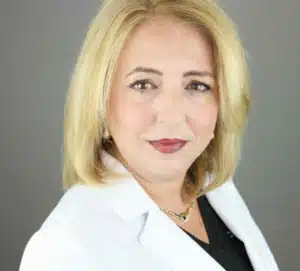
Dr Kelemen the founder of Hair 4 Life Medical
Introduction
Hair loss is more than a cosmetic issue. It can deeply affect self-esteem, confidence, and emotional well-being. For many, hair loss is a mysterious and frustrating experience. However, understanding the underlying science can shed light on why it happens and what can be done about it. This comprehensive guide explores the root causes of hair loss, both common and rare, and delves into the most effective treatment options available today. From medical therapies to cutting-edge hair restoration procedures, we break down the facts you need to know.Section 1: The Biology of Hair Growth
1.1 The Hair Growth Cycle
Hair grows in a continuous cycle consisting of four distinct phases:- Anagen (Growth Phase): Lasts 2-7 years; about 85-90% of scalp hairs are in this phase.
- Catagen (Transitional Phase): A short phase (2-3 weeks) where growth stops, and the follicle shrinks.
- Telogen (Resting Phase): Lasts about 3 months; hair is shed at the end of this phase.
- Exogen (Shedding Phase): The process of active shedding where hair is released.
1.2 Hair Follicles and Genetics
Hair follicles are complex mini-organs, and each one contains its own growth cycle. Genetics play a key role in determining hair growth patterns, density, and susceptibility to hair loss.1.3 Hormonal Influences
Hormones, particularly androgens such as dihydrotestosterone (DHT), are central to many types of hair loss, especially androgenetic alopecia.Section 2: Common Causes of Hair Loss
2.1 Androgenetic Alopecia (Male and Female Pattern Baldness)
This hereditary condition affects millions worldwide. It leads to progressive thinning and baldness, typically at the crown and temples in men and overall thinning in women.Key Facts:
- Influenced by genetics and hormones.
- Gradual progression.
- Often begins in early adulthood.
2.2 Telogen Effluvium
This form of temporary hair loss results from shock to the system, such as:- Stress
- Surgery
- Severe illness
- Childbirth
2.3 Alopecia Areata
An autoimmune condition causing sudden, patchy hair loss. It can affect the scalp, beard, eyebrows, and other body parts.2.4 Traction Alopecia
Caused by hairstyles that pull on the hair excessively, such as:- Tight ponytails
- Braids
- Extensions
2.5 Scarring Alopecias
A group of rare disorders where hair follicles are destroyed and replaced with scar tissue. Examples include:- Lichen planopilaris
- Frontal fibrosing alopecia
Section 3: Diagnostic Tools and Tests
3.1 Scalp Examination
Visual and physical assessment of scalp health, hair density, and patterns.3.2 Trichoscopy
A magnified examination of the scalp using a dermatoscope to identify miniaturization and other changes.3.3 Blood Tests
Identify hormonal imbalances, nutritional deficiencies, or autoimmune activity.3.4 Scalp Biopsy
A small tissue sample may be taken for microscopic analysis to diagnose scarring alopecias or other uncommon conditions.Section 4: Proven Treatments for Hair Loss
4.1 Topical Treatments
Minoxidil
- FDA-approved for both men and women.
- Stimulates hair growth and prolongs the anagen phase.
4.2 Oral Medications
Finasteride
- FDA-approved for men.
- Blocks DHT to prevent further hair loss.
Spironolactone
- Often prescribed off-label for women.
- Reduces androgen levels.
4.3 Platelet-Rich Plasma (PRP) Therapy
- Uses concentrated platelets from the patient’s blood.
- Injected into the scalp to stimulate hair growth.
4.4 Low-Level Laser Therapy (LLLT)
- Uses red light wavelengths to stimulate follicles.
- FDA-cleared devices available for home use.
Section 5: Hair Transplantation
5.1 Follicular Unit Extraction (FUE)
- Individual follicles harvested and transplanted.
- Minimal scarring.
5.2 Follicular Unit Transplantation (FUT)
- A strip of scalp is removed and dissected into grafts.
- Allows for larger sessions but leaves a linear scar.
5.3 Hybrid Techniques
Combines elements of both FUE and FUT for optimal results.5.4 Female Hairline Design
Specialized techniques to restore and create feminine, natural-looking hairlines.5.5 Beard and Body Hair Transplants
In cases with limited donor hair, beard or chest hair can be transplanted to the scalp.Section 6: Emerging and Alternative Treatments
6.1 Regenera Activa
Uses micro-grafts from the patient’s own tissue to stimulate dormant hair follicles.6.2 Hyperbaric Oxygen Therapy
Speeds up healing after hair transplants and may aid follicle health.6.3 Nutraceuticals
Supplements such as biotin, saw palmetto, and marine collagen peptides may support overall hair health.Section 7: Lifestyle Factors and Hair Loss Prevention
7.1 Stress Management
Chronic stress can exacerbate hair loss. Practices such as meditation, exercise, and therapy are beneficial.7.2 Nutrition
Key nutrients for hair health include:- Iron
- Zinc
- Vitamin D
- Protein
7.3 Hair Care Habits
- Avoid excessive heat styling.
- Use gentle, sulfate-free shampoos.
- Limit chemical treatments.
Section 8: When to See a Specialist
If you notice rapid hair loss, patchy bald spots, or persistent thinning, it’s crucial to consult a qualified hair restoration physician.The Importance of Being a Trichologist
A trichologist is a specialist trained in the science of hair and scalp health. Their deep understanding of hair biology, hair disorders, and treatment protocols ensures a more thorough and accurate approach to diagnosing and treating hair loss.Key Benefits:
- Expertise in both medical and non-surgical hair loss treatments.
- Holistic approach considering lifestyle, nutrition, and underlying medical issues.
- Early detection of complex scalp conditions.
Why Choose a Hair Transplant Specialist
- Accurate diagnosis.
- Personalized treatment plans.
- Advanced surgical techniques.
The Importance of Seeing a Specialist Focused Solely on Hair Loss
Many medical providers offer hair restoration as a side service, but hair loss treatment demands full-time dedication and specialized expertise.Advantages:
- Deep familiarity with all forms of hair loss.
- Mastery of advanced surgical and non-surgical techniques.
- Ongoing education in the latest hair restoration advancements.
Conclusion
Hair loss may feel overwhelming, but with the right information and treatment, it can be managed or even reversed. Whether your hair loss is temporary or permanent, seeking help from an experienced hair restoration doctor is the first step toward reclaiming your confidence. At Hair 4 Life Medical, we blend time-honored surgical skill with advanced modern techniques to create natural-looking, lasting results.Book Your Consultation
Ready to separate hype from honesty? Get the facts from a real physician, not a paid blog post.
Contact Hair 4 Life Medical today and schedule your 45–60-minute consultation with Dr. Kelemen.
Let your hair restoration journey begin with science, integrity, and real results.


 Hair 4 Life Medical