After the Procedure: Essential Tips for Hair Transplant Recovery
Introduction
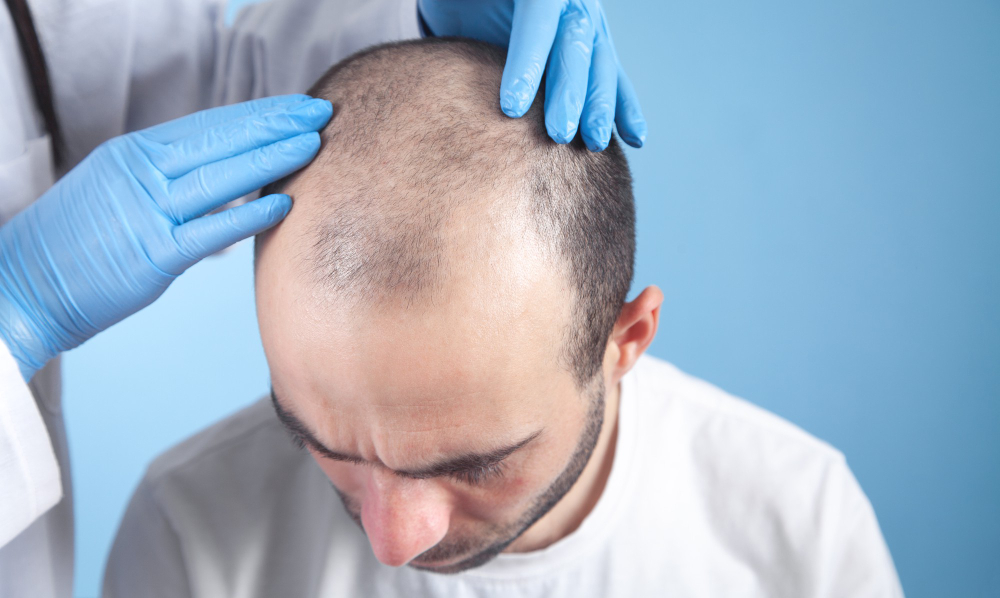
The success of a hair transplant doesn’t end when the last graft is placed—it truly begins during recovery. Whether you’ve had a FUE, FUT, Long Hair FUE, or Beard-to-Scalp transplant, your post-operative care will directly influence the survival rate of the grafts and the aesthetic quality of your results.
Hair 4 Life Medical patients often ask: “What should I expect after my hair transplant?” and “How can I ensure the best possible outcome?” This guide provides comprehensive, physician-approved recovery tips to help you protect your investment and enjoy the full benefits of your procedure.
Section 1: The First 72 Hours—Critical Healing Time
1.1 Why These Hours Matter
The first 72 hours are crucial. Grafts are freshly implanted and not yet vascularized. Even small disruptions—like scratching or accidental bumps—can dislodge them.
Revised Section 1.2: Immediate Do’s and Don’ts
Do:
-
Keep your head elevated at a 45-degree angle
-
Use cold compresses on the forehead (not the scalp) to reduce swelling
-
Follow the prescribed saline spray or moisturizing mist routine
-
Undergo Hyperbaric Oxygen Therapy (HBOT) daily for the first 3 days post-op—as recommended by Dr. Kelemen to speed up healing and improve oxygenation to the scalp and follicles
Don’t:
-
Touch or scratch the grafts
-
Wear hats, helmets, or anything that touches the recipient area
-
Sleep flat on your back or side
1.3 Pain and Swelling Management
Mild discomfort and forehead swelling are normal. Dr. Kelemen prescribes anti-inflammatory medication and, when needed, mild pain relief. Ice above the brows—not directly on the scalp—minimizes swelling.
1.4: The Role of Hyperbaric Oxygen Therapy in Recovery
Dr. Kelemen offers and strongly recommends Hyperbaric Chamber sessions during the first 72 hours post-transplant.
Hyperbaric Oxygen Therapy (HBOT) involves breathing 100% oxygen in a pressurized chamber. This increases oxygen delivery to tissues, enhances collagen production, and accelerates healing.
Benefits of HBOT in hair transplant recovery include:
-
Improved graft survival and reduced inflammation
-
Faster wound healing and minimized swelling
-
Enhanced circulation and nutrient delivery to the scalp
Patients at Hair 4 Life Medical have access to in-house hyperbaric treatments, making Dr. Kelemen’s clinic one of the few in Arizona offering this level of advanced recovery support.
Section 2: Week 1—Protecting the Grafts
2.1 Washing Instructions
Hair should be gently cleaned with a special post-op shampoo (provided at Hair 4 Life Medical). Use a cup or bottle to rinse; avoid direct water pressure. Pat dry with sterile gauze—never rub.
2.2 Itching and Crusting
Itching is a good sign—your skin is healing. Do not scratch. Crusting may occur; by Day 5–7, Dr. Kelemen allows gentle removal under her specific guidance.
2.3 Redness and Pimples
Redness may persist for 10–14 days. Tiny pimple-like bumps may appear—this is folliculitis and often resolves with topical treatment. Let the office know if it persists or becomes painful.
Section 3: Shedding Phase—What’s Normal?
3.1 The Shock Shedding Explained
By Week 2–4, the transplanted hairs fall out. This shock loss is normal. The follicle stays beneath the skin, dormant but alive. Regrowth begins around Month 3.
3.2 Managing Expectations
Don’t panic. The visible result often looks worse before it gets better. True results unfold over months—not days. At Hair 4 Life Medical, patients are walked through every phase of the timeline.
Section 4: Month 2–3—Dormant Phase
4.1 No Growth Yet? That’s Okay
At this stage, many patients worry because there’s no regrowth. This phase is the most mentally challenging—but entirely natural. Behind the scenes, your follicles are preparing to sprout.
4.2 Nutritional Support
Now’s the time to boost internal support:
-
Biotin
-
Zinc
-
Vitamin D
-
Collagen
-
Omega-3 fatty acids
Dr. Kelemen often recommends TricoPat therapy and Regenera Activa, particularly for patients looking to maximize native hair alongside transplanted areas.
Section 5: Month 4–6—The Growth Begins
5.1 The “Sprout” Stage
Fine, wispy hairs start to emerge. These strands may be colorless or thin at first. They’ll thicken and darken with time.
5.2 Avoid Harsh Styling
Stay away from harsh heat tools, coloring agents, or chemical treatments. Let your new growth stabilize and mature.
5.3 Consider PRP or Regenera Support
PRP (Platelet-Rich Plasma) or Regenera Activa treatments at this stage can help accelerate thickening and stimulate sluggish follicles.
Section 6: Month 6–9—Visible Transformation
6.1 Density and Texture
Hair becomes more visible, fuller, and begins to take on the natural texture of your donor area. Most patients see 50–70% of their final results by this point.
6.2 Grooming and Haircuts
Hair can be trimmed but not shaved. Use scissors, not clippers. Avoid razors in the donor or recipient zones unless cleared by your physician.
Section 7: Month 9–12—Final Results
7.1 The Big Reveal
Most patients see full growth by the 12-month mark. Crown areas may take slightly longer. The results should now look completely natural, blending seamlessly with surrounding hair.
7.2 Review and Assessment
At Hair 4 Life Medical, Dr. Kelemen conducts a 12-month review to:
-
Evaluate the yield
-
Review donor healing
-
Consider whether touch-ups or secondary procedures are warranted
Section 8: Long-Term Maintenance for Life-Long Results
8.1 DHT Management
For those with androgenetic alopecia, DHT remains active. Transplanted hairs are immune, but native ones are not. Maintenance may include:
-
Finasteride or Dutasteride
-
Minoxidil (oral or topical)
-
Low-Level Laser Therapy (LLLT)
8.2 Annual Checkups
Hair loss is progressive. Even a great transplant won’t stop future thinning elsewhere. Yearly visits help detect changes early and adjust the treatment plan accordingly.
Section 9: Lifestyle Adjustments for Better Results
9.1 Sleep
Sleeping with your head elevated for the first week prevents swelling and improves healing.
9.2 Stress Management
Chronic stress can interfere with recovery. Cortisol, the stress hormone, is linked to telogen effluvium. Incorporate:
-
Meditation
-
Light exercise
-
Adequate sleep
9.3 Diet
A protein-rich, iron-balanced diet supports follicular repair. Avoid crash diets and fasting until hair growth stabilizes.
Section 10: Common Mistakes to Avoid After a Hair Transplant
| Mistake | Consequence |
|---|---|
| Wearing hats too early | Dislodging grafts |
| Rubbing or scratching | Infection, trauma |
| Smoking and alcohol | Delayed healing, poor blood flow |
| Direct sun exposure | Scalp burns, pigmentation |
| Using unapproved shampoos | Irritation, slowed recovery |
| Ignoring follow-ups | Missed complications or optimization |
Section 11: Special Recovery Considerations
11.1 Beard-to-Scalp Recovery
Beard areas may feel sore, tight, or slightly bruised. Use provided healing cream. Hair may regrow patchy for 1–2 weeks, but full regrowth in donor areas is expected within 30–60 days.
11.2 Long Hair FUE or No-Shave FUE
Avoid combing too close to the grafts for at least 10 days. Gentle detangling only, with physician-approved tools. Special attention is given to blending new growth with native hair.
11.3 Female Patients
Women may experience more swelling than men. Makeup can usually be applied by Day 5 to conceal redness, and long hairstyles help hide scabs.
Section 12: Why Recovery Support Is Different at Hair 4 Life Medical
Dr. Kelemen doesn’t send patients home with generic handouts. Each patient receives:
-
A custom aftercare kit with medical-grade products
-
Text and phone access for urgent concerns
-
Scheduled virtual or in-person check-ins
-
Optional regenerative therapy packages to enhance yield
Her recovery protocols are based on science, refined through thousands of cases, and tailored to the individual—not to a standard template.
Conclusion
Hair restoration is a journey. The surgery may last a day, but recovery takes patience, discipline, and follow-through. When done right, the reward is lasting confidence, natural results, and a restored sense of self.
At Hair 4 Life Medical, recovery is never an afterthought—it’s the second half of the success equation. Every graft deserves a fighting chance, and with proper care, you’ll be glad you gave your new hair the best possible start.
👉 Ready to restore your hair? Schedule a consultation with Dr. Kelemen today!
Interested in learning more? Contact Us or call Hair 4 Life at (480) 525-4547 to schedule an appointment.