Long Hair FUE: The Ultimate Guide to a No-Shave Hair Transplant
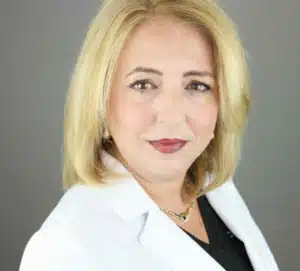
Dr Kelemen the founder of Hair 4 Life Medical
Introduction
Hair transplants have evolved significantly, offering more advanced and less invasive solutions for those experiencing hair loss. One of the latest and most discreet methods is Long Hair Follicular Unit Extraction (Long Hair FUE). Unlike traditional FUE, this technique does not require shaving the donor or recipient area, making it an attractive option for individuals who prefer an undetectable transplant process. In this comprehensive guide, we will explore Long Hair FUE in detail, covering the procedure, benefits, risks, recovery, cost considerations, and why it is more expensive than other methods.
What is Long Hair FUE?
Long Hair FUE is a specialized hair transplant technique that follows the same principles as standard FUE but allows for the extraction and implantation of follicular units without cutting the donor hair short. This means that patients can undergo the procedure while maintaining their existing hair length, providing an immediate visual preview of results and maintaining discretion.
The Procedure: Step by Step:
1. Consultation and Assessment
Before undergoing Long Hair FUE, a thorough evaluation by a hair restoration specialist, such as Dr. Kelemen from Hair 4 Life Medical, is necessary. The doctor assesses the extent of hair loss, donor area quality, and overall suitability for the procedure.
2. Donor Hair Extraction
Unlike conventional FUE, where the donor area is shaved, Long Hair FUE allows for individual extraction of follicular units while keeping the hair long. The surgeon carefully selects and extracts grafts using a specialized micro-punch tool to minimize visible scarring. At Hair 4 Life Medical, Dr. Kelemen utilizes handheld motorized devices like the Ugraft and WAW DUO.
The surgeon makes tiny incisions in the recipient area following the natural hair growth pattern. Precision is crucial to ensure a natural and seamless result. At Hair 4 Life Medical, Dr. Kelemen uses custom blades designed specifically for site creation, ensuring optimal angulation, depth, and density for the most natural-looking results.
No Need for Shaving: Unlike traditional FUE or FUT, Long Hair FUE allows patients to maintain their hair length, making it ideal for those who prefer a more discreet procedure.
Immediate Aesthetic Preview: Since the transplanted hair is long, patients can see an immediate change in hair density and appearance.
Minimal Downtime: The recovery process is generally quick, with minimal discomfort and swelling.
No Linear Scars: As with standard FUE, Long Hair FUE does not leave a noticeable linear scar, unlike the traditional FUT method.
Enhanced Confidence Post-Procedure: The ability to return to daily life without significant visual changes or signs of surgery is a major advantage for many patients.
Why is Long Hair FUE More Expensive?
Long Hair FUE comes with a higher price tag compared to traditional hair transplant techniques. The reasons for its premium cost include:
Increased Time and Labor: Extracting and implanting long hair follicles requires more precision and takes significantly longer than standard FUE.
Specialized Tools and Equipment: Clinics performing Long Hair FUE must invest in advanced micro-punch tools and specialized implantation techniques to ensure optimal results. Hair 4 Life Medical, led by Dr. Kelemen, employs custom blades tailored to individual patient needs for the best outcome.
Custom Blades for Site Creation: One of the unique aspects of Hair 4 Life Medical’s approach is the use of custom blades to create precise recipient sites. These blades are specifically designed to ensure the perfect depth, angle, and placement for each graft, maximizing natural-looking results and promoting faster healing.
Hair Shedding (Shock Loss): Some of the transplanted hairs may shed temporarily before new growth begins, typically within 3-4 months.
Cost Considerations
Long Hair FUE is more expensive than standard FUE due to the increased labor and precision required. Prices vary based on factors such as clinic location, surgeon expertise, and the number of grafts needed. On average, the cost can range between $12,500 and $30,000 per session.
Common FAQs About Long Hair FUE
1. Who is an ideal candidate for Long Hair FUE?
Anyone with sufficient donor hair who prefers a no-shave hair transplant is a good candidate. It is particularly beneficial for those in professional or public-facing roles who want minimal downtime.
2. How long does the procedure take?
Depending on the number of grafts required, a Long Hair FUE session can take anywhere from 6 to 12 hours.
3. Are the results permanent?
Yes, the transplanted hair is permanent and will continue to grow naturally.
4. How soon can I return to work?
Many patients return to work within a few days, as there is no visible shaving or scarring.
This procedure is ideal for individuals who want a discreet hair restoration solution without shaving their head. It is particularly beneficial for professionals, public figures, or those who prefer to keep their hair transplant private. However, it may not be suitable for individuals with extensive baldness or insufficient donor hair.
Conclusion
Long Hair FUE is a revolutionary approach to hair transplantation, offering natural-looking results without the need for shaving. While it requires more time and investment, the benefits of discretion, immediate aesthetic improvements, and minimal scarring make it an excellent option for those seeking a seamless hair restoration experience. If you’re considering Long Hair FUE, consult with a qualified hair transplant specialist, such as Dr. Kelemen at Hair 4 Life Medical, to determine if it’s the right choice for you.
If you’re ready to take the next step in your hair restoration journey, schedule a consultation with Dr. Kelemen and the team at Hair 4 Life Medical. Your confidence and a full head of hair are just a procedure away.
Ready to transform your look? Schedule a paid consultation with Dr. Kelemen today and discover why Hair 4 Life Medical is Arizona’s trusted leader in hair restoration.
Interested in learning more?Contact Us or call Hair 4 Life at (480) 525-4547 to schedule an appointment.
https://hairforlifeaz.com/wp-content/uploads/2024/10/DHI-2.png1024682Ioan A Kelemenhttps://hairforlifeaz.com/wp-content/uploads/2024/02/Hair-for-Life-Medical-Logo-web.pngIoan A Kelemen2025-02-17 19:26:252026-01-21 19:10:32Long Hair FUE: The Ultimate Guide to a No-Shave Hair Transplant
Why US Doctors Refuse to Repair Turkish Hair Transplants: Understanding the Growing Concern
Dr Kelemen the founder of Hair 4 Life Medical
Hair transplants have become a popular solution for hair loss worldwide, and Turkey has emerged as a global leader in this industry. Every year, thousands of men and women travel to Turkey to undergo hair restoration procedures at a fraction of the cost charged by clinics in countries like the United States. However, while the initial savings can seem like a great deal, many patients experience post-surgical complications, leading them to seek repair or corrective procedures. This is where a significant problem arises: many US doctors are unwilling or outright refuse to repair botched hair transplants from Turkey.
In this blog post, we will explore why US doctors are reluctant to take on these cases, the challenges involved in correcting foreign hair transplants, and what patients should consider before traveling abroad for such procedures.
1. The Allure of Turkish Hair Transplants
Turkey has become the world’s hub for affordable hair transplants. Clinics in cities like Istanbul offer comprehensive hair restoration packages, including airport pickups, hotel stays, and the surgical procedure itself, often for a fraction of the cost compared to US clinics. Many clinics in Turkey advertise hair transplants for as low as $1,500 to $3,000, while similar procedures in the US can cost anywhere from $10,000 to $20,000.
The affordability, coupled with aggressive marketing campaigns and social media testimonials, has made Turkey the go-to destination for those seeking a low-cost solution for hair loss. In fact, medical tourism in Turkey is booming, with hair transplants being one of the key drivers. For many, it seems like the perfect solution: a vacation in a beautiful country and a cosmetic procedure at a bargain price.
However, not all Turkish clinics are created equal. Many patients return with subpar results or complications, only to find that US doctors are hesitant to perform corrective surgeries.
2. The Problem with Substandard Hair Transplants
While there are reputable clinics in Turkey with qualified surgeons and experienced teams, there is also a growing number of low-cost, high-volume clinics where quality control is not a priority. In some of these clinics, technicians or underqualified practitioners, rather than licensed surgeons, perform the procedure, resulting in poor outcomes.
Some common issues seen in botched hair transplants from Turkey include:
Overharvesting of Donor Areas: In some cases, the donor area (usually the back or sides of the scalp) is over-harvested, meaning too many hair follicles are removed, leaving the area thin, scarred, or even permanently damaged.
Poor Graft Placement:Hair follicles may be placed at unnatural angles or in random patterns, resulting in an uneven or unnatural appearance.
Infection and Scarring: Lack of proper hygiene or postoperative care can lead to infections, scarring, or cyst formation, complicating recovery and reducing the success of the transplant.
Use of Outdated Techniques: Some Turkish clinics may use older, less precise techniques, such as strip harvesting, which can leave a large, visible scar, as opposed to newer, minimally invasive methods like Follicular Unit Extraction (FUE).
3. Why US Doctors Refuse to Repair Turkish Hair Transplants
US doctors are becoming increasingly reluctant to repair botched hair transplants from Turkey, and there are several reasons for this hesitation.
3.1 Legal and Ethical Concerns
One of the primary reasons US doctors refuse to take on these cases is the potential for legal liability. If a patient has already had a failed hair transplant abroad, the outcome of any corrective surgery is inherently more uncertain. Surgeons may fear that the patient will hold them responsible for any further complications or unsatisfactory results, even if the problems originated from the initial procedure in Turkey.
Moreover, repairing a botched transplant is often more complex than performing the initial surgery, which makes it harder to achieve optimal results. US surgeons may feel that they cannot ethically promise a satisfactory outcome given the challenges posed by the previous operation. They may also be concerned about damaging their reputation if the corrective surgery fails to meet the patient’s expectations.
3.2 Difficulty of Corrective Procedures
Correcting a poorly performed hair transplant is far more complicated than starting from scratch. In many cases, US doctors are faced with the following challenges when trying to repair botched Turkish hair transplants:
Limited Donor Supply: If the donor area has been overharvested, there may not be enough viable hair follicles left to perform another transplant. This severely limits the surgeon’s ability to achieve satisfactory density or coverage in the recipient area.
Scar Tissue: Scarring from the initial surgery can complicate future procedures. Scar tissue does not have the same blood supply as healthy skin, which can affect the survival of newly transplanted follicles.
Incorrect Hairline Design: Correcting a poorly placed hairline can be incredibly challenging. US doctors may have to remove poorly placed grafts, revise the hairline, and create a more natural design, all while working with limited resources.
Patient Expectations: Patients often have unrealistic expectations about what can be achieved through corrective surgery. After experiencing a failed transplant, they may expect US doctors to perform miracles, which can be an unreasonable demand given the state of the donor and recipient areas.
3.3 Financial Implications
Corrective hair transplants are not only more complex but also more time-consuming. US doctors may need to spend hours carefully extracting and re-implanting grafts or removing poorly placed follicles. This level of precision and skill comes at a cost, which can be prohibitively expensive for patients who have already spent a significant amount on their initial surgery in Turkey.
Additionally, US clinics are often hesitant to take on patients who may not have the financial resources to cover the costs of multiple corrective procedures. If a patient is unable to afford the necessary number of repair sessions, they may end up dissatisfied with the results, leading to negative reviews or potential legal disputes.
3.4 Communication Barriers and Documentation Issues
Another major challenge for US doctors is the lack of detailed documentation from the original procedure. Many patients who undergo hair transplants in Turkey are not provided with comprehensive medical records, including information about the technique used, the number of grafts transplanted, or the specific medications and aftercare instructions provided. Without this crucial information, US doctors are essentially working blind, which increases the risk of complications during corrective surgery.
Additionally, communication barriers between Turkish clinics and US doctors can further complicate matters. If a patient cannot provide a clear account of their initial surgery, it becomes even more difficult for the US surgeon to devise an effective treatment plan.
4. The Risks of Medical Tourism: What Patients Need to Consider
The surge in medical tourism, particularly for cosmetic procedures like hair transplants, has exposed many of the risks associated with seeking treatment abroad. While the promise of affordability is enticing, patients need to be aware of the potential pitfalls before booking a flight to Turkey.
4.1 Research the Clinic and Surgeon
Not all hair transplant clinics in Turkey are the same. Patients must conduct thorough research into the clinic’s reputation, the qualifications of the surgeon, and the experiences of previous patients. Online reviews, testimonials, and before-and-after photos can provide valuable insight into the quality of care provided by the clinic.
It is also essential to verify the surgeon’s credentials. In Turkey, some clinics may allow technicians to perform parts of the surgery, which is not the case in countries like the US, where strict regulations govern who can perform these procedures.
4.2 Understand the Risks of Low-Cost Procedures
While the lower cost of hair transplants in Turkey is appealing, patients need to be realistic about what they are getting for their money. High-volume, low-cost clinics often prioritize speed over quality, leading to rushed procedures and subpar results. Patients should consider whether the initial savings are worth the potential for long-term complications and the added cost of corrective surgery down the line.
4.3 Have a Backup Plan
Before undergoing a hair transplant abroad, patients should have a contingency plan in case something goes wrong. This includes understanding the clinic’s policies on follow-up care, knowing whether the clinic offers free or discounted corrective procedures, and being aware of the potential costs of repair surgeries in their home country.
5. Conclusion: Navigating the World of Hair Transplant Surgery
The appeal of affordable hair transplants in Turkey is undeniable, but patients must be aware of the potential risks associated with undergoing cosmetic surgery abroad. While many individuals have had successful experiences in Turkish clinics, others have been left with unsatisfactory results or serious complications. Unfortunately, US doctors are often reluctant to take on these cases due to the complexity of corrective procedures, legal concerns, and the limited resources available after a botched transplant.
For anyone considering a hair transplant in Turkey or any other foreign country, the key takeaway is to do thorough research, understand the risks, and be prepared for the possibility of needing follow-up care. It may be tempting to go for the most affordable option, but in the long run, quality and expertise are worth the investment.
Ultimately, patients should prioritize their long-term satisfaction and health over short-term savings, ensuring that they choose a reputable clinic with qualified surgeons to minimize the chances of requiring corrective surgery in the future.
Interested in learning more?Contact Us or call Hair 4 Life at (480) 525-4547 to schedule an appointment.
Understanding FUE Hair Transplants: Methods and Innovations
Dr Kelemen the founder of Hair 4 Life Medical
Follicular Unit Extraction (FUE) hair transplants are among the most popular and advanced solutions for hair restoration, offering natural-looking results with minimal scarring and downtime. Within the realm of FUE, several specialized techniques have been developed to address diverse patient needs. This article explores the different types of FUE hair transplants, including the innovative Incognito Hair Transplant developed by Dr. Kelemen.
1. Manual FUE
Overview: Manual FUE is the traditional method where individual hair follicles are extracted using a handheld device equipped with a small punch tool (usually between 0.6mm to 1.0mm in diameter). The surgeon carefully removes each follicle manually, ensuring precision and natural results.
Pros:
High level of precision, as the surgeon has complete control.
Minimal scarring due to the small punch size.
Natural-looking hairline and graft placement.
Cons:
Time-intensive, as each follicle is extracted manually.
Requires exceptional skill and experience from the surgeon.
Best For: Patients seeking precise results, particularly for smaller areas like the hairline or eyebrows, where detail is critical.
Reduced physical strain on the surgeon, which can improve consistency.
Cons:
Increased risk of follicle transection if not used carefully.
May sacrifice some precision compared to manual FUE.
Best For: Patients requiring a large number of grafts, such as those with advanced hair loss.
3. Robotic FUE (ARTAS)
Overview: Robotic FUE, often performed with systems like ARTAS, uses advanced imaging and artificial intelligence to identify and extract healthy hair follicles. The robotic arm performs precise extractions under the guidance of a surgeon.
Pros:
Consistent and precise extraction with minimal human error.
Advanced imaging ensures the selection of the healthiest follicles.
Cons:
Limited flexibility for tailoring results to individual needs.
Higher cost due to the use of advanced technology.
Overview: Sapphire FUE is a refinement of traditional FUE that uses sapphire blades to create recipient site incisions. These blades are thinner and more precise than traditional steel tools.
Pros:
Best For: Patients seeking superior precision and faster recovery.
5. DHI (Direct Hair Implantation)
Overview: DHI is a specialized form of FUE where extracted hair follicles are implanted directly into the recipient area using a tool called the Choi Implanter Pen. This eliminates the need to create pre-made incisions in the recipient area.
Pros:
Higher density and natural-looking results.
Reduced handling of follicles, increasing their survival rate.
Faster recovery with minimal scarring.
Cons:
Slower procedure due to the meticulous implantation process.
Best For: Patients who want high-density hair restoration and natural results with minimal downtime.
6. Long-Hair FUE
Overview: Long-Hair FUE involves extracting and implanting hair follicles without shaving the donor area. This allows patients to maintain their existing hairstyle throughout the procedure.
Pros:
No visible signs of surgery.
Ideal for those who want to keep their hair restoration private.
Cons:
Time-intensive due to the complexity of extracting longer hairs.
Typically more expensive.
Best For: Patients seeking a discreet procedure without altering their hairstyle.
7. Unshaven (No-Shave) FUE
Overview: Unshaven FUE only trims the specific donor follicles being extracted, leaving the surrounding hair untouched. This method is ideal for those who prefer minimal disruption to their current look.
Pros:
Best For: Individuals who want to maintain discretion and avoid visible signs of surgery.
8. Hybrid FUE
Overview: Hybrid FUE combines elements of FUE with other techniques, such as FUT (Follicular Unit Transplantation), to achieve optimal results for large-scale hair restoration.
Pros:
9. Incognito Hair Transplant (Developed by Dr. Kelemen)
Overview: The Incognito Hair Transplant, developed by Dr. Kelemen, is a groundbreaking and discreet variation of FUE. This method is designed for individuals who want their hair restoration to be virtually undetectable. Unlike traditional FUE, the Incognito method avoids shaving both the donor and recipient areas, allowing patients to maintain their normal hairstyle during and after the procedure.
Pros:
No visible signs of surgery or shaving.
Perfect for patients seeking maximum discretion.
Faster return to daily activities with minimal downtime.
Cons:
Time-intensive due to the complexity of extracting unshaven follicles.
Best For: Celebrities, professionals, or individuals who want their hair restoration journey to remain private and unnoticed.
Innovative Aspects:Dr. Kelemen’s approach focuses on preserving the natural look throughout the process, making it an excellent option for patients who prioritize aesthetics and discretion. This technique requires significant skill and experience, as extracting and implanting unshaven follicles demands exceptional precision.
Choosing the Right FUE Technique
Selecting the most suitable FUE technique depends on several factors, including the extent of hair loss, budget, recovery time, and personal preferences. Here are a few considerations:
Discretion: If maintaining a normal appearance during the process is crucial, consider techniques like Incognito, Long-Hair FUE, or Unshaven FUE.
Budget: Sapphire FUE and DHI typically cost more but offer advanced precision and results.
Technology Preferences:Robotic FUE is perfect for those who value cutting-edge technology and precision.
Conclusion
FUE hair transplants have revolutionized the field of hair restoration, offering patients a wide range of options tailored to their unique needs. From manual and motorized techniques to advanced methods like Sapphire FUE, DHI, and the innovative Incognito Hair Transplant by Dr. Kelemen, there’s a solution for every individual.
Consulting with a skilled and experienced surgeon is essential to determine the best approach for your hair restoration goals. With the right technique, you can achieve natural-looking results and regain confidence in your appearance.
Interested in learning more?Contact Us or call Hair 4 Life at (480) 525-4547 to schedule an appointment.
https://hairforlifeaz.com/wp-content/uploads/2024/01/Hair-Transplant-Clinic-in-Scottsdale-scaled.jpeg9722050Ioan A Kelemenhttps://hairforlifeaz.com/wp-content/uploads/2024/02/Hair-for-Life-Medical-Logo-web.pngIoan A Kelemen2025-01-25 18:38:092026-01-21 19:10:13Understanding FUE Hair Transplants: Methods and Innovations
Are Hair Transplant Physicians Who Only Use Robots Truly the Best Choice?
Dr Kelemen the founder of Hair 4 Life Medical
As technology advances, robotic systems like the ARTAS Robotic Hair Transplant System have revolutionized hair restoration procedures. These robots excel at automating specific tasks, such as follicular extraction and site creation, offering precision and consistency. However, even the most advanced robots cannot replace the need for a skilled and experienced physician. A robot is only as effective as the doctor operating it, and relying solely on robotics without mastery of other techniques can limit the quality of results.
Let’s explore why skilled physicians remain essential, even in the age of robotic hair restoration.
The Role of Robots in Hair Transplants
Robotic systems like ARTAS have transformed hair transplants by introducing automation and precision to tasks that previously relied entirely on manual techniques. Key advantages of robotic systems include:
Precise Follicle Extraction: Robots minimize transection rates by selecting the healthiest grafts for extraction.
Site Creation Automation: Using pre-programmed algorithms, robots create recipient sites with consistent depth and spacing.
While these benefits are significant, robots are tools, not replacements for a physician’s expertise.
Why Robots Still Need Skilled Doctors
1. Robots Lack the Artistic Touch
Hair restoration is as much about art as it is about science. While robots excel at technical precision, they lack the artistic judgment required to create natural-looking hairlines and optimal density. A skilled doctor is essential for:
Hairline Design: Only an experienced physician can account for subtle variations in facial features and hair growth patterns.
Strategic Placement: Grafts must be placed with care to mimic natural hair angles, which a robot alone cannot achieve.
Robots operate based on algorithms and pre-programmed settings, which may not account for the unique needs of every patient. Skilled doctors can customize the procedure in ways a robot cannot, including:
Adjusting techniques for patients with scars, unique hair patterns, or varying donor area quality.
Tailoring the approach to achieve specific aesthetic goals, such as restoring temple points or creating soft, irregular hairlines.
Dr. Kelemen’s ability to adapt and personalize treatments ensures optimal results for patients with a variety of needs.
3. Handling Complex Cases
Robots perform well in standard cases but may struggle with more complex scenarios. For instance:
Body Hair Transplants (BHT): Robots are not designed to extract hair from areas like the beard, chest, or other body parts.
Scarred Scalps: Patients with scar tissue require careful manual adjustments that a robot cannot execute effectively.
Limited Donor Areas: In cases of advanced hair loss, a skilled physician must employ creative strategies to maximize donor hair usage.
Physicians like Dr. Kelemen, who are proficient in both robotic and manual methods, can address these challenges effectively.
4. Troubleshooting and Decision-Making
Robotic systems are not infallible and may encounter issues during a procedure. An experienced doctor is essential for:
Troubleshooting technical problems, such as equipment malfunctions.
Making real-time decisions to adjust the procedure based on the patient’s response or unexpected findings.
Ensuring the procedure proceeds safely and effectively, regardless of technical challenges.
5. Hybrid Approaches Deliver Better Results
The best hair restoration results often come from combining robotic precision with manual artistry. For example:
Robots like ARTAS can extract grafts with exceptional accuracy, but a skilled physician can refine site creation and graft placement to achieve a more natural appearance.
In cases where robots cannot perform certain tasks, manual techniques can fill the gap, ensuring a seamless procedure.
Risks of Choosing a Doctor Who Relies Solely on Robots
Scar Revision Techniques: Manual expertise is often needed for transplanting hair into scar tissue.
2. Generic Results
Robots rely on algorithms and standardized settings, which may not account for individual variations. Without a physician’s oversight and artistic judgment, results can look unnatural or too uniform.
3. Inability to Address Unique Challenges
Patients with complex hair loss patterns or unusual scalp characteristics may require manual interventions that a robot cannot perform. A well-rounded physician can adapt to these challenges with skill and precision.
Dr. Kelemen’s Approach: Combining Robotics with Expertise
At Hair 4 Life Medical, Dr. Kelemen believes that robotic systems are tools to enhance, not replace, her expertise. Her approach includes:
1. Physician-Led Procedures
Dr. Kelemen personally PERFORMS all aspects of each procedure, from designing the hairline to ensuring proper graft placement. Robots like ARTAS are used to complement her skills, not replace them.
Prioritizes personalization over standardized approaches.
A skilled doctor who uses robotics as part of a broader skill set—like Dr. Kelemen—can provide results that are natural, seamless, and tailored to your unique needs.
Conclusion: Skilled Doctors Are Essential for Success
While robotic systems like ARTAS have revolutionized hair restoration, they are tools that require the expertise of a skilled physician to achieve the best results. Physicians who ONLY rely on robots without mastering other techniques may deliver suboptimal outcomes, especially in complex cases or when artistic judgment is required.
For personalized care that combines cutting-edge robotics with advanced manual techniques, Dr. Kelemen at Hair 4 Life Medical offers unparalleled expertise. Her approach ensures that every patient achieves natural, long-lasting results, whether through robotic systems, manual artistry, or a hybrid of both.
Ready to transform your look? Schedule a consultation today and discover why Hair 4 Life Medical is Arizona’s trusted leader in hair restoration.
Interested in learning more about ARTAS?Contact Us or call Hair 4 Life at (480) 525-4547 to schedule an appointment.
https://hairforlifeaz.com/wp-content/uploads/2024/01/ARTAS-Robotic-Hair-Restoration-1500-1.jpg6301500Ioan A Kelemenhttps://hairforlifeaz.com/wp-content/uploads/2024/02/Hair-for-Life-Medical-Logo-web.pngIoan A Kelemen2025-01-17 10:19:322026-02-18 12:13:52Are Hair Transplant Physicians Who Only Use Robots Truly the Best Choice?




 Hair 4 Life Medical