
Bogus Marketing Schemes: When a Paid Site Names You the “Best Hair Transplant Doctor in the World”
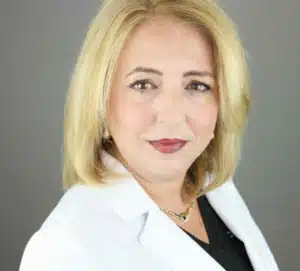
Dr Kelemen the founder of Hair 4 Life Medical
Introduction
In today’s information-overloaded world, consumers increasingly rely on online rankings and curated lists to make major decisions. From selecting a restaurant to choosing a healthcare provider, the “Top 10” format is everywhere. But when it comes to something as critical and personal as a hair transplant, you deserve more than a paid accolade and a clickbait title. It’s disturbingly common to see clinics or physicians promoting themselves as the “#1 Hair Transplant Surgeon in the World” based on nothing more than a paid listing or vanity award. These rankings can be misleading, expensive for the patient, and potentially harmful if they push you toward the wrong practitioner or procedure. In this comprehensive exposé, we dissect the world of bogus hair transplant marketing, expose the mechanics of “Top Doctor” lists, and equip you with the tools to distinguish real medical excellence from cleverly packaged hype. We’ll also introduce you to a truly ethical and skilled physician, Dr. Kelemen of Hair 4 Life Medical, a board-certified doctor, certified trichologist, and a favorite among even other hair transplant professionals.The Business of Buying Fame
How Paid Listings Work
The process of becoming a “Top Hair Transplant Doctor” in one of these lists is shockingly simple:- A marketing agency creates a website posing as a credible authority.
- They publish a “Top 10” or “Top 50” list with no medical basis or doctors pay for it.
- Clinics or physicians are offered top placement for a hefty fee—ranging from a few hundred to tens of thousands of dollars.
- Those who pay are labeled “best” while those who decline are left out.
Who’s Behind the Lists?
Typically, these rankings are generated by:- Marketing firms
- SEO agencies
- PR companies
- Paid review aggregators
- Medical boards
- Peer-reviewed journals
- Patient advocacy organizations
- Clinical research institutes
The Psychological Trap of “Best in the World”
Being called “the best” carries undeniable emotional influence. When you’re dealing with the stress of hair loss, it’s tempting to put your trust in someone who appears to be highly endorsed. However, this can lead to:- Misplaced expectations
- Financial regret
- Poor surgical outcomes
- What criteria was used to call them the best?
- Is this award from a credible source or a blog with ads?
- Do they list real patient results, or stock photos?
Marketing Gimmicks in the Hair Transplant Industry
Let’s explore some of the most common and misleading marketing ploys in the hair restoration world:1. The No-Touch Technique
This catchy name is often used to describe tools that reduce handling of grafts—but no transplant can occur without skilled human intervention. The phrase implies a miracle process that doesn’t exist.2. “Stem Cell” Hair Transplants
Many of these are actually PRP (Platelet-Rich Plasma) or micrograft-based therapies. While PRP can improve follicle health, there is no FDA-approved stem cell therapy for hair restoration as of 2025.3. Celebrity Endorsements
YouTube influencers and celebrities are often paid for endorsements. These videos might look like testimonials, but they can be scripted or heavily edited.4. Graft Number Inflation
Some clinics promise to transplant 5000–7000 grafts in one day. While possible in rare cases, this often results in overharvesting, follicle trauma, or misleading definitions of “grafts.”5. Artificial Scarcity
“We only treat 2 patients per month.” This strategy is designed to increase urgency and create an illusion of exclusivity.6. Robot-Only Procedures
Robotics like ARTAS are tools—not replacements for surgical expertise. When overused or unmonitored, they can cause unnatural hairlines or poor graft survival.Real Results Over Titles
Rather than focusing on flashy titles, consider these real metrics:- Years of experience in hair restoration
- Tools and techniques offered (FUE, Long Hair FUE, No Shave FUE, Beard to Scalp, Incognito FUE)
- Number of surgeries performed by the physician—not technicians
- Education credentials: is the doctor board-certified? A trichologist?
- Real patient testimonials and unedited photos
The Doctor That Other Doctors Trust
A major indicator of true expertise is when other hair transplant doctors choose a colleague to perform their own procedure. This is the case with Dr. Kelemen of Hair 4 Life Medical in Arizona. Dr. Kelemen is:- A board-certified medical doctor
- A certified trichologist
- A pioneer in Incognito FUE and No-Shave FUE
- The only provider in Arizona offering Long Hair FUE
- Known for using multiple FUE technologies (ARTAS, Cole, Ugraft, WAW DUO)
- A trusted choice by fellow physicians for their own hair restoration
Education, Not Sales Pressure
At Hair 4 Life Medical, consultations are 45–60 minutes long and led by Dr. Kelemen herself. You’ll receive:- A scalp assessment using trichoscopy
- A discussion of realistic outcomes
- A review of all appropriate procedures (FUE, Incognito FUE, Beard to Scalp, etc.)
- Straightforward pricing—no bait-and-switch tactics
The Cost of Falling for Gimmicks
Choosing a surgeon based on a fake award can result in:- Permanent donor area damage
- Scarring or unnatural hairlines
- Thousands of dollars in corrective procedures
- Emotional distress and distrust in the entire medical field
How to Spot a Real Hair Transplant Expert
Use this checklist when evaluating a clinic or physician: ✔ Board-certified medical doctor ✔ Performs surgery themselves ✔ Uses advanced tools and multiple FUE techniques ✔ Offers transparent, realistic consultations ✔ Has real patient before/after photos ✔ Is trusted by other professionals ✔ Has verifiable credentials and affiliationsFinal Thoughts: Choose Integrity Over Image
The truth is, there is no single “Best Hair Transplant Surgeon in the World.” Hair restoration is complex, personal, and should be tailored to each patient—not based on who paid for a title. What matters most is:- The doctor’s ethical standards
- Their training and ongoing education
- Their hands-on involvement in your care
- Their ability to guide you through realistic expectations and best-fit procedures


 Hair 4 Life Medical