Causes of Hair Loss and How Hair Transplants Can Help: Facts You Should Know

Introduction
Hair loss affects millions of men and women worldwide. It’s not just a cosmetic concern—it’s an emotional one. For many, losing hair feels like losing part of one’s identity. Understanding the root causes and proven treatments such as hair transplantation is essential for those seeking real, lasting results.
This comprehensive guide explores the leading causes of hair loss and how modern hair transplant techniques—especially those offered at Hair 4 Life Medical—can restore not only your hair but also your confidence.
Section 1: Understanding Hair Loss
1.1 What Is Hair Loss?
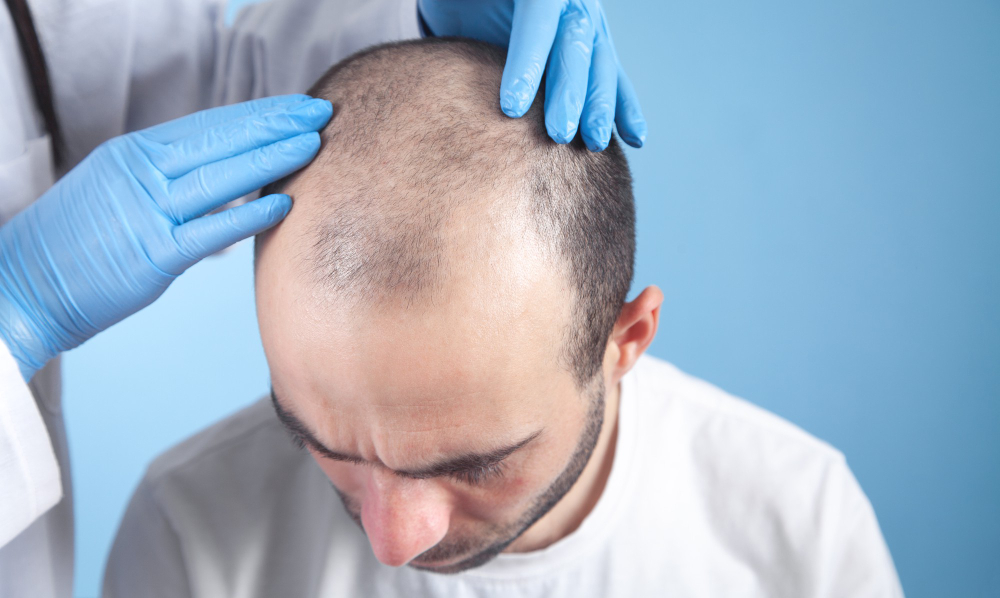
hair loss, or alopecia, refers to the partial or complete absence of hair from areas where it normally grows. While daily shedding of 50–100 hairs is normal, excessive shedding or thinning can be a sign of underlying issues.
1.2 Types of Hair Loss
-
Androgenetic Alopecia (Male and Female Pattern Baldness)
The most common type. In men, it typically begins with a receding hairline and crown thinning. In women, it presents as diffuse thinning over the top of the scalp. -
Telogen Effluvium
Temporary shedding due to stress, illness, medications, or hormonal changes. Hair typically regrows after the trigger is removed. -
Alopecia Areata
An autoimmune condition causing patchy hair loss. Though sometimes reversible, it can be emotionally taxing. -
Traction Alopecia
Caused by hairstyles that pull on the hair, such as tight ponytails or braids. -
Cicatricial (Scarring) Alopecia
A group of rare disorders causing permanent hair loss due to follicular destruction.
Section 2: Root Causes of Hair Loss
2.1 Genetics
Family history plays the most significant role. If either parent has experienced hair loss, chances are higher that their offspring will too. Genetic hair loss is progressive and irreversible without medical or surgical intervention.
2.2 Hormonal Imbalances
Conditions such as PCOS, thyroid disorders, and menopause can throw off hormonal balance, leading to thinning hair in women.
2.3 Stress and Psychological Factors
Acute or chronic stress can push hair into the shedding phase prematurely. High cortisol levels disrupt the hair growth cycle.
2.4 Nutritional Deficiencies
Lack of iron, vitamin D, zinc, biotin, or protein can weaken the hair shaft and slow growth.
2.5 Medications and Medical Treatments
Certain medications (chemotherapy, antidepressants, blood thinners) and treatments like radiation can cause temporary or permanent hair loss.
2.6 Poor Scalp Health
Conditions like seborrheic dermatitis, psoriasis, or chronic inflammation impede follicle function and hair growth.
Section 3: The Psychological Impact of Hair Loss
Hair loss often affects self-image, confidence, and mental well-being. Studies show that individuals experiencing hair thinning or baldness often report higher levels of anxiety, depression, and social withdrawal.
Section 4: What Makes a Hair Transplant Physician Stand Out
Hair transplant is not a cosmetic trend—it’s a surgical art backed by science. A successful hair transplant depends on:
-
The precision and artistry of the physician
-
Use of advanced tools and techniques
-
Deep understanding of scalp biology and hair cycles
Dr. Ramona Kelemen, a board-certified hair transplant physician and trichologist, is Arizona’s most trusted name in hair restoration. She’s the only doctor offering the full spectrum of FUE techniques—including ARTAS robotic, WAW DUO, UGraft, Cole System, and manual extractions—ensuring personalized treatment for every patient.
Section 5: Hair Transplantation—A Reliable, Permanent Solution
5.1 What Is a Hair Transplant?
A hair transplant involves harvesting hair follicles from a donor area (usually the back or sides of the scalp or beard) and implanting them into thinning or balding areas. The results are natural and permanent.
5.2 FUE vs FUT
-
FUE (Follicular Unit Excision): Individual grafts are extracted without a linear scar. Modern FUE methods like Incognito FUE or Long Hair FUE allow minimal downtime and no shaving.
-
FUT (Follicular Unit Transplantation): A strip of scalp is removed and dissected into grafts. Leaves a linear scar but can be beneficial in select cases.
5.3 Body Hair Transplant (BHT)
For patients with limited scalp donor hair, Dr. Kelemen performs beard and chest hair transplants—an advanced method requiring a high level of skill. Hair from the beard is thick and robust, ideal for adding density in the crown or mid-scalp.
Section 6: How Dr. Kelemen Does It Differently
-
Solo Transplants
Dr. Kelemen performs solo sessions of up to 1500 grafts herself—a rarity in the field. -
No-Bulb Touch Technique
Protects the root of the follicle for maximum survival. -
Long Hair and No-Shave FUE
Allows patients to return to work quickly with no visible signs of surgery. -
Regenera Activa & TricoPat Adjunct Therapy
Enhances graft survival and promotes native hair growth through autologous cell therapy. -
Only Provider of Regenera Activa in the U.S.
Dr. Kelemen remains at the forefront of regenerative medicine in hair restoration.
Section 7: Who Is a Candidate for a Hair Transplant?
Ideal candidates include:
-
Individuals with stable hair loss patterns
-
Those with sufficient donor hair
-
People who understand realistic outcomes
-
Men and women seeking eyebrow, beard, or hairline restoration
Transgender patients, burn survivors, and traction alopecia sufferers are also excellent candidates.
Section 8: Myths vs Facts About Hair Transplants
| Myth | Fact |
|---|---|
| Hair transplants are only for men | Women benefit equally |
| It looks unnatural | In expert hands, results are indistinguishable |
| It’s painful | Modern methods are minimally invasive |
| It’s a one-size-fits-all procedure | Customization is key to natural results |
Section 9: Cost vs Value—What You’re Really Paying For
While cheaper options exist overseas or with non-specialists, poor technique can result in scarring, low density, or shock loss. A properly executed transplant is a permanent investment in your appearance. At Hair 4 Life Medical, patients pay for expertise, artistry, and long-term satisfaction.
Section 10: Aftercare and Longevity of Results
-
Post-operative care: Crucial in the first 72 hours to protect grafts
-
Shedding phase: Transplanted hairs fall out before regrowing within 3-4 months
-
Final results: Visible by 9–12 months post-op
-
Maintenance: PRP, finasteride, minoxidil, or Regenera Activa can enhance results
Section 11: SEO-Optimized FAQs
Q: How long does a hair transplant last?
A: Forever—transplanted hairs are resistant to DHT, the hormone causing pattern baldness.
Q: Is hair transplant safe?
A: In the hands of a trained physician like Dr. Kelemen, it’s one of the safest aesthetic procedures.
Q: How much recovery time is needed?
A: Most patients return to work within 2–5 days.
Q: Can women get hair transplants?
A: Absolutely. Hairline lowering, temple restoration, and crown thickening are common procedures for women.
Section 12: Why Choose Hair 4 Life Medical
-
First and only clinic in Arizona to offer all major FUE systems
-
Long Hair FUE—no shaving required
-
Incognito FUE—stealth restoration
-
Regenera Activa and TricoPat therapies for optimal hair regrowth
-
Trichologist + Hair Transplant Physician = Unmatched Expertise
-
The Magic Duo team ensuring top-tier results
Conclusion
Hair loss doesn’t have to be a life sentence. With the right diagnosis, a custom plan, and expert hands, you can restore not only your hair but your self-assurance. At Hair 4 Life Medical, Dr. Kelemen combines timeless medical values with cutting-edge innovations to deliver results that speak for themselves.
Hair loss is complicated—but your solution doesn’t have to be. Schedule your consultation today and experience the future of hair restoration, delivered with the care, precision, and results you deserve.
Ready to learn more?
Book a 45–60 minute consultation with Dr. Kelemen at Hair 4 Life Medical to get a customized, honest assessment of your hair restoration options.
🔹 Considering a hair transplant? Contact Hair 4 Life Medical for a personalized consultation!
👉 Ready to restore your hair? Schedule a consultation with Dr. Kelemen today!
Interested in learning more? Contact Us or call Hair 4 Life at (480) 525-4547 to schedule an appointment.
References
Large-Scale Beard Extraction Enhances the Cosmetic Results of Scalp Hair Restoration in Advanced Androgenetic Alopecia in East Asian Men: A Retrospective Study – PMC
https://www.venustreatments.com/en-us/artas.htm
https://www.trivellinitech.com/