What Is Hybrid FUE? Combining Scalp and Beard Hair for Superior Hair Transplant Results
What Is Hybrid FUE? Combining Scalp and Beard Hair for Superior Hair Transplant Results
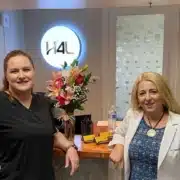
Dr Kelemen the founder of Hair 4 Life Medical
Hair restoration has advanced far beyond one-size-fits-all methods. For patients with extensive hair loss or limited scalp donor supply, traditional FUE (Follicular Unit Excision) may fall short. That’s where Hybrid FUE comes in: an innovative approach that combines scalp and beard hair to deliver natural, dense, and lasting results.
At Hair 4 Life Medical, Dr. Ramona Kelemen leads the field with refined techniques and solo harvesting precision. Let’s dive deep into what Hybrid FUE is, who it’s for, how it works, and why it may be your best chance at a full and natural-looking head of hair.
Introduction: Why Hybrid FUE Matters
Hair loss affects millions, and while traditional FUE is a trusted solution, it has limits. Patients with advanced balding (Norwood 5–7), prior failed transplants, or minimal donor area often feel hopeless. Hybrid FUE provides a forward-thinking solution by blending grafts from multiple donor areas—most commonly scalp and beard—for maximum impact.
Dr. Kelemen’s hybrid approach is rooted in meticulous planning, artistry, and medical precision. This technique isn’t for everyone—but for the right candidate, it can make the impossible, possible.
What Is Hybrid FUE?
Hybrid FUE is a hair transplant method that utilizes grafts from both scalp and non-scalp sources, primarily the beard area. It merges the strategic planning of traditional FUE with the extended donor pool of body hair transplantation (BHT). Unlike BHT, which often involves chest, leg, or arm hair, Hybrid FUE selectively uses beard hair because it more closely matches the density and growth characteristics of scalp hair.
This approach is not just about increasing graft numbers. It’s about designing a customized transplant strategy that uses each graft type where it performs best: finer scalp hair for the hairline, and thicker beard hair for added density in the mid-scalp or crown.
The Science Behind Donor Hair Compatibility
Hair isn’t just hair. Different areas of the body produce follicles with unique textures, growth cycles, and diameters. Here’s what sets beard and scalp hair apart:
- Beard Hair: Thicker, more robust, and often darker. It grows in single or double follicular units.
- Scalp Hair: Softer, finer, and more consistent in texture. Often grows in follicular units of 1–4 hairs.
Beard hair excels when used to increase volume in areas like the crown. However, it must be blended carefully to avoid textural mismatch. That’s where a seasoned surgeon like Dr. Kelemen makes all the difference, ensuring seamless transitions and natural outcomes.
Who Is a Good Candidate for Hybrid FUE?
Hybrid FUE isn’t for everyone, but it can be life-changing for the right candidates:
- Advanced Balding: Norwood 5 to 7 patients with significant hair loss
- Donor-Depleted Patients: Those with limited scalp donor availability
- Repair Cases: Correcting poorly executed FUT or FUE transplants
- High-Density Goals: Patients needing 3000+ grafts in a single session
Additional considerations include:
- Healthy, dense beard hair
- Realistic expectations
- Ability to tolerate multiple extraction zones
Step-by-Step Hybrid FUE Procedure
- Consultation & Planning
- Assessment of scalp and beard donor areas
- Hairline design and density mapping
- Scalp Graft Harvesting
- Shaving of donor zone (unless using Long Hair FUE)
- Extraction using a punch (manual, motorized, or robotic)
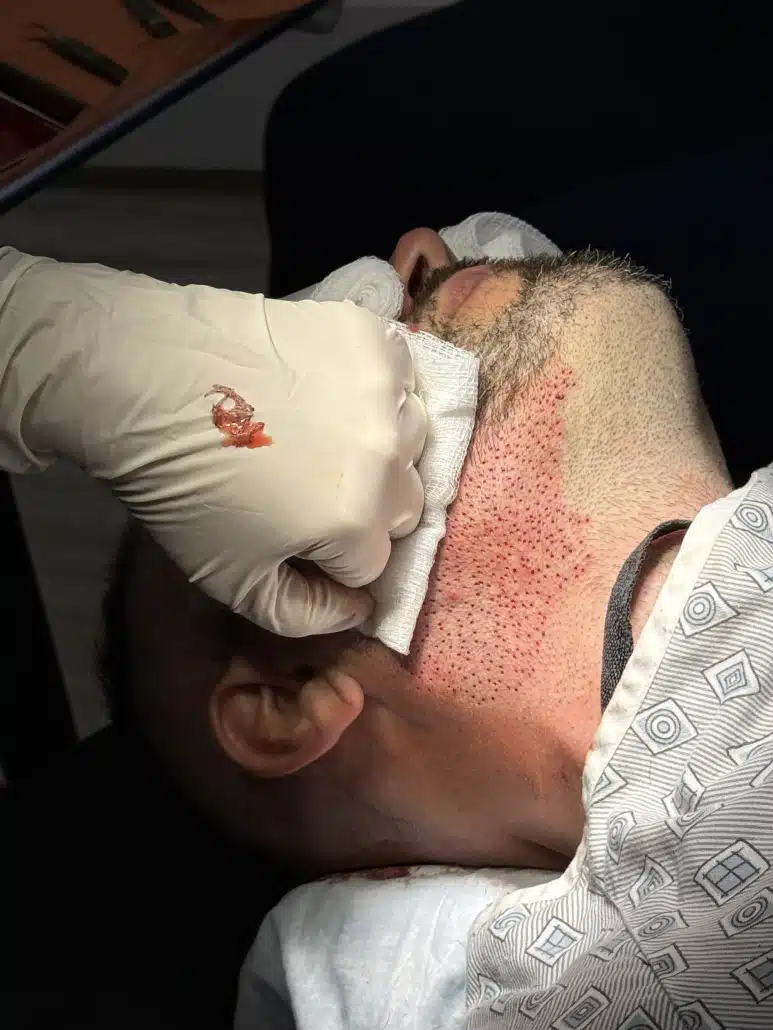
- Beard Graft Harvesting
- Targeting submandibular and neckline area
- Performed with precision tools to avoid scarring
- Graft Sorting & Blending
- Scalp grafts reserved for hairline and temples
- Beard grafts for crown, mid-scalp, or density boosters
- Implantation
- Carefully angled and spaced for a natural result
- DHI or pre-made slit techniques depending on case
Healing, Recovery, and Results
Beard Area: Heals faster than scalp in many cases, though some temporary redness or bumps are normal. Proper post-op care minimizes risks.
Scalp Area: Standard FUE recovery timeline applies. Most patients return to normal activities within a week.
Regrowth Timeline:
- 0–2 weeks: Shedding of transplanted hairs (normal)
- 3–4 months: New growth begins
- 6–9 months: Noticeable density
- 12–18 months: Full results
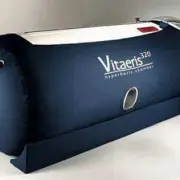
Shock loss is possible but temporary. Dr. Kelemen may recommend adjunct therapies like Hyperbaric Oxygen Therapy or Regenera Activa to support regrowth.
Advantages of Hybrid FUE
- Expanded Donor Supply: Beard grafts add thousands of usable follicles
- Increased Density: Especially useful for megasessions and full coverage
- Future-Proofing: Preserves scalp donor area for future needs
- Natural Appearance: When executed correctly, results are indistinguishable from native hair
Risks, Challenges, and Limitations
- Scarring: Minor risk if beard grafts are overharvested or poorly extracted
- Texture Mismatch: Needs expert placement for a seamless look
- Uneven Beard Growth: Extraction can thin the donor beard area permanently
- Patient Discomfort: Beard harvesting may cause more temporary discomfort
These risks are minimized when performed by an experienced surgeon with a deep understanding of follicular anatomy and aesthetic design.
Why Dr. Kelemen Is a Leader in Hybrid FUE
Dr. Ramona Kelemen is one of the few physicians in the U.S. who routinely and expertly performs Hybrid FUE using multiple technologies:
- ARTAS Robotic FUE
- WAW DUO system
- UGraft and Cole punches
- Manual extractions
She is also the only provider in Arizona offering Long Hair FUE and Regenera Activa, and she routinely performs solo FUE extractions, a rarity among transplant surgeons. Her Hybrid FUE cases are supported by the “MagicDuo” method—a surgeon-tech synergy that ensures consistency, precision, and safety.
Frequently Asked Questions
Q: How many beard grafts can be safely harvested?
A: Up to 2,000 beard grafts may be harvested in ideal cases, depending on density and skin characteristics.
Q: Will beard grafts leave scars?
A: Minor dot scars may occur but are usually invisible once healed, especially when harvested properly.
Q: Does beard hair grow like scalp hair?
A: Yes, once transplanted, beard hair takes on some of the characteristics of scalp hair over time.
Q: Is shaving required for Hybrid FUE?
A: Shaving is typical but Long Hair FUE can reduce visibility during recovery.
Q: Is the procedure painful?
A: Most patients report only mild discomfort. Local anesthesia is used throughout.
Conclusion: Is Hybrid FUE Right for You?
If you’ve been told you don’t have enough scalp donor hair or you’re seeking a second transplant with improved coverage and density, Hybrid FUE may be your best solution.
With artistry, experience, and access to advanced tools, Dr. Kelemen customizes each Hybrid FUE case to deliver natural, age-appropriate, and long-lasting results.
📞 Schedule a private consultation at Hair 4 Life Medical and find out if Hybrid FUE is right for you.
📞 (480) 525-4547
👉 Ready to restore your hair? Schedule a consultation with Dr. Kelemen today!
Interested in learning more? Contact Us or call Hair 4 Life at (480) 525-4547 to schedule an appointment.
References
Body to Scalp: Evolving Trends in Body Hair Transplantation – PMC
Body Hair Transplant by Follicular Unit Extraction: My Experience With 122 Patients – PubMed
Body Hair Transplant by Follicular Unit Extraction: My Experience With 122 Patients – PMC






 Hair 4 Life Medical