Are FUE Hair Transplants Permanent? Everything You Need to Know
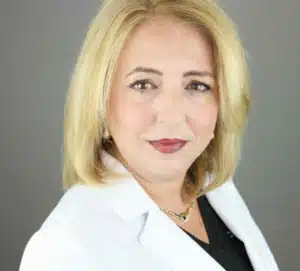
Dr Kelemen the founder of Hair 4 Life Medical
Follicular Unit Extraction (FUE) hair transplants have gained widespread popularity as a highly effective solution for hair loss. One of the most common questions individuals have before undergoing this procedure is whether FUE transplants are permanent. In this comprehensive guide, we will explore the longevity of FUE transplants, the factors that affect their success, post-transplant care, and expert insights from Dr. Kelemen, a leading authority in hair restoration.
Yes, FUE hair transplants are generally considered a permanent solution to hair loss. The transplanted hair follicles are taken from areas that are resistant to dihydrotestosterone (DHT), the hormone responsible for hair loss in conditions such as androgenetic alopecia (male and female pattern baldness). Because these follicles retain their genetic resistance to hair loss, they continue to grow in their new location for a lifetime.
However, while FUE transplants are permanent, the overall success and longevity of the results depend on several key factors, which we will explore below.
Factors That Influence the Success and Longevity of FUE Hair Transplants
1. Quality of the Donor Hair
Since the success of an FUE transplant relies on donor hair, individuals with a strong, healthy donor area tend to experience the best long-term results. Dr. Kelemen emphasizes the importance of proper donor area selection to ensure optimal regrowth and density.
2. Surgeon Expertise
The skill and experience of the surgeon play a crucial role in the success of an FUE transplant. A highly trained specialist, such as Dr. Kelemen, ensures that grafts are extracted and implanted with precision, maximizing their survival rate. Dr. Kelemen is among a very select few surgeons who perform SOLO hair transplants, personally handling every step of the procedure to ensure the highest level of quality and precision. Additionally, many other hair transplant physicians have chosen Dr. Kelemen for their own hair transplants, further solidifying her reputation as a trusted expert in the field.
3. Post-Transplant Care
Proper aftercare is essential to ensuring that transplanted hair follicles establish themselves successfully. Patients should follow their surgeon’s instructions, including:
Avoiding direct sun exposure
Refraining from intense physical activity for the first few weeks
Using prescribed medications to reduce swelling and prevent infection
While transplanted follicles are permanent, existing native hair may continue to thin over time. To maintain a consistent and natural look, Dr. Kelemen often recommends complementary treatments such as platelet-rich plasma (PRP) therapy, low-level laser therapy (LLLT), or FDA-approved medications like finasteride and minoxidil.
5. Lifestyle and Health Factors
General health, nutrition, and lifestyle choices impact hair health. A diet rich in vitamins, proper hydration, and avoiding smoking or excessive alcohol consumption can help support long-term hair retention and growth.
What to Expect After an FUE Hair Transplant
1. Initial Shedding Phase (Shock Loss)
In the first few weeks following an FUE transplant, it is common for the transplanted hair to shed. This is a temporary phase known as shock loss, and it is part of the natural healing process. New hair growth will typically begin within three to four months.
FUE is effective for all hair types, including curly, wavy, and straight hair, as long as the patient has a suitable donor area.
How Much Does an FUE Hair Transplant Cost?
The cost of an FUE transplant varies depending on factors such as location, clinic reputation, surgeon expertise, and the number of grafts required. On average, the price ranges from $4,000 to $15,000. Dr. Kelemen’s clinic offers personalized consultations to create a treatment plan tailored to individual needs.
Common Myths About FUE Hair Transplants
1. “FUE Transplants Don’t Last Forever”
While natural hair loss can still occur in non-transplanted areas, transplanted follicles remain resistant to DHT and continue growing permanently.
2. “FUE Is Painful and Requires a Long Recovery”
Thanks to local anesthesia and advanced techniques, the procedure is virtually painless, and most patients resume normal activities within a few days.
3. “Transplanted Hair Won’t Look Natural”
When performed by an expert like Dr. Kelemen, FUE results look completely natural, with careful attention to hairline design and follicle placement.
Are FUE Hair Transplants Worth It?
For individuals seeking a permanent solution to hair loss, an FUE transplant is one of the best options available. With advancements in technology and expert care from specialists like Dr. Kelemen, patients can achieve natural, long-lasting results that restore confidence and self-esteem.
https://hairforlifeaz.com/wp-content/uploads/2025/02/FUEprocedure-scaled.jpg17592560Brian Bemohttps://hairforlifeaz.com/wp-content/uploads/2024/02/Hair-for-Life-Medical-Logo-web.pngBrian Bemo2025-02-20 14:25:512026-01-21 19:10:33Are FUE Hair Transplants Permanent? Everything You Need to Know
Everything You Need to Know about a Hair Transplant Without Shaving Your Head?
Dr Kelemen the founder of Hair 4 Life Medical
Hair transplant procedures have gained immense popularity as an effective solution for hair loss. However, many individuals hesitate to undergo a transplant due to the requirement of shaving their heads. The good news is that advancements in hair restoration techniques have made it possible to receive a hair transplant without fully shaving the head. In this comprehensive guide, we will explore the feasibility of non-shaven hair transplants, their benefits, techniques, cost, and recovery process, with insights from Dr. Kelemen, a leading expert in hair restoration.
Understanding Traditional Hair Transplant Methods
Before diving into the details of no-shave hair transplants, it is essential to understand the two main types of hair transplant procedures:
1. Follicular Unit Transplantation (FUT)
This method involves removing a strip of scalp from the donor area (typically the back of the head) and dissecting it into individual follicular units for transplantation. Since the donor strip is removed from under the hair, shaving is not usually required, but the recipient area may need to be trimmed.
2. Follicular Unit Extraction (FUE)
FUE is a more modern technique where individual follicular units are extracted directly from the donor area using tiny punches. Traditional FUE procedures typically require shaving the donor area to ensure precise extraction and implantation.
No-Shave Hair Transplant: How Does It Work?
A no-shave hair transplant is a modified version of the FUE procedure where the hair is either minimally trimmed or left intact, allowing patients to undergo the surgery discreetly. There are two primary variations of this technique:
1. Unshaven FUE (UFUE)
In this technique, the surgeon carefully extracts individual hair follicles without shaving or trimming the surrounding hair. It requires a high level of precision and is more time-consuming than traditional FUE.
2. Partially Shaven FUE
Some clinics offer partially shaved FUE, where only small donor patches are shaved in between existing hair. The surrounding hair helps to conceal the shaved areas, making it less noticeable post-surgery.
Advantages of No-Shave Hair Transplants
1. Discreet Procedure
For many individuals, shaving their head is a significant concern due to work, social, or personal reasons. A no-shave hair transplant allows for a more inconspicuous transformation.
2. Faster Recovery for Aesthetic Purposes
Since the hair is left intact, patients can quickly return to their daily routine without drawing attention to the procedure.
Many people associate shaved heads with drastic medical treatments. Avoiding a complete shave can ease the emotional stress of undergoing the procedure.
Since the extraction process is more intricate, fewer grafts can be harvested in one session, making it unsuitable for those needing extensive hair restoration.
3. Increased Procedure Duration
A no-shave hair transplant takes significantly longer because surgeons must carefully extract individual follicles without disturbing the surrounding hair.
1. Avoid Touching or Scratching the Transplanted Area
Newly transplanted follicles are delicate in the first few weeks, and touching them can disrupt their integration into the scalp.
2. Follow Proper Hair Washing Guidelines
Most clinics recommend washing the hair gently with a mild shampoo after a few days to keep the scalp clean without disturbing the grafts.
3. Avoid Strenuous Activities
Engaging in heavy workouts, swimming, or excessive sweating should be avoided for at least two weeks to prevent complications.
4. Sleep with an Elevated Head Position
Sleeping in an elevated position for the first few nights reduces swelling and promotes healing.
5. Attend Follow-Up Appointments
Regular check-ups with the surgeon ensure proper healing and allow any concerns to be addressed promptly.
How Much Does a No-Shave Hair Transplant Cost?
The cost of a no-shave hair transplant varies based on factors such as location, clinic reputation, physician’s expertise, and the number of grafts required. On average, it ranges from $7,000 to $25,000, with some high-end clinics charging even more for specialized procedures. Dr. Kelemen’s clinic provides tailored consultations to determine the best approach based on individual needs.
Are No-Shave Hair Transplants Worth It?
For individuals looking to undergo a discreet hair restoration procedure, a no-shave hair transplant is an excellent option. While it is more expensive and time-consuming, the benefits of maintaining one’s natural appearance outweigh the drawbacks for many patients.
https://hairforlifeaz.com/wp-content/uploads/2024/01/BHT-Body-Hair-Transplant-3.jpg1067800Brian Bemohttps://hairforlifeaz.com/wp-content/uploads/2024/02/Hair-for-Life-Medical-Logo-web.pngBrian Bemo2025-02-19 11:06:082026-01-21 19:10:33Everything You Need to Know about a Hair Transplant Without Shaving Your Head?
Long Hair FUE: The Ultimate Guide to a No-Shave Hair Transplant
Dr Kelemen the founder of Hair 4 Life Medical
Introduction
Hair transplants have evolved significantly, offering more advanced and less invasive solutions for those experiencing hair loss. One of the latest and most discreet methods is Long Hair Follicular Unit Extraction (Long Hair FUE). Unlike traditional FUE, this technique does not require shaving the donor or recipient area, making it an attractive option for individuals who prefer an undetectable transplant process. In this comprehensive guide, we will explore Long Hair FUE in detail, covering the procedure, benefits, risks, recovery, cost considerations, and why it is more expensive than other methods.
What is Long Hair FUE?
Long Hair FUE is a specialized hair transplant technique that follows the same principles as standard FUE but allows for the extraction and implantation of follicular units without cutting the donor hair short. This means that patients can undergo the procedure while maintaining their existing hair length, providing an immediate visual preview of results and maintaining discretion.
The Procedure: Step by Step:
1. Consultation and Assessment
Before undergoing Long Hair FUE, a thorough evaluation by a hair restoration specialist, such as Dr. Kelemen from Hair 4 Life Medical, is necessary. The doctor assesses the extent of hair loss, donor area quality, and overall suitability for the procedure.
2. Donor Hair Extraction
Unlike conventional FUE, where the donor area is shaved, Long Hair FUE allows for individual extraction of follicular units while keeping the hair long. The surgeon carefully selects and extracts grafts using a specialized micro-punch tool to minimize visible scarring. At Hair 4 Life Medical, Dr. Kelemen utilizes handheld motorized devices like the Ugraft and WAW DUO.
The surgeon makes tiny incisions in the recipient area following the natural hair growth pattern. Precision is crucial to ensure a natural and seamless result. At Hair 4 Life Medical, Dr. Kelemen uses custom blades designed specifically for site creation, ensuring optimal angulation, depth, and density for the most natural-looking results.
No Need for Shaving: Unlike traditional FUE or FUT, Long Hair FUE allows patients to maintain their hair length, making it ideal for those who prefer a more discreet procedure.
Immediate Aesthetic Preview: Since the transplanted hair is long, patients can see an immediate change in hair density and appearance.
Minimal Downtime: The recovery process is generally quick, with minimal discomfort and swelling.
No Linear Scars: As with standard FUE, Long Hair FUE does not leave a noticeable linear scar, unlike the traditional FUT method.
Enhanced Confidence Post-Procedure: The ability to return to daily life without significant visual changes or signs of surgery is a major advantage for many patients.
Why is Long Hair FUE More Expensive?
Long Hair FUE comes with a higher price tag compared to traditional hair transplant techniques. The reasons for its premium cost include:
Increased Time and Labor: Extracting and implanting long hair follicles requires more precision and takes significantly longer than standard FUE.
Specialized Tools and Equipment: Clinics performing Long Hair FUE must invest in advanced micro-punch tools and specialized implantation techniques to ensure optimal results. Hair 4 Life Medical, led by Dr. Kelemen, employs custom blades tailored to individual patient needs for the best outcome.
Custom Blades for Site Creation: One of the unique aspects of Hair 4 Life Medical’s approach is the use of custom blades to create precise recipient sites. These blades are specifically designed to ensure the perfect depth, angle, and placement for each graft, maximizing natural-looking results and promoting faster healing.
Hair Shedding (Shock Loss): Some of the transplanted hairs may shed temporarily before new growth begins, typically within 3-4 months.
Cost Considerations
Long Hair FUE is more expensive than standard FUE due to the increased labor and precision required. Prices vary based on factors such as clinic location, surgeon expertise, and the number of grafts needed. On average, the cost can range between $12,500 and $30,000 per session.
Common FAQs About Long Hair FUE
1. Who is an ideal candidate for Long Hair FUE?
Anyone with sufficient donor hair who prefers a no-shave hair transplant is a good candidate. It is particularly beneficial for those in professional or public-facing roles who want minimal downtime.
2. How long does the procedure take?
Depending on the number of grafts required, a Long Hair FUE session can take anywhere from 6 to 12 hours.
3. Are the results permanent?
Yes, the transplanted hair is permanent and will continue to grow naturally.
4. How soon can I return to work?
Many patients return to work within a few days, as there is no visible shaving or scarring.
This procedure is ideal for individuals who want a discreet hair restoration solution without shaving their head. It is particularly beneficial for professionals, public figures, or those who prefer to keep their hair transplant private. However, it may not be suitable for individuals with extensive baldness or insufficient donor hair.
Conclusion
Long Hair FUE is a revolutionary approach to hair transplantation, offering natural-looking results without the need for shaving. While it requires more time and investment, the benefits of discretion, immediate aesthetic improvements, and minimal scarring make it an excellent option for those seeking a seamless hair restoration experience. If you’re considering Long Hair FUE, consult with a qualified hair transplant specialist, such as Dr. Kelemen at Hair 4 Life Medical, to determine if it’s the right choice for you.
If you’re ready to take the next step in your hair restoration journey, schedule a consultation with Dr. Kelemen and the team at Hair 4 Life Medical. Your confidence and a full head of hair are just a procedure away.
Ready to transform your look? Schedule a paid consultation with Dr. Kelemen today and discover why Hair 4 Life Medical is Arizona’s trusted leader in hair restoration.
Interested in learning more?Contact Us or call Hair 4 Life at (480) 525-4547 to schedule an appointment.
https://hairforlifeaz.com/wp-content/uploads/2024/10/DHI-2.png1024682Ioan A Kelemenhttps://hairforlifeaz.com/wp-content/uploads/2024/02/Hair-for-Life-Medical-Logo-web.pngIoan A Kelemen2025-02-17 19:26:252026-01-21 19:10:32Long Hair FUE: The Ultimate Guide to a No-Shave Hair Transplant
Advancements in FUE Hair Transplants: How It Compares to Other Methods
Dr Kelemen the founder of Hair 4 Life Medical
Hair restoration has come a long way in recent years, with Follicular Unit Extraction (FUE) emerging as one of the most advanced techniques available. For individuals experiencing hair loss, choosing the right transplant method is a crucial decision that affects both the final results and recovery process. This article explores the advancements in FUE hair transplants and compares them to other popular methods, including Follicular Unit Transplantation (FUT) and non-surgical options.
What is FUE?
Follicular Unit Extraction (FUE) is a minimally invasive hair transplant technique where individual hair follicles are extracted from a donor area (typically the back of the head) and implanted into thinning or balding areas. Unlike traditional strip harvesting methods, FUE does not require a large incision, making it a preferred choice for those looking for a less invasive procedure with minimal scarring.
Advantages of FUE
Minimally Invasive: No large incisions or stitches are required, making recovery quicker and more comfortable.
Natural-Looking Results: Individual follicle placement allows for a more natural hairline and density.
Less Scarring: Unlike FUT, which leaves a linear scar, FUE results in tiny, nearly invisible puncture marks.
Faster Recovery Time: Most patients can resume normal activities within a week.
How FUE Has Advanced
Recent advancements have significantly improved the efficiency and success rates of FUE hair transplants:
1. Precision Handheld Devices
Handheld-assisted FUE enhances accuracy, ensuring consistent follicle extraction and placement. Advanced devices such as WAW, Ugraft, and Trivellini provide improved control, reducing trauma and increasing graft survival rates. These state-of-the-art tools allow for greater precision, minimizing follicular damage and ensuring optimal implantation.
2. Importance of Punch Size
The size of the micro-punch used in FUE plays a crucial role in the procedure’s success. Smaller punches (typically 0.7-0.9mm) reduce scarring and trauma while preserving the donor area’s appearance. However, larger punches may be used for thicker grafts, balancing precision with efficiency. The right punch size ensures a better graft survival rate and maintains the overall aesthetics of both donor and recipient areas.
3. Improved Extraction Tools
Modern micro-punch devices minimize trauma to the scalp, promoting faster healing and higher graft survival rates. Automated and motorized extraction tools allow for more efficient harvesting, reducing procedure time while maintaining high precision.
4. Advanced Implantation Techniques
Some clinics use improved implanter pens to enhance follicle placement, ensuring a higher density and a more natural hairline. The ability to control the angle, depth, and direction of each implanted follicle significantly improves results.
FUE vs. FUT: Key Differences
While FUE and FUT (Follicular Unit Transplantation) both involve transplanting hair follicles, they differ significantly in method and patient experience:
FUE is ideal for patients who want a less invasive procedure with minimal downtime, while FUT may be a better option for those needing a large number of grafts at a lower cost.
How FUE Compares to Non-Surgical Options
For those hesitant about surgery, non-surgical hair restoration options exist, including:
1. Medications (Minoxidil & Finasteride)
Minoxidil (Rogaine) and Finasteride (Propecia) are FDA-approved treatments that help slow hair loss and promote hair regrowth.
Require consistent, long-term use to maintain results.
While non-surgical options may work for early-stage hair loss, they are generally less effective for significant balding. FUE remains the superior choice for those seeking permanent, natural results.
Avoid harsh chemical treatments for a few months post-surgery.
Use mild shampoos to maintain scalp health.
Consider maintenance treatments like PRP (Platelet-Rich Plasma) to enhance growth.
Final Thoughts
With continuous advancements in technology, FUE has solidified its position as the leading hair restoration method. Compared to FUT, it offers a less invasive experience, quicker recovery, and minimal scarring. While non-surgical treatments can be helpful for some, they do not provide the permanent, natural growth achieved with FUE.
For individuals considering hair restoration, consulting with a qualified specialist is key to determining the most suitable approach based on hair loss severity, budget, and personal preferences.
If you’re ready to take the next step in your hair restoration journey, schedule a consultation with Dr. Kelemen and the team at Hair 4 Life Medical. Your confidence and a full head of hair are just a procedure away.
Ready to transform your look? Schedule a paid consultation with Dr. Kelemen today and discover why Hair 4 Life Medical is Arizona’s trusted leader in hair restoration.
Interested in learning more?Contact Us or call Hair 4 Life at (480) 525-4547 to schedule an appointment.
https://hairforlifeaz.com/wp-content/uploads/2025/01/Hair-Transplant-FUE-01.png10682560Ioan A Kelemenhttps://hairforlifeaz.com/wp-content/uploads/2024/02/Hair-for-Life-Medical-Logo-web.pngIoan A Kelemen2025-02-17 18:08:422026-02-18 12:13:33Advancements in FUE Hair Transplants: How It Compares to Other Methods
How Slick Marketing is Fooling Hair Transplant Patients
Dr Kelemen the founder of Hair 4 Life Medical
Introduction
Hair loss is a distressing issue for many individuals, leading them to seek solutions such as hair transplants. In recent years, the hair transplant industry has exploded, fueled by aggressive marketing campaigns that promise transformative results. However, behind the glossy advertisements and celebrity endorsements, many patients are being misled by slick marketing tactics that prioritize sales over patient education and medical ethics. In this post, we’ll explore how deceptive marketing is fooling hair transplant patients, the risks involved, and how to make informed decisions.
The Rise of Hair Transplant Marketing
The hair transplant industry is now a multi-billion-dollar business, with clinics popping up worldwide, especially in medical tourism hotspots like Turkey, India, and Mexico. With the growing demand, marketing has become a key driver in attracting patients. Unfortunately, many clinics prioritize aggressive advertising over transparency, luring patients with misleading claims and unrealistic expectations.
Deceptive Marketing Tactics Used by Hair Transplant Clinics
1. Celebrity Endorsements and Influencer Marketing
One of the most powerful tools in marketing today is social media influencers and celebrity endorsements. Clinics often sponsor celebrities or influencers to promote their services, showcasing their hair transplant results as proof of the clinic’s success. However, these results are often not representative of the average patient experience.
Many influencers receive free or discounted procedures in exchange for promotion.
Celebrities may have access to the best doctors, multiple procedures, and additional treatments like PRP (Platelet-Rich Plasma) therapy or medication to maintain their results.
The downsides and recovery challenges are rarely discussed in promotional content.
2. Before-and-After Photos Without Context
Before-and-after images are a staple of hair transplant marketing, but they can be misleading.
Photos are often taken under ideal lighting and angles to exaggerate improvements.
Some patients featured may have had multiple procedures, but this information is not disclosed.
Some images may even be digitally altered or taken from other sources without permission.
3. Unrealistic Promises and Guarantees
Many clinics market their procedures as a “guaranteed” solution to hair loss. However, this is misleading because hair transplants are not a cure but a redistribution of existing hair.
Some clinics claim “scar-free” procedures, but all surgical hair transplants involve some scarring, whether through FUE (Follicular Unit Extraction) or FUT (Follicular Unit Transplantation).
“Full coverage” promises ignore the reality that donor hair is finite and may not provide complete density for severe hair loss cases.
Patients may experience regret, anxiety, and depression.
Social confidence can take a hit if results are unnatural or unsatisfactory.
Some patients may develop long-term scalp issues due to poorly executed surgeries.
How to Avoid Being Fooled by Slick Marketing
To ensure you make an informed decision about your hair transplant, follow these steps:
1. Research Thoroughly
Do not rely solely on clinic websites or social media.
Read reviews from independent forums like Reddit, Hair Restoration Network, and Trustpilot.
Look for unbiased patient testimonials rather than promotional content.
2. Consult Multiple Clinics
Get opinions from at least 2-3 reputable clinics.
Avoid clinics that rush consultations or refuse to answer detailed questions.
3. Verify the Surgeon’s Credentials
Ensure that the surgeon performing the procedure is board-certified and has years of experience in hair restoration.
Ask for proof of qualifications and check for any disciplinary actions.
4. Ask About Technician Involvement
Confirm who will be performing each part of the procedure.
Avoid clinics that rely heavily on unlicensed technicians.
5. Understand the Long-Term Commitment
Be aware that you may need maintenance treatments or additional procedures.
Ask about post-surgery care and realistic expectations for growth.
6. Avoid High-Pressure Sales Tactics
Be wary of clinics that push you to book quickly with “limited-time offers.”
Take your time to make an informed decision rather than rushing into surgery.
Conclusion
Hair transplants can be life-changing when done correctly, but the industry is rife with misleading marketing that can leave patients disappointed and financially drained. Hair 4 Life Medical is committed to providing ethical, transparent, and high-quality hair restoration services. By recognizing the deceptive tactics used by some clinics, asking the right questions, and prioritizing medical expertise over flashy promotions, you can avoid falling into the trap of slick marketing. Remember, the best hair transplant results come from skilled surgeons, realistic expectations, and informed decision-making.
If you’re ready to take the next step in your hair restoration journey, schedule a consultation with Dr. Kelemen and the team at Hair 4 Life Medical. Your confidence and a full head of hair are just a procedure away.
Ready to transform your look? Schedule a paid consultation with Dr. Kelemen today and discover why Hair 4 Life Medical is Arizona’s trusted leader in hair restoration.
Interested in learning more?Contact Us or call Hair 4 Life at (480) 525-4547 to schedule an appointment.
https://hairforlifeaz.com/wp-content/uploads/2025/02/133537045657578992-scaled.jpg11532050Ioan A Kelemenhttps://hairforlifeaz.com/wp-content/uploads/2024/02/Hair-for-Life-Medical-Logo-web.pngIoan A Kelemen2025-02-16 18:43:432026-01-31 15:17:02How Slick Marketing is Fooling Hair Transplant Patients
Why It’s Important to Have Your Hair Transplant Consultation with the Doctor
Dr Kelemen the founder of Hair 4 Life Medical
Undergoing a hair transplant is a significant decision—one that can dramatically improve your appearance and boost your confidence. However, to achieve the best results, the entire process should start with a comprehensive consultation. While some clinics rely on consultants or salespeople to conduct initial consultations, it’s crucial that your consultation is done directly with a qualified hair transplant physician.
In this blog post, we’ll dive deep into why having your consultation with the doctor is a critical first step, the benefits it provides, and why it sets the foundation for a successful hair restoration journey.
1. The Importance of Accurate Diagnosis
Hair loss is a medical condition that can be caused by a variety of factors, including genetics, hormonal imbalances, autoimmune diseases, or other underlying health issues. The consultation is not merely about determining how many grafts you need but understanding the root cause of your hair loss. A trained physician, like Dr. Ramona Kelemen at Hair 4 Life Medical, has the medical background and expertise to properly diagnose your hair loss condition.
During your consultation with a doctor, the physician will conduct a thorough examination, which may include:
Scalp analysis: A detailed evaluation of the health of your scalp and the pattern of hair loss.
Medical history: Discussion of your overall health, family history of hair loss, and any medications or treatments you’re currently undergoing.
Tests and assessments: If needed, the physician can recommend blood tests or scalp biopsies to rule out underlying health conditions.
A physician’s ability to recognize and diagnose different types of hair loss conditions—such as androgenetic alopecia, alopecia areata, or telogen effluvium—is essential to ensure that you receive the most appropriate and effective treatment.
2. Customized Treatment Plan
Hair loss is a deeply personal experience, and no two cases are exactly alike. What works for one patient may not be the best approach for another. This is why it’s critical to have your consultation with a doctor who can create a customized treatment plan tailored to your specific needs and goals.
When you meet with an experienced hair restoration physician like Dr. Kelemen, you’ll benefit from:
Personalized recommendations: After the consultation, the doctor will suggest treatment options that best suit your hair type, the extent of your hair loss, and your long-term goals. For some patients, surgical procedures like Follicular Unit Extraction (FUE) might be the best option, while others may benefit from non-surgical treatments like Tricopat or other regenerative therapies.
Realistic expectations: A physician can give you a clear understanding of what to expect from your treatment—both in terms of results and recovery. They will discuss the expected density, timeline for results, and what will work best for your hairline and scalp.
Multiple options: Unlike consultations with non-medical personnel who may push for surgery, a doctor can provide a full range of options, including non-surgical interventions or combination treatments, ensuring you’re making the most informed decision possible.
3. Expertise in Technique Selection
Hair transplant procedures are not a one-size-fits-all solution. The technique that is right for you depends on several factors, including the type of hair loss, your donor area, and your desired outcome. During your consultation, the doctor will determine which hair restoration method is most appropriate for you.
Here’s why it’s important to have a physician guide this decision:
Technique selection: An experienced physician like Dr. Kelemen can recommend the best technique for your case, whether it’s FUE, Long Hair FUE, No-Shave FUE, or Body Hair Transplantation (BHT). For example, patients with curly hair or certain ethnic backgrounds may require a specialized approach to ensure natural results.
Donor area assessment: A trained doctor will carefully evaluate the donor area on your scalp or body to ensure that there is enough healthy hair to harvest and transplant. Proper management of the donor area is crucial for achieving a full, natural result while preserving hair density in the donor region.
Precise planning: Only a qualified doctor can precisely plan where each follicular unit will be placed for optimal density and a natural hairline. This planning is critical for achieving results that look undetectable.
Non-medical consultants simply do not have the expertise to make these complex assessments and decisions, which can lead to suboptimal results if left in the wrong hands.
4. Medical Expertise in Handling Complications
Hair transplant surgery is generally a safe procedure when performed by a qualified and experienced physician, but like any surgical treatment, it carries some risks. During your consultation with a doctor, you’ll have the opportunity to discuss any potential complications or side effects and how the physician plans to manage them.
Here’s why it’s crucial to consult with a doctor:
Management of medical conditions: If you have pre-existing medical conditions, a physician will take these into account when planning your procedure. For example, certain medications may need to be adjusted, or specific precautions may need to be taken to reduce risks.
Infection prevention: Doctors are trained to maintain a sterile environment and prevent infections during and after surgery. They will also provide you with detailed post-operative care instructions to minimize risks.
Treatment of complications: In the rare event of a complication, such as infection or poor healing, a doctor is equipped to diagnose and treat these issues. Non-medical consultants or technicians simply don’t have the medical training to handle complications, which can lead to poor outcomes or the need for corrective surgeries later.
5. In-Depth Understanding of Hair Biology
Hair loss can be a complex condition that involves factors like genetics, hormones, and lifestyle. A doctor has an in-depth understanding of the biology of hair growth and the underlying mechanisms that contribute to hair thinning or loss.
When you have your consultation with a physician:
Comprehensive knowledge: A doctor like Dr. Kelemen can explain the hair growth cycle, how different types of hair loss occur, and what treatments are available to address each specific type of loss. This deeper level of understanding ensures that the recommended treatment will address the underlying cause of your hair loss, not just the symptoms.
Use of advanced technology: Doctors often use sophisticated tools, such as Trichoscopy or digital scalp analysis, to accurately assess hair health and follicle density. This technology can help pinpoint the exact areas of thinning or miniaturization, allowing for a more targeted and effective treatment plan.
Explanation of non-surgical options: For patients who are not yet ready for surgery, a doctor can offer non-invasive treatments like Tricopat or other regenerative therapies that stimulate hair growth and preserve existing hair. Understanding how these therapies work requires a thorough knowledge of hair biology, which only a physician can provide.
6. Clear Communication and Trust
A hair transplant consultation is an important step in building a trusting relationship with your doctor. By speaking directly with the physician who will perform the procedure, you’ll gain insight into their level of expertise and develop confidence in their abilities.
Benefits of consulting directly with the doctor include:
Open dialogue: You can ask the doctor specific questions about their experience, technique, and what you can expect during the procedure. This conversation helps establish trust and gives you a clear understanding of the process.
Personal connection: Meeting the doctor before the surgery allows you to gauge their communication style and bedside manner. You’ll feel more at ease knowing that the person performing your procedure genuinely cares about your well-being and is invested in your outcome.
Transparency: A reputable doctor will provide transparent information about the risks, benefits, costs, and recovery process associated with the treatment. They will also ensure that you have realistic expectations for the results and provide before-and-after photos of previous patients for reference.
7. Avoiding the Pitfalls of Non-Physician Consultations
Unfortunately, some hair transplant clinics rely on non-medical personnel—often salespeople or consultants—to conduct the initial consultation. While this may seem convenient or cost-effective, it comes with significant risks:
Lack of medical training: Sales consultants are not equipped to provide an accurate diagnosis or discuss the nuances of medical conditions that can affect hair loss. As a result, you may receive a generic treatment plan that doesn’t address your specific needs.
Pressure to commit: Non-physician consultants may be more focused on closing a sale than on providing the best medical advice. This could lead to patients feeling pressured into choosing a surgery they’re not ready for or one that isn’t right for them.
Inaccurate information: Without the medical expertise of a doctor, consultants may provide inaccurate or incomplete information about the risks, expected results, or recovery process. This can lead to disappointment or complications after surgery.
Conclusion: Why Your Hair Transplant Consultation Should Be with a Doctor
Choosing to undergo a hair transplant is a significant decision, and the success of the procedure begins with the initial consultation. By having your consultation with a qualified and experienced hair transplant physician like Dr. Ramona Kelemen, you can rest assured that you’re receiving an accurate diagnosis, a personalized treatment plan, and the highest level of care.
At Hair 4 Life Medical, Dr. Kelemen prioritizes patient education and empowerment, ensuring that every patient understands their options and feels confident in their decision. Whether you’re considering FUE, Long Hair FUE, or another hair restoration treatment, your consultation with Dr. Kelemen will set the foundation for a successful, natural-looking result.
Don’t settle for a consultation with non-medical personnel—book your appointment with Dr.
Ready to transform your look? Schedule a paid consultation with Dr. Kelemen today and discover why Hair 4 Life Medical is Arizona’s trusted leader in hair restoration.
Interested in learning more?Contact Us or call Hair 4 Life at (480) 525-4547 to schedule an appointment.
https://hairforlifeaz.com/wp-content/uploads/2023/09/adult-male-getting-hair-loss-treatment-3.jpg6671000Brian Bemohttps://hairforlifeaz.com/wp-content/uploads/2024/02/Hair-for-Life-Medical-Logo-web.pngBrian Bemo2025-02-14 09:22:402026-01-21 19:10:30Why It’s Important to Have Your Hair Transplant Consultation with the Doctor
FUE for Beard-to-Scalp Hair Transplants: A Revolutionary Approach
Dr Kelemen the founder of Hair 4 Life Medical
Hair transplantation has evolved significantly over the years, with advancements in Follicular Unit Extraction (FUE) providing more options for individuals experiencing hair loss. One of the fastest-growing techniques in modern hair restoration is beard-to-scalp FUE transplantation. This approach is proving to be an invaluable solution, particularly for patients with limited scalp donor hair.
At Hair 4 Life Medical, Dr. Kelemen specializes in advanced hair restoration techniques, including beard-to-scalp transplants, ensuring natural, high-quality results using state-of-the-art handheld FUE devices such as WAW, Ugraft, and Trivellini.
Why is Beard-to-Scalp FUE Growing in Popularity?
Traditional hair transplants rely on extracting donor follicles from the back and sides of the scalp, but in cases where these areas are depleted or insufficient, beard hair presents an alternative, highly effective donor source. This method is becoming increasingly popular due to its ability to provide stronger, thicker follicles while maintaining a minimally invasive approach.
Key Benefits of Beard-to-Scalp FUE:
1. A Powerful Alternative Donor Source
For patients with extensive hair loss (Norwood 5-7) or those who have undergone multiple transplants and have limited scalp donor hair, the beard serves as a reliable, high-yielding donor area. Hair 4 Life Medical specializes in utilizing beard follicles to restore density without overharvesting the scalp.
2. Thicker Hair for Better Density
Beard hair is naturally thicker and more robust, making it ideal for enhancing volume in the mid-scalp and crown. While it differs from scalp hair in texture, proper placement and blending techniques by an experienced surgeon like Dr. Kelemen ensure a seamless transition.
3. Higher Graft Survival Rate
Due to its deep-rooted structure, beard hair tends to have better survival rates post-transplant, reducing the risk of shock loss. With the use of precision FUE devices like WAW and Trivellini, the extraction process ensures minimal trauma to follicles.
4. Ideal for Scar Coverage and Repair Cases
Patients with visible scarring from previous FUT (strip method) transplants or trauma can benefit from beard-to-scalp transplants. Beard follicles are denser and can effectively camouflage scars while adding natural coverage.
5. Minimal Scarring and Faster Recovery
Since beard hair is extracted using handheld motorized FUE tools, the process leaves tiny, nearly invisible punch marks that heal quickly. Within 3-5 days, patients can resume their daily routines with minimal downtime.
Who is a Good Candidate for Beard-to-Scalp Transplantation?
❌ Patients with very sparse beard hair. ❌ Those with active skin conditions affecting the face or scalp. ❌ Individuals expecting identical texture to scalp hair.
The Beard-to-Scalp FUE Procedure: What to Expect
Step 1: Consultation & Personalized Planning
Dr. Kelemen performs a detailed evaluation, mapping out the recipient area and determining the number of grafts required.
Step 2: Beard Follicle Extraction
Using precision FUE devices (WAW, Ugraft, or Trivellini), individual beard hairs are extracted from under the chin and jawline.
Step 3: Recipient Site Preparation
Small incisions are made on the scalp to ensure a natural hair growth pattern, maintaining proper angles and directions.
Refraining from intense physical activity for a few days.
Addressing Common Concerns
1. Will Beard Hair Look Natural on the Scalp?
Yes! While beard hair is coarser, advanced implantation techniques ensure a gradual transition, making the results appear completely natural.
2. Can You Mix Beard and Scalp Hair in One Procedure?
Absolutely! At Hair 4 Life Medical, we often blend both donor sources to create a more balanced, natural outcome.
3. How Long Does it Take to Heal?
Beard donor sites heal in 3-5 days, while the transplanted area follows the standard hair transplant recovery timeline (initial shedding, followed by regrowth in 3-6 months).
4. Will It Leave Noticeable Scars on My Face?
No! Using micro-FUE techniques, beard extraction leaves tiny, unnoticeable scars that fade over time.
Beard-to-Scalp FUE vs. Traditional Hair Transplants
Feature
Beard-to-Scalp FUE
Scalp-to-Scalp FUE
FUT (Strip Method)
Donor Source
Beard
Scalp
Scalp
Hair Texture
Thicker
Natural scalp match
Natural scalp match
Healing Time
3-5 days
7-10 days
2-3 weeks
Scarring
Minimal, dot-like
Minimal, dot-like
Linear scar
Ideal for
Crown & density
Hairline & general restoration
High graft count needs
Why Choose Dr. Kelemen & Hair 4 Life Medical for Your Beard-to-Scalp FUE?
1. Expertise in Advanced FUE Techniques
Dr. Kelemen utilizes the latest motorized handheld devices (WAW, Ugraft, and Trivellini) to ensure precise extractions and optimal graft survival.
Hair 4 Life Medical incorporates state-of-the-art technology, resulting in minimally invasive, high-yield hair transplants.
Final Thoughts: Is Beard-to-Scalp FUE Right for You?
With the rising popularity of beard-to-scalp hair transplants, more individuals are experiencing natural, life-changing results. If you have limited scalp donor hair and are looking for an effective alternative, this technique could be the perfect solution.
Book a Consultation with Hair 4 Life Medical Today!
https://hairforlifeaz.com/wp-content/uploads/2024/01/beard-transplant-7.jpg427292Ioan A Kelemenhttps://hairforlifeaz.com/wp-content/uploads/2024/02/Hair-for-Life-Medical-Logo-web.pngIoan A Kelemen2025-02-11 20:28:022026-01-21 19:10:30FUE for Beard-to-Scalp Hair Transplants: A Revolutionary Approach
Eyebrow transplants have gained popularity as a permanent solution for sparse or over-plucked brows. Unlike temporary fixes such as microblading, an eyebrow hair transplant offers natural, long-lasting results by using a patient’s own hair. However, achieving the perfect outcome requires precision, artistry, and advanced techniques.
2. Advanced Extraction Methods for Optimal Graft Survival
Using state-of-the-art FUE devices, top surgeons extract fine hairs, typically from the nape of the neck or behind the ears, as these hairs closely resemble eyebrow strands. Proper extraction ensures:
Minimal scarring and faster healing.
High graft survival rates.
A soft, natural appearance.
Why FUE is the Preferred Method
FUE (Follicular Unit Extraction) is the gold standard for eyebrow transplants because:
It is minimally invasive, reducing recovery time.
It avoids linear scarring, unlike strip harvesting.
Since transplanted hairs retain their donor-site characteristics, they may grow longer than natural eyebrow hairs. Patients should:
Trim brows regularly to maintain ideal length.
Use eyebrow grooming tools (scissors, spoolies) to shape brows.
Follow up with their surgeon for any concerns or touch-ups.
6. Who is a Good Candidate for an Eyebrow Transplant?
Ideal candidates include those who have:
Over-plucked or naturally sparse brows.
Hair loss due to genetics, trauma, or medical conditions.
A desire for fuller, more defined eyebrows.
Who May Not Be a Good Candidate?
Those with active skin conditions (eczema, psoriasis) near the brows.
Patients with unrealistic expectations about density and shape.
Individuals prone to poor wound healing due to medical conditions.
7. The Cost and Investment in Eyebrow Transplantation
The cost of an eyebrow transplant varies based on:
The number of grafts needed (typically 200-400 per brow).
The clinic’s reputation and surgeon’s expertise.
Geographic location.
While an eyebrow transplant is an investment, it provides permanent, natural results, making it more cost-effective than repeated microblading sessions.
8. Alternative Eyebrow Enhancement Methods
For those unsure about an eyebrow transplant, alternatives include:
Microblading: Semi-permanent tattooing to create the illusion of fuller brows.
Brow serums: Growth-promoting products with mixed effectiveness.
Eyebrow tattoos: Permanent, but often less natural-looking than transplants.
Conclusion: Why Expertise Makes All the Difference
A great eyebrow transplant is a blend of medical skill and artistic precision. At Hair 4 Life Medical, Dr. Kelemen ensures natural, long-lasting results by using advanced technology and customized treatment plans.
Thinking About an Eyebrow Transplant? Schedule a Consultation Today!
https://hairforlifeaz.com/wp-content/uploads/2024/06/eyebrow1-600x450-1.jpg450600Ioan A Kelemenhttps://hairforlifeaz.com/wp-content/uploads/2024/02/Hair-for-Life-Medical-Logo-web.pngIoan A Kelemen2025-02-07 19:00:282026-01-21 19:10:29The Key to a Great Eyebrow Hair Transplant
Why Ethical Surgeons Refuse Hair Transplants for Patients with Unrealistic Expectations
Dr Kelemen the founder of Hair 4 Life Medical
This is a topic that comes up often. When Dr Kelemen feels that the expectations are unrealistic or the patient is not doing anything about keeping his current hair loss, i.e. LLLLT, medication etc.
Hair transplantation is a transformative procedure that restores not only hair but also confidence. However, not every patient is a suitable candidate. Ethical hair transplant surgeons, including Dr. Kelemen at Hair 4 Life Medical, sometimes refuse to perform procedures when they identify unrealistic expectations that could lead to dissatisfaction or poor results.
Understanding why doctors take this approach can help patients make informed decisions and achieve long-term success with hair restoration.
1. The Science of Hair Transplantation: Understanding the Limitations
Hair transplants do not create new hair; they redistribute existing hair from a donor area to a balding or thinning region. This means the number of available grafts is finite, and expectations must align with reality. Ethical surgeons assess:
Start growing immediately after surgery (it takes 3-4 months for initial growth!).
Never fall out post-transplant (shock loss is normal).
Be maintenance-free (ongoing care is essential to prevent further balding).
Since full results take 12-18 months, ethical doctors ensure patients have realistic timelines and expectations.
5. Psychological Considerations: Body Dysmorphia and Anxiety
Hair loss affects self-esteem, but some individuals suffer from Body Dysmorphic Disorder (BDD), leading to obsession over minor flaws. Warning signs include:
Extreme dissatisfaction even after successful surgeries.
Unrealistic demands for “perfection.”
Frequent consultations with different doctors.
A responsible surgeon will decline surgery and refer patients to a mental health specialist if necessary.
6. Patients Who Reject Maintenance Treatments
Hair transplants move hair follicles but do not stop progressive hair loss. Those unwilling to consider medications or future procedures may be setting themselves up for disappointment. Ethical doctors stress the importance of:
Finasteride (for men) and minoxidil to stabilize hair loss.
Lifestyle changes (nutrition, stress management) to improve hair health.
A good surgeon will prioritize long-term planning over immediate results.
8. Unrealistic Expectations About Cost and Procedure
Hair transplantation is an investment. Patients expecting high-density, full-coverage results at a bargain price often fall victim to subpar clinics with:
Conducting thorough consultations to assess candidacy.
Using advanced handheld FUE devices (WAW, Ugraft, Trivellini) for superior precision.
Educating patients on realistic expectations before proceeding.
Declining procedures when expectations are unachievable.
Prioritizing long-term success over immediate gains.
Conclusion: Ethical Hair Transplants Lead to Better Results
A successful hair transplant isn’t just about performing the surgery—it’s about ensuring realistic, sustainable results. Ethical doctors refuse procedures when expectations are unrealistic, harmful, or medically unfeasible. This protects patients from disappointment, poor outcomes, and unnecessary financial loss.
If you’re considering a hair transplant, consult with an expert like Dr. Kelemen at Hair 4 Life Medical. With a commitment to honest assessments, advanced technology, and patient satisfaction, you’ll receive the best guidance for long-term success.
Are You a Good Candidate? Schedule a Consultation Today!
https://hairforlifeaz.com/wp-content/uploads/2023/03/doctor-hands-patient-head-hair-growth.jpg5981000Ioan A Kelemenhttps://hairforlifeaz.com/wp-content/uploads/2024/02/Hair-for-Life-Medical-Logo-web.pngIoan A Kelemen2025-02-07 07:54:212026-03-19 17:39:33Why Ethical Surgeons Refuse Hair Transplants for Patients with Unrealistic Expectations
Why FUE via Handheld Motorized Devices Trumps All Other Hair Transplant Methods
Dr Kelemen the founder of Hair 4 Life Medical
Introduction
The field of hair transplantation has evolved dramatically over the past two decades, with Follicular Unit Extraction (FUE) emerging as the gold standard for achieving natural, minimally invasive results. While traditional strip surgery (FUT) and early automated systems like Neograft and SmartGraft have played roles in advancing the field, the most superior technique today involves FUE performed with handheld motorized devices.
This article explores why FUE via handheld motorized devices outperforms all other methods in terms of precision, graft survival, customization, and patient outcomes.
Expertise Matters: Dr. Kelemen & Hair 4 Life Medical
When considering a hair transplant, the experience of the surgeon plays a crucial role in the success of the procedure. Dr. Kelemen, a highly respected specialist in hair restoration, has performed numerous successful hair transplants utilizing advanced handheld motorized FUE devices. His expertise, combined with the cutting-edge technology and personalized care at Hair 4 Life Medical, ensures that patients receive the best possible results tailored to their specific needs.
One of the biggest challenges in hair transplantation is ensuring that harvested grafts survive and thrive after implantation. Compared to other techniques, handheld motorized FUE devices significantly improve survival rates by:
Reducing mechanical stress on follicles (no vacuum-based suction, as seen in Neograft and SmartGraft).
Allowing for immediate hydration of extracted grafts to prevent desiccation.
Ensuring minimal trauma to the surrounding tissue, which promotes faster healing and better graft retention.
Patients require fewer secondary procedures to achieve their desired look.
3. Customization for Every Hair Type
Not all patients have the same hair characteristics, and a one-size-fits-all approach does not work in hair restoration. FUE with handheld motorized devices enables surgeons to adapt the technique to:
Different hair textures, including curly, wavy, and straight hair.
Various follicle diameters, adjusting punch size accordingly to avoid unnecessary trauma.
Diverse scalp conditions, from soft to fibrous tissue.
Why This Matters:
Patients with curly or coarse hair (such as African or Middle Eastern hair types) benefit from a tailored approach that minimizes damage.
The ability to customize extraction improves natural-looking results, even in complex cases.
4. More Natural-Looking Hairlines & Density Control
One of the most critical factors in a successful hair transplant is how natural the results look. FUE with handheld motorized devices allows for:
Meticulous placement of follicles to mimic natural hair growth patterns.
Customized angulation and density, ensuring a seamless blend with existing hair.
Finer recipient site incisions, reducing trauma and promoting more precise healing.
Why This Matters:
No “pluggy” or artificial-looking results, as seen in older transplant methods.
Ability to create high-density restorations, even in high-exposure areas like the hairline.
5. Faster Healing and Minimal Scarring
Unlike FUT (strip surgery), which leaves a linear scar, and older FUE methods that cause excessive trauma, handheld motorized FUE devices offer:
Minimal scarring, with tiny extraction sites that heal within days.
Faster post-op recovery, allowing patients to return to their routine quickly.
Less pain and discomfort, since the procedure is minimally invasive.
Why This Matters:
Patients who want to wear short hairstyles won’t have visible scars.
Faster healing times mean minimal downtime, making the procedure more convenient.
6. More Grafts in a Single Session
Unlike early FUE techniques that were time-consuming and labor-intensive, modern handheld motorized devices enable surgeons to extract and implant more grafts in a single session without compromising quality.
Efficient motorized punches allow for faster extraction without overheating or damaging follicles.
Advanced cooling techniques help preserve grafts throughout the procedure.
Highly skilled surgeons can implant thousands of grafts in one session, reducing the need for multiple surgeries.
Why This Matters:
Patients with extensive hair loss can achieve fuller coverage in fewer sessions.
More grafts per session = cost-effective treatment with long-lasting results.
Final Verdict: Why FUE via Handheld Motorized Devices Wins
In the world of hair restoration, not all FUE methods are created equal. While automated systems and older transplant techniques have had their place in history, modern handheld motorized FUE devices have set the new standard for excellence.
Key Takeaways:
✅ Highest precision in graft extraction and placement. ✅ Higher graft survival rates, leading to denser, more natural results. ✅ Customization for all hair types, ensuring the best outcome for every patient. ✅ Minimal scarring and faster recovery, making it ideal for all lifestyles. ✅ Superior surgeon control, eliminating the risks of technician-led procedures.
Looking for the Best Hair Transplant? Choose Dr. Kelemen & Hair 4 Life Medical
https://hairforlifeaz.com/wp-content/uploads/2024/09/Downpic.cc-2498379687.jpg260390Ioan A Kelemenhttps://hairforlifeaz.com/wp-content/uploads/2024/02/Hair-for-Life-Medical-Logo-web.pngIoan A Kelemen2025-02-07 07:42:412026-01-21 19:10:28Why FUE via Handheld Motorized Devices Trumps All Other Hair Transplant Methods



 Hair 4 Life Medical