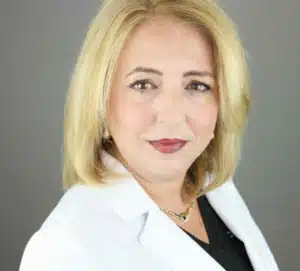
Dr Kelemen the founder of Hair 4 Life Medical
In modern medicine, technology should support the physician — not replace them. Hair transplant surgery is no exception.
Robotic systems like ARTAS have been marketed heavily over the past decade, often presented as a shortcut to better results. The truth is more nuanced. While robotics can play a limited role in hair transplantation, no robot can replace surgical judgment, experience, and artistry.
At Hair 4 Life Medical, we believe patients deserve transparency. That’s why we do not rely on robots alone to perform hair transplant surgery.
Hair Transplant Surgery Is Not an Assembly Line
Every scalp is different.
Hair angle, curl, caliber, density, skin elasticity, donor limitations, and future hair loss patterns vary from patient to patient. These variables must be assessed and adjusted in real time during surgery.
Robots follow algorithms.
Surgeons read tissue, adapt instantly, and protect long-term outcomes.
That difference matters.
Why Robotic Hair Transplants Have Been Controversial
Organizations such as the International Society of Hair Restoration Surgery (ISHRS) have raised concerns over the years regarding how robotic systems have been used — not because technology is bad, but because of how it has been misapplied.
Common concerns include:
-
Larger punch sizes used in earlier robotic systems, increasing donor scarring risk
-
Higher transection rates when hair characteristics are complex
-
Clinics using robots as a replacement for the physician, rather than a surgical tool
-
Uniform extraction patterns that fail to respect donor preservation
The biggest issue has never been the robot itself — it’s been doctors stepping away from the surgery.
A Robot Cannot Design a Natural Hairline
Hairline design is where experience shows.
Creating a natural, age-appropriate hairline requires:
-
Facial analysis
-
Understanding of gender differences
-
Knowledge of future hair loss progression
-
Artistic judgment developed over years of surgical practice
No robotic system can make those decisions. A robot cannot see a patient’s future — a trained hair transplant surgeon can plan for it.
Technology Should Assist, Not Replace, the Surgeon
Used responsibly, robotic tools can assist with:
-
Improving consistency in select extraction cases
-
Reducing surgeon fatigue during long procedures
-
Supporting manual techniques when carefully supervised
Used irresponsibly, they become a shortcut — and shortcuts in surgery usually show up later as poor density, donor damage, or unnatural results.
At Hair 4 Life Medical:
-
The doctor performs the critical steps
-
Technology is adjusted, overridden, or abandoned when the patient requires it
-
Manual and hybrid FUE techniques are used when they offer better outcomes
-
Patient selection comes before marketing claims
Why Surgeon-Performed FUE Still Matters
Hair transplantation is permanent. Mistakes cannot be undone easily.
Surgeon-performed FUE allows for:
-
Individual graft selection
-
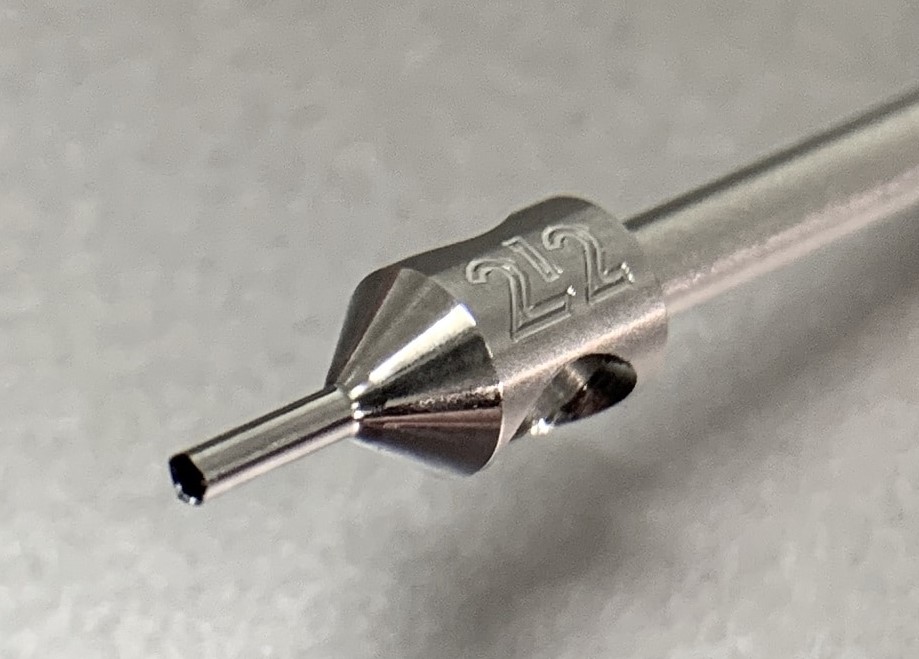
Customized punch sizing
-
Real-time response to bleeding, scarring, or hair angle changes
-
Better donor area preservation
-
More natural, dense, long-term results
This is why many of the most respected hair transplant surgeons worldwide continue to rely primarily on manual or hybrid techniques, even as technology evolves.
The Bottom Line
Robots don’t replace doctors.
They never should.
The future of hair restoration isn’t about choosing between tradition and technology — it’s about combining time-tested surgical principles with modern tools, under the hands of an experienced physician.
If a clinic markets the robot more than the surgeon, that tells you everything you need to know.
Looking for a surgeon, not a machine?
A one-on-one consultation with a physician — not a consultant — is the best way to determine which technique is right for you.
Then Hair 4 Life Medical is not just an option — it’s the standard.
Because when it comes to permanent results, there is no substitute for a skilled doctor’s hands.
Interested in learning more? Contact Us or call Hair 4 Life at (480) 525-4547 to schedule an appointment.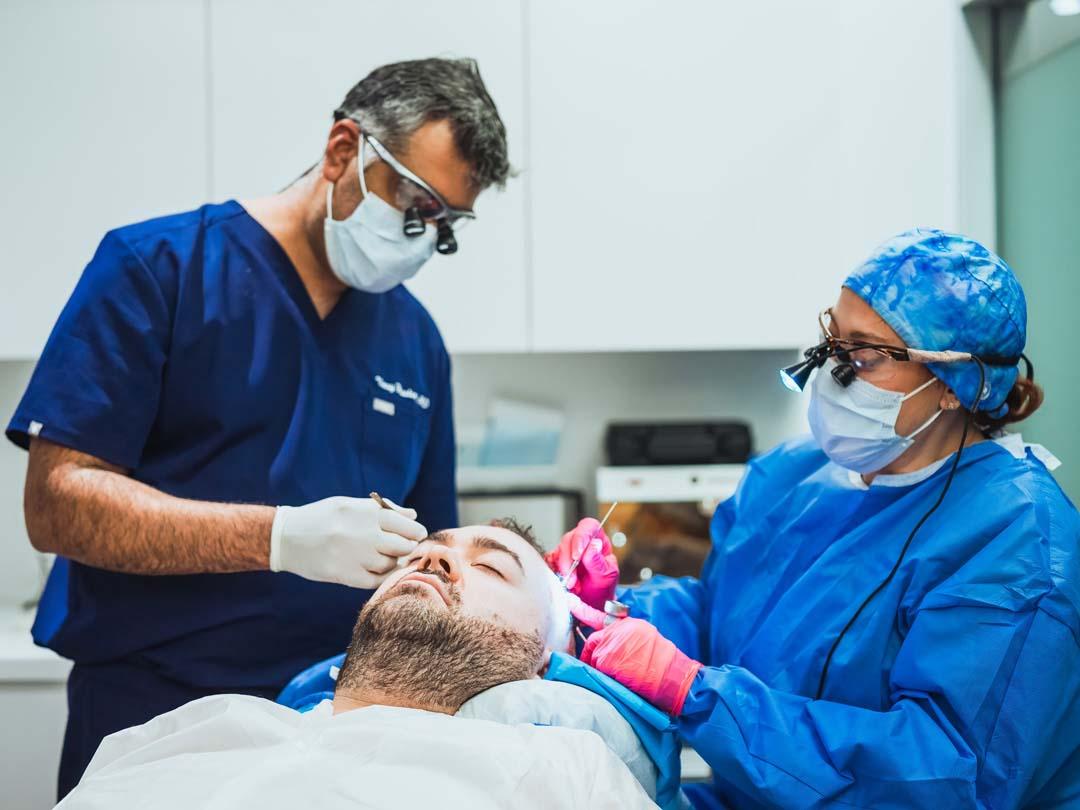



 Hair 4 Life Medical