
Dense Packing: A True Skill or Marketing Gimmick in the Hair Transplant Industry?
1. Introduction
Dense packing is one of the most debated topics in modern hair restoration. On the surface, the idea is appealing: achieve maximum hair density with fewer procedures. But beneath the surface lies a critical question—is dense packing truly a skill mastered by only a select few surgeons, or has it become a buzzword used to lure in patients?
In an age where marketing often eclipses medical substance, it’s more important than ever for patients to understand what they’re signing up for. In this blog, we examine the reality of dense packing and whether it’s a legitimate skill or a cleverly disguised gimmick.
2. What Is Dense Packing?
Dense packing refers to placing more follicular units per square centimeter (FU/cm²) than the industry norm. While traditional FUE or FUT procedures often aim for densities of 30–40 FU/cm², dense packing attempts to reach 50–70 FU/cm², and in some elite cases, even higher.
It’s marketed as a method to:
- Achieve better visual density
- Reduce the number of procedures
- Mimic natural, youthful hairlines
But high density isn’t just about squeezing more grafts into a smaller area—it’s about doing so without damaging grafts, compromising blood supply, or increasing risk of failure.
3. The History and Evolution of Dense Packing
In the early days of hair transplantation—especially in the 1980s and 1990s—dense packing wasn’t even a discussion. The industry was focused on plug grafts and survival rates. As techniques evolved, and single follicular unit extraction became mainstream, surgeons began experimenting with higher densities.
Pioneers like Dr. Ron Shapiro and others in the early 2000s started demonstrating that higher density transplants could work—if done properly. Today, dense packing is commonly advertised, but not always executed to true medical standards.
4. The Science Behind Follicular Unit Density
The natural human scalp has anywhere from 60–100 FU/cm² in areas not affected by androgenetic alopecia. Most hair transplants aim to restore around 50–60% of that for a natural look.
Dense packing attempts to mimic natural density, but doing so successfully involves:
- Maintaining graft survival rate >90%
- Avoiding graft compression or “popping”
- Preserving scalp blood supply
- Using precise implanter tools or custom blades
If any of these variables are compromised, the risk of poor growth, graft necrosis, and scalp trauma increases exponentially.
5. Surgeon Skill vs. Marketing Hype
Here’s the uncomfortable truth: dense packing done right is extremely difficult.
Few surgeons have the technical prowess, steady hands, advanced tools, and surgical discipline to pull it off. But because “dense packing” sounds impressive to potential patients, many clinics claim to do it—even when their technique would never support the graft survival rates required.
Signs It’s a Real Skill:
- Performed by the surgeon, not just techs
- Custom blades for each patient’s scalp type
- Grafts placed with <0.8mm incisions
- Precise angling and spacing to preserve blood flow
Signs It’s Just a Gimmick:
- Claimed without proof (no macro photos, no density maps)
- Used in ads but not discussed in consultations
- Promised regardless of scalp type or donor availability
- Performed entirely by technicians
6. Tools, Techniques, and Limitations
Real dense packing requires advanced instruments and a surgeon who understands physiology.
Tools Used in True Dense Packing:
- Custom-cut sapphire or steel blades
- Lion or WAW implanters
- High-magnification loupes or microscopes
- Chilled graft preservation solutions
Techniques Include:
- “Pre-made slit” technique for faster implantation
- “Stick-and-place” with minimal tissue trauma
- Graft sorting by thickness for refined density at the hairline
But even with perfect tools, you can’t overcome scalp vascular limits. Go too dense, and you choke off the blood supply, leading to poor yield or scarring.
7. Patient Candidacy: Who Is and Isn’t a Good Candidate
Not everyone should undergo dense packing. A responsible surgeon will reject or modify the plan based on:
Good Candidates:
- Younger patients with strong donor supply
- Fine hair patients needing hairline refinement
- Those undergoing touch-ups or second sessions
Poor Candidates:
- Patients with vascular disorders
- Smokers (reduced blood supply)
- Scarred or fibrotic recipient zones
- Low donor density or thick coarse hair in frontal zone
One-size-fits-all dense packing offers are often a sign of poor surgical judgment.
8. Risks of Improper Dense Packing
When clinics overpromise on dense packing, the results can be devastating:
- Graft necrosis
- Scalp necrosis
- Shock loss of native hair
- Poor regrowth rates
- Permanent cobblestoning or pitting
True dense packing requires respecting the limitations of the scalp—not pushing it to the brink.
9. Industry Misuse: Red Flags and Gimmicks
Sadly, many clinics use the term “dense packing” as a marketing buzzword to lure patients, especially those comparing costs.
Watch Out For:
- Clinics offering “dense packing” at low prices
- Promises of 80–100 FU/cm² without supporting evidence
- Rushed consultations where density is guaranteed without scalp examination
- “Before and after” photos heavily edited or with poor lighting
When dense packing is offered without a discussion of graft survival or vascular capacity, you’re being sold a dream.
10. Real-World Outcomes and Case Studies
Clinics and surgeons who genuinely perform dense packing typically have:
- High-resolution macro photos of graft placement
- Long-term results at 6, 12, and 18 months
- Videos showing real-time surgical density maps
- Testimonials from patients with comparable scalp types
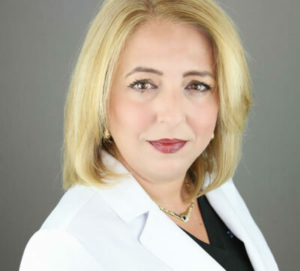
For example, solo surgeons like Dr. Ramona Kelemen—who perform 100% of the procedure themselves—are more likely to deliver true dense packing because they oversee every graft from extraction to placement. This is rare and should be treated as such.
11. How to Identify a Surgeon Skilled in True Dense Packing
Here are criteria to determine if your surgeon is truly capable:
✅ Do they perform the graft placement themselves (or delegate to techs)?
✅ Can they show examples of 50+ FU/cm² with >90% regrowth?
✅ Do they tailor density based on your scalp, hair type, and vascularity?
✅ Are they willing to say “no” if you’re not a candidate?
If the answer to any of these is “no,” you’re probably dealing with marketing—not medicine.
12. Questions Patients Should Ask
- What density do you aim for in the frontal zone?
- Do you perform the dense packing yourself, or do technicians place the grafts?
- Can I see results of other patients with similar density and hair type?
- How do you preserve graft survival when packing densely?
- What tools and blade sizes do you use?
- What is the risk if my scalp can’t support the density I want?
A skilled surgeon welcomes these questions. A salesman avoids them.
13. Conclusion: Real Skill or Just a Sales Tactic?
Dense packing is not a gimmick—when done right. It’s a delicate, highly technical skill that only a minority of hair transplant surgeons master. But because it sounds impressive, many clinics abuse the term to sell procedures they’re not qualified to perform.
If you want dense packing, be prepared to:
- Do your research
- Ask the hard questions
- Choose a surgeon who does the work themselves—not just “oversees” it
In an industry full of noise, real skill still matters. Dense packing, when performed with artistry and discipline, delivers unmatched results—but only in the hands of those who’ve earned the right to do it.
When Reputation Matches Results
Reputation isn’t built on advertising. It’s built on trust, consistency, and results that patients are proud to show the world. Dr. Kelemen’s position as Arizona’s most highly rated hair transplant doctor wasn’t bought—it was earned, one scalp at a time.
For those seeking:
- Custom hair restoration
- Advanced surgical tools
- Compassionate, doctor-led care
- Artistic and natural results
…there is only one obvious choice. Dr. Ramona Kelemen of Hair 4 Life Medical
Interested in learning more? Contact Us or call Hair 4 Life at (480) 525-4547 to schedule an appointment.
References
“Focal dense-packing” in hair transplantation | Hair Transplant Forum International