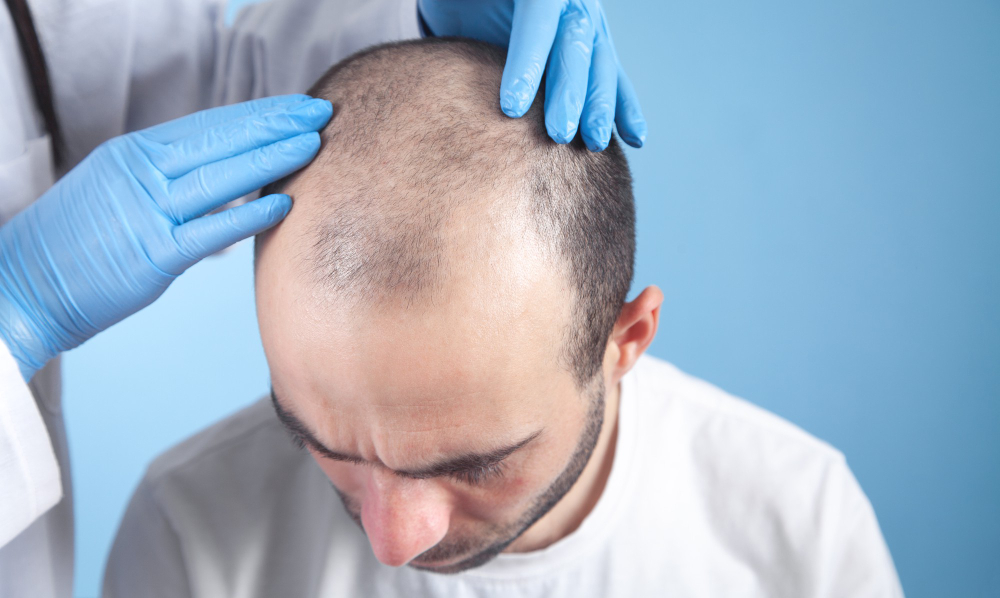

The first week after a hair transplant tends to feel longer than it is. Patients often expect the procedure itself to be the hard part, then realize the real question starts afterward: What should recovery actually look like, and when should new growth begin? This guide to transplant recovery timeline is designed to answer that clearly, without oversimplifying the process.
Hair transplant recovery is not one single event. It is a sequence of healing phases, and each phase has its own normal findings, restrictions, and expectations. The exact pace depends on the technique used, the size of the session, your scalp biology, whether this is a first procedure or corrective work, and how well the underlying cause of hair loss is being managed. That is why experienced, physician-led follow-up matters just as much as the day of surgery.
Guide to transplant recovery timeline: what happens first
In the first 24 to 72 hours, the focus is simple: protect the grafts, reduce swelling, and avoid anything that could disturb the newly placed follicles. Tiny crusts around the grafts are expected. Mild redness is common. Some patients notice forehead swelling starting around day two or three, especially after larger sessions or frontal hairline work.
This stage can look dramatic to the patient while still being medically routine. The scalp may feel tight, tender, itchy, or numb in certain areas. If you had FUT strip surgery, the donor area may feel more sore or tense than it would after FUE. If you had FUE, you may notice many small punch sites in the donor region that gradually close and fade. Neither pattern is automatically a problem. They are simply different recovery signatures.
Sleep position matters during these early days. Most patients are advised to keep their head elevated and avoid direct pressure on the grafted area. Washing instructions also matter. Too aggressive, too early, and you risk dislodging grafts. Too little cleansing, and crusts can build up unnecessarily. This is one reason generic online advice is never as useful as post-op instructions tailored to your procedure.
Days 4 to 10: when the scalp starts to settle
By the middle of the first week, swelling usually improves. The grafts become more secure, but that does not mean the scalp is ready for normal treatment. You may still see scabbing, pinkness, and mild sensitivity. Itching is common as the skin heals.
Many patients ask when they can return to work. The honest answer is: it depends on the nature of the work and how public-facing it is. If your job is remote or low visibility, returning within a few days may be realistic. If you work in a client-facing role and want the procedure to remain discreet, you may prefer a longer buffer. No-shave and long-hair approaches can help with concealment, but they do not eliminate the biology of healing.
Exercise is another common concern. Heavy sweating, bending, straining, and contact activity are usually restricted early on because they can increase swelling or irritate the grafts. Patients often want a firm universal rule, but the right timing varies with the procedure and healing progress.
By day 7 to 10, most crusting is significantly improved or gone if aftercare has been followed correctly. That said, the scalp may still look pink, especially in fair skin or after dense packing. Pinkness can fade quickly in some patients and linger for weeks in others.
Weeks 2 to 4: the part that worries patients most
This is the phase where many people become anxious. The transplanted hairs often begin to shed. That shedding is usually expected.
The follicle is what was transplanted, not the visible hair shaft. Once the follicle enters a temporary resting phase, the hairs can fall out before new growth begins later. Patients sometimes interpret this as failure, when in fact it is part of normal cycling. The scalp can briefly look similar to how it did before surgery, or even a little thinner if surrounding native hairs also experience temporary shock loss.
Shock loss deserves a more careful explanation. It can affect existing, non-transplanted hairs around the recipient area, particularly in patients who still have miniaturized, vulnerable hair. In many cases, those hairs return. In some cases, they do not, especially if they were already in an advanced state of thinning. This is why proper planning matters. A transplant should never be treated as isolated cosmetic placement without considering the long-term pattern of loss.
During this period, the donor area usually continues to improve. FUE dot healing becomes less obvious over time, while FUT incision healing evolves through a different pattern that may include temporary tightness, numbness, or scar maturation over months.
Months 2 to 3: the quiet phase
If you are looking for dramatic visible change at two months, you will usually be disappointed. This is often the least exciting stage of the transplant recovery timeline because not much seems to be happening on the surface.
Underneath, however, the follicles are resetting. The scalp may look calm, but the hair has not yet entered meaningful regrowth. Some patients still have residual redness or sensitivity, but many simply feel like they are waiting. This is normal.
For patients with underlying androgenetic alopecia, hormonal hair loss, inflammatory scalp conditions, or prior failed work, this waiting phase is also when the bigger treatment plan matters. A transplant can restore hair, but it does not stop the progression of genetic loss in untreated areas. Depending on the patient, medical therapy, regenerative support, scalp evaluation, or hormone assessment may still play an important role in protecting the overall result.
Months 3 to 6: early growth begins
This is when most patients finally start to see evidence that the transplant is working. Fine new hairs begin to emerge. At first, they may be wispy, uneven, lighter in color, or slower than expected. That does not mean they will stay that way.
Early growth is rarely uniform. One side may come in faster. The hairline may look softer before density builds behind it. Crown work is usually slower than frontal work. Beard and eyebrow transplant recovery patterns also differ from scalp restoration, both in timing and in how the final hair behaves.
At this point, texture changes are common. New hairs can appear kinky, wiry, or immature before they gradually normalize. Patients are sometimes surprised that transplanted hair does not look finished as soon as it appears. In reality, the first signs of growth are just the beginning of maturation.
Months 6 to 9: visible cosmetic improvement
Between six and nine months, the procedure usually starts to feel real. Density increases, the caliber of the hairs improves, and styling options expand. Friends or coworkers may notice that you look better without identifying exactly why.
This stage is rewarding, but it is not always the endpoint. Patients with fine hair, extensive balding, crown restoration, scar revision, or corrective surgery may still be early in the process. Likewise, patients who started with significant native hair miniaturization may need ongoing medical support to keep the non-transplanted hair from falling behind the newly growing grafts.
This is also when expectations need to stay grounded. A transplant can create a natural improvement, but it is still limited by donor supply, hair characteristics, scalp laxity in FUT cases, and the reality of progressive hair loss. A responsible surgeon plans for those limits rather than promising density that biology cannot support.
Months 9 to 12 and beyond: maturation
For many patients, the one-year mark is the first truly fair time to judge the result. The hair is longer, thicker, and more cooperative. The hairline looks more natural. Density is more representative of the final outcome.
Even then, some patients continue to see improvement after 12 months, especially in the crown or in cases involving slower growth patterns. Scar appearance can also keep improving beyond a year. The same is true for donor healing and residual numbness in some patients.
When to call your doctor during the transplant recovery timeline
Some symptoms are expected. Others deserve direct medical review. Increasing pain, spreading redness, pus, fever, a foul odor, sudden severe swelling, or significant bleeding are not things to monitor casually. The same goes for graft trauma, persistent donor problems, or concerns that something does not look right.
Patients often hesitate because they do not want to overreact. In a well-run practice, asking a post-op question is never overreacting. Good recovery care is part of the treatment, not an afterthought.
What can slow recovery or affect results
Smoking, poor aftercare, uncontrolled medical conditions, scalp inflammation, aggressive sun exposure, and returning to strenuous activity too early can all complicate healing. So can unrealistic expectations. The transplant may be permanent, but the timeline is gradual.
This is why individualized planning matters so much. A patient with advanced male pattern loss, a woman with diffuse thinning, someone seeking transgender hairline design, and a patient needing repair after an unnatural prior transplant should not all be given the same recovery script. The biology, goals, and risks are different.
At Hair For Life Medical, that physician-led perspective is central to care. Recovery is not treated as a generic handout. It is part of a broader strategy built around your diagnosis, donor resources, procedure choice, and long-term plan.
If you are considering a hair transplant, the best mindset is not to ask how fast recovery can be. Ask whether the procedure, the design, and the aftercare are all being tailored to your actual pattern of hair loss. When that foundation is right, the timeline becomes easier to trust.