The Importance of a Correct Hairline in Hair Transplant Surgery
Dr Kelemen the founder of Hair 4 Life Medical
Introduction
When it comes to hair restoration, the hairline is the foundation of a natural look. A correctly designed and executed hairline can make the difference between a seamless, youthful appearance and an unnatural, obvious transplant. Patients often focus on graft numbers, technology, or recovery time, but the hairline is where artistry and surgical skill meet science. This guide explores why the correct hairline is vital, how it is created, and why choosing the right surgeon is the most important step in achieving lifelong satisfaction.
Why the Hairline Matters So Much
Framing the Face
The hairline frames facial features much like a picture frame enhances artwork. It sets balance, proportion, and harmony.
Youthful Appearance
A low, natural hairline is associated with youth, while a receded or poorly designed one can add years to someone’s look.
First Impressions
The hairline is one of the first features people notice when looking at the face. An unnatural one can be distracting.
Confidence
Patients report that restoring a natural hairline often gives them greater confidence than adding density elsewhere.
Characteristics of a Natural Hairline
A natural hairline isn’t just a straight line of hair. It follows subtle patterns that must be respected for realism:
Irregularity: Natural hairlines have soft, irregular borders rather than sharp edges.
Gradual Density: Density increases as you move back from the hairline.
Proper Angulation:Hairs grow at very shallow angles near the hairline, not straight upward.
Age-Appropriate Design: A 25-year-old and a 55-year-old shouldn’t have the same hairline placement.
Facial Symmetry: The hairline should harmonize with other facial features like the forehead, eyebrows, and temples.
Common Mistakes in Hairline Design
Hairline Too Low
May look good initially but appears unnatural as the patient ages.
Hairline Too High
Leaves the patient looking older and may fail to frame the face properly.
Straight Lines
Nature doesn’t create ruler-straight hairlines; these are giveaways of bad surgery.
Dense Packing at the Edge
Creates a “pluggy” look that screams transplant.
Ignoring Temple Angles
A proper hairline blends seamlessly into the temples.
The Science Behind Hairline Design
Golden Ratio and Proportions: Many surgeons use principles of facial symmetry to determine placement.
Ethnic and Gender Variations: Male and female hairlines differ in shape, height, and contour.
Mathematical Precision Meets Artistry: Graft count, spacing, and angulation must be calculated with both science and artistic vision.
The Process of Creating a Correct Hairline
Consultation & Assessment
Discuss patient expectations.
Assess facial features and donor availability.
Design Phase
Surgeon draws potential hairline, taking age, ethnicity, and long-term planning into account.
Execution
Follicular units with 1 hair are placed at the very front for natural softness.
2- and 3-hair grafts are used further back for density.
Hairline Evolution Over Time
20s: Lower, more youthful hairlines are possible but must anticipate future loss.
Microsurgical Tools: Enable ultra-fine incisions that replicate natural growth angles.
The Role of Surgeon Skill
While tools matter, artistry is paramount. A surgeon who understands the nuances of natural hairlines can create results indistinguishable from nature. Without artistry, even advanced tools produce poor outcomes.
Why Dr. Ramona Kelemen Is the Expert in Hairline Design
True SOLO Surgery:Dr. Kelemen performs 100% of procedures herself, ensuring every graft is placed with her expertise.
Multiple Systems Mastery: She uses ARTAS, WAW DUO, Ugraft, Cole, and manual systems to tailor each case.
Artistry & Precision: Known for her natural hairlines, she combines surgical science with artistic vision.
Unique Offering: Only doctor in Arizona performing Long Hair FUE, which is especially useful in hairline refinement.
Patient Journeys: Real Results
Case 1: A young professional with early hairline recession. Subtle, age-appropriate restoration boosted confidence at work.
Case 2: A man in his 40s with prior poor transplant. Correction of hairline irregularities created a natural look.
Case 3: Female patient with thin frontal hairline. Gentle, artistic design restored femininity and balance.
Costs Involved
Hairline-focused procedures vary based on graft count and complexity. Typically range: $4,000–$10,000 depending on patient needs.
FAQs
Q: Will my hairline look obvious right after surgery?
A: Temporary redness and scabbing will be visible, but with skilled work, results look natural within months.
Q: Can women have hairline transplants?
A: Yes. Many women seek refinement for thin or high hairlines.
Q: Is a hairline transplant permanent?
A: Yes, transplanted hairs are permanent but may require touch-ups if surrounding hair continues thinning.
Conclusion
A correct hairline is the crown jewel of any hair transplant. It requires more than surgical skill — it demands artistry, foresight, and individualized care. A poor hairline design can make even the densest transplant look unnatural, while a well-crafted one transforms the face and restores youthful balance.
When choosing a hair transplant surgeon, remember: the hairline is forever. Entrust it only to a doctor who combines precision, artistry, and dedication.
Book Your Consultation Today
Want the most discreet, technically advanced, and artistically guided procedure available?
Schedule your personal consultation with Dr. Ramona Kelemen at Hair 4 Life Medical today.
See what happens when medicine, science, and art align.
https://hairforlifeaz.com/wp-content/uploads/2023/09/FUE-hair-transplant-Dr.-Kelemen-at-Hair-4-Life.jpg13331000Brian Bemohttps://hairforlifeaz.com/wp-content/uploads/2024/02/Hair-for-Life-Medical-Logo-web.pngBrian Bemo2025-10-01 10:00:512026-02-21 13:36:42The Importance of a Correct Hairline in Hair Transplant Surgery
Hair transplantation has come a long way. What was once a procedure requiring large scars and long recoveries is now a minimally invasive surgery that can be customized to the needs and lifestyle of each patient. One of the most advanced techniques available today is Long Hair FUE – a procedure that allows patients to keep their hair long during the transplant process. For many, this means restored confidence without the obvious signs of surgery.
This comprehensive guide will walk you through everything you need to know about Long Hair FUE – from how it works, who it’s for, its advantages, and why Dr. Ramona Kelemen at Hair 4 Life Medical is one of the very few surgeons in the United States who offers this technique.
What Is Long Hair FUE?
Long Hair FUE (Follicular Unit Excision) is an advanced hair transplant method where follicular units (groups of 1–4 hairs) are harvested while the patient’s hair is kept long. Unlike traditional FUE that usually requires shaving the donor area, Long Hair FUE preserves hair length, allowing for a more discreet healing process.
Instead of leaving patients with obvious signs of extraction, Long Hair FUE enables them to walk out of the clinic with their existing hairstyle largely intact. The donor sites are camouflaged by the surrounding long hair, making the recovery period virtually undetectable.
The Evolution of FUE Techniques
To understand why Long Hair FUE is so innovative, it helps to see how hair transplantation has evolved:
FUT (Strip Surgery): Involves removing a strip of scalp, leaving a linear scar. Once considered the standard, FUT has mostly been replaced by FUE.
Traditional FUE: Harvests follicles individually with tiny punches but usually requires shaving large portions of the donor area.
Long Hair FUE: The latest advancement, which allows follicular units to be extracted and transplanted without shaving, preserving discretion and aesthetics from day one.
This progression shows how the field has advanced toward procedures that are less invasive, more artistic, and patient-focused.
How Does Long Hair FUE Work?
The process of Long Hair FUE is meticulous and requires immense skill:
Implantation: The long hair grafts are implanted into thinning or balding areas with precision, ensuring natural growth direction and density.
Immediate Visual Feedback: Because grafts retain their length, both doctor and patient can preview how the new hairline and density will appear immediately.
Key Benefits of Long Hair FUE
No Shaving Required: Avoids the need to cut hair short, allowing for a discreet procedure.
Breadth of Techniques: She offers the widest range of FUE tools and methods in the U.S. — including ARTAS robotic, WAW DUO, Ugraft, Cole System, manual FUE, and Long Hair FUE.
Artistic Approach: She treats hair restoration as both science and art, designing hairlines and density patterns that look natural for each patient.
Patient-Centered Care: Transparency, honesty, and integrity guide every consultation and procedure.
With Dr. Kelemen, patients don’t just receive a transplant — they experience the gold standard in personalized care.
What to Expect After Long Hair FUE
Recovery Time: Minimal downtime, with many patients resuming normal life quickly.
Healing: Redness and scabbing resolve within days and are camouflaged by long hair.
Growth Timeline:Transplanted hairs will shed in the following weeks, then regrow permanently over several months.
Final Results: Most patients see significant new growth between 6–12 months.
Patient Testimonials
“Dr. Kelemen’s Long Hair FUE was life-changing for me. I walked out looking like myself, and no one could tell I had surgery. The results are incredibly natural.”
“The attention to detail and the fact that Dr. Kelemen performed the whole surgery herself gave me confidence. I couldn’t be happier with my decision.”
Long Hair FUE is one of the most advanced and discreet options available for hair restoration today. While it is more technically demanding and not widely offered, the benefits are undeniable: no shaving, instant preview of results, and an undetectable recovery.
If you’re considering a hair transplant in Arizona, Dr. Ramona Kelemen at Hair 4 Life Medical is the surgeon to trust. With her unmatched skill, broad range of techniques, and true SOLO approach, she delivers results that set the gold standard in hair restoration.
📍 Schedule your consultation today at Hair 4 Life Medical — and take the first step toward a natural, confident future.
https://hairforlifeaz.com/wp-content/uploads/2025/01/Hair-Transplant-FUE-01.png10682560Brian Bemohttps://hairforlifeaz.com/wp-content/uploads/2024/02/Hair-for-Life-Medical-Logo-web.pngBrian Bemo2025-09-29 11:47:502026-03-19 17:39:44Long Hair FUE: What Is It?
Why Dr. Ramona Kelemen Is Arizona’s Best Hair Transplant Surgeon — And in a League of Her Own
Dr Kelemen the founder of Hair 4 Life Medical
When searching for the best hair transplant doctor in Arizona, one name rises above all others: Dr. Ramona Kelemen. Known for her unmatched skill, honesty, and dedication, Dr. Kelemen has redefined what it means to undergo a hair restoration procedure. Here’s why she is regarded not only as the best in Arizona, but among the top surgeons in the world.
1. The Only True SOLO Hair Transplant Surgeon in Arizona
Most clinics rely heavily on technicians or robotic systems. The surgeon may design a hairline or make a few incisions, but the delicate work of harvesting and placing grafts is often delegated.
Dr. Kelemen is different. She is the only surgeon in Arizona performing true SOLO FUE hair transplants. This means she personally performs every graft extraction and every follicle placement herself — no technicians, no delegation. Patients consistently confirm this in reviews, setting her apart in an industry where surgeon involvement is often minimal.
She is also trusted to perform repair surgeries, correcting poorly executed transplants from other clinics. That level of trust underscores her reputation as a true expert.
4. Honesty and Patient-First Care
Unlike clinics that oversell procedures or promise unrealistic results, Dr. Kelemen is known for her honesty. She tells patients what can realistically be achieved — and when surgery may not be the right option. Reviews consistently describe her as caring, meticulous, and refreshingly transparent.
5. Recognition Beyond Arizona
Patients travel from across the country, and even internationally, to undergo surgery with Dr. Kelemen. Many describe her results as superior to high-profile surgeons abroad. By offering world-class quality in Scottsdale, she has put Arizona firmly on the global hair restoration map.
Why She’s Considered Among the Best in the World
Unmatched surgeon-only involvement – no delegation to technicians.
Broadest technique mastery – manual, robotic, long hair, no-shave, and hybrid FUE.
Consistent artistry – natural hairlines, density, and repair success.
Integrity – puts patient outcomes above sales.
Final Word
If you are looking for the best hair transplant doctor in Arizona, the answer is clear: Dr. Ramona Kelemen. Her commitment to performing true SOLO surgery, her mastery of every technique, and her patient-first philosophy place her in a class of her own — not just in Arizona, but globally.
👉 Schedule a consultation at Hair 4 Life Medical in Scottsdale and experience why so many patients say Dr. Kelemen is the best hair transplant doctor in Arizona — and perhaps the world.
At Hair 4 Life Medical, Dr. Kelemen exemplifies this ethos—leveraging robotics and manual techniques judiciously, always with the patient’s best outcome as the true north.
Ultimately, the success of a hair transplant depends not solely on the technology used but, on the expertise, and artistry of the surgeon performing the procedure. Therefore, it’s crucial to make an informed decision tailored to individual needs and circumstances.
https://hairforlifeaz.com/wp-content/uploads/2025/09/IMG_8767-scaled.jpeg20481536Brian Bemohttps://hairforlifeaz.com/wp-content/uploads/2024/02/Hair-for-Life-Medical-Logo-web.pngBrian Bemo2025-09-28 21:21:122026-03-19 17:39:42Why Dr. Ramona Kelemen Is Arizona’s Best Hair Transplant Surgeon — And in a League of Her Own
Techniques & What’s New in Hair Transplant: No-Shave and Long-Hair FUE
Dr Kelemen the founder of Hair 4 Life Medical
Hair transplantation has advanced dramatically over the last two decades. Once limited to linear scars and “pluggy” results, today’s techniques allow for refined artistry, minimal scarring, and natural outcomes that blend seamlessly with a patient’s existing hair. Among the most talked-about innovations are No-Shave FUE and Long-Hair FUE—two approaches that address one of the biggest concerns patients have: downtime and visibility after surgery.
This article explores these two cutting-edge methods in detail, comparing their advantages, differences, and suitability, while also examining the broader trends shaping modern hair restoration.
1. The Evolution of Hair Transplantation
Understanding the latest techniques requires looking back at where we started.
Early “plug” grafts (1950s–1980s): Produced unnatural, doll-like hairlines.
Strip FUT (1990s): Allowed for more density but left a linear scar.
FUE (2000s): Revolutionized the field by allowing individual follicular units to be harvested, leaving tiny dot scars instead of a line.
Refinements in FUE (2010s onward): Smaller punches, better devices, and advanced implanters made results denser, more natural, and less invasive.
Now, in the 2020s, patients expect not just a natural look, but also privacy, minimal downtime, and convenience. This is where No-Shave FUE and Long-Hair FUE enter the picture.
2. What Is No-Shave FUE?
No-Shave FUE, sometimes called Shaveless FUE, is a technique where the donor and recipient areas are not shaved. Instead, during harvesting the punch cuts the hair shaft and not preserved at their natural full length.
Punches cut the follicles shorter during harvesting.
Donor area remains mostly camouflaged by surrounding hair.
Patients can often return to daily life without obvious signs of surgery.
Benefits of No-Shave FUE
Discretion: Most patients appear as though they haven’t had surgery.
Faster Return to Work: No awkward “buzzed” look while waiting for regrowth.
Confidence: Easier to keep the procedure private.
Limitations of No-Shave FUE
The punch trims grafts as they are harvested, meaning grafts are shortened by the tool and not preserved at their natural full length.
Slightly slower harvesting compared to full-shave FUE.
Best for small to medium cases, not always suitable for mega sessions.
3. What Is Long-Hair FUE?
Long-Hair FUE takes discretion to the next level. Unlike No-Shave FUE, the donor hairs are harvested with their full length intact—not cut short during extraction.
Key Features
Specialized punches (like those used in Dr. Kelemen’s practice) extract follicles while keeping the hair shaft long.
Patients can literally see the newly transplanted hair immediately in place, giving a “preview” of the final result.
The donor area remains camouflaged, just like in No-Shave FUE.
Benefits of Long-Hair FUE
Immediate Aesthetic Preview:Patients leave the clinic seeing the outline of their new hairline or density right away.
Discreet Recovery: Long donor hairs cover extraction points.
Full-Length Graft Integrity: Since grafts are not trimmed by the punch, the follicle remains intact.
Artistic Precision: Surgeons can place long hairs at the correct angle, direction, and curl—making the design even more natural.
Limitations of Long-Hair FUE
Requires specialized instruments and high-level surgical skill.
More time-intensive and technically demanding.
Available only at a handful of clinics in the U.S. (Dr. Kelemen is the only one in Arizona).
4. No-Shave vs. Long-Hair FUE: The Differences That Matter
Feature
No-Shave FUE
Long-Hair FUE
Donor Camouflage
Good – unshaved surrounding hair covers
Excellent – donor hair left long hides even better
Graft Length
Trimmed by punch during extraction
Preserved at full original length
Immediate Preview
Limited
Clear – new hairline visible day one
Technical Difficulty
Moderate
High – requires surgeon mastery
Availability
Widely available
Rare, limited to select surgeons
5. Why Long-Hair FUE Stands Apart
While No-Shave FUE offers a discreet option for many patients, Long-Hair FUE is considered the pinnacle of advanced FUE.
It combines the privacy of no shaving with the artistry of immediate visible results.
It demands exceptional surgical skill, stamina, and specialized punches.
Few surgeons in the world perform it regularly—Dr. Ramona Kelemen is the only doctor in Arizona offering it.
This exclusivity underscores a broader truth: in hair transplantation, tools matter, but the surgeon’s ability to master them is what sets results apart.
6. Devices Behind No-Shave and Long-Hair FUE
Both techniques rely on micro-punch devices, but Long-Hair FUE requires punches that can extract grafts without cutting their length.
Leading Handheld Devices for Micro FUE
WAW DUO – Belgian system with oscillating punches for minimal transection.
Ugraft – Ideal for curly or Afro-textured hair.
Cole System (PCID) – Precision punch with customizable speed/torque.
Trivellini – Multiphasic system adaptable to different hair types.
All of these devices are considered Micro FUE tools and can be adapted for advanced techniques. What separates a clinic is not the device itself but whether the surgeon knows when—and how—to use each one.
At Hair 4 Life Medical, Dr. Kelemen masters all major Micro FUE devices in addition to ARTAS robotics and manual systems, allowing her to customize every procedure.
7. Patient Considerations: Which Technique Is Right for You?
No-Shave FUE may be better if:
You want discreet recovery.
You have a smaller case (under 2000 grafts).
You prefer a slightly faster procedure than long hair FUE.
Long-Hair FUE may be better if:
You want to see results immediately after surgery.
You want the most advanced, least detectable approach available.
The choice ultimately depends on your goals, donor quality, and budget. A skilled surgeon will guide you toward the right match.
8. Copycats and Marketing Gimmicks
Unfortunately, as with many areas of hair transplantation, not all claims are equal. Some clinics advertise “long-hair FUE” when in reality they are offering no-shave FUE, misleading patients.
How to spot the difference:
Ask if your transplanted hairs will remain their full length on day one.
Confirm what punch system the surgeon uses.
Ensure the doctor, not technicians, performs the extractions.
9. Real Patient Testimonial: Long-Hair FUE with Dr. Kelemen
I was nervous about a hair transplant because I didn’t want anyone at work to notice. I also didn’t like the idea of shaving my head. Dr. Kelemen explained Long-Hair FUE and showed me how it’s different from the no-shave approach. On the day of surgery, I was amazed—I could see my new hairline immediately, and the donor area was hidden by my longer hair. Within a week, I was back to work and nobody suspected a thing. I’m beyond thrilled with my results and so glad I chose a surgeon who does the procedure herself from start to finish.”
Integration of regenerative therapies (PRP, exosomes, stem-cell adjuncts).
Even more precision devices tailored to hair type.
Increased patient awareness about who actually performs the surgery—surgeon or technician.
But one principle remains timeless: the surgeon’s skill determines the outcome.
Conclusion
Hair transplantation has come a long way from the days of strip scars and unnatural plugs. Today, patients demand both artistry and discretion. No-Shave FUE offers a step forward, but Long-Hair FUE represents the most advanced option available for those who want immediate, natural-looking results without revealing signs of surgery.
In Arizona, Dr. Ramona Kelemen is the only surgeon performing Long-Hair FUE. Her mastery of multiple FUE devices, combined with her true SOLO approach—personally performing every step of surgery—ensures patients receive the highest standard of care.
If you’re considering a hair transplant and want the best blend of tradition, artistry, and innovation, the choice is clear: trust the surgeon who does it all.
https://hairforlifeaz.com/wp-content/uploads/2024/09/IMG_2700-rotated.jpg800600Brian Bemohttps://hairforlifeaz.com/wp-content/uploads/2024/02/Hair-for-Life-Medical-Logo-web.pngBrian Bemo2025-09-13 22:56:562026-02-04 19:14:48Techniques & What’s New in Hair Transplant: No-Shave and Long-Hair FUE
Hair transplant patients today face a dizzying landscape of marketing claims, flashy technology names, and promises of “doctor-led” or “solo” procedures. The truth, however, is that not every claim stands up to scrutiny. Many clinics market themselves as offering “SOLO” or “doctor-only” transplants, but in reality, the surgeon is only involved in a small portion of the procedure, while technicians perform the majority of the work.
In contrast, Dr. Ramona Kelemen at Hair 4 Life Medical delivers the gold standard of SOLO surgery: she personally performs 100% of every procedure—from graft extraction, to site creation, to placement. No shortcuts. No hand-offs to technicians.
This article dives deep into the reality behind true SOLO hair transplants versus copycat claims. We’ll look at what SOLO really means, why it matters, how to spot false advertising, and why Dr. Kelemen’s approach remains unmatched in the United States.
1. What Does a True SOLO Hair Transplant Mean?
The word “SOLO” in hair transplantation has one clear meaning: the surgeon performs the entire procedure alone without delegating critical steps to technicians.
That means the following are performed entirely by the surgeon:
Donor Harvesting (FUE or FUT): Carefully extracting follicles with minimal transection.
Recipient Site Creation: Designing and executing hairline placement, angles, and density.
Graft Placement: Inserting each graft with precision to ensure survival and natural flow.
In a true SOLO surgery, there is no ambiguity. Every graft is the surgeon’s work.
2. The Rise of “Copycat” Claims
As patients became more educated, many started seeking surgeons who performed the work themselves. Clinics noticed this shift and began advertising “SOLO” or “doctor-only” procedures. But here’s the catch:
In many of these cases, the doctor designs the hairline or performs a few initial extractions, then passes the rest to a team of technicians.
Some surgeons may perform only the site creation while leaving both harvesting and placement to assistants.
Marketing language such as “doctor-supervised” or “doctor-led” is often used as a smokescreen.
The reality? Most “SOLO” claims are marketing gimmicks, not actual surgeon-performed procedures.
3. Why True SOLO Matters More Than Marketing
Patients sometimes ask: “Does it really matter if the doctor or a technician places the grafts?” The answer is a resounding yes.
Benefits of True SOLO Surgery
Accountability – There is no passing the buck. The surgeon takes full responsibility for every result.
Consistency – One pair of skilled hands controls every step, ensuring uniform angle, depth, and density.
Artistry – Hair restoration is not just technical; it’s artistic. A surgeon’s vision cannot be executed by multiple different operators.
Safety – Proper graft handling reduces damage, ensuring maximum survival and natural growth.
When a surgeon like Dr. Kelemen commits to SOLO, patients receive results that reflect her expertise, her artistry, and her accountability.
Time and Stamina: Long procedures (3,000–4,000+ grafts) require endurance and focus. Most surgeons delegate because they cannot sustain the workload.
Skill Gap: Many doctors are not fully trained in all steps. They rely on technicians for harvesting or placement.
Profit Model: Large clinics prioritize volume. Delegation allows them to run multiple surgeries simultaneously. SOLO surgery, by contrast, prioritizes quality over quantity.
Limited Tools: Few doctors master multiple extraction systems. Without experience in devices like WAW, Ugraft, Cole, and ARTAS, surgeons cannot tailor techniques to every patient.
This is why copycats fail: they may claim to be “SOLO” but cannot back it up in practice.
5. Dr. Kelemen’s SOLO Gold Standard
At Hair 4 Life Medical, Dr. Ramona Kelemen is one of the only U.S. hair transplant surgeons performing true SOLO surgeries consistently.
What Sets Her Apart:
100% Surgeon Performed: Every graft is harvested, every site created, and every placement done by Dr. Kelemen herself.
Device Mastery: She uses WAW DUO, Ugraft, Cole, manual systems, and robotic ARTAS—making her the only doctor in Arizona with such breadth.
Patients who unknowingly undergo technician-heavy procedures often require corrective surgery—something that could have been avoided with a genuine SOLO transplant.
9. The Future of Hair Transplantation
The hair transplant industry is evolving. Patients are more informed than ever, and demand for surgeon-performed procedures is rising. But as demand increases, so will false marketing.
The future belongs to surgeons who can truly combine:
Skill in every step of surgery
Stamina to perform large sessions SOLO
Technology mastery across multiple devices
Artistry for natural design
Dr. Kelemen embodies this future today, setting the gold standard others try—but fail—to copy.
10. Final Thoughts: Don’t Be Fooled by Copycats
Choosing a hair transplant is one of the most personal decisions you’ll ever make. Don’t let marketing buzzwords or half-truths mislead you.
True SOLO surgery means the surgeon does it all.
Most “SOLO” claims in the market are copycat marketing.
Dr. Ramona Kelemen is one of the few surgeons in the United States delivering consistent, authentic SOLO procedures.
Your hair, your confidence, your results—they deserve nothing less than the gold standard.
https://hairforlifeaz.com/wp-content/uploads/2024/10/IMG_3526-scaled.jpg20501538Brian Bemohttps://hairforlifeaz.com/wp-content/uploads/2024/02/Hair-for-Life-Medical-Logo-web.pngBrian Bemo2025-09-13 22:39:542026-03-19 17:39:43True SOLO Transplant vs. Copycat Claims: What Patients Need to Know
Arizona’s Highest-Rated Hair Transplant Clinic: Why SOLO Surgery with Dr. Ramona Kelemen Is the Gold Standard
Dr Kelemen the founder of Hair 4 Life Medical
Introduction
When it comes to hair restoration, precision, skill, and personal attention make all the difference. At Hair 4 Life Medical, Dr. Ramona Kelemen sets the standard for excellence with a groundbreaking approach: SOLO hair transplant surgery. In an era where many clinics rely heavily on technicians or robotic devices, Dr. Kelemen performs 100% of every procedure herself, ensuring unmatched quality, safety, and artistry.
This article will explore why Hair 4 Life Medical has become Arizona’s highest-rated hair transplant clinic and why SOLO surgery with Dr. Kelemen represents the future of hair restoration. All surgeries up to 1500 grafts such as: hairline, widow peaks, eyebrow and scar revision are SOLO.
The State of Hair Transplantation Today
The hair transplant industry has evolved significantly, but not always for the better. Many clinics have shifted toward higher-volume models, where technicians perform the majority of critical steps, and surgeons play a minimal supervisory role. Robotic systems such as ARTAS have been marketed as cutting-edge, but they lack the ability to match the artistry and adaptive decision-making of a skilled surgeon.
Patients are often unaware that at many clinics, the doctor may only be present for consultation and anesthesia, leaving extraction, graft preparation, and even implantation to non-physician staff. This raises questions about consistency, safety, and long-term results.
What Is SOLO Surgery?
SOLO hair transplant surgery means that the surgeon – and only the surgeon – performs every critical step of the procedure:
At Hair 4 Life Medical, this is not just a selling point: it’s a philosophy. Dr. Kelemen believes that each graft is precious, and only by personally handling them from start to finish can she ensure optimal growth and natural results.
Why SOLO Surgery Is the Gold Standard
Unmatched Precision: No machine or assistant can replicate the tactile feedback and adaptive technique of a skilled surgeon.
Consistency of Results: Every graft is handled with the same level of care throughout the entire process.
Lower Risk of Damage: By avoiding over-reliance on technicians or robots, the risk of graft transection, misplacement, or poor angle alignment is significantly reduced.
Ethical Practice: Patients receive exactly what they were promised – a surgery performed by the doctor they entrusted.
Higher Satisfaction Rates: Reviews from Hair 4 Life Medical patients consistently highlight the difference SOLO surgery made in their outcomes.
Dr. Ramona Kelemen: Arizona’s Leader in Hair Restoration
Dr. Kelemen is not just another hair transplant surgeon. She is the pioneer of the Incognito FUE technique and the only doctor in Arizona to offer true Long Hair FUE, allowing patients to undergo transplantation without shaving their donor area. She also offers advanced regenerative therapies, including Regenera Activa, and employs the widest variety of FUE tools available in the U.S., from ARTAS robotic-assisted options to WAW DUO, uGraft, Cole System, and traditional manual techniques.
What sets her apart is not only her skill but her commitment to performing the procedure herself, ensuring every patient receives the full benefit of her expertise.
Manual FUE: Offers maximum control for delicate graft extraction.
Motorized Systems (WAW DUO, Cole, uGraft): Used when speed and precision must be balanced.
Robotic-Assisted FUE (ARTAS): Available for specific cases, but always under her direct hands-on control.
Long Hair FUE Tools: For patients who want to avoid shaving.
This versatility ensures that each procedure is tailored to the patient, not the limitations of a single machine or method.
Patient Experience at Hair 4 Life Medical
From the first consultation to the final follow-up, patients are treated with honesty and respect. Dr. Kelemen personally evaluates donor availability, hair characteristics, and long-term goals to develop a realistic plan.
Patients repeatedly cite:
Natural-looking hairlines
Minimal scarring
Fast recovery times
Transparent pricing
Unlike high-volume clinics, Hair 4 Life Medical focuses on quality over quantity. Each surgery is meticulously planned and performed without delegation of critical tasks.
Comparing SOLO Surgery to Traditional & Robotic Approaches
In a state with several clinics offering robotic or technician-driven services, Hair 4 Life Medical stands out for its ethical, patient-centered approach. Reviews consistently rank Dr. Kelemen as the top hair transplant surgeon in Arizona, not because of flashy marketing, but because of real results and authentic patient experiences.
Frequently Asked Questions
Is SOLO surgery more expensive?
While SOLO surgery may have a slightly higher upfront cost, patients find it delivers better long-term value due to higher graft survival and fewer correction procedures.
How long does a SOLO procedure take?
A typical session can range from 6 to 12 hours, depending on the number of grafts. Dr. Kelemen prioritizes precision over speed.
Do you offer financing?
Yes, flexible payment plans are available.
As patients become more informed, they are demanding greater accountability and surgeon involvement. SOLO surgery represents the future: a return to the craftsmanship and integrity that should define medical practice.
Robots may have their place, and trained assistants can support the process, but when it comes to your appearance, nothing replaces the skill of a dedicated surgeon.
Conclusion
Hair 4 Life Medical is not just another hair transplant clinic; it is Arizona’s gold standard. With Dr. Ramona Kelemen performing every step of every procedure, patients receive natural, lasting, and authentic results.
If you are considering hair restoration, ask yourself: Do you want a technician or a surgeon holding your future hair in their hands?
https://hairforlifeaz.com/wp-content/uploads/2025/03/Hair-for-Life-Medical-Logo-web.png620800Brian Bemohttps://hairforlifeaz.com/wp-content/uploads/2024/02/Hair-for-Life-Medical-Logo-web.pngBrian Bemo2025-09-01 11:38:032026-03-11 09:34:27Arizona’s Highest-Rated Hair Transplant Clinic: Why SOLO Surgery with Dr. Ramona Kelemen Is the Gold Standard
The Art of Discretion: A Deep Dive into Long Hair FUE with Hair 4 Life’s “Magic Duo”
Dr Kelemen the founder of Hair 4 Life Medical
Introduction
Choosing a hair transplant doctor is one of the most important decisions you can make for your confidence and appearance. Hair loss affects millions of men and women in Arizona and across the United States. While many doctors advertise heavily or appear on “Top Surgeon” lists, it is critical to separate marketing from skill, experience, and innovation.
Platforms like Medihair or IAHRS often promote surgeons based on paid membership, rather than real-world surgical mastery. Patients need to focus on doctor-led care, advanced technology, proven results, and personalized treatment plans.
In Arizona, one doctor stands out for her combination of hands-on expertise, innovative procedures, and holistic care: Dr. Ramona Kelemen, founder of Hair 4 Life Medical in Scottsdale, AZ. She is unique not only hold a double doctorate but also as a certified trichologist, giving her the ability to evaluate the underlying causes of hair loss and treat them alongside surgical intervention. When it comes to hair, dermatologist trust her!
Dr. Kelemen is also the inventor of the Incognito FUE technique, a revolutionary method that allows patients to undergo full FUE hair transplants without shaving the donor or recipient areas—a procedure unavailable anywhere else in the United States. Her approach combines cutting-edge technology, artistic skill, and deep understanding of hair health, making her the clear choice for anyone seeking the best hair transplant in Arizona.
Section 1: Understanding Hair Loss
Hair loss is a complex condition with multiple causes and addressing it effectively requires a combination of medical expertise and surgical skill. Understanding the type and cause of hair loss is essential before considering a hair transplant.
1.1 Common Causes of Hair Loss
Androgenetic Alopecia (Male/Female Pattern Baldness): The most common form of hair loss, driven by genetics and hormones.
Female Pattern Hair Loss: Thinning along the top of the scalp; often overlooked in early stages.
By addressing the underlying causes of hair loss, Dr. Kelemen ensures that surgical results are sustainable and that existing hair is preserved wherever possible. This holistic approach sets her apart from clinics that focus solely on transplantation.
One of the most critical factors in hair transplant outcomes is who performs the surgery. Many clinics delegate graft extraction, site creation, or implantation to technicians, leaving the surgeon to oversee only the planning phase. This approach can result in:
Lower graft survival rates
Inconsistent hairline design
Reduced natural density
Dr. Ramona Kelemen is Arizona’s only doctor performing 100% of the hair transplant herself for up to ~1500 grafts. Her solo approach ensures:
Precision in every graft extraction and implantation
Optimal graft survival and minimal trauma to the donor area
Natural hairline design tailored to your face, age, and future hair loss patterns
This level of involvement is unmatched in Arizona and is a primary reason patients achieve superior, natural results.
2.2 Range of Techniques and Devices
A great hair transplant surgeon does not rely on a single system for all patients. Hair types vary widely fine blond hair, curly textures, or thin donor areas require different approaches. Dr. Kelemen has mastered multiple FUE devices, including:
ARTAS Robotic FUE – for precise, large-session extraction
WAW DUO – combines speed and minimal trauma
uGraft and Cole System – ideal for curly or fragile hair
Manual FUE – allows careful, delicate graft extraction when needed
This diversity allows Dr. Kelemen to customize every procedure, avoiding the limitations of “one-tool-for-all” clinics and older surgeons who rely solely on robotic systems.
2.3 Innovation and Proprietary Techniques
Leading surgeons push the field forward. Dr. Kelemen is the inventor of the Incognito FUE, the first fully no-shave FUE procedure in the United States. This innovation:
She also offers Long Hair FUE, No-Shave FUE, Incognito FUE, ARTAS FUE andRegenera Activa regenerative therapy, giving patients options that are unavailable at most Arizona clinics.
2.4 Transparent Results and Patient-Focused Care
Excellence is not just technical—it’s also ethical and patient-centered. The best surgeons:
Provide honest consultations, setting realistic expectations
Show unfiltered before-and-after photos
Educate patients on post-procedure care and long-term hair preservation
Dr. Kelemen emphasizes low-volume, high-quality surgeries, dedicating time to each patient and ensuring a high level of satisfaction and natural-looking results.
Section 3: The Unique Credentials of Dr. Ramona Kelemen
When selecting a hair transplant surgeon, credentials alone do not tell the full story. What sets a truly exceptional surgeon apart is a combination of medical expertise, artistic skill, and hands-on experience. Dr. Ramona Kelemen is unique in Arizona because she brings all of these qualities together—plus trichology expertise and innovative techniques unavailable anywhere else in the state.
3.1 Double Doctorate MD (EU) and ND plus Certified Trichologist
Dr. Kelemen is not only a doubledoctorate, but she is also a certified trichologist. This dual expertise gives her a deep understanding of the scalp and hair:
She can evaluate underlying causes of hair loss, including hormonal imbalances, nutritional deficiencies, and scalp conditions.
She integrates medical and surgical approaches for sustainable, long-term results.
Trichology expertise allows her to tailor treatment plans for men and women, addressing early-stage thinning and preventing future hair loss alongside transplantation.
Patients consistently praise her for honest consultations, meticulous technique, and natural-looking results.
3.3 Mastery of Multiple FUE Systems
Dr. Kelemen is the only surgeon in Arizona to master and utilize five different FUE extraction systems, allowing her to match the right tool to each patient’s hair type, scalp elasticity, and treatment goals:
ARTAS Robotic FUE – precise, large-session harvesting
WAW DUO – combines speed with minimal trauma
uGraft – ideal for curly or delicate hair
SAFE System – allows careful follicular unit extraction
Manual FUE – provides surgeon-controlled precision for delicate cases
This variety ensures maximal graft survival, minimal scarring, and individualized outcomes, unlike older surgeons who rely on a single device or robotic system for all patients.
3.4 Innovator of Incognito FUE
Dr. Kelemen invented Incognito FUE, the first fully no-shave FUE procedure available in the United States. Benefits include:
Grafts are extracted and implanted without shaving the donor or recipient areas
Provides completely discreet results, ideal for professionals or anyone concerned about visible signs of surgery
Exclusive to Hair 4 Life Medical, making Dr. Kelemen the only U.S. surgeon performing this procedure
This innovative technique underscores her commitment to advancing hair restoration while prioritizing patient comfort and discretion.
3.5 Patient-Centered Philosophy
Beyond credentials and innovation, Dr. Kelemen emphasizes patient-first care:
She provides comprehensive post-operative guidance to ensure optimal recovery and hair growth
She creates personalized treatment plans, considering both current hair loss and future preservation
Section 4: Dr. Kelemen’s Full Range of Procedures
One of the factors that makes Dr. Ramona Kelemen Arizona’s leading hair transplant surgeon is her comprehensive, patient-centered approach to hair restoration. She offers a wide range of procedures, each tailored to the patient’s hair type, lifestyle, and goals. Unlike many clinics that rely on a single method, Dr. Kelemen integrates multiple FUE devices, proprietary techniques, and regenerative therapies to ensure optimal outcomes.
4.1 Solo FUE Transplant
Follicular Unit Excision (FUE) is the most advanced method for hair transplantation today. Dr. Kelemen performs 100% of the procedure herself for up to ~1500 grafts, ensuring:
Maximum graft survival
Precise placement for natural density and direction
Minimal trauma to donor areas
Unlike clinics where technicians handle extraction or implantation, Dr. Kelemen’s solo surgeon approach guarantees consistent, high-quality results. This is particularly important for patients seeking natural hairlines and long-term reliability.
4.2 Long Hair FUE
Dr. Kelemen pioneered Long Hair FUE in Arizona, a technique that allows grafts to be harvested and implanted at their full length. Benefits include:
Immediate coverage after surgery
No need to shave donor or recipient areas
Reduced social downtime, ideal for professionals or women
Long Hair FUE combines surgical precision with aesthetic artistry, providing results that are virtually undetectable during the early recovery period.
4.3 No-Shave FUE
For patients who want discreet procedures without altering their existing hairstyle, Dr. Kelemen offers No-Shave FUE. This method:
Allows partial or full transplantation without shaving the donor or recipient area
Is suitable for smaller sessions, touch-ups, or targeted density improvements
Maintains patient confidence during recovery
No-Shave FUE is ideal for patients with tight work schedules or public-facing professions.
4.4 ARTAS Robotic FUE
The ARTAS robotic system provides precise extraction and minimizes manual trauma. Dr. Kelemen uses it for:
Large sessions with high graft counts
Patients with straight hair types
Situations requiring consistent punch depth and angle
Despite its capabilities, Dr. Kelemen combines robotic efficiency with her artistic eye, ensuring natural-looking hairline design—something purely robotic systems cannot guarantee alone.
4.5 WAW DUO, uGraft, Cole System, and Manual FUE
Dr. Kelemen has mastered multiple extraction systems, allowing customization:
WAW DUO – Combines speed with precision for minimal tissue trauma
uGraft – Excellent for curly or fragile hair
Cole System – Allows careful follicular unit extraction
Manual FUE – Provides surgeon-controlled precision for delicate or complex cases
This flexibility ensures every patient receives the optimal method, whether they need high-density restoration, curly hair transplantation, or specialized graft handling.
4.6 Incognito FUE – Dr. Kelemen’s Signature Innovation
Incognito FUE is the first fully no-shave FUE transplant available in the United States. Unique benefits include:
Donor and recipient areas remain unshaven
Completely discreet results during healing
Ideal for women, professionals, or patients with short notice
Exclusively performed by Dr. Kelemen
This procedure is a game-changer for patients who prioritize discretion and minimal social downtime.
Complement surgical procedures or delay the need for a transplant
By combining Regenera Activa with her surgical expertise, Dr. Kelemen addresses both current hair loss and long-term preservation, a unique approach in Arizona.
4.8 Combining Procedures for Optimal Results
Dr. Kelemen frequently combines multiple techniques for tailored outcomes:
Long Hair FUE + Regenera Activa for women with diffuse thinning
Incognito FUE + WAW DUO for discreet, high-density male sessions
No-Shave FUE + uGraft for touch-ups with minimal downtime
4.9 Patient-Centered Advantages of Dr. Kelemen’s Range
Patients benefit from:
Personalized planning for hair type, lifestyle, and goals
A wide selection of surgical and non-surgical options
Surgeon-led execution of all critical steps, ensuring natural density and direction
Section 5: Comparing Dr. Kelemen to Other Arizona Surgeons
When searching for the best hair transplant doctor in Arizona, it’s important to understand that not all doctors are created equal. Many clinics market themselves aggressively or appear on paid ranking platforms, but their methods and outcomes can fall short compared to the standard set by Dr. Ramona Kelemen.
5.1 Limitations of Older, Well-Known Surgeons
Several well-established surgeons in Arizona have reputations built over decades. While experience is valuable, many of these practices share common limitations:
Single-Device Reliance
Many use only ARTAS or one robotic system for all patients.
One device cannot adapt to different hair types, textures, or scalp conditions.
This limits customization and may compromise graft survival and natural appearance.
Technician-Heavy Procedures
Older clinics often rely on technicians for graft extraction and implantation.
Surgeon involvement is minimal, sometimes limited to planning and supervision.
Delegating critical steps can lead to inconsistent density, unnatural hairline placement, and lower graft survival.
Marketing Over Innovation
Many surgeons appear on paid “Top Doctor” lists or directories like Medihair and IAHRS.
Rankings are often influenced by advertising rather than true surgical skill or patient outcomes.
Innovation is limited; proprietary techniques and new procedures are rare.
5.2 Why Dr. Kelemen Stands Apart
Dr. Ramona Kelemen differs in multiple critical ways:
Solo Surgeon Approach
She performs 100% of extraction and implantation herself for up to ~1500 grafts.
Surgeon-led care ensures precision, graft survival, and a natural-looking hairline.
Mastery of Multiple FUE Devices
ARTAS, WAW DUO, uGraft, Cole System, and Manual FUE.
Enables truly customized procedures, unlike surgeons limited to one device.
Trichology Expertise
Evaluates underlying causes of hair loss, such as hormonal, nutritional, or inflammatory factors.
Develops personalized, long-term strategies, not just immediate hair restoration.
Proprietary Techniques
Inventor of Incognito FUE, the first fully no-shave FUE transplant in the U.S.
Higher graft survival rates due to careful extraction and implantation
Natural hairline design that considers facial structure and future hair loss
Minimal scarring and trauma to donor areas
Custom-tailored procedures using the optimal device and method
Long-term hair preservation, combining surgical and non-surgical therapies
Patients comparing Arizona clinics often report that other surgeons’ results look artificial or require follow-up corrections, while Dr. Kelemen’s outcomes are dense, natural, and consistent.
Section 6: Patient Experience & Testimonials
One of the most telling ways to evaluate a hair transplant surgeon is by hearing directly from patients. Dr. Ramona Kelemen consistently receives high praise for her skill, professionalism, and personal attention, reflecting her dedication to achieving natural, long-lasting results.
6.1 Patient-Centered Consultations
Patients report that their initial consultations with Dr. Kelemen are thorough, informative, and realistic:
She explains which results are achievable based on donor hair quality, scalp condition, and long-term hair loss patterns.
She provides guidance on procedure options, such as Long Hair FUE, No-Shave FUE, or Incognito FUE.
Patients appreciate her honesty, which helps them set realistic expectations without overpromising.
Many patients note that this level of transparent communication is rare in other clinics, especially those that focus heavily on marketing or technician-led procedures.
6.2 Hands-On Surgical Experience
Patients consistently emphasize the benefits of Dr. Kelemen’s solo surgeon approach:
Direct extraction and implantation by the surgeon ensures precise graft placement and natural hair direction.
The attention to density, angle, and hairline design results in a look that is virtually undetectable.
Surgeon involvement reduces the risk of graft trauma and increases the likelihood of long-term success.
For many patients, the fact that the doctor performs the critical steps herself is a deciding factor in choosing Hair 4 Life Medical over other Arizona clinics.
6.3 Recovery and Post-Procedure Care
Recovery experiences are consistently positive. Key factors highlighted by patients include:
Minimal downtime with Incognito FUE and Long Hair FUE procedures, allowing patients to return to work quickly.
Clear post-operative instructions from Dr. Kelemen and her team to optimize graft survival.
Follow-up appointments that address questions, monitor growth, and adjust care as needed.
Patients often report that their recovery feels supported and guided, which contrasts with other clinics where follow-up may be limited or delegated entirely to support staff.
6.4 Real Results: Natural Hairlines and Density
Testimonials emphasize the natural appearance of Dr. Kelemen’s results:
Hairlines are soft and age-appropriate, avoiding the “pluggy” or artificial look seen in some older clinics.
Hair density is consistent, providing fullness without compromising donor areas.
Even patients undergoing female hair restoration or touch-up procedures report seamless integration with existing hair.
This combination of artistry and technical expertise is rare in Arizona, where many surgeons rely on technicians or a single robotic system for all cases.
6.5 Patient Quotes (Anonymized Examples)
“Dr. Kelemen made me feel completely informed and confident. The procedure was smooth, and my hair looks natural—I couldn’t be happier.”
“I wanted a discreet transplant without shaving my hair. Incognito FUE exceeded my expectations, and the results are amazing.”
“From consultation to recovery, Dr. Kelemen personally handled every step. The attention to detail is unmatched.”
Section 7: How to Choose the Right Hair Transplant Doctor
Selecting the right surgeon is the most critical step in achieving natural, lasting hair restoration. Many patients focus on marketing, rankings, or celebrity endorsements, but the most important factors are experience, technique, and surgeon involvement. Dr. Ramona Kelemen exemplifies these qualities, but understanding what to look for can help patients make an informed decision.
7.1 Key Questions to Ask a Surgeon
Before scheduling a consultation, consider asking:
Who performs the graft extraction and implantation?
Clinics relying heavily on technicians may compromise precision and graft survival.
A solo surgeon approach, like Dr. Kelemen’s, ensures consistent, high-quality results.
What FUE devices or techniques are available?
A skilled surgeon should offer multiple systems (e.g., ARTAS, WAW DUO, uGraft, Manual FUE) and tailor the method to your hair type.
Proprietary techniques, such as Incognito FUE or Long Hair FUE, are signs of innovation and expertise.
Do they evaluate underlying hair health?
A trichologist or medically trained surgeon will address the cause of hair loss, not just replace hair.
Treatments like Regenera Activa can complement surgery and improve long-term outcomes.
Are results transparent and documented?
Ask for unfiltered before-and-after photos, ideally with follow-up periods of 12–18 months.
Transparency indicates a surgeon confident in their work.
What is the post-operative care process?
A comprehensive care plan ensures optimal graft survival and recovery.
Surgeon-led follow-ups, not technician-led only, provide added assurance.
7.2 Evaluating Clinics and Marketing Claims
Be wary of:
Paid “Top Surgeon” lists or heavy advertising campaigns.
Clinics that promise unrealistic hair density or overnight transformations.
Surgeons who rely solely on robotic systems without artistic planning.
The best surgeons focus on patient outcomes, innovation, and personal involvement, not marketing. Dr. Kelemen’s clinic exemplifies these principles, prioritizing low-volume, high-quality procedures.
7.3 Red Flags vs. Green Flags
Red Flags:
Technicians performing critical parts of the procedure
One-size-fits-all approach with a single device
Lack of trichology or holistic hair assessment
Overly aggressive marketing or unrealistic promises
Green Flags:
Surgeon performs critical steps personally
Multiple devices and techniques available
Proven track record with natural results
Transparent consultations with realistic expectations
Section 8: Why Dr. Kelemen
After evaluating procedures, patient experiences, and surgeon credentials, one fact becomes clear: Dr. Ramona Kelemen is Arizona’s leading hair transplant surgeon. Her combination of medical expertise, innovative techniques, and personal involvement makes her the preferred choice for patients seeking natural, long-lasting hair restoration.
8.1 Solo Surgeon Excellence
Dr. Kelemen is the only surgeon in Arizona who performs 100% of hair transplant procedures herself for up to ~1500 grafts, with critical steps handled personally even in larger sessions. This ensures:
Precise graft extraction and implantation
Optimal hairline design and natural density
Higher graft survival rates compared to technician-driven clinics
Patients value the reassurance that their surgeon is directly responsible for every aspect of the procedure.
This ensures patients not only regain hair but also preserve existing follicles for long-term results.
8.3 Advanced Techniques and Innovation
Dr. Kelemen has mastered multiple FUE systems, including ARTAS, WAW DUO, uGraft, Cole System, and Manual FUE. She is also the inventor of Incognito FUE, the first fully no-shave FUE transplant in the U.S., which allows:
Completely discreet procedures
Immediate coverage for professional or social situations
Natural-looking results without altering existing hair
Her proprietary techniques, combined with Long Hair FUE and No-Shave FUE, allow her to tailor every procedure to the patient’s needs, a level of customization unmatched in Arizona.
8.4 Patient-Centered Philosophy
Dr. Kelemen prioritizes quality over quantity, performing a limited number of surgeries each week to focus on detail and precision. She guides patients through:
Realistic consultations
Personalized procedure planning
Post-operative care and follow-up
This hands-on, holistic approach ensures consistently excellent results, both aesthetically and medically.
https://hairforlifeaz.com/wp-content/uploads/2024/05/Mask-Group-188@2x.jpg9721264Ioan A Kelemenhttps://hairforlifeaz.com/wp-content/uploads/2024/02/Hair-for-Life-Medical-Logo-web.pngIoan A Kelemen2025-08-24 22:10:432026-03-19 17:39:41Why Dr. Ramona Kelemen
Regenera Activa: The Complete Guide to the Non-Surgical Hair Loss Solution
Dr Kelemen the founder of Hair 4 Life Medical
1. Introduction: The Rising Demand for Non-Surgical Hair Loss Treatments
Hair loss affects millions of men and women worldwide, and the numbers are rising every year. By age 50, nearly 85% of men experience significant thinning or baldness, while over 40% of women struggle with visible hair loss. Beyond the physical change, the emotional and psychological impact of hair loss can be devastating — lowering self-confidence, affecting relationships, and even influencing professional opportunities.
For decades, the main solutions were either:
Medications like finasteride or minoxidil — effective for some, but not all.
Hair transplant surgery — permanent, but invasive, expensive, and not appealing to patients looking for subtlety or minimal downtime.
In recent years, patients have increasingly demanded non-surgical, natural treatments that can help preserve or restore hair without the commitment of surgery. This demand has paved the way for regenerative medicine solutions like PRP (Platelet-Rich Plasma) and, more recently, Regenera Activa.
Regenera Activa has quickly gained recognition as one of the most promising non-surgical hair restoration therapies available. Unlike drugs that only manage symptoms or PRP that relies on platelets, Regenera Activa harnesses the body’s own regenerative cells to awaken dormant follicles, stimulate growth, and slow the progression of thinning.
This guide will walk you through everything you need to know about Regenera Activa: what it is, how it works, how it compares to other treatments, expected results, costs, risks, and whether you’re a good candidate.
2. What Is Regenera Activa?
Regenera Activa is a cutting-edge hair restoration treatment that uses your own body’s regenerative cells to stimulate dormant or weakened hair follicles. It is classified as an autologous cellular micrograft therapy — meaning it uses tissue from your own body, processed into micro-grafts, and reintroduced into thinning areas of your scalp.
Unlike topical treatments or oral medications, which can only influence follicle health from a distance, Regenera Activa directly delivers progenitor cells, growth factors, and extracellular matrix components into the scalp, where they can rejuvenate miniaturized follicles.
How Regenera Activa Differs From Other Therapies:
Not a drug: no daily intake, no systemic side effects.
Not just PRP: contains progenitor cells and extracellular matrix in addition to platelets.
Not a transplant: no relocation of hair, no scarring, no downtime.
The science behind Regenera Activa is rooted in regenerative medicine — the field that uses the body’s natural healing and cellular repair systems to restore damaged tissues.
Step-by-Step Procedure:
Local Anesthesia – A small area behind the ear (the donor site) is numbed. This region is chosen because hairs here are genetically resistant to androgenetic alopecia.
Micro-Biopsy Collection – Tiny skin samples (2–3 mm punches) are extracted. These contain hair follicles, stem/progenitor cells, and supportive tissue.
Processing in Regenera Device – The biopsies are placed into the Regenera Activa device, which mechanically disaggregates the tissue into cell-rich micro-grafts.
Scalp Injections – The micro-grafts are injected into thinning areas of the scalp.
What Happens Biologically?
Progenitor Cells migrate to miniaturized follicles and trigger cellular repair.
Growth Factors (like VEGF, FGF, IGF) enhance blood supply and prolong the growth phase (anagen).
Extracellular Matrix provides a supportive scaffold, improving follicle survival and anchorage.
Think of it as “fertilizing the soil” where your follicles grow. Weak, thinning hairs are nourished, thickened, and in some cases reactivated to grow again.
4. Regenera Activa vs. PRP vs. Hair Transplant
Patients often wonder how Regenera Activa compares to PRP (Platelet-Rich Plasma) or surgical hair transplantation.
Treatment
What It Does
Pros
Cons
Best For
PRP
Uses platelets from blood to release growth factors
Safe, natural, improves scalp health
Requires multiple sessions, results vary
Early thinning, shedding
Regenera Activa
Uses micro-grafts with progenitor cells + ECM
Strong regenerative effect, usually 1 session/year
Surgically relocates follicles from donor to bald area
Permanent, dramatic results
Invasive, downtime, higher cost
Advanced baldness, Norwood IV–VII
Key Distinction: PRP is like a “vitamin boost,” Regenera Activa is a “cellular repair kit,” and a hair transplant is “moving healthy trees into a barren field.”
5. Benefits of Regenera Activa
Non-surgical, natural – No scalpels, no sutures, no scars.
Quick – The entire procedure takes 30–60 minutes.
Safe – Uses your own cells, minimizing rejection or allergy risk.
Minimal downtime – Return to work or social activities same day.
Rare infection (extremely uncommon due to autologous nature).
No systemic side effects (unlike oral medications).
10. Cost of Regenera Activa
U.S. Average: $3,500 – $4,500 per session
Usually, 1 session per year is enough.
Compared to PRP: fewer sessions, but higher per-session cost.
Compared to transplant: much cheaper, no downtime.
11. Regenera Activa in Arizona & the U.S.
Availability is limited to specialized hair restoration clinics with the training and certified device. Patients should verify the clinic’s expertise in both regenerative medicine and hair restoration for best results.
12. Combination Therapy: Regenera + Other Treatments
With medications: Boosts results of finasteride/minoxidil.
With transplant: Thickens non-transplanted hairs, improves graft survival.
With PRP: Some clinics combine both for maximum scalp environment optimization.
13. FAQs About Regenera Activa
Does it hurt? No. Local anesthesia prevents discomfort.
When will I see results? First changes at 3 months, peak at 12 months.
How many sessions are needed? Usually, 1 per year.
Can it regrow hair in bald spots? No. It preserves and strengthens existing hair.
Is it permanent? Effects last 1–2 years; annual maintenance is recommended.
14. Choosing the Right Provider
Look for a physician experienced in both FUE and regenerative medicine.
Ask: How many Regenera procedures have you performed?
Request before-and-after photos.
Ensure the clinic uses the official Regenera Activa device.
It fills the gap between medications and hair transplant surgery, offering patients a natural way to slow down hair loss, thicken existing hair, and boost confidence.
If you’re noticing thinning and want a non-surgical solution, Regenera Activa may be the treatment you’ve been waiting for.
For those seeking top-tier expertise and state-of-the-art techniques, Hair 4 Life Medical offers unparalleled precision, experience, and patient care. With a personalized approach and cutting-edge technology, Dr. Kelemen ensures that every patient achieves the best possible outcome in their hair restoration journey.
https://hairforlifeaz.com/wp-content/uploads/2025/08/Service-Hair-Hair-lost-Treatment-Regenera-activa-scaled.webp11532048Brian Bemohttps://hairforlifeaz.com/wp-content/uploads/2024/02/Hair-for-Life-Medical-Logo-web.pngBrian Bemo2025-08-18 15:40:052026-02-21 13:38:10Regenera Activa: The Complete Guide to Non-Surgical Hair Loss Solution
Distinguishing Between Long Hair FUE and No-Shave FUE: The Definitive Guide
Dr Kelemen the founder of Hair 4 Life Medical
Modern hair transplantation has evolved far beyond the days of strip scars and buzz cuts. Today’s most advanced techniques are designed not only for natural results but also for discretion, precision, and minimal downtime. Two standout approaches in the field of FUE (Follicular Unit Excision) are No-Shave FUE and Long Hair FUE.
These techniques sound similar — both avoid shaving the scalp — but they are not identical. The true distinction lies in how the follicles are harvested and whether the hair shaft is preserved during extraction.
This guide breaks down the real surgical differences, benefits, and candidacy factors for Long Hair FUE versus No-Shave FUE.
1. What Is FUE (Follicular Unit Excision)?
Follicular Unit Excision (FUE) is the gold-standard surgical method for hair transplantation. In FUE, the surgeon uses a tiny punch tool to excise individual follicular units (naturally occurring bundles of 1–4 hairs) from the donor area, usually at the back and sides of the scalp.
The harvested grafts are then implanted into thinning or bald areas, creating natural growth that lasts a lifetime.
Terminology Note: The procedure was once called Follicular Unit Extraction. In 2018, the International Society of Hair Restoration Surgery (ISHRS) officially updated the terminology to Excision, emphasizing that this is a surgical process involving precise tissue removal, not a simple “plucking.”
The key detail: in No-Shave FUE, the standard punch excises the follicle by cutting the hair shaft short inside the skin. This means the follicle is intact and healthy for transplantation, but the transplanted hairs are trimmed when implanted.
Key Features of No-Shave FUE:
No shaving or trimming of surrounding donor hair
Hair shaft is cut during harvest, so grafts appear short when implanted
Patients maintain their hairstyle with no obvious signs of surgery
Healing is fast and discreet
Best for:
Patients who want complete privacy and minimal disruption
Women or men in public/professional settings
Those who can wait 6–12 months to see the final cosmetic outcome
3. What Is Long Hair FUE?
Long Hair FUE is the most advanced — and rarest — evolution of the FUE technique.
Instead of cutting the hair shaft during follicle harvest, the surgeon uses a specialized hybrid punch designed to excise the follicle while preserving the full hair length. This allows the transplanted grafts to be placed with their hair shaft intact.
The result: patients can see an instant preview of density, hairline design, and direction the very same day of surgery.
Key Features of Long Hair FUE:
Hybrid punch technology protects and preserves long hair shafts
Grafts transplanted at full natural length
Provides immediate aesthetic feedback for both surgeon and patient
Considerably more time- and skill-intensive than No-Shave FUE
Still requires precision to avoid donor site scarring
Limited number of surgeons skilled in true no-shave technique
Long Hair FUE:
Longer, more labor-intensive procedure
More costly due to complexity
Physically demanding on the surgeon — performed only by a very few worldwide
8. Which Should You Choose?
Choose No-Shave FUE if you want to remain completely discreet, keep your hairstyle intact, and don’t mind waiting months for visible results.
Choose Long Hair FUE if you want all the discretion of No-Shave FUE plus the immediate preview of your final results — and you are willing to invest in a more time-intensive, highly specialized procedure.
9. The Bottom Line
Both No-Shave FUE and Long Hair FUE represent the most advanced options in modern hair transplantation, offering privacy, natural results, and minimal disruption to everyday life.
No-Shave FUE = no haircut, seamless healing, total discretion — but transplanted hair appears only after regrowth.
Long Hair FUE = no haircut, same discretion, plus the immediate psychological benefit of seeing your results on day one.
The main surgical difference lies in the punch tool:
Long Hair FUE uses a hybrid punch to preserve the full shaft.
Choosing the right method comes down to your goals, expectations, and — most importantly — finding a surgeon with the skill to perform these demanding techniques safely and artistically.
Book a Consultation Today
📍 Located in Arizona, Hair 4 Life Medical is a boutique, physician-led clinic focused on custom hair restoration solutions. 📞 Call or visit hair4lifemedical.com to schedule your private 45–60 minute consultation with Dr. Kelemen.
https://hairforlifeaz.com/wp-content/uploads/2024/09/IMG_2597-scaled.jpg20501538Brian Bemohttps://hairforlifeaz.com/wp-content/uploads/2024/02/Hair-for-Life-Medical-Logo-web.pngBrian Bemo2025-08-18 08:32:252026-03-09 19:27:27Distinguishing Between Long Hair FUE and No-Shave FUE: The Definitive Guide
Why ARTAS Is Not the best “FUE”—and How True Craft Still Matters
Dr Kelemen the founder of Hair 4 Life Medical
Introduction: Finding the Right Balance Between Technology and Artistry
In the world of hair restoration, ARTAS has become a buzzword—robotics, AI mapping, no-hand fatigue. It’s marketed as the pinnacle of precision. But here’s the truth: calling ARTAS “the best FUE” frequently reflects deeper gaps—in the robot or in the doctor’s skills. In contrast, the top practices blend art, judgment, and tool mastery.
This extended blog unpacks:
What ARTAS does well — and where it fundamentally falls short
How reliance on the system may hint at missing surgical finesse
How Hair 4 Life Medical (Dr. Kelemen) harmonizes both to deliver exceptional, patient-centered results
1. What ARTAS Excels At—and Where It Fails
Key Advantages of ARTAS
Consistent Precision & EfficiencyARTAS leverages AI and robotics for consistent, fatigue-resistant graft extraction—often achieving 300–600 grafts per hour.
Reduced Fatigue for Practitioners
A robotic arm doesn’t tire—maintaining accuracy where manual extraction might wane.
Ideal for High-Volume Cases
The ability to maintain steady pace and extraction patterns can facilitate large sessions.
Randomized Extraction Minimizes Thinning Spots
The algorithm avoids overharvesting from one donor area.
Virtually Invisible Scarring
Like manual FUE, ARTAS leaves dot-like scars—no linear scarring typical of strip surgery. But due to anchoring the dot scars are much larger.
Significant Limitations of ARTAS
Lacks Surgical Judgment & Artistic Design
ARTAS can’t adjust to hairline curvature, twirls, density, or symmetry—it’s precision without artistry.
Poor Performance on Curly or Fine Hair
Its imaging software struggles to detect subtle follicles, limiting effectiveness with non-straight hair types.
Limited Donor Harvest Scope
ARTAS can only extract from the mid-back and sides of the scalp—not body hair or expansive donor zones.
Larger Punch Size Means Higher Scarring Risk
ARTAS typically uses ~1mm punches, versus 0.75–0.95mm in skilled manual FUE for finer healing.
Higher Graft Transection Rate for Certain Cases
Although efficient, graft survival may be lower—particularly when hair type or scalp anatomy complicate extraction.
Expensive & Rarely Accessible
With a $200k–$250k price tag, ARTAS is only offered in 5% of clinics worldwide, driving up patient cost.
2. When Doctors Lean Too Much on ARTAS, It Can Signal Deeper Issues
Why Heavy Reliance on ARTAS Can Indicate Lack of Skill
Automated Crutch for Less-Skilled Practitioners
Some doctors use robotics to compensate for weaker manual technique—relying on a machine rather than honing their craft.
Misuse in Complex Cases
ARTAS cannot navigate curls, irregular crowns, or tight donor skin—yet is still used in such cases by clinics over-promoting its abilities.
Inferior Aesthetic Outcomes in Some Instances
Patients report “moth-eaten” donor zones, mis angled grafts, and unnatural hairlines—a result of robot-plus-inexperienced execution, not technique.
Patient Critiques Emphasize Human Touch
“A robot just can’t perform such a nuanced task… I prefer a doctor’s hand.”
See broader user sentiments across forums.
3. Why Handheld FUE Remains a Gold Standard
Raw Control, Real Tactility
Surgeons feel resistance, gauge tissue depth, adjust angle in real time—factors a robot can’t replicate.
Handheld punches allow for customizable design—ideal for matching growth direction, curl, and density nuances.
Precision Scarring and Graft Picking
Hand tools allow smaller punch sizes, less scarring, and targeted donor harvesting.()
Skilled surgeons can harvest denser areas with care, preserving donor sites for future use.
Customized, not canned: each treatment path is patient-aligned, not equipment-driven.
Transparent about tools vs artistry—ARTAS is a tool, not the artist.
Exemplifies alta fidelity: skilled hands with tech enhancement, not tech dependence.
5. Voices from Patients: Lessons Learned
“Seen terrible results… I would rather a doctor’s hand than a robot.”
“ARTAS transected 20% of my grafts—city had to fix it manually.”
“Robots can’t match artistry. Manual surgeon gave me natural hairline.”
These quotes underscore the value of artistry, control, and tailored execution over automated precision.
6. Full Comparison: ARTAS vs. Handheld FUE in Practice
7. Why “Best FUE” Isn’t About the Tool—it’s About the Team
If ARTAS is pitched as a replacement rather than an adjunct, that’s a lane-marking red flag.
What matters most: surgeon skill, patient-specific tactics, flexibility, and empathetic care.
At Hair 4 Life Medical, ARTAS isn’t the centerpiece—it’s one of many instruments chosen thoughtfully.
8. FAQs: ARTAS vs Manual FUE—Real Questions, Real Answers
Q: Who benefits most from an ARTAS transplant?A: Patients with straight, dark hair and a flat donor zone—requiring large graft counts and seeking minimal scarring.
Q: What about curly or fine hair?A: ARTAS often mismaps or misses grafts—manual FUE is usually the superior choice.
Q: Does ARTAS improve graft survival?A: It matches or slightly improves survival in ideal cases, but in complex cases manual FUE can surpass ARTAS.
Q: Is the robot cheaper or faster for clinics?A: No—it’s expensive to own and maintain, so patient pricing often increases. Manual FUE is sustainably cost-effective.
Q: Can the robot handle hairline or crown design?A: No. The robot only assists extraction. Design and implantation remain manual artistry verifiably critical.
9. Real-World Comparisons and Data
Graft survival: Manual FUE ~97–99%, ARTAS ~90–95%. Public forum data and surgical studies.
Adoption rate: ARTAS used in less than 5% of clinics worldwide.
Cost premium: 20–40% higher per graft for ARTAS vs. manual methods in similar markets.
Robots, including ARTAS, are powerful tools—but not replacements. Declaring them “the best FUE” may signal that fundamental surgical skill and artistry are being bypassed.
In authentic hair restoration, success comes from:
A doctor’s judgement, nuance, and design sense
Adapting technology to the person—not the person to the tech
Holistic patient care beyond the graft
At Hair 4 Life Medical, Dr. Kelemen exemplifies this ethos—leveraging robotics and manual techniques judiciously, always with the patient’s best outcome as the true north.
Ultimately, the success of a hair transplant depends not solely on the technology used but, on the expertise, and artistry of the surgeon performing the procedure. Therefore, it’s crucial to make an informed decision tailored to individual needs and circumstances.
https://hairforlifeaz.com/wp-content/uploads/2024/01/ARTAS-Robotic-Hair-Restoration-Hair-4-LIfe.jpg630691Ioan A Kelemenhttps://hairforlifeaz.com/wp-content/uploads/2024/02/Hair-for-Life-Medical-Logo-web.pngIoan A Kelemen2025-08-14 11:07:282026-03-11 09:34:29Why ARTAS Is Not the “Best FUE”—and How True Craft Still Matters
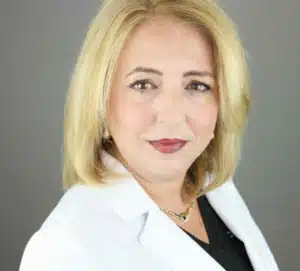
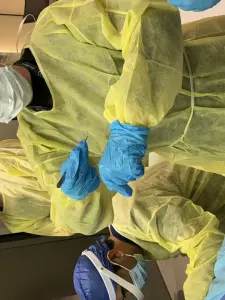


 Hair 4 Life Medical