Tag Archive for: hair 4 life medical

Why This Question Matters More Than Technique, Price, or Graft Count

When researching a hair transplant, most patients focus on the wrong things—FUE vs DHI, cost per graft, or clinic popularity. Those details matter, but they are not what ultimately determines your result. The single most important question is:
Who is actually performing your hair transplant surgery from beginning to end?
In today’s market, the answer is often not what patients expect—and that’s where problems begin.

The Truth About Modern Hair Transplant Clinics

In 2026, many clinics operate on a high-volume, technician-driven model. It’s efficient for business, but it comes at the expense of quality. Here’s what typically happens behind the scenes:
  • The doctor may briefly draw the hairline
  • Technicians perform the graft extractions
  • Technicians create recipient sites
  • Technicians place the grafts
  • The doctor is minimally involved—or not present at all
This is not a minor detail. It fundamentally changes the outcome of your surgery. Hair transplantation is not a repetitive task. It is a precise surgical procedure that requires judgment, artistry, and consistency from start to finish.

Why It Matters Who Performs Each Step

Every phase of a hair transplant builds on the one before it. When multiple people handle different steps, the final result often lacks cohesion.

Hairline Design

A natural hairline requires:
  • Irregularity (not straight or artificial)
  • Proper transition zones
  • Age-appropriate planning
This cannot be standardized or rushed.

Graft Extraction (FUE)

Poor extraction leads to:
  • Permanent donor damage
  • Patchy or overharvested areas
  • Limited options for future procedures
This step demands surgical precision—not delegation.

Recipient Site Creation

This is the foundation of the final result. It determines: Even slight errors here can result in an unnatural look.

Graft Placement

Improper placement can:
  • Reduce graft survival
  • Cause unnatural growth patterns
  • Waste valuable donor hair
Every graft counts—especially for patients with limited donor supply.

The Hair 4 Life Medical Approach: Surgeon-Led From Start to Finish

At Hair 4 Life Medical, the philosophy is simple and uncompromising:
The surgeon performs the surgery. Every step. No exceptions.
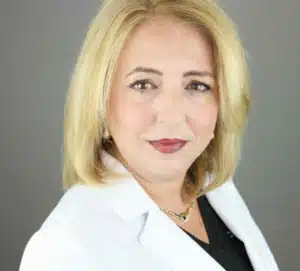
Dr. Ramona Kelemen personally performs 100% of the hair transplant procedure from beginning to end. This includes:
  • Consultation and surgical planning
  • Hairline design
  • Donor area management
  • FUE graft extraction
  • Recipient site creation
  • Graft placement
There is no outsourcing of critical steps. No assembly-line process. No uncertainty about who is handling your grafts.

A Rare Standard in the United States

Very few clinics in the U.S. operate this way. Most rely heavily on technicians due to:
  • Time constraints
  • High patient volume
  • Business scalability
Dr. Ramona Kelemen has chosen a different path—one that prioritizes quality, precision, and accountability over volume. This is especially important for:
  • Repair cases
  • Patients with limited donor hair
  • Individuals seeking natural, undetectable results

The Importance of a Consistent Surgical Team

While Dr. Ramona Kelemen performs every step herself, she is supported during graft implantation by one highly experienced technician: Jessica, who has worked alongside her for over 20 years. This is not a rotating staff or a group of assistants. It is a longstanding surgical partnership built on consistency and trust. Why this matters:
  • Seamless coordination during implantation
  • Consistent handling of grafts
  • Refined technique developed over decades
  • No variability from case to case
In an industry where teams often change daily, this level of continuity is exceptionally rare.

Why This Produces Superior Hair Transplant Results

When one surgeon controls the entire procedure:
  • The original vision is preserved from start to finish
  • Grafts are handled with maximum care and precision
  • The donor area is protected for long-term use
  • Hairlines appear natural, soft, and undetectable
And when that surgeon works with the same trusted assistant for decades, the process becomes even more refined. This is how consistent, high-quality results are achieved—not through marketing terms or trendy techniques.

One Size Does Not Fit All: Customized FUE Techniques

Another advantage at Hair 4 Life Medical is the ability to tailor the procedure to the patient. Dr. Ramona Kelemen utilizes multiple advanced approaches, including: This flexibility ensures that each patient receives the right method—not just the only method available at a clinic.

Questions You Should Ask Before Choosing a Hair Transplant Clinic

If you are considering a hair transplant in Arizona or anywhere in the U.S., ask these questions directly:
  • Who will be extracting my grafts?
  • Who will be creating the recipient sites?
  • Who will be placing the grafts?
  • Will the same person perform the entire procedure?
If the answers are unclear or involve multiple technicians, you are not getting a true surgeon-led procedure.

Hair Transplant in Scottsdale, AZ: Choosing the Right Clinic

Patients searching for: should understand that location and price are secondary to surgical involvement. A well-performed transplant should:
  • Look natural in all lighting
  • Age appropriately over time
  • Preserve donor hair for future needs
Those outcomes depend on who performs the procedure—not the marketing.

The Bottom Line

Hair transplantation is permanent. There is no room for shortcuts. At Hair 4 Life Medical, Dr. Ramona Kelemen performs your surgery from the first step to the final graft placement, maintaining full control over every detail. She is assisted only during implantation by Jessica, her trusted technician of over 20 years—ensuring consistency, precision, and continuity throughout the procedure.
This is not the industry standard—but it should be.

Schedule Your Consultation

If you are considering a hair transplant—or correcting a previous one—the first step is a professional, in-person evaluation. Meeting directly with Dr. Ramona Kelemen allows you to:
  • Receive an honest assessment
  • Understand your options
  • Get a personalized surgical plan
Because in the end, the most important decision you will make is not the technique—It’s who is holding the instruments.


References

FUE Hair Transplant: What to Expect, Cost, Pictures, and More FUE INSTRUMENTS AND THEIR USE – ISHRS The Role of Technicians in Hair Transplant Surgery: Importance and Skills Required – Hair Transplant Surgery Hair Transplant Network | Where you can find pre-screened physicians as chosen by real patients Who’s Behind Your Hair Transplant? The Vital Importance of Qualified Professionals – DiStefano Hair Restoration Center Understanding Hair Transplants – American Hair Loss Association SpexHair Exposing The Truth: The Reality Behind Hair Loss & Hair Transplants • Spex Hair

Hair transplant technology has evolved dramatically over the past two decades. One of the most heavily marketed innovations is the robotic hair transplant system known as ARTAS Robotic Hair Transplant System. Clinics often promote robotic surgery as the most advanced option available, implying that a robot automatically delivers better results.

The reality is very different.

While robotics may sound impressive in marketing brochures, experienced hair transplant surgeons understand that the success of a hair transplant depends on surgical judgment, artistic design, and meticulous graft placement—things a robot cannot truly replicate.

If you are researching hair restoration, it is important to understand why robotic systems like ARTAS are often not the best choice for achieving the most natural results.


Understanding What ARTAS Actually Does

The ARTAS Robotic Hair Transplant System is a robotic device designed to assist with FUE (Follicular Unit Extraction). It uses cameras and algorithms to identify hair follicles and harvest them from the donor area.

The system can:

  • Scan the donor scalp

  • Select follicular units

  • Punch around follicles using a robotic arm

However, the robot does not perform the entire transplant. A physician or technician still needs to:

  • Design the hairline

  • Extract grafts that the robot misses

  • Create recipient sites

  • Implant the grafts

The robot simply assists with part of the extraction process, and even then it has limitations.


Hair Transplants Are Artistic Surgery, Not Automation

Hair restoration is not like assembling a machine. It is closer to microsurgical artistry.

A successful transplant requires careful decisions such as:

A robot cannot judge facial symmetry or long-term hair loss patterns the way an experienced surgeon can.

That is why the most respected hair transplant doctors rely on manual FUE techniques, where they personally control every step of the surgery.


The Punch Size Problem

One of the major limitations of robotic extraction is punch size.

Robotic systems often use larger punches than highly refined manual techniques. Larger punches can:

  • Remove more surrounding tissue

  • Increase the risk of visible donor scarring

  • Limit donor area preservation

Manual systems like:

allow surgeons to work with smaller punches and more control, which can produce cleaner extractions and better donor preservation.


Robots Cannot Adapt to Different Hair Types

Hair characteristics vary dramatically between patients.

Examples include:

  • Curly hair

  • Coarse hair

  • Fine hair

  • Angled follicle growth

  • Tight scalp skin

Human surgeons can adjust their technique instantly. A robotic algorithm, however, relies on pre-programmed scanning patterns that may not adapt well to these variations.

This can lead to:

  • Increased graft transection (damaged follicles)

  • Missed grafts

  • Inconsistent extraction quality

For patients with curly or African hair, robotic systems are especially limited.


Hairline Creation Cannot Be Automated

The most important part of any hair transplant is the hairline.

Natural hairlines require:

  • Micro-irregularities

  • Precise graft distribution

  • Fine single hairs in the front

  • Angles that mimic natural growth

These subtle details cannot be programmed into a robot.

If grafts are placed too far apart or at incorrect angles, the result can look artificial. This is one reason robotic systems struggle to consistently produce the ultra-natural hairlines achieved by experienced surgeons.


Robots Do Not Perform the Implantation

Another major misconception is that robotic systems perform the entire transplant. They do not.

Implantation—the process of placing grafts into the scalp—is the most critical stage of the surgery.

Proper implantation determines:

In many robotic clinics, this step is often performed by technicians rather than the surgeon. This approach can reduce surgical control and consistency.


Marketing vs. Reality

The popularity of robotic systems is largely driven by marketing.

Robots attract attention because they sound futuristic and advanced. Many clinics promote robotics because it helps differentiate them in a competitive market.

But experienced hair transplant surgeons know that:

Technology does not replace surgical skill.

A robot cannot substitute for:

  • Surgical experience

  • Artistic hairline design

  • Advanced manual extraction techniques

  • Precision implantation


The Importance of Surgeon-Performed Hair Transplants

When evaluating hair transplant clinics, patients should ask an important question:

Who is actually performing the surgery?

The best results typically come from clinics where:

  • The doctor performs the extraction

  • The doctor designs the hairline

  • The doctor controls the graft placement

This level of surgical involvement is critical for achieving consistent and natural outcomes.


Advanced Alternatives to Robotic Hair Transplants

Modern hair restoration offers far more advanced options than robotic extraction alone.

Examples include:

These approaches allow surgeons to customize the procedure for each patient rather than relying on automated systems.


The Bottom Line

Robotic hair transplant systems like the ARTAS Robotic Hair Transplant System may appear impressive, but they are not the gold standard in hair restoration.

Hair transplantation remains a surgeon-dependent procedure where experience, technique, and artistic judgment matter far more than automation.

Patients seeking the most natural results should focus on finding a highly skilled surgeon who performs the procedure personally and uses advanced manual techniques tailored to each individual case.


Final Advice for Patients

Before choosing a hair transplant clinic, make sure to ask:

  • Who performs the extraction?

  • Who creates the hairline?

  • Who implants the grafts?

  • What punch size is used?

  • How many procedures has the surgeon performed?

The answers to these questions will reveal far more about the quality of the clinic than whether or not a robot is involved.

Because in hair restoration, the best technology is still the experienced human hand.


References

FUE Hair Transplant: What to Expect, Cost, Pictures, and More ARTAS® Robotic Hair Transplant | Venus Treatments USA Improve FUE: Mechanically and Electronically-Assisted Help Improve transection rates of FUE. Improvements in instrument technology and technique have made FUE a procedure competitive with strip harvesting for obtaining donor hair for hair transplantation: Benefits For Both Patient and Surgeon. FUE INSTRUMENTS AND THEIR USE – ISHRS      

 
Dr Ramona Kelemen

Dr Kelemen the founder of Hair 4 Life Medical


If you are searching for a hair-transplant near me, it is critical to understand one foundational truth: Hair-transplantation is surgery — not a cosmetic add-on. Yet today, many med spas and aesthetic clinics market hair services alongside injectables, lasers, and skincare. While these environments may appear modern and convenient, they are structurally different from legitimate hair-transplant practices that have produced consistent, long-term results for decades. Understanding this difference can determine whether your transplant becomes a lifelong success — or a permanent regret.

What Defines a Legitimate Hair-Transplant Practice?

A true hair-transplant clinic is built around:
  • Surgical hair restoration as the primary focus
  • A physician with years of transplant-specific experience
  • Long-term donor management and hairline planning
  • Accountability for both results and complications
This traditional model has existed long before marketing-driven aesthetics entered the field — and it still forms the backbone of reliable outcomes today.

The Traditional Hair-Transplant Model

Other local hair-transplant clinics typically represent the traditional surgical model:
  • An experienced hair-transplant surgeon
  • A team-based execution (physician plus trained staff)
  • Proven, classic techniques such as FUT and standard FUE
  • Emphasis on repetition, volume, and long-established workflows
This approach has produced millions of successful transplants worldwide. For patients who value legacy experience and standard techniques, clinics like Biltmore Surgical Hair Restoration can make sense. The strength of this model lies in its history and consistency.

The Physician-Centric Hair-Transplant Model

By contrast, Hair 4 Life Medical represents a physician-centric model — one that has evolved as technology and patient expectations have advanced. This structure is defined by:
  • Solo surgery: the physician performs 100% of the procedure
  • Advanced cosmetic FUE techniques
  • Long-hair and no-shave FUE options
  • Minimal to zero reliance on technicians
  • Conservative donor preservation with long-term planning in mind
This model appeals to patients who prioritize total physician control, cosmetic discretion, and precision, particularly professionals, women, public-facing individuals, and corrective cases.

Why Med Spas Don’t Belong in the Same Category

Med spas may offer PRP, microneedling, or limited FUE — but these services do not equate to comprehensive surgical hair restoration. Key limitations of med-spa hair services:
  • Hair restoration is not the core specialty
  • Limited surgical volume
  • Device-driven or staff-dependent procedures
  • Minimal corrective experience
  • Weak long-term donor strategy
Hair transplantation demands judgment, restraint, and foresight — qualities that only come from years of dedicated surgical focus.

Choosing the Right Model for You

There is no single “best” option for everyone — but there is a right structural fit for each patient.
  • If you value legacy experience and standard surgical techniques, the traditional model makes sense.
  • If you value maximum physician involvement, cosmetic precision, and long-term donor protection, the physician-centric model stands apart.
That distinction is not marketing. It is structural. And structure is what determines how well your transplant ages — not just how it looks at six months.

Final Thought

Hair loss is common. Donor hair is finite. Mistakes are permanent. Choose a clinic based on how it is built, not how it is advertised.

Book Your Consultation

Interested in learning more? Contact Us or call Hair 4 Life at (480) 525-4547 to schedule an appointment.

References

FUE Hair Transplant: What to Expect, Cost, Pictures, and More https://pubmed.ncbi.nlm.nih.gov/34029384/ FUE Hair Transplant: Benefits, Process & Recovery https://pubmed.ncbi.nlm.nih.gov/38144157/ Follicular Unit Extraction Hair Transplant – PMC https://www.ishrs-htforum.org/content/26/5/200          

 
Dr Ramona Kelemen

Dr Kelemen the founder of Hair 4 Life Medical

When people start researching hair restoration, their first stop is usually Google. And year after year, the same questions dominate search results. These questions reflect real concerns — about naturalness, safety, cost, and long-term results.

1. Do Hair Transplants Look Natural?

This is the number one hair transplant question asked online — and for good reason. Nobody wants a pluggy or artificial hairline.

The truth is simple:
Hair transplants look natural when the doctor is skilled and performs the entire procedure themselves.

At Hair 4 Life Medical, every graft is harvested and placed personally by Dr. Ramona Kelemen. No technicians. No delegating. Your result reflects the work of an expert, not a clinic assembly line. Dr Kelemen performs 2 surgeries a week! Quality over quantity!


2. How Long Does a Hair Transplant Last?

A well-executed hair transplant is permanent.
The follicles come from the “safe donor zone,” which is genetically resistant to hair loss. Once transplanted, they continue to grow normally for life.


3. Is a Hair Transplant Painful?

Most patients report far less discomfort than they expected.
You’ll feel the numbing injections at the beginning. After that, the procedure is very tolerable. Mild soreness or tightness afterward is common but short-lived.

Dr Kelemen has her own post op protocol that speeds up recovery.


4. How Much Does a Hair Transplant Cost?

Costs vary depending on technique (Long hair FUE, NO Shave, DHI etc.) and graft count, but most patients invest $6,500–$30,000.

These numbers reflect real, doctor-performed medical treatment — not bargain clinics where unlicensed techs do most of the surgery.


5. What’s the Difference Between FUE and FUT?

FUE (Follicular Unit Extraction)

  • No linear scar

  • Individual follicle extraction

  • Fast healing

  • Today’s most popular option

FUT (Strip Method)

  • Removes a strip of tissue from the back of the scalp

  • Leaves a linear scar

  • Used for specific cases needing high graft counts

Most modern patients choose FUE for its natural appearance and easier recovery. The tools used matter but what matters the most is the abilities of the doctor!


6. How Long Is Recovery?

Most people resume regular daily activities in 2–3 days.
Redness improves within a week.
Gym workouts and heavy activity usually resume after 10–14 days.


7. When Will I See Results?

The growth timeline is predictable:

  • Weeks 2–4: Temporary shedding

  • Months 3–4: New growth begins

  • Month 6: Noticeable improvement

  • 12–18 months: Final results

Patience pays off — the transformation is worth the wait.


8. Is a Hair Transplant Safe?

Yes — as long as it’s done by a trained physician.

Most complications happen in clinics where technicians, not doctors, perform the surgery.

At Hair 4 Life Medical, your procedure is performed start to finish by Dr. Kelemen, ensuring precision, safety, and medical oversight at every step.

There is a lot of hype and marketing jargon on the interne! Dr Kelemen highly recommends that prospective patients take their time and due diligence in order to choose wisely! For example a doctor might advertise SOLO hair transplant only to find out that they use technicians for most of work!


9. Can a Hair Transplant Fix a Receding Hairline or Crown?

Absolutely.
Both areas respond very well to FUE. The design is customized based on age, long-term pattern, donor density, and personal goals.

A natural, age-appropriate plan ensures your results look great now and decades from now.


10. Am I a Good Candidate?

You may be an excellent candidate if you have:

  • Strong donor hair

  • Realistic expectations

  • Stabilized or predictable hair loss

  • A desire for permanent, natural-looking results

A personal evaluation — including photos — will confirm your custom plan.


Final Thoughts

These are the most searched hair-transplant questions online, and it’s easy to see why. People want honesty, skill, and long-term reassurance.

If you want results crafted by a true hair transplant specialist — with 100% of your procedure performed by Dr. Kelemen herself — you’re already in the right place.


Book Your Consultation

📞 Ready to explore a hair transplant? Schedule your private 45–60-minute consultation with Dr. Kelemen and learn which hair restoration method is best for you. Visit hair4lifemedical.com or call to reserve your appointment today.

👉 Ready to restore your hair? Schedule a consultation with Dr. Kelemen today!

Interested in learning more? Contact Us or call Hair 4 Life at (480) 525-4547 to schedule an appointment.

References

FUE Hair Transplant: What to Expect, Cost, Pictures, and More https://pubmed.ncbi.nlm.nih.gov/34029384/ FUE Hair Transplant: Benefits, Process & Recovery https://pubmed.ncbi.nlm.nih.gov/38144157/ Follicular Unit Extraction Hair Transplant – PMC https://www.ishrs-htforum.org/content/26/5/200          

The Art of Long Hair FUE at Hair 4 Life Medical

 
Dr Ramona Kelemen

Dr Kelemen the founder of Hair 4 Life Medical

Introduction: A Living Canvas of Confidence

Long Hair FUE represents more than a surgical procedure—it’s a discreet, elegant transformation. Performed at Hair 4 Life Medical in Scottsdale, Arizona, by Dr. Ramona Kelemen, this method allows patients to maintain their full-length hair throughout the process. Dr. Kelemen stands alone as the only physician in Arizona offering Long Hair FUE, and uniquely, she is the sole surgeon in the United States to perform exclusively solo hair transplants, personally overseeing every surgical step.

Drawing from over two decades of expertise—and holding dual doctorates in M.D. and N.D.—Dr. Kelemen blends cutting-edge surgical skill with deep holistic care. At Hair 4 Life, clients find not just willful craftsmanship but genuine partnership in restoring both hair and confidence.


1. What Makes Long Hair FUE So Exceptional?

Long Hair FUE diverges from conventional methods by preserving hair length during extraction and reimplantation, offering both patients—and their social lives—a nearly seamless transition. Key differentiators include:

  • No shaving of donor or recipient areas

  • Immediate, natural preview of final appearance

  • Subtle recovery—minimal visible signs of surgery

  • Attachment to one’s present identity, not a disruption from it

This method delivers elegance and privacy, especially vital for professionals, public figures, or anyone preferring discreet transformation.


2. The Science & Art Behind It

Long Hair FUE isn’t just about techniques—it’s the subtle interplay of visibility, precision, and patient empowerment:

Enhanced Control & Artistic Placement

Being able to see hair curl, direction, and volume in real-time supports artistic graft placement for natural harmony.

Concealed Healing & Scalpel Minimalism

Small, dotted extraction points are hidden beneath long hair, minimizing scarring and making recovery remarkably private.

Reduced Post-Op Pain & Psychological Relief

Patients experience less discomfort, quicker healing, and immediate affirmation from seeing their hair the same day—offering emotional reassurance.


3. Considerations & Commitment to Excellence

This refined method does necessitate:

  • Extended surgical time: Sessions can take nearly twice as long as traditional FUE.

  • Skilled hands: The technique demands precision and patience—only highly trained surgeons should perform it.

  • Selective suitability: Ideal for those with moderate hair loss and ample donor reserves—not for complete baldness.

Yet, for those seeking artistry, discretion, and natural integration, Long Hair FUE is unmatched.


4. The Hair 4 Life Procedure: A Step-by-Step Journey

Step 1: Educational Consultation

Dr. Kelemen prioritizes informed planning, forging a collaborative roadmap informed by anatomy, expectations, and aesthetics.

Step 2: Personalized Extraction

Using advanced FUE tools and mindful technique, even long strands are extracted without compromising donor density or graft viability.

Step 3: Surgical Composition

Intelligent placement incorporates natural curl, thickness, and contour for believable restoration.

Step 4: The Day-One Preview

The preserved length delivers an instant glimpse of results—reassuring and natural from the very start.

Step 5: Holistic Recovery

Support tools like hyperbaric oxygen therapy accelerate healing, complemented by scalp optimization and gentle aftercare routines.


5. Why Hair 4 Life Medical Stands Apart

  • Arizona Exclusivity: The only clinic in the state offering Long Hair FUE.

  • National Distinction: Dr. Kelemen is the only physician in the U.S. performing solo hair transplants.

  • Broad Technique Mastery: From robotic ARTAS to manual FUE variants like uGraft and WAW, Dr. Kelemen offers patient-centered choice.

  • Holistic Healing: Incorporates regenerative treatments like Regenera Activa®, along with hyperbaric support for enhanced recovery.

  • Ethical, Education-Driven Care: Her ethos rejects volume sales—her consultations focus on guiding, not convincing.


6. Who Benefits Most from Long Hair FUE?

  • High-visibility individuals needing discretion

  • Adults with moderate thinning and good donor supply

  • Patients desiring craftsmanship over commodification

  • Those with diverse hair types, including undulating or textured strands


7. SEO-Ready FAQs: Long Hair FUE vs. Traditional FUE

Question Long Hair FUE Traditional FUE
Shaving required? No Yes
When do results show? Immediately visually After hair regrowth (4–12 months)
Tattoo visibility? Very low Higher in early days
Surgeon involvement? Always Dr. Kelemen personally Often technicians involved
Cost & availability? Higher & rare Lower & common

8. Testimonials & Trust

Patient communities consistently celebrate her artistry and ethics—emphasizing the value of surgeon-led care versus technician-handled approaches.


9. Final Reflection: When Restoration Becomes Art

Long Hair FUE at Hair 4 Life Medical isn’t merely a surgery—it’s a respectful, dignified approach to transformation. Under Dr. Kelemen’s solo guidance, each graft is positioned with artful intention, and every patient emerges not just with restored hair, but with peace of mind that comes from surgical integrity and vision.


Final Thoughts

The evolution of hair transplant surgery is here—and it doesn’t involve shaving your head. Long Hair FUE is the discreet, elegant, and effective choice for modern patients, and it’s available today at Hair 4 Life Medical in Arizona. If you’re looking for a personalized, physician-led experience with surgical artistry at its core, schedule a consultation with Dr. Kelemen—the Long Hair FUE expert trusted by patients and doctors alike.

Book Your Consultation

📞 Ready to explore Long Hair FUE? Schedule your private 45–60 minute consultation with Dr. Kelemen and learn which hair restoration method is best for you. Visit hair4lifemedical.com or call to reserve your appointment today.

👉 Ready to restore your hair? Schedule a consultation with Dr. Kelemen today!

Interested in learning more? Contact Us or call Hair 4 Life at (480) 525-4547 to schedule an appointment.

References

FUE Hair Transplant: What to Expect, Cost, Pictures, and More https://pubmed.ncbi.nlm.nih.gov/34029384/ FUE Hair Transplant: Benefits, Process & Recovery https://pubmed.ncbi.nlm.nih.gov/38144157/ Follicular Unit Extraction Hair Transplant – PMC https://www.ishrs-htforum.org/content/26/5/200
         

A hair transplant is a significant investment in restoring not only your hair but also your confidence. The procedure involves relocating hair follicles from one part of the scalp to another, aiming for natural-looking results and improved hair density. Post-surgery, it’s crucial to follow proper aftercare to ensure optimal results and healthy hair growth. Among various scalp conditions that could affect the success of a hair transplant, dandruff is a common concern. Dandruff, characterized by flaky and sometimes itchy skin on the scalp, can be more than just a cosmetic issue. It might seem benign, but when it comes to post-transplant care, dandruff can have implications for both the health of your scalp and the growth of your new hair. The key to a successful recovery and hair growth lies in understanding how dandruff interacts with the healing process and what steps can be taken to mitigate its impact. In this blog, we will explore the relationship between dandruff and hair growth following a hair transplant. We will delve into what dandruff is, how it can affect a transplanted scalp, and provide practical advice on managing and preventing dandruff to ensure the best outcomes for your hair restoration journey.

What is Dandruff and What Causes It?

Dandruff is a prevalent scalp condition that manifests as white or yellowish flakes on the scalp and shoulders. It’s often accompanied by itching and irritation. The condition is primarily caused by the overgrowth of a yeast-like fungus called Malassezia, which thrives on the natural oils produced by the scalp. This fungal overgrowth leads to increased cell turnover, causing the scalp skin to shed prematurely and result in visible flakes. Several factors contribute to the development of dandruff. These include:

  • Seborrheic Dermatitis: A common skin condition characterized by red, greasy patches of skin with white or yellow flakes.
  • Dry Scalp: Insufficient moisture on the scalp can lead to dryness and flakiness.
  • Sensitivity to Hair Products: Certain shampoos, conditioners, and styling products can cause irritation or allergic reactions.
  • Stress and Diet: Stress and poor nutrition can exacerbate dandruff and overall scalp health.

After a hair transplant, the scalp is particularly sensitive and in a state of healing. Any existing dandruff or new onset of dandruff can complicate the recovery process. It’s essential to address dandruff promptly to avoid complications that could affect the transplanted follicles and overall hair growth.

How Dandruff Affects the Scalp After a Hair Transplant

Post-transplant, the scalp requires special care to ensure the newly transplanted hair follicles are not compromised. The presence of dandruff can have several effects on the healing process and hair growth:

  1. Scalp Irritation: Dandruff can cause additional irritation to the already sensitive scalp. Scratching or rubbing the scalp to alleviate itching can dislodge hair grafts and interfere with their integration into the scalp.
  2. Infection Risk: Excessive dandruff can create an environment conducive to fungal or bacterial infections. Such infections can impair the healing of the scalp and negatively impact hair growth.
  3. Discomfort and Itching: Persistent itching caused by dandruff can be uncomfortable and may lead to unnecessary handling of the transplanted area, potentially disrupting the healing process.
  4. Impaired Healing: The presence of flakes and an inflamed scalp can affect the health of the hair follicles. A healthy scalp is crucial for optimal hair growth, and dandruff can hinder the regeneration and nourishment of newly transplanted hair.

It’s vital to manage dandruff effectively to ensure that the healing process is smooth and that the transplanted hair follicles have the best possible environment to thrive. In the following sections, we will discuss how to manage dandruff and maintain a healthy scalp post-transplant to achieve the best results from your hair restoration procedure.  

Does Dandruff Impede Hair Growth After a Hair Transplant?

The question of whether dandruff affects hair growth after a hair transplant is crucial for anyone undergoing the procedure. The success of a hair transplant depends not only on the surgical skill and technique but also on the post-operative care and conditions of the scalp. Understanding the potential impact of dandruff on hair growth can help in taking proactive measures to ensure the best possible outcomes.

Dandruff and Hair Follicle Health

Hair follicles are the tiny structures in the scalp where hair growth begins. After a hair transplant, these follicles are in a delicate state, integrating into their new environment and beginning the growth cycle. Dandruff can influence the health of these follicles in several ways:

  1. Nutrient Supply Disruption: A healthy scalp provides essential nutrients to hair follicles. Dandruff, particularly when accompanied by inflammation, can disrupt this nutrient supply. The presence of flakes and an irritated scalp may impair the optimal delivery of nutrients and oxygen, which are critical for follicle health and hair growth.
  2. Increased Risk of Infection: The flakes and irritation caused by dandruff can create an environment where infections may thrive. An infected scalp can damage hair follicles and hinder their ability to produce healthy hair. Infection risk is especially high in the early days following a hair transplant when the scalp is healing and more vulnerable.
  3. Impact on Hair Graft Survival: Hair grafts are carefully placed into tiny incisions made in the scalp during the transplant. Dandruff-related itching or scratching can disrupt these grafts, potentially causing them to dislodge or not properly integrate. This can adversely affect the survival rate of the transplanted follicles and the overall success of the procedure.

Expert Opinions

Dermatologists and hair restoration specialists emphasize the importance of maintaining a clean and healthy scalp post-transplant. While dandruff itself may not directly prevent hair growth, the complications arising from an unhealthy scalp environment can impede the success of the transplant. According to experts, controlling dandruff and ensuring proper scalp care is essential for maximizing the results of hair restoration.

Preventing and Managing Dandruff After a Hair Transplant

Effective management of dandruff is crucial for maintaining a healthy scalp and ensuring successful hair growth following a hair transplant. Here are some practical steps you can take to prevent and manage dandruff post-surgery:

1. Follow a Gentle Hair Care Routine

After a hair transplant, your scalp is more sensitive than usual. Use a mild, fragrance-free shampoo designed for sensitive scalps to avoid irritation. Look for shampoos containing ingredients like ketoconazole, selenium sulfide, or zinc pyrithione, which are known for their anti-fungal properties and can help control dandruff.

2. Avoid Scratching and Irritation

Scratching or rubbing your scalp can dislodge hair grafts and exacerbate dandruff. To minimize itching, avoid using harsh hair products and opt for soothing, anti-inflammatory treatments. If itching persists, consult with your hair restoration specialist for appropriate solutions.

3. Maintain Scalp Hygiene

Keeping your scalp clean is essential for preventing dandruff. Wash your hair regularly but not excessively, as over-washing can strip natural oils and worsen dryness. Use lukewarm water to avoid scalp irritation and gently massage the shampoo into your scalp without vigorous scrubbing.

4. Use Moisturizers and Scalp Treatments

To combat dryness and flakiness, consider using a light, non-greasy moisturizer or scalp treatment recommended by your specialist. Products containing natural oils, such as coconut oil or tea tree oil, can help soothe the scalp and reduce dandruff.

5. Monitor and Adjust Your Diet

A healthy diet can contribute to overall scalp health. Ensure you’re getting adequate vitamins and minerals, particularly those that support skin health, such as vitamins A, D, and E. Avoiding excessive sugar and processed foods can also help maintain a balanced scalp environment.

Consult with Professionals

For persistent or severe dandruff, it’s important to seek professional advice. At Hair for Life AZ, our team is equipped to provide tailored recommendations and treatments to address dandruff and other scalp issues. By following our expert guidance, you can ensure that your scalp remains in optimal condition throughout the healing process. In the next section, we will discuss various treatment options for managing dandruff effectively and when to seek professional help.

Treatment Options for Dandruff Post-Hair Transplant

Managing dandruff effectively is crucial for maintaining a healthy scalp and supporting the success of your hair transplant. Here are some treatment options to consider:

1. Medicated Shampoos

Medicated shampoos are often the first line of defense against dandruff. Look for products containing active ingredients like:

  • Ketoconazole: An antifungal agent that helps reduce the Malassezia fungus responsible for dandruff.
  • Selenium Sulfide: A compound that reduces fungal growth and helps control scalp flakiness.
  • Zinc Pyrithione: An antibacterial and antifungal agent that helps alleviate dandruff symptoms.

2. Topical Treatments

In addition to shampoos, topical treatments can be effective in managing dandruff. These may include:

  • Topical Steroids: Prescribed by a dermatologist, these can reduce inflammation and itching.
  • Coal Tar: Helps slow down the production of skin cells on the scalp.

3. Home Remedies

For those seeking natural approaches, several home remedies can help alleviate dandruff:

  • Tea Tree Oil: Known for its antifungal properties, tea tree oil can be added to your shampoo or diluted with a carrier oil and applied directly to the scalp.
  • Apple Cider Vinegar: Its acidic nature helps balance the scalp’s pH and reduce fungal growth.

4. Professional Treatments

If dandruff persists despite over-the-counter treatments, consult with a hair restoration specialist or dermatologist. They can provide advanced treatments, such as:

  • Prescription Medications: Stronger antifungal or anti-inflammatory treatments may be necessary.
  • Scalp Treatments: Professional treatments designed to address underlying issues and promote scalp health.

5. Lifestyle Adjustments

Incorporating lifestyle changes can also support dandruff management:

  • Stress Reduction: Stress can exacerbate dandruff, so practices like yoga, meditation, or regular exercise can be beneficial.
  • Balanced Diet: Eating a nutrient-rich diet supports overall scalp health and can help reduce dandruff.

Hair Restoration at Hair for Life AZ At Hair for Life AZ, we are committed to helping you achieve the best results from your hair transplant. Our experts offer personalized advice and treatment plans to manage dandruff and ensure optimal scalp health. If you’re experiencing persistent dandruff or have concerns about your scalp, don’t hesitate to reach out to our team for expert guidance and support. In the final section, we’ll discuss the long-term benefits of maintaining a healthy scalp and recap the importance of addressing dandruff for successful hair growth.

The Importance of Scalp Care for Optimal Hair Growth

Maintaining a healthy scalp is essential for the success of a hair transplant and the overall health of your hair. Here’s why diligent scalp care is crucial:

1. Promotes Healthy Hair Follicles

A well-cared-for scalp provides the ideal environment for hair follicles to thrive. Proper scalp care helps ensure that transplanted follicles receive adequate nutrients and oxygen, which are vital for their growth and regeneration.

2. Enhances Hair Growth

By preventing and managing dandruff, you reduce the risk of complications that can impede hair growth. A healthy scalp free from excessive flakes and irritation supports the optimal growth of new hair, helping you achieve the best possible results from your transplant.

3. Reduces Risk of Complications

Effective scalp care minimizes the risk of infections and other issues that can arise from dandruff. By addressing dandruff early and following your specialist’s recommendations, you can avoid potential complications and ensure a smooth recovery process.

4. Long-Term Benefits

Maintaining a healthy scalp is not just about the immediate post-transplant period; it has long-term benefits for your hair’s overall health and appearance. A clean, well-nourished scalp contributes to sustained hair growth and helps you enjoy the full benefits of your hair restoration procedure.

Conclusion

In conclusion, managing dandruff effectively and prioritizing scalp health are crucial steps in ensuring the success of your hair transplant. By following the tips and recommendations outlined in this blog, you can support the growth of your newly transplanted hair and enjoy the full benefits of your investment in hair restoration. For personalized guidance and expert care, contact Hair for Life AZ today and take the first step towards healthier, fuller hair.  

Hair 4 Life Medical: Your Premier Destination for Hair Restoration in Scottsdale, Arizona!

Contact Hair 4 Life in Scottsdale – Dr. Ramona Kelemen (hairforlifeaz.com)

You only have to read the reviews to find out how she empowers her clients to look and feel their best. They leave the clinic with their heads held high knowing that the doctor has their best interest at heart!

To find out which procedure is best suited to your needs, you are invited to come into Hair4Life Medical for a consultation. Treatments are kept as affordable and accessible as possible so come in and talk to us.

Contact Us or call Hair 4 Life at (480) 525-4547 to schedule an appointment and get your consultation.

Choosing the Best Hair Transplant Doctor

When researching potential hair transplant surgeons, you’ll want to consider these items:

  • Whether they specialize in hair restoration Or this is just padding the bottom line

  • How long they’ve been in practice.

  • Patient reviews: look for consistency
  • How many hair transplant procedures they’ve performed?

  • What board certifications/credentials they have: ISHRS, ABHRS, FUE Europe, etc

  • Before/after pictures of actual patients

  • What role do they play in the surgery? What do they do exactly? Essentially involved? Do they have the tools they advertise?
  • Pressure to book surgery? if yes then run

Dr. Kelemen’s philosophy is that building a partnership with her patients it allows her to empower and educate the patients to ensure they are capable of attaining their goals of looking and feeling their best!

Dr. Kelemen armed with both sides of the natural and medical spectrum coupled with 23 years of experience, brings a wealth of knowledge to help her patients achieve their hair restoration goals!

Speaking of the best hair transplant…

Which hair transplant is best?

It really depends on you and your goals!! The current choices are: FUT, the traditional strip method or FUE via ARTAS robotic, manual motorized or manual punch. A true pro will not push you towards one but give you options since they should offer all the transplant methods!

Other factors are what type of hair you have, how is your donor area, have you had prior hair transplants! So, I encourage you to find a doctor that is passionate about hair transplant and not just going through the motions! Someone who lives and breathes hair transplant! With passion you will yield someone who leaves no stone unturned to become the best in their field! We do exist but we are a rare breed!

Conclusion

Choosing a hair transplant physician is as important as the procedure itself. The best results come from a combination of skilled artistry, advanced technology, and a deep understanding of patient needs. Trust your instincts, do your research, and prioritize quality over cost to ensure your hair restoration journey leads to satisfaction and confidence.

For expert consultations, consider reaching out to dedicated clinics like Hair 4 Life at (480) 525-4547.

Contact Us or call Hair 4 Life at (480) 525-4547 to schedule an appointment.

Reference:

Manual FUE vs. Robotic FUE: Benefits, Drawbacks, & Cost

News: Is Robotic FUE Better or Worse? The Truth

ARTAS robotic hair restoration system For FUE | Hair Transplant Network