The Ultimate Guide to Long Hair Follicular Unit Excision (FUE) with Dr. Kelemen
Hair transplantation has evolved significantly over the years, with new techniques and technologies enhancing the outcomes for those seeking to restore their hair. One such innovative method is Long Hair Follicular Unit Excision (FUE), a technique that stands out for its minimally invasive approach and natural-looking results. We will delve into the intricacies of Long Hair FUE and explore why Dr. Kelemen is among a handful of elite hair transplant physicians who leave no stone unturned in their quest to find the best approach to the most natural and virtually undetectable hair transplant.
Long Hair FUE is a specialized method of hair transplantation where hair grafts are extracted and implanted without the need for shaving the recipient area or donor area. This technique allows for immediate previewing of results, as the transplanted hair remains long. Patients can return to their daily routines without the noticeable signs of surgery, making it an ideal choice for those who value discretion.
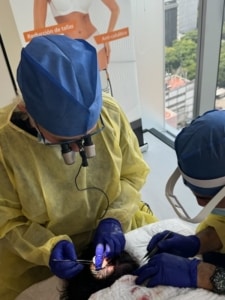
Dr Kelemen showing the staff how a long hair graft is prepared/trimmed.
Challenge? Find another hair transplant physician, in the Unites States, that does SOLO eyebrow, beard or hairline corrective surgeries on a regular basis. This is a testament to her unmatched skills in this unique field.
Dr Kelemen is among a select few that can perform a hair transplant SOLO.
Innovative Techniques: Dr. Kelemen remains at the forefront of hair restoration technologies and techniques. Her continuous pursuit of excellence ensures that patients receive the most advanced and effective treatments available.
Personalized Patient Care: Beyond her technical skill, Dr. Kelemen is renowned for her compassionate approach. She takes the time to understand each patient’s goals, ensuring that they feel comfortable and informed throughout the process.
The Procedure
During a Long Hair FUE procedure with Dr. Kelemen, hair follicles are gently extracted from the donor area using specialized tools. The extracted follicles are then strategically implanted into the thinning or balding areas, matching the natural hair growth pattern. This ensures a seamless blend with existing hair, resulting in a natural and aesthetically pleasing outcome. Dr Kelemen performs every step with the aid of her trusted technician, Jessica. They have been together for 20 years and they ying and yang. She does not delegate anything and steps in, to trim grafts. Why? Because it gives her a more in-depth look at the grafts. (Her loops are 3.5x while the microscope is 10x)
Recovery and Results
One of the most significant advantages of Long Hair FUE is the reduced downtime. Most patients experience minimal discomfort and can resume normal activities within a few days. The transplanted hair initially sheds but begins to regrow within a few months, unveiling fuller, natural hair that enhances the patient’s appearance and confidence. Her post op includes hyperbaric chamber sessions that help reduce the recovery time drastically.
Is Long Hair FUE Right for You?
If you’re considering hair restoration, especially Long Hair FUE, Dr. Kelemen is the only one offering this procedure in Arizona. You may see others advertise them to be seen, but none perform this procedure. Ideal candidates are those who desire immediate aesthetic results and are keen to avoid the shaved look typically associated with traditional FUE procedures.
Cost for Long Hair FUE
Long Hair FUE procedures typically cost more than traditional FUE due to the complexity and time involved. Generally, the price might range from $9,000 to $15,000 or more. However, costs can vary based on factors like the number of grafts needed, the clinic’s location, and the surgeon’s expertise. Dr Kelemen’s consultation concludes with the patient getting a folder and an estimate for the procedure, various financing options available and no pressure. Dr Kelemen believes that important decisions like this need to be thought out. This is an aesthetic procedure after all and the patient should be allowed ample time to think about it, to shop around, to research before making such an important decision.
Conclusion
Long Hair FUE is a groundbreaking advancement in the world of hair transplantation and the GOLD standard in hair transplantation, offering patients a discreet and effective solution to hair loss. With Dr. Kelemen’s expertise, patients can expect top-notch care and impressive results that restore not just hair but self-confidence. If you’re interested in exploring this option, consulting with Dr. Kelemen could be the first step towards achieving the hair of your dreams.
.
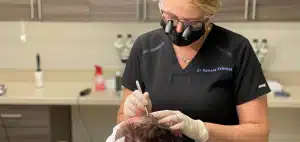
Dr Kelemen showcasing her technical skills during long hair Fue
https://hairforlifeaz.com/wp-content/uploads/2024/09/IMG_2597-scaled.jpg20501538Brian Bemohttps://hairforlifeaz.com/wp-content/uploads/2024/02/Hair-for-Life-Medical-Logo-web.pngBrian Bemo2024-10-12 11:08:092026-01-21 19:09:58The Ultimate Guide to Long Hair Follicular Unit Excision
Long Hair FUE is versatile and can be performed on various hair types, but there are some considerations based on individual hair characteristics that must be considered by the doctor. The journey starts with a free initial consultation with Dr Kelemen. Dr Kelemen will initially assess your need and expectations. Then she will do a thorough scalp examination using various tools (thricholab, thrichotest) to assess your donor area and give you a close estimate of the patient has available for transplantation.
– Natural Appearance: Provides a natural look as the transplanted hair blends well with straight existing hair. Dr Kelemen’s goal is a natural looking hair transplant by following your hair particular hairline.
– Aesthetically Pleasing: The natural waves can enhance the overall aesthetic of the transplant.
Curly Hair
– Volume: Curly hair offers excellent volume, often requiring fewer grafts for noticeable coverage.
– Camouflage: The curls can effectively camouflage donor area imperfections.
Dr Kelemen showing the staff how a long hair graft is prepared/trimmed.
Considerations for Different Hair Types
Thin Hair
– Technique Precision: Requires careful handling to ensure the thin hair follicles are not damaged during extraction. Dr Kelemen has developed her own techniques and proprietary punches that allow her to extract with minimal scaring.
– Aesthetic Planning: Special planning to ensure optimal density and natural appearance.
Thick Hair
– Donor Area: Often provides ample donor hair for extraction. Dr Kelemen has developed process to remove beard and body hair that can be transplanted to the scalp.
– Transplantation Ease: Easier to achieve desired density and volume. Dr Kelemen designed and developed her unique site making tools that allow her to mimic the patient’s unique hair pattern thus achieving a natural hair transplant.
Ethnic Hair
– Curvature: Some ethnic hair types, such as African hair, have follicles with a tighter curl, requiring specialized expertise.
– Special Techniques: Dr Kelemen has developed her own specific techniques tailored for the unique curl patterns to ensure success.
Dr Kelemen showcasing her technical skills during long hair Fue
General Suitability Factors
– Scalp Health: A healthy scalp is crucial for optimal outcomes, regardless of hair type.
– Hair Loss Pattern: Suitable for various hair loss patterns, but personalized assessment is necessary.
WAW FUE is handheld device that provide the doctor the option to tailor the device movements based on the grafts of the patient. The latest iteration of the device provides a lightweight wireless hand-held device that alleviates any possible doctor fatigue. Combine the lightweight with the revolutionary Hybrid Tornado punch it allows the doctor to penetrate the skin deeper with minimal trauma to grafts. (Punches 0.85mm – 1.05mm)
WAW system FUE handheld device
Zeus Ugraft – FUE handheld device wired and wireless
The system features a set of uniquely designed devices that have completely changed the game when it comes to FUE hair transplant procedures. it provides patients with higher quality grafts with greater survival rates. Innovative features work together to make this possible in a way that’s never been done before.
These features include a flared punch tip, an expanded inner volume, an upward pulling action, a unique graft control mechanism, and fluid irrigation with hands-free ejection provided by the Dr.UGraft™ Zues System. (Punches are 18,19,20 gauge)
Zeus Ugraft FUE handheld device
Conclusion
Long Hair Follicular Unit Extraction (FUE) is a hair transplantation procedure where hair follicles are extracted from the donor area and transplanted to the recipient area without the need to shave the donor site. What is the main benefit of this type of hair transplant? Immediate Aesthetic Results. This was the GOLD standard that Hollywood actors sought out. Thanks to advances in handheld devices, smart punches Dr Kelemen has made this procedure accessible to everyone.
-No Waiting Period: You see the transplanted hair immediately, eliminating the need to wait for hair to grow (1-2 months)
– Natural Look: The transplanted long hair blends seamlessly with existing hair, providing a natural and more uniform appearance.
Summary
Long Hair FUE can be performed on many hair types, including straight, wavy, and curly, as well as thin and thick hair. However, the suitability and success of the procedure heavily depend on personalized planning and the expertise of the surgeon handling different hair characteristics.
https://hairforlifeaz.com/wp-content/uploads/2024/09/IMG_2597-scaled.jpg20501538Ioan A Kelemenhttps://hairforlifeaz.com/wp-content/uploads/2024/02/Hair-for-Life-Medical-Logo-web.pngIoan A Kelemen2024-09-29 18:32:322025-07-18 08:23:57Long Hair FUE
A hair transplant is a significant investment in restoring not only your hair but also your confidence. The procedure involves relocating hair follicles from one part of the scalp to another, aiming for natural-looking results and improved hair density. Post-surgery, it’s crucial to follow proper aftercare to ensure optimal results and healthy hair growth. Among various scalp conditions that could affect the success of a hair transplant, dandruff is a common concern.Dandruff, characterized by flaky and sometimes itchy skin on the scalp, can be more than just a cosmetic issue. It might seem benign, but when it comes to post-transplant care, dandruff can have implications for both the health of your scalp and the growth of your new hair. The key to a successful recovery and hair growth lies in understanding how dandruff interacts with the healing process and what steps can be taken to mitigate its impact.In this blog, we will explore the relationship between dandruff and hair growth following a hair transplant. We will delve into what dandruff is, how it can affect a transplanted scalp, and provide practical advice on managing and preventing dandruff to ensure the best outcomes for your hair restoration journey.
What is Dandruff and What Causes It?
Dandruff is a prevalent scalp condition that manifests as white or yellowish flakes on the scalp and shoulders. It’s often accompanied by itching and irritation. The condition is primarily caused by the overgrowth of a yeast-like fungus called Malassezia, which thrives on the natural oils produced by the scalp. This fungal overgrowth leads to increased cell turnover, causing the scalp skin to shed prematurely and result in visible flakes.Several factors contribute to the development of dandruff. These include:
Seborrheic Dermatitis: A common skin condition characterized by red, greasy patches of skin with white or yellow flakes.
Dry Scalp: Insufficient moisture on the scalp can lead to dryness and flakiness.
Sensitivity to Hair Products: Certain shampoos, conditioners, and styling products can cause irritation or allergic reactions.
Stress and Diet: Stress and poor nutrition can exacerbate dandruff and overall scalp health.
Scalp Irritation: Dandruff can cause additional irritation to the already sensitive scalp. Scratching or rubbing the scalp to alleviate itching can dislodge hair grafts and interfere with their integration into the scalp.
Infection Risk: Excessive dandruff can create an environment conducive to fungal or bacterial infections. Such infections can impair the healing of the scalp and negatively impact hair growth.
Discomfort and Itching: Persistent itching caused by dandruff can be uncomfortable and may lead to unnecessary handling of the transplanted area, potentially disrupting the healing process.
Impaired Healing: The presence of flakes and an inflamed scalp can affect the health of the hair follicles. A healthy scalp is crucial for optimal hair growth, and dandruff can hinder the regeneration and nourishment of newly transplanted hair.
It’s vital to manage dandruff effectively to ensure that the healing process is smooth and that the transplanted hair follicles have the best possible environment to thrive. In the following sections, we will discuss how to manage dandruff and maintain a healthy scalp post-transplant to achieve the best results from your hair restoration procedure.
Does Dandruff Impede Hair Growth After a Hair Transplant?
The question of whether dandruff affects hair growth after a hair transplant is crucial for anyone undergoing the procedure. The success of a hair transplant depends not only on the surgical skill and technique but also on the post-operative care and conditions of the scalp. Understanding the potential impact of dandruff on hair growth can help in taking proactive measures to ensure the best possible outcomes.
Dandruff and Hair Follicle Health
Hair follicles are the tiny structures in the scalp where hair growth begins. After a hair transplant, these follicles are in a delicate state, integrating into their new environment and beginning the growth cycle. Dandruff can influence the health of these follicles in several ways:
Nutrient Supply Disruption: A healthy scalp provides essential nutrients to hair follicles. Dandruff, particularly when accompanied by inflammation, can disrupt this nutrient supply. The presence of flakes and an irritated scalp may impair the optimal delivery of nutrients and oxygen, which are critical for follicle health and hair growth.
Increased Risk of Infection: The flakes and irritation caused by dandruff can create an environment where infections may thrive. An infected scalp can damage hair follicles and hinder their ability to produce healthy hair. Infection risk is especially high in the early days following a hair transplant when the scalp is healing and more vulnerable.
Impact on Hair Graft Survival: Hair grafts are carefully placed into tiny incisions made in the scalp during the transplant. Dandruff-related itching or scratching can disrupt these grafts, potentially causing them to dislodge or not properly integrate. This can adversely affect the survival rate of the transplanted follicles and the overall success of the procedure.
Expert Opinions
Dermatologists and hair restoration specialists emphasize the importance of maintaining a clean and healthy scalp post-transplant. While dandruff itself may not directly prevent hair growth, the complications arising from an unhealthy scalp environment can impede the success of the transplant. According to experts, controlling dandruff and ensuring proper scalp care is essential for maximizing the results of hair restoration.
Preventing and Managing Dandruff After a Hair Transplant
Effective management of dandruff is crucial for maintaining a healthy scalp and ensuring successful hair growth following a hair transplant. Here are some practical steps you can take to prevent and manage dandruff post-surgery:
1. Follow a Gentle Hair Care Routine
After a hair transplant, your scalp is more sensitive than usual. Use a mild, fragrance-free shampoo designed for sensitive scalps to avoid irritation. Look for shampoos containing ingredients like ketoconazole, selenium sulfide, or zinc pyrithione, which are known for their anti-fungal properties and can help control dandruff.
2. Avoid Scratching and Irritation
Scratching or rubbing your scalp can dislodge hair grafts and exacerbate dandruff. To minimize itching, avoid using harsh hair products and opt for soothing, anti-inflammatory treatments. If itching persists, consult with your hair restoration specialist for appropriate solutions.
3. Maintain Scalp Hygiene
Keeping your scalp clean is essential for preventing dandruff. Wash your hair regularly but not excessively, as over-washing can strip natural oils and worsen dryness. Use lukewarm water to avoid scalp irritation and gently massage the shampoo into your scalp without vigorous scrubbing.
4. Use Moisturizers and Scalp Treatments
To combat dryness and flakiness, consider using a light, non-greasy moisturizer or scalp treatment recommended by your specialist. Products containing natural oils, such as coconut oil or tea tree oil, can help soothe the scalp and reduce dandruff.
5. Monitor and Adjust Your Diet
A healthy diet can contribute to overall scalp health. Ensure you’re getting adequate vitamins and minerals, particularly those that support skin health, such as vitamins A, D, and E. Avoiding excessive sugar and processed foods can also help maintain a balanced scalp environment.
Consult with Professionals
For persistent or severe dandruff, it’s important to seek professional advice. At Hair for Life AZ, our team is equipped to provide tailored recommendations and treatments to address dandruff and other scalp issues. By following our expert guidance, you can ensure that your scalp remains in optimal condition throughout the healing process.In the next section, we will discuss various treatment options for managing dandruff effectively and when to seek professional help.
Treatment Options for Dandruff Post-Hair Transplant
Managing dandruff effectively is crucial for maintaining a healthy scalp and supporting the success of your hair transplant. Here are some treatment options to consider:
1. Medicated Shampoos
Medicated shampoos are often the first line of defense against dandruff. Look for products containing active ingredients like:
Ketoconazole: An antifungal agent that helps reduce the Malassezia fungus responsible for dandruff.
Selenium Sulfide: A compound that reduces fungal growth and helps control scalp flakiness.
Zinc Pyrithione: An antibacterial and antifungal agent that helps alleviate dandruff symptoms.
2. Topical Treatments
In addition to shampoos, topical treatments can be effective in managing dandruff. These may include:
Topical Steroids: Prescribed by a dermatologist, these can reduce inflammation and itching.
Coal Tar: Helps slow down the production of skin cells on the scalp.
3. Home Remedies
For those seeking natural approaches, several home remedies can help alleviate dandruff:
Tea Tree Oil: Known for its antifungal properties, tea tree oil can be added to your shampoo or diluted with a carrier oil and applied directly to the scalp.
Apple Cider Vinegar: Its acidic nature helps balance the scalp’s pH and reduce fungal growth.
4. Professional Treatments
If dandruff persists despite over-the-counter treatments, consult with a hair restoration specialist or dermatologist. They can provide advanced treatments, such as:
Prescription Medications: Stronger antifungal or anti-inflammatory treatments may be necessary.
Scalp Treatments: Professional treatments designed to address underlying issues and promote scalp health.
5. Lifestyle Adjustments
Incorporating lifestyle changes can also support dandruff management:
Stress Reduction: Stress can exacerbate dandruff, so practices like yoga, meditation, or regular exercise can be beneficial.
Balanced Diet: Eating a nutrient-rich diet supports overall scalp health and can help reduce dandruff.
Hair Restoration at Hair for Life AZAt Hair for Life AZ, we are committed to helping you achieve the best results from your hair transplant. Our experts offer personalized advice and treatment plans to manage dandruff and ensure optimal scalp health. If you’re experiencing persistent dandruff or have concerns about your scalp, don’t hesitate to reach out to our team for expert guidance and support.In the final section, we’ll discuss the long-term benefits of maintaining a healthy scalp and recap the importance of addressing dandruff for successful hair growth.
The Importance of Scalp Care for Optimal Hair Growth
Maintaining a healthy scalp is essential for the success of a hair transplant and the overall health of your hair. Here’s why diligent scalp care is crucial:
1. Promotes Healthy Hair Follicles
A well-cared-for scalp provides the ideal environment for hair follicles to thrive. Proper scalp care helps ensure that transplanted follicles receive adequate nutrients and oxygen, which are vital for their growth and regeneration.
2. Enhances Hair Growth
By preventing and managing dandruff, you reduce the risk of complications that can impede hair growth. A healthy scalp free from excessive flakes and irritation supports the optimal growth of new hair, helping you achieve the best possible results from your transplant.
3. Reduces Risk of Complications
Effective scalp care minimizes the risk of infections and other issues that can arise from dandruff. By addressing dandruff early and following your specialist’s recommendations, you can avoid potential complications and ensure a smooth recovery process.
4. Long-Term Benefits
Maintaining a healthy scalp is not just about the immediate post-transplant period; it has long-term benefits for your hair’s overall health and appearance. A clean, well-nourished scalp contributes to sustained hair growth and helps you enjoy the full benefits of your hair restoration procedure.
Conclusion
In conclusion, managing dandruff effectively and prioritizing scalp health are crucial steps in ensuring the success of your hair transplant. By following the tips and recommendations outlined in this blog, you can support the growth of your newly transplanted hair and enjoy the full benefits of your investment in hair restoration. For personalized guidance and expert care, contact Hair for Life AZ today and take the first step towards healthier, fuller hair.
Hair 4 Life Medical: Your Premier Destination for Hair Restoration in Scottsdale, Arizona!
You only have to read the reviews to find out how she empowers her clients to look and feel their best. They leave the clinic with their heads held high knowing that the doctor has their best interest at heart!
To find out which procedure is best suited to your needs, you are invited to come into Hair4Life Medical for a consultation. Treatments are kept as affordable and accessible as possible so come in and talk to us.
Hair loss is a common concern for many people, particularly when it affects the crown of the head. This region is often one of the first to show signs of thinning, which can significantly impact one’s overall appearance and self-confidence. Fortunately, modern medical advancements provide effective solutions to address this issue. One such solution is the FUE (Follicular Unit Extraction) crown hair transplant, a procedure that has revolutionized hair restoration by offering natural-looking results with minimal discomfort.
AtHair for Life AZ, we specialize in FUE crown hair transplants, helping our clients restore their hair and regain their confidence. In this blog, we will explore what a FUE crown hair transplant entails, its benefits, the procedure, candidacy, and everything you need to know to make an informed decision about your hair restoration journey. If you’re dealing with hair loss in the crown area and are seeking a transformative solution, this comprehensive guide will provide you with all the essential details.
What is an FUE Crown Hair Transplant?
FUE, or Follicular Unit Extraction, is a state-of-the-art hair transplant method designed to treat hair loss in various parts of the scalp, including the crown. Unlike traditional hair transplant techniques that require a large strip of skin from the donor area, FUE involves extracting individual hair follicles directly from the donor site—typically the back or sides of the head—and implanting them into the thinning or balding areas. This meticulous process ensures a more natural hair growth pattern and minimizes visible scarring.
When focusing specifically on the crown area, an FUE crown hair transplant aims to restore density and volume in one of the most challenging parts of the scalp to treat due to its unique circular pattern. The crown is also known as the vertex, where hair loss often begins to spread in a distinctive spiral or whorl, requiring a skilled and experienced hand to replicate the natural growth direction.
AtHair for Life AZ, our expert team uses advanced FUE techniques to ensure that each transplanted follicle is placed accurately and grows in a manner consistent with your existing hair. This attention to detail is crucial in achieving seamless results that blend naturally with the surrounding hair. If you are experiencing thinning in the crown area, an FUE transplant can help you achieve a fuller and more youthful appearance.
Why Choose FUE for Crown Hair Loss?
FUE is rapidly becoming the preferred method for crown hair transplants due to its numerous advantages over other techniques. One of the primary benefits of FUE is that it is minimally invasive, resulting in less pain, fewer complications, and a quicker recovery time compared to older methods. This means you can return to your daily routine much sooner after the procedure. Additionally, FUE does not require any stitches, which reduces the risk of scarring and infection, ensuring a smooth healing process.
Another significant advantage of FUE is the natural-looking results it provides. Because hair follicles are extracted and implanted individually, the direction, angle, and density of hair growth can be carefully controlled to match the natural pattern of your hair. This level of precision is especially important in the crown area, where hair growth patterns are more complex. AtHair for Life AZ, our team is dedicated to using the latest FUE technology to ensure the most aesthetically pleasing results for our clients.
Choosing FUE for crown hair loss also offers the flexibility to treat even small areas of hair loss effectively. Whether you are experiencing early stages of thinning or more advanced hair loss in the crown, FUE allows for a customized approach tailored to your specific needs. Moreover, because FUE uses your natural hair, the results are long-lasting, blending seamlessly with your existing hair over time.
The Procedure: Step-by-Step Guide to FUE Crown Hair Transplants
Understanding what to expect from an FUE crown hair transplant can help alleviate any concerns you may have about the process. Here’s a step-by-step guide to what happens during the procedure:
Consultation and Planning: Your journey begins with a thorough consultation with one of our hair restoration specialists atHair for Life AZ. During this session, we assess the extent of your hair loss, discuss your expectations, and develop a personalized treatment plan tailored to your needs. This plan includes determining the number of grafts required and the ideal placement for optimal results.
Donor Area Preparation: Once the treatment plan is finalized, we prepare the donor area, usually the back or sides of your head, where hair is genetically resistant to thinning. This area is trimmed to facilitate the extraction process, and local anesthesia is administered to ensure your comfort.
Follicle Extraction: Using a micro-punch tool, our skilled technicians carefully extract individual hair follicles from the donor area. This process is done with precision to minimize damage to the surrounding tissue and to preserve the integrity of each follicle.
Implantation: After extraction, the hair follicles are meticulously implanted into the crown area following the natural growth pattern. Each follicle is placed at the correct angle and depth to ensure a natural look and even hair distribution.
Post-Procedure Care: After the procedure, you will receive detailed aftercare instructions to promote healing and maximize the success of your transplant. Follow-up appointments are scheduled to monitor your progress and address any questions or concerns you may have.
Who is an Ideal Candidate for FUE Crown Hair Transplant?
While FUE crown hair transplants are a versatile solution for many people experiencing hair loss, certain factors determine whether you are an ideal candidate for the procedure. Generally, the best candidates are those with good overall health, realistic expectations, and sufficient donor hair in the back or sides of the scalp.
During your consultation atHair for Life AZ, our specialists will conduct a thorough evaluation to determine your eligibility. Factors such as the degree of hair loss, hair density in the donor area, and overall scalp health are carefully assessed to provide a realistic projection of the potential outcomes. We are committed to transparency, and our team will provide an honest recommendation tailored to your needs.
Dr Kelemen and Jessica doing what they love to do!
Results and Expectations: What to Expect After Your FUE Crown Hair Transplant
One of the most exciting aspects of undergoing an FUE crown hair transplant is the anticipation of results. However, it is essential to understand that achieving the desired outcome takes time. Initially, you may experience some shedding of the transplanted hair follicles. This is a normal part of the process, as the follicles enter a resting phase before new growth begins.
Visible results typically start to emerge around three to four months after the procedure. By the six-month mark, you will notice a significant improvement, with continued growth and density over the next several months. The final results are usually evident 12 to 18 months after the transplant.
AtHair for Life AZ, we prioritize realistic expectations and work closely with our clients to ensure satisfaction throughout the hair restoration journey. Regular follow-ups and guidance are provided to help you navigate the recovery period and understand what to expect at each stage.
Common Myths and Misconceptions About FUE Crown Hair Transplants
Despite the growing popularity of FUE crown hair transplants, several myths and misconceptions persist. One common myth is that the procedure is extremely painful. In reality, FUE is minimally invasive, and any discomfort experienced during or after the procedure is typically mild and manageable with over-the-counter pain relief.
Another misconception is that hair transplants look unnatural or “pluggy.” AtHair for Life AZ, we use advanced techniques to ensure each follicle is placed to mimic your natural hair growth pattern. This results in a seamless blend that is virtually indistinguishable from your original hair.
Cost is another area where misconceptions abound. While FUE transplants are an investment, they are often more affordable than people think, especially considering the long-term benefits of a permanent solution to hair loss. Our team can provide a detailed breakdown of costs and financing options to make the procedure accessible to a broader range of clients.
Cost and Considerations: Is FUE Crown Hair Transplant Worth It?
The cost of an FUE crown hair transplant can vary based on several factors, including the extent of hair loss, the number of grafts required, and the clinic’s location and expertise. AtHair for Life AZ, we offer competitive pricing and transparent packages to ensure our clients fully understand the investment they are making.
When considering the cost, it is essential to weigh the long-term benefits against the initial expense. Unlike temporary solutions such as wigs or medications, an FUE crown hair transplant provides a permanent solution to hair loss. The confidence and satisfaction that come with restored hair can significantly impact your quality of life, making the investment well worth it.
Additionally, the procedure’s minimally invasive nature means fewer complications, less downtime, and faster recovery, further adding to its value. Our team will work with you to develop a personalized treatment plan that aligns with your budget and goals.
Dr Kelemen at the 32nd ISHRS meeting in Denver, CO.
Why Choose Hair for Life AZ for Your FUE Crown Hair Transplant?
AtHair for Life AZ, we are dedicated to providing exceptional hair restoration services tailored to meet the unique needs of each client. Our team of highly skilled professionals has extensive experience in performing FUE crown hair transplants with precision and care. We use the latest technology and techniques to ensure optimal results, and our commitment to client satisfaction is unmatched.
Our clinic offers a comfortable, welcoming environment where you can feel at ease throughout your hair restoration journey. From your initial consultation to post-procedure care, we provide comprehensive support to help you achieve your desired outcome. With a track record of success and numerous satisfied clients, Hair for Life AZ is your trusted partner for hair restoration.
If you’re considering a hair transplant, schedule a consultation with us today to learn more about how an FUE crown hair transplant can change your life. We are here to guide you every step of the way toward a fuller, more youthful appearance.
https://hairforlifeaz.com/wp-content/uploads/2024/09/Downpic.cc-2472164679.jpg260390Brian Bemohttps://hairforlifeaz.com/wp-content/uploads/2024/02/Hair-for-Life-Medical-Logo-web.pngBrian Bemo2024-09-17 03:06:062026-01-21 19:09:51Understanding FUE Crown Hair Transplants: How This Procedure Can Transform Your Appearance
Dr. Kelemen armed with both sides of the natural and medical spectrum coupled with 23 years of experience, brings a wealth of knowledge to help her patients achieve their hair restoration goals!
Speaking of the best hair transplant…
Which hair transplant is best?
It really depends on you and your goals!! The current choices are: FUT, the traditional strip method or FUE via ARTAS robotic, manual motorized or manual punch. A true pro will not push you towards one but give you options since they should offer all the transplant methods!
Other factors are what type of hair you have, how is your donor area, have you had prior hair transplants! So, I encourage you to find a doctor that is passionate about hair transplant and not just going through the motions! Someone who lives and breathes hair transplant! With passion you will yield someone who leaves no stone unturned to become the best in their field! We do exist but we are a rare breed!
Conclusion
Choosing a hair transplant physician is as important as the procedure itself. The best results come from a combination of skilled artistry, advanced technology, and a deep understanding of patient needs. Trust your instincts, do your research, and prioritize quality over cost to ensure your hair restoration journey leads to satisfaction and confidence.
For expert consultations, consider reaching out to dedicated clinics likeHair 4 Life at (480) 525-4547.
https://hairforlifeaz.com/wp-content/uploads/2023/03/doctor-hands-patient-head-hair-growth.jpg5981000Armour Cloud Adminhttps://hairforlifeaz.com/wp-content/uploads/2024/02/Hair-for-Life-Medical-Logo-web.pngArmour Cloud Admin2023-03-27 21:00:462026-01-21 19:09:35The Best Hair Transplant Doctors: What You Need to Know









 Hair 4 Life Medical