
How Long Until I See Real Growth After a Hair Transplant?
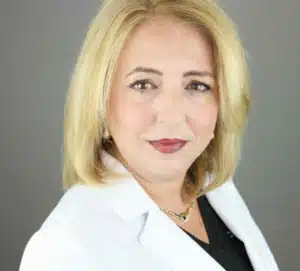
Dr Kelemen the founder of Hair 4 Life Medical.
If you’re considering a hair transplant—or you’ve already had one—there’s one question that comes up more than any other:
“How long until I see real growth?”
Not marketing growth. Not baby fuzz. Not wishful thinking.
Real, visible, confidence-changing hair growth.
Let’s tell it like it is.
Hair transplants work. They are permanent when done correctly. But they do not deliver instant gratification. Hair grows on nature’s schedule, not on your calendar. Understanding the timeline is the difference between peace of mind and unnecessary anxiety.
This article breaks down exactly what happens month by month, what’s normal, what’s not, and when you can realistically expect results that matter.
Quick Answer: When Does Real Growth Start?
Most patients begin to see meaningful growth between 4 and 6 months after a hair transplant.
However:
Noticeable cosmetic improvement usually appears around 6–8 months
Final density and maturation occur at 12–15 months
Some patients continue improving up to 18 months
That’s the honest timeline. Anyone promising faster results is selling hope, not medicine.
Why Hair Transplants Take Time (And Always Have)
A hair transplant does not create new hair. It relocates genetically resistant follicles from the donor area to thinning or bald areas.
Once transplanted:
Follicles must re-establish blood supply
Enter a resting phase
Then resume their natural growth cycle
This is biology. It hasn’t changed in decades.
The technique may evolve. The tools may improve.
But hair growth speed is still governed by nature.
The Hair Transplant Growth Timeline (Month by Month)
Days 1–10: Healing, Not Growth
Immediately after surgery:
Grafts are secured
Scabs form and fall off
Redness is common
No growth occurs
At this stage, nothing you see reflects your final result.
Important:
If grafts look “thin” now, that’s normal. Density comes later.
https://hairforlifeaz.com/wp-content/uploads/2025/12/HAIRGROWTHTIMELINE.png10241536Ioan A Kelemenhttps://hairforlifeaz.com/wp-content/uploads/2024/02/Hair-for-Life-Medical-Logo-web.pngIoan A Kelemen2025-12-20 20:02:542026-02-21 13:38:16How Long Until I See Real Growth After a Hair Transplant?
When people start researching hair restoration, their first stop is usually Google. And year after year, the same questions dominate search results. These questions reflect real concerns — about naturalness, safety, cost, and long-term results.
1. Do Hair Transplants Look Natural?
This is the number one hair transplant question asked online — and for good reason. Nobody wants a pluggy or artificial hairline.
The truth is simple: Hair transplants look natural when the doctor is skilled and performs the entire procedure themselves.
At Hair 4 Life Medical, every graft is harvested and placed personally by Dr. Ramona Kelemen. No technicians. No delegating. Your result reflects the work of an expert, not a clinic assembly line. Dr Kelemen performs 2 surgeries a week! Quality over quantity!
2. How Long Does a Hair Transplant Last?
A well-executed hair transplant is permanent. The follicles come from the “safe donor zone,” which is genetically resistant to hair loss. Once transplanted, they continue to grow normally for life.
3. Is a Hair Transplant Painful?
Most patients report far less discomfort than they expected. You’ll feel the numbing injections at the beginning. After that, the procedure is very tolerable. Mild soreness or tightness afterward is common but short-lived.
Dr Kelemen has her own post op protocol that speeds up recovery.
4. How Much Does a Hair Transplant Cost?
Costs vary depending on technique (Long hair FUE, NO Shave, DHI etc.) and graft count, but most patients invest $6,500–$30,000.
These numbers reflect real, doctor-performed medical treatment — not bargain clinics where unlicensed techs do most of the surgery.
Removes a strip of tissue from the back of the scalp
Leaves a linear scar
Used for specific cases needing high graft counts
Most modern patients choose FUE for its natural appearance and easier recovery. The tools used matter but what matters the most is the abilities of the doctor!
6. How Long Is Recovery?
Most people resume regular daily activities in 2–3 days. Redness improves within a week. Gym workouts and heavy activity usually resume after 10–14 days.
Patience pays off — the transformation is worth the wait.
8. Is a Hair Transplant Safe?
Yes — as long as it’s done by a trained physician.
Most complications happen in clinics where technicians, not doctors, perform the surgery.
At Hair 4 Life Medical, your procedure is performed start to finish by Dr. Kelemen, ensuring precision, safety, and medical oversight at every step.
There is a lot of hype and marketing jargon on the interne! Dr Kelemen highly recommends that prospective patients take their time and due diligence in order to choose wisely! For example a doctor might advertise SOLO hair transplant only to find out that they use technicians for most of work!
9. Can a Hair Transplant Fix a Receding Hairline or Crown?
Absolutely. Both areas respond very well to FUE. The design is customized based on age, long-term pattern, donor density, and personal goals.
A natural, age-appropriate plan ensures your results look great now and decades from now.
A personal evaluation — including photos — will confirm your custom plan.
Final Thoughts
These are the most searched hair-transplant questions online, and it’s easy to see why. People want honesty, skill, and long-term reassurance.
If you want results crafted by a true hair transplant specialist — with 100% of your procedure performed by Dr. Kelemen herself — you’re already in the right place.
https://hairforlifeaz.com/wp-content/uploads/2025/07/IMG_6680-scaled.jpg20481536Brian Bemohttps://hairforlifeaz.com/wp-content/uploads/2024/02/Hair-for-Life-Medical-Logo-web.pngBrian Bemo2025-12-08 10:30:122026-03-19 17:40:12The Most Asked Hair Transplant Questions on the Internet — Answered by Dr. Ramona Kelemen
What Is Shock Loss and When Will the Transplanted Hair Grow Back?
Dr Kelemen the founder of Hair 4 Life Medical
Shock loss is one of those terms that makes patients nervous—mostly because it’s misunderstood. In reality, shock loss is a temporary response that can happen after a hair transplant, and when you understand why it happens, it becomes a lot less intimidating. If you’ve had a transplant or you’re planning one, this guide lays out exactly what shock loss is, why it occurs, who is most likely to experience it, and—most importantly—when your hair will grow back.
Shock loss isn’t a sign of poor surgical technique when the procedure is done correctly. It’s simply your scalp reacting to work being done. Think of it like pruning a tree: it may look sparse for a moment, but the regrowth is far stronger in the months that follow.
This article breaks down the facts so you know what to expect, why it happens, and how to set yourself up for a smooth recovery and a strong final result.
1. What Exactly Is Shock Loss?
Shock loss is a temporary shedding of hair that occurs after a hair transplant. It can affect:
Despite how dramatic it can look, shock loss is not permanent in the vast majority of cases. The follicles enter a resting phase as part of the hair-growth cycle, then come back stronger once the body recovers from the trauma and inflammation caused by surgery.
Shock loss is not the same as:
Graft failure
Overharvesting
Poor surgical technique
Those issues create permanent loss. Shock loss does not.
When performed by an experienced physician using precise tools and methods, shock loss is kept to a minimum—although some degree of it remains completely normal and expected.
2. Why Shock Loss Happens
Shock loss is your body’s natural reaction to surgical activity. Even the gentlest, most meticulous surgeon cannot fully eliminate the temporary stress your scalp goes through. The main causes include:
A. Surgical Trauma (Even Microscopic)
FUE and DHI are minimally invasive, but they are still surgical procedures. The scalp experiences micro-trauma that can push nearby hairs into the telogen (resting) phase. These hairs then shed 2–8 weeks after the procedure.
B. Reduced Blood Flow (Temporarily)
A transplanted area needs time to establish new microcirculation. Native hairs around the surgical zone can temporarily lose blood flow and shed as a result.
C. Inflammation
Early healing includes swelling, redness, and inflammation. Inflammation disrupts the normal growth cycle of native hairs, triggering shedding.
D. Anesthesia Effects
Local anesthesia used during the procedure can affect blood vessels and temporarily impact hair follicles.
E. Pre-Existing Weak Hairs
Hairs already miniaturized by androgenic alopecia are extremely vulnerable. These are often the hairs that shed first—because they were on their way out anyway.
Shock loss tends to hit the weakest hairs, not the strongest ones.
3. When Shock Loss Usually Happens
Timing varies, but most patients experience one of these windows:
2–4 weeks after the transplant
6–8 weeks for more sensitive or miniaturized areas
It rarely starts earlier than two weeks because hairs need time to detach from the follicle and shed.
The shedding can feel discouraging—but it’s temporary. What’s actually happening under the skin is more important: the follicles are in recovery mode and getting ready to regrow.
4. Types of Shock Loss (Know the Difference)
There isn’t just one type of shock loss. Understanding each helps you set realistic expectations.
A. Shock Loss of Transplanted Hair (Normal, Expected)
This is the standard. Newly transplanted hairs fall out around weeks 2–6. This does not mean the graft is gone.
The root remains safely under the skin and will regrow.
B. Shock Loss of Existing Native Hair (Temporary)
This is the one that catches people off guard.
Native hairs in the recipient area—especially weak, miniaturized ones—shed after surgery. This can temporarily make the area look thinner than before the procedure.
The upside? Those weak hairs weren’t reliable long-term, and replacing them with permanent grafts gives a stronger final result.
C. Shock Loss in the Donor Area (Less Common)
A donor area that has been overharvested or handled poorly can show some thinning. When performed using gentle extraction methods, this type of shock loss grows back as well.
5. Who Is More Likely to Experience Shock Loss?
Shock loss isn’t equal across all patient types. Certain factors raise the likelihood:
You are more prone if:
You have active miniaturization in the recipient area
You are in your 20s or early 30s with unstable pattern hair loss
You are not taking medical therapy to stabilize hair loss
A skilled physician can evaluate your risk during consultation and design a strategy to minimize shock loss while protecting the native hair that can still be saved.
6. When Will the Hair Grow Back? A Month-by-Month Timeline
This is the answer every patient wants—and it’s very straightforward.
Below is the typical timeline for shock loss regrowth:
0–2 Weeks: Early Healing
Scalp is healing. Transplanted hairs may begin shedding at the end of this phase.
Protect the follicles in the weeks leading up to surgery.
D. Choose a Skilled Solo Physician
A physician performing 100% of the procedure—not techs—means gentler handling, less trauma, and lower shock loss risk. Heavy-handed technique is one of the biggest culprits behind unnecessary shock loss.
8. How to Minimize Shock Loss After Your Procedure
You can’t eliminate the natural growth cycle, but you can support healthy regrowth.
Follow post-op care exactly
This includes washing guidelines, sleeping position, and avoiding activities that increase swelling.
Don’t pick, scratch, or rub the scalp
Trauma to grafts or native hairs increases shedding.
Avoid intense exercise for the first two weeks
Sweating, heat, and blood pressure spikes can aggravate inflammation.
Use medications recommended by your physician
These include finasteride, minoxidil, and growth-support treatments.
Maintain patience
Shock loss is temporary and does not affect the final result.
9. When Shock Loss May Be Permanent
Permanent shock loss is rare—but it can happen under specific circumstances:
A. The native hair was already miniaturizing heavily
Meaning it was on its way out soon regardless of the transplant.
B. Poor technique by clinics that use unqualified technicians
Rough handling, excessive trauma, and poor planning can permanently damage follicles.
C. Overharvesting in the donor area
When too many grafts are removed or extraction is sloppy.
When a highly trained physician performs the procedure, permanent shock loss becomes extremely unlikely.
10. The Good News: Shock Loss Has Zero Impact on Final Results
Most patients forget about shock loss by month six because the new hair grows in stronger, healthier, and more uniform than what was there before.
Shock loss is simply a phase. It doesn’t take away grafts. It doesn’t ruin results. It’s a temporary dip before the rise.
Patients who stay the course and follow their post-op plan always come out ahead—with thicker, healthier, permanent hair.
11. When to Contact Your Doctor
Reach out to your surgeon if:
You see redness, heat, or swelling that worsens
You experience significant pain (beyond mild post-op soreness)
Shock loss happens in areas the surgeon hasn’t discussed with you
You want reassurance on your timeline
A real physician welcomes follow-up conversations—because that’s how hair restoration should be done.
12. Final Thoughts: Shock Loss Is Normal—And Your Hair Will Come Back
Shock loss can test your patience, but it’s part of the natural process. When you understand it, it stops being something to fear.
Within months, the shed hairs return thicker, stronger, and more permanent. The key is choosing the right practitioner, following the right post-op plan, and giving your body the time it needs to heal and regrow.
Done right, shock loss becomes nothing more than a short chapter in the story of a strong, natural hair restoration.
https://hairforlifeaz.com/wp-content/uploads/2025/11/shockloss.png10241536Ioan A Kelemenhttps://hairforlifeaz.com/wp-content/uploads/2024/02/Hair-for-Life-Medical-Logo-web.pngIoan A Kelemen2025-11-30 12:20:532026-03-19 17:40:11What Is Shock Loss and When Will the Transplanted Hair Grow Back?
Why Choose a Hair Transplant Physician in Phoenix vs. Turkey: The Truth Patients Need to Hear
Dr Kelemen the founder of Hair 4 Life Medical
Hair transplant tourism has exploded over the last decade. Turkey became the bargain destination, promising “celebrity hair” for the price of a weekend getaway. Phoenix, on the other hand, has built its reputation on skill, safety, and long-term results—not quick, flashy promises.
There’s a reason more American patients are choosing Phoenix over Turkey. It goes far beyond price. It comes down to your health, the integrity of your donor area, and the quality of your final result. And those are not things you gamble with.
This guide lays out the real differences between choosing a hair transplant physician in Phoenix and rolling the dice with an overseas package deal. No fluff—just the truth.
1. The Rise of Turkey: Low Prices, High Volume, Unpredictable Outcomes
Let’s be blunt. Turkey isn’t popular because the care is better. It’s popular because the price is lower—sometimes dangerously low.
The typical Turkish clinic uses a factory-style model:
Dozens of patients per day
Technicians doing almost all the work
The “physician” you meet never touches a punch
Fast, high-volume procedures
Cookie-cutter hairlines
Patients are sold the illusion of physician-directed surgery. The reality is that most of the extraction and implantation is done by unlicensed, minimally trained teams.
Some patients walk away lucky. Many do not. And by the time you discover the truth, you’re back home with no recourse.
Common Problems With High-Volume Overseas Clinics
Over-harvested donor areas
Unnatural, poorly planned hairlines
Low graft survival due to rushed handling
Infection, scarring, or necrosis
Zero accountability once you leave the country
When volume is the business model, patient care becomes secondary.
2. The U.S. Standard: Why Phoenix Physicians Operate at a Higher Level
A hair transplant physician in Phoenix doesn’t work under the same loose, profit-driven system overseas clinics use. Physicians here follow strict medical regulations, ethical guidelines, and must answer to state medical boards.
When you choose Phoenix, you choose:
A licensed physician who actually performs the procedure
A real medical evaluation prior to surgery
Regulated anesthesia and sterile technique
A clinic that’s accountable for your outcome
In-person follow-up, not WhatsApp messages
In the United States, a physician’s license is on the line—every single day. That alone increases the quality of care.
3. Phoenix Physicians Perform One Patient Per Day, Not 20
This is a massive difference most patients overlook.
A quality Phoenix hair transplant physician typically treats one patient per day. A high-volume Turkish clinic might treat 20–40.
That difference impacts everything:
Focused Attention
Your physician is present. They examine, extract, implant, and supervise every detail.
Natural Design
Hairline planning is an artistic skill, not a template. When a physician is involved from start to finish, your hairline matches your face, your age, and your ethnic background—not the “same one we did this morning.”
Donor Protection
American physicians typically take a conservative approach, preserving grafts for your future. Turkey’s mass-production approach often burns through donor supply for a fast “after photo.”
4. Follow-Up Care: A Huge Advantage Turkey Cannot Offer
Even the best procedure requires monitoring. Normal issues include:
https://hairforlifeaz.com/wp-content/uploads/2025/01/turkeyrisks.webp400712Brian Bemohttps://hairforlifeaz.com/wp-content/uploads/2024/02/Hair-for-Life-Medical-Logo-web.pngBrian Bemo2025-11-21 10:44:082026-01-31 15:16:59Why Choose a Hair Transplant Physician in Phoenix vs. Turkey: The Truth Patients Need to Hear
Direct Hair Implantation (DHI) With Dr. Ramona Kelemen: The Most Precise Hair Transplant Method in Arizona
Dr Kelemen the founder of Hair 4 Life Medical
When people talk about modern hair transplantation, they often throw around buzzwords without really understanding what they mean. “DHI” is one of the terms that’s been stretched, twisted, and commercialized to the point where most clinics barely resemble what the technique was supposed to be. But at Hair 4 Life Medical in Scottsdale, Arizona, DHI is done exactly as it was meant to be—by a skilled surgeon with complete control over every graft, every angle, and every hairline detail.
Dr. Ramona Kelemen doesn’t just perform DHI; she elevates it. She does the entire process herself, from harvesting to implantation, without relying on technicians or assembly-line processes. If you’ve been searching for honest information about what DHI really is and why Dr. Kelemen is in a league of her own, you’re in the right place.
This article gives you a clear, no-nonsense understanding of DHI and why Hair 4 Life Medical has become a destination for patients who want the finest, most natural-looking results possible. For a broader overview of transplant options, visit our guide: Types of Hair Transplant Techniques.
What DHI Actually Is: Clearing Up a Common Misunderstanding
Direct Hair Implantation (DHI) is a technique built on the foundation of FUE (Follicular Unit Extraction). The harvesting step is the same: grafts are removed one by one from the donor area with a micro-punch. The difference comes later, during placement.
Instead of pre-making all the recipient sites with incisions and then manually placing grafts with forceps, DHI uses an implanter pen. This tool allows the surgeon to load a graft into the pen and insert it directly into the scalp in one controlled motion.
Why Dr. Ramona Kelemen Is the Gold Standard for DHI
Dr. Kelemen is one of the very few hair transplant surgeons in the United States who performs 100% of the procedure herself—harvesting, implanting, artistry, and refinement. She doesn’t hand off the punch or implanter pen to technicians.
If you want a DHI hair transplant done correctly—with precision, honesty, and genuine surgical craftsmanship—schedule a consultation with Dr. Kelemen at Hair 4 Life Medical.
https://hairforlifeaz.com/wp-content/uploads/2024/10/DHI.jpeg474474Brian Bemohttps://hairforlifeaz.com/wp-content/uploads/2024/02/Hair-for-Life-Medical-Logo-web.pngBrian Bemo2025-11-20 10:00:252026-02-18 12:13:26Direct Hair Implantation (DHI) With Dr. Ramona Kelemen: The Most Precise Hair Transplant Method in Arizona
Dr. Kelemen Represents Hair 4 Life Medical as Faculty at the ISHRS MasterClass in Bucharest, Romania
Dr Kelemen the founder of Hair 4 Life Medical
Celebrating Excellence in Hair Restoration
At Hair 4 Life Medical, we are proud to share an inspiring milestone in our ongoing commitment to innovation and excellence in hair restoration. Our very own Dr. Kelemen, a respected female hair transplant specialist known for her meticulous artistry and patient-centered approach, recently served as faculty at the prestigious International Society of Hair Restoration Surgery (ISHRS) MasterClass held in Bucharest, Romania.
This international educational event brought together many of the world’s most skilled surgeons and researchers in hair restoration. As part of the faculty, Dr. Kelemen had the honor of performing live surgical demonstrations of both the WAW FUE (Follicular Unit Excision) and DHI (Direct Hair Implantation) techniques—two of the most advanced procedures used today to achieve natural, long-lasting hair transplant results.
Her participation as faculty underscores Hair 4 Life Medical’s dedication to staying at the forefront of medical science while always prioritizing the individual needs of every patient.
What Is the ISHRS MasterClass?
The ISHRS MasterClass is an advanced educational initiative organized by the International Society of Hair Restoration Surgery, the world’s leading professional organization in the field. The event brings together hair restoration surgeons from across the globe for an intensive program of hands-on training, live demonstrations, and academic discussions.
Unlike standard conferences, the MasterClass is designed to focus on real surgical practice—giving physicians the opportunity to learn the latest methods directly from experts who have refined them through years of experience. Topics typically range from donor management and graft extraction to recipient site creation, implantation strategies, and patient care.
For Dr. Kelemen, participating as faculty meant more than just teaching. It was an opportunity to share her perspective as a female leader in a technical surgical specialty, emphasizing precision, aesthetic balance, and patient comfort.
Dr. Kelemen’s Role as Faculty
As part of the MasterClass program, Dr. Kelemen delivered an in-depth presentation on modern minimally invasive hair transplantation techniques, followed by a live surgical session showcasing her approach to both WAW FUE and DHI procedures.
Her session highlighted several important aspects of contemporary hair restoration:
Precision and consistency in follicular unit extraction using the WAW FUE system, which allows for controlled, gentle graft removal with minimal trauma.
Efficient graft handling and placement that preserves follicle viability and ensures natural density.
Patient comfort and recovery, emphasizing reduced downtime and post-operative care strategies that support rapid healing.
Aesthetic design—how a surgeon’s artistic judgment determines the angle, direction, and density of implanted grafts for the most natural appearance.
Throughout the session, Dr. Kelemen interacted with colleagues from around the world, discussing new technologies, sharing data from her clinical practice, and emphasizing the importance of personalized treatment planning.
Understanding the WAW FUE Technique
The WAW FUE system, developed by Dr. Jean Devroye, represents one of the most advanced evolutions of the follicular unit extraction process. It uses a trumpet-shaped hybrid punch that minimizes transection (damage) of hair follicles while maintaining excellent graft quality.
Dr. Kelemen has mastered this system through extensive clinical experience. At Hair 4 Life Medical, she uses it to provide patients with:
Less invasive procedures — no linear scar and minimal discomfort.
High graft survival rates due to gentle extraction and reduced trauma.
Natural results achieved through careful graft selection and artistic implantation.
In addition to WAW FUE, Dr. Kelemen performed a Direct Hair Implantation (DHI) procedure, illustrating how this technique can enhance precision during the implantation phase.
Greater control over the direction, angle, and depth of each implanted hair.
Higher density in the recipient area, when appropriate.
Shorter out-of-body time for grafts, improving their survival rate.
Faster recovery and less post-operative swelling.
For patients, DHI offers a comfortable experience with highly natural-looking results. For surgeons, it demands skill and concentration—qualities that Dr. Kelemen has cultivated through years of advanced training and hands-on experience.
The Importance of Continuous Learning in Hair Restoration
Hair transplantation is a field driven by technology and artistry in equal measure. Continuous education, such as participation in ISHRS programs, ensures that surgeons stay aligned with the highest international standards of safety, efficacy, and ethics.
Dr. Kelemen’s ongoing involvement in education—both as a learner and as an educator—reflects her deep commitment to medical excellence. By sharing her expertise with peers, she contributes to improving outcomes for patients around the world.
As she often emphasizes, hair restoration is not simply about replacing lost hair; it’s about restoring confidence, self-image, and quality of life.
About Dr. Kelemen
Dr. Kelemen holds a double doctorate and is the founder of Hair 4 Life Medical. She has built her career on the belief that every patient deserves an individualized approach based on science, skill, and compassion.
Her background includes years of experience in aesthetic and reconstructive procedures, with specialized training in follicular unit excision (FUE), direct hair implantation (DHI), and non-surgical hair restoration treatments.
Recognized for her meticulous attention to detail and artistic eye, Dr. Kelemen brings a unique perspective as a female physician in a male-dominated field. Her work emphasizes natural-looking density, symmetry, and hairline design tailored to each person’s features and lifestyle.
At Hair 4 Life Medical, she leads a small team that shares her passion for helping patients achieve authentic, lasting transformations.
The Experience of Performing Live at the MasterClass
Performing live surgery before an audience of expert peers is both challenging and rewarding. For Dr. Kelemen, the experience reinforced the importance of precision and adaptability in every step of the procedure.
Each live session required balancing technical accuracy with clear communication, as attendees observed and discussed technique choices in real time. Feedback from participants was overwhelmingly positive, with many appreciating Dr. Kelemen’s clarity, transparency, and commitment to ethical standards in patient care.
Her demonstration also highlighted the role of female physicians in shaping the future of aesthetic medicine—a point of pride for the Hair 4 Life Medical team and a source of inspiration for young women pursuing surgical careers.
Advancing Hair Transplant Technology and Patient Outcomes
Modern hair transplantation has evolved significantly in recent years. Thanks to tools like the WAW FUE system and advanced DHI implanters, patients now benefit from:
More natural results that blend seamlessly with existing hair.
Minimally invasive techniques with rapid healing times.
Customized treatment plans that respect individual goals and hair characteristics.
Comprehensive aftercare protocols that optimize growth and comfort.
Dr. Kelemen’s work at the ISHRS MasterClass showcased how these innovations translate into tangible benefits for patients—helping them regain confidence through scientifically refined artistry.
Hair 4 Life Medical’s Commitment to Excellence
At Hair 4 Life Medical, education and innovation go hand in hand. Every new insight gained from international conferences, research collaborations, and live workshops is integrated into our clinical practice.
Under Dr. Kelemen’s leadership, the clinic continues to invest in:
State-of-the-art technology for precision and safety.
Ongoing training for medical and technical staff.
Ethical, patient-focused care that prioritizes honesty and transparency.
By participating as faculty at the ISHRS MasterClass, Dr. Kelemen reaffirmed Hair 4 Life Medical’s position as a center of excellence in modern, minimally invasive hair transplantation.
Why Patients Choose Hair 4 Life Medical
Patients from across Europe and beyond trust Hair 4 Life Medical for several key reasons:
Expertise – Dr. Kelemen’s international training and faculty roles ensure the clinic applies proven, up-to-date techniques.
Personalization – Every treatment plan is tailored to individual goals, hair type, and long-term expectations.
Natural Results – Emphasis on artistry and balance for results that look and feel completely authentic.
Comfort and Safety – Minimally invasive procedures performed in a modern, hygienic environment.
Comprehensive Care – From consultation to post-operative follow-up, patients receive continuous guidance and support.
Inspiring Future Generations
Dr. Kelemen’s participation in the ISHRS MasterClass also carries a broader message about the importance of mentorship and diversity in medicine. As one of the few women leading live surgical sessions, she demonstrated that excellence in technical skill and compassionate care transcends gender barriers.
Her presence encourages more women to pursue surgical specialties and contributes to a richer, more inclusive professional community.
Looking Ahead
Hair 4 Life Medical continues to build on this success, with ongoing research, patient education, and collaboration with leading institutions worldwide. Dr. Kelemen plans to contribute to future ISHRS programs, share case studies, and further develop innovative methods that make hair transplantation safer, more efficient, and more artistic.
Every step forward is driven by the same mission that defines Hair 4 Life Medical: helping each patient feel confident, natural, and whole again.
A Message from Dr. Kelemen
“Being part of the ISHRS MasterClass faculty in Bucharest was an incredible experience. Teaching and learning alongside colleagues who share the same passion for precision and patient care reminds us why we do what we do—to give people back not just their hair, but their confidence.”
Schedule a Consultation
If you are considering a hair transplant and want to learn more about the most advanced options available today, we invite you to schedule a personal consultation with Dr. Kelemen at Hair 4 Life Medical.
Our team will guide you through your options, explain every step of the process, and design a customized treatment plan suited to your needs and goals.
📞 Contact Hair 4 Life Medical today 480-525-4547 to start your journey toward natural, lasting hair restoration.
15343 E. Via de Commercio Suite B102, Scottsdale, AZ 85258
https://hairforlifeaz.com/wp-content/uploads/2025/11/IMG_7643-scaled.jpeg20481536Ioan A Kelemenhttps://hairforlifeaz.com/wp-content/uploads/2024/02/Hair-for-Life-Medical-Logo-web.pngIoan A Kelemen2025-11-09 07:18:212026-02-21 13:38:19Dr. Kelemen Represents Hair 4 Life Medical as Faculty at the ISHRS MasterClass in Bucharest, Romania
Why Dr. Ramona Kelemen’s Approach to Hair Transplantation Is Truly Different
Dr Kelemen the founder of Hair 4 Life Medical
Introduction: When Skill, Science, and Integrity Meet
In an era when hair transplant surgery is increasingly delegated to technicians and automated robots, few surgeons still carry out every extraction and implantation themselves. Dr. Ramona Kelemen, founder of Hair 4 Life Medical in Scottsdale, stands as a rare exception. Her philosophy is straightforward: patients deserve the hands, eyes, and judgment of a surgeon—not a machine.
Her approach bridges traditional surgical craftsmanship with advanced modern tools, creating a standard of excellence that’s nearly extinct in today’s aesthetic industry.
Dr. Kelemen’s Holistic Differentiation
Dr. Ramona Kelemen stands out from other hair transplant surgeons through a holistic combination of surgical autonomy, technical versatility, personalized care, and rare procedural offerings. Her differentiation can be summarized systematically as follows:
1. True SOLO Transplantation
Unlike the majority of hair transplant practices, where technicians perform the bulk of graft extraction and placement, Dr. Kelemen performs 100% of the procedure herself—including donor harvesting, recipient site creation, and graft placement.
No delegation or technician-assisted steps are involved, even in high-graft sessions (e.g., up to 4,000 grafts).
Every movement of the punch, every incision, every placement is done by the surgeon’s own hand.
Rationale: Full surgeon control ensures technical consistency, graft survival, natural angulation, and artistic hairline design across all cases—something multi-technician clinics simply cannot guarantee.
3. Integration of Trichology and Regenerative Therapies
Dr. Kelemen uniquely combines her dual medical background—Allopathic (M.D.) and Naturopathic (N.D.)—to approach hair restoration as both surgery and long-term scalp health optimization.
Incorporates Regenera Activa and other regenerative therapies to boost graft take rate and rejuvenate thinning native hair.
Advantage: This integration enhances outcomes beyond transplantation—addressing the root causes of thinning, improving hair quality, and supporting sustained growth for years after surgery.
4. Emphasis on Quality Over Volume
Most “top surgeon” lists reward high-volume clinics with aggressive marketing and heavy technician involvement. Dr. Kelemen, however, limits herself to one major procedure per day, ensuring that:
Every patient receives undivided surgeon attention
Every graft is handled with precision and care
Every case benefits from personalized artistry, not production-line speed
Result: Meticulous outcomes, minimal trauma, and graft survival rates rarely achieved in assembly-line practices.
5. Natural and Artistic Results
Patients consistently report age-appropriate, soft, and natural-looking hairlines with seamless blending into existing density. Dr. Kelemen is also known for repair surgeries, skillfully correcting poorly executed transplants performed elsewhere.
Her artistry shines in subtle transitions, balanced density gradients, and personalized hairline designs that fit each face and age—reflecting trust in both her technical and aesthetic judgment.
6. Patient-Centered Philosophy
Transparent and realistic consultations: Patients are fully informed of potential outcomes, limitations, and all available non-surgical options.
Education-first approach: Every patient understands their anatomy, options, and surgical plan before committing.
This philosophy builds mutual trust and ensures the treatment plan is guided by medical judgment, not clinic sales goals.
While many surgeons rely on technician teams or narrow, commercially driven methods, Dr. Kelemen ensures the surgeon’s expertise governs every stage—from first incision to last graft placement—producing natural, consistent, and patient-specific results.
Her practice represents a rare model of precision, skill, and medical ethics, placing her in a unique category distinct from both high-volume U.S. centers and international franchise operators.
Beyond Technique: The Art and Ethics of True Surgery
Precision Over Production
In many modern clinics, multiple patients are scheduled daily, and most of the work is done by technicians. Dr. Kelemen rejects this “assembly-line” model entirely. Her philosophy is precision, not production.
Each day is dedicated to one patient, ensuring total focus on detail, angle control, and aesthetic integration.
Personalization in Every Step
Hair loss is not merely cosmetic—it affects confidence, identity, and how patients view themselves. Dr. Kelemen’s process is inherently personal:
Doctor-led consultations
Surgeon-executed procedures
Long-term follow-up and guidance
Every patient is treated as an individual, never as a number in a daily quota.
Technical Versatility: The Broadest Spectrum of Tools
Dr. Kelemen’s ability to adapt tools and systems is unmatched in the U.S. This spectrum enables her to tailor every extraction to hair curl, density, and scalp condition.
When combined with PRP, nutritional optimization, and trichologic evaluation, it provides a foundation for long-term hair vitality.
This integration underscores her holistic, medically comprehensive view of hair restoration—addressing both visible results and underlying biology.
Natural and Artistic Design: The Signature Aesthetic
Hairline design is both art and science. Dr. Kelemen applies facial symmetry, proportional balance, and growth direction principles derived from years of aesthetic surgical experience.
Her hairlines:
Age naturally with the patient
Avoid the “plugged” or overly straight appearance common in factory clinics
Match ethnic and gender-specific characteristics
This artistry is why many patients trust her for complex repair or revision cases, where precision and an eye for correction are paramount.
Ethical, Transparent, and Educational Consultations
Patients often describe her consultations as the most honest and informative they’ve experienced.
She doesn’t overpromise or push sales. Instead, she walks each patient through realistic expectations, potential risks, and alternative therapies. That honesty has built a foundation of trust, loyalty, and word-of-mouth referrals rarely seen in aesthetic medicine.
Patient Testimonials
“Dr. Kelemen is top-tier—globally. She isn’t just the best in Phoenix; she’s one of the best on this planet.” — Real Patient Review
“I had two previous transplants. None compare to the artistry and compassion Dr. Kelemen provides.” — Verified Yelp Review
“Most clinics treated me like a number. Here, the surgeon herself did every step. The difference was obvious.” — Google Review
A Global Standard of Excellence
Patients travel from across the U.S. and abroad to Scottsdale to seek Dr. Kelemen’s expertise. Her method blends European surgical refinement with American innovation, creating a global benchmark for modern FUE and regenerative hair restoration.
She continues to elevate the field through mentorship, evidence-based advancement, and commitment to ethical, surgeon-led medicine.
Conclusion: A Return to True Surgical Excellence
Dr. Ramona Kelemen’s approach is not about volume or marketing—it’s about restoring trust in genuine surgical craftsmanship. Her True SOLO Transplant model redefines what ethical, high-quality hair restoration should be: one patient, one surgeon, one result—executed with mastery and heart.
In a world increasingly driven by automation and delegation, Dr. Kelemen represents the rare return to what medicine should be: the union of skill, care, and human integrity.
See what happens when medicine, science, and art align.
https://hairforlifeaz.com/wp-content/uploads/2024/05/Mask-Group-177@2x-1.jpg11641264Ioan A Kelemenhttps://hairforlifeaz.com/wp-content/uploads/2024/02/Hair-for-Life-Medical-Logo-web.pngIoan A Kelemen2025-10-12 13:42:552026-03-19 17:39:46Why Dr. Ramona Kelemen’s Approach to Hair Transplantation Is Truly Different
A hair transplant can transform not just your appearance but your confidence. However, many patients come to realize that the most critical element of any transplant is the hairline. A natural, correctly placed hairline frames the face, enhances symmetry, and restores youthfulness. Unfortunately, many patients who undergo hair restoration with less experienced surgeons or clinics find themselves with poorly designed, unnatural, or asymmetrical hairlines. This is where Dr. Ramona Kelemen at Hair 4 Life Medical excels. Known for her artistry, precision, and unique True SOLO approach, Dr. Kelemen has become one of the most trusted names in hairline correction.
What Is Hairline Correction?
Hairline correction refers to procedures designed to fix or improve an unnatural, poorly designed, or receded hairline. This may involve:
Lowering a high or receded hairline.
Softening a harsh or overly straight hairline.
Filling irregularities or patchy areas.
Correcting unnatural angles or density issues from prior surgery.
Designing a hairline that matches age, gender, and facial proportions.
Hairlines that don’t blend with temples or facial features.
Changes Over Time
Natural hair loss progression making the hairline look misplaced.
Cosmetic Reasons
Patients who always had a high hairline and want refinement.
The Art and Science of a Correct Hairline
Creating a natural hairline is both a technical and artistic task:
Soft, irregular design: Natural hairlines are never straight.
Use of single-hair grafts: Essential for a feathered, natural edge.
Proper angulation: Hairs must exit at shallow angles for realism.
Age and gender considerations: Male and female hairlines differ significantly.
Facial balance: Hairline must harmonize with other facial features.
Dr. Ramona Kelemen’s Approach to Hairline Correction
True SOLO Surgery: Dr. Kelemen is one of the only doctors in the U.S. who personally performs 100% of every procedure — no technicians.
Multiple Advanced FUE Systems: She uses ARTAS robotic, WAW DUO, Ugraft, Cole, and manual systems to tailor treatment for every patient.
Long Hair FUE: A unique offering that allows patients to see results immediately without shaving.
Customized Design: Every hairline is designed individually based on the patient’s features and long-term goals.
Correction Expertise: Specializes in fixing unnatural results from previous surgeries.
The Hairline Correction Process
Step 1: Consultation
In-depth evaluation of existing hairline.
Digital design to preview options.
Review of donor availability.
Step 2: Procedure
Local anesthesia for comfort.
Precision extraction of healthy grafts.
Meticulous implantation following natural growth angles.
Step 3: Recovery
Minimal downtime.
Redness resolves in days, shedding occurs in weeks.
New growth begins in 3–4 months.
Full correction visible at 9–12 months.
Patient Transformations
Case Study 1: A 35-year-old man with a straight, pluggy hairline from a past FUT transplant. Dr. Kelemen softened and restructured the hairline using single-hair grafts. Today, his hairline looks natural and seamless.
Case Study 2: A woman in her 40s with a naturally high hairline. Dr. Kelemen lowered the hairline conservatively, giving her a softer, feminine look without appearing artificial.
Case Study 3: A young executive who underwent a technician-led FUE with poor angles and patchy density. Corrective surgery at Hair 4 Life Medical restored both density and natural direction.
Hairline correction is one of the most complex areas of hair restoration. Unlike first-time surgeries, corrective work requires:
Removal or redistribution of poorly placed grafts.
Blending new grafts with old work.
Camouflaging scars from prior procedures.
Extra precision to avoid overharvesting donor areas.
Not every surgeon is equipped to perform such detailed work. Patients should seek an expert with both surgical skill and artistic vision.
Cost of Hairline Correction
Hairline correction typically ranges from $4,000 to $12,000, depending on graft count and complexity. Costs are higher than standard procedures because corrections demand more time and precision.
FAQs
Q: Can my old hair transplant be fixed?
A: In most cases, yes. Skilled correction can restore naturalness.
Q: Will the correction be permanent?
A: Yes, transplanted hairs are permanent.
Q: How soon will I see improvement?
A: Visible changes begin around 3–4 months, with final results at 12 months.
Q: Is hairline correction painful?
A: No. Local anesthesia keeps patients comfortable during surgery.
Ability to use five different advanced systems to adapt to each case.
Unparalleled artistry in natural hairline design.
And that’s exactly why her results look more natural and her patients recover faster.
Conclusion
A poorly designed hairline can ruin an otherwise successful hair transplant. Fortunately, with advanced techniques and exceptional artistry, it can be corrected. Dr. Ramona Kelemen’s reputation as Arizona’s leading hair transplant surgeon stems from her ability to create natural, life-long results with precision and care. If you’re unhappy with your current hairline or are seeking a first-time correction done right, trust your face to a true expert.
Book Your Consultation Today
Want the most discreet, technically advanced, and artistically guided procedure available?
Schedule your personal consultation with Dr. Ramona Kelemen at Hair 4 Life Medical today.
See what happens when medicine, science, and art align.
https://hairforlifeaz.com/wp-content/uploads/2025/07/IMG_6711-scaled.jpg20481536Brian Bemohttps://hairforlifeaz.com/wp-content/uploads/2024/02/Hair-for-Life-Medical-Logo-web.pngBrian Bemo2025-10-09 10:02:182026-03-19 17:39:45Hairline Correction with Dr. Ramona Kelemen
Hair loss affects millions worldwide, and for many, it takes a toll on confidence, self-image, and even daily interactions. While there are countless treatments on the market — from shampoos and medications to temporary cosmetic fixes — few provide permanent, natural results. This is where FUE (Follicular Unit Excision) hair transplants come in. As one of the most advanced and widely performed hair restoration methods today, FUE offers precision, minimal scarring, and natural outcomes. In this blog, we will explore everything you need to know about FUE hair transplants, from the procedure itself to recovery, results, and why choosing the right surgeon is crucial.
What Is an FUE Hair Transplant?
FUE, or Follicular Unit Excision, is a minimally invasive hair restoration technique where individual follicular units are harvested from the donor area (typically the back or sides of the scalp) and transplanted into thinning or balding areas. Unlike older techniques, such as FUT (Follicular Unit Transplantation), FUE does not require removing a strip of scalp. This means faster recovery, virtually invisible scarring, and greater flexibility in hairstyle after surgery.
The Advantages of FUE
Minimally invasive – No scalpel, stitches, or linear scar.
While FUE is safe when performed by an expert, risks include:
Uneven growth if done improperly.
Overharvesting donor areas. (especially seen with ARTAS and delegation)
Scarring (minimal when done correctly with the right tool).
Infection (rare with proper care).
Cost of FUE Hair Transplant
Pricing depends on graft numbers, technique, and surgeon expertise. In Arizona, FUE procedures typically range from $8,000 to $25,000. Investing in a skilled surgeon ensures natural, lifelong results.
Why Choose Dr. Ramona Kelemen at Hair 4 Life Medical?
True SOLO Surgery: Dr. Kelemen personally performs 100% of every transplant — no technicians (for surgeries up to 1500 grafts). Only doctor in the US that has the skill and does perform on regular basis (eyebrows, hairline, beard fill in)
Multiple Tools, One Expert: ARTAS robotic, WAW DUO, Ugraft, SAFE, and manual systems allow customization for each patient.
Pioneer in Long Hair FUE: One of the few U.S. doctors offering Long Hair FUE option.
Artistic Hairline Design: Combines precision with artistry for natural outcomes.
Comprehensive Care: From consultation to aftercare, Dr. Kelemen ensures a tailored experience.
Patient Transformations
Case 1: 28-year-old man with receding temples restored with 2,000 grafts. Today, his hairline looks natural and youthful.
Case 2: 45-year-old woman with thinning crown. After 1,500 grafts, density was restored with no visible scarring.
Case 3: Beard-to-scalp transplant for a man with limited donor supply, showcasing versatility of FUE.
FAQs About FUE Hair Transplants
Q: Does FUE hurt?
A: No. Local anesthesia ensures comfort during surgery. Mild soreness may occur afterward.
Q: How many grafts do I need?
A: Depends on your degree of hair loss. A consultation will determine this.
Q: Are results permanent?
A: Yes, transplanted follicles are resistant to balding.
Q: Can women get FUE?
A: Absolutely. FUE is effective for both men and women.
An FUE hair transplant is one of the most advanced and effective solutions for permanent hair restoration. With minimal downtime, natural results, and no linear scarring, it is the preferred choice for many patients worldwide. However, the outcome depends heavily on the surgeon’s expertise. With Dr. Ramona Kelemen’s SOLO approach, artistry, and advanced tools, patients at Hair 4 Life Medical in Arizona receive results that are natural, permanent, and life-changing.
Conclusion
An FUE hair transplant typically takes between 4 to 10+ hours, depending on the number of grafts, patient factors, and the expertise of the surgeon. With Dr. Kelemen at Hair 4 Life Medical, patients can expect a meticulous, personalized, and comfortable experience with long-lasting, natural results.
If you’re considering an FUE hair transplant and want a procedure performed with precision, care, and artistry, schedule a consultation with Dr. Kelemen at Hair 4 Life Medical today!
https://hairforlifeaz.com/wp-content/uploads/2025/02/WAWanimationFUE.jpg408612Brian Bemohttps://hairforlifeaz.com/wp-content/uploads/2024/02/Hair-for-Life-Medical-Logo-web.pngBrian Bemo2025-10-03 12:47:232026-02-18 12:13:21FUE Hair Transplant: Everything You Need to Know
The Importance of a Correct Hairline in Hair Transplant Surgery
Dr Kelemen the founder of Hair 4 Life Medical
Introduction
When it comes to hair restoration, the hairline is the foundation of a natural look. A correctly designed and executed hairline can make the difference between a seamless, youthful appearance and an unnatural, obvious transplant. Patients often focus on graft numbers, technology, or recovery time, but the hairline is where artistry and surgical skill meet science. This guide explores why the correct hairline is vital, how it is created, and why choosing the right surgeon is the most important step in achieving lifelong satisfaction.
Why the Hairline Matters So Much
Framing the Face
The hairline frames facial features much like a picture frame enhances artwork. It sets balance, proportion, and harmony.
Youthful Appearance
A low, natural hairline is associated with youth, while a receded or poorly designed one can add years to someone’s look.
First Impressions
The hairline is one of the first features people notice when looking at the face. An unnatural one can be distracting.
Confidence
Patients report that restoring a natural hairline often gives them greater confidence than adding density elsewhere.
Characteristics of a Natural Hairline
A natural hairline isn’t just a straight line of hair. It follows subtle patterns that must be respected for realism:
Irregularity: Natural hairlines have soft, irregular borders rather than sharp edges.
Gradual Density: Density increases as you move back from the hairline.
Proper Angulation:Hairs grow at very shallow angles near the hairline, not straight upward.
Age-Appropriate Design: A 25-year-old and a 55-year-old shouldn’t have the same hairline placement.
Facial Symmetry: The hairline should harmonize with other facial features like the forehead, eyebrows, and temples.
Common Mistakes in Hairline Design
Hairline Too Low
May look good initially but appears unnatural as the patient ages.
Hairline Too High
Leaves the patient looking older and may fail to frame the face properly.
Straight Lines
Nature doesn’t create ruler-straight hairlines; these are giveaways of bad surgery.
Dense Packing at the Edge
Creates a “pluggy” look that screams transplant.
Ignoring Temple Angles
A proper hairline blends seamlessly into the temples.
The Science Behind Hairline Design
Golden Ratio and Proportions: Many surgeons use principles of facial symmetry to determine placement.
Ethnic and Gender Variations: Male and female hairlines differ in shape, height, and contour.
Mathematical Precision Meets Artistry: Graft count, spacing, and angulation must be calculated with both science and artistic vision.
The Process of Creating a Correct Hairline
Consultation & Assessment
Discuss patient expectations.
Assess facial features and donor availability.
Design Phase
Surgeon draws potential hairline, taking age, ethnicity, and long-term planning into account.
Execution
Follicular units with 1 hair are placed at the very front for natural softness.
2- and 3-hair grafts are used further back for density.
Hairline Evolution Over Time
20s: Lower, more youthful hairlines are possible but must anticipate future loss.
Microsurgical Tools: Enable ultra-fine incisions that replicate natural growth angles.
The Role of Surgeon Skill
While tools matter, artistry is paramount. A surgeon who understands the nuances of natural hairlines can create results indistinguishable from nature. Without artistry, even advanced tools produce poor outcomes.
Why Dr. Ramona Kelemen Is the Expert in Hairline Design
True SOLO Surgery:Dr. Kelemen performs 100% of procedures herself, ensuring every graft is placed with her expertise.
Multiple Systems Mastery: She uses ARTAS, WAW DUO, Ugraft, Cole, and manual systems to tailor each case.
Artistry & Precision: Known for her natural hairlines, she combines surgical science with artistic vision.
Unique Offering: Only doctor in Arizona performing Long Hair FUE, which is especially useful in hairline refinement.
Patient Journeys: Real Results
Case 1: A young professional with early hairline recession. Subtle, age-appropriate restoration boosted confidence at work.
Case 2: A man in his 40s with prior poor transplant. Correction of hairline irregularities created a natural look.
Case 3: Female patient with thin frontal hairline. Gentle, artistic design restored femininity and balance.
Costs Involved
Hairline-focused procedures vary based on graft count and complexity. Typically range: $4,000–$10,000 depending on patient needs.
FAQs
Q: Will my hairline look obvious right after surgery?
A: Temporary redness and scabbing will be visible, but with skilled work, results look natural within months.
Q: Can women have hairline transplants?
A: Yes. Many women seek refinement for thin or high hairlines.
Q: Is a hairline transplant permanent?
A: Yes, transplanted hairs are permanent but may require touch-ups if surrounding hair continues thinning.
Conclusion
A correct hairline is the crown jewel of any hair transplant. It requires more than surgical skill — it demands artistry, foresight, and individualized care. A poor hairline design can make even the densest transplant look unnatural, while a well-crafted one transforms the face and restores youthful balance.
When choosing a hair transplant surgeon, remember: the hairline is forever. Entrust it only to a doctor who combines precision, artistry, and dedication.
Book Your Consultation Today
Want the most discreet, technically advanced, and artistically guided procedure available?
Schedule your personal consultation with Dr. Ramona Kelemen at Hair 4 Life Medical today.
See what happens when medicine, science, and art align.
https://hairforlifeaz.com/wp-content/uploads/2023/09/FUE-hair-transplant-Dr.-Kelemen-at-Hair-4-Life.jpg13331000Brian Bemohttps://hairforlifeaz.com/wp-content/uploads/2024/02/Hair-for-Life-Medical-Logo-web.pngBrian Bemo2025-10-01 10:00:512026-02-21 13:36:42The Importance of a Correct Hairline in Hair Transplant Surgery