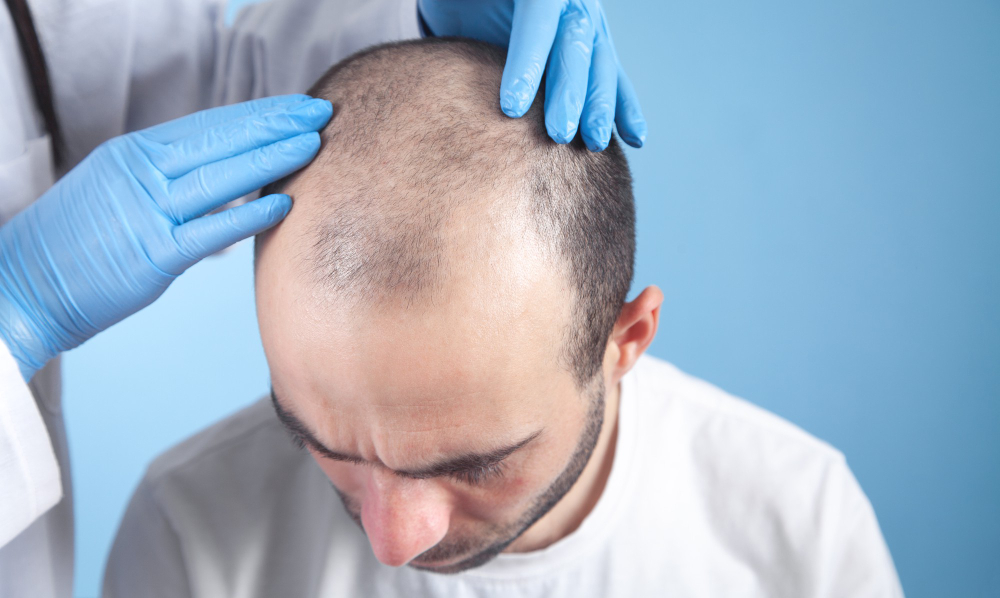

Hair loss in women rarely follows a simple script. One patient notices a widening part after menopause. Another sees sudden shedding a few months after stress, illness, or rapid weight change. Someone else has always had thin density at the temples and now feels it is getting harder to style around. A true guide to female hair restoration has to start there – with the reality that female hair loss is common, deeply personal, and not something to treat with a one-size-fits-all solution.
For many women, the hardest part is not deciding whether they want more hair. It is figuring out why the loss is happening and which treatments are actually worth their time, money, and trust. That is where a physician-led approach matters. Hair restoration works best when the visible thinning and the underlying cause are evaluated together.
What female hair restoration really means
Female hair restoration is not one treatment. It is a category of care that can include diagnosis, medical therapy, regenerative treatment, scalp support, and in select cases, hair transplantation. The goal is not simply to replace lost hair. It is to preserve viable follicles, improve density where possible, and create results that look natural in real life, under normal lighting, and over time.
That last point matters. Women often want restoration that is discreet, elegant, and compatible with their lifestyle. They may not want a dramatic change overnight. They may want to wear their hair the same way while quietly improving a visible part line, temple recession, eyebrow thinning, or scarring. A thoughtful treatment plan takes those priorities seriously.
A guide to female hair restoration starts with diagnosis
Before talking about procedures, a proper guide to female hair restoration has to address the medical side. Female hair loss has several common patterns, and they do not all respond to the same treatment.
Female pattern hair loss typically shows up as diffuse thinning through the top and crown, often with preservation of the frontal hairline. Hormonal shifts can make this more noticeable, especially during perimenopause and menopause. Telogen effluvium, by contrast, causes increased shedding and may be triggered by stress, illness, low iron, thyroid imbalance, medications, surgery, or nutritional changes. Traction-related loss, inflammatory scalp conditions, autoimmune disorders, and scarring alopecias can also affect women and require a very different level of urgency and care.
This is why scalp analysis, lab work when indicated, and a detailed medical history should come before any treatment recommendation. If the root problem is active inflammation or a hormone imbalance, surgery alone will not solve it. If shedding is temporary, the best plan may be to stabilize first and reassess later. Good medicine can save patients from pursuing the wrong fix.
Non-surgical treatment options for women
Many women are excellent candidates for non-surgical treatment, especially when hair loss is caught early or when active miniaturization is still underway. The right choice depends on diagnosis, age, family history, scalp health, and how aggressive the thinning has become.
Medical therapy is often the foundation. Depending on the patient, treatment may include topical or oral medications to slow progression and support regrowth. Hormone-focused treatment may also play a role when androgens, menopause, or other endocrine changes are contributing to loss. This is where individualized planning matters most, because what is appropriate for one woman may be ineffective or poorly tolerated for another.
Regenerative options can complement medical treatment. Therapies such as autologous micrografting and other biologic or injectable approaches may help improve follicle function in selected patients. Laser therapy can also be useful as part of a broader plan, particularly for women looking for low-downtime support between office visits. Some patients benefit from combining these options rather than relying on any single therapy to do all the work.
Not every patient needs aggressive intervention right away. In some cases, the smartest plan is stabilization first, followed by monitoring. Hair restoration is often a process, not a one-day event.
When female hair transplant surgery makes sense
There is a common misconception that women are not candidates for hair transplantation. Some are excellent candidates. The key is careful selection.
A female hair transplant can be very effective when thinning is localized, donor hair is stable, and the pattern of loss is suitable for grafting. Women with temple recession, a naturally high hairline, eyebrow thinning, traction-related loss that has stabilized, or scars from prior surgery or injury may benefit significantly. Some women with diffuse thinning can also be candidates, but only after a close evaluation of donor quality and the likelihood of ongoing loss.
This is where surgical experience matters. Female restoration often requires a refined aesthetic eye. Hairline design cannot look harsh or artificial. Density placement must respect existing native hair. Direction, angulation, and graft selection are especially important in visible areas such as the frontal hairline and brows.
Different surgical techniques may be appropriate depending on goals and hair characteristics. FUE can be appealing for women who want minimally visible donor harvesting. No-shave or long-hair FUE may offer a more discreet path for those who want to return to work quickly without obvious signs of surgery. In other cases, FUT may still be the better choice when a higher graft count is needed and donor management is a priority. The right procedure is the one that fits the patient, not the one being pushed.
What women should ask during a consultation
A strong consultation should feel educational, not sales-driven. Women considering restoration should leave with a clearer understanding of their diagnosis, likely progression, and realistic treatment options.
Ask what type of hair loss is present and whether it appears stable or active. Ask whether medical treatment should begin before any procedure is considered. Ask how donor quality is evaluated. If surgery is discussed, ask who is performing the critical parts of the procedure and what kind of result is realistic in your specific pattern of loss.
It is also fair to ask what will happen if no treatment is done now. Sometimes the answer supports acting sooner. Sometimes it supports waiting. Honest guidance builds trust.
Expectations matter as much as technique
One of the most important parts of female hair restoration is setting realistic expectations. Not every patient will regain the density they had at age twenty. The better goal is often meaningful improvement – less scalp show, better framing around the face, stronger density in the part, or restoration of an area that has become hard to conceal.
Timing matters too. Non-surgical therapies often take months to judge. Transplanted hair grows gradually. Early shedding after treatment can be emotionally unsettling even when it is expected. Patients do better when they understand the timeline from the beginning.
There are also trade-offs. Medical therapy may require ongoing use. Regenerative treatments may need maintenance. Surgery can create lasting improvement, but it does not stop future native hair loss. That is why long-term planning is essential, especially for younger women or those with progressive family-pattern thinning.
The best plan is individualized
The most reliable female hair restoration plans are built around three questions. What is causing the loss? What is still salvageable? What outcome matters most to the patient?
For one woman, the answer may be medication and regenerative therapy to stabilize diffuse thinning. For another, it may be a carefully designed FUE procedure to restore temple density or improve a high hairline. For someone with prior poor work or scarring, corrective treatment may be the real need. None of these paths is universally right. They are right only when they fit the diagnosis, the anatomy, and the patient’s life.
That is why specialized evaluation matters so much. In a practice focused entirely on hair restoration, the discussion can stay centered on what will truly help rather than what is easiest to sell. Hair For Life Medical is built around that philosophy, combining medical diagnosis with surgical and non-surgical treatment options so patients can make informed choices without pressure.
If you are considering the next step, the most useful thing you can do is stop guessing. A careful evaluation can tell you whether you need treatment, what kind, and whether now is the right time. For many women, that clarity is the first real step toward feeling like themselves again.