
Tag Archive for: PDO threads for hair loss

The Science Behind Hair Loss: Causes and Treatments
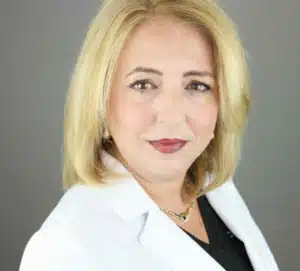
 
Dr Ramona Kelemen

Dr Kelemen the founder of Hair 4 Life Medical


Introduction

Hair loss is more than a cosmetic issue. It can deeply affect self-esteem, confidence, and emotional well-being. For many, hair loss is a mysterious and frustrating experience. However, understanding the underlying science can shed light on why it happens and what can be done about it. This comprehensive guide explores the root causes of hair loss, both common and rare, and delves into the most effective treatment options available today. From medical therapies to cutting-edge hair restoration procedures, we break down the facts you need to know.

Section 1: The Biology of Hair Growth

1.1 The Hair Growth Cycle

Hair grows in a continuous cycle consisting of four distinct phases:
  • Anagen (Growth Phase): Lasts 2-7 years; about 85-90% of scalp hairs are in this phase.
  • Catagen (Transitional Phase): A short phase (2-3 weeks) where growth stops, and the follicle shrinks.
  • Telogen (Resting Phase): Lasts about 3 months; hair is shed at the end of this phase.
  • Exogen (Shedding Phase): The process of active shedding where hair is released.

1.2 Hair Follicles and Genetics

Hair follicles are complex mini-organs, and each one contains its own growth cycle. Genetics play a key role in determining hair growth patterns, density, and susceptibility to hair loss.

1.3 Hormonal Influences

Hormones, particularly androgens such as dihydrotestosterone (DHT), are central to many types of hair loss, especially androgenetic alopecia.

Section 2: Common Causes of Hair Loss

2.1 Androgenetic Alopecia (Male and Female Pattern Baldness)

This hereditary condition affects millions worldwide. It leads to progressive thinning and baldness, typically at the crown and temples in men and overall thinning in women.

Key Facts:

  • Influenced by genetics and hormones.
  • Gradual progression.
  • Often begins in early adulthood.

2.2 Telogen Effluvium

This form of temporary hair loss results from shock to the system, such as:
  • Stress
  • Surgery
  • Severe illness
  • Childbirth
Hair typically regrows once the underlying cause is resolved.

2.3 Alopecia Areata

An autoimmune condition causing sudden, patchy hair loss. It can affect the scalp, beard, eyebrows, and other body parts.

2.4 Traction Alopecia

Caused by hairstyles that pull on the hair excessively, such as:
  • Tight ponytails
  • Braids
  • Extensions
It can become permanent if the stress continues over time.

2.5 Scarring Alopecias

A group of rare disorders where hair follicles are destroyed and replaced with scar tissue. Examples include:
  • Lichen planopilaris
  • Frontal fibrosing alopecia

Section 3: Diagnostic Tools and Tests

3.1 Scalp Examination

Visual and physical assessment of scalp health, hair density, and patterns.

3.2 Trichoscopy

A magnified examination of the scalp using a dermatoscope to identify miniaturization and other changes.

3.3 Blood Tests

Identify hormonal imbalances, nutritional deficiencies, or autoimmune activity.

3.4 Scalp Biopsy

A small tissue sample may be taken for microscopic analysis to diagnose scarring alopecias or other uncommon conditions.

Section 4: Proven Treatments for Hair Loss

4.1 Topical Treatments

Minoxidil

  • FDA-approved for both men and women.
  • Stimulates hair growth and prolongs the anagen phase.

4.2 Oral Medications

Finasteride

  • FDA-approved for men.
  • Blocks DHT to prevent further hair loss.

Spironolactone

  • Often prescribed off-label for women.
  • Reduces androgen levels.

4.3 Platelet-Rich Plasma (PRP) Therapy

  • Uses concentrated platelets from the patient’s blood.
  • Injected into the scalp to stimulate hair growth.

4.4 Low-Level Laser Therapy (LLLT)

  • Uses red light wavelengths to stimulate follicles.
  • FDA-cleared devices available for home use.

Section 5: Hair Transplantation

5.1 Follicular Unit Extraction (FUE)

  • Individual follicles harvested and transplanted.
  • Minimal scarring.

5.2 Follicular Unit Transplantation (FUT)

  • A strip of scalp is removed and dissected into grafts.
  • Allows for larger sessions but leaves a linear scar.

5.3 Hybrid Techniques

Combines elements of both FUE and FUT for optimal results.

5.4 Female Hairline Design

Specialized techniques to restore and create feminine, natural-looking hairlines.

5.5 Beard and Body Hair Transplants

In cases with limited donor hair, beard or chest hair can be transplanted to the scalp.

Section 6: Emerging and Alternative Treatments

6.1 Regenera Activa

Uses micro-grafts from the patient’s own tissue to stimulate dormant hair follicles.

6.2 Hyperbaric Oxygen Therapy

Speeds up healing after hair transplants and may aid follicle health.

6.3 Nutraceuticals

Supplements such as biotin, saw palmetto, and marine collagen peptides may support overall hair health.

Section 7: Lifestyle Factors and Hair Loss Prevention

7.1 Stress Management

Chronic stress can exacerbate hair loss. Practices such as meditation, exercise, and therapy are beneficial.

7.2 Nutrition

Key nutrients for hair health include:
  • Iron
  • Zinc
  • Vitamin D
  • Protein

7.3 Hair Care Habits

  • Avoid excessive heat styling.
  • Use gentle, sulfate-free shampoos.
  • Limit chemical treatments.

Section 8: When to See a Specialist

If you notice rapid hair loss, patchy bald spots, or persistent thinning, it’s crucial to consult a qualified hair restoration physician.

The Importance of Being a Trichologist

A trichologist is a specialist trained in the science of hair and scalp health. Their deep understanding of hair biology, hair disorders, and treatment protocols ensures a more thorough and accurate approach to diagnosing and treating hair loss.

Key Benefits:

  • Expertise in both medical and non-surgical hair loss treatments.
  • Holistic approach considering lifestyle, nutrition, and underlying medical issues.
  • Early detection of complex scalp conditions.
Choosing a hair restoration doctor who is also a trained trichologist offers patients the most comprehensive care, blending advanced medical solutions with foundational scalp health expertise.

Why Choose a Hair Transplant Specialist

  • Accurate diagnosis.
  • Personalized treatment plans.
  • Advanced surgical techniques.

The Importance of Seeing a Specialist Focused Solely on Hair Loss

Many medical providers offer hair restoration as a side service, but hair loss treatment demands full-time dedication and specialized expertise.

Advantages:

  • Deep familiarity with all forms of hair loss.
  • Mastery of advanced surgical and non-surgical techniques.
  • Ongoing education in the latest hair restoration advancements.
Choosing a doctor whose sole focus is hair restoration ensures the highest level of precision, safety, and aesthetic outcome.

Conclusion

Hair loss may feel overwhelming, but with the right information and treatment, it can be managed or even reversed. Whether your hair loss is temporary or permanent, seeking help from an experienced hair restoration doctor is the first step toward reclaiming your confidence. At Hair 4 Life Medical, we blend time-honored surgical skill with advanced modern techniques to create natural-looking, lasting results.
Book Your Consultation
Ready to separate hype from honesty? Get the facts from a real physician, not a paid blog post. Contact Hair 4 Life Medical today and schedule your 45–60-minute consultation with Dr. Kelemen. Let your hair restoration journey begin with science, integrity, and real results.

Interested in learning more? Contact Us or call Hair 4 Life at (480) 525-4547 to schedule an appointment.

References

FUE Hair Transplant: What to Expect, Cost, Pictures, and More Explore Latest Hair Loss Treatments & Solutions with ISHRS | International Society of Hair Restoration Surgery 2025’s Top Hair Vitamins for Long, Healthy Hair Growth | Smarter Reviews Female Hair Loss – ISHRS Exploring the Latest in Hair Care, Vitamins, Treatments & More Medications for Female Pattern Hair Loss – ISHRS    

Why Exosomes Do Not Work for Hair Loss: Separating Hype from Reality

 
Dr Ramona Kelemen

Dr Kelemen the founder of Hair 4 Life Medical

Introduction

In the ever-evolving world of hair restoration, new treatments frequently emerge, often accompanied by bold claims and enthusiastic marketing. One such treatment that has gained attention in recent years is exosome therapy for hair loss. Marketed as a revolutionary, non-surgical solution, exosomes have been touted as a way to stimulate hair growth and reverse hair thinning. But does the science back up these claims? At Hair 4 Life Medical, led by Dr. Kelemen, we prioritize evidence-based treatments, ensuring that our patients receive only the most effective and scientifically supported options. In this blog post, we’ll dive into the reality of exosome therapy, why it doesn’t work for hair loss, and what proven alternatives you should consider instead.

1. What Are Exosomes?

Exosomes are small, extracellular vesicles secreted by cells. They play a role in cell communication, carrying proteins, lipids, and genetic material from one cell to another. In theory, when derived from stem cells, exosomes are believed to signal hair follicle cells to regenerate, potentially promoting hair growth. While this sounds promising, the application of exosomes for hair loss lacks solid scientific backing. Unlike established treatments like FUE hair transplants or PRP therapy, exosome therapy remains in its experimental stages.

2. The Lack of Clinical Evidence

The most glaring issue with exosome therapy for hair loss is the absence of robust clinical evidence. Here’s why:
  • Insufficient studies: There is a severe lack of peer-reviewed research demonstrating that exosomes consistently and effectively regrow hair.
  • Unregulated treatments: The FDA has not approved exosome therapy for hair restoration, and many clinics offering it operate in a regulatory gray area.
  • Anecdotal claims over science: Most of the “success stories” come from personal testimonials or poorly controlled studies rather than rigorous clinical trials.
At Hair 4 Life Medical, Dr. Kelemen emphasizes the importance of proven treatments backed by strong medical research. Without such data, exosome therapy cannot be confidently recommended.

3. Misleading Marketing and False Promises

The hair restoration industry is, unfortunately, no stranger to overhyped treatments. Exosomes are often marketed using exaggerated claims, preying on the desperation of those struggling with hair loss. Red flags in exosome marketing:
  • Guaranteed hair regrowth: No treatment can guarantee results, not even proven methods like FUE transplants.
  • Minimal scientific explanation: Clinics often provide vague explanations about how exosomes “rejuvenate” follicles without hard science to back it up.
  • Celebrity endorsements: Just because a public figure claims something works doesn’t mean it’s medically sound.
At Hair 4 Life Medical, we believe in transparency. If a treatment lacks scientific merit, we won’t offer it — period.

4. The Science Behind Hair Loss and Why Exosomes Fall Short

To understand why exosomes don’t work, we need to break down the science of hair loss. Most cases of hair loss stem from androgenetic alopecia (male or female pattern baldness), driven by genetics and hormonal factors — particularly the sensitivity of hair follicles to dihydrotestosterone (DHT). For a treatment to be effective, it must either:
  • Block DHT’s effects (like finasteride does)
  • Stimulate follicle growth directly (like minoxidil)
  • Physically redistribute healthy follicles (as in FUE transplants)
Exosomes have not been shown to reliably affect these processes. While they may theoretically promote cellular communication, there’s no solid evidence they can overcome the hormonal and genetic factors causing hair loss.

5. Proven Alternatives to Exosome Therapy

Instead of chasing unproven solutions, it’s vital to focus on hair restoration treatments backed by science. At Hair 4 Life Medical, Dr. Kelemen offers a range of proven options, including:
  • FUE Hair Transplants: Utilizing advanced methods like ARTAS robotic, WAW DUO, U-graft, Cole System, and manual techniques — personalized to each patient’s needs.
  • PRP Therapy: Platelet-Rich Plasma therapy uses growth factors from your own blood to stimulate follicle activity.
  • Regenera Activa: A cutting-edge, minimally invasive procedure that leverages your own stem cells to boost hair regrowth.
  • Medication: FDA-approved options like minoxidil and finasteride, which directly target the biological causes of hair loss.

6. Why Choose Hair 4 Life Medical and Dr. Kelemen?

In a world full of hair loss “cures,” it’s crucial to trust a clinic rooted in science and integrity. Dr. Kelemen stands out by offering:

Conclusion

While exosome therapy may sound revolutionary, the reality is that it lacks the clinical evidence needed to be a reliable solution for hair loss. At Hair 4 Life Medical, Dr. Kelemen focuses on treatments that work — blending artistry, science, and cutting-edge technology to help you achieve real, lasting results. Don’t waste time or money on unproven methods. If you’re serious about addressing hair loss, book a consultation with Dr. Kelemen today and explore treatments that are grounded in science and customized just for you. Contact Hair 4 Life Medical: 📍 Scottsdale, AZ 📞 480-525-4547 🌐 www.hairforlifeaz.com Don’t settle for a consultation with non-medical personnel—book your appointment with Dr. Ready to transform your look? Schedule a paid consultation with Dr. Kelemen today and discover why Hair 4 Life Medical is Arizona’s trusted leader in hair restoration. Interested in learning more? Contact Us or call Hair 4 Life at (480) 525-4547 to schedule an appointment.

References

Exosome Therapy for Hair Loss Results | RealSelf News Exosome therapy in hair regeneration: A literature review of the evidence, challenges, and future opportunities – PubMed Exosomes for Hair Growth: Doctors Explain the Benefits of Exosome Therapy | First For Women

Does Exosome Therapy Work for Hair Loss? – eMediHealth

Exosomes for Treating Hair Loss: A Review of Clinical Studies – PubMed