
A hair transplant can be a life-changing decision, giving you a boost of confidence and a fuller head of hair. But like any surgical procedure, preparing correctly is essential to ensure the best results and a smooth recovery. Here’s a comprehensive guide on what you need to do before your hair transplant.
- Schedule a Detailed Consultation with Your Specialist
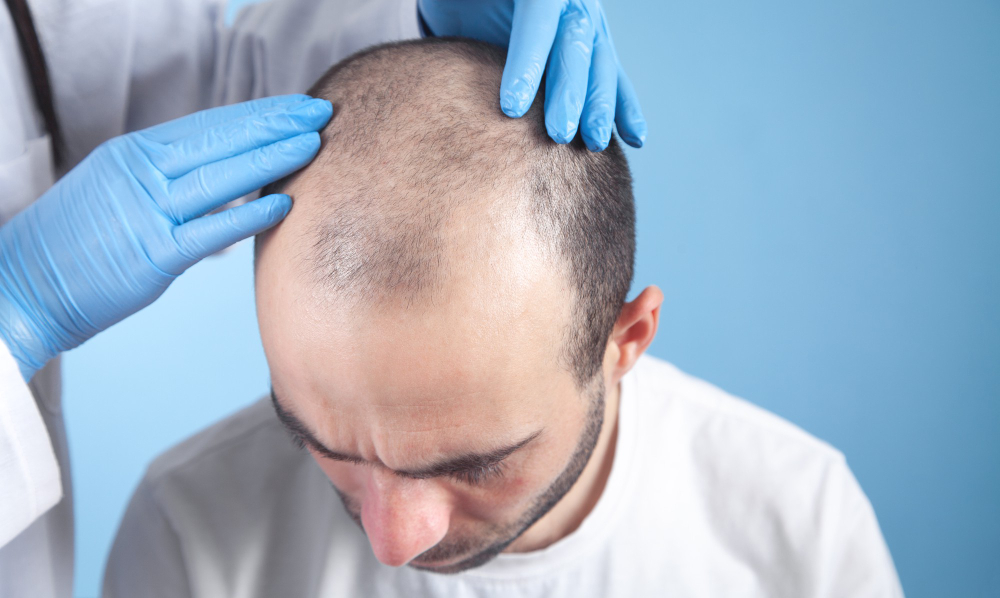
Your journey starts with an in-depth consultation with a certified hair transplant surgeon. During this session, your surgeon will evaluate:
Your hair type, scalp condition, and the thickness of your donor area.
Any medical history or health issues that might affect the procedure.
Your goals, realistic outcomes, and options between different hair transplant techniques (FUE, FUT, etc.).
This consultation is crucial for both you and your surgeon to be on the same page about the results you desire and to determine if you’re a good candidate for the surgery.
- Undergo Required Medical Tests
For a successful hair transplant, your overall health matters. Most clinics will require some basic blood tests or evaluations to ensure you’re in good shape for the procedure. A few things to keep in mind:
- Blood Tests: These might include blood counts and tests for blood clotting to ensure there are no risks of excessive bleeding.
- Manage Underlying Conditions: If you have diabetes, high blood pressure, or any other condition, consult both your doctor and your surgeon to make sure it’s well-managed before the procedure.
- Stop Certain Medications and Supplements
Some medications and supplements can interfere with your surgery by thinning the blood or increasing bleeding risks. Here’s what you may need to avoid:
- Blood Thinners: Avoid aspirin, ibuprofen, and other blood-thinning drugs at least a week before your transplant, but only if your doctor allows it.
- Supplements: Vitamin E, fish oil, and some herbal supplements can also increase bleeding, so stop taking these about a week prior.
- Minoxidil: If you use Minoxidil (Rogaine) for hair growth, check with your surgeon, as you may need to pause usage a week before the surgery.
- Quit Smoking and Cut Down on Alcohol
Lifestyle habits can significantly impact your recovery. Smoking constricts blood vessels, reducing blood flow to your scalp and delaying healing. Ideally, you should quit smoking at least two to four weeks before your transplant for the best results.
Similarly, alcohol affects blood flow and can thin the blood, increasing bleeding risk. Avoid alcohol consumption for at least three days before your procedure.
- 5. Prep Your Hair and Scalp
Your hair and scalp need some prep work, too:
- Avoid Haircuts: Keep your hair at a length that allows the surgeon to assess the density and health of your donor area. Most surgeons prefer a bit of length for easier grafting.
- Clean Your Scalp: The night before surgery, thoroughly wash your hair and scalp with a mild shampoo to remove oils or product buildup.
- 6. Plan Time Off and Arrange for Transportation
Hair transplants can require a few days of downtime for proper healing. Here’s what you should plan for:
Take Time Off Work: Depending on the size of the transplant, you may need a few days or even a week off work. Some swelling and redness can be expected, and giving yourself time to heal will help you return with confidence.
Get a Ride Home: Anesthesia can make you feel drowsy after the procedure, so arrange for someone to drive you home.
- Stay Hydrated and Eat Well
Proper hydration and nutrition can support your recovery. Drink plenty of water in the days leading up to the surgery to stay hydrated, as dehydration can slow down the healing process. Eat a balanced meal the night before and a light breakfast the morning of your surgery.
- Set Realistic Expectations
A hair transplant can significantly improve your appearance, but it’s essential to have realistic expectations about the timeline and final results. Here’s what to keep in mind:
- Hair Growth Timeline: Most patients start seeing new hair growth three to six months after surgery, with full results visible around 12 to 18 months.
- Expected Coverage: Depending on the density of your donor hair, you may not achieve total coverage in one session, and a second procedure might be necessary to reach your goal.
- Dress Comfortably on the Day of Surgery
For your comfort during and after the procedure:
- Choose a Button-Up or Loose Shirt: Wearing a button-up or loose-fitting shirt will make it easier to avoid pulling any clothing over your head afterward, which could disturb the grafts.
- Comfortable Clothing: You’ll likely be seated for an extended period, so dress in soft, comfortable attire.
- Follow Your Surgeon’s Specific Instructions
Your surgeon may have additional personalized instructions to ensure the success of your procedure. Following these guidelines exactly as prescribed can make a big difference in your results.
Conclusion
Preparation is key to maximizing the results of your hair transplant. By taking these steps, you’ll set yourself up for a smooth procedure and an optimal outcome. A little preparation now can lead to a lifetime of satisfaction with your new, fuller hair!
Hair 4 Life Medical: Your Premier Destination for Hair Restoration in Scottsdale, Arizona!
Contact Hair 4 Life in Scottsdale – Dr. Ramona Kelemen (hairforlifeaz.com)
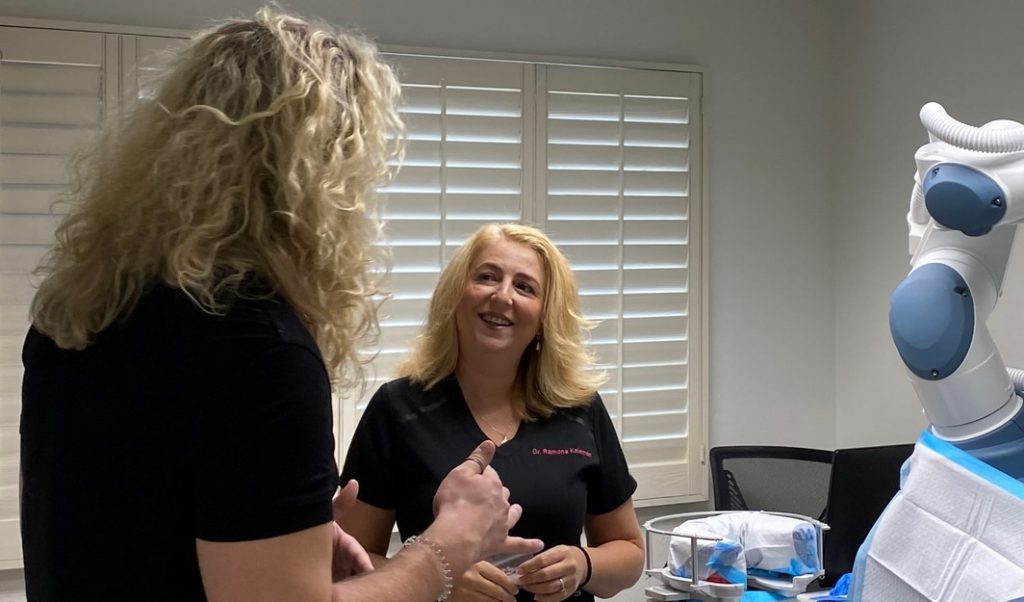
You only have to read the reviews to find out how she empowers her clients to look and feel their best. They leave the clinic with their heads held high knowing that the doctor has their best interest at heart!
To find out which procedure is best suited to your needs, you are invited to come into Hair4Life Medical for a consultation. Treatments are kept as affordable and accessible as possible so come in and talk to us.
Contact Us or call Hair 4 Life at (480) 525-4547 to schedule an appointment.
References:
International Society of Hair Restoration Surgery – ISHRS