
ARTAS Robotic FUE: What Patients Should Know
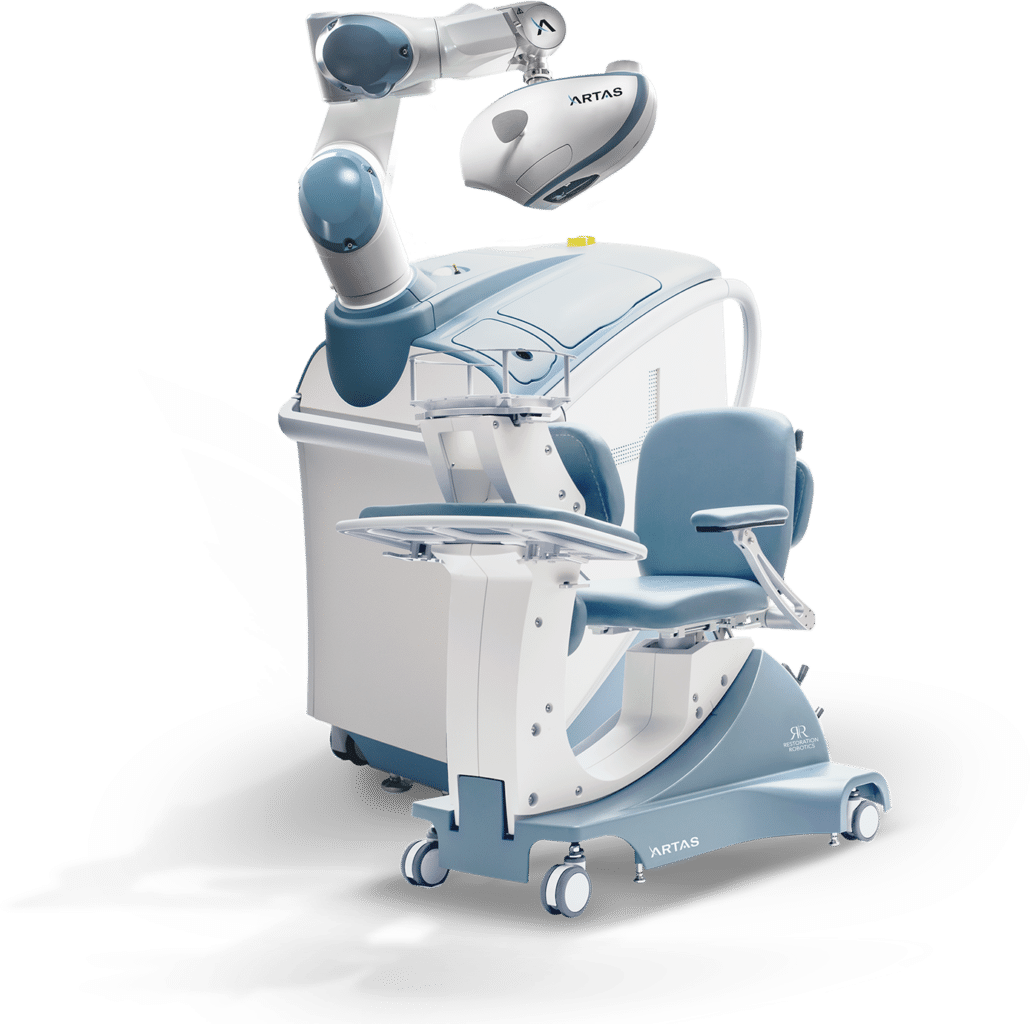
Hair transplant technology has evolved dramatically over the past two decades. One of the most heavily marketed innovations is the robotic hair transplant system known as ARTAS Robotic Hair Transplant System. Clinics often promote robotic surgery as the most advanced option available, implying that a robot automatically delivers better results.
The reality is very different.
While robotics may sound impressive in marketing brochures, experienced hair transplant surgeons understand that the success of a hair transplant depends on surgical judgment, artistic design, and meticulous graft placement—things a robot cannot truly replicate.
If you are researching hair restoration, it is important to understand why robotic systems like ARTAS are often not the best choice for achieving the most natural results.
Understanding What ARTAS Actually Does
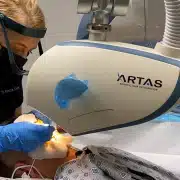
The ARTAS Robotic Hair Transplant System is a robotic device designed to assist with FUE (Follicular Unit Extraction). It uses cameras and algorithms to identify hair follicles and harvest them from the donor area.
The system can:
-
Scan the donor scalp
-
Select follicular units
-
Punch around follicles using a robotic arm
However, the robot does not perform the entire transplant. A physician or technician still needs to:
-
Design the hairline
-
Extract grafts that the robot misses
-
Create recipient sites
-
Implant the grafts
The robot simply assists with part of the extraction process, and even then it has limitations.
Hair Transplants Are Artistic Surgery, Not Automation
Hair restoration is not like assembling a machine. It is closer to microsurgical artistry.
A successful transplant requires careful decisions such as:
-
Hairline design and facial balance
-
Angle and direction of each hair
-
Strategic density placement
-
Preservation of donor supply
A robot cannot judge facial symmetry or long-term hair loss patterns the way an experienced surgeon can.
That is why the most respected hair transplant doctors rely on manual FUE techniques, where they personally control every step of the surgery.
The Punch Size Problem
One of the major limitations of robotic extraction is punch size.
Robotic systems often use larger punches than highly refined manual techniques. Larger punches can:
-
Remove more surrounding tissue
-
Increase the risk of visible donor scarring
-
Limit donor area preservation
Manual systems like:
-
WAW DUO FUE System
-
UGraft Zeus FUE System
-
Cole FUE System
allow surgeons to work with smaller punches and more control, which can produce cleaner extractions and better donor preservation.
Robots Cannot Adapt to Different Hair Types
Hair characteristics vary dramatically between patients.
Examples include:
-
Curly hair
-
Coarse hair
-
Fine hair
-
Angled follicle growth
-
Tight scalp skin
Human surgeons can adjust their technique instantly. A robotic algorithm, however, relies on pre-programmed scanning patterns that may not adapt well to these variations.
This can lead to:
-
Increased graft transection (damaged follicles)
-
Missed grafts
-
Inconsistent extraction quality
For patients with curly or African hair, robotic systems are especially limited.
Hairline Creation Cannot Be Automated
The most important part of any hair transplant is the hairline.
Natural hairlines require:
-
Micro-irregularities
-
Precise graft distribution
-
Fine single hairs in the front
-
Angles that mimic natural growth
These subtle details cannot be programmed into a robot.
If grafts are placed too far apart or at incorrect angles, the result can look artificial. This is one reason robotic systems struggle to consistently produce the ultra-natural hairlines achieved by experienced surgeons.
Robots Do Not Perform the Implantation
Another major misconception is that robotic systems perform the entire transplant. They do not.
Implantation—the process of placing grafts into the scalp—is the most critical stage of the surgery.
Proper implantation determines:
-
Density
-
Natural appearance
In many robotic clinics, this step is often performed by technicians rather than the surgeon. This approach can reduce surgical control and consistency.
Marketing vs. Reality
The popularity of robotic systems is largely driven by marketing.
Robots attract attention because they sound futuristic and advanced. Many clinics promote robotics because it helps differentiate them in a competitive market.
But experienced hair transplant surgeons know that:
Technology does not replace surgical skill.
A robot cannot substitute for:
-
Surgical experience
-
Artistic hairline design
-
Advanced manual extraction techniques
-
Precision implantation
The Importance of Surgeon-Performed Hair Transplants
When evaluating hair transplant clinics, patients should ask an important question:
Who is actually performing the surgery?
The best results typically come from clinics where:
-
The doctor performs the extraction
-
The doctor designs the hairline
-
The doctor controls the graft placement
This level of surgical involvement is critical for achieving consistent and natural outcomes.
Advanced Alternatives to Robotic Hair Transplants
Modern hair restoration offers far more advanced options than robotic extraction alone.
Examples include:
-
Hybrid FUE techniques
-
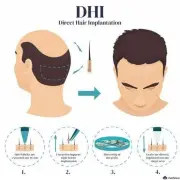
Direct Hair Implantation (DHI)
-
Ultra-refined manual FUE
These approaches allow surgeons to customize the procedure for each patient rather than relying on automated systems.
The Bottom Line
Robotic hair transplant systems like the ARTAS Robotic Hair Transplant System may appear impressive, but they are not the gold standard in hair restoration.
Hair transplantation remains a surgeon-dependent procedure where experience, technique, and artistic judgment matter far more than automation.
Patients seeking the most natural results should focus on finding a highly skilled surgeon who performs the procedure personally and uses advanced manual techniques tailored to each individual case.
Final Advice for Patients
Before choosing a hair transplant clinic, make sure to ask:
-
Who performs the extraction?
-
Who creates the hairline?
-
Who implants the grafts?
-
What punch size is used?
-
How many procedures has the surgeon performed?
The answers to these questions will reveal far more about the quality of the clinic than whether or not a robot is involved.
Because in hair restoration, the best technology is still the experienced human hand.
References
FUE Hair Transplant: What to Expect, Cost, Pictures, and More ARTAS® Robotic Hair Transplant | Venus Treatments USA Improve FUE: Mechanically and Electronically-Assisted Help Improve transection rates of FUE. Improvements in instrument technology and technique have made FUE a procedure competitive with strip harvesting for obtaining donor hair for hair transplantation: Benefits For Both Patient and Surgeon. FUE INSTRUMENTS AND THEIR USE – ISHRS
 Hair4LifeMed
 Hair 4 Life Medical



 Hair 4 Life Medical
 Hair 4 Life Medical