What is the Success Rate of Beard to Head Transplants? A Complete Guide
Introduction
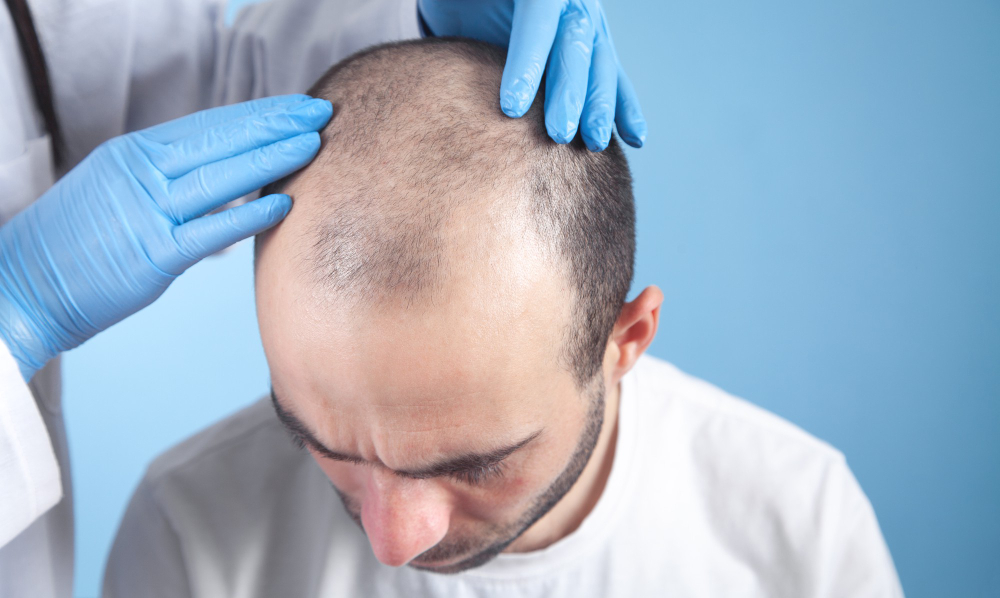
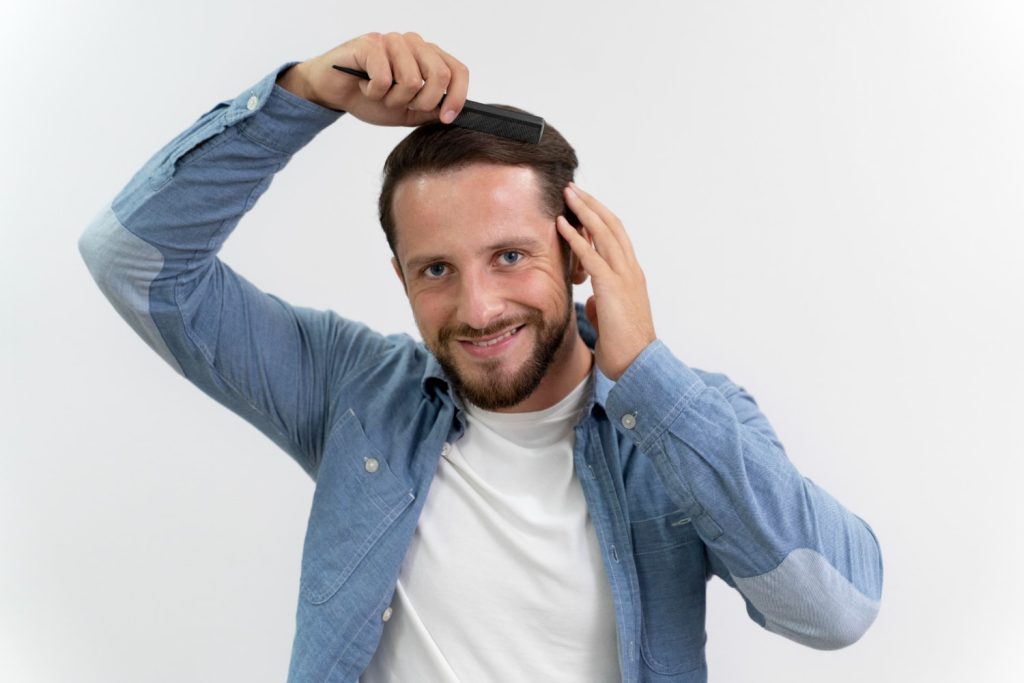
Hair loss affects millions of men and women around the world, and for many, hair restoration procedures like FUE and FUT offer renewed hope and confidence. But for patients with limited donor hair on the scalp, another solution has been gaining momentum: beard to head hair transplants.
Together we will explore the science, technique, and success rate of beard to scalp hair transplantation. I’ll also explain why the success of this method is highly dependent on the surgeon’s expertise and technology used, and why Dr. Kelemen at Hair 4 Life Medical is recognized as a leader in this highly specialized procedure.
What is a Beard to Head Hair Transplant?
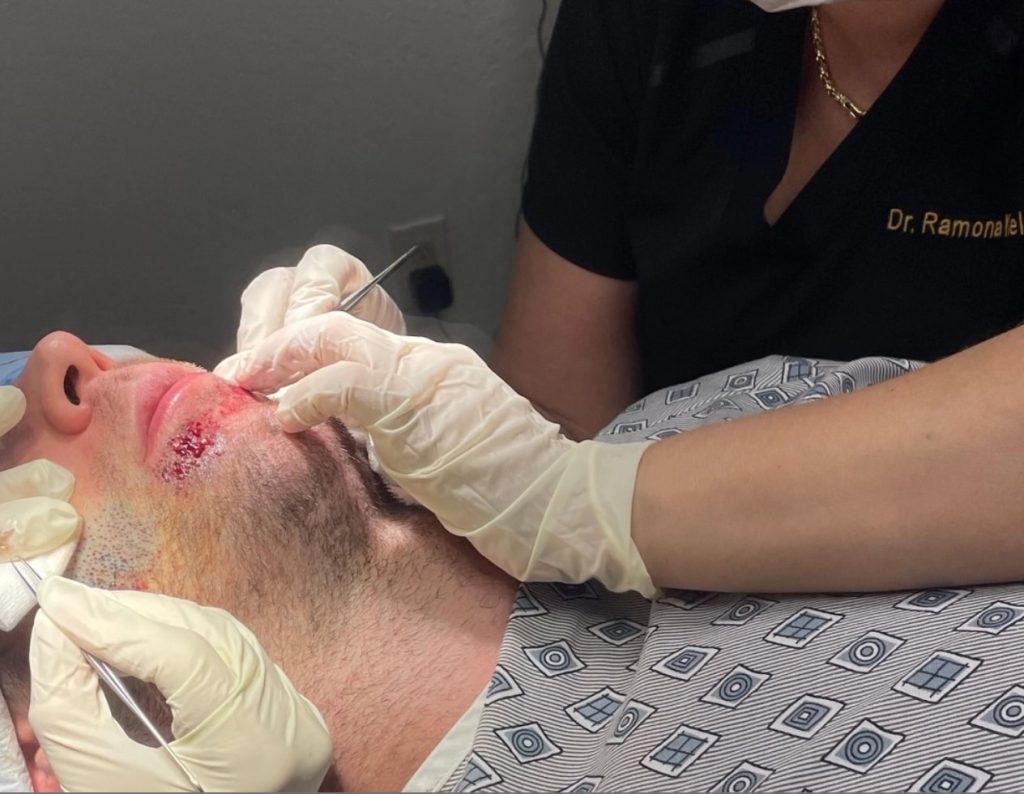
A beard to scalp transplant is a form of Follicular Unit Excision (FUE) in which donor hairs are extracted from the beard area (typically the jawline, chin, and neck) and transplanted into areas of scalp hair loss. This method is often considered when the scalp donor area is insufficient, such as in cases of advanced Norwood hair loss or patients who have undergone multiple transplants.
Key Benefits of Beard Hair as Donor Source
1. Increased Donor Supply
Beard hair provides an additional source of robust grafts, increasing the overall graft count available for large or multiple procedures.
2. Stronger, Thicker Hair Grafts
Beard hairs tend to be thicker and coarser, which can add volume and density to the transplant area, especially at the crown or mid-scalp.
3. Ideal for Repair Cases
In cases of previous failed hair transplants or scalp trauma, beard grafts offer a lifeline when scalp hair is no longer an option.
Understanding the Success Rate of Beard to Head Transplants
The success rate of any hair transplant, including beard to scalp, hinges on various factors such as surgical technique, surgeon experience, and post-operative care.
Average Success Rate
- The average survival rate of beard grafts when performed by an experienced surgeon using advanced FUE techniques ranges from 85% to 95%.
- With optimal planning and placement, beard hair blends well with scalp hair, especially in less visible zones.
Factors That Impact Success Rate
- Surgeon Skill & Experience
- Beard hair extraction is technically more challenging due to depth variability and curvature. Only a handful of surgeons, like Dr. Kelemen, are experienced in this niche procedure.
- Punch Tool & Technology
- Devices like the WAW DUO, U-Graft, and ARTAS robotic system can dramatically improve graft quality and minimize transection rates.
- Recipient Area Design
- Beard hair has a different texture and curl than scalp hair. Strategic planning is crucial to ensure natural-looking results. Beard hair is often reserved for the crown or filler areas, while scalp hair is used for the hairline.
- Healing and Aftercare
- Proper post-operative care ensures optimal healing and graft survival. Patients are usually advised to avoid friction, heavy sweating, and sun exposure during the early recovery period.
Common Myths About Beard to Head Hair Transplants
Myth 1: Beard Hair Looks Unnatural on the Scalp
Truth: When placed strategically and blended with scalp hair, beard grafts can look natural. They are particularly useful for adding volume and density, not for creating soft hairlines.
Myth 2: Beard Hair Doesn’t Grow Well on the Scalp
Truth: With proper technique, beard grafts grow consistently and can permanently restore density in thinning areas.
Myth 3: The Procedure Leaves Heavy Scarring on the Face
Truth: FUE is minimally invasive and leaves only micro-dots that typically heal without visible scarring.
Ideal Candidates for Beard to Scalp Transplants
- Men with advanced Norwood hair loss (V or VII)
- Patients with limited or depleted scalp donor supply
- Individuals needing repair work after previous procedures
- Those with robust beard growth and thick facial hair
Dr. Kelemen: A Leader in Beard to Scalp Transplants
Dr. Kelemen, founder of Hair 4 Life Medical, is a pioneer in advanced FUE techniques and one of the few physicians skilled in beard to head hair transplants. Her background as a trichologist and her access to multiple extraction systems, including the WAW DUO, U-Graft, Cole, and ARTAS Robotic, ensure the highest level of precision and success.
She understands how to properly harvest, curate, and blend beard hair to complement scalp grafts for seamless, natural-looking results.
Realistic Expectations & Long-Term Results
Patients can expect to see initial growth starting around 3-4 months post-procedure, with significant density achieved by 9-12 months. Beard hair maintains its coarser texture even after transplantation but can be softened with grooming techniques.
A well-performed beard to scalp transplant can:
- Restore coverage in depleted zones
- Improve overall scalp density
- Offer a permanent solution without needing to rely solely on scalp donors
Combined Approaches for Maximum Density
In many cases, Dr. Kelemen combines scalp and beard grafts to achieve higher densities and more natural results. Beard grafts are placed in the crown and mid-scalp, while scalp hair shapes the hairline.
Additionally, adjunctive treatments like Regenera Activa, TrichoPat or PRP (Platelet-Rich Plasma) therapy can improve graft survival and boost native hair health.
Conclusion: Is a Beard to Head Transplant Worth It?
Yes—when performed by an experienced physician like Dr. Kelemen, beard to scalp hair transplants are not only effective but often the best option for patients with limited scalp donor supply. With an average success rate of 85%-95%, the results can be both life-changing and long-lasting.
If you want expert, honest advice during a 45–60-minute consultation, schedule your visit with Dr. Kelemen at Hair 4 Life Medical today. As a physician and trichologist, she will provide an in-depth analysis and personalized treatment plan that ensures the best possible outcome. Dr Kelemen has performed hundreds of successful beard to scalp hair transplants.
👉 Ready to restore your hair? Schedule a consultation with Dr. Kelemen today!
Interested in learning more? Contact Us or call Hair 4 Life at (480) 525-4547 to schedule an appointment.
References
Large-Scale Beard Extraction Enhances the Cosmetic Results of Scalp Hair Restoration in Advanced Androgenetic Alopecia in East Asian Men: A Retrospective Study – PMC
Beard and Moustache Reconstruction – PMC
American Board of Hair Restoration Surgery | ABHRS
Everything You Need to Know About a Beard Transplant
Body to Scalp: Evolving Trends in Body Hair Transplantation – PMC
Body Hair Transplant by Follicular Unit Extraction: My Experience With 122 Patients – PubMed
Body Hair Transplant by Follicular Unit Extraction: My Experience With 122 Patients – PMC