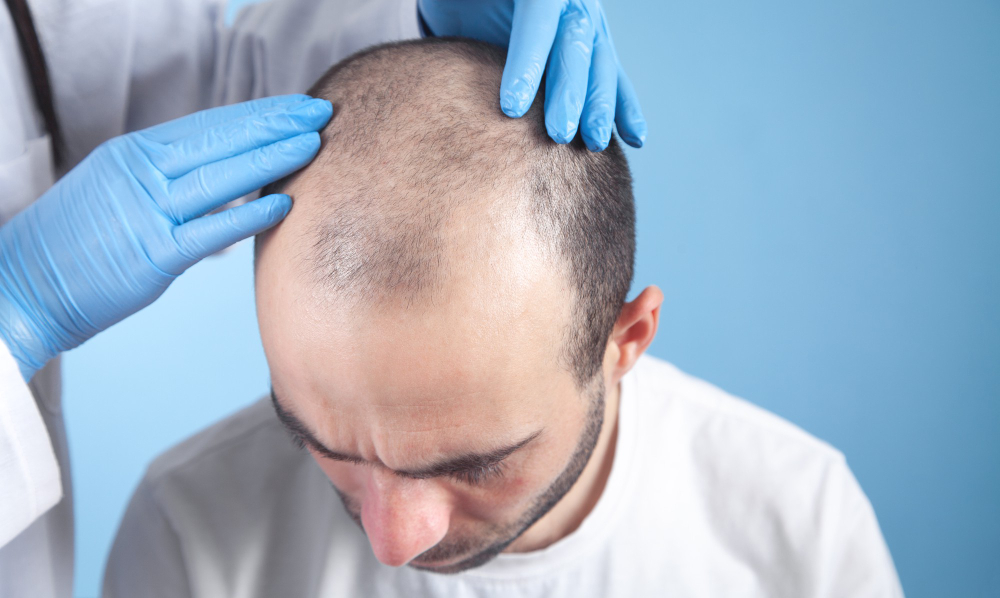
A hairline correction is a procedure designed to restore the natural shape and position of a receding or uneven hairline. Whether caused by genetics, aging, or other factors like trauma, a receding hairline can significantly impact your self-esteem and overall appearance. For individuals seeking a youthful, natural-looking hairline, hairline correction procedures offer an effective solution.
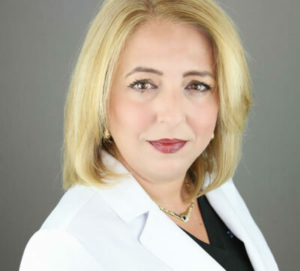
Dr. Kelemen, a renowned specialist in hair restoration, offers advanced hairline correction treatments designed to deliver natural, lasting results with minimal discomfort and downtime. With her expertise, Dr. Kelemen has helped numerous patients restore their hairlines and confidence. In this guide, we’ll explore the various methods for hairline restoration and how Dr. Kelemen’s innovative techniques can help you achieve the look you desire.
Why is Hairline Correction Important?
The hairline is one of the most defining features of a person’s appearance. A receding hairline or uneven hairline can make individuals appear older or less confident. Many people feel self-conscious about their hairline, especially when it begins to change over time.
Hairline correction is essential not only for cosmetic reasons but also for emotional well-being. Restoring a natural, youthful hairline can help individuals regain their confidence, improve facial symmetry, and restore a sense of youthfulness. For those who suffer from hair loss, Dr. Kelemen’s treatments can offer a solution that goes beyond aesthetics.
Types of Hairline Correction Methods: Traditional vs. Modern
Over the years, hairline restoration methods have advanced considerably, offering patients a range of non-invasive to more permanent options. Traditional techniques have evolved to include minimally invasive procedures that provide natural results with faster recovery times. Below, we compare the older and newer methods for hairline restoration and highlight how Dr. Kelemen’s expertise can guide you to the best solution for your needs.
Traditional Hairline Correction Methods:
- Follicular Unit Transplantation (FUT): FUT, or the strip method, involves surgically removing a strip of scalp from the donor area (usually the back of the head). The hair follicles are then harvested and transplanted into the hairline.
- Pros: This method allows for the transplantation of a large number of grafts, ideal for individuals with significant hair loss.
- Cons: It leaves a visible linear scar in the donor area, which may be noticeable if the hair is worn short.
- Scalp Reduction Surgery: This procedure involves the surgical removal of bald patches on the scalp, followed by stretching the remaining hair-bearing areas over the bald spots.
- Pros: It can restore a natural hairline for patients with more advanced hair loss.
- Cons: The procedure is more invasive and comes with a higher risk of complications and visible scarring.
Modern Hairline Correction Methods:
- Follicular Unit Extraction (FUE): FUE is a more advanced, minimally invasive technique that involves extracting individual hair follicles from the donor area and transplanting them into the recipient area. Dr. Kelemen specializes in this procedure to ensure natural-looking results.
- Pros: FUE leaves no linear scar and has a much quicker recovery time compared to FUT. The procedure is done under local anesthesia, ensuring minimal discomfort.
- Cons: FUE can be more time-consuming, especially when larger areas need to be treated, and it may require multiple sessions for patients with significant hair loss.
- Platelet-Rich Plasma (PRP) Therapy: PRP therapy is a non-surgical method where a patient’s blood is drawn, processed to concentrate the platelets, and then injected into the scalp to stimulate hair growth. Dr. Kelemen incorporates PRP therapy to enhance the effectiveness of FUE transplants and encourage new hair growth along the hairline.
- Pros: It is a non-invasive, quick procedure that requires little downtime. It works particularly well for patients with early stages of hair loss.
- Cons: PRP may require multiple sessions to see noticeable results, and its effectiveness can vary depending on the individual.
- Scalp Micropigmentation (SMP): Scalp micropigmentation (SMP) involves applying a pigment to the scalp to mimic the look of hair follicles. It is often used for those who prefer a non-surgical approach to creating a fuller, more defined hairline.
- Pros: SMP is an affordable, non-invasive option with immediate results.
- Cons: The results are temporary and will require touch-ups over time. It doesn’t restore actual hair, but rather creates the appearance of a thicker hairline.
- Laser Therapy: Low-level laser therapy (LLLT) is a non-invasive treatment that uses light energy to stimulate hair follicles, promoting hair growth in thinning areas. Laser devices such as combs, caps, or in-office treatments can enhance hair density along the hairline.
- Pros: There is no downtime with laser therapy, and it is effective in stimulating hair growth over time.
- Cons: It may take several months to see visible results, and consistency is key for long-term benefits.
Choosing the Right Hairline Correction Treatment with Dr. Kelemen
When considering hairline restoration, it’s important to consult with a qualified specialist who can provide guidance on the best treatment based on your unique goals and the degree of hair loss. Dr. Kelemen’s expertise ensures that you receive a personalized approach to hairline correction, tailored to your specific needs.
Here are some factors to consider when selecting the best treatment:
- Extent of Hair Loss:
- For early-stage thinning or a receding hairline, non-invasive treatments like PRP therapy or laser therapy can effectively promote new hair growth. For more advanced hair loss, Dr. Kelemen may recommend FUE hair transplants or scalp micropigmentation to restore a youthful hairline.
- Desired Outcome:
- If you’re seeking permanent results, FUE hair transplants are the most effective option. Dr. Kelemen’s specialized approach ensures a natural-looking hairline that enhances your facial features.
- Budget:
- For those on a budget, non-surgical treatments such as PRP therapy or scalp micropigmentation can provide effective results at a lower cost. However, if you desire a more permanent solution, FUE transplants may be worth the investment for long-term benefits.
- Recovery Time:
Post-Treatment Care and Expectations
The recovery process varies depending on the treatment used. Here’s what you can expect from the recovery and aftercare:
- FUE Hair Transplants:
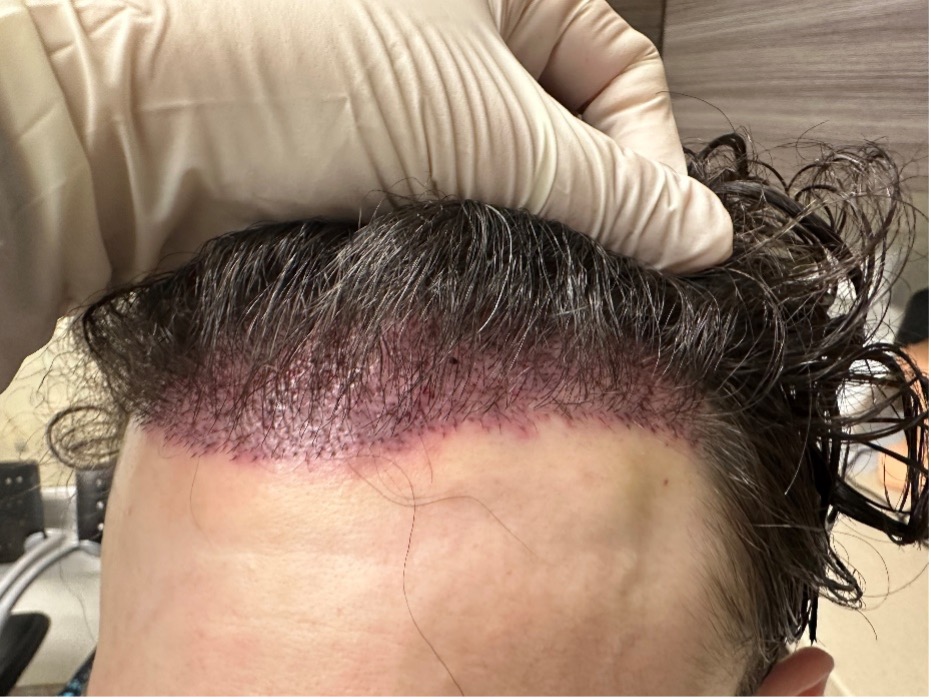
- The recovery time for FUE is relatively short. Dr. Kelemen provides detailed aftercare instructions to ensure optimal results. You may experience mild swelling or redness, but these symptoms typically subside within a few days. New hair growth will begin in 3-6 months.
- PRP Therapy Aftercare:
- After PRP therapy, there is minimal downtime. Some patients may experience mild tenderness at the injection sites, but this resolves quickly. Visible results typically appear after several months of treatment.
- Scalp Micropigmentation Aftercare:
- Scalp micropigmentation requires little to no recovery time. Patients may experience slight redness, but this fades within a few days. The results are immediate, but touch-ups are necessary every few years.
- Laser Therapy Aftercare:
- Laser therapy requires no downtime, though consistency is essential to see the best results. Most patients can resume their daily activities immediately after treatment.
Conclusion: Restoring Your Hairline with Dr. Kelemen
Restoring your hairline has never been easier with the advancements in hairline correction techniques. Whether you’re considering FUE hair transplants, PRP therapy, or scalp micropigmentation, Dr. Kelemen’s expertise ensures that you’ll receive the best treatment for your needs.
By choosing a specialist like Dr. Kelemen, you can restore your hairline, boost your confidence, and achieve a youthful, natural-looking appearance that lasts for years to come. Schedule a consultation with Dr. Kelemen today to begin your journey toward a restored, rejuvenated hairline.
Dr Kelemen is the “Go To” physician for corrective surgery!
Interested in learning more hair transplant? Contact Us or call Hair 4 Life at (480) 525-4547 to schedule an appointment.
References:
International Society of Hair Restoration Surgery – ISHRS