
Hair Transplant Failure Rate Analysis by Method
Hair Transplant Failure Rate Analysis by Method

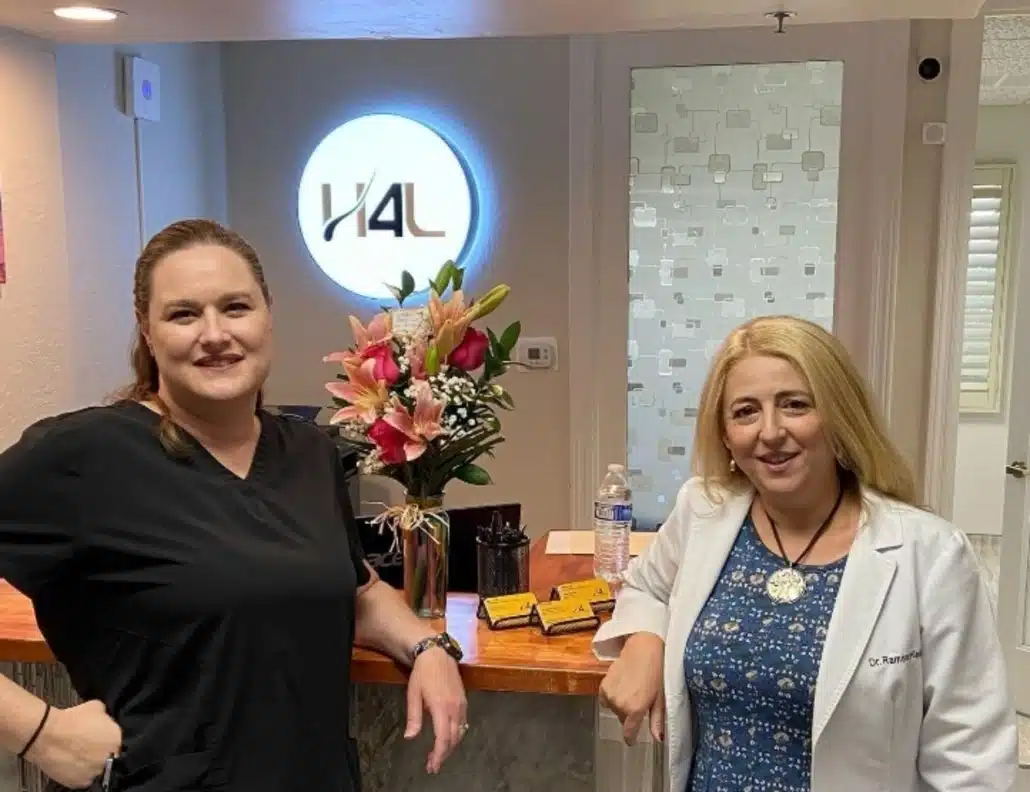
Dr Kelemen the founder of Hair 4 Life Medical
What Really Determines Success—and What Still Goes Wrong
Hair transplantation has come a long way. The fundamentals, however, have not changed: hair survives or it doesn’t. Despite glossy marketing and trendy devices, failure still occurs—and it occurs far more often with certain methods and practice models.
This article breaks down hair transplant failure rates by method, explains why failures happen, and tells patients the unvarnished truth about what separates lasting results from permanent disappointment.
What Is Considered a Hair Transplant Failure?
A failure does not mean zero growth. That’s rare. Most failures fall into these categories:
-
Poor graft survival (low yield)
-
Unnatural hairline design
-
Patchy or uneven density
-
Donor area depletion or scarring
-
Poor angulation and direction
-
Overharvesting with visible donor damage
From a medical standpoint, anything below 85–90% graft survival is suboptimal. Yet many clinics quietly accept far less.
Failure Rate Overview by Hair Transplant Method
| Method | Approx. Failure Risk | Primary Risk Factors |
|---|---|---|
| FUT (Strip) | Low–Moderate | Linear scarring, closure technique |
| Manual FUE (Physician-Performed) | Low | Skill-dependent |
| Motorized FUE (Technician-Based) | Moderate–High | Transection, overharvesting |
| Robotic FUE (ARTAS-only) | Moderate | Lack of artistry, limited adaptability |
| DHI / Implanter Pen (Tech-heavy) | Moderate–High | Speed over precision |
| High-Volume “Hair Mill” FUE | High | Minimal doctor involvement |
| Overseas Budget Transplants | Very High | Poor planning, donor abuse |
Let’s break this down properly.
FUT (Strip Method): Reliable but Limited
Failure Rate: Low when done correctly
Main Risk: Scarring and outdated aesthetics
FUT is an old, proven technique. When performed by an experienced surgeon with meticulous closure, graft survival is typically excellent.
However:
-
Linear scarring is permanent
-
Hairline artistry is often conservative
-
Patients lose flexibility for future FUE
FUT doesn’t fail often biologically—it fails aesthetically in modern patients.
Manual FUE by the Doctor: The Gold Standard
Failure Rate: Lowest overall
Why: Precision, judgment, adaptability
When the physician performs the extraction, site creation, and placement, failure rates drop dramatically.
Why?
-
Controlled punch depth and angle
-
Minimal transection
-
Custom density planning
-
Real-time decision-making
This method respects traditional surgical principles: slow, deliberate, precise. Technology assists—but does not replace—skill.
Motorized FUE (Technician-Based): Where Problems Begin
Failure Rate: Moderate to high
Common Issues:
-
High transection rates
-
Donor overharvesting
-
Inconsistent depth control
Motorized devices are not inherently bad. The problem is who is holding them.
In many clinics:
-
Technicians extract grafts
-
Doctors appear briefly—or not at all
-
Speed is prioritized over survival
This is where many corrective cases originate.
Robotic FUE (ARTAS-Only Clinics): Efficient, Not Artistic
Failure Rate: Moderate
Limitation: The robot cannot think
Robotic systems offer consistency but lack:
-
Hairline artistry
-
Adaptation to scar tissue
-
Judgment in difficult donor zones
Used as a tool, robotics can be effective. Used as a replacement for the doctor, they lead to mediocre, sometimes irreversible outcomes.
DHI / Implanter Pen Techniques: Marketing vs Medicine
Failure Rate: Moderate to high
Problem: Speed over biology
DHI is aggressively marketed, but the reality is:
-
Grafts are often handled excessively
-
High-speed implantation reduces oxygen exposure control
-
Technicians usually perform placement
The pen does not improve survival. The operator does.
Hair Mills and Overseas Transplants: Highest Failure Rates
Failure Rate: High to very high
Why failures are common:
-
Assembly-line surgery
-
Minimal doctor involvement
-
Poor donor management
-
Aggressive graft counts
These cases frequently require:
-
Repair surgeries
-
Beard/body hair salvage
-
Density illusion techniques
-
Permanent compromises
Many U.S. surgeons are reluctant to touch these cases—for good reason.
The Real Determinants of Success (Regardless of Method)
Method matters—but these factors matter more:
-
Graft handling and hydration
-
Site creation technique
-
Angle, direction, and density planning
-
Respect for donor limitations
-
Long-term surgical strategy
Ignore these, and even the “best” method will fail.
Final Word: Technology Didn’t Replace Skill
Hair transplantation is still surgery. The old rules apply:
-
Experience beats equipment
-
Precision beats speed
-
The doctor—not the device—determines the outcome
Failure rates drop when the surgeon takes responsibility for every step. Anything else is a gamble.
Book Your Consultation
📞 Ready to explore your options? Schedule your private 45–60 minute consultation with Dr. Kelemen and learn which hair restoration method is best for you. Visit hair4lifemedical.com or call to reserve your appointment today.👉 Ready to restore your hair? Schedule a consultation with Dr. Kelemen today!
Interested in learning more? Contact Us or call Hair 4 Life at (480) 525-4547 to schedule an appointment.References
FUE Hair Transplant: What to Expect, Cost, Pictures, and More FUE Hair Transplant: Benefits, Process & Recovery Follicular Unit Extraction Hair Transplant – PMC https://www.ishrs-htforum.org/content/26/5/200




 H4L Medical


 Hair 4 Life Medical