How Beard Transplant Heals Naturally
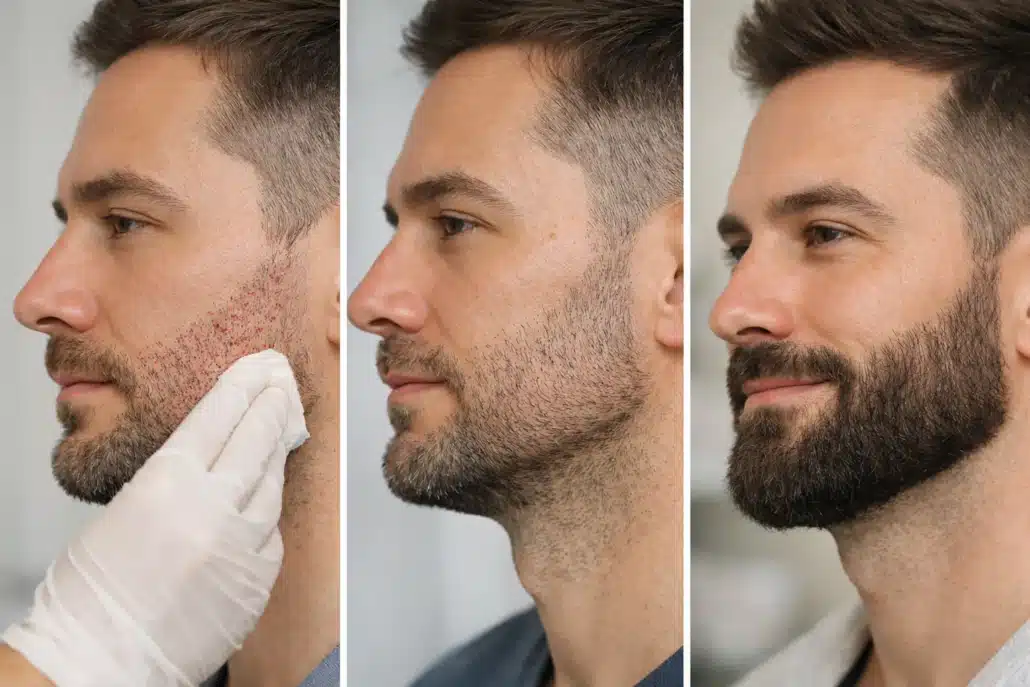
The first few days after a beard transplant can feel more dramatic than the final result suggests. Tiny scabs, redness, swelling, and uneven stubble often make patients wonder whether everything is healing as it should. In most cases, how beard transplant heals naturally follows a very predictable course. The key is knowing what your skin and grafts are supposed to do, what can slow recovery, and when a symptom deserves a closer look.
A beard transplant is not just about placing hairs in bare areas. It is also about how the skin receives those grafts, how well the follicles establish blood supply, and how carefully the healing phase is managed. Natural healing does not mean doing nothing. It means allowing the body to repair itself without interference while following sound medical aftercare.
How a beard transplant heals naturally after surgery
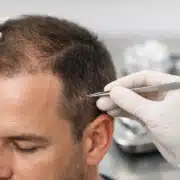
Most modern beard restoration procedures use FUE grafts harvested one follicular unit at a time. Those grafts are then placed into carefully designed recipient sites in the beard area. Each graft must reconnect to blood flow in its new location. During the first several days, the body responds with mild inflammation, clotting, and tissue repair.
That early response is normal. Small crusts form around the transplanted hairs because the skin is closing around each site. Redness develops because blood flow increases to support healing. Mild swelling can happen, especially around the cheeks, jawline, or upper neck, depending on placement and how your body responds.
This is why the beard can look temporarily worse before it looks better. The goal is not to judge the outcome in the first week. The real goal is protecting graft survival while the skin settles.
The beard transplant healing timeline
Days 1 to 3
This is the most delicate phase. The grafts are newly placed, and the area may feel tight, tender, or slightly swollen. Tiny scabs are expected. Some patients notice pinpoint dried blood or a rough texture when they look closely in the mirror.
At this stage, less is more. Touching, rubbing, shaving, or testing the area can dislodge grafts before they anchor. Sleeping with the head elevated may help reduce swelling. Your surgeon may also recommend specific cleansing instructions and a spray or wash routine designed to keep the area clean without disturbing the grafts.
Days 4 to 7
The grafts usually become more secure during this window. Scabs remain visible, but they often begin to dry and loosen. Redness may still be present, especially in patients with fair or reactive skin. Mild itching is common and usually reflects healing rather than a problem.
This is also the phase when patients can become impatient. They want to remove crusting quickly or speed things up. That is where problems can start. Forced scab removal can pull at healing tissue and interfere with graft take.
Week 2
For many patients, the beard area starts to look calmer. Most crusting has shed naturally or with gentle washing as directed. The skin often looks pink rather than bright red. Any swelling has usually resolved.
You may still see the transplanted hairs in place, but this does not mean they will all keep growing continuously. Shedding is often the next normal step.
Weeks 2 to 8
This is the phase that surprises people most. Many of the transplanted hairs shed. Patients sometimes worry that the procedure failed, but shedding is expected. The follicle remains under the skin even though the visible hair shaft falls out.
This resting phase is part of normal hair cycling. The skin may look fairly normal while the follicles stay quiet beneath the surface. In other words, healing and visible growth are not the same thing.
Months 3 to 6
New growth usually begins gradually. It may start as fine, uneven, or slower-growing hair. Density does not appear all at once. Some areas wake up earlier than others.
This part requires patience. Beard hair often matures in stages, and texture can improve over time. The early return of growth is encouraging, but final cosmetic refinement takes longer.
Months 9 to 12
This is when patients usually have a much more accurate view of their result. The transplanted beard hairs have had time to emerge, thicken, and blend. Depending on the curl pattern, hair caliber, skin type, and graft count, final maturation may continue beyond that point.
What supports natural beard transplant healing
Healing is partly about surgical technique and partly about patient behavior afterward. A carefully performed procedure with proper graft handling gives the body the best chance to recover well. Then the aftercare phase protects that investment.
Gentle cleansing matters because dried blood, oil, and debris can build up around grafts. Good hygiene lowers the chance of irritation or infection, but aggressive washing can be just as harmful as not washing enough. This is why surgeon-specific instructions matter.
Hands off care is also essential. Scratching, picking, trimming too soon, or pressing on the beard area can disturb healing follicles. Even well-meaning inspection in the mirror can become a problem if it leads to touching.
General health influences recovery more than many patients realize. Smoking, poor sleep, dehydration, uncontrolled blood sugar, and high inflammatory stress can all work against tissue repair. On the other hand, stable health, good nutrition, and careful follow-up help create the conditions for more predictable healing.
What is normal and what is not
A naturally healing beard transplant often includes redness, scabbing, mild tenderness, temporary numbness, itching, and shedding. Those signs can look concerning if you were expecting an instantly polished appearance, but they are usually part of standard recovery.
What deserves more attention is worsening pain, spreading warmth, pus, foul odor, marked asymmetrical swelling, fever, or persistent bleeding. Those are not normal healing milestones. They may point to infection, excessive inflammation, or a problem that needs medical review.
There is also a middle ground where the answer is not obvious. Some patients naturally stay red longer. Others form more crusting. Skin type, underlying inflammation, shaving habits, and aftercare compliance all affect recovery. That is why physician-guided follow-up matters. Good care is not just performing the transplant. It is knowing when healing is on track and when an adjustment is needed.
Why healing looks different from one patient to another
No two beard transplant recoveries look exactly alike. The number of grafts matters. A small patch repair under the lower lip heals differently from a full cheek and jawline reconstruction. The donor source matters too, as does hair caliber, curl, skin sensitivity, and whether the patient has a history of ingrown hairs or post-inflammatory pigmentation.
Technique matters a great deal. Recipient site creation, graft placement angle, density planning, and how delicately the follicles are handled can all influence how the skin responds. This is one reason patients often benefit from a physician who focuses deeply on hair restoration rather than offering it as a side service.
At Hair For Life Medical, that physician-led approach is central to treatment planning because natural results depend on more than filling space with grafts. They depend on design, placement, healing, and long-term growth behavior.
Common mistakes that interfere with healing
The most common mistake is doing too much too soon. Patients may shave early to hide the stubble pattern, work out intensely before cleared, or scrub away scabs because they want the area to look normal fast. Fast is not the same as well healed.
Another issue is assuming that all online advice applies equally to every case. A patient with sensitive skin, corrective work, dense packing, or a history of slow healing may need a different recovery plan than someone with a small straightforward procedure.
Sun exposure can also be underestimated. Freshly treated skin is more reactive, and excess sun can deepen redness or pigmentation changes. If you live in Arizona, where sun intensity is not a small detail, post-procedure skin protection becomes even more important.
The emotional side of healing
Beard transplant recovery is physical, but it is also psychological. The first two weeks can make patients second-guess a decision that later proves worthwhile. Then the shedding phase can create a second wave of anxiety. This is normal.
A good consultation should prepare you for that reality. Realistic expectations lower stress and improve the recovery experience. When patients understand that scabs, shedding, and uneven regrowth are part of the process, they are less likely to panic or interfere with healing.
Natural healing is not instant healing. It is structured, gradual, and sometimes visually awkward before it becomes rewarding. The best results usually come from a combination of skilled surgical planning, disciplined aftercare, and enough patience to let biology work on its own schedule.
If you are considering beard restoration, the most helpful mindset is simple: choose a specialist who plans for healing as carefully as they plan for placement. That is how a transplanted beard has the best chance to look like it was always yours.