Dr Kelemen teaches the patient to take care of their newly transplanted hair
Received a phone call recently from a person that had a hair transplant with the top surgeon in the valley but could not get hold of him for post op care clarification. Sadly, I could not help him, because he was not my patient, and I would have to see him to provide him with info. My advice is that you must always follow up with your provider, calling another physician will mean that you will have to pay for a consultation which will make you their patient and they can provide care for you.
This was a hard lesson learned by the patient that after he paid 5 figures, he could not find anybody to answer his questions the day after the surgery. The lesson to be learned from this event is that he should have asked more questions during his consultation, and it shows just how important the complete package is i.e. it is not just the hair transplant but the post op and pre op.
At Hair 4 Life, I see the patient personally for the next 3 days, I, the doctor, do the shampoo and teach them how to care for their hair. I feel that post op is just as important as the surgery itself. If you do not take care properly of the new implants, then you waisted your money.
So, for those that did not get post-op instructions from their provider here are Dr. Kelemen’s:
Hyperbaric chamber, same one used by elite athletes, for quicker healing.
Do’s
DO take care of the implanted area
Your hair transplant recovery heavily depends on how well you care for the implanted area within the first seven days after hair transplant. Post-surgery, your doctor will give you a saline solution with copper peptides that you must spray on the transplanted area. On your own, or with the help of someone, spray the solution every 2-3 hours or as directed by your surgeon to avoid swelling.
You may be allowed to wash your hair 24 hours after the surgery, but water pressure must be kept to a minimum, and its temperature must be lukewarm. To manage it easier, you can use a small jar to wash the location of the transplanted roots. Refrain from putting anything on your scalp or using any products that your doctor hasn’t cleared as it may irritate the area.
Once you’ve finished, lightly dab the area with a soft cloth to dry.
You should expect itchiness, especially as the scabs begin to form, but it should be trivial if the technician trimmed the graft properly. But it’s imperative to avoid directly touching the area with your fingers as this may cause bleeding or inflammation. You can also consult your doctor on properly removing scabs after a hair transplant without affecting the newly-placed grafts.
DO use pain medication as recommended
It’s normal to experience swelling, headaches, or discoloration of the transplanted area within the first week. It is essential to take your antibiotics as prescribed to help prevent infection. Painkillers and even sleeping pills when you can’t sleep will help relax your body and give you relief.
DO keep an eye out for infection
Surgical incisions are at risk for infection, which is why unless there’s an absolute need to, avoid touching the donor area with your hands. You’ll also be responsible for keeping your wound dry and changing its dressing.
Always be on the lookout for discharge, pus, excessive bleeding, fever, persistent pain, or increased redness of your scalp. These are signs of a developing infection that needs immediate attention from your doctor.
Don’t
DON’T smoke, drink or take aspirin
Alcohol in the body interferes with its metabolism, which is crucial for the growth of new hair. Taking aspirin in lieu of what you’ve been prescribed may thin the blood and cause excessive bleeding. It’s better to stick with the pain medication you’ve been given.
Nicotine from cigarettes restricts blood flow. We advise our patients to avoid cigarettes at least four weeks before surgery.
DON’T engage in strenuous exercise or activities
Workouts that require too much exertion, lifting, or straining may disrupt the healing of your wound. You need to manage your blood pressure and heart rate to lessen the risk of swelling, so avoid excessive movements, especially during the first two weeks post-op. Too much movement may also cause excessive sweating, and perspiration increases the risks of infection.
DON’T expose your scalp to sunlight
Direct exposure to sunlight can be dangerous to the areas where grafts have been implanted. It is advisable to avoid exposure for at least four months following the FUE hair transplant procedure. But if sun exposure is entirely unavoidable, you must carefully apply sunscreen to the area before heading out. Some patients prefer to use hats to protect themselves from the sun, but there is still a risk of rubbing against the implanted hairs, which is why we don’t recommend it.
More Aftercare Tips
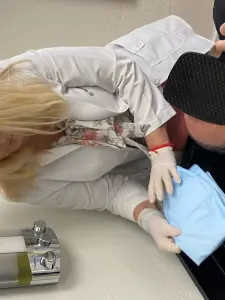
Two important aftercare activities that you will be doing every day are washing your hair and sleeping in a manner that doesn’t affect your surgery. Sleeping with your head elevated will alleviate swelling! Dr. Kelemen recommends you roll a large towel and used it as a neck brace to keep you from rolling left or right the first 3 nights.
The first 3 days after the surgery, I recommend you find hyperbaric center and do 3 sessions to help speed up healing. At my clinic, Hair 4 Life, I offer onsite hyperbaric treatment to my hair transplant patients and the results have been incredible: quicker healing and less scaring!
Here is how you can wash your hair and sleep in the optimal position post-FUE/FUT hair transplant.
Hair Transplant Clinic in Scottsdale
Dr. Kelemen integrates conventional and naturopathic medicine to provide the best of what both worlds have to offer. She creates a unique, compassionate, accepting environment for her patients. You only have to read the reviews to find out how she empowers her clients to look and feel their best. They leave the clinic with their heads held high!
To find out which procedure is best suited to your needs, you are invited to come into Hair4Life for a consultation. Treatments are kept as affordable and accessible as possible so come in and talk to us.
https://hairforlifeaz.com/wp-content/uploads/2023/04/adult-male-brushing-his-hair.jpg10001500Brian Bemohttps://hairforlifeaz.com/wp-content/uploads/2024/02/Hair-for-Life-Medical-Logo-web.pngBrian Bemo2024-10-02 11:36:362026-01-21 19:09:57Importance of Post Operation Care
Are you tired of seeing your hair thinning or balding? Wondering “what is an FUE hair transplant?” FUE hair transplant might be the solution you’ve been searching for! Follicular Unit Extraction (FUE) is a minimally invasive technique that has revolutionized the field of hair restoration. With its advanced technology (WAW system, Trivellini and Ugraft) minimal scarring, and faster recovery time, FUE offers a promising solution for those who wish to regain their confidence and youthful appearance. This blog post will guide you through everything you need to know about FUE hair transplants, from the procedure itself to the factors affecting its success, cost, and more.
Key Takeaways
FUE is a minimally invasive hair transplant technique with reduced scarring, shorter recovery time and natural-looking results.
Factors affecting FUE success include the surgeon’s experience, donor area quality and patient suitability.
Individual hair follicles are extracted from the donor area (usually the back and sides of the head) and implanted into the recipient area (the area with thinning hair or balding).
The procedure is minimally invasive, resulting in reduced scarring.
FUE hair transplant is suitable for patients with various hair loss patterns and preferences.
Wondering how this innovative procedure operates? Let’s delve into the fundamental principles of FUE hair transplantation.
The Basics of FUE
FUE hair transplant involves the use of small punches (typically 0.6-1.0 mm in diameter) to extract individual hair follicles from the donor area. This method results in minimal scarring and allows for a faster recovery time compared to traditional hair transplant techniques, such as follicular unit transplantation (FUT) or body hair transplantation.
The surgeon’s experience and expertise play a crucial role in the success of the FUE procedure, as it requires a thorough understanding of the angle of the hair below the skin, appropriate punch size, and proper hand movements. The use of sharp punches helps reduce the twisting needed to cut into the dermis, while blunt punches reduce the follicular transection rate.
Benefits of FUE
The benefits of FUE hair transplant are numerous. One of the main advantages is the reduced scarring compared to traditional hair transplant methods, making it an ideal choice for those who wish to wear short hairstyles or have tight scalps. Additionally, FUE offers a shorter recovery period, allowing patients to return to their normal activities within a few days.
Moreover, FUE hair transplant offers several advantages.
It yields natural-looking results, minimizing the chances of the “hair plug” appearance often associated with older hair transplant techniques.
It provides a more comfortable procedure for the patient.
FUE hair transplants can be performed either manually, manual motorized or with the assistance of robotic technology. Manual FUE is conducted by an experienced surgeon using handheld tools to extract and implant hair follicles, while robotic FUE utilizes advanced technology for improved precision, speed, and consistency during the procedure.
In a manual FUE hair transplant, the surgeon uses handheld punches or motorized version of those punches to carefully extract individual hair follicles from the donor area and then implant them into the recipient area. This hair transplant procedure requires skill and accuracy and is often considered more time-consuming than its robotic counterpart.
However, manual FUE allows the surgeon to have greater control over the extraction and implantation process, potentially leading to more natural-looking results.
Robotic FUE
Robotic FUE hair transplant leverages advanced technology to enhance precision, speed, and consistency in the hair transplant process. The use of robots in hair transplantation offers several benefits.
However, there are also some disadvantages associated with robotic FUE, such as the high cost and lack of versatility, limited harvesting area. As research and development continue, it is expected that robotic FUE will become more accessible and affordable for patients in the near future.
ARTAS® Robotic Hair Restoration by Dr. Kelemen
For those seeking a cutting-edge FUE technique, Dr. Kelemen at Hair 4 Life in Scottsdale, Arizona, offers ARTAS® Robotic Hair Restoration. This advanced FUE method uses robotic and AI technology to carry out minimally invasive hair restoration procedures, providing permanent and natural-looking outcomes without the use of plugs.
The ARTAS® Robotic System is the first and only robotic system for Follicular Unit Extraction (FUE) hair transplant, ensuring accuracy, efficacy, and a tailored approach to restoring a fuller hairline.
FUE – WAW SYSTEM at Hair 4 Life in Scottsdale
Another advanced FUE method available at Hair 4 Life is the FUE – WAW SYSTEM, which offers efficient and precise hair follicle extraction. This sophisticated hair transplant technology is designed to provide optimal results for patients seeking a solution to their hair loss concerns.
Ugraft is a revolutionary FUE hair transplant system that changed how we do FUE, by allowing the physician to harvest long hair. This alleviates the need shave the head and yields a virtually undetectable hair transplant to the untrained eye. This FUE method is the preferred method used by Hollywood and it is appropriately called “Celebrity FUE.
Factors Affecting FUE Hair Transplant Success
The success of an FUE hair transplant depends on several factors, including the surgeon’s experience, the quality of the donor area, and the patient’s suitability for the procedure. All these factors play a crucial role in determining the overall outcome of the hair transplant.
Let’s examine each of these determining factors in more detail.
An experienced surgeon has the necessary expertise and skill to guarantee a successful outcome, ensuring that the procedure is conducted accurately and securely.
Follicle health: Healthy follicles in the donor area ensure the viability of the transplanted hair.
Graft quality: High-quality grafts in the donor area are essential for a natural look and to minimize the risk of complications.
Poor quality grafts can cause an unnatural look and increase the probability of complications.
To preserve donor area quality, it is important to avoid activities that can damage the hair follicles, such as excessive styling, chemical treatments, and heat styling, and maintain a healthy lifestyle to keep the hair follicles healthy.
Proper assessment and selection of the patient play a crucial role in the success of the hair transplant.
Cost of FUE Hair Transplant
The cost of an FUE hair transplant varies depending on several factors, including the number of grafts required and the clinic’s location. Typically, the cost ranges between $6,000 and $25,000 per session, and in some cases, multiple sessions may be necessary, with the total cost reaching up to $50,000 or more.
We’ll delve into the factors that determine the cost of an FUE hair transplant.
Keep in mind, as previously stated, the cost of an FUE hair transplant can fluctuate depending on various factors. Therefore, it’s prudent to research and compare clinics before finalizing your decision.
Preparing for an FUE Hair Transplant
Preparing for an FUE hair transplant involves a thorough consultation with the surgeon, during which they will evaluate the patient’s scalp and hair quality, discuss the patient’s goals, and provide an estimate of the number of grafts required for the hair transplant surgery.
Before the procedure, patients should provide the surgeon with information regarding their medical history, current medications, and any allergies. Furthermore, it’s important to follow the pre-operative instructions provided by the surgeon, which may include refraining from certain medications, abstaining from alcohol and smoking, and obtaining a medical checkup.
The FUE Procedure: Step by Step
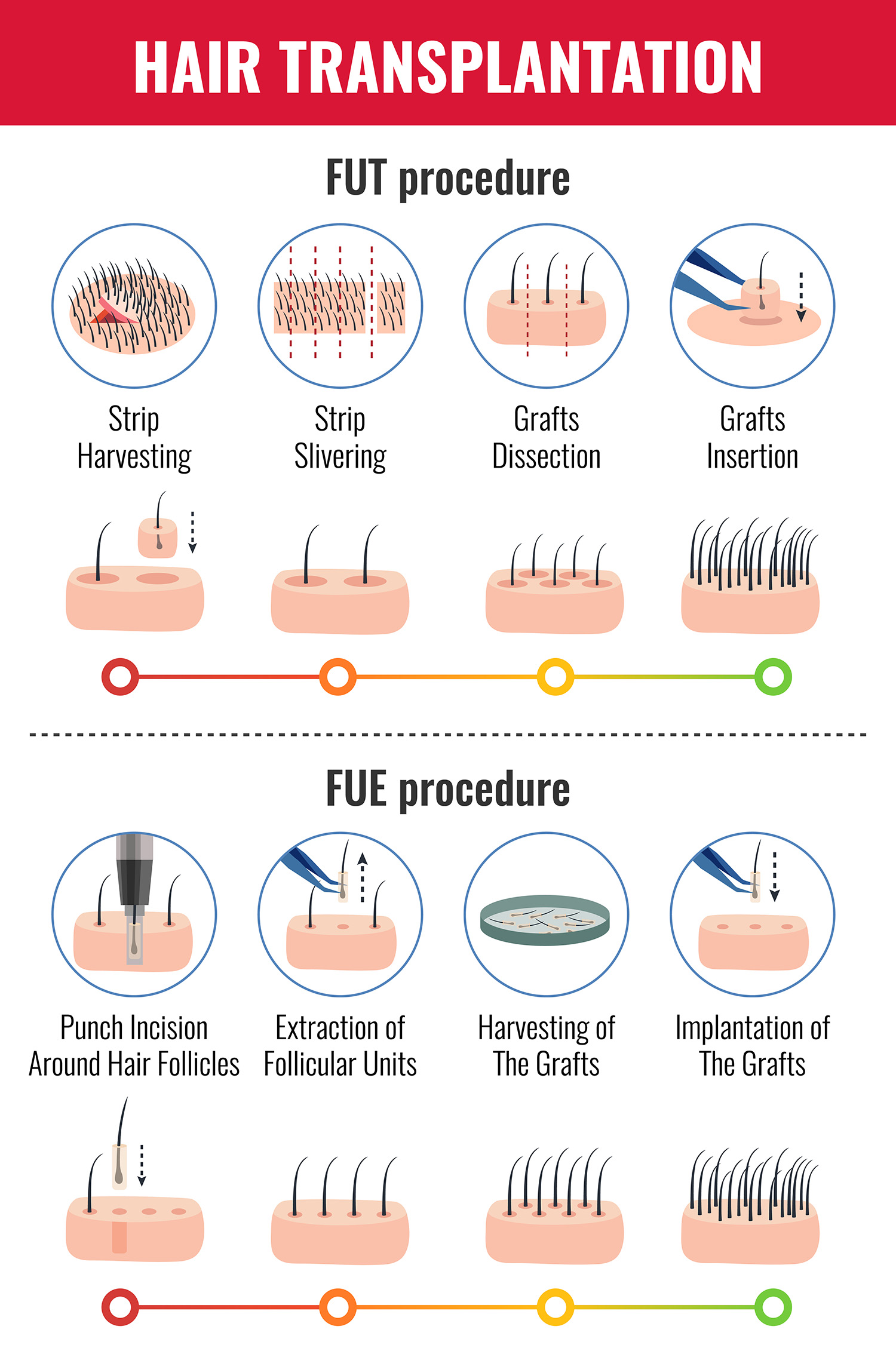
Methods of hair transplantation with stages of procedure infographics on white background vector illustration
The FUE procedure involves several steps, including donor area preparation, follicle extraction, recipient site creation, and follicle implantation.
First, the donor area (usually the back and sides of the head) is prepared by trimming the hair to a short length. Local anesthesia is administered to the donor area, and hair grafts are carefully extracted using small punches.
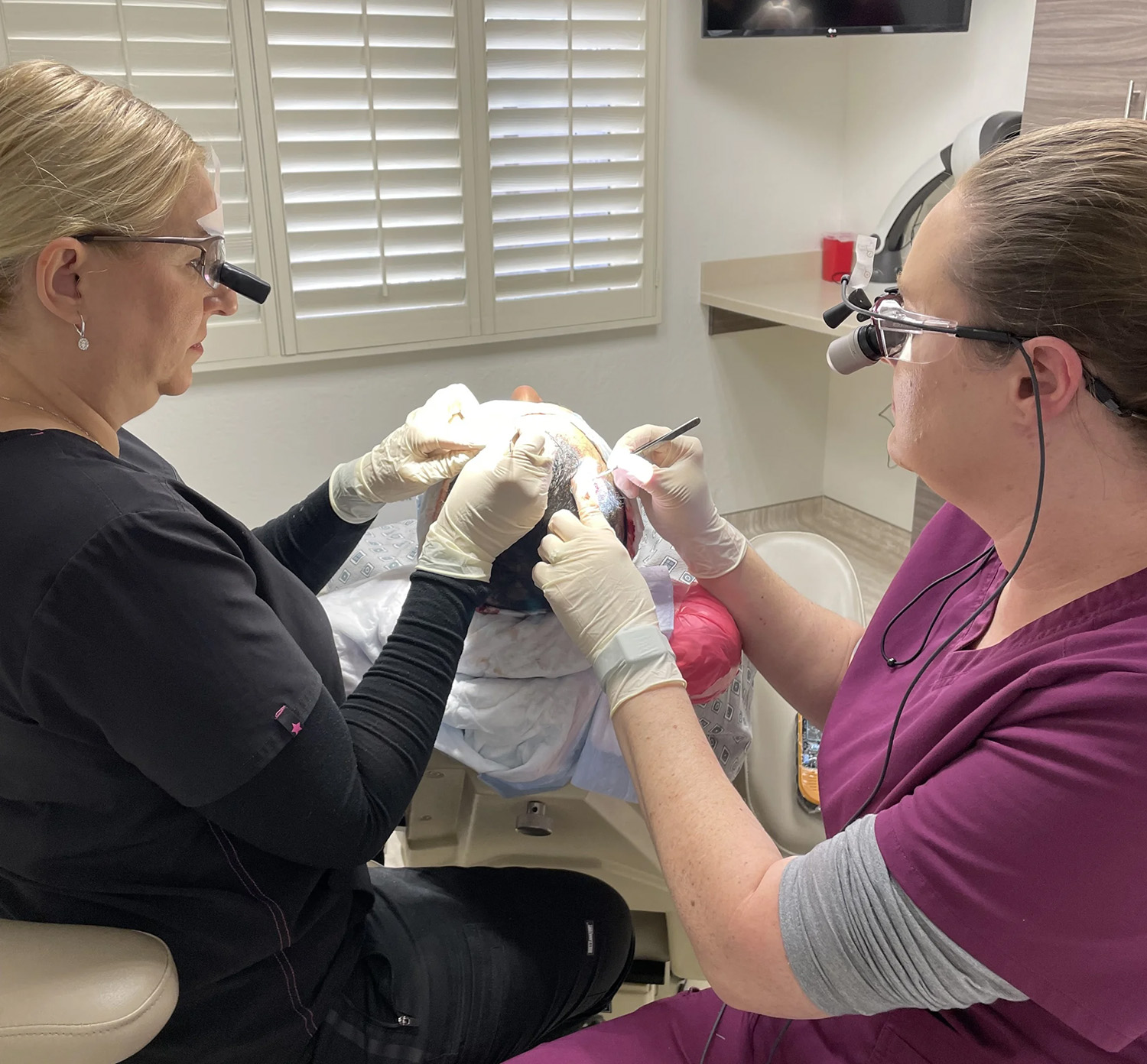
The extracted grafts are then preserved in a saline solution until they are ready for implantation. The recipient site is created by making small incisions at the appropriate angle and orientation. This is the sight making part of the surgery. Next the hair follicles are carefully implanted. Dr Kelemen uses a special device that allows her to dial in the right size to match the patients’ natural hair separation.
The final outcome of the hair transplant may take up to 12 months to become apparent, as the hair follicles go through a growth cycle of resting, shedding, and regrowth.
Adherence to the surgeon’s aftercare instructions and maintenance of a healthy lifestyle are key to achieving the best possible outcomes from the procedure.
Long-term Hair Growth and Maintenance
Long-term hair growth and maintenance after an FUE hair transplant depend on factors such as post-operative care, hair growth cycles, and the patient’s overall health. Appropriate post-operative care, which includes following the surgeon’s aftercare instructions and avoiding scalp-traumatizing activities, is vital for the success of the hair transplant.
In addition, gaining insight into the hair growth cycles and their influence on long-term hair growth is key to preserving the results of the procedure.
Lastly, the patient’s overall health plays a significant role in long-term hair growth and maintenance, as certain medical conditions, such as diabetes, can impede the healing process and the success of the hair transplant.
Hair 4 Life in Scottsdale, Arizona, offers ALL advanced FUE techniques currently available, and personalized care from experienced professionals (Dr. Kelemen has 23 years of experience in the field of hair transplant). With a 5.0-star rating based on 54 reviews, the clinic has a proven track record of success in providing exceptional hair transplants.
In addition to ARTAS® Robotic Hair Restoration, Hair 4 Life also offers the FUE – WAW system and Ugraft, which provide efficient and precise hair follicle extraction. By choosing a reputable clinic like Hair 4 Life, patients can feel confident in their decision to undergo an FUE hair transplant.
Summary
In conclusion, FUE hair transplant is a groundbreaking hair restoration technique that offers a range of benefits, including minimal scarring, faster recovery time, and natural-looking results. With advanced methods such as ARTAS® Robotic Hair Restoration and the FUE – WAW SYSTEM, patients have more options than ever before to address their hair loss concerns. By carefully considering factors such as surgeon experience, donor area quality, patient candidacy, and clinic reputation, individuals can make an informed decision about their hair transplant journey and achieve the best possible outcome.
Frequently Asked Questions
Is FUE hair transplant permanent?
Hair transplants are a permanent solution to hair loss, offering results that will last a lifetime. A qualified surgeon will be able to move healthy hairs to areas with thinning hair. The results can be washed, cut and dyed just like your own natural hair.
What is the average cost of a FUE hair transplant?
The average cost of a FUE hair transplant ranges between $6,000 and $25,000. Price depends on the number of grafts needed, the experience of the surgeon, and the location of the surgery.
A multiple-session procedure may cost up to $50,000 or more.
What is the difference between FUE and traditional hair transplant?
FUE hair transplants involve the individual extraction of hair follicles before transplanting, while traditional hair transplants require the removal of a strip of scalp with the follicles attached.
This method of hair transplantation is becoming increasingly popular due to its minimally invasive nature and the fact that it leaves no visible scarring.
Is an FUE hair transplant painful?
Hair transplants are generally not painful, as local anaesthesia is administered using a very fine needle. Most patients report only slight discomfort when the numbing agent is applied and minimal to no pain during and after the procedure.
Disclaimer! Pain tolerance may vary from person to person.
What is the recovery time for an FUE hair transplant?
The recovery time for an FUE hair transplant is typically a few days, allowing patients to return to their normal activities. At Hair 4 Life, Dr. Kelemen uses her own Post-Op which reduces the recovery time significantly.
Contact Hair 4 Life in Scottsdale
Dr. Kelemen integrates conventional and naturopathic medicine to provide the best of what both worlds have to offer. She creates a unique, compassionate, accepting environment for her patients. You only have to read the reviews to find out how she empowers her clients to look and feel their best. They leave the clinic with their heads held high!
To find out which procedure is best suited to your needs, you are invited to come into Hair4Life for a free consultation. Treatments are kept as affordable and accessible as possible so come in and talk to us.
https://hairforlifeaz.com/wp-content/uploads/2023/09/FUE-hair-transplant-Dr.-Kelemen-at-Hair-4-Life-2.jpg8891500Armour Cloud Adminhttps://hairforlifeaz.com/wp-content/uploads/2024/02/Hair-for-Life-Medical-Logo-web.pngArmour Cloud Admin2023-09-13 14:39:362026-01-21 19:09:36What is an FUE Hair Transplant? Exploring the Procedure, Cost, and More
Hair 4 Life is a renowned hair restoration clinic in Scottsdale, offering advanced techniques and personalized care for successful results.
Dr. Ramona Kelemen specializes in the newest hair transplant technologies and uses both surgical and non-surgical methods to replace lost hair and rejuvenate existing hair follicles.
Hair 4 Life offers expertise, experience, financing options & real-life results of their services through before & after galleries & patient testimonials.
Choosing the Right Hair Transplant Clinic
Selecting the appropriate hair restoration clinic is crucial for achieving successful results and regaining your confidence. Your hair restoration journey depends on the expertise and care provided by the clinic you choose. That’s where Hair 4 Life in Scottsdale comes in. Offering a combination of expertise, advanced techniques, and personalized care, Hair 4 Life is the premier choice for hair transplantation.
hair 4 Life is a renowned hair transplant clinic in Scottsdale, providing exceptional hair restoration services that promote new hair growth. Led by Dr. Kelemen, one of Scottsdale’s leading hair transplant surgeons, the clinic is known for providing a natural appearance to its patients. With cutting-edge technology at their fingertips, the team at Hair 4 Life is equipped to handle all your hair restoration needs.
Hair 4 Life Hair restoration clinic
Dr. Ramona Kelemen
Dr. Ramona Kelemen, the clinical director and founder of Hair 4 Life, is a board-certified general practice doctor with expertise in hair restoration and transplant procedures. With two doctorate degrees, M.D. (EU) and N.D., Dr. Kelemen has extensive experience in the field of skin, and a comprehensive knowledge of the most current techniques and technologies.
Dr. Kelemen is highly proficient in the newest hair transplant techniques, including FUE (Follicular Unit Extraction) and FUT (Follicular Unit Transplantation). She has a passion for treating hair loss in men and women with the latest surgical and non-surgical hair restoration techniques, Dr. Kelemen integrates the best of what conventional and naturopathic medicine have to offer to create a unique and personal experience for patients with optimal results.
Experience is essential for attaining a natural hairline design. The team at Hair 4 Life understands the importance of expertise and experience in providing the most effective hair restoration treatments. They offer a range of services, like ARTSA Robotic, WAW FUE, No Shave FUE, FUT Strip, Manual FUE, Beard and Eyebrow Transplants, and also non-surgical methods, which have been highly proven effective at stimulating natural hair for growth.
These treatments, at Hair 4 Life, are designed to be minimally invasive and provide natural-looking results for natural hair.
Advanced Techniques
Hair 4 Life employs advanced techniques such as FUE (Follicular Unit Extraction) and potentially other variations of FUE like Sapphire FUE and DHI (Direct Hair Implantation) to provide natural-looking results. FUE is a technique for harvesting hair for a hair restoration procedure wherein individual hair follicles are extracted one by one from the donor area.
Follicular Unit Transplant (FUT), another advanced technique used at Hair 4 Life, involves extracting a strip of scalp from the back of the head or body and transplanting individual hair follicles to areas requiring restoration. By utilizing these cutting-edge methods, Hair 4 Life ensures minimal scarring and optimal results for their patients.
Personalized Approach
Hair 4 Life’s personalized approach to hair restoration takes into account each patient’s specific hair loss pattern, hair type, and lifestyle to create a tailored treatment plan. This customized approach ensures that each patient receives the most effective outcome, leading to a more natural and long-lasting result.
By taking into account the individual needs of each patient, Hair 4 Life is able to provide hair for life.
Hair Restoration in Scottsdale, Arizona
Hair restoration in Scottsdale includes both surgical and non-surgical treatments to meet the diverse needs of patients experiencing hair loss. Dr. Kelemen, at Hair 4 Life, offers exceptional care and full service with a wide range of services, ensuring that every individual embarks on a successful hair restoration journey.
From hair, eyebrow, and beard transplants to non-surgical methods, Dr. Kelemen is committed to providing quality care.
Hair Transplant Surgery
Hair transplant surgery, also known as hair replacement surgery, is a popular and effective solution for hair loss, providing a permanent solution to male pattern baldness and female pattern baldness in women. Various techniques are available, such as Follicular Unit Extraction (FUE) and Follicular Unit Transplant (FUT), to suit the needs of each patient and ensure natural, long-lasting results.
At Hair 4 Life, the team’s expertise in hair transplant surgery ensures the highest quality outcomes for patients. By carefully selecting the appropriate technique for each individual, they can create or restore a natural-looking hairline and restore confidence in their appearance.
Dr. Kelemen at Hair 4 Life
Dr. Kelemen is a trusted hair transplant surgeon, known for her skill and attention to detail. At Hair 4 Life, she offers a range of services such as Scalp Micropigmentation (SMP), Alopecia Areata Treatments, Scalp Treatments, and Hair Transplant services.
Her expertise and experience in the field, along with her commitment to delivering exceptional results, make her a sought-after choice for hair restoration in Scottsdale.
Non-Surgical Treatments
For those seeking alternative hair loss solutions, Hair 4 Life also offers non-surgical treatments like Hormone Therapy, Regenera Activa, Injectables, Medication, and Laser Hair Therapy.
A hair transplant procedure involves several steps, including an initial consultation, preparation for surgery, and post-operative care, all provided by Hair 4 Life’s team of experts. Understanding the entire process not only helps patients make informed decisions but also ensures they are fully prepared for their hair restoration journey, which may include various hair restoration procedures.
At Hair 4 Life, our team of experts will guide you through the entire process, from the beginning to the end.
Initial Consultation
The initial consultation at Hair 4 Life is a crucial step in determining the best course of action for each patient’s own hair loss restoration journey. During the consultation, a hair restoration specialist will discuss the patient’s hair loss objectives and the most suitable treatment options for their individual requirements.
The specialist will also evaluate the patient’s scalp and hair quality to identify the optimal course of action.
Preparing for Surgery
Preparing for hair transplant surgery involves following specific guidelines provided by Hair 4 Life to ensure optimal results. Patients are advised to cease smoking at least 24 hours prior to the surgery and abstain from consuming alcohol for a few days before the procedure is performed.
Proper hair washing and adherence to any additional pre-operative instructions given by the surgeon are also necessary for a successful hair transplant.
Post-Operative Care
Post-operative care is crucial for a successful hair transplant, as it helps ensure proper healing and growth of the transplanted hair grafts. Hair 4 Life offers guidance and support throughout the healing process, including the administration of pain medications and instructions on how to care for the transplanted area.
Patients may also have pain and require antibiotics or anti-inflammatory medicines following the procedure performed.
Real-Life Results: Before and After Gallery
Hair 4 Life’s before and after gallery showcases real-life results of their hair restoration services, providing a visual representation of the natural-looking, long-lasting outcomes patients can expect. By viewing these transformations, potential patients can gain confidence in Hair 4 Life’s proven ability to deliver exceptional results and make an educated decision regarding their hair restoration journey.
Hair 4 Life’s before and after gallery is a powerful tool for potential patients.
Patient Testimonials
Patient testimonials provide valuable insight into the positive experiences and successful outcomes of Hair 4 Life’s hair restoration treatments. Patients have praised the clinic’s professional staff, expertise, and the natural-looking results they’ve achieved.
These testimonials serve as further evidence of Hair 4 Life’s commitment to excellence and the satisfaction of their patients.
The Role of Plastic Surgery in Hair Restoration
The role of plastic surgery in hair restoration is significant, as it involves hair restoration surgery, which includes hair replacement surgery and the surgical transfer of hair from one region of the scalp to another to fill in the bald areas or with thinning or baldness. Hair 4 Life’s team of experts, led by Dr. Kelemen, provides comprehensive care and expertise in hair transplantation, ensuring that each patient receives the highest quality outcomes and a natural-looking hairline.
The team is dedicated to providing the best possible care and results for each patient, and they are committed to providing the best possible care and results for each patient.
Financing Your Hair Restoration Journey
Hair 4 Life understands that a hair restoration surgery can be a significant investment, which is why they offer a variety of financing options to make the process more accessible for all patients. With options such as CareCredit, Prosper Healthcare Lending, and United Medical Credit, patients can find a financing solution that suits their budget and allows them to embark on their hair restoration journey with confidence.
No matter the financial situation, Hair 4 Life is committed to helping patients achieve their hair restoration.
In conclusion, finding the best hair transplant clinic in Scottsdale is crucial for achieving successful, natural-looking results. Hair 4 Life offers a combination of expertise, advanced techniques, and personalized care, ensuring each patient embarks on a successful hair restoration journey. Explore their range of services, view real-life results, and read patient testimonials to make an informed decision about your hair restoration journey. Contact Hair 4 Life to schedule a consultation and take the first step toward a more confident, youthful appearance.
Frequently Asked Questions
What is the average cost of a hair transplant?
On average, a hair transplant costs between $7,000 and $10,000, though some cases may range from $8,000 to $25,000 depending on the number of hair grafts are needed.
How much does a 2000 hair follicle transplant cost?
The average cost of a 2000 graft hair transplant in the US is around $10,000, depending on various factors such as the clinic location, surgeon experience and type of method used.
These factors can affect the cost significantly, so it is important to do your research and find the best option for you.
It is also important to consider the long-term costs associated with hair transplants, such as the cost of follow-up treatments.
How much does 1000 grafts hair transplant cost?
On average, 1000 grafts for a hair transplant will cost between $1500-$2500. However, this amount can go up exponentially depending on the amount of follicles being transplanted; prices could range from $1500 to over $50000.
What factors should I consider when choosing a hair transplant clinic?
When choosing a hair transplant clinic, make sure to consider the clinic’s reputation and the experience of the surgeons, as well as any advanced techniques they offer and their personalized approach.
Look for a clinic that has a good track record and a team of experienced surgeons who are up-to-date on the latest techniques. Ask about their approach to hair transplantation and how they customize the procedure to meet your individual needs.
What advanced techniques are employed at Hair 4 Life?
Hair 4 Life offers advanced techniques such as FUE (Follicular Unit Extraction), FUT (Follicular Unit Transplantation) and potentially other variations like Sapphire FUE and DHI (Direct Hair Implantation) to provide its customers with the best results.
These techniques are designed to give women the most natural looking results with minimal scarring, discomfort and downtime. They are also designed to be minimally invasive and provide the best possible outcome for the patient.
Contact Hair 4 Life in Scottsdale
Dr. Kelemen integrates conventional and naturopathic medicine to provide the best of what both worlds have to offer. She creates a unique, compassionate, accepting environment for her patients. You only have to read the reviews to find out how she empowers her clients to look and feel their best. They leave the clinic with their heads held high!
To find out which procedure is best suited to your needs, you are invited to come into Hair4Life for a free consultation. Treatments are kept as affordable and accessible as possible so come in and talk to us.
https://hairforlifeaz.com/wp-content/uploads/2023/08/Best-Hair-Transplant-Clinic-in-Scottsdale.jpg6671000Armour Cloud Adminhttps://hairforlifeaz.com/wp-content/uploads/2024/02/Hair-for-Life-Medical-Logo-web.pngArmour Cloud Admin2023-08-08 11:04:182026-02-09 11:14:58Find the Best Hair Transplant Clinic in Scottsdale
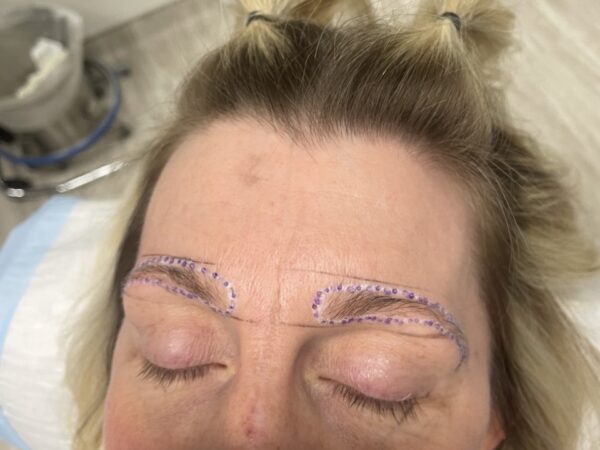
Eyebrow hair transplants are a popular cosmetic procedure that can help people achieve fuller, more defined brows. The procedure involves taking hair from another part of the body, such as the scalp, and transplanting it to the brow area.
Eyebrow hair transplants can be an ideal solution for people who have thinning brows due to aging, alopecia, or other reasons. The procedure can also be used to correct eyebrow hair loss that occurs as a result of an accident or surgery.
If you are interested in eyebrow hair transplants, the first step is to consult with a hair loss specialist or doctor who performs the procedure. They will be able to assess your candidacy for the procedure and answer any questions you may have.
Eyebrow hair transplants are becoming increasingly popular for a number of reasons. For starters, the procedure can have a very natural-looking result. Unlike other treatments, such as eyebrow tattooing, eyebrow hair transplants don’t look “fake” and they don’t involve any chemicals or dyes.
The procedure can also be a more cost-effective option than other treatments. Generally, eyebrow hair transplants are a one-time investment as opposed to treatments like eyebrow tattoos which have to be touched up every few years.
Finally, eyebrow hair transplants can provide a more permanent solution for people who are struggling with thinning brows. The new hair that grows is permanent, so you don’t have to worry about having to redo the procedure.
Say goodbye to temporary solutions!
What to expect during the procedure
The eyebrow hair transplant procedure is relatively simple and straightforward. Many people liken it to a regular hair transplantation procedure for the scalp.
First, Dr. Kelemen carefully prepares the donor site by removing narrow strips of unnecessary, non-essential hair from the posterior region of the scalp. The reason this is done is because the hairs from this region of the scalp tend to stay in the same place and will not migrate over time.
Once the donor site has been prepared, Dr. Kelemen will usespecial tools to begin the harvesting process. During the process, the hair follicles are carefully extracted and placed in a sterile solution. Once all of the hair follicles have been extracted, Dr. Kelemen will use a very small needle to inject them into the recipient site where you want your eyebrow hair to grow. This part of the procedure can take a few hours, depending on the number of hairs that are being transplanted. After the procedure is finished, the patient may need to return for three or four follow-up visits to check progress and The benefits of eyebrow hair transplants
Eyebrow hair transplant is an outpatient procedure and can provide some amazing results. Here are a few of the main benefits of an eyebrow hair transplant:
– Natural-Looking Results – Eyebrow hair transplants are designed to provide natural looking results, so you will look and feel like yourself.
– Long-Lasting Results – The results of the eyebrow hair transplant can last for up to 10 years or more.
– Non-Invasive Treatment – The procedure is minimally invasive and can be completed without making any incisions.
– Cost-Effective – The eyebrow hair transplant procedures are cost-effective and generally quite affordable.
Are there any risks involved?
The risks associated with eyebrow hair transplants are minimal because it is a non-invasive procedure. There is a chance of slight swelling and discomfort at the donor and recipient sites, but the risk is low.
In some cases, patients may experience a small area of decreased sensation or numbness near the recipient sites. This should diminish within a few weeks after the procedure. It is also possible for the transplanted follicles to fail to thrive or be rejected by the body, but this is also rare.
Overall, the eyebrow hair transplant procedure is considered very safe. With the right procedure and a good doctor with a lot of experience, you should be able to have a successful procedure with minimal risks involved.
So, what is the bottom line?
The bottom line is that eyebrow hair transplants are an effective, safe way to restore volume and shape to thinning hair. This can have a big impact on a person’s self-confidence and overall appearance.
In some cases, eyebrow hair transplants can help to fill in bald patches or even replace lost eyebrows completely. However, it is important to choose a qualified, experienced doctor like Dr. Kelemen with a good track record for performing the procedure and specializing in only hair transplant. Dr. Kelemen has 22 years’ experience in the field of hair transplant and is among a handful of physicians that can perform a surgery alone!
It is also important to be aware of the risks associated with eyebrow hair transplants before making the decision to undergo the procedure. It is always best to do as much research as possible before proceeding with any medical procedures.
At you can rest assure that you will be treated like family and your hair transplant will be done correctly!
https://hairforlifeaz.com/wp-content/uploads/2023/04/eyebrow1-600x450-1.jpg450600Brian Bemohttps://hairforlifeaz.com/wp-content/uploads/2024/02/Hair-for-Life-Medical-Logo-web.pngBrian Bemo2023-04-13 14:18:172025-07-01 15:03:19Everything You Need To Know About Eyebrow Hair Transplants
Hair transplant is a surgical procedure that involves removing hair from areas with thick hair, such as the hair on the back and sides of the head, and transplanting it to areas with thinning or balding hair. The procedure is usually done on adults; however, post-operation care is necessary to ensure the success of the procedure. This article discusses the best practices for post-operation care following a hair transplant.
Cleanliness and Hygiene
One of the most important things to consider after a hair transplant is keeping the scalp clean and hygienic. The first washing of the newly transplanted hair will be done the next day after the operation by the attending medical staff. After that, the patient is instructed to keep the scalp clean with gentle washing of the hair and scalp. Using mild shampoo and lukewarm water is essential to avoid irritating the scalp. Avoiding strenuous activity and exposure to direct sunlight is also essential to avoid sweating.
Avoiding Practices That May Damage the Grafts
After the hair transplant, it is important to take care of the newly transplanted grafts by avoiding practices that may damage them. The patient should avoid rubbing, scratching, or picking the transplanted area. It is also necessary to avoid any kind of strenuous activity, such as intense exercise or physical labor, that may cause sweat and friction, causing the grafts to dislodge. Apart from sweating, the patient should avoid exposure to direct sunlight, as it may harm the grafts.
Sleeping Position
A patient should also consider their sleeping position after a hair transplant. Sleeping on the back or side is recommended, and a soft pillow should be used to avoid friction against the scalp when sleeping for the first few days post-operation. It is also recommended to elevate the head slightly when sleeping which can help reduce swelling.
Nutrition
The healing process of tissues is dependent on the quality of nutrients supplied to the body. After a hair transplant, it is essential to consume a healthy diet and stay hydrated. Some of the important vitamins and minerals essential for the growth and maintenance of the hair follicles include biotin, vitamin C, protein, and iron. Foods like nuts, eggs, dairy products, green leafy vegetables and lean meats should be included in the diet to ensure the quality of nutrients taken in.
Taking Medications and Supplements
Medications are often prescribed by the attending medical staff to help minimize the risk of infection and promote healing following a hair transplant operation. Painkillers and antibiotics can be prescribed to the patient to help reduce pain and prevent infections. However, it is important to make sure the patient is following the correct medication schedule and dosages, as well as avoiding any medication that may harm the newly transplanted hair.
TAKE AWAY
Post-operation care after a hair transplant is crucial for the success of the procedure. Maintaining cleanliness and hygiene, avoiding practices that may damage the grafts, paying attention to sleeping position, adopting a healthy diet and taking prescribed medications and supplements can help ensure the best outcomes. By adhering to these best practices, patient can optimize the results of their hair transplant, ensuring that the newly transplanted hair has the best chance of growing healthily and naturally.
Hair Transplant Clinic in Scottsdale
Dr. Kelemen integrates conventional and naturopathic medicine to provide the best of what both worlds have to offer. She creates a unique, compassionate, accepting environment for her patients. You only have to read the reviews to find out how she empowers her clients to look and feel their best. They leave the clinic with their heads held high!
To find out which procedure is best suited to your needs, you are invited to come into Hair4Life for a free consultation. Treatments are kept as affordable and accessible as possible so come in and talk to us.
https://hairforlifeaz.com/wp-content/uploads/2023/04/adult-male-brushing-his-hair.jpg10001500Brian Bemohttps://hairforlifeaz.com/wp-content/uploads/2024/02/Hair-for-Life-Medical-Logo-web.pngBrian Bemo2023-04-11 10:16:252026-01-21 19:09:35Hair transplant Post OP hair care




 Hair 4 Life Medical