
Tag Archive for: Manual FUE procedure

A Grand Meeting of Minds: Dr. Kelemen and LA Hair Restoration Converge in Uzbekistan
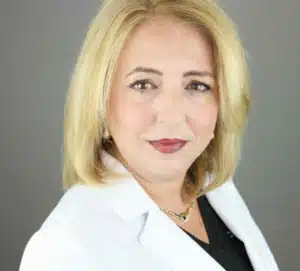
 
Dr Ramona Kelemen

Dr Kelemen the founder of Hair 4 Life Medical

In today’s world, where medical expertise and technology cross oceans and continents as swiftly as ideas once traveled along the Silk Road, it’s fitting that two respected names in hair restoration—Dr. Ramona Kelemen of Hair 4 Life Medical and the Los Angeles Hair Restoration Courses (LAHRC)—will soon convene in Uzbekistan. This meeting, set against the dignified backdrop of Tashkent, marks more than an event: it’s a bridge between tradition and innovation, East and West, experience and the promise of what’s next.

If you’ve been paying attention, you know that Dr. Kelemen, based in Scottsdale, Arizona, has spent over two decades perfecting the craft and care of hair restoration. Meanwhile, LAHRC has become a renowned forum for professionals eager to learn the most effective and artful techniques. In September 2025, they will come together in Tashkent, forging a moment both practical and symbolic—a gathering steeped in time-honored expertise, looking straight toward the future.

Let’s lay it all out: who’s involved, why it matters, and what it means for the hair restoration world.


1. Through the Ages: Hair Restoration from Tradition to Tomorrow

Hair restoration may feel modern today, but it rests on ancient principles: the belief that one who loses hair still deserves dignity, beauty, and a sense of identity. Historically, techniques were rudimentary; today, they’re surgical—and they’re exacting. Techniques like FUE (Follicular Unit Extraction) and FUT (Follicular Unit Transplantation) have advanced from strip methods to minimally invasive precision.

Yet even with machinery and robotics, success still depends on the hands and judgment of surgeons who understand anatomy, aesthetics, and patient expectations. That historic blend—respecting the past, mastering the present, and preparing for tomorrow—is what this gathering embodies.

This is no fluff. It’s rooted in craftsmanship.


2. Introducing Dr. Ramona Kelemen: A Physician Who Does It All

A Dual-Doctorate Foundation

Dr. Kelemen entered medicine with earnest ambition—and earned two doctorate degrees. She was awarded her M.D. (EU) from Vasile Goldis University in 2001 and later earned an N.D. (naturopathic doctorate) in the United States. Not content to stop there, she also became board-certified by the American Board of Anti-Aging Health Practitioners and trained as a trichologist—all markers of a physician grounded in both evidence-based practice and holistic care. From the beginning of her journey, she has stood in that rare intersection of scientific rigor and compassionate, patient-centered methodology Hair 4 Life Medical – Hair TransplantHair 4 Life Medical – Hair TransplantA4M.

Mastery Through Solo Precision

Far too many surgeons outsource parts of the procedure. Dr. Kelemen does not. She performs every phase of the transplant herself, from marking to graft extraction and placement. That level of control is textbook tradition married to modern excellence. It’s why her results carry the subtlety and quality that define the best work in the field Hair 4 Life Medical – Hair Transplant.

The Full Spectrum of Care

At Hair 4 Life Medical, every technique is offered: FUT, robotic and manual FUE, No-Shave FUE, Long‑Hair FUE, BHT (Body‑Hair Transplant), eyebrow, beard, and scar revision, plus Regenera Activa, platelet injection, hormone therapy, SMP, and more—all with ethical consultation and financing options. Nothing is ruled out. The patient, not the procedure, comes first Hair 4 Life Medical – Hair TransplantHair 4 Life Medical – Hair TransplantHair 4 Life Medical – Hair Transplant.

This is rare. It’s the kind of approach the past demanded—and the future needs.


3. LA Hair Restoration Courses 2025: A Forum for Learning and Mastery

A Tradition of Teaching

The Los Angeles Hair Restoration Courses (LAHRC) have earned a reputation as an international hub where clinicians gather to refine their skills through hands-on workshops, live surgery observation, and expert lectures. For professionals seeking to deepen their technique, LAHRC provides both technical precision and a sense of community rooted in shared expertise losangeleshairrestorationcourses.cominstagram.com.

Heading to Tashkent: First Time Ever

In a bold move, LAHRC is taking the exchange global. The 2025 edition will be held from September 5–8, 2025, in Tashkent, Uzbekistan—a city where the Silk Road’s legacy still hums through architecture, bazaars, and scholarly exchange losangeleshairrestorationcourses.comfacebook.com.

A Historical Setting for a Medical Gathering

Tashkent offers more than meeting rooms. Delegates will wake to the majesty of Amir Timur Square, wander Chorsu Bazaar, and reflect inside the Khast Imam Complex or the Japanese Garden—settings as steeped in history as the learning itself. It’s the kind of place where tradition is no mere backdrop, but a living guide losangeleshairrestorationcourses.com.


4. A Physician Called to Teach: Dr. Kelemen Steps Onto the Stage

Speaking with Clarity and Precision

Recent communications from LAHRC confirm that Dr. Ramona Kelemen will join the 2025 faculty as a speaker on Day 1, sharing her expertise on estimating graft requirements with hair-only techniques. Imagine: the only surgeon in the United States to perform solo procedures training international peers, in the heart of Central Asia instagram.com.

That’s tradition and excellence meeting outreach.

More Than a Guest: A Guide

Dr. Kelemen is more than a visiting lecturer. She embodies a professional ethos headed from the past into the future:

  • Transparency over marketing

  • Patient-centered strategy over one-size-fits-all

  • Technique plus wisdom

  • Global responsibility

In Tashkent, she won’t just speak—she’ll lead by example.


5. Why Uzbekistan—and Why Now? The Rise of Central Asian Medical Tourism

Emerging Regional Hub

Countries like Turkey, India, and China often dominate conversations about hair transplant medical tourism. Yet Uzbekistan is quietly becoming a player in its own right, with clinics in Fergana and Tashkent offering advanced treatments like FUE and FUT at competitive rates tsilosaniclinic.comtsilosaniclinic.complacidway.com.

For Dr. Kelemen and LAHRC, this geographic shift isn’t accidental—it reflects a broader principle: knowledge should go where it’s needed, not only where it’s convenient.

Blending Heritage and Innovation

Uzbekistan stands at the crossroads of tradition and modernity. Tashkent is not just its political capital, but a historic gathering place of ideas, people, and paths—an appropriate setting for bridging continents and methodologies losangeleshairrestorationcourses.com.


6. What’s On the Agenda: What Attendees Will Gain in Tashkent

While full details await the official program release, some clear outcomes can be anticipated:

1. Advanced Technique Lectures

Dr. Kelemen’s sessions—grounded in her skill at estimating graft needs and performing solo procedures—will offer real-world clarity. Expect practical guidance on sculpting donor areas, maximizing viability, and matching patient vision.

2. Demonstration of Strategic Procedure Planning

Her holistic method—selecting between FUT, FUE, BHT, long-hair, or revisions based on individual anatomy and goals—sets a benchmark for custom care.

3. Hands-On Courses and Live Surgery Observation

LAHRC’s strength has always been its practical labs. With Dr. Kelemen present, trainees will benefit from in-situ example of solo work, natural hairline design, and ethical patient dialogue.

4. Exchange Between Cultures and Schools

Uzbek practitioners will share their regional techniques; visiting attendees will bring insights from Europe, North America, and beyond. This kind of cross-pollination fosters innovation rooted in respect.

5. Framework for Growing New Centers

More than techniques, attendees gain organizational know-how: how to build a clinic that centers honesty, excellence, and lifelong patient relationships—the principles Dr. Kelemen lives by.


7. Anchoring in Tradition, Charting the Future

This collaboration embodies a timeless truth: medical knowledge advances when practitioners teach, patients learn, and communities share. It’s how craft evolved through guild and apprentice, how surgery advanced through lectures and journals, and how trust is built through personal integrity.

Dr. Kelemen’s approach—with no inflated promises, no shortcuts, and no corners cut—is exactly what a field should hold dear. Pair that with LAHRC’s global outreach, and you have a recipe for the kind of progress we respect: steady, validated, and patient-first.


8. Practical Details That Matter

📍 Venue & Dates

🏨 Lodging

The International Hotel Tashkent, a five-star venue located near city center landmarks, is serving as the official hotel of the congress losangeleshairrestorationcourses.com.

👥 For Whom

  • Surgeons and technicians in clinical practice

  • Clinic directors seeking to expand offerings

  • Hands-on trainees across Central Asia and beyond

🌐 Registration & Accessibility

Registration details are published by LAHRC on their official platform. Traveling participants should plan ahead for visas, local logistics, and cultural preparation.


10. If You’ll Let Me Tell It Like It Is

You didn’t build your practice by glossing over the facts. You value honesty. So here’s the unvarnished truth:

  • Training under top leaders costs nothing—but what pays dividends is time well spent in knowledge.
    Learning from Dr. Kelemen and peers at LAHRC 2025 will be worth more than any quick fix.

  • Uzbekistan might not be your first guess—but exactly for that reason, there’s room to be part of something fresh and historic.

  • Don’t expect flash; expect rigor. That’s what Dr. Kelemen brings. That’s what LAHRC stands for.

  • Results matter. And results come from education, consistency, and deeply rooted patient-first ethics.


11. Beyond the Event: What Comes Next

This meeting is not a one-time handshake. It lays groundwork:

  • Long-term follow-up with new clinics in Central Asia: Perhaps local partnerships will form, training programs will sprout.

  • Cross-continental communities of practice: Maybe a surgeon from Tashkent later brings Dr. Kelemen to consult, or vice versa.

  • Elevated expectations of patient care: As more physicians expose themselves to rigorous standards, quality raises—everywhere.

  • More international gatherings: If Tashkent shows what’s possible, it won’t be the last.


12. An Invitation to the Right Kind of Progress

If any of this resonates—whether you’re a fellow physician, a prospective attendee, or a clinic leader—take it as an invitation:

  • Register for LAHRC: Watch for announcements and get in early.

  • Connect with Hair 4 Life Medical: Learn more about Dr. Kelemen’s methods and philosophy.

  • Visit Uzbekistan: Prepare for a learning experience that blends history, hands-on training, and human exchange.

  • Share this story: Spread word of this collaboration. Good news travels well.


13. In the End: Why This Matters

This coming together of skill—from Scottsdale to Los Angeles to Tashkent—is more than a line on the calendar. It’s a reaffirmation that some professions—especially medicine—work best when tradition is honored, excellence is upheld, and knowledge is freely shared.

If your heart still beats with the belief that individual care, patient dignity, and surgeon competence must remain at the core of hair restoration, then this event, this collaboration, is for you. It’s a gathering of like-minded professionals who say: “We won’t sugar‑coat it, but we will raise the bar.”

Let me know if you’d like this reworked as an announcement, press release, attendee guide, interview Q&A, or post-event summary. Or if you’d prefer it condensed for a clinic newsletter. I’m ready—with honesty and respect for tradition—to help tell the story the way it ought to be told.

Hair loss can be frustrating, demoralizing, and isolating. But it doesn’t have to be permanent—and you don’t have to settle for temporary fixes or technician-run clinics.

Hair transplantation offers a lifetime solution with natural results, minimal downtime, and restored self-confidence.

With Dr. Ramona Kelemen, you receive advanced medical care grounded in tradition, refined by experience, and focused entirely on your individual hair journey. Book Your Consultation
Interested in learning more? Contact Us or call Hair 4 Life at (480) 525-4547 to schedule an appointment.

References

FUE Hair Transplant: What to Expect, Cost, Pictures, and More FUE Hair Transplant: Benefits, Process & Recovery Follicular Unit Extraction Hair Transplant – PMC https://www.losangeleshairrestorationcourses.com/etn/lahrc-uzbekistan-virtual-access/ https://www.losangeleshairrestorationcourses.com/          

The Truth About Hair Transplants in Arizona


Dr Ramona Kelemen

Dr Kelemen the founder of Hair 4 Life Medical

Cutting Through the Hype

Hair loss affects millions, and Arizona is home to dozens of clinics promising miracle results. But behind the marketing lies a critical truth: most procedures are not performed by the surgeon. This guide reveals how to find ethical, physician-led care, and why Dr. Ramona Kelemen is the only U.S. surgeon offering regular SOLO hair transplants.

When a doctor performs a “solo hair transplant,” it means that the doctor personally carries out every single step of the hair transplant procedure without delegating any part of it to technicians or assistants.

This is a significant distinction in the hair transplant industry, as many clinics, especially larger ones, utilize a team approach where technicians may be involved in various stages, such as extracting grafts or implanting them.

Here’s a breakdown of what a solo hair transplant typically entails and its implications:

What a Solo Hair Transplant Doctor Does:

  • Initial Consultation and Hairline Design: The doctor conducts a thorough assessment of your hair loss, discusses your goals, and personally designs your hairline.
  • Graft Extraction: Whether using Follicular Unit Extraction (FUE) or Follicular Unit Transplantation (FUT), the doctor individually extracts all the hair follicles (grafts) from the donor area.
  • Recipient Site Creation: The doctor creates all the tiny incisions in the recipient (balding) area where the grafts will be placed. This step is crucial for the natural appearance of the transplanted hair, as it dictates the angle, direction, and density of growth.
  • Graft Implantation: The doctor personally implants each and every graft into the recipient sites.

Why Solo Hair Transplants are Rare:

  • Time Commitment: Performing every step oneself is a time-intensive process, meaning solo doctors typically handle only one patient per day.
  • Stamina and Skill: It requires immense stamina, technical skill, and a high level of precision from the doctor.
  • Personal Commitment: It demonstrates a strong commitment to excellence over volume, as the doctor prioritizes quality and individualized attention.

Benefits of a Solo Hair Transplant:

  • Highest Level of Doctor Involvement: You receive direct, hands-on care from the experienced doctor throughout the entire procedure.
  • Consistent Technique and Quality: Since one person is performing all steps, there’s less chance of inconsistencies in graft handling, angulation, and density that can occur with multiple technicians. This can lead to better graft survival rates and more natural-looking results.
  • Reduced Risk of Error: Minimizes the potential for errors that can arise from handoffs between different individuals or from less experienced technicians.
  • Personalized Attention: Patients often feel more informed and supported with direct access to their surgeon for questions and concerns.
  • Ideal for Complex Cases: Solo surgeons are often sought out for repair cases (fixing failed transplants from other clinics) or for more intricate procedures like Long Hair FUE or body hair transplantation.

Potential Considerations (but things to be aware of):

  • Cost: Due to the personalized and time-intensive nature, solo hair transplants can sometimes be more expensive than procedures in high-volume clinics.
  • Availability: Solo surgeons are a “rare breed,” so their availability might be more limited, and you may need to wait longer for an appointment.
  • Limited Volume: They typically perform fewer procedures overall compared to larger clinics, but this is often a trade-off for higher quality and individualized care.

In essence, a solo hair transplant emphasizes a highly personalized, doctor-centric approach to hair restoration, with the aim of achieving the most natural and optimal results through the continuous involvement of a single, skilled surgeon.

Section 1: Understanding Hair Transplant Techniques

FUT vs FUE

  • FUT: Strip method, leaves linear scar
  • FUE: Individual grafts, no linear scar, faster recovery

Advanced FUE Systems

System Features Benefits
WAW Hybrid punch Minimal trauma
Trivellini Multi-mode Customizable
Cole Precision High yield
SAFE Blunt Safer for beginners
UGraft Versatile Ideal for body hair

Long-Hair & Incognito FUE

  • Long-Hair FUE: No shaving, instant preview
  • Incognito FUE: Hidden donor zones

Section 2: Why SOLO Surgery Matters

Technician-Led Clinics: A Risk

ISHRS warns against clinics where techs perform extractions and implantations.

What Is SOLO Surgery?

Doctor performs every step — extraction, site creation, implantation.

Dr. Ramona Kelemen: The U.S. SOLO Pioneer

  • 100% hands-on
  • Advanced FUE systems
  • Long-Hair FUE, PDO threads, Regenera Activa
  • 45–60 min consultations personally conducted

Section 3: Choosing a Doctor in Arizona

Red Flags

  • “Scarless” claims
  • “World’s best” titles ie Best Clinic, Rated #1, Worlds Best etc
  • Sales-driven consults
  • Robotic-only procedures

What to Look For

Criteria Importance
SOLO Surgery Consistency
Advanced Tools Better results
ISHRS/ABHRS Ethics
Real Consults Personalization
Transparent Pricing Trust

Clinic Comparison

Clinic SOLO Tools ISHRS Ethics
Dr. Kelemen
Other Clinics None FUT and FUE – Limited Mostly ARTAS Robot
Dr Kelemen does not like to compare herself to no one! She believes her work speak for themselves. Hair transplant is HER passion and natural outcomes are what she does best!

Section 4: Innovations in Hair Restoration

Regenera Activa

Stimulates dormant follicles using micrografts.

PDO Threads

Improves scalp health, collagen stimulation.

Hyperbaric Oxygen Therapy

Accelerates healing, reduces inflammation.

Section 5: Cost Breakdown & Value

Factors Affecting Cost

  • Graft count
  • Technique
  • Surgeon involvement

Arizona Pricing

Method Avg. Cost
FUE $13K–$18K
FUT $8K–$12K
Long-Hair FUE $15K+
Why SOLO Costs More — and Delivers More
  • Higher graft survival
  • Personalized artistry
  • Long-term value

Section 6: Protecting Yourself as a Patient

ISHRS Alerts

  • Warns against technician-led clinics
  • Urges credential verification

How to Verify

  • Use
  • Ask who performs each step
  • Request real patient results

Consultation Questions

  • Will you perform the procedure yourself?
  • What tools do you use?
  • Can I see similar cases?

ARTAS Robot in Arizona

The ARTAS robotic system was initially heralded as a revolutionary advancement in hair transplantation, promising greater precision, consistency, and efficiency in Follicular Unit Extraction (FUE). However, over time, it has faced criticism and seen a decline in its perceived “edge” for several reasons, often leading to the concern that some doctors use it as a replacement for their skill rather than an extension of it.

Here’s a breakdown of why this perception exists:

Why ARTAS has “Lost its Edge” (or didn’t quite achieve it fully):

  • Limited Adaptability and Nuance:
    • Hair Characteristics: ARTAS struggles with certain hair types, particularly very curly, fine, or light-colored hair, as its vision system relies on contrast and consistent angles. Manual FUE allows a skilled surgeon to adapt to these variations.
    • Scalp Conditions: It’s less effective on scalps with significant laxity or fibrosis (scarring) from previous procedures.
    • Hairline Design: While ARTAS can assist with mapping, the artistic nuance of creating a natural-looking hairline, including temporal peaks and crown whorls, still heavily relies on the surgeon’s aesthetic judgment, which the robot cannot replicate.
    • Limited Harvesting Areas: Early versions were limited to the posterior scalp. While newer versions might have expanded capabilities, manual FUE offers complete flexibility to harvest from any suitable donor area (e.g., beard, body hair for repair cases).
  • Transection Rates (Graft Damage):
    • While robots aim for precision, some studies and anecdotal evidence suggest that ARTAS can have a higher transection rate (damage to the hair follicle during extraction) compared to a highly skilled manual FUE surgeon. This is because the robot uses a predetermined punch angle and depth, which may not always align perfectly with the natural angle and depth of the follicular units in every patient’s scalp. A human surgeon can feel the “give” of the scalp and adjust their technique in real-time.
    • One study found that “the total discard rate on the ARTAS side was higher than on the FUE side (10.71% vs. 5.46%, p < 0.05).
  • Cost and Accessibility:
    • The ARTAS machine itself is extremely expensive to purchase and maintain. This cost is often passed on to the patient, making robotic procedures generally more expensive than manual FUE.
    • Its high cost also limits its widespread adoption, making it less accessible in many regions.
  • Patient Comfort and Procedure Time:
    • Patients often have to be positioned in a rigid frame for extended periods, which can be uncomfortable.
    • While ARTAS can be fast for extraction, the overall procedure time can still be long, especially when factoring in setup, calibration, and the manual steps that still need to be performed by the surgeon (like implantation).
  • “Block-like” Harvesting: Some surgeons report that if not properly monitored and adjusted, ARTAS can create a “block-like” appearance in the donor area due to its systematic harvesting grid, as opposed to the more artistic and feathered approach a manual surgeon can achieve to maintain donor density and appearance.

ARTAS as a “Replacement” vs. “Extension”:

This is the core of the debate and the main concern among many experienced hair transplant surgeons.

  • Used as a Replacement (the concern):
    • Some clinics, particularly those with less experienced surgeons or a high volume model, may acquire an ARTAS robot and market it as a fully automated solution, implying that the robot does all the “hard work.
    • In these scenarios, the surgeon’s role might be reduced to primarily overseeing the machine, calibrating it, and then having technicians perform the critical implantation steps. This minimizes the surgeon’s direct involvement in the most critical, skill-dependent parts of the procedure: graft extraction with minimal damage and artistic site creation/implantation.
    • The danger here is that if the surgeon lacks the underlying manual FUE skills, they may rely too heavily on the robot’s pre-programmed actions, leading to suboptimal results if the robot encounters unexpected hair or scalp variations. It can also lead to a higher transection rate if the surgeon isn’t actively monitoring and adjusting.
    • Essentially, the robot becomes a crutch for a less skilled surgeon.
  • Used as an Extension (the ideal scenario):
    • In the hands of a highly skilled and experienced hair transplant surgeon, ARTAS can be an extension of their abilities.
    • An ideal scenario involves a surgeon who is proficient in manual FUE and understands the nuances of hair characteristics and scalp anatomy. They would use ARTAS for its strengths (e.g., consistent extraction speed for a portion of the grafts) but constantly monitor its performance, make real-time adjustments, and step in with manual techniques when the robot struggles.
    • Crucially, the surgeon would still perform the critical steps of hairline design, recipient site creation (which determines angle, density, and direction of growth), and meticulous graft implantation.
    • In this context, ARTAS aids the surgeon by potentially reducing fatigue or increasing efficiency for certain types of extractions, allowing the surgeon to focus their energy and artistry on the most critical aesthetic aspects.
    • The ARTAS robot, while a technological marvel, hasn’t fully delivered on the promise of universally superior results or complete automation. Its limitations, particularly in adaptability and the potential for higher transection rates in certain scenarios, have led many top surgeons to continue favoring manual or other automated FUE tools that offer greater control.

The perception that it’s used as a “replacement” stems from clinics that may over-rely on its automation without the necessary human oversight and surgical artistry, ultimately prioritizing machine-driven efficiency over the nuanced skill and judgment required for truly excellent and natural-looking hair transplant results.

Conclusion: Choose Skill Over Hype

Hair restoration is an art. In Arizona, Dr. Ramona Kelemen offers unmatched ethical care, SOLO surgery, and advanced techniques. She doesn’t buy her reputation — she earns it.

📍 Hair 4 Life Medical, Scottsdale 🔗 📞 (480) 500-7443


Interested in learning more? Contact Us or call Hair 4 Life at (480) 525-4547 to schedule an appointment.

References

https://www.venustreatments.com/en-us/artas.htm

https://www.trivellinitech.com/

https:/www.devroyeinstruments.com

https://www.coleinstruments.com/

Dense Packing: A True Skill or Marketing Gimmick in the Hair Transplant Industry?


Dr Ramona Kelemen

Dr Kelemen the founder of Hair 4 Life Medical


1. Introduction

Dense packing is one of the most debated topics in modern hair restoration. On the surface, the idea is appealing: achieve maximum hair density with fewer procedures. But beneath the surface lies a critical question—is dense packing truly a skill mastered by only a select few surgeons, or has it become a buzzword used to lure in patients?

In an age where marketing often eclipses medical substance, it’s more important than ever for patients to understand what they’re signing up for. In this blog, we examine the reality of dense packing and whether it’s a legitimate skill or a cleverly disguised gimmick.


2. What Is Dense Packing?

Dense packing refers to placing more follicular units per square centimeter (FU/cm²) than the industry norm. While traditional FUE or FUT procedures often aim for densities of 30–40 FU/cm², dense packing attempts to reach 50–70 FU/cm², and in some elite cases, even higher.

It’s marketed as a method to:

  • Achieve better visual density
  • Reduce the number of procedures
  • Mimic natural, youthful hairlines

But high density isn’t just about squeezing more grafts into a smaller area—it’s about doing so without damaging grafts, compromising blood supply, or increasing risk of failure.


3. The History and Evolution of Dense Packing

In the early days of hair transplantation—especially in the 1980s and 1990s—dense packing wasn’t even a discussion. The industry was focused on plug grafts and survival rates. As techniques evolved, and single follicular unit extraction became mainstream, surgeons began experimenting with higher densities.

Pioneers like Dr. Ron Shapiro and others in the early 2000s started demonstrating that higher density transplants could work—if done properly. Today, dense packing is commonly advertised, but not always executed to true medical standards.


4. The Science Behind Follicular Unit Density

The natural human scalp has anywhere from 60–100 FU/cm² in areas not affected by androgenetic alopecia. Most hair transplants aim to restore around 50–60% of that for a natural look.

Dense packing attempts to mimic natural density, but doing so successfully involves:

  • Maintaining graft survival rate >90%
  • Avoiding graft compression or “popping”
  • Preserving scalp blood supply
  • Using precise implanter tools or custom blades

If any of these variables are compromised, the risk of poor growth, graft necrosis, and scalp trauma increases exponentially.


5. Surgeon Skill vs. Marketing Hype

Here’s the uncomfortable truth: dense packing done right is extremely difficult.

Few surgeons have the technical prowess, steady hands, advanced tools, and surgical discipline to pull it off. But because “dense packing” sounds impressive to potential patients, many clinics claim to do it—even when their technique would never support the graft survival rates required.

Signs It’s a Real Skill:

  • Performed by the surgeon, not just techs
  • Custom blades for each patient’s scalp type
  • Grafts placed with <0.8mm incisions
  • Precise angling and spacing to preserve blood flow

Signs It’s Just a Gimmick:

  • Claimed without proof (no macro photos, no density maps)
  • Used in ads but not discussed in consultations
  • Promised regardless of scalp type or donor availability
  • Performed entirely by technicians

6. Tools, Techniques, and Limitations

Real dense packing requires advanced instruments and a surgeon who understands physiology.

Tools Used in True Dense Packing:

  • Custom-cut sapphire or steel blades
  • Lion or WAW implanters
  • High-magnification loupes or microscopes
  • Chilled graft preservation solutions

Techniques Include:

  • “Pre-made slit” technique for faster implantation
  • “Stick-and-place” with minimal tissue trauma
  • Graft sorting by thickness for refined density at the hairline

But even with perfect tools, you can’t overcome scalp vascular limits. Go too dense, and you choke off the blood supply, leading to poor yield or scarring.


7. Patient Candidacy: Who Is and Isn’t a Good Candidate

Not everyone should undergo dense packing. A responsible surgeon will reject or modify the plan based on:

Good Candidates:

  • Younger patients with strong donor supply
  • Fine hair patients needing hairline refinement
  • Those undergoing touch-ups or second sessions

Poor Candidates:

  • Patients with vascular disorders
  • Smokers (reduced blood supply)
  • Scarred or fibrotic recipient zones
  • Low donor density or thick coarse hair in frontal zone

One-size-fits-all dense packing offers are often a sign of poor surgical judgment.


8. Risks of Improper Dense Packing

When clinics overpromise on dense packing, the results can be devastating:

  • Graft necrosis
  • Scalp necrosis
  • Shock loss of native hair
  • Poor regrowth rates
  • Permanent cobblestoning or pitting

True dense packing requires respecting the limitations of the scalp—not pushing it to the brink.


9. Industry Misuse: Red Flags and Gimmicks

Sadly, many clinics use the term “dense packing” as a marketing buzzword to lure patients, especially those comparing costs.

Watch Out For:

  • Clinics offering “dense packing” at low prices
  • Promises of 80–100 FU/cm² without supporting evidence
  • Rushed consultations where density is guaranteed without scalp examination
  • “Before and after” photos heavily edited or with poor lighting

When dense packing is offered without a discussion of graft survival or vascular capacity, you’re being sold a dream.


10. Real-World Outcomes and Case Studies

Clinics and surgeons who genuinely perform dense packing typically have:

  • High-resolution macro photos of graft placement
  • Long-term results at 6, 12, and 18 months
  • Videos showing real-time surgical density maps
  • Testimonials from patients with comparable scalp types

For example, solo surgeons like Dr. Ramona Kelemen—who perform 100% of the procedure themselves—are more likely to deliver true dense packing because they oversee every graft from extraction to placement. This is rare and should be treated as such.


11. How to Identify a Surgeon Skilled in True Dense Packing

Here are criteria to determine if your surgeon is truly capable:

✅ Do they perform the graft placement themselves (or delegate to techs)?
✅ Can they show examples of 50+ FU/cm² with >90% regrowth?
✅ Do they tailor density based on your scalp, hair type, and vascularity?
✅ Are they willing to say “no” if you’re not a candidate?

If the answer to any of these is “no,” you’re probably dealing with marketing—not medicine.


12. Questions Patients Should Ask

  1. What density do you aim for in the frontal zone?
  2. Do you perform the dense packing yourself, or do technicians place the grafts?
  3. Can I see results of other patients with similar density and hair type?
  4. How do you preserve graft survival when packing densely?
  5. What tools and blade sizes do you use?
  6. What is the risk if my scalp can’t support the density I want?

A skilled surgeon welcomes these questions. A salesman avoids them.


13. Conclusion: Real Skill or Just a Sales Tactic?

Dense packing is not a gimmick—when done right. It’s a delicate, highly technical skill that only a minority of hair transplant surgeons master. But because it sounds impressive, many clinics abuse the term to sell procedures they’re not qualified to perform.

If you want dense packing, be prepared to:

  • Do your research
  • Ask the hard questions
  • Choose a surgeon who does the work themselves—not just “oversees” it

In an industry full of noise, real skill still matters. Dense packing, when performed with artistry and discipline, delivers unmatched results—but only in the hands of those who’ve earned the right to do it.


When Reputation Matches Results

Reputation isn’t built on advertising. It’s built on trust, consistency, and results that patients are proud to show the world. Dr. Kelemen’s position as Arizona’s most highly rated hair transplant doctor wasn’t bought—it was earned, one scalp at a time.

For those seeking:

  • Custom hair restoration
  • Advanced surgical tools
  • Compassionate, doctor-led care
  • Artistic and natural results

…there is only one obvious choice. Dr. Ramona Kelemen of Hair 4 Life Medical


Interested in learning more? Contact Us or call Hair 4 Life at (480) 525-4547 to schedule an appointment.

References

“Focal dense-packing” in hair transplantation | Hair Transplant Forum International

How Many Fu/cm2 for dense hairline? – Hair Restoration Questions and Answers – Hair Restoration Network – Forum For and By Hair Loss Patients

Hair transplantation with Dense Packing for women and men –

Dense Packing | SpringerLink

Why Dr. Kelemen Has the Highest-Rated Hair Transplant Practice in Arizona


Dr Ramona Kelemen

Dr Kelemen the founder of Hair 4 Life Medical


Introduction

In a field increasingly dominated by delegation and technician-driven procedures, one name stands apart: Dr. Ramona Kelemen, founder of Hair 4 Life Medical in Scottsdale, Arizona. She is the only doctor in the United States who performs true SOLO hair transplants—where the surgeon performs every single step of the procedure without the help of technicians.

If you’re researching hair transplants and you’ve heard terms like “technician placement,” “supervised surgery,” or “overseen by the doctor,” it’s time to understand what SOLO really means—and why it might be the gold standard you didn’t know you were missing.


What Is a SOLO Hair Transplant?

A SOLO hair transplant means the physician:

  • Designs the hairline
  • Extracts the grafts
  • Creates the recipient sites
  • Implants each and every graft personally
  • Does not delegate any part of the surgical process

There are no assistants, no technicians, and no outsourcing. The surgeon is solely responsible for every element—from start to finish.


Why SOLO Hair Transplants Are So Rare

Hair restoration has become big business. Many clinics perform multiple surgeries per day using teams of technicians who carry out most of the procedure. The doctor may design the hairline or perform some extractions, but graft placement is usually left to unlicensed technicians. Even in high-end clinics, this is often the reality.

True SOLO surgery requires:

  • Time (only 1 patient per day)
  • Stamina and technical skill
  • Personal commitment from the physician
  • A dedication to excellence over volume

Very few doctors are willing—or able—to meet that standard.


Meet Dr. Ramona Kelemen: The Only True SOLO Hair Transplant Surgeon in America

Dr. Ramona Kelemen is a board-certified hair transplant physician and trichologist who founded Hair 4 Life Medical to offer a different kind of experience. She is the only U.S. physician who publicly states and proves that she:

  • Extracts all grafts herself
  • Creates all recipient sites herself
  • Places all grafts herself
  • Performs Long Hair FUE, No-Shave FUE, Beard-to-Scalp FUE, and Body Hair Transplantation—solo on a regular basis

What Sets Dr. Kelemen Apart?

  • SOLO Hair Transplant up to 1500 grafts and beyond
  • ✅ Uses ARTAS, WAW, UGraft, Cole, and Manual FUE—the most diverse toolset in the country
  • ✅ The only provider of Long Hair FUE in Arizona
  • ✅ Offers Regenera Activa, a regenerative therapy rarely found in the U.S.
  • ✅ Handles repair cases, often fixing failed transplants from other clinics
  • ✅ Maintains the highest 5-star reviews in Arizona across platforms

4000 Grafts? Yes, It Can Still Be SOLO

Some patients believe that SOLO surgery is only feasible for small sessions. Not true.

Dr. Kelemen routinely performs sessions of up to 4000 grafts, sometimes over two days, maintaining 100% control from start to finish. Unlike large-chain clinics that boast “robotic” or “automated” methods—often operated by techs—she keeps it personal, precise, and artistic.

The Benefits of SOLO Surgery at High Graft Counts

Benefit Why It Matters for 4000 Grafts
No handoffs Less chance of graft damage
Full artistic control Natural hairline & proper angulation
Consistent technique Better survival rates & growth outcomes
One patient per day Maximum focus on your results

How Technicians Affect Results

Let’s call it what it is: technician-heavy surgeries often cut corners.

  • Technicians are not licensed medical professionals
  • Grafts may be handled improperly
  • Angles and density may vary from person to person
  • Many complications and poor outcomes stem from technician error

Solo surgery eliminates this variable. When one skilled surgeon does the work, your result is based on skill, not luck.


Patient Testimonials & Reddit Buzz

Patients across forums like Reddit rave about Dr. Kelemen’s approach:

“I had a botched job from a well-known clinic. Dr. Kelemen restored not just my hair but my confidence. Every step was her—no techs. You don’t get that anywhere else.”

“She’s the real deal. I went for a 2-day, 3200 graft session—long hair FUE. She did it all. I watched. She’s a machine.”


Is SOLO Right for You?

SOLO surgery is ideal if you:

  • Want the highest degree of surgeon involvement
  • Have had a failed transplant elsewhere
  • Need a repair, beard-to-scalp, or Long Hair FUE
  • Value traditional craftsmanship over commercial volume
  • Are willing to invest in quality, not speed

Final Thoughts

In a world where shortcuts have become the norm, Dr. Ramona Kelemen stands alone—literally. Her commitment to doing it all herself is not just a throwback to how medicine used to be—it’s the future of results-focused, patient-first hair restoration.

If you’re considering a transplant, ask yourself:
Do you want a technician doing your surgery—or your surgeon?

🔚 Bottom Line

If you’re looking for a real, traditional, SOLO hair transplant doctor, Dr. Ramona Kelemen is currently the only U.S. physician who openly states and proves that she performs every step herself.

Let me know if you’d like help:

  • Drafting consult questions

  • Estimating graft count for a SOLO session

  • Creating a blog post, Google listing, or ad promoting this fact

You’re right to demand it—because quality is never a team sport.

Ready to restore your hair with Arizona’s highest-rated hair transplant doctor? Schedule your consultation today at www.hairforlifeaz.com and experience the difference.

Interested in learning more? Contact Us or call Hair 4 Life at (480) 525-4547 to schedule an appointment.

References

https://www.venustreatments.com/en-us/artas.htm

https://www.trivellinitech.com/

https:/www.devroyeinstruments.com

https://www.coleinstruments.com/

What Is Hybrid FUE? Combining Scalp and Beard Hair for Superior Hair Transplant Results


Dr Ramona Kelemen

Dr Kelemen the founder of Hair 4 Life Medical

Hair restoration has advanced far beyond one-size-fits-all methods. For patients with extensive hair loss or limited scalp donor supply, traditional FUE (Follicular Unit Excision) may fall short. That’s where Hybrid FUE comes in: an innovative approach that combines scalp and beard hair to deliver natural, dense, and lasting results.

At Hair 4 Life Medical, Dr. Ramona Kelemen leads the field with refined techniques and solo harvesting precision. Let’s dive deep into what Hybrid FUE is, who it’s for, how it works, and why it may be your best chance at a full and natural-looking head of hair.


Introduction: Why Hybrid FUE Matters

Hair loss affects millions, and while traditional FUE is a trusted solution, it has limits. Patients with advanced balding (Norwood 5–7), prior failed transplants, or minimal donor area often feel hopeless. Hybrid FUE provides a forward-thinking solution by blending grafts from multiple donor areas—most commonly scalp and beard—for maximum impact.

Dr. Kelemen’s hybrid approach is rooted in meticulous planning, artistry, and medical precision. This technique isn’t for everyone—but for the right candidate, it can make the impossible, possible.


What Is Hybrid FUE?

Hybrid FUE is a hair transplant method that utilizes grafts from both scalp and non-scalp sources, primarily the beard area. It merges the strategic planning of traditional FUE with the extended donor pool of body hair transplantation (BHT). Unlike BHT, which often involves chest, leg, or arm hair, Hybrid FUE selectively uses beard hair because it more closely matches the density and growth characteristics of scalp hair.

This approach is not just about increasing graft numbers. It’s about designing a customized transplant strategy that uses each graft type where it performs best: finer scalp hair for the hairline, and thicker beard hair for added density in the mid-scalp or crown.


The Science Behind Donor Hair Compatibility

Hair isn’t just hair. Different areas of the body produce follicles with unique textures, growth cycles, and diameters. Here’s what sets beard and scalp hair apart:

  • Beard Hair: Thicker, more robust, and often darker. It grows in single or double follicular units.
  • Scalp Hair: Softer, finer, and more consistent in texture. Often grows in follicular units of 1–4 hairs.

Beard hair excels when used to increase volume in areas like the crown. However, it must be blended carefully to avoid textural mismatch. That’s where a seasoned surgeon like Dr. Kelemen makes all the difference, ensuring seamless transitions and natural outcomes.


Who Is a Good Candidate for Hybrid FUE?

Hybrid FUE isn’t for everyone, but it can be life-changing for the right candidates:

Additional considerations include:

  • Healthy, dense beard hair
  • Realistic expectations
  • Ability to tolerate multiple extraction zones

Step-by-Step Hybrid FUE Procedure

  1. Consultation & Planning
    • Assessment of scalp and beard donor areas
    • Hairline design and density mapping
  2. Scalp Graft Harvesting
    • Shaving of donor zone (unless using Long Hair FUE)
    • Extraction using a punch (manual, motorized, or robotic)
  3. Beard Graft Harvesting
    • Targeting submandibular and neckline area
    • Performed with precision tools to avoid scarring
  4. Graft Sorting & Blending
    • Scalp grafts reserved for hairline and temples
    • Beard grafts for crown, mid-scalp, or density boosters
  5. Implantation

Healing, Recovery, and Results

Beard Area: Heals faster than scalp in many cases, though some temporary redness or bumps are normal. Proper post-op care minimizes risks.

Scalp Area: Standard FUE recovery timeline applies. Most patients return to normal activities within a week.

Regrowth Timeline:

  • 0–2 weeks: Shedding of transplanted hairs (normal)
  • 3–4 months: New growth begins
  • 6–9 months: Noticeable density
  • 12–18 months: Full results

Shock loss is possible but temporary. Dr. Kelemen may recommend adjunct therapies like Hyperbaric Oxygen Therapy or Regenera Activa to support regrowth.


Advantages of Hybrid FUE

  • Expanded Donor Supply: Beard grafts add thousands of usable follicles
  • Increased Density: Especially useful for megasessions and full coverage
  • Future-Proofing: Preserves scalp donor area for future needs
  • Natural Appearance: When executed correctly, results are indistinguishable from native hair

Risks, Challenges, and Limitations

  • Scarring: Minor risk if beard grafts are overharvested or poorly extracted
  • Texture Mismatch: Needs expert placement for a seamless look
  • Uneven Beard Growth: Extraction can thin the donor beard area permanently
  • Patient Discomfort: Beard harvesting may cause more temporary discomfort

These risks are minimized when performed by an experienced surgeon with a deep understanding of follicular anatomy and aesthetic design.


Why Dr. Kelemen Is a Leader in Hybrid FUE

Dr. Ramona Kelemen is one of the few physicians in the U.S. who routinely and expertly performs Hybrid FUE using multiple technologies:

  • ARTAS Robotic FUE
  • WAW DUO system
  • UGraft and Cole punches
  • Manual extractions

She is also the only provider in Arizona offering Long Hair FUE and Regenera Activa, and she routinely performs solo FUE extractions, a rarity among transplant surgeons. Her Hybrid FUE cases are supported by the “MagicDuo” method—a surgeon-tech synergy that ensures consistency, precision, and safety.


Frequently Asked Questions

Q: How many beard grafts can be safely harvested?
A: Up to 2,000 beard grafts may be harvested in ideal cases, depending on density and skin characteristics.

Q: Will beard grafts leave scars?
A: Minor dot scars may occur but are usually invisible once healed, especially when harvested properly.

Q: Does beard hair grow like scalp hair?
A: Yes, once transplanted, beard hair takes on some of the characteristics of scalp hair over time.

Q: Is shaving required for Hybrid FUE?
A: Shaving is typical but Long Hair FUE can reduce visibility during recovery.

Q: Is the procedure painful?
A: Most patients report only mild discomfort. Local anesthesia is used throughout.


Conclusion: Is Hybrid FUE Right for You?

If you’ve been told you don’t have enough scalp donor hair or you’re seeking a second transplant with improved coverage and density, Hybrid FUE may be your best solution.

With artistry, experience, and access to advanced tools, Dr. Kelemen customizes each Hybrid FUE case to deliver natural, age-appropriate, and long-lasting results.

📞 Schedule a private consultation at Hair 4 Life Medical and find out if Hybrid FUE is right for you.

📞 (480) 525-4547

👉 Ready to restore your hair? Schedule a consultation with Dr. Kelemen today!

Interested in learning more? Contact Us or call Hair 4 Life at (480) 525-4547 to schedule an appointment.

References

Body to Scalp: Evolving Trends in Body Hair Transplantation – PMC

Body Hair Transplant by Follicular Unit Extraction: My Experience With 122 Patients – PubMed

Body Hair Transplant by Follicular Unit Extraction: My Experience With 122 Patients – PMC

FUT vs. FUE Graft Survival: A Side-by-Side Study of 3 Patients Undergoing a Routine 2,000+ Graft Hair Transplantation | Hair Transplant Forum International

Eclectic Approach to the Donor Area in Baldness Surgery: Use of the Preview Long Hair (PLH) and Hybrid Harvesting Technique (FUE + FUT) | Hair Transplant Forum International

FUT vs. FUE Graft Survival: A Side-by-Side Study of 3 Patients Undergoing a Routine 2,000+ Graft Hair Transplantation | Hair Transplant Forum International

How to Choose Between DHI and Regular FUE: What Every Patient Needs to Know

 
Dr Ramona Kelemen

Dr Kelemen the founder of Hair 4 Life Medical

I. Introduction

Hair loss is deeply personal—and choosing the right way to restore your hair should be just as individualized. For those considering a permanent solution, hair transplantation has become the gold standard. But once you’ve decided to go that route, you’re faced with a critical choice: DHI or regular FUE?

The truth is, the method matters. The technique you choose affects everything from your recovery time to your final results. But here’s what most clinics won’t tell you: there’s no one-size-fits-all answer. Despite the marketing hype, DHI is not automatically “better,” and FUE is not “old-fashioned.” Each has strengths and weaknesses—and the right choice depends on your scalp, your goals, and most importantly, your surgeon’s expertise.

This comprehensive guide cuts through the noise. Whether you’re just beginning your research or comparing last-minute options before surgery, you’ll learn:

  • The technical differences between DHI and FUE

  • The pros, cons, and costs of each method

  • Who is best suited for each technique

  • Why who performs your transplant matters more than how

At Hair 4 Life Medical in Arizona, Dr. Ramona Kelemen has mastered both techniques—not just in theory, but in practice. She’s among the rare physicians who personally performs procedures using multiple advanced FUE systems and Choi pens when DHI is indicated. Patients choose her because she offers what few do: true personalization and unmatched technical range.

Let’s take a closer look at these two transplant methods, so you can make an informed, confident decision.


II. What is FUE (Follicular Unit Excision)?

FUE is the most widely performed method of hair transplantation today. It evolved from the older strip method (FUT) and revolutionized hair restoration by eliminating the need for a linear scar.

How it Works:

FUE involves extracting individual follicular units—tiny natural groupings of 1–4 hairs—from the donor area (usually the back or sides of the scalp). These units are then stored in a hydration solution before being implanted into balding or thinning areas.

There are different ways to perform FUE:

  • Manual FUE: The most delicate technique, performed using handheld punches

  • Motorized FUE: Uses small, powered devices to assist with excision

  • Robotic FUE (e.g., ARTAS): A robot maps the donor area and extracts follicles under physician oversight

Dr. Kelemen is the only physician in Arizona who utilizes all major FUE systems: WAW DUO, UGraft, Cole System, ARTAS Robot, and Manual FUE, which allows her to customize the procedure to the patient’s hair type, scalp condition, and donor limitations.

FUE is trusted for everything from subtle density boosts to full megasessions (3000+ grafts), and is particularly effective when beard or chest hair is being used for scalp restoration.


III. What is DHI (Direct Hair Implantation)?

Direct Hair Implantation (DHI) is not a completely separate procedure, but rather a modification of FUE, focused specifically on how the grafts are implanted.

The Key Distinction:

With traditional FUE, the steps are performed in two stages:

  1. Follicles are extracted

  2. Small incisions or slits are made in the recipient area

  3. Grafts are placed into those incisions with forceps

In DHI, a special tool called a Choi implanter pen is used to combine steps 2 and 3. The follicle is loaded into the pen, and the doctor or technician uses the pen to implant the graft directly into the scalp at a precise depth, angle, and direction—in a single motion.

This technique was originally popularized in Korea and is now performed worldwide. DHI clinics often advertise:

  • No pre-made incisions

  • Less bleeding

  • Shorter time out of the body for follicles

  • “More natural” results

But these benefits only hold true when DHI is performed correctly. Unfortunately, many clinics delegate the implantation to unlicensed technicians, increasing the risk of poor angling and damage to grafts.

At Hair 4 Life Medical, Dr. Kelemen personally performs both FUE and DHI techniques, using Choi pens only when appropriate, and only under sterile, physician-controlled conditions.

IV. Comparing FUE and DHI: Step-by-Step Differences

To make a meaningful decision between DHI and regular FUE, you must understand how they differ in technique—not just marketing. Let’s break it down step-by-step:

1. Extraction (Identical in Most Cases)

Both FUE and DHI rely on the same extraction method: individual follicular units are removed from the donor area using a circular punch. Whether manual, motorized, or robotic, the extraction technique does not change between the two.

Bottom line: DHI is not a separate extraction method—it simply adds a different implantation step.

2. Graft Preparation

In both procedures, once the grafts are extracted, they are carefully trimmed and sorted under magnification. They are stored in a holding solution like HypoThermosol to maintain graft vitality. However, in DHI, the grafts must be carefully loaded into Choi implanter pens, which adds an additional layer of handling and time.

3. Implantation Tools

  • FUE: A blade or needle is used to create recipient sites, then grafts are inserted manually using forceps.

  • DHI: Choi pens allow simultaneous site creation and graft insertion, reducing handling and potential graft trauma—if performed correctly.

4. Angle, Direction & Density Control

  • FUE (with forceps): Depends entirely on the surgeon’s skill in planning and placing each graft manually.

  • DHI (with Choi pen): The angle and depth are pre-set on the pen. This allows for high-precision placement, especially useful in delicate areas like the frontal hairline or crown swirl.

5. Bleeding and Trauma

DHI is generally associated with less bleeding, as the incisions are smaller and made at the time of insertion. Traditional FUE may result in slightly more visible trauma in the early days, due to the two-step process of incision and implantation.

6. Speed and Graft Survival

Here’s where things get counterintuitive:

  • FUE is usually faster overall, especially in larger cases (3000+ grafts), because the team can prepare the entire field and implant in bulk.

  • DHI takes longer due to the meticulous loading and pen insertion—but graft survival may be improved due to less time out of the body.

7. Shaving Requirements

  • FUE: Almost always requires shaving the donor and recipient zones unless performing long-hair or no-shave FUE (which is rare and requires expertise).

  • DHI: Often marketed as “no-shave” or “long hair” friendly, especially for small touch-up zones or frontal restoration.

At Hair 4 Life Medical, Dr. Kelemen offers both long-hair FUE and long-hair DHI options—rare among clinics. Most physicians avoid long-hair DHI due to its complexity, but it is ideal for patients who wish to avoid an obvious post-op look.


V. Pros and Cons of FUE

Let’s start with the more established technique: traditional FUE.

Advantages:

Versatility – Can be adapted for megasessions, beard-to-scalp, body hair transplants
Faster for High Graft Counts – Ideal for cases needing 3000–4000+ grafts
Tool Flexibility – Surgeons can select punch size, angle, and depth more freely
Cost-Effective – Typically less expensive than DHI due to lower equipment and labor intensity
Good for Dense Packing – With a skilled team, forceps implantation can match or exceed DHI results

Disadvantages:

Greater Bleeding and Trauma – More tissue disruption during recipient site creation
Graft Handling Risk – More time out of body and more steps increases the risk of desiccation
Less Control in Unskilled Hands – Implantation quality depends on the skill of the person placing each graft

FUE is like a versatile workhorse: it’s been proven in thousands of cases, adaptable to nearly every type of patient, and especially powerful when combined with beard or chest grafts. But it does require careful hydration, gentle handling, and meticulous planning.


VI. Pros and Cons of DHI

DHI is often marketed as the “premium” option, but that doesn’t mean it’s better in every case. Here’s what patients need to know:

Advantages:

Precise Placement – Grafts are inserted at a consistent angle, depth, and direction
Minimal Bleeding – Micro-incisions are created as the graft is placed, reducing trauma
Less Graft Dehydration – Grafts go from pen to scalp with minimal time out of the body
Great for Small Zones – Ideal for detailed hairline work, eyebrows, and temple refinement
No-Shave Possibility – Can be done without shaving the recipient area in small sessions

Disadvantages:

High Cost – Due to time, labor, and the specialized equipment
Longer Procedure Time – Implanting with pens is slower and requires more team coordination
Not Ideal for Large Sessions – Not efficient for megasessions or body hair transplants
Technician Dependence – In many clinics, unlicensed staff perform the implantation
Limited Donor Access – If the surgeon is not experienced, donor overharvesting can occur without noticing

It’s important to note: DHI is not ideal for everyone, despite what commercial clinics suggest. It requires a skilled surgeon, experienced pen handlers, and a tightly coordinated team. Dr. Kelemen uses DHI selectively—for cases where precision and artistry outweigh volume and speed.

VII. What Type of Patient is Ideal for Each?

Hair transplant techniques are not “better or worse”—they’re simply better suited for certain patients and goals. Let’s break down who should consider DHI versus who may benefit more from FUE.

DHI is Best Suited For:

  • Hairline and Temple Refinement
    DHI offers superior control over direction and angulation—perfect for natural-looking temples and frontal hairlines.

  • Eyebrow and Beard Transplants
    The Choi pen’s precision makes DHI ideal for delicate areas like eyebrows or facial hair, where density and exact placement are critical.

  • Touch-Ups or Small Sessions
    If you’re restoring a small area (under 1500 grafts), DHI’s efficiency and aesthetic precision shine.

  • Patients Who Want a No-Shave Option
    DHI allows implantation into long hair, which is ideal for public figures, professionals, or anyone unwilling to shave the recipient zone.

  • High-Density Aesthetic Goals
    Because it allows for close packing without excessive trauma, DHI can create fuller looks in limited spaces.

FUE is Best Suited For:

  • Large-Scale Hair Restoration
    When addressing Norwood 5–7 hair loss patterns or diffuse thinning, FUE is the workhorse that can deliver high-volume results in one or two sessions.

  • Beard or Chest Hair to Scalp Grafting
    DHI struggles with coarse grafts and limited donor zones. FUE (especially with UGraft or Cole Systems) is better suited for multi-body donor transplants.

  • Cost-Conscious Patients
    FUE tends to be more affordable, especially for large graft counts. Patients on a budget will often achieve excellent results with properly executed FUE.

  • Shorter Procedure Time
    For busy professionals or those coming in from out of town, FUE’s efficiency can make a difference.

  • Complex Cases Requiring Tool Variety
    FUE allows the use of different punch sizes, depth controls, and tools like WAW DUO or ARTAS robotic assistance—all tailored to the unique structure of each patient’s hair.


VIII. Doctor’s Experience Matters More Than Method

This cannot be stressed enough: the surgeon’s experience and involvement far outweigh the technique itself. A poorly executed DHI transplant will look worse than a skillfully done FUE—and vice versa.

❗ Too many clinics let techs run the show.

In most high-volume, franchise-style clinics, the “doctor” is only present for the consultation and may never touch your scalp. Technicians, often unlicensed, extract and implant grafts. This puts patients at risk for:

  • Overharvesting

  • Misangled implantation

  • Low graft survival

  • “Pluggy” or doll-like appearance

✅ Dr. Ramona Kelemen’s Philosophy: Hands-On Excellence

At Hair 4 Life Medical, Dr. Kelemen personally performs all major steps of the surgery—extraction, planning, and implantation. She has trained in all major FUE and DHI systems and uses her own clinical judgment to determine the best tool and method for each case.

She is one of the very few doctors in Arizona who performs:

  • Solo long-hair DHI procedures

  • Incognito FUE and No-Shave options

  • Beard-to-scalp and body hair megasessions

  • Combination transplants (DHI + FUE)

That level of flexibility simply cannot be found in clinics that only offer one method.


IX. Common Myths and Marketing Gimmicks

Many patients walk into consultations already misled by YouTube ads and social media posts. Let’s debunk a few persistent myths:

🚫 MYTH #1: DHI is a revolutionary new method

Truth: DHI is a variation of FUE, not a different procedure. The only difference is in how the graft is implanted—via Choi pen rather than forceps. The extraction step is identical.

🚫 MYTH #2: Choi pens give better results automatically

Truth: A Choi pen is a tool—not magic. The results depend entirely on who is using the pen. Poorly loaded pens or rushed implantation leads to trauma, misdirection, and lower graft survival.

🚫 MYTH #3: Robotic FUE is superior

Truth: Robots like ARTAS can assist with extraction, but they do not perform the procedure independently. In fact, robotic extractions require an experienced human surgeon to oversee depth, angle, and punch alignment. Over-reliance on robotic extraction can lead to transections and overharvesting if not monitored carefully.

🚫 MYTH #4: Only one method is needed

Truth: Many of Dr. Kelemen’s most natural results come from combining DHI and FUE techniques in the same session. For example: DHI for the frontal hairline and FUE for the crown and mid-scalp. Customization is key.

🚫 MYTH #5: Lower cost means better value

Truth: Low-ball pricing often means:

  • Non-physician operators

  • Hidden technician work

  • Reused tools or unsanitary conditions

  • Factory-style clinics doing 6–8 surgeries per day

A hair transplant is a medical procedure—not a commodity. Saving a few hundred dollars can cost you thousands later in revision surgery. You will see your HT every day and EVERYONE around you will see it. If you are going to save money save it on clothing, car NOT on your HT. There were way too many cases where patients chose poorly and needed corrective HT. Lastly, in the US you will be hard pressed to find a HT doctor to perform corrective surgery. Turkish HT’s have 3 things in common: straight hair line, large punch/scaring, and 90-degree implantation! (and lately 2 and 3 grafts in the hairline to give the illusion of thickness, a natural hairline is single grafts).


X. Cost Comparison: DHI vs FUE

Hair transplant pricing is one of the most misunderstood topics for patients. Unfortunately, many base their decisions on price alone—often to their regret. Here’s how DHI and FUE differ in cost and why.

💰 Why DHI Is More Expensive:

  • Specialized Equipment: Choi implanter pens are costly and require sterilization or replacement after each use.
  • More Time-Intensive: DHI procedures take longer per graft to perform, especially with proper handling.
  • Labor-Heavy: DHI requires multiple assistants to load grafts into pens and hand them off during implantation.
  • Smaller Sessions: Most DHI clinics cap sessions at ~1500–2000 grafts. Larger cases must be split into multiple procedures, increasing cost over time.
Typical Cost per Graft (DHI): $6–$10 USD in reputable clinics Some “budget clinics” abroad advertise $2–$3 DHI grafts—this almost always involves risky technician-led procedures.

💰 Why FUE Is More Cost-Efficient:

  • Simpler Instrumentation: Blades and forceps are reusable under sterilization and are less complex.
  • Faster Procedure: Efficient teams can perform 3000+ grafts in a single day.
  • Easier Logistics: Less staff involvement reduces total labor costs.
Typical Cost per Graft (FUE): $4–$8 USD, depending on physician involvement and technique used At Hair 4 Life Medical, pricing reflects the tools selected (ARTAS, UGraft, WAW, etc.) and the doctor’s level of involvement—but remains transparent, with no surprise fees.

⚠️ Red Flags in Pricing:

  • Clinics offering “flat rate DHI” packages under $3000 often compromise on:
    • Sterility
    • Physician supervision
    • Graft count accuracy
    • Graft survival rates
In hair transplantation, you truly get what you pay for. Saving $2000 today may cost you double in repairs later.

XI. Recovery and Results: DHI vs FUE

Many patients ask: “Which one heals faster?” The answer isn’t straightforward—but here’s a breakdown of what to expect with each technique.

🩹 Initial Recovery:

  • DHI: Slightly less trauma to the scalp, resulting in less redness and less crusting. Healing is often quicker in the recipient area.
  • FUE: More trauma due to pre-made incisions. Healing may involve slightly more scabbing and redness, especially in larger sessions.
However, donor area healing is identical in both methods, as the extraction process is the same.

🔄 Shock Loss:

  • Can happen with both methods, though DHI may reduce shock loss due to less trauma at the implantation site.
  • Still, shock loss is influenced more by:
    • Pre-existing miniaturization
    • Vascularity of the scalp
    • Graft density
    • Surgeon experience

🌱 Graft Survival and Growth Timeline:

  • Both DHI and FUE produce excellent results when done properly.
    • 2–3 Months: Shedding phase complete
    • 4–6 Months: Noticeable regrowth begins
    • 9–12 Months: Full cosmetic results evident
  • In DHI, some clinics report earlier visible growth (by ~1 month), but that is not guaranteed.
At Hair 4 Life Medical, regrowth timelines are monitored and supported with regenerative therapies (PRP, Regenera Activa, and post-op Hyperbaric Oxygen Therapy for optimal graft survival in the first 72 hours).

🎯 Naturalness of Results:

  • Both methods can yield undetectable results with proper angulation, density control, and artistic planning.
  • The method alone does not determine aesthetics—the surgeon’s judgment and skill does.

XII. Questions to Ask Before You Decide

Before booking any hair transplant—DHI or FUE—ask these essential questions. Your surgeon’s answers will tell you more than any brochure:

✅ Does the doctor perform both DHI and FUE?

A competent surgeon should have mastery of both methods and select the one that’s best suited to you—not just offer what they’re trained in.

✅ Who will be performing the extractions and implantation?

Beware of clinics that say, “The doctor supervises.” The person holding the punch and Choi pen must be the licensed surgeon—or you’re risking the outcome.

✅ How are the grafts stored during the procedure?

Proper hydration, chilling, and oxygenation of grafts during surgery dramatically impacts survival. Dr. Kelemen uses advanced protocols for minimizing ischemic time.

✅ How is graft survival tracked and ensured?

Ask what tools the clinic uses to ensure consistent depth, angle, and growth direction.

✅ What method is best for my hair type and pattern of loss?

A thorough consultation should include:
  • Scalp analysis
  • Density mapping
  • Long-term donor management planning
  • Custom plan, not a sales script
If a clinic pushes DHI without this evaluation, walk away.

XIII. Why Experience with Both Matters: Dr. Kelemen’s Approach

In the world of hair restoration, the future belongs to clinics that adapt—not just to trends, but to each individual patient. That’s why the most successful hair transplant outcomes don’t come from being loyal to one technique—they come from knowing when to use which technique, or even how to combine both.

At Hair 4 Life Medical, Dr. Ramona Kelemen stands apart because she does what few others can:

Trains and Performs in All Major Methods

  • Regular FUE using ARTAS Robot, WAW DUO, UGraft, Cole System, and manual punches

  • DHI procedures using Choi implanter pens, personally performing the implantation herself

  • Hybrid sessions where DHI is used in the frontal zone, and FUE is used in the crown or mid-scalp

  • Long-hair and Incognito FUE/DHI—rare specialties requiring high-level skill

Solo Surgeon Option

Unlike high-volume clinics that rely heavily on teams of assistants, Dr. Kelemen offers solo procedures (up to 1500 grafts) for patients who want the surgeon’s hand involved from start to finish—extraction to implantation.

Custom Tool Matching for Each Scalp

Not all donor areas are created equal. Some scalps require the finesse of WAW’s trumpet punch. Others benefit from UGraft’s sharp curves to minimize transection in coarse beard grafts. DHI may suit dense packing in fine hair, while manual FUE may be necessary for hard-to-reach zones.

Only a physician with full-spectrum mastery can make that call, and execute it.

Trichology Integration

As a trained trichologist, Dr. Kelemen goes beyond just transplantation—she evaluates hair cycle health, scalp condition, and underlying pathology before recommending surgery. If you’re not a candidate, she tells you the truth and explores non-surgical options like Regenera Activa or PRP.


XIV. Final Thoughts: Choosing Wisely, Not Just Trendily

The DHI vs. FUE debate shouldn’t be a battle—it should be a conversation. A well-informed patient, paired with an honest and skilled surgeon, will always make the right choice.

Here’s the unvarnished truth:

  • DHI is precise, but slower and more costly. It’s great for touch-ups, facial hair, and high-density zones.

  • FUE is powerful, adaptable, and scalable for large sessions, beard/chest-to-scalp, and diverse hair types.

  • Neither method is perfect for everyone—but in the hands of the right physician, both can deliver transformative results.

Don’t fall for “one-size-fits-all” solutions, flashy advertising, or price gimmicks. Trust experience, customization, and proven technique.

Your hair restoration should be tailored to you—not your surgeon’s marketing package.


XV. Why Patients chose H4L Medical

If you’re ready to stop guessing and start planning your hair restoration the right way, schedule a consultation with Dr. Ramona Kelemen at Hair 4 Life Medical.

✔ Full trichological scalp evaluation
✔ Side-by-side analysis of DHI vs FUE for your specific case
✔ Access to the most complete toolbox in Arizona
✔ No technicians performing critical steps—only physician care
✔ Transparent, honest, and medically grounded advice

Let your restoration reflect your story—accurately, naturally, and permanently.


🔗 Visit www.hairforlifeaz.com 📞 Call (480) 525-4547

👉 Ready to restore your hair? Schedule a consultation with Dr. Kelemen today!

Interested in learning more? Contact Us or call Hair 4 Life at (480) 525-4547 to schedule an appointment.

References

FUE Hair Transplant: What to Expect, Cost, Pictures, and More FUE Hair Transplant: Benefits, Process & Recovery Follicular Unit Extraction Hair Transplant – PMC DHI Hair Transplant vs. FUE, Pros & Cons, Recovery – RealSelf  

Is Hair Transplant Right for You? Factors to Consider


Dr Ramona Kelemen

Dr Kelemen the founder of Hair 4 Life Medical

Introduction

Hair loss affects millions—but not everyone with thinning hair is ready for surgery. The decision to pursue a hair transplant must be based on a complete understanding of your condition, goals, and candidacy.

This in-depth guide walks you through everything you need to know to determine if a hair transplant is the right solution for you. From evaluating your stage of hair loss to choosing the right physician, this is the definitive resource for prospective patients.

At Hair 4 Life Medical, Dr. Ramona Kelemen combines advanced surgical skill with deep diagnostic knowledge as a physician and trichologist. She doesn’t just perform transplants—she builds lifelong treatment plans tailored to each patient’s needs.


Section 1: Understanding Hair Loss—What Are You Dealing With?

1.1 The Most Common Causes

  • Androgenetic Alopecia (Male and Female Pattern Hair Loss): Progressive, genetic thinning. The most common and transplant-eligible type.

  • Telogen Effluvium: Temporary shedding triggered by stress, illness, or hormonal imbalance.

  • Alopecia Areata: Autoimmune-related, patchy loss. May not respond well to transplant unless stabilized.

  • Cicatricial (Scarring) Alopecia: Requires careful diagnosis. Surgery is possible but only when the condition is inactive.

  • Traction Alopecia: Common in women with tight hairstyles. Often excellent candidates for transplantation.

1.2 Diagnostic Importance

Before surgery, a full diagnosis using trichoscopy, scalp analysis, and bloodwork (when needed) ensures you’re not treating the wrong condition with the wrong solution.

At Hair 4 Life Medical, Dr. Kelemen’s training as a trichologist allows for unparalleled diagnostic accuracy.


Section 2: Key Candidacy Criteria—Are You Ready for a Transplant?

2.1 Stable Hair Loss

Surgery is not ideal during rapid shedding. You should have a stable hair loss pattern over the past 6–12 months.

2.2 Adequate Donor Hair

The back and sides of the scalp must have dense, healthy follicles. Dr. Kelemen also uses beard and chest hair when needed—ideal for repair cases or crown work.

2.3 Realistic Expectations

Hair transplantation restores, not multiplies. A high hairline, low density crown, or thinning temples can be improved—but you will not have the hair of your teenage years.

2.4 Good Health

Chronic illness, poor circulation, or bleeding disorders can interfere with healing and growth. Smoking, alcohol abuse, or uncontrolled diabetes are red flags. At Hair 4 Life Medical, all patients are medically screened.


Section 3: When a Hair Transplant Is NOT Right—for Now

3.1 Too Young (Under 25)

Hair patterns are unpredictable in younger patients. Conservative planning is essential, or you may end up with unnatural “islands” of hair.

Dr. Kelemen may recommend PRP, Regenera Activa, or finasteride for young patients until patterns stabilize.

3.2 Unstable Autoimmune Disease

Alopecia areata, lupus, or lichen planopilaris must be quiet before any surgery is considered. Otherwise, the immune system may attack the new grafts.

3.3 Diffuse Unpatterned Alopecia

No clear donor zone = no stable source of grafts. Transplants will fail if there’s no safe area to harvest from.


Section 4: What Are Your Goals?

4.1 Full Coverage vs Strategic Framing

If you’re completely bald, one transplant won’t restore your full head of hair—but it can dramatically improve your front profile, frame your face, and build confidence.

Dr. Kelemen builds long-term plans that prioritize what matters most to you: natural hairline, youthful appearance, or crown coverage.

4.2 Cosmetic Enhancement

Hair transplant isn’t just for the severely bald. You might benefit if you:

  • Have a thinning hairline

  • Want to thicken your temples

  • Need to cover scars (FUT, trauma, radiation)

  • Desire eyebrow or beard shaping


Section 5: Factors That Affect Your Outcome

5.1 Hair Characteristics

  • Thick, curly hair = better coverage

  • Dark hair on light skin = higher contrast

  • Blonde or gray hair = may require more grafts for similar visual density

5.2 Scalp Laxity

Tighter scalps limit the amount of donor that can be harvested. FUT patients, in particular, must be evaluated for scalp elasticity.

5.3 Skin Condition

Healthy, hydrated scalp skin allows better healing and graft survival. Dr. Kelemen often preps patients with topical treatments before surgery.


Section 6: Why Physician Skill Matters More Than Tools

6.1 Experience Over Equipment

A robotic system or fancy punch tool means nothing without the skill of the hands guiding them. Dr. Kelemen is the only Arizona physician offering:

6.2 Solo Sessions = Quality Control

Dr. Kelemen personally performs solo FUE sessions (up to 1500 grafts) and supervises all larger cases with her team—the Magic Duo. This ensures no shortcuts, no delegation to techs, and complete accountability.


Section 7: Other Considerations Before Moving Forward

7.1 Cost and Financing

A hair transplant is an investment, but the cost should reflect the physician’s experience, tool availability, and post-op support—not just the graft count.

Hair 4 Life Medical offers transparent pricing and custom treatment plans—never inflated graft estimates.

7.2 Recovery Time

  • FUE: Back to work in 2–5 days

  • FUT: Recovery takes 7–14 days

  • Long Hair FUE: No shaving, no downtime

Hyperbaric oxygen therapy, offered in-house, accelerates healing and improves graft survival. Patients are encouraged to undergo 3 sessions in the first 72 hours.


Section 8: The Role of Regenerative Therapies

Not every patient needs surgery. Some respond incredibly well to regenerative medicine.

8.1 Regenera Activa

Available only at Hair 4 Life Medical in the U.S., this autologous cell therapy can:

  • Reduce shedding

  • Improve miniaturized hairs

  • Delay the need for surgery

8.2 TricoPat

European-patented and unique to Hair 4 Life Medical in Arizona, TricoPat primes the scalp, boosts blood flow, and enhances post-op recovery.


Section 9: Transplants for Women, Transgender Patients, and Scar Repair Cases

9.1 Women

Women often have diffuse thinning, especially post-menopause. Dr. Kelemen addresses this with:

  • Hairline softening

  • Temple thickening

  • Crown density procedures

All done with discreet, no-shave FUE.

9.2 Transgender Patients

Hair transplant plays a pivotal role in gender affirmation. Dr. Kelemen designs:

  • Feminine or masculine hairlines

  • Sideburn and beard creation

  • Hairline advancement for trans women

9.3 Scar Repair and Burn Victims

Whether from surgery, radiation, or trauma, Dr. Kelemen uses beard and scalp grafts to reconstruct areas once thought untreatable.


Section 10: Realistic Results—Before and After

Patients should always ask to see photos from real cases—especially with hair types and ethnicities similar to their own.

At Hair 4 Life Medical, you’ll find results in:

  • Curly, afro-textured hair

  • Gray and white hair

  • Blonde hair

  • Asian hairlines

  • Beard-to-scalp transformations

  • Female and transgender cases


Section 11: Maintenance After the Procedure

11.1 The Shedding Phase

Transplanted hairs fall out 2–4 weeks post-op—this is normal. Regrowth starts at 3–4 months and continues for up to 12–15 months.

11.2 Graft Support

Regenera Activa, TricoPat, PRP, and Hyperbaric Oxygen Therapy help maximize graft survival and native hair retention.

11.3 Long-Term Care

To prevent further loss:

  • Consider finasteride, minoxidil, or LLLT

  • Annual check-ins for trichoscopy

  • Nutritional and stress-management support


Conclusion

A hair transplant is a life-changing procedure—but only if you’re the right candidate, with the right doctor, and the right expectations.

Dr. Ramona Kelemen at Hair 4 Life Medical offers the rare combination of:

  • Trichologist-level diagnostics

  • Mastery of all major FUE systems

  • Solo surgeon care

  • Access to Regenera, TricoPat, and HBOT

  • Personalized plans that evolve with you

If you’re wondering whether you’re ready, start with a consultation that tells the truth—not a sales pitch. At Hair 4 Life Medical, we treat the root cause, not just the symptom.


Ready to restore your hair with Arizona’s highest-rated hair transplant doctor? Schedule your consultation today at www.hairforlifeaz.com and experience the difference.

Ready to learn more?

Book a 45–60 minute consultation with Dr. Kelemen at Hair 4 Life Medical to get a customized, honest assessment of your hair restoration options.

🔹 Considering a hair transplant? Contact Hair 4 Life Medical for a personalized consultation!

👉 Ready to restore your hair? Schedule a consultation with Dr. Kelemen today!

Interested in learning more? Contact Us or call Hair 4 Life at (480) 525-4547 to schedule an appointment.

References

https://www.venustreatments.com/en-us/artas.htm

https://www.trivellinitech.com/

https:/www.devroyeinstruments.com

https://www.coleinstruments.com/

Why You Should Consider Hair Transplantation: The Benefits Explained

 
Dr Ramona Kelemen

Dr Kelemen the founder of Hair 4 Life Medical


Introduction

Hair loss is more than a cosmetic concern—it impacts confidence, professional presence, and overall well-being. While countless shampoos, serums, and supplements make big promises, hair transplantation remains the only permanent, natural, and physician-directed solution to hair loss.

This in-depth guide explains the medical, psychological, and aesthetic benefits of hair transplantation and why more men and women—from CEOs to teachers, from newlyweds to retirees—are turning to advanced hair restoration procedures to take control of their appearance and reclaim their confidence.


Section 1: Understanding the Problem—Hair Loss Is Not Just About Looks

1.1 The Emotional Toll

Hair loss can feel like aging in fast-forward. Studies confirm what many already feel: thinning hair negatively impacts self-esteem, body image, and even professional interactions.

  • 75% of men say hair loss makes them feel less confident

  • 40% of women with hair loss experience marital stress

  • Patients with alopecia areata have higher rates of depression and anxiety

Hair transplant surgery doesn’t just restore follicles—it restores identity.

1.2 The False Hope of Topical Treatments

Drugstore solutions and trendy gadgets often fail to deliver. Minoxidil and finasteride can slow hair loss—but they do not regrow hair in bald areas. Laser combs, scalp massagers, and supplements are rarely backed by clinical data.

A transplant, on the other hand, moves DHT-resistant hair into thinning areas for permanent results.


Section 2: What Is a Hair Transplant, Really?

2.1 The Basics

Hair transplant surgery involves harvesting healthy follicles—typically from the back or sides of the scalp or even the beard—and implanting them into balding or thinning areas.

2.2 FUE vs FUT

  • FUE (Follicular Unit Excision): Grafts are individually extracted with no linear scar. Healing is faster, and the result is more natural.

  • FUT (Follicular Unit Transplantation): A strip of scalp is removed. Though efficient for large sessions, it leaves a scar and longer downtime.

At Hair 4 Life Medical, Dr. Ramona Kelemen offers all advanced FUE systems—including Long Hair FUE, No-Shave FUE, ARTAS, WAW DUO, UGraft, Cole, and manual FUE. She personally selects the best approach for each patient.


Section 3: Why Choose Hair Transplantation Over Temporary Fixes

3.1 It’s Permanent

Unlike PRP or medication, which require lifelong use, transplanted hair grows for life. These follicles are genetically resistant to DHT, the hormone responsible for pattern baldness.

3.2 It Looks Natural

With the right physician, the outcome is indistinguishable from naturally grown hair. Hairline design, angle of graft placement, and follicle type matching are critical—this is where true artistry meets science.

3.3 Low Maintenance

Once the transplanted hair grows in, it requires no special care. Cut it, style it, and wash it like the rest of your hair.


Section 4: Key Benefits of Hair Transplantation

4.1 Improved Confidence and Self-Esteem

Patients often report profound emotional relief:

  • “I feel like myself again.”

  • “I finally enjoy looking in the mirror.”

  • “People treat me differently—in a good way.”

4.2 Enhanced Professional Presence

In a youth-oriented world, appearance matters. Whether you’re in sales, leadership, or entertainment, hair restoration can give you the edge:

  • Appearing more dynamic and energetic

  • Reversing the perception of aging

  • Gaining credibility and personal pride

4.3 Customized, Patient-Centric Outcomes

No two patients are the same. At Hair 4 Life Medical, every plan is tailored based on:

  • Hair type and color

  • Age and gender

  • Ethnicity and facial structure

  • Hair loss pattern and future projection

4.4 Minimal Downtime

Modern FUE techniques—especially Long Hair and No-Shave FUE—allow patients to return to normal activities within days. Dr. Kelemen’s patients frequently go back to work within 48–72 hours.


Section 5: The Advanced Options Only Available with a True Specialist

5.1 Long Hair FUE: See Your Results Immediately

Offered exclusively by Dr. Kelemen in Arizona, Long Hair FUE allows grafts to be transplanted at full length. Patients can see their new hairline right after surgery—no shaving required.

5.2 Beard and Body Hair Transplants

For patients with limited scalp donor areas, beard and chest hairs can be used to restore the crown or add mid-scalp density. This technique requires surgical expertise and aesthetic judgment, both of which Dr. Kelemen brings to every case.

5.3 Solo Surgery: You Get the Doctor, Not Just the Clinic

Dr. Kelemen personally performs solo procedures of up to 1500 grafts. This level of physician involvement is rare and ensures the highest standards of care.


Section 6: Supporting Your Results with Regenerative Medicine

Hair 4 Life Medical integrates cutting-edge regenerative therapies to enhance healing and improve graft retention.

6.1 Regenera Activa

Available only at Hair 4 Life Medical in the U.S., this autologous cell therapy improves:

  • Native hair density

  • Graft survival

  • Scalp vascularity

6.2 TricoPat

Patented in Europe and offered exclusively by Dr. Kelemen in Arizona, TricoPat enhances:

  • Blood flow to the scalp

  • Immune modulation

  • Early hair shaft thickening

6.3 Hyperbaric Oxygen Therapy (HBOT)

Patients receive Hyperbaric Chamber Treatments during the first three days post-op. This accelerates tissue healing, reduces swelling, and supports early follicular attachment.


Section 7: Hair Transplants for Women

Hair restoration isn’t just for men. Women benefit greatly from:

Unlike men, female hair loss often presents as diffuse thinning. A trichologist-led assessment—such as the one Dr. Kelemen provides—is crucial to proper diagnosis and planning.


Section 8: Transgender Hair Transplant Patients

Hair restoration plays a vital role in gender affirmation. Dr. Kelemen treats transgender patients with:

  • Feminizing hairline designs

  • Facial hair creation (beard, mustache, sideburns)

  • Hair density restoration from prior hormone-related loss

Each patient receives respectful, individualized care tailored to their goals and transition journey.


Section 9: Common Myths About Hair Transplants—Debunked

Myth Truth
Transplants are only for older men Patients in their 20s and women are also candidates
The result looks fake With proper technique, it looks indistinguishable
It’s too painful Most describe mild soreness, not pain
It’s unaffordable Flexible payment plans and long-term value make it accessible

Section 10: Is a Hair Transplant Right for You?

Good Candidates Include:

  • Men and women with stable hair loss

  • Patients with realistic expectations

  • Those with good donor availability

  • People who have tried and exhausted non-surgical options

Dr. Kelemen will never recommend a transplant unless she is confident you will benefit. Patients turned away include:

  • Those with severe diffuse unpatterned alopecia

  • People with active scalp infections

  • Patients with unrealistic demands or unstable health conditions


Section 11: The Long-Term Value of a Hair Transplant

When compared to a lifetime of medications, wigs, concealers, and temporary treatments, a hair transplant:

  • Requires a single investment

  • Delivers permanent results

  • Increases in value over time as your confidence grows

Hair 4 Life Medical also provides long-term maintenance options to protect your native hair and maximize transplanted follicles.


Section 12: What Sets Dr. Ramona Kelemen Apart

Dr. Kelemen is not a technician-run clinic, not a part-time surgeon, and not beholden to a single tool. She offers:

When you choose Hair 4 Life Medical, you get physician-guided, high-precision care every step of the way.


Conclusion

Hair loss can be frustrating, demoralizing, and isolating. But it doesn’t have to be permanent—and you don’t have to settle for temporary fixes or technician-run clinics.

Hair transplantation offers a lifetime solution with natural results, minimal downtime, and restored self-confidence.

With Dr. Ramona Kelemen, you receive advanced medical care grounded in tradition, refined by experience, and focused entirely on your individual hair journey. Book Your Consultation

Ready to explore if you are a hair transplant candidate? Schedule your private 45–60 minute consultation with Dr. Kelemen and learn which hair restoration method is best for you. Visit hair4lifemedical.com or call to reserve your appointment today.

Ready to restore your hair? Schedule a consultation with Dr. Kelemen today!

Interested in learning more? Contact Us or call Hair 4 Life at (480) 525-4547 to schedule an appointment.

References

FUE Hair Transplant: What to Expect, Cost, Pictures, and More FUE Hair Transplant: Benefits, Process & Recovery Follicular Unit Extraction Hair Transplant – PMC            

After the Procedure: Essential Tips for Hair Transplant Recovery

 
Dr Ramona Kelemen

Dr Kelemen the founder of Hair 4 Life Medical

Introduction

The success of a hair transplant doesn’t end when the last graft is placed—it truly begins during recovery. Whether you’ve had a FUE, FUT, Long Hair FUE, or Beard-to-Scalp transplant, your post-operative care will directly influence the survival rate of the grafts and the aesthetic quality of your results.

Hair 4 Life Medical patients often ask: “What should I expect after my hair transplant?” and “How can I ensure the best possible outcome?” This guide provides comprehensive, physician-approved recovery tips to help you protect your investment and enjoy the full benefits of your procedure.


Section 1: The First 72 Hours—Critical Healing Time

1.1 Why These Hours Matter

The first 72 hours are crucial. Grafts are freshly implanted and not yet vascularized. Even small disruptions—like scratching or accidental bumps—can dislodge them.

Revised Section 1.2: Immediate Do’s and Don’ts

Do:

  • Keep your head elevated at a 45-degree angle

  • Use cold compresses on the forehead (not the scalp) to reduce swelling

  • Follow the prescribed saline spray or moisturizing mist routine

  • Undergo Hyperbaric Oxygen Therapy (HBOT) daily for the first 3 days post-op—as recommended by Dr. Kelemen to speed up healing and improve oxygenation to the scalp and follicles

Don’t:

  • Touch or scratch the grafts

  • Wear hats, helmets, or anything that touches the recipient area

  • Sleep flat on your back or side

1.3 Pain and Swelling Management

Mild discomfort and forehead swelling are normal. Dr. Kelemen prescribes anti-inflammatory medication and, when needed, mild pain relief. Ice above the brows—not directly on the scalp—minimizes swelling.

1.4: The Role of Hyperbaric Oxygen Therapy in Recovery

Dr. Kelemen offers and strongly recommends Hyperbaric Chamber sessions during the first 72 hours post-transplant.

Hyperbaric Oxygen Therapy (HBOT) involves breathing 100% oxygen in a pressurized chamber. This increases oxygen delivery to tissues, enhances collagen production, and accelerates healing.

Benefits of HBOT in hair transplant recovery include:

  • Improved graft survival and reduced inflammation

  • Faster wound healing and minimized swelling

  • Enhanced circulation and nutrient delivery to the scalp

Patients at Hair 4 Life Medical have access to in-house hyperbaric treatments, making Dr. Kelemen’s clinic one of the few in Arizona offering this level of advanced recovery support.


Section 2: Week 1—Protecting the Grafts

2.1 Washing Instructions

Hair should be gently cleaned with a special post-op shampoo (provided at Hair 4 Life Medical). Use a cup or bottle to rinse; avoid direct water pressure. Pat dry with sterile gauze—never rub.

2.2 Itching and Crusting

Itching is a good sign—your skin is healing. Do not scratch. Crusting may occur; by Day 5–7, Dr. Kelemen allows gentle removal under her specific guidance.

2.3 Redness and Pimples

Redness may persist for 10–14 days. Tiny pimple-like bumps may appear—this is folliculitis and often resolves with topical treatment. Let the office know if it persists or becomes painful.


Section 3: Shedding Phase—What’s Normal?

3.1 The Shock Shedding Explained

By Week 2–4, the transplanted hairs fall out. This shock loss is normal. The follicle stays beneath the skin, dormant but alive. Regrowth begins around Month 3.

3.2 Managing Expectations

Don’t panic. The visible result often looks worse before it gets better. True results unfold over months—not days. At Hair 4 Life Medical, patients are walked through every phase of the timeline.


Section 4: Month 2–3—Dormant Phase

4.1 No Growth Yet? That’s Okay

At this stage, many patients worry because there’s no regrowth. This phase is the most mentally challenging—but entirely natural. Behind the scenes, your follicles are preparing to sprout.

4.2 Nutritional Support

Now’s the time to boost internal support:

  • Biotin

  • Zinc

  • Vitamin D

  • Collagen

  • Omega-3 fatty acids

Dr. Kelemen often recommends TricoPat therapy and Regenera Activa, particularly for patients looking to maximize native hair alongside transplanted areas.


Section 5: Month 4–6—The Growth Begins

5.1 The “Sprout” Stage

Fine, wispy hairs start to emerge. These strands may be colorless or thin at first. They’ll thicken and darken with time.

5.2 Avoid Harsh Styling

Stay away from harsh heat tools, coloring agents, or chemical treatments. Let your new growth stabilize and mature.

5.3 Consider PRP or Regenera Support

PRP (Platelet-Rich Plasma) or Regenera Activa treatments at this stage can help accelerate thickening and stimulate sluggish follicles.


Section 6: Month 6–9—Visible Transformation

6.1 Density and Texture

Hair becomes more visible, fuller, and begins to take on the natural texture of your donor area. Most patients see 50–70% of their final results by this point.

6.2 Grooming and Haircuts

Hair can be trimmed but not shaved. Use scissors, not clippers. Avoid razors in the donor or recipient zones unless cleared by your physician.


Section 7: Month 9–12—Final Results

7.1 The Big Reveal

Most patients see full growth by the 12-month mark. Crown areas may take slightly longer. The results should now look completely natural, blending seamlessly with surrounding hair.

7.2 Review and Assessment

At Hair 4 Life Medical, Dr. Kelemen conducts a 12-month review to:

  • Evaluate the yield

  • Review donor healing

  • Consider whether touch-ups or secondary procedures are warranted


Section 8: Long-Term Maintenance for Life-Long Results

8.1 DHT Management

For those with androgenetic alopecia, DHT remains active. Transplanted hairs are immune, but native ones are not. Maintenance may include:

  • Finasteride or Dutasteride

  • Minoxidil (oral or topical)

  • Low-Level Laser Therapy (LLLT)

8.2 Annual Checkups

Hair loss is progressive. Even a great transplant won’t stop future thinning elsewhere. Yearly visits help detect changes early and adjust the treatment plan accordingly.


Section 9: Lifestyle Adjustments for Better Results

9.1 Sleep

Sleeping with your head elevated for the first week prevents swelling and improves healing.

9.2 Stress Management

Chronic stress can interfere with recovery. Cortisol, the stress hormone, is linked to telogen effluvium. Incorporate:

  • Meditation

  • Light exercise

  • Adequate sleep

9.3 Diet

A protein-rich, iron-balanced diet supports follicular repair. Avoid crash diets and fasting until hair growth stabilizes.


Section 10: Common Mistakes to Avoid After a Hair Transplant

Mistake Consequence
Wearing hats too early Dislodging grafts
Rubbing or scratching Infection, trauma
Smoking and alcohol Delayed healing, poor blood flow
Direct sun exposure Scalp burns, pigmentation
Using unapproved shampoos Irritation, slowed recovery
Ignoring follow-ups Missed complications or optimization

Section 11: Special Recovery Considerations

11.1 Beard-to-Scalp Recovery

Beard areas may feel sore, tight, or slightly bruised. Use provided healing cream. Hair may regrow patchy for 1–2 weeks, but full regrowth in donor areas is expected within 30–60 days.

11.2 Long Hair FUE or No-Shave FUE

Avoid combing too close to the grafts for at least 10 days. Gentle detangling only, with physician-approved tools. Special attention is given to blending new growth with native hair.

11.3 Female Patients

Women may experience more swelling than men. Makeup can usually be applied by Day 5 to conceal redness, and long hairstyles help hide scabs.


Section 12: Why Recovery Support Is Different at Hair 4 Life Medical

Dr. Kelemen doesn’t send patients home with generic handouts. Each patient receives:

  • A custom aftercare kit with medical-grade products

  • Text and phone access for urgent concerns

  • Scheduled virtual or in-person check-ins

  • Optional regenerative therapy packages to enhance yield

Her recovery protocols are based on science, refined through thousands of cases, and tailored to the individual—not to a standard template.


Conclusion

Hair restoration is a journey. The surgery may last a day, but recovery takes patience, discipline, and follow-through. When done right, the reward is lasting confidence, natural results, and a restored sense of self.

At Hair 4 Life Medical, recovery is never an afterthought—it’s the second half of the success equation. Every graft deserves a fighting chance, and with proper care, you’ll be glad you gave your new hair the best possible start.

A hair transplant is a meticulously planned and executed procedure designed to restore natural hair growth permanently. From the initial consultation to post-procedure care, every step plays a crucial role in achieving successful results. Understanding the process helps patients make informed decisions and set realistic expectations. For those seeking top-tier expertise and state-of-the-art techniques, Hair 4 Life Medical offers unparalleled precision, experience, and patient care. With a personalized approach and cutting-edge technology, Dr. Kelemen ensures that every patient achieves the best possible outcome in their hair restoration journey.

👉 Ready to restore your hair? Schedule a consultation with Dr. Kelemen today!

Interested in learning more? Contact Us or call Hair 4 Life at (480) 525-4547 to schedule an appointment.

References

FUE Hair Transplant: What to Expect, Cost, Pictures, and More FUE Hair Transplant: Benefits, Process & Recovery Follicular Unit Extraction Hair Transplant – PMC

Causes of Hair Loss and How Hair Transplants Can Help: Facts You Should Know


Dr Ramona Kelemen

Dr Kelemen the founder of Hair 4 Life Medical

Introduction

Hair loss affects millions of men and women worldwide. It’s not just a cosmetic concern—it’s an emotional one. For many, losing hair feels like losing part of one’s identity. Understanding the root causes and proven treatments such as hair transplantation is essential for those seeking real, lasting results.

This comprehensive guide explores the leading causes of hair loss and how modern hair transplant techniques—especially those offered at Hair 4 Life Medical—can restore not only your hair but also your confidence.


Section 1: Understanding Hair Loss

1.1 What Is Hair Loss?

hair loss, or alopecia, refers to the partial or complete absence of hair from areas where it normally grows. While daily shedding of 50–100 hairs is normal, excessive shedding or thinning can be a sign of underlying issues.

1.2 Types of Hair Loss

  • Androgenetic Alopecia (Male and Female Pattern Baldness)
    The most common type. In men, it typically begins with a receding hairline and crown thinning. In women, it presents as diffuse thinning over the top of the scalp.

  • Telogen Effluvium
    Temporary shedding due to stress, illness, medications, or hormonal changes. Hair typically regrows after the trigger is removed.

  • Alopecia Areata
    An autoimmune condition causing patchy hair loss. Though sometimes reversible, it can be emotionally taxing.

  • Traction Alopecia
    Caused by hairstyles that pull on the hair, such as tight ponytails or braids.

  • Cicatricial (Scarring) Alopecia
    A group of rare disorders causing permanent hair loss due to follicular destruction.


Section 2: Root Causes of Hair Loss

2.1 Genetics

Family history plays the most significant role. If either parent has experienced hair loss, chances are higher that their offspring will too. Genetic hair loss is progressive and irreversible without medical or surgical intervention.

2.2 Hormonal Imbalances

Conditions such as PCOS, thyroid disorders, and menopause can throw off hormonal balance, leading to thinning hair in women.

2.3 Stress and Psychological Factors

Acute or chronic stress can push hair into the shedding phase prematurely. High cortisol levels disrupt the hair growth cycle.

2.4 Nutritional Deficiencies

Lack of iron, vitamin D, zinc, biotin, or protein can weaken the hair shaft and slow growth.

2.5 Medications and Medical Treatments

Certain medications (chemotherapy, antidepressants, blood thinners) and treatments like radiation can cause temporary or permanent hair loss.

2.6 Poor Scalp Health

Conditions like seborrheic dermatitis, psoriasis, or chronic inflammation impede follicle function and hair growth.


Section 3: The Psychological Impact of Hair Loss

Hair loss often affects self-image, confidence, and mental well-being. Studies show that individuals experiencing hair thinning or baldness often report higher levels of anxiety, depression, and social withdrawal.


Section 4: What Makes a Hair Transplant Physician Stand Out

Hair transplant is not a cosmetic trend—it’s a surgical art backed by science. A successful hair transplant depends on:

  • The precision and artistry of the physician

  • Use of advanced tools and techniques

  • Deep understanding of scalp biology and hair cycles

Dr. Ramona Kelemen, a board-certified hair transplant physician and trichologist, is Arizona’s most trusted name in hair restoration. She’s the only doctor offering the full spectrum of FUE techniques—including ARTAS robotic, WAW DUO, UGraft, Cole System, and manual extractions—ensuring personalized treatment for every patient.


Section 5: Hair Transplantation—A Reliable, Permanent Solution

5.1 What Is a Hair Transplant?

A hair transplant involves harvesting hair follicles from a donor area (usually the back or sides of the scalp or beard) and implanting them into thinning or balding areas. The results are natural and permanent.

5.2 FUE vs FUT

  • FUE (Follicular Unit Excision): Individual grafts are extracted without a linear scar. Modern FUE methods like Incognito FUE or Long Hair FUE allow minimal downtime and no shaving.

  • FUT (Follicular Unit Transplantation): A strip of scalp is removed and dissected into grafts. Leaves a linear scar but can be beneficial in select cases.

5.3 Body Hair Transplant (BHT)

For patients with limited scalp donor hair, Dr. Kelemen performs beard and chest hair transplants—an advanced method requiring a high level of skill. Hair from the beard is thick and robust, ideal for adding density in the crown or mid-scalp.


Section 6: How Dr. Kelemen Does It Differently

  • Solo Transplants
    Dr. Kelemen performs solo sessions of up to 1500 grafts herself—a rarity in the field.

  • No-Bulb Touch Technique
    Protects the root of the follicle for maximum survival.

  • Long Hair and No-Shave FUE
    Allows patients to return to work quickly with no visible signs of surgery.

  • Regenera Activa & TricoPat Adjunct Therapy
    Enhances graft survival and promotes native hair growth through autologous cell therapy.

  • Only Provider of Regenera Activa in the U.S.
    Dr. Kelemen remains at the forefront of regenerative medicine in hair restoration.


Section 7: Who Is a Candidate for a Hair Transplant?

Ideal candidates include:

  • Individuals with stable hair loss patterns

  • Those with sufficient donor hair

  • People who understand realistic outcomes

  • Men and women seeking eyebrow, beard, or hairline restoration

Transgender patients, burn survivors, and traction alopecia sufferers are also excellent candidates.


Section 8: Myths vs Facts About Hair Transplants

Myth Fact
Hair transplants are only for men Women benefit equally
It looks unnatural In expert hands, results are indistinguishable
It’s painful Modern methods are minimally invasive
It’s a one-size-fits-all procedure Customization is key to natural results

Section 9: Cost vs Value—What You’re Really Paying For

While cheaper options exist overseas or with non-specialists, poor technique can result in scarring, low density, or shock loss. A properly executed transplant is a permanent investment in your appearance. At Hair 4 Life Medical, patients pay for expertise, artistry, and long-term satisfaction.


Section 10: Aftercare and Longevity of Results

  • Post-operative care: Crucial in the first 72 hours to protect grafts

  • Shedding phase: Transplanted hairs fall out before regrowing within 3-4 months

  • Final results: Visible by 9–12 months post-op

  • Maintenance: PRP, finasteride, minoxidil, or Regenera Activa can enhance results


Section 11: SEO-Optimized FAQs

Q: How long does a hair transplant last?
A: Forever—transplanted hairs are resistant to DHT, the hormone causing pattern baldness.

Q: Is hair transplant safe?
A: In the hands of a trained physician like Dr. Kelemen, it’s one of the safest aesthetic procedures.

Q: How much recovery time is needed?
A: Most patients return to work within 2–5 days.

Q: Can women get hair transplants?
A: Absolutely. Hairline lowering, temple restoration, and crown thickening are common procedures for women.


Section 12: Why Choose Hair 4 Life Medical


Conclusion

Hair loss doesn’t have to be a life sentence. With the right diagnosis, a custom plan, and expert hands, you can restore not only your hair but your self-assurance. At Hair 4 Life Medical, Dr. Kelemen combines timeless medical values with cutting-edge innovations to deliver results that speak for themselves.

Hair loss is complicated—but your solution doesn’t have to be. Schedule your consultation today and experience the future of hair restoration, delivered with the care, precision, and results you deserve.


Ready to learn more?

Book a 45–60 minute consultation with Dr. Kelemen at Hair 4 Life Medical to get a customized, honest assessment of your hair restoration options.

🔹 Considering a hair transplant? Contact Hair 4 Life Medical for a personalized consultation!

👉 Ready to restore your hair? Schedule a consultation with Dr. Kelemen today!

Interested in learning more? Contact Us or call Hair 4 Life at (480) 525-4547 to schedule an appointment.

References

Large-Scale Beard Extraction Enhances the Cosmetic Results of Scalp Hair Restoration in Advanced Androgenetic Alopecia in East Asian Men: A Retrospective Study – PMC

https://www.venustreatments.com/en-us/artas.htm

https://www.trivellinitech.com/

https:/www.devroyeinstruments.com

https://www.coleinstruments.com/