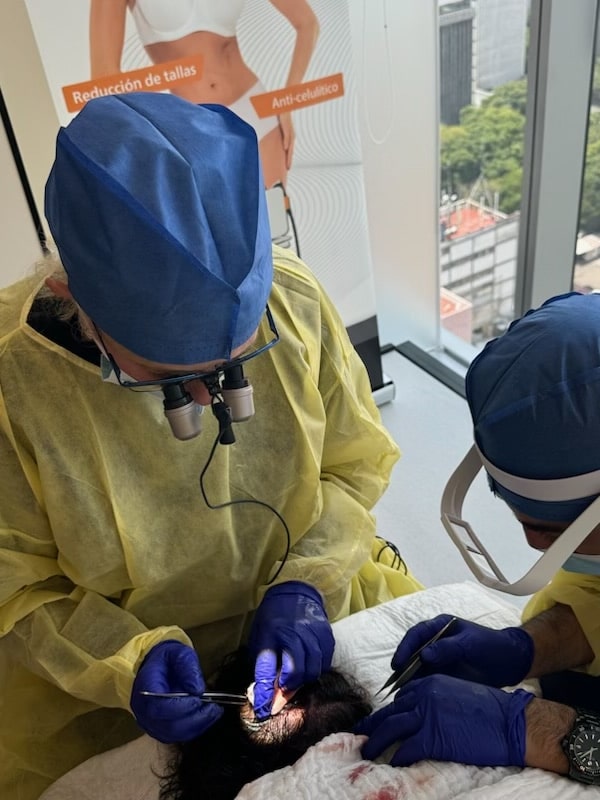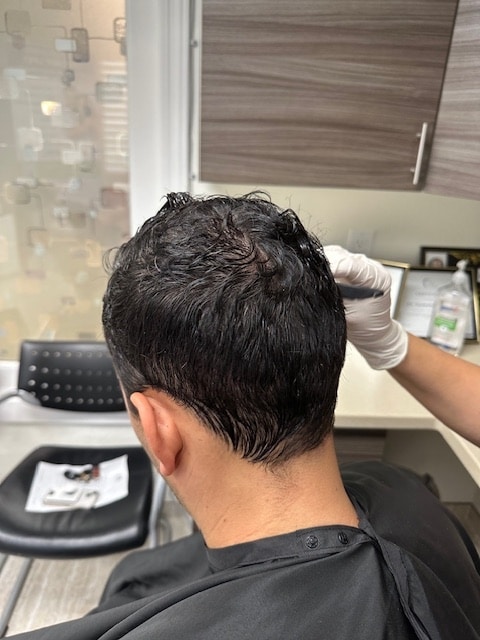
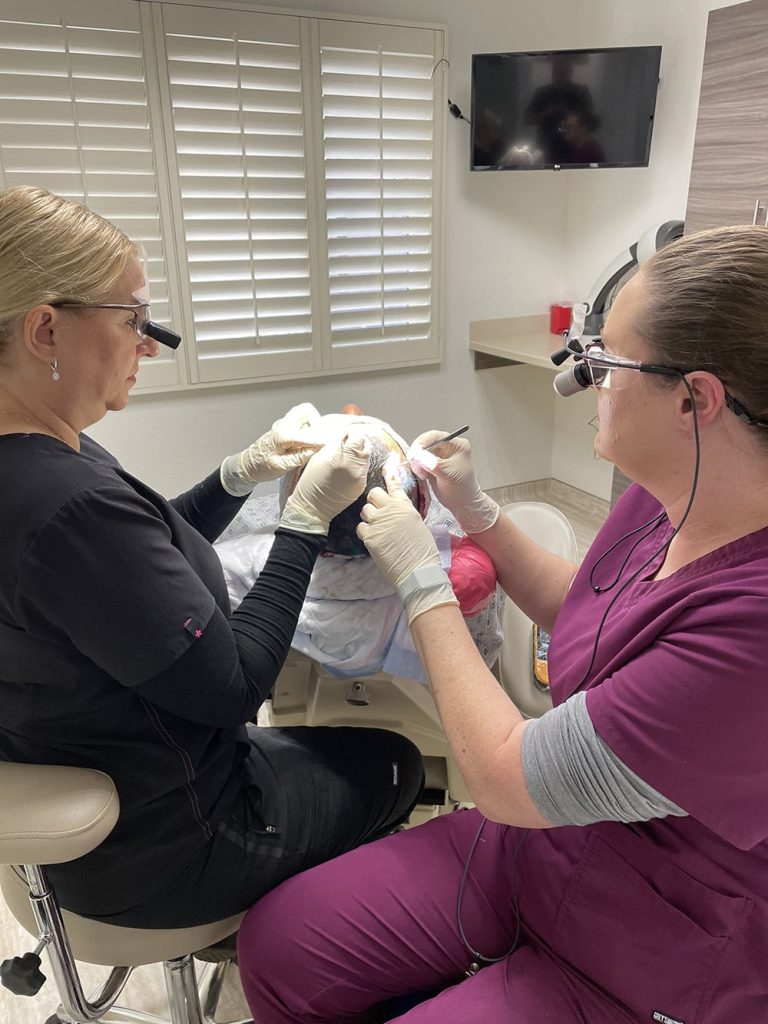
Dr Kelemen brings 24 years of experience in the field of hair transplant. From humble beginnings working for the founder and first president of ABHRS to growing into a world class hair transplant physician. Her clinic, Hair 4 Life Medical, is focused on hair transplant and hair loss treatments. She is among a select few that can and does perform surgeries by herself ie SOLO hair transplant – one doctor and one patient!
Why Exosomes Do Not Work for Hair Loss: Separating Hype from Reality
Dr Kelemen the founder of Hair 4 Life Medical
Introduction
In the ever-evolving world of hair restoration, new treatments frequently emerge, often accompanied by bold claims and enthusiastic marketing. One such treatment that has gained attention in recent years is exosome therapy for hair loss. Marketed as a revolutionary, non-surgical solution, exosomes have been touted as a way to stimulate hair growth and reverse hair thinning. But does the science back up these claims?
At Hair 4 Life Medical, led by Dr. Kelemen, we prioritize evidence-based treatments, ensuring that our patients receive only the most effective and scientifically supported options. In this blog post, we’ll dive into the reality of exosome therapy, why it doesn’t work for hair loss, and what proven alternatives you should consider instead.
1. What Are Exosomes?
Exosomes are small, extracellular vesicles secreted by cells. They play a role in cell communication, carrying proteins, lipids, and genetic material from one cell to another. In theory, when derived from stem cells, exosomes are believed to signal hair follicle cells to regenerate, potentially promoting hair growth.
While this sounds promising, the application of exosomes for hair loss lacks solid scientific backing. Unlike established treatments like FUE hair transplants or PRP therapy, exosome therapy remains in its experimental stages.
Insufficient studies: There is a severe lack of peer-reviewed research demonstrating that exosomes consistently and effectively regrow hair.
Unregulated treatments: The FDA has not approved exosome therapy for hair restoration, and many clinics offering it operate in a regulatory gray area.
Anecdotal claims over science: Most of the “success stories” come from personal testimonials or poorly controlled studies rather than rigorous clinical trials.
At Hair 4 Life Medical, Dr. Kelemen emphasizes the importance of proven treatments backed by strong medical research. Without such data, exosome therapy cannot be confidently recommended.
3. Misleading Marketing and False Promises
The hair restoration industry is, unfortunately, no stranger to overhyped treatments. Exosomes are often marketed using exaggerated claims, preying on the desperation of those struggling with hair loss.
Red flags in exosome marketing:
Guaranteed hair regrowth: No treatment can guarantee results, not even proven methods like FUE transplants.
Minimal scientific explanation: Clinics often provide vague explanations about how exosomes “rejuvenate” follicles without hard science to back it up.
Celebrity endorsements: Just because a public figure claims something works doesn’t mean it’s medically sound.
At Hair 4 Life Medical, we believe in transparency. If a treatment lacks scientific merit, we won’t offer it — period.
4. The Science Behind Hair Loss and Why Exosomes Fall Short
Physically redistribute healthy follicles (as in FUE transplants)
Exosomes have not been shown to reliably affect these processes. While they may theoretically promote cellular communication, there’s no solid evidence they can overcome the hormonal and genetic factors causing hair loss.
5. Proven Alternatives to Exosome Therapy
Instead of chasing unproven solutions, it’s vital to focus on hair restoration treatments backed by science. At Hair 4 Life Medical, Dr. Kelemen offers a range of proven options, including:
FUE Hair Transplants: Utilizing advanced methods like ARTAS robotic, WAW DUO, U-graft, Cole System, and manual techniques — personalized to each patient’s needs.
PRP Therapy: Platelet-Rich Plasma therapy uses growth factors from your own blood to stimulate follicle activity.
Regenera Activa: A cutting-edge, minimally invasive procedure that leverages your own stem cells to boost hair regrowth.
Medication: FDA-approved options like minoxidil and finasteride, which directly target the biological causes of hair loss.
6. Why Choose Hair 4 Life Medical and Dr. Kelemen?
https://hairforlifeaz.com/wp-content/uploads/2025/03/Exosome-Therapy-02.jpeg5001000Ioan A Kelemenhttps://hairforlifeaz.com/wp-content/uploads/2024/02/Hair-for-Life-Medical-Logo-web.pngIoan A Kelemen2025-03-09 11:36:282026-04-04 22:28:08Why Exosomes Do Not Work for Hair Loss: Separating Hype from Reality
The Complete Guide to Beard Hair Transplants: What You Need to Know
Dr Kelemen the founder of Hair 4 Life Medical
Introduction
Facial hair has always been a powerful symbol of masculinity, style, and personal identity. Beards can enhance jawline definition, boost confidence, and complement a person’s overall appearance. However, not everyone is naturally able to grow the beard they desire. Sparse patches, uneven growth, scarring, or genetic limitations can leave men feeling self-conscious.
Beard hair transplants offer a solution for those who struggle to achieve full, natural-looking facial hair. Unlike traditional hair transplants for the scalp, beard transplants involve unique techniques and considerations to restore hair precisely where it’s needed.
At Hair 4 Life Medical in Scottsdale, Dr. Ramona Kelemen performs every hair transplant procedure herself, ensuring the highest level of precision and care for every patient. This guide will explore everything you need to know about beard hair transplants — from candidate selection and procedure details to recovery, costs, and results.
What Is a Beard Hair Transplant?
A beard hair transplant is a surgical procedure that relocates hair from a donor area (typically the back of the scalp) to the face to create or restore a beard, mustache, or goatee. The goal is to provide natural, permanent facial hair in areas that are sparse, patchy, or scarred.
Unlike scalp hair, facial hair grows in different directions and densities. This means that the transplantation process requires careful planning and artistry to ensure the hair blends seamlessly with existing growth patterns.
Who Is a Candidate for a Beard Hair Transplant?
Not everyone is suitable for a beard transplant. Ideal candidates are typically:
Men with patchy or uneven beard growth due to genetics
Individuals with scars on the face (from acne, burns, or surgery) that inhibit hair growth
Candidates should have sufficient donor hair, usually taken from the back of the scalp.
Patients should be in good overall health, without conditions that affect healing.
Those with unrealistic expectations should receive counseling to understand the potential results.
Dr. Kelemen evaluates each patient individually to ensure they are suitable candidates and sets realistic expectations for density, growth direction, and appearance.
Understanding the Procedure
Donor Area Selection
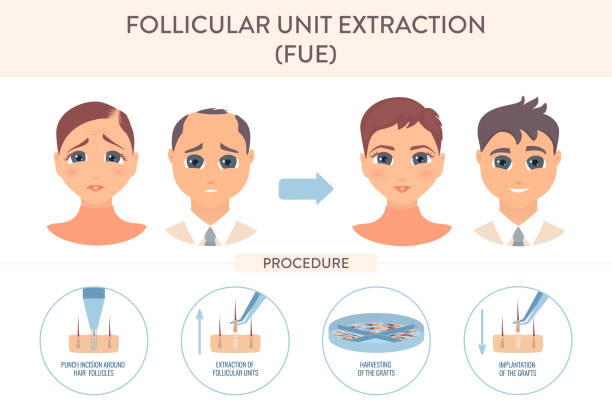
The donor area is typically the back or sides of the scalp, where hair is naturally dense and resistant to shedding. Using a method called Follicular Unit Extraction (FUE), individual hair follicles are removed one by one. This minimizes scarring and ensures the harvested follicles remain healthy.
Graft Preparation
Once extracted, each follicular unit is carefully prepared under a microscope. This step is critical because the follicles must remain intact to survive transplantation. The technician or physician must handle grafts delicately to maintain viability.
Recipient Site Design
The recipient area — where the beard will be restored — is carefully mapped. This includes:
Defining the shape of the beard, mustache, or goatee
Planning hair direction so growth looks natural
Determining density to match the patient’s desired outcome
At Hair 4 Life Medical, Dr. Kelemen meticulously designs each recipient site to ensure a seamless, natural appearance.
Implantation
The prepared grafts are implanted into the recipient area. Each follicle is inserted with precise angling and spacing to mimic natural hair growth. Depending on the size of the area, the procedure may take 4–8 hours.
Extracting individual follicular units from the donor area
Minimizing scarring and downtime
Allowing precise placement for natural growth patterns
Direct Hair Implantation (DHI)
DHI is a variation of FUE that uses a specialized implanter to place hair follicles directly into the recipient area. Benefits include:
Greater control over angle and depth
Potentially faster recovery
Higher survival rates for delicate facial follicles
Beard-to-Beard Transplants
In rare cases, if a patient has sufficient facial hair in other areas (e.g., sideburns), existing beard hair can be harvested to restore patchy regions. This preserves scalp hair and can provide a more uniform texture.
Recovery After a Beard Hair Transplant
Immediate Post-Op Care
Mild swelling and redness are normal for the first few days
In Arizona, beard transplants typically range from $4,000 to $15,000. While price is important, patients should prioritize experience and results over cost, especially when selecting a physician who performs every step personally.
Microneedling with platelet-rich plasma can enhance density and follicle health but is best used as a complement, not a standalone solution for sparse beards.
Cosmetic Solutions
Makeup or hair fibers provide a temporary appearance but don’t offer permanent growth.
A beard transplant is the only permanent solution for men who want real, natural facial hair.
Choosing the Right Physician
Ensure your physician performs the procedure personally, not delegating to technicians
Review before-and-after photos of previous beard transplants
Confirm experience with facial hair direction, density, and natural aesthetics
Discuss realistic expectations and limitations
At Hair 4 Life Medical, Dr. Ramona Kelemen is the only solo hair transplant physician in Arizona performing every step herself. This ensures the highest precision, attention to detail, and patient satisfaction.
Common Questions About Beard Hair Transplants
Q: Will the transplanted beard hair fall out? A: Once fully grown, transplanted follicles are permanent, though natural shedding cycles continue.
Q: Can I shave or style my beard normally? A: Yes. Transplanted hair behaves like normal facial hair and can be shaved, trimmed, or styled.
Q: How many grafts do I need? A: It depends on the area and desired density. Small patches may require a few hundred grafts, while a full beard can need 2,000–3,000 grafts or more.
Q: How painful is the procedure? A: Local anesthesia ensures minimal discomfort during the transplant. Post-op soreness is mild and manageable with medication.
Q: Can scars be corrected with a beard transplant? A: Yes. Scarred areas can be camouflaged with carefully placed grafts, restoring a natural appearance.
Tips for Optimal Results
Follow all post-op instructions from your physician
Maintain a healthy lifestyle to support hair growth
Protect your face from sun exposure during the healing period
Be patient — growth is gradual and requires time to see full results
Conclusion
Beard hair transplants are a transformative solution for men seeking natural, full facial hair. With the right physician, proper technique, and realistic expectations, you can achieve a beard that enhances your appearance, boosts confidence, and lasts a lifetime.
At Hair 4 Life Medical, Dr. Ramona Kelemen’s expertise in FUE, DHI, and precision facial hair restoration ensures that every patient receives the highest-quality results, performed personally by a physician — not a technician.
Whether you’re addressing patchy growth, scars, or simply want a thicker beard, a beard hair transplant can provide permanent, natural-looking results that change not just your appearance but your confidence.
https://hairforlifeaz.com/wp-content/uploads/2023/10/Ideal-Candidates-for-BHT.jpg6671000Ioan A Kelemenhttps://hairforlifeaz.com/wp-content/uploads/2024/02/Hair-for-Life-Medical-Logo-web.pngIoan A Kelemen2025-03-08 10:43:092026-05-15 22:08:44The Complete Guide to Beard Hair Transplants: What You Need to Know
Why Some Doctors Advertise “Advanced Hair Transplants”
Dr Kelemen the founder of Hair 4 Life Medical
The Growing Popularity of word “Advanced” when it comes to Hair Transplants
Hair loss has long been a concern for both men and women, affecting millions of people worldwide. As a result, the demand for hair restoration treatments, particularly hair transplants, has surged in recent years. Advanced hair transplant techniques, such as Follicular Unit Extraction (FUE) and Follicular Unit Transplantation (FUT), have become some of the most sought-after solutions for individuals struggling with hair thinning and balding. However, this surge in popularity has also led to some concerning trends, particularly when it comes to the marketing and advertising strategies used by certain clinics and doctors.
In this article, we’ll explore why some doctors, or those lacking proper credentials and experience, advertise advanced hair transplant procedures. We’ll also examine the consequences of such practices and provide guidance on how to choose the right doctor for your hair restoration needs.
Understanding Advanced Hair Transplant Techniques
Before delving into why some doctors aggressively advertise these services, it’s important to understand what advanced hair transplants are and why they are so popular.
FUE Hair Transplant FUE, or Follicular Unit Excision, is a modern technique where individual hair follicles are extracted from the donor area (usually the back of the head) and transplanted to the thinning or balding areas. This procedure is minimally invasive, leaving no large scars and ensuring a faster recovery compared to older methods like FUT.
Both techniques are highly effective, but success largely depends on the skill of the doctor. As these procedures have gained popularity, many doctors have started offering them, often emphasizing their “advanced” nature.
Why Do Some Doctors Advertise Advanced Hair Transplants?
There are a variety of reasons why doctors who lack sufficient expertise or credentials may advertise advanced hair transplant procedures. Below, we outline some of the most common motivations:
1. High Demand for Hair Restoration
Hair loss treatments, especially hair transplants, are in high demand, making them an attractive option for doctors looking to expand their practices. A large number of people are dissatisfied with their hairlines and seek long-lasting solutions, which creates a booming market for hair restoration services.
However, not all doctors entering this market have the necessary training or experience. Some view hair transplants as a way to capitalize on a growing demand, despite lacking the skills required to perform the procedure safely and effectively.
2. Profitability of Hair Transplants
Hair transplant procedures are often highly profitable for clinics, especially when they use low-cost techniques or outsource parts of the process to untrained staff. As the industry grows, some doctors are lured by the potential for large financial gains, which may lead them to overemphasize their qualifications or misrepresent their expertise.
These doctors might aggressively advertise their services as “advanced” or “state-of-the-art,” hoping to attract patients who are unaware of the necessary qualifications and experience required for a successful hair transplant.
3. Marketing Tactics and Online Presence
The rise of digital marketing, social media, and SEO (Search Engine Optimization) has allowed even less-experienced doctors to create compelling online personas. A doctor’s online presence, including website content, reviews, and social media, can make them appear more experienced and skilled than they actually are.
Some doctors may leverage the power of SEO and paid advertisements to promote themselves as experts in advanced hair transplants, but their online presence may not reflect the quality of their actual work. Patients may be swayed by glossy ads and convincing language, leading them to trust the doctor despite a lack of real-world results or experience.
4. Misleading Terminology
In the world of hair restoration, terminology can be misleading. Some doctors use terms like “advanced,” “cutting-edge,” or “state-of-the-art” or “later slit,” or “Advanced DHI,” to describe their procedures, even when they don’t have the expertise or equipment to back up those claims.
For instance, a doctor may advertise that they offer “advanced FUE” or “next-generation FUT,” but in reality, they may be using outdated techniques or subpar equipment. These terms sound appealing to patients who are seeking the best possible care and treatment, but they often serve as marketing ploys rather than indications of actual expertise. That is why it is so important to have your consultation with the doctor who will perform the surgery and ask to actually see the devices. Patients will be surprised to find out that they don’t actually have it.
5. Lack of Regulatory Oversight
The hair transplant industry is not as tightly regulated as other areas of healthcare. Anyone with a medical degree can perform hair restoration procedures, regardless of their specialization. As a result, some doctors without the proper training in dermatology, plastic surgery, or hair restoration may begin advertising hair transplant procedures. Training, passion, artistic eye and keeping up with the latest trends is key to success.
Because there is often little regulatory oversight, patients may not always be aware that their doctor lacks the necessary qualifications for such a delicate and precise procedure.
6. Some Doctors Don’t Even Have the Tools to Perform the Procedure
In some cases, certain doctors may not even have the necessary tools or equipment to perform the advertised advanced hair transplant procedures. These doctors might advertise the latest and most advanced techniques, but when you arrive at their clinic, they will attempt to sway you into a different procedure—one that they are more capable of performing. This can lead to frustration and disappointment when you realize that what you were promised isn’t what you actually receive.
By advertising advanced techniques they cannot perform, these doctors hope to bring you in for a consultation, where they can try to convince you to opt for a less advanced procedure that suits their skill level and equipment availability. This tactic preys on individuals who are looking for the most cutting-edge options and may not know the difference when the doctor tries to convince them otherwise.
Hair transplant procedures require a high level of skill to achieve natural-looking, aesthetically pleasing results. A doctor with limited experience may fail to properly design the hairline, cause excessive scarring, or transplant follicles in an unnatural pattern. This can result in uneven hair growth, noticeable scars, and a lack of satisfaction with the outcome.
2. Complications and Health Risks
As with any medical procedure, hair transplants carry certain risks. In inexperienced hands, these risks can be amplified. Poorly executed transplants can lead to infection, bleeding, scarring, or even permanent hair loss. It’s essential to choose a doctor who has experience with hair restoration and is capable of performing the procedure safely and effectively.
3. Increased Costs for Revision Surgery
If you end up with poor results from an inexperienced doctor, you may need revision surgery to correct the mistakes. This can be expensive and time-consuming, especially since hair transplants are often not covered by insurance. Furthermore, revision surgeries may not always be successful, leaving you in a worse position than before.
How to Choose the Right Hair Transplant Doctor
To avoid the pitfalls of choosing an inexperienced or poorly qualified doctor, here are some steps you can take to ensure you are selecting the right professional for your hair transplant:
1. Look for Board-Certified Doctors
Choose a doctor who is board-certified in dermatology, plastic surgery, or a related field. Board certification is an important indicator that the doctor has undergone rigorous training and is qualified to perform complex procedures like hair transplants.
Research patient reviews and testimonials to get an idea of the doctor’s reputation. Look for reviews from patients who have undergone similar procedures, and try to find honest feedback regarding the results, experience, and overall satisfaction.
4. Ask About the Techniques Used
A qualified doctor will be transparent about the techniques they use and should be able to explain why they prefer one method over another. They should also be able to discuss the pros and cons of each technique, ensuring that you are fully informed before proceeding.
5. Schedule a Consultation
Before committing to surgery, schedule a consultation with the doctor. This will give you an opportunity to discuss your goals, ask questions, and evaluate the doctor’s approach. A reputable doctor will take the time to assess your hair loss, explain your options, and develop a personalized treatment plan.
Conclusion
While advanced hair transplants have revolutionized the way we approach hair loss, not all doctors who advertise these procedures have the necessary qualifications or experience to perform them safely and effectively. Choosing a doctor who lacks the proper training can result in poor outcomes, complications, and unnecessary costs.
https://hairforlifeaz.com/wp-content/uploads/2024/09/IMG_2700-rotated.jpg800600Ioan A Kelemenhttps://hairforlifeaz.com/wp-content/uploads/2024/02/Hair-for-Life-Medical-Logo-web.pngIoan A Kelemen2025-03-06 15:32:252026-05-14 15:33:58Why Some Doctors Advertise “Advanced Hair Transplants”
The ARTAS Robotic Hair Transplant System: A Critical Examination
Dr Kelemen the founder of Hair 4 Life Medical
Introduction
In the evolving landscape of hair restoration, the ARTAS Robotic Hair Transplant System has been promoted as a cutting-edge solution for individuals seeking remedies for hair loss. While technological advancements often bring improved outcomes, it’s essential to critically assess whether ARTAS truly represents a superior option in hair transplantation. This article delves into the intricacies of the ARTAS system, comparing it to traditional methods, and provides insights for those considering this technology.
Reduced Operator Fatigue: Hair transplantation is a meticulous procedure that can be physically demanding for surgeons. The ARTAS system mitigates the risk of human fatigue, maintaining consistent performance throughout the procedure.
Minimally Invasive: As with manual FUE, the ARTAS system is minimally invasive, resulting in smaller incisions, reduced scarring, and potentially faster recovery times compared to traditional strip harvesting methods.
Limitations and Considerations
Cost Implications: The ARTAS system is a sophisticated piece of equipment, leading to higher operational costs. These expenses are often transferred to the patient, making robotic-assisted procedures more expensive than manual FUE.
Hair Type Limitations: The system’s imaging technology may struggle with certain hair types, such as light-colored or curly hair, potentially limiting its applicability for a diverse patient population.
Donor Area Restrictions: ARTAS primarily harvests follicles from the back and sides of the head, which are traditionally stable donor areas. However, this limitation may pose challenges for patients with insufficient donor hair in these regions.
Dependence on Surgeon Expertise: Despite its technological advancements, the success of the ARTAS system heavily relies on the skill and experience of the operating surgeon. A robotic system cannot replicate the nuanced judgment and artistry required for optimal hairline design and graft placement.
Potential for Higher Graft Transection Rates: Some studies and anecdotal reports suggest that the ARTAS system may have higher graft transection rates compared to manual FUE, potentially affecting the overall yield and success of the transplant.
Punch Size and Scarring: One of the most significant concerns with the ARTAS system is the size of the punches used for follicle extraction. When the ARTAS first hit the market, the punch sizes were comparable to those used in handheld FUE devices. However, this is no longer the case. Today, handheld devices use much smaller punches, allowing for a lower transection rate, less scarring, and faster healing times. In contrast, ARTAS often relies on larger punch sizes, which can result in more noticeable scarring and prolonged healing periods. The larger extraction sites may also increase the risk of skin trauma and post-operative discomfort.
Lack of Direct Doctor Supervision: A growing concern is that some clinics are using the ARTAS system as a replacement for direct doctor involvement. In some cases, staff members—rather than the doctor—are left to operate the robot without proper supervision. This raises questions about the consistency of care and the level of expertise guiding the procedure, as the ARTAS system cannot make complex, real-time decisions that a skilled surgeon would during a manual FUE.
Limited FUE Options: If your doctor only offers FUE via the ARTAS robot, you may want to question why that is. A well-rounded and skilled hair transplant surgeon should be proficient in both manual and robotic FUE techniques. Sole reliance on ARTAS might indicate a lack of manual expertise or an overdependence on technology, rather than a patient-centered approach to care. Patients should feel empowered to ask their doctor about the full range of options available and why ARTAS is being emphasized over other methods.
Comparing ARTAS with Manual FUE
When evaluating ARTAS against manual FUE, several factors come into play:
Efficiency: The ARTAS system can expedite the extraction process, potentially reducing the duration of the surgery. However, the overall time savings may vary depending on the specific case and the surgeon’s proficiency, and if doctor is even in the room.
Customization: Manual FUE allows for greater flexibility and customization, enabling surgeons to adapt techniques based on individual patient characteristics, such as hair curl, angle, and density. This adaptability can be crucial for achieving natural-looking results.
Cost: As previously mentioned, robotic-assisted procedures tend to be more expensive due to the high costs associated with the technology. Patients should weigh the potential benefits against the financial implications.
Punch Size: While the robot is stuck at 1mm the handheld devices go as small as 0.70mm!
Patient Experiences and Outcomes
Patient experiences with the ARTAS system have been mixed. Some individuals report satisfactory results with minimal discomfort and downtime, while others have expressed concerns about the naturalness of the outcomes and the occurrence of graft transection.
For instance, a patient review highlighted a positive experience, stating: “I truly had a great experience. I didn’t suffer any pain… I am healing great.”
Conversely, discussions among hair transplant communities have raised concerns about the system’s efficacy. One user commented: “ARTAS sucks. Massive transection rate. At least 20% of grafts are damaged during the extraction.”
It’s essential to approach such anecdotal reports with caution, as individual experiences can vary widely based on numerous factors, including the surgeon’s expertise and the specific circumstances of the procedure.
Expert Opinions
Experts in the field have offered varied perspectives on the ARTAS system. Some acknowledge its potential benefits in reducing human error and fatigue, while others emphasize the irreplaceable value of a skilled surgeon’s touch.
On the other hand, some experts caution against over-reliance on technology. They argue that the artistry involved in hair transplantation, such as designing a natural hairline, cannot be replicated by a robot.
ARTAS can be part of the clinic’s portfolio, but it should NOT be the only option for FUE! If it is than I would question, why that is? Doctor not talented enough? Doctor cannot perform FUE via manual due to….? or Doctor added hair transplant as a padding to his business and it is not his FORTE!
When ARTAS came to market it was offered to the most talented doctors, those that were passionate about hair transplant and that is all they did!
At H4L Medical, Dr Kelemen leads the surgery, and she is constantly giving corrections and instructions to the robot operator. Dr Kelemen believes the robot is an extension of her, as the inventors intended the robot to be!
Conclusion
While the ARTAS Robotic Hair Transplant System represents a significant technological advancement in the field of hair restoration, it’s not a one-size-fits-all solution. Prospective patients should carefully consider the advantages and limitations of the system, consult with experienced surgeons, and weigh factors such as cost, hair type suitability, and desired outcomes.
Ultimately, the success of a hair transplant depends not solely on the technology used but, on the expertise, and artistry of the surgeon performing the procedure. Therefore, it’s crucial to make an informed decision tailored to individual needs and circumstances.
https://hairforlifeaz.com/wp-content/uploads/2024/01/ARTAS-Robotic-Hair-Restoration-Hair-4-LIfe.jpg630691Ioan A Kelemenhttps://hairforlifeaz.com/wp-content/uploads/2024/02/Hair-for-Life-Medical-Logo-web.pngIoan A Kelemen2025-03-06 13:19:002026-02-09 13:06:04The ARTAS Robotic Hair Transplant System: A Critical Examination
The No Bulb Touch Technique in Hair Transplantation: Innovation or Marketing Gimmick?
Dr Kelemen the founder of Hair 4 Life Medical
Introduction
Hair transplantation has evolved significantly over the years, with new techniques constantly emerging to enhance results and minimize trauma. One of the latest buzzwords in the industry is the No Bulb Touch Technique. It sounds cutting-edge, but is it truly revolutionary, or is it just clever marketing? In this comprehensive blog post, we will break down what the No Bulb Touch Technique is, how it works, its pros and cons, and whether it genuinely offers better outcomes compared to traditional methods.
If you’re considering a hair transplant or simply want to stay informed about the latest advancements in the field, keep reading to discover the truth behind the No Bulb Touch Technique.
What is the No Bulb Touch Technique?
The No Bulb Touch Technique is a method used in hair transplantation that focuses on preventing direct contact with the hair bulb — the base of the hair follicle responsible for hair growth — during both extraction and implantation.
In a typical hair transplant, the surgeon carefully extracts follicular units from the donor area (usually the back of the scalp) and implants them into the recipient site. The goal of the No Bulb Touch Technique is to:
Minimize trauma to the hair bulb by handling the follicle only by the upper shaft.
Preserve follicle integrity to ensure higher graft survival rates.
Reduce the risk of damaging stem cells within the bulb, which are vital for new hair growth.
On the surface, this sounds like a thoughtful, precise approach — but let’s dig deeper into how it actually works.
To avoid touching the bulb during implantation, the recipient site incisions must be large enough to accommodate the bulb without it being compressed.
This often means the incision size is at least twice the diameter of the bulb to ensure the follicle slides in smoothly.
Implantation:
The surgeon carefully inserts the follicle into the recipient site by holding the upper shaft, not the bulb.
Some clinics use implanter pens (like those used in Direct Hair Implantation or DHI) to reduce the need for large incisions.
While this method seems meticulous, it raises a crucial concern: Does increasing incision size actually cause more harm than good?
The Problem with Larger Incisions
One of the most glaring issues with the No Bulb Touch Technique is that avoiding bulb contact often necessitates larger incisions. Let’s break down why this can be problematic:
More Trauma: Larger incisions create more damage to the recipient area, potentially leading to increased bleeding and longer healing times.
Reduced Graft Density: The size of the incisions may limit how closely grafts can be placed, resulting in a less natural, less dense hairline.
Angulation Issues:Precise hair angulation becomes harder to control with larger incisions, raising the risk of an unnatural look.
In essence, while the No Bulb Touch Technique aims to protect the follicle, it can inadvertently create other complications that undermine the transplant’s overall success.
Is the No Bulb Touch Technique a Marketing Gimmick?
The term No Bulb Touch sounds sophisticated and cutting-edge, but many experts argue that it’s more of a marketing ploy than a genuine breakthrough. Here’s why:
Basic Principle Rebranded:
Avoiding damage to the hair bulb isn’t new — it’s something all skilled hair transplant surgeons have been doing for years. The concept is repackaged with a catchy name, but the technique itself isn’t fundamentally different.
Contradictory Approach:
Larger incisions contradict the core goal of minimally invasive hair transplantation. True innovation focuses on reducing trauma — not increasing it.
Unrealistic Promises:
Some clinics use the No Bulb Touch Technique as a selling point, promising faster healing and higher graft survival, but there’s no solid scientific evidence proving it’s superior to other methods like FUE or DHI.
Ultimately, the technique may involve minor refinements, but it’s not the game-changer some claim it to be.
What Actually Improves Hair Transplant Results?
If you want real results, focus on what truly impacts hair transplant success:
Doctor’s Skill:
The experience and precision of your surgeon matter far more than any flashy technique. A skilled surgeon knows how to handle grafts delicately and create natural-looking hairlines.
Advanced Tools:
Implanter pens, ultra-fine blades, and custom needles help create smaller, precise incisions without compromising graft health.
Graft Handling:
Keeping follicles hydrated and minimizing the time they spend outside the scalp boosts survival rates.
Post-Op Care:
Following a proper recovery plan — including avoiding sun exposure, not smoking, and using prescribed medications — plays a huge role in final results.
Conclusion: Should You Choose the No Bulb Touch Technique?
While the No Bulb Touch Technique may sound innovative, it’s crucial to recognize it for what it is — a rebranded version of careful graft handling, something good surgeons have always practiced.
If you’re considering a hair transplant, don’t be swayed by buzzwords. Instead, focus on the doctor’s expertise, clinic reputation, and proven methods like FUE or DHI.
The best approach is to ask detailed questions during consultations — not just about techniques, but about how the doctor customizes the procedure for your unique hair type and goals.
That is why it is crucial you have your consultation with the doctor that performs the surgery and get the real story from someone that has been doing hair transplant for 24 years. Dr Kelemen’s non-surgical solutions are tried and true! Why? Because she tried every one of them on herself! So, if she offers a product, you can rest assure the doctor did her homework to include trying on herself! What other doctor does that?
https://hairforlifeaz.com/wp-content/uploads/2025/02/WAWanimationFUE.jpg408612Ioan A Kelemenhttps://hairforlifeaz.com/wp-content/uploads/2024/02/Hair-for-Life-Medical-Logo-web.pngIoan A Kelemen2025-03-05 20:34:042026-02-18 12:13:54The No Bulb Touch Technique in Hair Transplantation: Innovation or Marketing Gimmick?
FUE Hair Transplant Coupled with TricoPat: The Ultimate Solution for Hair Restoration
Dr Kelemen the founder of Hair 4 Life Medical
Introduction
In the ever-evolving world of hair restoration, innovative techniques are constantly emerging to offer better, more effective solutions for those struggling with hair loss. One of the most advanced combinations currently making waves in the industry is the FUE hair transplant coupled with TricoPat. At Hair 4 Life Medical, we specialize in using cutting-edge technology and personalized care plans to deliver outstanding results for our clients. If you’re searching for a long-lasting, minimally invasive way to restore your hair’s natural growth, this dynamic duo could be your answer.
In this comprehensive guide, we will explore the FUE hair transplant procedure, the benefits of combining it with TricoPat, and how Hair 4 Life Medical can help you achieve the thick, healthy hair you deserve.
What is FUE Hair Transplant?
Follicular Unit Excision (FUE) is a revolutionary hair transplant technique that involves extracting individual hair follicles from a donor area—typically the back or sides of the scalp—and implanting them into the areas experiencing hair loss. Unlike traditional methods such as Follicular Unit Transplantation (FUT), FUE does not require a strip of scalp to be removed, making it far less invasive.
Key Benefits of FUE:
Minimal scarring: No linear scars, only tiny, barely visible puncture marks.
Faster recovery time: Patients can typically return to their daily activities within a few days.
Natural-looking results: The precise placement of follicles allows for a natural hairline and seamless blend.
Customizable approach: Ideal for targeting smaller areas or performing large-scale restorations.
Understanding TricoPat and Its Role in Hair Restoration
Reduce inflammation and accelerate healing post-transplant
When paired with FUE, TricoPat maximizes the survival rate of transplanted hair follicles and encourages new, thicker hair growth in both the transplanted and surrounding areas.
Enhanced Healing and Recovery TricoPat’s regenerative properties significantly reduce post-procedure inflammation and speed up tissue healing. This means a quicker, more comfortable recovery period for FUE patients.
Improved Graft Survival Rate The success of a hair transplant largely depends on the survival of the transplanted hair follicles. TricoPat boosts blood flow and nourishes the scalp, ensuring the follicles receive the nutrients and oxygen needed to thrive.
Stimulates Natural Hair Growth Beyond supporting the new grafts, TricoPat rejuvenates dormant hair follicles, promoting thicker, healthier hair in the surrounding areas. This creates a fuller, more uniform appearance.
Long-Lasting Results The combined approach not only restores lost hair but also works to prevent future hair thinning, helping patients maintain their results for years to come.
The Hair 4 Life Medical Approach
At Hair 4 Life Medical, we understand that hair restoration is not a one-size-fits-all process. Our approach is deeply personalized, combining medical expertise with state-of-the-art technology to design treatment plans tailored to each individual.
What to Expect During Your FUE + TricoPat Journey:
Consultation and Assessment Your journey starts with a comprehensive consultation where we assess your hair loss pattern, scalp health, and medical history. This allows us to create a customized plan combining FUE and TricoPat to achieve optimal results.
The FUE Procedure On the day of your hair transplant, our expert physicians use precise, minimally invasive techniques to extract and implant hair follicles, ensuring a natural look and minimal discomfort.
TricoPat Sessions After your FUE transplant, we schedule a series of TricoPat sessions. These are typically spaced out over several weeks, depending on your specific needs, to enhance graft survival and stimulate natural hair growth.
Ongoing Support and MaintenanceHair restoration is a journey, and we’re with you every step of the way. Our team provides continuous support, from post-procedure care to long-term maintenance strategies.
FAQs
1. How soon can I see results from FUE and TricoPat? Most patients begin to notice new hair growth around 3–4 months post-transplant, with significant results visible after 8–12 months. TricoPat helps accelerate this process by boosting follicle health and growth.
2. Is the combination of FUE and TricoPat safe? Yes! Both procedures are safe and well-researched. FUE is a minimally invasive surgery, and TricoPat uses natural growth factors, ensuring there are minimal risks involved.
3. Will the results look natural? Absolutely. At Hair 4 Life Medical, our specialists use advanced techniques to place hair follicles strategically, creating a natural hairline and seamless blend with your existing hair.
4. How many TricoPat sessions will I need? Typically, patients receive 3–6 TricoPat sessions after their FUE procedure. However, the exact number depends on your hair goals and scalp condition.
Conclusion: Transform Your Hair with Hair 4 Life Medical
Combining FUE hair transplants with TricoPat offers a powerful, science-backed solution for those seeking to restore their hair and confidence. At Hair 4 Life Medical, we’re dedicated to helping you achieve natural, lasting results through personalized care and cutting-edge treatments.
Are you ready to take the next step in your hair restoration journey? Contact Hair 4 Life Medical today for a consultation and discover how FUE and TricoPat can transform your look and boost your confidence.
Book Your Consultation Now!Interested in learning more?Contact Us or call Hair 4 Life at (480) 525-4547 to schedule an appointment.
https://hairforlifeaz.com/wp-content/uploads/2024/12/tricopat-device.png5221200Ioan A Kelemenhttps://hairforlifeaz.com/wp-content/uploads/2024/02/Hair-for-Life-Medical-Logo-web.pngIoan A Kelemen2025-03-05 19:59:372026-05-15 22:08:42FUE Hair Transplant Coupled with TricoPat: The Ultimate Solution for Hair Restoration
Why Choosing the Right Hair Transplant Clinic is Crucial for Your Hair Restoration Journey
Dr Kelemen the founder of Hair 4 Life Medical
If you’re considering a hair transplant, choosing the right clinic is one of the most important decisions you’ll make. A successful hair transplant doesn’t just depend on the procedure itself — it hinges on the expertise of the surgeon, the technology used, and the quality of post-operative care. So, how do you find the best hair transplant clinic to restore your hair and confidence?
Key Factors to Consider When Selecting a Hair Transplant Clinic
Expertise and Qualifications of the Surgeon
Ensure the clinic is led by a board-certified hair transplant surgeon with extensive experience in both FUT (Follicular Unit Transplantation) and FUE (Follicular Unit Excision) techniques.
Look for memberships in reputable organizations like the International Society of Hair Restoration Surgery (ISHRS).
One standout name in the field is Dr. Kelemen, with 24 years of hair transplant experience, a renowned hair transplant specialist known for her meticulous technique and patient-first approach. Dr. Kelemen combines years of experience Fellow hair transplant doctors have even chosen Dr. Kelemen for their own hair transplant, a testament to her skill and reputation. with discerning patients looking for the best hair transplant choosing her because of her results, 100% involvement, and approach to hair transplant with cutting-edge technology to deliver exceptional, natural-looking results.
Look for consistent, natural hairlines and even density — these are signs of skilled, precise work.
Dr. Kelemen’s clinic, for example, highlights an impressive gallery of successful hair transplants, reflecting her expertise and dedication to excellence.
Personalized Consultations
Every patient’s hair loss pattern is unique. The best clinics offer one-on-one consultations to assess your hair loss stage, discuss goals, and recommend tailored treatment plans.
Dr. Kelemen emphasizes the importance of customized solutions, ensuring that each patient receives a plan suited to their specific needs and hair type.
Patient Reviews and Testimonials
Genuine testimonials and online reviews can give you insight into patient satisfaction, customer service, and the clinic’s overall reputation.
Look for recurring positive feedback about professionalism, results, and aftercare.
Dr. Kelemen’s patients consistently praise her compassionate care, attention to detail, and outstanding hair restoration results.
Comprehensive Aftercare and Follow-Up
A good clinic doesn’t stop caring for you after the surgery. They should provide clear post-op instructions, follow-up appointments, and additional treatments like PRP (Platelet-Rich Plasma) therapy to enhance graft survival and growth.
The right clinic can mean the difference between a natural-looking hairline and an unsatisfactory result. An experienced surgeon knows how to design hairlines that complement your facial structure, use proper graft distribution for optimal density, and minimize scarring.
On the other hand, choosing a clinic based solely on low prices can lead to botched procedures, visible scars, and poor hair growth — issues that may require costly corrections later.
Dr. Kelemen’s clinic, with its blend of expertise, technology, and personalized care, represents the gold standard in hair transplantation.
“The team at Dr. Kelemen’s clinic was supportive from start to finish. My hairline looks completely natural, and the recovery was quicker than I expected.” — Sarah M.
Final Thoughts: Invest in Expertise for Long-Lasting Results
Your hair transplant is a long-term investment in your appearance and confidence. Prioritize expertise, advanced technology, and personalized care when choosing a clinic.
With a trusted specialist like Dr. Kelemen, you can be assured that you’re in skilled hands. His commitment to excellence, combined with state-of-the-art techniques, makes him a top choice for anyone considering hair restoration.
If you’re ready to take the next step, book a consultation with Dr. Kelemen today. Let her expertise guide you on your journey to fuller, natural-looking hair.
https://hairforlifeaz.com/wp-content/uploads/2024/01/Hair-Regrowth-Laser-Cap.jpg9201274Ioan A Kelemenhttps://hairforlifeaz.com/wp-content/uploads/2024/02/Hair-for-Life-Medical-Logo-web.pngIoan A Kelemen2025-03-04 17:51:592026-02-09 13:12:57Why Choosing the Right Hair Transplant Clinic is Crucial for Your Hair Restoration Journey
Introduction: The Growing Concern of Robotic Surgery
In recent years, the field of medical technology has witnessed unsettling innovations, with one of the most controversial being the advent of robotic systems designed to assist, and potentially replace, human intervention. Among these, the ARTAS robotic system raises pressing concerns in the world of hair restoration surgery. The burning question, however, is whether ARTAS is a remarkable tool — or a harbinger of the diminishing role of doctors in the operating room.
With search interest in “robotic hair transplant,” “ARTAS system risks,” and “AI in surgery” steadily climbing, it’s clear the public is both intrigued and wary about this technological shift. As AI-driven procedures gain momentum, it’s crucial to examine the real impact of ARTAS on surgical roles and patient outcomes.
What is the ARTAS Robotic System?
The ARTAS robotic system is an AI-powered device created specifically for hair transplantation procedures. It employs complex algorithms, high-definition imaging, and robotic arms to perform follicular unit extraction (FUE), a technique used to harvest individual hair follicles from the donor area of the scalp and implant them into thinning or balding regions.
Unlike traditional methods reliant on the surgeon’s expertise and manual skill, ARTAS reduces human involvement by taking over graft harvesting, supposedly minimizing errors. However, concerns have emerged about whether the system’s rigid programming can truly account for the delicate and artistic nuances of hair restoration. The robot’s focus on speed and mechanical precision risks overlooking individual patient differences, leading to results that may lack personalization and natural appeal.
Many patients search for terms like “Is ARTAS better than manual FUE?” or “Does ARTAS give natural results?” — reflecting growing skepticism about whether automation can truly replace human artistry.
The Shrinking Role of the Doctor in ARTAS Procedures
Despite ARTAS’s impressive capabilities, the system seems to push the doctor into a more passive role. The physician’s duties have shifted from hands-on surgical artistry to more of a supervisory position, raising concerns about the erosion of critical medical skills. The doctor’s responsibilities now primarily involve:
Pre-Operative Planning: Designing the hairline and calculating the number of grafts — tasks that, some fear, could one day be delegated to AI.
Calibrating the Robot: Adjusting the ARTAS system’s parameters, further distancing the doctor from the direct surgical process.
Monitoring the Procedure: Watching as the robot performs the extraction and implantation — a far cry from the meticulous, hand-performed techniques of traditional hair restoration.
Post-Operative Care: Limited to providing recovery instructions, as the core of the procedure is left to the machine.
For those Googling “Do doctors control ARTAS?” or “How much does a surgeon do in robotic hair transplants?” the answers might be disconcerting. While ARTAS may streamline certain technical aspects, it raises a troubling question: Is the doctor becoming an onlooker rather than a vital participant?
Is ARTAS Replacing Surgeons?
The notion that ARTAS might replace doctors altogether no longer seems like mere science fiction. As the robot handles more and more of the actual procedure, there’s growing fear that human expertise could be devalued. ARTAS may offer precision, but it lacks the empathy, adaptability, and aesthetic intuition that only a trained professional can provide.
Moreover, relying too heavily on robotic systems opens the door to unforeseen complications. A robot cannot react to unexpected surgical variables, and any malfunction or error would still require human intervention — but will future doctors be equipped with the hands-on experience needed to correct these issues if their role continues to diminish?
Patients often wonder, “What happens if ARTAS makes a mistake?” or “Can a robot fix hair transplant errors?” — highlighting the deep anxiety over AI’s lack of human judgment.
The Uncertain Future of Robotic-Assisted Surgery
Rather than seeing ARTAS as a helpful partner, many are starting to view it as a symbol of an unsettling trend: technology slowly sidelining human skill. As AI-driven robots take on more complex tasks, there’s an undeniable risk that the art of surgery could be reduced to a mechanical process, stripping away the personal touch that patients rely on.
With Google searches like “future of AI in surgery” and “robot vs. human hair transplant results” surging, it’s clear this topic resonates beyond the medical community. Patients want assurance that technological progress doesn’t come at the cost of human care.
Conclusion: Balancing Innovation and Expertise
In conclusion, the ARTAS robotic system may mark a step forward in technology, but it casts a long shadow over the future of surgical practice. The operating room of tomorrow might be more advanced, but if the human element continues to shrink, we must ask ourselves — is this truly progress, or are we sacrificing too much in the name of innovation?
For those considering a hair transplant, it’s essential to ask the right questions: “How involved will my surgeon be?” and “What role does ARTAS play in my procedure?” Being informed empowers patients to make decisions rooted in both technological advancements and human expertise.
As the ARTAS debate unfolds, one thing remains certain: the future of surgery must strike a careful balance between innovation and irreplaceable human touch.
https://hairforlifeaz.com/wp-content/uploads/2024/01/ARTAS-Robotic-Hair-Restoration-Hair-4-LIfe.jpg630691Ioan A Kelemenhttps://hairforlifeaz.com/wp-content/uploads/2024/02/Hair-for-Life-Medical-Logo-web.pngIoan A Kelemen2025-03-04 14:06:312026-05-16 10:16:14The Rise of ARTAS Robotics: Are Doctors Being Replaced in the Surgery Room?
FUT vs. FUE: Is Follicular Unit Transplantation Losing Ground to Modern Techniques?
Dr Kelemen the founder of Hair 4 Life Medical
Hair loss treatments have come a long way over the years, with hair transplant procedures becoming increasingly sophisticated. Two of the most popular methods today are Follicular Unit Transplantation (FUT) and Follicular Unit Excision (FUE). However, recent trends suggest that FUT might be losing its footing as FUE gains widespread popularity. Let’s dive into the reasons behind this shift and explore the finer details of both methods.
Understanding FUT and FUE
Follicular Unit Transplantation (FUT)
Also known as the strip method, FUT involves removing a strip of scalp from the back of the head, from which individual follicular units are extracted and transplanted into balding areas. This method allows for a large number of grafts to be harvested in a single session, making it suitable for patients with advanced hair loss. However, FUT often leaves a linear scar on the donor area, which can be a significant drawback for those who prefer short hairstyles.
Advantages of FUT:
Higher yield of grafts per session.
Potentially higher graft survival rate due to less time outside the body.
FUE, on the other hand, excises individual hair follicles directly from the donor area using a micro-punch tool. This method minimizes scarring, reduces downtime, and offers more flexibility in styling hair short — a major advantage for many patients. FUE can be performed manually or with robotic assistance, ensuring precision and reducing the risk of damage to surrounding follicles.
Advantages of FUE:
Minimally Invasive Nature of FUE: One of the biggest reasons for FUE’s rising success is its minimally invasive approach. Patients prefer procedures with less pain, quicker recovery, and almost undetectable scars. Unlike FUT, where a scalpel is used to remove a strip of scalp, FUE uses micro-punch tools to extract individual follicles, making it a gentler option.
Advancements in Technology: Innovations such as robotic FUE and precision tools have made the procedure more efficient and accurate, attracting both surgeons and patients. Robotics can assist in mapping the scalp, calculating the best donor follicles, and ensuring even spacing during transplantation — factors that directly impact the success rate.
Aesthetic Preferences: Today’s patients often opt for short hairstyles, making FUT’s linear scar a significant drawback. FUE’s dot-like scars are far less noticeable, giving individuals more freedom in their haircut choices. A 2023 survey found that 78% of hair transplant patients preferred FUE due to its cosmetic advantages.
Patient Awareness and Demand: With the power of the internet, patients are more informed than ever. They actively research options and lean toward procedures that align with their lifestyle and aesthetic goals — often choosing FUE over FUT. Reviews, before-and-after photos, and social media testimonials have further fueled the shift.
Surgeon Specialization: More clinics and hair restoration specialists, such as Dr. Kelemen and Hair 4 Life Medical, are focusing on FUE, leading to better results and further solidifying its reputation. Specialized FUE clinics often showcase higher success rates and more satisfied patients.
FUT: Often cited at 85–95%, due to quicker harvesting and implantation.
FUE: Averages 90–98%, though a skilled physician can push even higher.
The key to success lies in the skill of the surgeon, the handling of grafts, and post-operative care.
Is There Still a Place for FUT?
While FUE is undoubtedly in the spotlight, FUT still has its place. It can be more suitable for patients requiring a large number of grafts or those who prefer a single, more intensive session. Additionally, some surgeons argue that FUT can sometimes yield a higher graft survival rate since the follicles spend less time outside the body.
When is FUT recommended?
Patients with severe hair loss needing extensive grafts.
Those not concerned about wearing short hairstyles.
Individuals seeking a cost-effective solution.
Real Patient Experiences
John’s Story: John, a 45-year-old software engineer, opted for FUE after researching hair restoration methods for over a year. He chose Dr. Kelemen at Hair 4 Life Medical due to their cutting-edge technology and personalized approach. Within six months, John saw noticeable hair growth and was thrilled with the near-invisible scarring.
Michael’s Journey: Michael, a 50-year-old with advanced hair loss, chose FUT to achieve maximum graft yield in a single session. Despite the linear scar, he was pleased with the density and fullness achieved.
These stories highlight how personal preference, hair loss severity, and aesthetic goals influence the choice between FUT and FUE.
Conclusion
The hair restoration landscape is evolving, and FUE seems to be leading the charge with its modern, patient-friendly approach. Although FUT retains some advantages for specific cases, the overall trend leans heavily toward FUE’s advanced techniques and aesthetic benefits. If you’re considering a hair transplant, consulting with a skilled specialist like Dr. Kelemen at Hair 4 Life Medicalong> will help determine the best option tailored to your needs.
Are you ready to explore cutting-edge hair restoration? Contact us today for a personalized consultation and take the first step toward reclaiming your confidence.Ready to transform your look? Schedule a paid consultation with Dr. Kelemen today and discover why Hair 4 Life Medical is Arizona’s trusted leader in hair restoration.
Interested in learning more?Contact Us or call Hair 4 Life at (480) 525-4547 to schedule an appointment.
https://hairforlifeaz.com/wp-content/uploads/2024/09/Downpic.cc-2498379687.jpg260390Ioan A Kelemenhttps://hairforlifeaz.com/wp-content/uploads/2024/02/Hair-for-Life-Medical-Logo-web.pngIoan A Kelemen2025-03-01 14:23:322026-03-09 19:27:25FUT vs. FUE: Is Follicular Unit Transplantation Losing Ground to Modern Techniques?
How Long Does an FUE Hair Transplant Take? A Complete Guide
Dr Kelemen the founder of Hair 4 Life Medical
Follicular Unit Extraction (FUE) is one of the most advanced and effective hair restoration techniques available today. Many individuals considering this procedure often wonder, “How long does an FUE hair transplant take?” The answer depends on several factors, including the number of grafts needed, the expertise of the surgeon, and the clinic’s approach.
In this comprehensive guide, we’ll break down the duration of an FUE hair transplant, what influences the time required, and what to expect during and after the procedure. We’ll also provide expert insights from Dr. Kelemen, one of the leading hair restoration specialists at Hair 4 Life Medical in Scottsdale, Arizona.
What Is an FUE Hair Transplant?
FUE (Follicular Unit Extraction) is a minimally invasive hair transplant technique where individual follicular units are extracted from the donor area (typically the back and sides of the scalp) and implanted into areas experiencing thinning or baldness. Unlike the traditional FUT (Follicular Unit Transplantation) method, FUE does not require removing a strip of scalp, making it a preferred choice for many patients.
How Long Does an FUE Hair Transplant Take?
The duration of an FUE hair transplant depends on several factors, but in general:
Smaller Sessions (500-1,000 grafts): 4-6 hours SOLO
Medium Sessions (1,500-2,500 grafts): 6-8 hours
Larger Sessions (3,000+ grafts): 8-10+ hours (or spread across two days)
Each case is unique, and the exact time varies based on the patient’s needs and the surgeon’s technique.
Factors That Influence the Duration of an FUE Transplant
1. Number of Grafts Needed
The more grafts required, the longer the procedure will take. For example, if a patient needs 3,000 grafts, the extraction and implantation process will naturally be more time-consuming than a 1,000-graft session.
2. Surgeon Expertise
The skill of the hair transplant surgeon significantly affects the efficiency and precision of the procedure. Dr. Kelemen, a renowned expert at Hair 4 Life Medical, is among a select few physicians who perform SOLO hair transplants, ensuring every step is meticulously handled. His precision and experience allow for a smooth and streamlined process, reducing the overall procedure time without compromising quality. Dr. Kelemen is especially known for performing SOLO small sessions with extreme attention to detail, ensuring personalized and high-quality results.
Since an FUE hair transplant can take several hours, patients are given short breaks to eat, stretch, and rest. Clinics like Hair 4 Life Medical prioritize patient comfort, ensuring a relaxed and stress-free experience.
The Step-by-Step Breakdown of an FUE Procedure
1. Consultation and Planning (30-60 Minutes)
Before the procedure, Dr. Kelemen conducts a thorough consultation, examining the patient’s scalp, discussing hair restoration goals, and mapping out the ideal hairline design.
2. Preparation and Anesthesia (30-45 Minutes)
The scalp is cleaned, and local anesthesia is administered to the donor and recipient areas. This ensures a painless experience throughout the procedure.
Once the grafts are prepared, tiny incisions are made in the recipient area, and the follicles are strategically implanted to ensure a natural look. Dr. Kelemen’s artistry in hairline design ensures seamless blending with existing hair.
5. Post-Procedure Review and Aftercare Instructions (30 Minutes)
After all grafts are placed, the patient receives detailed aftercare instructions to promote healing and maximize hair growth results.
Recovery Time After an FUE Hair Transplant
While the procedure itself takes a full day, the recovery period is relatively short:
1-2 Days: Mild redness and swelling may be present.
3-5 Days: Most scabs begin to heal, and patients can typically resume light activities.
7-10 Days: Most signs of the procedure are no longer visible.
Trusted by Other Physicians – Many other hair transplant surgeons have chosen Dr. Kelemen for their own procedures, a testament to her skill and reputation.
State-of-the-Art Facility – Hair 4 Life Medical offers the latest FUE technology, ensuring optimal patient comfort and exceptional results.
Outstanding Patient Care – From the initial consultation to post-op follow-ups, the clinic provides unparalleled support and guidance.
Conclusion
An FUE hair transplant typically takes between 4 to 10+ hours, depending on the number of grafts, patient factors, and the expertise of the surgeon. With Dr. Kelemen at Hair 4 Life Medical, patients can expect a meticulous, personalized, and comfortable experience with long-lasting, natural results.
If you’re considering an FUE hair transplant and want a procedure performed with precision, care, and artistry, schedule a consultation with Dr. Kelemen at Hair 4 Life Medical today!
https://hairforlifeaz.com/wp-content/uploads/2025/02/WAWanimationFUE.jpg408612Ioan A Kelemenhttps://hairforlifeaz.com/wp-content/uploads/2024/02/Hair-for-Life-Medical-Logo-web.pngIoan A Kelemen2025-03-01 10:49:252026-05-20 18:13:29How Long Does an FUE Hair Transplant Take? A Complete Guide
ID used to identify users for 24 hours after last activity
24 hours
_gat
Used to monitor number of Google Analytics server requests when using Google Tag Manager
1 minute
_gac_
Contains information related to marketing campaigns of the user. These are shared with Google AdWords / Google Ads when the Google Ads and Google Analytics accounts are linked together.
90 days
__utma
ID used to identify users and sessions
2 years after last activity
__utmt
Used to monitor number of Google Analytics server requests
10 minutes
__utmb
Used to distinguish new sessions and visits. This cookie is set when the GA.js javascript library is loaded and there is no existing __utmb cookie. The cookie is updated every time data is sent to the Google Analytics server.
30 minutes after last activity
__utmc
Used only with old Urchin versions of Google Analytics and not with GA.js. Was used to distinguish between new sessions and visits at the end of a session.
End of session (browser)
__utmz
Contains information about the traffic source or campaign that directed user to the website. The cookie is set when the GA.js javascript is loaded and updated when data is sent to the Google Anaytics server
6 months after last activity
__utmv
Contains custom information set by the web developer via the _setCustomVar method in Google Analytics. This cookie is updated every time new data is sent to the Google Analytics server.
2 years after last activity
__utmx
Used to determine whether a user is included in an A / B or Multivariate test.
18 months
_ga
ID used to identify users
2 years
_gali
Used by Google Analytics to determine which links on a page are being clicked
30 seconds
_ga_
ID used to identify users
2 years
Clarity is a web analytics service that tracks and reports website traffic.
Registers a unique ID on mobile devices to enable tracking based on geographical GPS location.
1 day
VISITOR_INFO1_LIVE
Tries to estimate the users' bandwidth on pages with integrated YouTube videos. Also used for marketing
179 days
PREF
This cookie stores your preferences and other information, in particular preferred language, how many search results you wish to be shown on your page, and whether or not you wish to have Google’s SafeSearch filter turned on.
10 years from set/ update
YSC
Registers a unique ID to keep statistics of what videos from YouTube the user has seen.
Session
DEVICE_INFO
Used to detect if the visitor has accepted the marketing category in the cookie banner. This cookie is necessary for GDPR-compliance of the website.
179 days
LOGIN_INFO
This cookie is used to play YouTube videos embedded on the website.