
Why Choose a Hair Transplant Physician in Phoenix vs. Turkey: The Truth Patients Need to Hear
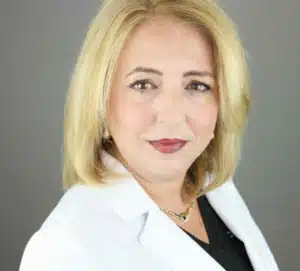
Dr Ramona Kelemen

Dr Kelemen the founder of Hair 4 Life Medical

Hair transplant tourism has exploded over the last decade. Turkey became the bargain destination, promising “celebrity hair” for the price of a weekend getaway. Phoenix, on the other hand, has built its reputation on skill, safety, and long-term results—not quick, flashy promises.

There’s a reason more American patients are choosing Phoenix over Turkey. It goes far beyond price. It comes down to your health, the integrity of your donor area, and the quality of your final result. And those are not things you gamble with.

This guide lays out the real differences between choosing a hair transplant physician in Phoenix and rolling the dice with an overseas package deal. No fluff—just the truth.


1. The Rise of Turkey: Low Prices, High Volume, Unpredictable Outcomes

Let’s be blunt. Turkey isn’t popular because the care is better. It’s popular because the price is lower—sometimes dangerously low.

The typical Turkish clinic uses a factory-style model:

  • Dozens of patients per day

  • Technicians doing almost all the work

  • The “physician” you meet never touches a punch

  • Fast, high-volume procedures

  • Cookie-cutter hairlines

Patients are sold the illusion of physician-directed surgery. The reality is that most of the extraction and implantation is done by unlicensed, minimally trained teams.

Some patients walk away lucky. Many do not. And by the time you discover the truth, you’re back home with no recourse.

Common Problems With High-Volume Overseas Clinics

  • Over-harvested donor areas

  • Unnatural, poorly planned hairlines

  • Low graft survival due to rushed handling

  • Infection, scarring, or necrosis

  • Zero accountability once you leave the country

When volume is the business model, patient care becomes secondary.


2. The U.S. Standard: Why Phoenix Physicians Operate at a Higher Level

A hair transplant physician in Phoenix doesn’t work under the same loose, profit-driven system overseas clinics use. Physicians here follow strict medical regulations, ethical guidelines, and must answer to state medical boards.

When you choose Phoenix, you choose:

  • A licensed physician who actually performs the procedure

  • A real medical evaluation prior to surgery

  • Regulated anesthesia and sterile technique

  • A clinic that’s accountable for your outcome

  • In-person follow-up, not WhatsApp messages

In the United States, a physician’s license is on the line—every single day. That alone increases the quality of care.


3. Phoenix Physicians Perform One Patient Per Day, Not 20

This is a massive difference most patients overlook.

A quality Phoenix hair transplant physician typically treats one patient per day.
A high-volume Turkish clinic might treat 20–40.

That difference impacts everything:

Focused Attention

Your physician is present. They examine, extract, implant, and supervise every detail.

Natural Design

Hairline planning is an artistic skill, not a template. When a physician is involved from start to finish, your hairline matches your face, your age, and your ethnic background—not the “same one we did this morning.”

Donor Protection

American physicians typically take a conservative approach, preserving grafts for your future. Turkey’s mass-production approach often burns through donor supply for a fast “after photo.”


4. Follow-Up Care: A Huge Advantage Turkey Cannot Offer

Even the best procedure requires monitoring. Normal issues include:

  • Swelling

  • Shedding

  • Temporary shock loss

  • Pimples at graft sites

  • Uneven growth phases

If you had your surgery in Turkey, your “follow-up” is often:

  • WhatsApp

  • Stock replies

  • No in-person evaluation

  • No aftercare beyond generic instructions

In Phoenix, you can expect:

  • In-person check-ins

  • Medication guidance

  • Real medical management

  • A long-term relationship with your physician

A proper hair transplant extends far beyond surgery day.


5. The Cost Argument: What You Truly Pay For

Turkey’s prices look attractive, but here’s the truth:

A cheap transplant is only cheap when it’s done correctly the first time.

If it fails, you pay:

  • Again in money

  • Again in time

  • And sometimes permanently with your donor grafts

Turkey Pricing

  • Cheap packages

  • Techs performing the real work

  • Low accountability

  • Inconsistent results

Phoenix Pricing

  • Physician-performed procedure

  • Better graft survival

  • Higher safety standards

  • Natural, long-term results

When you compare cost per graft that actually survives, Phoenix is the smarter investment.


6. Donor Area Integrity: Where Turkey Often Causes Permanent Damage

Your donor supply is limited and does not regenerate.

Turkey’s high-volume clinics often:

  • Over-harvest aggressively

  • Create patchy or moth-eaten areas

  • Leave permanent scarring

  • Use large or outdated punches

Phoenix physicians protect the donor with:

  • Strategic harvesting

  • Smaller punch tools

  • Even extraction patterns

  • Long-term planning

Years later, the difference is obvious.


7. Safety Standards: Where Turkey Falls Short

Many overseas clinics simply do not operate under U.S.-level safety protocols.

Issues include:

  • Reused or poorly sterilized instruments

  • Unqualified personnel

  • Improper anesthesia techniques

  • Infection risks

  • Lack of oversight

A Phoenix medical office undergoes:

  • Regular inspections

  • Strict sterilization

  • FDA-approved medications

  • Physician oversight every day

These are basic expectations in the U.S. that are not guaranteed abroad.


8. Legal Accountability: Why It Matters

In the United States, a hair transplant physician must:

  • Follow state medical laws

  • Maintain malpractice insurance

  • Adhere to ethical standards

  • Answer to licensing boards

If something goes wrong, you have rights.

In Turkey… You do not.

Once you leave, you’re simply another patient they’ll never see again.


9. The Value of True Medical Expertise

Phoenix has become known for physicians who:

  • Specialize specifically in hair restoration

  • Offer advanced techniques like FUE, long-hair FUE, eyebrow transplantation, and DHI

  • Use proven tools instead of outdated devices

  • Understand the long-term progression of hair loss

Many Turkish clinics rely on technicians with minimal training performing medical tasks.

The difference in expertise shows in every single result.


10. Travel and Recovery: A Practical Factor Patients Ignore

Traveling to Turkey means:

  • Long international flights

  • Jet lag

  • Increased swelling on flights

  • Higher infection risk

  • Difficulty getting follow-up care

Phoenix offers:

  • Shorter travel

  • Easier recovery

  • Local support

  • Physicians available if any issue arises

A smoother recovery leads to better outcomes.


11. Long-Term Hair Loss Planning: Something Turkey Rarely Addresses

Hair loss is ongoing.

A responsible Phoenix physician:

  • Maps out long-term goals

  • Preserves donor supply

  • Integrates medical therapy

  • Designs a plan for future aging patterns

Turkish clinics plan for nothing beyond your “after photo.”


12. Phoenix Has Skilled, Dedicated Hair Transplant Physicians

In Phoenix, you’ll find physicians who:

Contrast that with Turkey’s technician-driven approach.


13. Why More Patients Are Choosing Phoenix Over Turkey

People who value quality and long-term results choose Phoenix because they want:

  • A real physician, not a rotating team of techs

  • A safe, sterile medical environment

  • A natural, personalized hairline

  • A protected donor zone

  • Long-term follow-ups

  • A physician who stands behind their work

They want a results-driven medical experience—not a discount package.


14. Final Verdict: Phoenix Physicians Deliver Safer, More Natural, More Reliable Outcomes

Turkey succeeds on price. Phoenix succeeds on quality.

If you want:

  • Safety

  • Accountability

  • True medical oversight

  • Natural artistry

  • Long-term planning

  • Respect for your donor supply

Then Phoenix wins—every time.

A hair transplant is not a vacation package. It’s a medical procedure that will shape your appearance for decades.

When you weigh the facts honestly, the smarter, safer, future-proof choice is clear:

Choose a hair transplant physician in Phoenix—not a technician assembly line overseas.


Ready to Begin Your Hair Restoration Journey? Schedule a paid consultation with Dr. Kelemen today and discover why Hair 4 Life Medical is Arizona’s trusted leader in advanced, innovative hair restoration. Ready to transform your look? Schedule a consultation with Dr. Kelemen today and discover why Hair 4 Life Medical is Arizona’s trusted leader in hair restoration. Interested in learning more? Contact Us or call Hair 4 Life at (480) 525-4547 to schedule an appointment. References Hair Transplant Turkey Risks: 6 Top Risks to be Aware Of The Dangers of Turkey Hair Transplants: What You Need to Know – The Youth Fountain Turkey Hair Transplants: 5 Warnings From Experts
The Latest Advances in FUE Hair Transplant: A Comprehensive Guide

Dr Ramona Kelemen

Dr Kelemen the founder of Hair 4 Life Medical

Follicular Unit Extraction (FUE) hair transplantation has revolutionized the field of hair restoration, offering a minimally invasive solution for those experiencing hair loss. With continual technological advancements, evolving trends, and increased social acceptance, FUE is now one of the most sought-after cosmetic procedures globally. In this comprehensive guide, we explore the latest updates in FUE hair transplant techniques, post-operative experiences, global trends, and tips for choosing the right clinic.

1. Understanding FUE Hair Transplantation

FUE is a hair transplant technique where individual hair follicles are extracted from a donor area (typically the back of the scalp) and implanted into balding or thinning areas. Unlike the traditional Follicular Unit Transplantation (FUT) method, which involves removing a strip of scalp, FUE does not leave a linear scar, making it a preferred option for many patients.

Key Benefits of FUE:

  • Minimally invasive procedure
  • No linear scarring
  • Faster healing time
  • More natural-looking results

2. Technological Advancements in FUE

Recent technological innovations have significantly enhanced FUE procedures, making them more efficient and effective. Some of the most notable advancements include:

Robotic and AI-Assisted FUE

AI-powered robotic systems like the ARTAS and NeoGraft have transformed hair transplantation by increasing precision and reducing human error. These systems analyze the scalp, identify the best donor follicles, and extract them with minimal trauma. This results in a higher graft survival rate and more uniform hair distribution.

Stem Cell Therapy Integration

Researchers are exploring the integration of stem cell therapy with FUE to promote faster healing and improve hair growth post-transplant. Stem cells help regenerate tissue and enhance follicular survival, potentially leading to thicker, healthier hair.

Sapphire Blade Technology

Sapphire blades, made from synthetic sapphire crystals, are now being used instead of steel blades for making recipient site incisions. This technology allows for smaller, more precise incisions, reducing trauma to the scalp and promoting faster healing.

Regenera Activa for Enhanced Results

Regenera Activa, a regenerative medicine technique, is being used to stimulate hair growth and improve graft survival. Regenera Activa therapy is a promising addition to FUE procedures, enhancing overall outcomes.

Handheld Devices for Precision Extraction

New handheld extraction devices are improving the precision and efficiency of FUE procedures. These devices allow surgeons to extract and implant follicles with greater accuracy, reducing trauma to the donor area and enhancing graft survival rates. Portable FUE systems also enable procedures to be more accessible and cost-effective.

3. Post-Operative Expectations and Recovery

While FUE is minimally invasive, post-operative care plays a crucial role in achieving the best results. Patients can expect:

Initial Swelling and Healing Process

Swelling in the forehead and around the eyes is a common side effect in the first few days post-transplant. Proper aftercare, including cold compresses and prescribed anti-inflammatory medications, can help manage this.

Shock Loss and Regrowth Timeline

Patients often experience “shock loss,” where transplanted hairs shed within the first few weeks. This is a natural part of the healing process, and new hair growth typically begins within 3-4 months, with full results visible after 9-12 months.

Post-Transplant Care Tips

  • Avoid direct sunlight on the scalp for at least a month
  • Sleep with the head elevated to reduce swelling
  • Refrain from strenuous physical activity for two weeks
  • Use prescribed shampoos and avoid harsh hair products

4. Global Trends in FUE Hair Transplantation

The demand for FUE hair transplants has surged worldwide, with certain regions emerging as industry leaders.

Turkey: The Hair Transplant Capital of the World

Turkey has become a global hub for hair transplantation, performing over a million procedures annually. The country offers high-quality yet affordable hair transplants, attracting medical tourists from around the world. Clinics in Istanbul, in particular, are renowned for their skilled surgeons and cutting-edge technology.

Warning: Risks of Low-Cost Clinics

While Turkey is a leading destination for hair transplants, patients should exercise caution when choosing a clinic. Some low-cost clinics operate without proper medical oversight, leading to poor results, infections, or even long-term scalp damage. It is crucial to verify the credentials of the surgeon, check patient reviews, and ensure the clinic follows international safety standards before undergoing a procedure. Turkey has become a global hub for hair transplantation, performing over a million procedures annually. The country offers high-quality yet affordable hair transplants, attracting medical tourists from around the world. Clinics in Istanbul, in particular, are renowned for their skilled surgeons and cutting-edge technology.

Celebrity Influence and Social Acceptance

An increasing number of celebrities are openly discussing their hair transplants, reducing stigma around the procedure. Hair restoration is now widely accepted as a routine cosmetic enhancement, similar to Botox or dental veneers.

The “BBL for Men” Phenomenon

With growing societal pressure on men to maintain a youthful appearance, hair transplants are being dubbed the “BBL for men.” The rising trend underscores the procedure’s role in boosting self-confidence and overall aesthetics.

5. Choosing the Right FUE Hair Transplant Clinic

With the increasing popularity of FUE, it is essential to choose a reputable clinic to ensure safe and effective results.

Factors to Consider:

  • Surgeon Credentials: Ensure the procedure is performed by a board-certified surgeon, not a technician.
  • Clinic Reputation: Read patient reviews and look at before-and-after photos.
  • Technology Used: Opt for clinics using the latest technology, such as robotic FUE and sapphire blades.
  • Transparent Pricing: Be wary of clinics offering extremely low prices, as quality may be compromised.
  • Post-Operative Support: A good clinic will provide thorough aftercare instructions and follow-up consultations.

6. The Future of FUE Hair Transplantation

The future of FUE looks promising with continuous advancements in medical technology and hair restoration techniques. Some emerging trends include:

Hair Cloning and Regenerative Medicine

Scientists are researching ways to clone hair follicles, which could eliminate the limitation of donor hair availability. Hair cloning and regenerative treatments could revolutionize the field in the coming decades.

3D-Printed Hair Follicles

Researchers are experimenting with 3D-printed hair follicles that can be implanted into the scalp. This innovation has the potential to increase the success rate of hair transplants significantly.

Personalized Treatment Plans with AI

AI-driven diagnostics will allow for highly personalized treatment plans tailored to an individual’s scalp condition, hair type, and genetic factors.

Conclusion

FUE hair transplantation has come a long way, with cutting-edge advancements making the procedure more effective and accessible than ever. Whether you’re considering an FUE transplant for aesthetic reasons or hair loss concerns, staying informed about the latest developments will help you make the best decision. By choosing a reputable clinic, following post-operative care guidelines, and exploring emerging treatments, you can achieve optimal hair restoration results and regain your confidence. Ready to transform your look? Schedule a paid consultation with Dr. Kelemen today and discover why Hair 4 Life Medical is Arizona’s trusted leader in hair restoration. Interested in learning more? Contact Us or call Hair 4 Life at (480) 525-4547 to schedule an appointment.

References

FUE Hair Transplant: Benefits, Process & Recovery FUE vs FUT and Maximizing the Hair Graft Follicular Unit Excision (FUE) Resources – ISHRS Is it possible to perform a FUE hair transplant (for a male in his 40s with Norwood 3 receding hairline who has been Pros and Cons of FUE Hair Transplant | The Hair Loss Show

Understanding FUE Hair Transplants: Methods and Innovations

Dr Ramona Kelemen

Dr Kelemen the founder of Hair 4 Life Medical

Follicular Unit Extraction (FUE) hair transplants are among the most popular and advanced solutions for hair restoration, offering natural-looking results with minimal scarring and downtime. Within the realm of FUE, several specialized techniques have been developed to address diverse patient needs. This article explores the different types of FUE hair transplants, including the innovative Incognito Hair Transplant developed by Dr. Kelemen.

1. Manual FUE

Overview: Manual FUE is the traditional method where individual hair follicles are extracted using a handheld device equipped with a small punch tool (usually between 0.6mm to 1.0mm in diameter). The surgeon carefully removes each follicle manually, ensuring precision and natural results. Pros:
  • High level of precision, as the surgeon has complete control.
  • Minimal scarring due to the small punch size.
  • Natural-looking hairline and graft placement.
Cons:
  • Time-intensive, as each follicle is extracted manually.
  • Requires exceptional skill and experience from the surgeon.
Best For: Patients seeking precise results, particularly for smaller areas like the hairline or eyebrows, where detail is critical.

2. Motorized FUE

Overview: Motorized FUE utilizes an automated device to assist the surgeon in extracting hair follicles. The motorized tool allows for faster extraction compared to manual FUE, making it ideal for larger procedures. Pros:
  • Quicker procedure time compared to manual methods.
  • Reduced physical strain on the surgeon, which can improve consistency.
Cons:
  • Increased risk of follicle transection if not used carefully.
  • May sacrifice some precision compared to manual FUE.
Best For: Patients requiring a large number of grafts, such as those with advanced hair loss.

3. Robotic FUE (ARTAS)

Overview: Robotic FUE, often performed with systems like ARTAS, uses advanced imaging and artificial intelligence to identify and extract healthy hair follicles. The robotic arm performs precise extractions under the guidance of a surgeon. Pros:
  • Consistent and precise extraction with minimal human error.
  • Advanced imaging ensures the selection of the healthiest follicles.
Cons:
  • Limited flexibility for tailoring results to individual needs.
  • Higher cost due to the use of advanced technology.
Best For: Patients who value cutting-edge technology and consistent results for medium to large transplant areas.

4. Sapphire FUE

Overview: Sapphire FUE is a refinement of traditional FUE that uses sapphire blades to create recipient site incisions. These blades are thinner and more precise than traditional steel tools. Pros:
  • Smaller, more precise incisions.
  • Faster healing due to reduced tissue trauma.
  • Minimal scarring and better graft survival rates.
Cons: Best For: Patients seeking superior precision and faster recovery.

5. DHI (Direct Hair Implantation)

Overview: DHI is a specialized form of FUE where extracted hair follicles are implanted directly into the recipient area using a tool called the Choi Implanter Pen. This eliminates the need to create pre-made incisions in the recipient area. Pros:
  • Higher density and natural-looking results.
  • Reduced handling of follicles, increasing their survival rate.
  • Faster recovery with minimal scarring.
Cons:
  • Slower procedure due to the meticulous implantation process.
  • Higher cost compared to traditional FUE.
Best For: Patients who want high-density hair restoration and natural results with minimal downtime.

6. Long-Hair FUE

Overview: Long-Hair FUE involves extracting and implanting hair follicles without shaving the donor area. This allows patients to maintain their existing hairstyle throughout the procedure. Pros:
  • No visible signs of surgery.
  • Ideal for those who want to keep their hair restoration private.
Cons:
  • Time-intensive due to the complexity of extracting longer hairs.
  • Typically more expensive.
Best For: Patients seeking a discreet procedure without altering their hairstyle.

7. Unshaven (No-Shave) FUE

Overview: Unshaven FUE only trims the specific donor follicles being extracted, leaving the surrounding hair untouched. This method is ideal for those who prefer minimal disruption to their current look. Pros: Cons:
  • Longer procedure time due to the meticulous nature of the extraction.
  • Higher cost compared to fully shaved FUE.
Best For: Individuals who want to maintain discretion and avoid visible signs of surgery.

8. Hybrid FUE

Overview: Hybrid FUE combines elements of FUE with other techniques, such as FUT (Follicular Unit Transplantation), to achieve optimal results for large-scale hair restoration. Pros:
  • Flexibility to address large areas of hair loss.
  • Allows for higher graft numbers in a single session.
Cons:
  • May involve longer recovery if FUT is included.
  • Requires an experienced surgeon to balance the techniques effectively.
Best For: Patients with extensive hair loss who need a large number of grafts.

9. Incognito Hair Transplant (Developed by Dr. Kelemen)

Overview: The Incognito Hair Transplant, developed by Dr. Kelemen, is a groundbreaking and discreet variation of FUE. This method is designed for individuals who want their hair restoration to be virtually undetectable. Unlike traditional FUE, the Incognito method avoids shaving both the donor and recipient areas, allowing patients to maintain their normal hairstyle during and after the procedure. Pros:
  • No visible signs of surgery or shaving.
  • Perfect for patients seeking maximum discretion.
  • Faster return to daily activities with minimal downtime.
Cons:
  • Time-intensive due to the complexity of extracting unshaven follicles.
  • Higher cost compared to traditional FUE techniques.
Best For: Celebrities, professionals, or individuals who want their hair restoration journey to remain private and unnoticed. Innovative Aspects: Dr. Kelemen’s approach focuses on preserving the natural look throughout the process, making it an excellent option for patients who prioritize aesthetics and discretion. This technique requires significant skill and experience, as extracting and implanting unshaven follicles demands exceptional precision.

Choosing the Right FUE Technique

Selecting the most suitable FUE technique depends on several factors, including the extent of hair loss, budget, recovery time, and personal preferences. Here are a few considerations:
  1. Discretion: If maintaining a normal appearance during the process is crucial, consider techniques like Incognito, Long-Hair FUE, or Unshaven FUE.
  2. Extent of Hair Loss: For extensive hair loss, methods like Hybrid FUE or Motorized FUE may be ideal.
  3. Budget: Sapphire FUE and DHI typically cost more but offer advanced precision and results.
  4. Technology Preferences: Robotic FUE is perfect for those who value cutting-edge technology and precision.

Conclusion

FUE hair transplants have revolutionized the field of hair restoration, offering patients a wide range of options tailored to their unique needs. From manual and motorized techniques to advanced methods like Sapphire FUE, DHI, and the innovative Incognito Hair Transplant by Dr. Kelemen, there’s a solution for every individual. Consulting with a skilled and experienced surgeon is essential to determine the best approach for your hair restoration goals. With the right technique, you can achieve natural-looking results and regain confidence in your appearance. Interested in learning more? Contact Us or call Hair 4 Life at (480) 525-4547 to schedule an appointment.
References:
Hair 4 Life Medical – Google Search HAIR 4 LIFE MEDICAL – Updated December 2024 – 84 Photos & 15 Reviews – 8723 E Via De Commercio, Scottsdale, Arizona – Hair Loss Centers – Phone Number – Yelp

Hair loss is a universal concern that transcends age, gender, and geography. Whether it’s the gradual thinning associated with aging, or the sudden shedding triggered by stress or medical conditions, hair loss can profoundly affect one’s confidence and self-image. Among the many treatments available, TricoPAT has emerged as a revolutionary solution. Combining advanced technology with non-invasive methods, TricoPAT offers a unique and effective approach to combating hair loss. In this blog, we delve into the details of TricoPAT, its advantages, and why it stands out in the realm of hair restoration.

Understanding Hair Loss

Before exploring TricoPAT, it’s essential to grasp the basics of hair loss. The human scalp contains around 100,000 hair follicles, each going through a natural cycle of growth (anagen), rest (telogen), and shedding (catagen). Hair loss occurs when this cycle is disrupted, often due to: Genetics: Androgenetic alopecia, commonly known as pattern baldness, is hereditary and the most prevalent cause of hair loss. Hormonal Changes: Conditions like pregnancy, menopause, or thyroid disorders can lead to temporary hair thinning. Medical Conditions: Alopecia areata, scalp infections, and autoimmune diseases may result in hair loss. Lifestyle Factors: Poor nutrition, stress, and certain hairstyles can exacerbate shedding.

Introducing TricoPAT

TricoPAT, an acronym for “Trichological Protocol of Acoustic Treatment,” is a cutting-edge hair restoration treatment that leverages non-invasive techniques to stimulate hair growth. It integrates advanced technologies to rejuvenate the scalp, improve blood circulation, and enhance the absorption of growth-promoting factors. Designed for individuals experiencing hair thinning or early-stage hair loss, TricoPAT is a versatile solution suitable for both men and women.

How TricoPAT Works

TricoPAT employs a multi-modal approach that includes:
  • Acoustic Shock Waves: These waves stimulate microcirculation in the scalp, increasing the delivery of oxygen and nutrients to hair follicles. Enhanced blood flow creates a healthy environment for hair growth.
  • Iontophoresis: This technique uses electrical currents to drive growth factors, amino acids, and other therapeutic substances deeper into the scalp. It ensures effective absorption of these nutrients, which are essential for follicle health.
  • Low-Level Laser Therapy (LLLT): LLLT energizes hair follicles and prolongs the anagen (growth) phase of the hair cycle, promoting thicker and stronger hair.
  • Electrostimulation: Gentle electrical impulses activate dormant follicles and strengthen existing ones, enhancing overall scalp health.

Advantages of TricoPAT

TricoPAT’s popularity stems from its numerous advantages, making it a standout treatment for hair loss:
  • Non-Invasive and Painless: Unlike traditional mesotherapy, TricoPAT requires no needles, ensuring a pain-free experience.
  • Enhanced Scalp Health: By improving microcirculation and nutrient delivery, TricoPAT revitalizes the scalp, creating an optimal foundation for hair regrowth.
  • Effective Absorption of Growth Factors: Iontophoresis ensures that therapeutic substances penetrate deeply, maximizing their efficacy.
  • Minimal Downtime: Patients can return to their daily routines immediately after treatment, making it convenient for busy individuals.
  • Suitable for Various Types of Hair Loss: Whether caused by genetics, stress, or hormonal imbalances, TricoPAT can address multiple underlying causes of hair loss.
  • Improved Hair Density and Thickness: Clinical studies have shown significant improvements in hair density and overall appearance after a series of TricoPAT sessions.
  • Customizable Protocols: TricoPAT treatments can be tailored to the unique needs of each patient, ensuring personalized care.

What to Expect During a TricoPAT Session

A typical TricoPAT session involves the following steps: Consultation and Assessment: A trichologist evaluates the patient’s scalp and hair loss pattern to determine suitability for TricoPAT. Preparation: The scalp is cleansed to remove impurities, ensuring better absorption of therapeutic substances. Application of Technologies: Acoustic shock waves, iontophoresis, and other modalities are applied in a sequence customized for the patient’s condition. Post-Treatment Care: Patients receive guidance on maintaining scalp health and enhancing treatment outcomes, such as dietary recommendations or using specific hair care products.

Who Can Benefit from TricoPAT?

TricoPAT is ideal for individuals experiencing:
  • Early-stage androgenetic alopecia.
  • Diffuse thinning due to stress or hormonal changes.
  • Postpartum hair loss.
  • Temporary shedding from telogen effluvium.
  • However, it’s less effective for advanced baldness where follicles are permanently damaged. In such cases, hair transplantation might be a better option.
  • Complementary Treatments and Lifestyle Changes

While TricoPAT delivers impressive results, combining it with other therapies and lifestyle changes can enhance outcomes. Consider the following:

  • Dietary Improvements: Include foods rich in biotin, zinc, iron, and omega-3 fatty acids.
  • Stress Management: Practice mindfulness, yoga, or meditation to reduce stress-induced hair loss.
  • Topical Treatments: Use serums or shampoos containing minoxidil, keratin, or peptides to support hair growth.
  • Professional Advice: Regular consultations with a trichologist can help monitor progress and adjust treatment plans.

Real-World Results: Case Studies

Patients who have undergone TricoPAT treatments often report noticeable improvements in hair quality and density. Here are a few success stories: Maria, 34: After experiencing postpartum hair loss, Maria tried TricoPAT. Within three months, she noticed significant regrowth and improved hair thickness.” James, 45: “Struggling with early-stage male pattern baldness, James opted for TricoPAT. The treatment not only halted further loss but also restored his confidence with visibly thicker hair.” Anita, 29: “Stress-induced shedding had left Anita’s hair thin and lifeless. A combination of TricoPAT and dietary changes revitalized her hair in just six sessions.

Conclusion

TricoPAT represents a breakthrough in the fight against hair loss, combining science and technology to deliver effective, non-invasive results. Whether you’re looking to halt early thinning or boost overall hair health, this innovative treatment offers a promising solution. With minimal downtime, personalized care, and proven efficacy, TricoPAT is reshaping the landscape of hair restoration. If you’re considering TricoPAT, consult a qualified trichologist to assess your eligibility and create a tailored treatment plan. Remember, addressing hair loss is not just about restoring appearance—it’s about regaining confidence and embracing self-assurance. Interested in learning more about TricoPat? Contact Us or call Hair 4 Life at (480) 525-4547 to schedule an appointment.
References:
Hair 4 Life Medical – Google Search Home Bing Videos

Are Turkish Hair Transplants the Best? Unpacking the Truth Behind the Global Hype

Dr Ramona Kelemen

Dr Kelemen the founder of Hair 4 Life Medical

Hair loss affects millions worldwide, leading many to seek effective, affordable, and natural-looking solutions. Turkey has emerged as a global hub for hair transplants, drawing tens of thousands of patients annually. The country’s reputation for offering cost-effective procedures, combined with its booming medical tourism industry, has earned it significant attention. But are Turkish hair transplants truly “the best”? The answer isn’t as straightforward as it seems. Let’s explore the advantages, potential pitfalls, and how they compare to advanced clinics like Hair 4 Life Medical in Arizona, where precision, innovation, and artistry lead the way in hair restoration.

Why Are Turkish Hair Transplants So Popular?

Turkey’s hair transplant industry has grown exponentially over the last decade. Clinics in Istanbul and other major cities are performing thousands of procedures every month. Several factors contribute to this popularity:

1. Affordability

Hair transplant costs in Turkey are a fraction of what they are in Western countries like the United States, the UK, or Germany. A procedure that might cost $8,000–$15,000 in the U.S. could cost $2,000–$5,000 in Turkey, often including:
  • The procedure itself.
  • Luxury hotel accommodations.
  • Airport transfers and local transportation.

2. High Volume of Procedures

Turkey performs an estimated 500,000 hair transplants annually. The sheer number of procedures gives clinics experience and efficiency. Many surgeons have performed thousands of transplants, refining their techniques.

3. All-Inclusive Medical Tourism Packages

Turkish clinics simplify the process for international patients. They provide all-inclusive packages that cover everything from consultation to post-op care instructions. This convenience is especially appealing to those traveling from overseas.

Advantages of Turkish Hair Transplants

Turkish hair transplants offer several key benefits that make them attractive to medical tourists:

1. Cost-Effectiveness

Turkey’s lower costs are due to favorable currency exchange rates and lower operating expenses, not necessarily a compromise in quality. Patients can often afford high-density transplants that might be prohibitively expensive elsewhere.

2. Advanced Techniques

Top Turkish clinics use modern methods like:

3. Experienced Surgeons

In leading clinics, surgeons and technicians have extensive experience, having performed thousands of procedures. The best clinics are known for their artistry and ability to deliver natural-looking results.

The Hidden Truth: Inconsistencies in Turkish Staff

While Turkey has many reputable hair transplant clinics, inconsistencies in staff training and involvement can pose significant challenges, especially in budget clinics. Here’s why this is a concern:

1. Technician-Led Procedures

One of the most common criticisms of lower-tier Turkish clinics is the over-reliance on technicians. While technicians play an essential role, they may handle tasks that should be performed by a qualified surgeon. This can result in:
  • Lack of Precision: Technicians may lack the expertise needed for critical steps like graft placement or hairline design.
  • Inconsistent Outcomes: Variability in skills among technicians can lead to uneven results.
  • Minimal Surgeon Involvement: In some cases, the surgeon may only perform a brief consultation or supervise from a distance, leaving the bulk of the procedure to the staff.

2. High Staff Turnover

Many clinics operate in a high-volume environment, leading to frequent staff turnover. This inconsistency means:
  • Patients may be treated by inexperienced or newly hired technicians.
  • A lack of continuity in staff training can result in variations in technique and quality.
  • Clinics may prioritize speed over precision, negatively affecting outcomes.

3. Assembly-Line Approach

Some high-volume Turkish clinics adopt an assembly-line model to handle the large influx of patients. This approach often involves dividing the procedure among multiple technicians, which can compromise:
  • Personalized Care: Each patient’s unique needs may not receive adequate attention.
  • Attention to Detail: Splitting tasks can result in inconsistent density, unnatural hairlines, or improper follicle placement.

Post-Procedure Challenges with Turkish Clinics

1. Limited Aftercare

Aftercare is critical for a successful hair transplant. While Turkish clinics provide detailed instructions, they often cannot offer in-person follow-ups for international patients.

2. Accessibility

For international patients, flying back to Turkey for touch-ups or additional procedures can be inconvenient and costly. Clinics closer to home, like Hair 4 Life Medical, offer the advantage of easy access for follow-ups.

How Does Hair 4 Life Medical Compare?

For those considering alternatives to Turkish clinics, Hair 4 Life Medical offers an exceptional option. Here’s how it stands out:

1. Surgeon-Led Procedures

At Hair 4 Life Medical, Dr. Kelemen personally performs and oversees all critical aspects of the procedure. This ensures:
  • Artistic Hairline Design: Tailored to each patient’s facial features and natural growth patterns.
  • Precision Placement: Every follicle is strategically positioned for optimal density and a natural look.
  • Consistent Results: A dedicated surgeon ensures attention to detail that high-volume clinics may lack.

2. Exclusive Treatments Not Always Available in Turkey

Hair 4 Life Medical provides advanced solutions that aren’t widely offered in Turkey, such as:

3. Comprehensive Aftercare

Being a local clinic in Arizona, Hair 4 Life Medical provides extensive aftercare, including in-person follow-ups, to monitor healing and ensure optimal results.

Why Choose Hair 4 Life Medical Over Turkish Clinics?

1. Quality Over Volume

Unlike assembly-line clinics, Hair 4 Life Medical prioritizes quality and personalization. Patients receive:
  • One-on-one attention from Dr. Kelemen.
  • Procedures tailored to their unique hair loss patterns and goals.

2. Cutting-Edge Technology

Hair 4 Life Medical integrates advanced tools like:
  • ARTAS Robotic System for AI-driven precision.
  • WAW Duo FUE System for minimally invasive, high-precision follicle extraction.
  • Zeus Ugraft FUE Device for seamless hairline creation.

3. Convenience and Accessibility

With Hair 4 Life Medical, patients benefit from local follow-ups, eliminating the need for international travel for post-op care or touch-ups.

Patient Success Stories

John’s Story – Long Hair FUE

“I was hesitant to shave my head for a transplant. Dr. Kelemen’s Long Hair FUE allowed me to keep my hairstyle intact while restoring my hairline. The results are incredible!”

Sarah’s Story – Regenera Activa

“I started noticing thinning hair after pregnancy. Regenera Activa was the perfect non-surgical solution for me. My hair is thicker and healthier than ever!”

Michael’s Story – ARTAS Robotic System

“The precision of the ARTAS system is amazing. Dr. Kelemen created a natural-looking hairline that exceeded my expectations.”

Final Verdict: Are Turkish Hair Transplants the Best?

Turkish clinics offer affordability and accessibility, making them a great option for many. However, the inconsistencies in staff training, technician involvement, and aftercare can impact results. For those seeking advanced technology, surgeon-led procedures, and personalized care, Hair 4 Life Medical offers unparalleled expertise. Led by Dr. Kelemen, the clinic combines innovation with artistry, delivering results tailored to your unique needs.
Ready to Begin Your Hair Restoration Journey? Schedule a paid consultation with Dr. Kelemen today and discover why Hair 4 Life Medical is Arizona’s trusted leader in advanced, innovative hair restoration. Ready to transform your look? Schedule a consultation with Dr. Kelemen today and discover why Hair 4 Life Medical is Arizona’s trusted leader in hair restoration. Interested in learning more? Contact Us or call Hair 4 Life at (480) 525-4547 to schedule an appointment. References Hair Transplant Turkey Risks: 6 Top Risks to be Aware Of The Dangers of Turkey Hair Transplants: What You Need to Know – The Youth Fountain Turkey Hair Transplants: 5 Warnings From Experts

Are Hair Transplant Physicians Who Only Use Robots Truly the Best Choice?

Dr Ramona Kelemen

Dr Kelemen the founder of Hair 4 Life Medical

As technology advances, robotic systems like the ARTAS Robotic Hair Transplant System have revolutionized hair restoration procedures. These robots excel at automating specific tasks, such as follicular extraction and site creation, offering precision and consistency. However, even the most advanced robots cannot replace the need for a skilled and experienced physician. A robot is only as effective as the doctor operating it, and relying solely on robotics without mastery of other techniques can limit the quality of results. Let’s explore why skilled physicians remain essential, even in the age of robotic hair restoration.

The Role of Robots in Hair Transplants

Robotic systems like ARTAS have transformed hair transplants by introducing automation and precision to tasks that previously relied entirely on manual techniques. Key advantages of robotic systems include:
  • Precise Follicle Extraction: Robots minimize transection rates by selecting the healthiest grafts for extraction.
  • Site Creation Automation: Using pre-programmed algorithms, robots create recipient sites with consistent depth and spacing.
While these benefits are significant, robots are tools, not replacements for a physician’s expertise.

Why Robots Still Need Skilled Doctors

1. Robots Lack the Artistic Touch

Hair restoration is as much about art as it is about science. While robots excel at technical precision, they lack the artistic judgment required to create natural-looking hairlines and optimal density. A skilled doctor is essential for:
  • Hairline Design: Only an experienced physician can account for subtle variations in facial features and hair growth patterns.
  • Strategic Placement: Grafts must be placed with care to mimic natural hair angles, which a robot alone cannot achieve.
At Hair 4 Life Medical, Dr. Kelemen personally designs hairlines to ensure every transplant blends seamlessly with the patient’s existing hair, combining the precision of robotics with her artistic expertise.

2. Customization for Individual Patients

Robots operate based on algorithms and pre-programmed settings, which may not account for the unique needs of every patient. Skilled doctors can customize the procedure in ways a robot cannot, including:
  • Adjusting techniques for patients with scars, unique hair patterns, or varying donor area quality.
  • Incorporating advanced methods like No Shave FUE or Body Hair Transplants (BHT).
  • Tailoring the approach to achieve specific aesthetic goals, such as restoring temple points or creating soft, irregular hairlines.
Dr. Kelemen’s ability to adapt and personalize treatments ensures optimal results for patients with a variety of needs.

3. Handling Complex Cases

Robots perform well in standard cases but may struggle with more complex scenarios. For instance:
  • Body Hair Transplants (BHT): Robots are not designed to extract hair from areas like the beard, chest, or other body parts.
  • Scarred Scalps: Patients with scar tissue require careful manual adjustments that a robot cannot execute effectively.
  • Limited Donor Areas: In cases of advanced hair loss, a skilled physician must employ creative strategies to maximize donor hair usage.
Physicians like Dr. Kelemen, who are proficient in both robotic and manual methods, can address these challenges effectively.

4. Troubleshooting and Decision-Making

Robotic systems are not infallible and may encounter issues during a procedure. An experienced doctor is essential for:
  • Troubleshooting technical problems, such as equipment malfunctions.
  • Making real-time decisions to adjust the procedure based on the patient’s response or unexpected findings.
  • Ensuring the procedure proceeds safely and effectively, regardless of technical challenges.

5. Hybrid Approaches Deliver Better Results

The best hair restoration results often come from combining robotic precision with manual artistry. For example:
  • Robots like ARTAS can extract grafts with exceptional accuracy, but a skilled physician can refine site creation and graft placement to achieve a more natural appearance.
  • In cases where robots cannot perform certain tasks, manual techniques can fill the gap, ensuring a seamless procedure.

Risks of Choosing a Doctor Who Relies Solely on Robots

While robots offer significant advantages, a physician who depends exclusively on robotics without proficiency in manual methods may face limitations, including:

1. Limited Range of Services

Physicians who only use robots may not offer advanced treatments like:

2. Generic Results

Robots rely on algorithms and standardized settings, which may not account for individual variations. Without a physician’s oversight and artistic judgment, results can look unnatural or too uniform.

3. Inability to Address Unique Challenges

Patients with complex hair loss patterns or unusual scalp characteristics may require manual interventions that a robot cannot perform. A well-rounded physician can adapt to these challenges with skill and precision.

Dr. Kelemen’s Approach: Combining Robotics with Expertise

At Hair 4 Life Medical, Dr. Kelemen believes that robotic systems are tools to enhance, not replace, her expertise. Her approach includes:

1. Physician-Led Procedures

Dr. Kelemen personally PERFORMS all aspects of each procedure, from designing the hairline to ensuring proper graft placement. Robots like ARTAS are used to complement her skills, not replace them.

2. Advanced Techniques Beyond Robotics

In addition to leveraging robotics, Dr. Kelemen is highly skilled in advanced manual techniques, including:

3. Personalized Care

Every patient at Hair 4 Life Medical receives a customized treatment plan tailored to their unique goals, hair loss pattern, and donor area quality.

Why Choose a Doctor with Comprehensive Expertise?

When choosing a hair transplant physician, look for someone who:
  • Combines robotic precision with manual artistry.
  • Offers a wide range of advanced techniques, such as No Shave FUE. Long Hair FUE and BHT.
  • Prioritizes personalization over standardized approaches.
A skilled doctor who uses robotics as part of a broader skill set—like Dr. Kelemen—can provide results that are natural, seamless, and tailored to your unique needs.

Conclusion: Skilled Doctors Are Essential for Success

While robotic systems like ARTAS have revolutionized hair restoration, they are tools that require the expertise of a skilled physician to achieve the best results. Physicians who ONLY rely on robots without mastering other techniques may deliver suboptimal outcomes, especially in complex cases or when artistic judgment is required. For personalized care that combines cutting-edge robotics with advanced manual techniques, Dr. Kelemen at Hair 4 Life Medical offers unparalleled expertise. Her approach ensures that every patient achieves natural, long-lasting results, whether through robotic systems, manual artistry, or a hybrid of both. Ready to transform your look? Schedule a consultation today and discover why Hair 4 Life Medical is Arizona’s trusted leader in hair restoration. Interested in learning more about ARTAS? Contact Us or call Hair 4 Life at (480) 525-4547 to schedule an appointment.
References:
Hair 4 Life Medical – Google Search HAIR 4 LIFE MEDICAL – Updated December 2024 – 84 Photos & 15 Reviews – 8723 E Via De Commercio, Scottsdale, Arizona – Hair Loss Centers – Phone Number – Yelp

Hair transplant Clinic in Scottsdale, AZ lead by Dr Kelemen offering every hair transplant method: FUT and FUE: ARTAS, WAW, Ugraft.

Hair transplant Clinic in Scottsdale, AZ lead by Dr Kelemen offering every hair transplant method: FUT and FUE: ARTAS, WAW, Ugraft.

Hair transplant Clinic in Scottsdale, AZ lead by Dr Kelemen offering every hair transplant method: FUT and FUE: ARTAS, WAW, Ugraft.

Hair transplant Clinic in Scottsdale, AZ lead by Dr Kelemen offering every hair transplant method: FUT and FUE: ARTAS, WAW, Ugraft.